104 art exhibitions closing in March 2026
This issue of Kunsti Radar focuses on the diverse range of 104 art exhibitions set to close across Europe and the United Kingdom in March 2026.

As winter begins to fade, our fourth issue arrives with a sense of urgency, highlighting the diverse exhibitions across Europe set to conclude this March. From the hushed, masterful still lifes of Pieter Claesz in Vienna to the visceral, black-ink satires of Raymond Pettibon in Paris, these closing weeks offer a final chance to witness a remarkable breadth of creative expression. Whether you are drawn to the delicate textures of 19th-century photography in Antwerp or the monumental ceramic structures in Vienna, this selection serves as your essential guide.
The current landscape of European museums reflects a deep fascination with both the elemental and the experimental. In Brussels, the Boghossian Foundation prepares to extinguish its evocative exploration of fire, while Berlin’s Humboldt Forum unpicks the legacy of Chinese painter Wen Zhengming. These shows investigate how human identity is forged through spiritual revolutions, colonial histories, and our evolving relationship with the natural world.
In addition to these thematic surveys, March marks the end of several significant solo presentations that have redefined their respective mediums. The Fondation Louis Vuitton’s sweeping journey through Gerhard Richter’s six-decade career is entering its final days, as is Lygia Clark’s participatory retrospective in Zürich. As these galleries prepare to rotate their collections, we encourage you to make time for these fleeting encounters. Each summary in this issue is designed to help you navigate these cultural highlights before they vanish from the public eye.
🇦🇹 Exhibitions in Austria
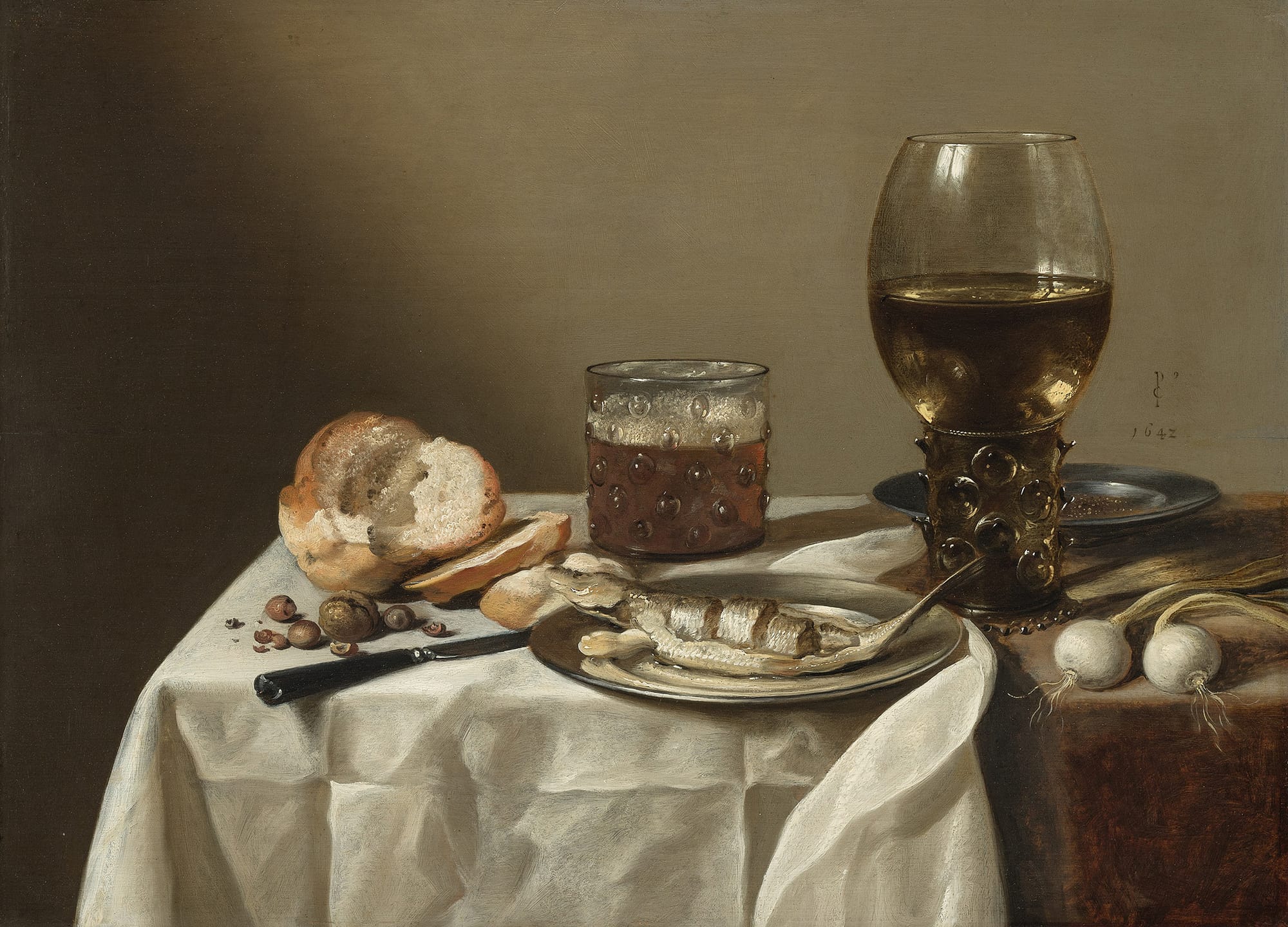
Pieter Claesz: Still Lifes
Until 15 March 2026
Vienna’s Kunsthistorisches Museum is currently hosting a refined tribute to Pieter Claesz, a defining figure of the Dutch Golden Age. This focused exhibition — organised in collaboration with the Kaiserschild Foundation — highlights the Flemish-born master’s revolutionary approach to still-life painting. Visitors can admire his famous “laid tables”, where a restrained palette and delicate lighting transform everyday objects into atmospheric scenes. Beyond the traditional canvases, the gallery integrates interactive multimedia tables and high-resolution digital reproductions to reveal Claesz’s technical secrets. It is a rare opportunity to observe these quiet, masterful compositions before the show concludes on 15 March 2026.
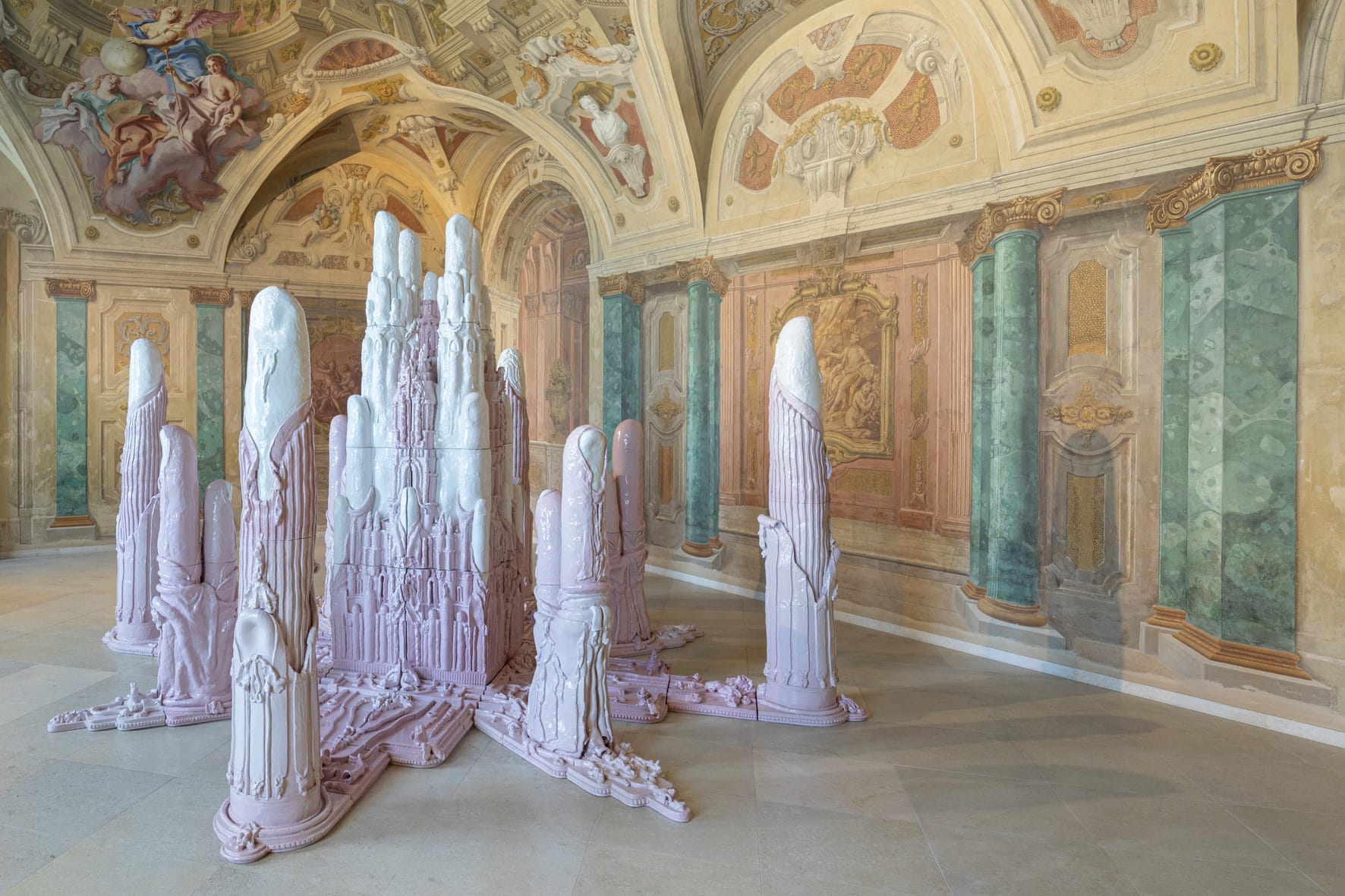
Carlone Contemporary: Elmar Trenkwalder
Until 14 March 2026
In the ornate surroundings of the Upper Belvedere’s Carlone Hall, the sprawling ceramic sculptures of Austrian artist Elmar Trenkwalder offer a spectacular dialogue between the contemporary and the Baroque. Known for his monumental, hand-shaped works, Trenkwalder weaves together a dense tapestry of biomorphic patterns, lavish ornamentation, and archaic figures. His massive sculpture, WVZ 183, mirrors the opulence of the room’s historical frescoes, drawing visitors into a world of sensory illusion and architectural complexity. It is a masterful display of craftsmanship that began as simple drawings and evolved into complex, glazed masterpieces. The exhibition remains open until 14 March 2026.
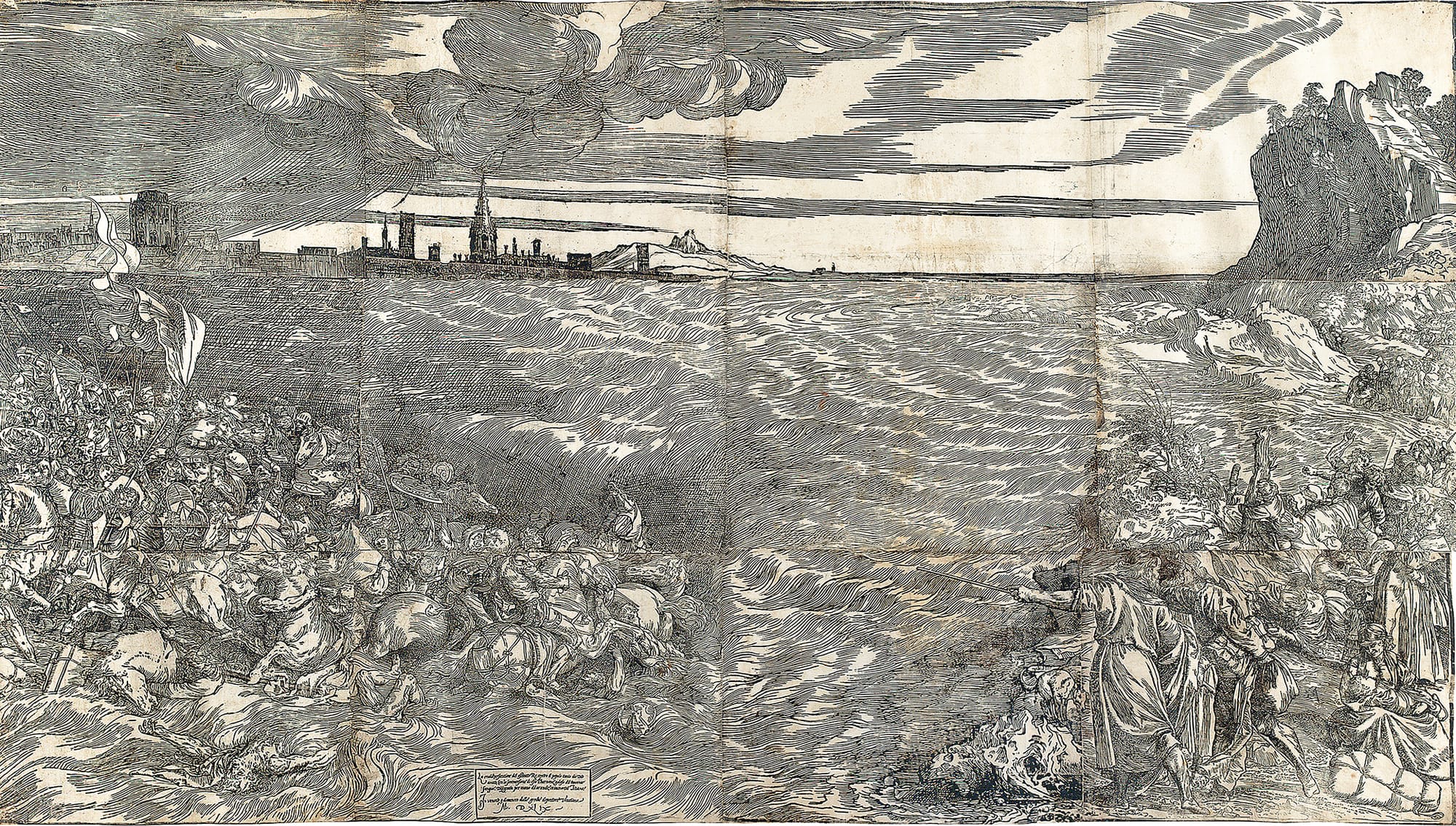
Fascination Paper: Rembrandt to Kiefer
Until 22 March 2026
Spanning over five centuries of artistic production, the Albertina Museum’s latest survey celebrates the astonishing versatility of paper as a primary medium. This expansive exhibition draws from the institution’s world-class graphic and architectural collections, pairing old masters like Rembrandt and Dürer with modern heavyweights such as Anselm Kiefer and Lucio Fontana. Visitors can explore everything from delicate 15th-century playing cards to monumental, three-dimensional contemporary installations that push the material to its physical limits. By juxtaposing architectural models with intricate woodcuts, the curation highlights how a single, humble substrate has remained the fundamental bedrock of creative expression throughout Western art history.
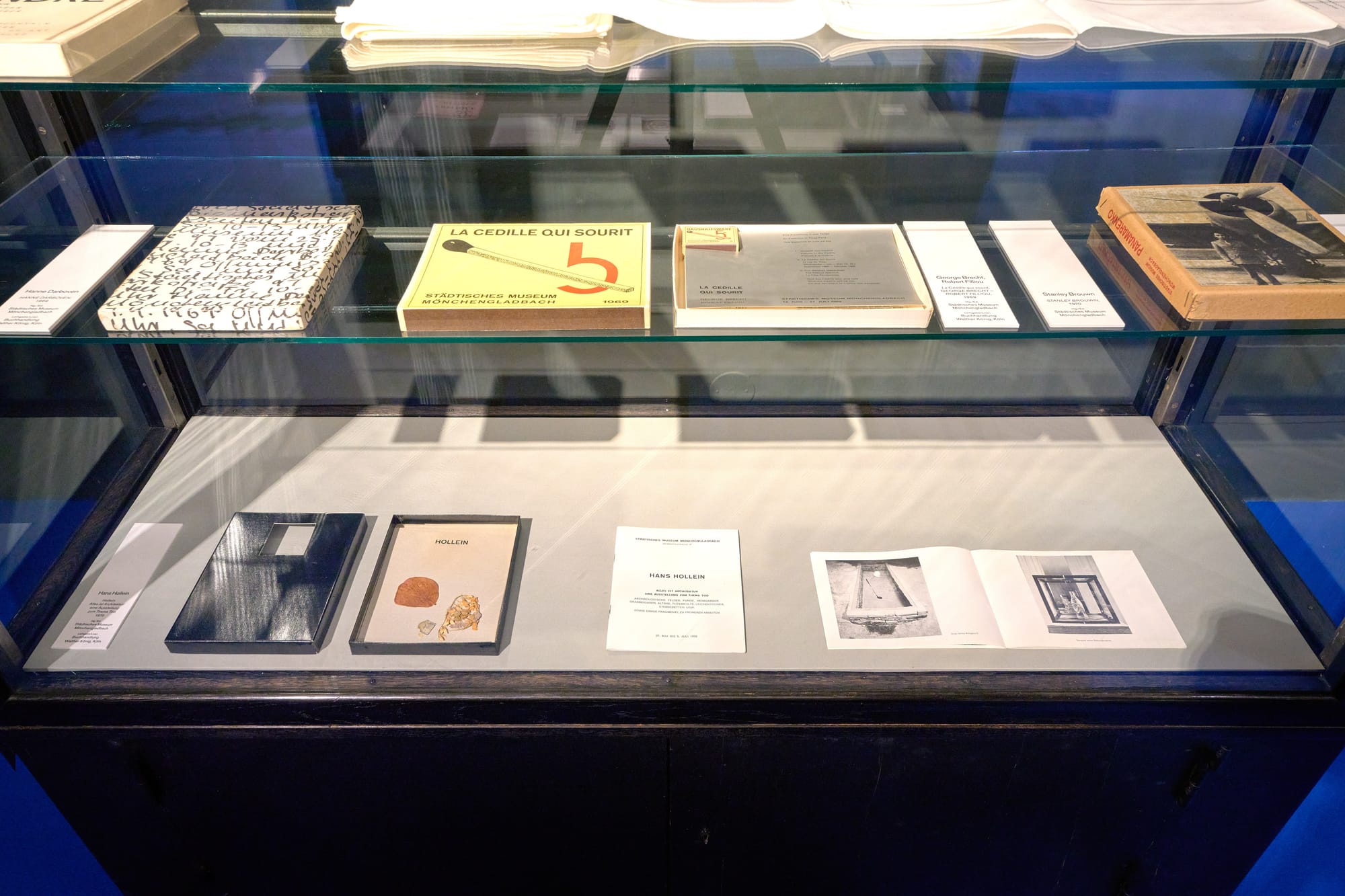
Turning Pages: Artists’ Books of the Present
Until 22 March 2026
The MAK celebrates the versatility of printed matter in Turning Pages: Artists’ Books of the Present, an exhibition remaining open until 22nd March 2026. This collection presents 300 experimental volumes, tracing the medium’s evolution from 1960s avant-garde positions to today’s AI-influenced landscape. Featuring heavyweights like Martin Kippenberger and Isa Genzken, the curation highlights the book as a “visionary actional space” for social and political commentary. From hand-painted prototypes to computer-generated poetry, the assembly demonstrates how tactile print persists as a vital, multidisciplinary alternative to our digital age. It is a brilliant, multifaceted panorama.
The Line
Until 8 March 2026
Time is running out to catch The Line at the Heidi Horten Collection, an insightful exploration of the line as a foundational element of visual art. Since opening last September, the exhibition has navigated the delicate tension between subjective, expressive gestures and constructive, mathematical precision. While it takes the classical medium of drawing as a starting point, the focus quickly shifts toward contemporary positions that push the stroke into three-dimensional space. These works transcend traditional genre boundaries to reflect on complex social realities.
Julius von Bismarck: Normale Katastrophe
Until 8 March 2026
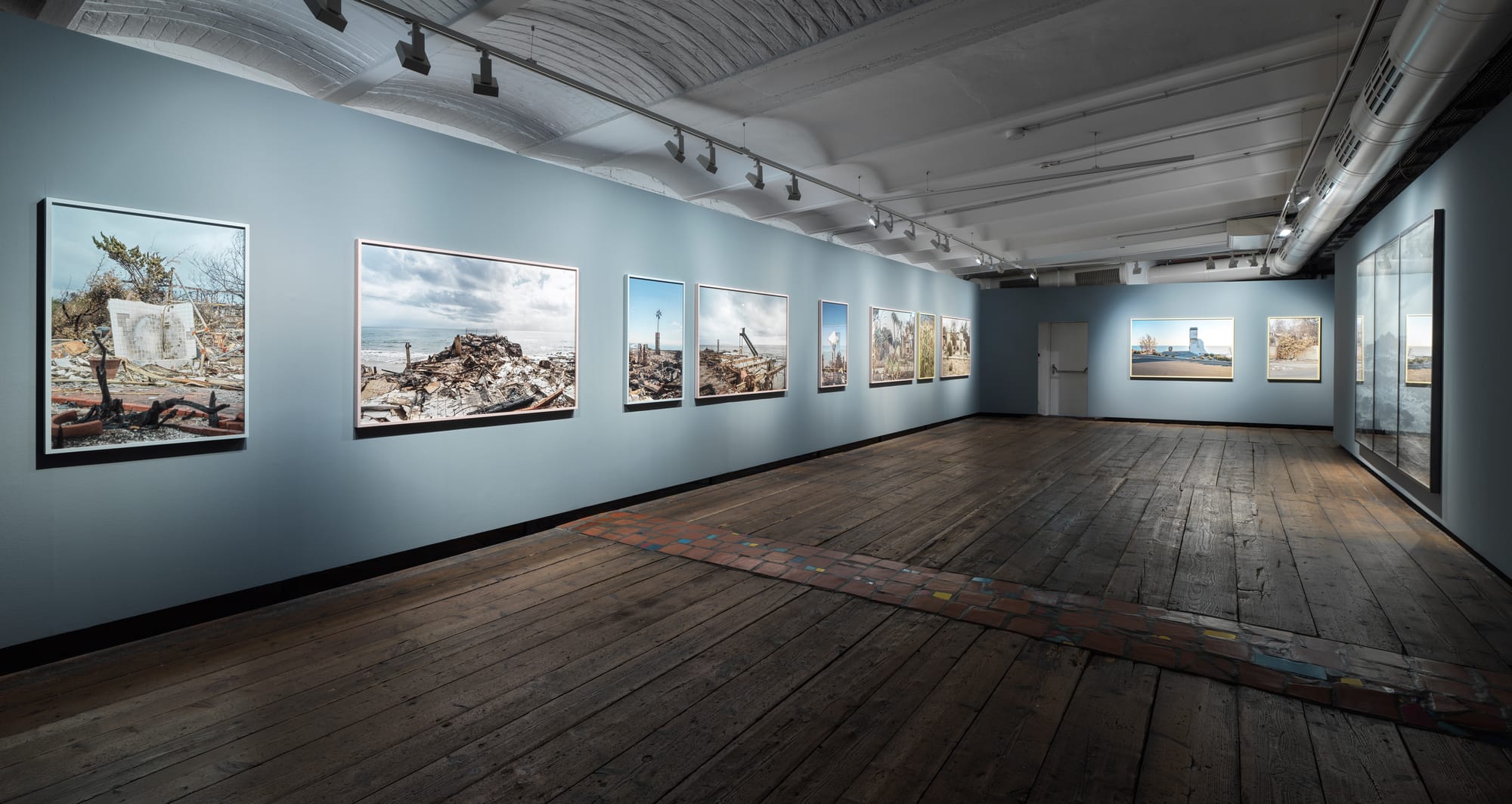
Julius von Bismarck’s first major solo exhibition in Austria, Normale Katastrophe, challenges our cultural perceptions of the natural world. Hosted at Kunsthaus Wien, the showcase explores the concept of “normality bias” — a psychological state where society views escalating ecological crises as the new status quo. Von Bismarck employs a blend of scientific curiosity and radical artistry to capture lightning bolts, wildfires, and storm waves. Through stunning photographs, sculptures, and a site-specific installation in the museum’s courtyard, the artist dismantles romanticised views of nature, replacing them with disconcerting images that reveal the true extent of human impact on our environment.
Lichtungen: The winning works of the 39th Austrian Graphic Arts Competition
Until 22 March 2026
Innsbruck’s Museum im Zeughaus hosts Lichtungen, a showcase of the 39th Austrian Graphic Art Competition. Established in 1952 by Paul Flora, this prestigious biennial remains remarkably open, welcoming any work on paper smaller than 1.5 metres. The current selection features sixteen awarded and purchased pieces from roughly 400 entries, including Marianne Lang’s prize-winning Windwurf. These contemporary drawings and prints serve as “clearings” — existential pauses amidst our chaotic, Anthropocene-scarred reality. By presenting such diverse experiments in graphite, ink, and collage, the exhibition highlights the enduring vitality of Austrian graphic art in a rapidly changing world.
🇧🇪 Exhibitions in Belgium
Room 54: Recent acquisitions
Until 1 March 2026
Room 54 at the Royal Museums of Fine Arts of Belgium hosts a bold selection of contemporary acquisitions, marking a significant shift in the institution’s display of modern works. This presentation signals the permanent return of post-1960s art to the museum’s main circuit, emphasising global perspectives and the vital role of women artists. Masterpieces such as Chéri Samba’s Je suis un rebelle and Aimé Mpane’s response to Rubens confront colonial histories and modern anxieties. Meanwhile, video works by Emmanuel Van der Auwera and Thomas Verstraeten examine the digital saturation and surveillance of our current era. Together, these pieces transform the gallery into a resonant space for social and aesthetic reflection.
Georges Meurant meets Bonolo Kavula
Until 8 March 2026
In a vibrant new pairing at Brussels’ Royal Museums of Fine Arts, the geometric abstractions of Belgian painter Georges Meurant find a contemporary echo in the works of South African artist Bonolo Kavula. This exhibition launches the “Collection Meets” series, which places museum treasures alongside pieces from private collections. Meurant’s rhythmic, colourful canvases draw deep inspiration from the structural logic of Kasai embroideries without directly mimicking them. Meanwhile, Kavula uses traditional shweshwe fabric and repetitive circular motifs to bridge the gap between textile art and post-minimalism. It is a thoughtful exploration of how different cultures can share a visual language through pattern and line.
Nairy Baghramian: nameless
Until 1 March 2026
Occupying the post-industrial floors of Brussels’ WIELS, nameless marks a significant return for Nairy Baghramian. The internationally acclaimed artist presents a series of previously unseen sculptures and spatial installations that challenge the rigid codes of traditional form. Inspired by avant-garde figures who worked in exile — such as Katarzyna Kobro and Jean Arp — Baghramian explores the concepts of displacement and statelessness. Her biomorphic structures and industrial materials suggest a precarious existence, existing outside the boundaries of language. It is a sophisticated, tactile investigation into how objects survive when stripped of their domestic or sociopolitical foundations.
Fire
Until 1 March 2026
As its final weeks approach, the exhibition Fire at Villa Empain offers a last chance to witness a powerful exploration of humanity’s relationship with the flame. Bringing together fifty modern and contemporary artists, the showcase captures the tension between the protective warmth of the hearth and the devastation of a blaze. Significant works by Piero Manzoni and Cornelia Parker illuminate the element’s role in everything from ancient myths to modern-day rituals. Whether through charred canvases or flickering video installations, the collection examines how fire transforms substance into spirit — a captivating, sensory farewell to this elemental force.
Ahmed Mater: Guncaps
Until 1 March 2026
Saudi artist Ahmed Mater brings a poignant reflection on memory to the Secretary of Villa Empain with his installation Guncaps. By meticulously assembling thousands of tiny red plastic toy gun caps, Mater spells out the Arabic words for “freedom” and “peace”. These objects — once common childhood playthings in Saudi Arabia — bridge the gap between American Western pop culture and Bedouin nomadic traditions. Rather than evoking conflict, the works Hurriya and Salam use these ephemeral materials to explore cultural assimilation and shared human values. It is a compact yet powerful study of global dialogue.
Early Gaze: Unseen Photography from the 19th Century
Until 1 March 2026
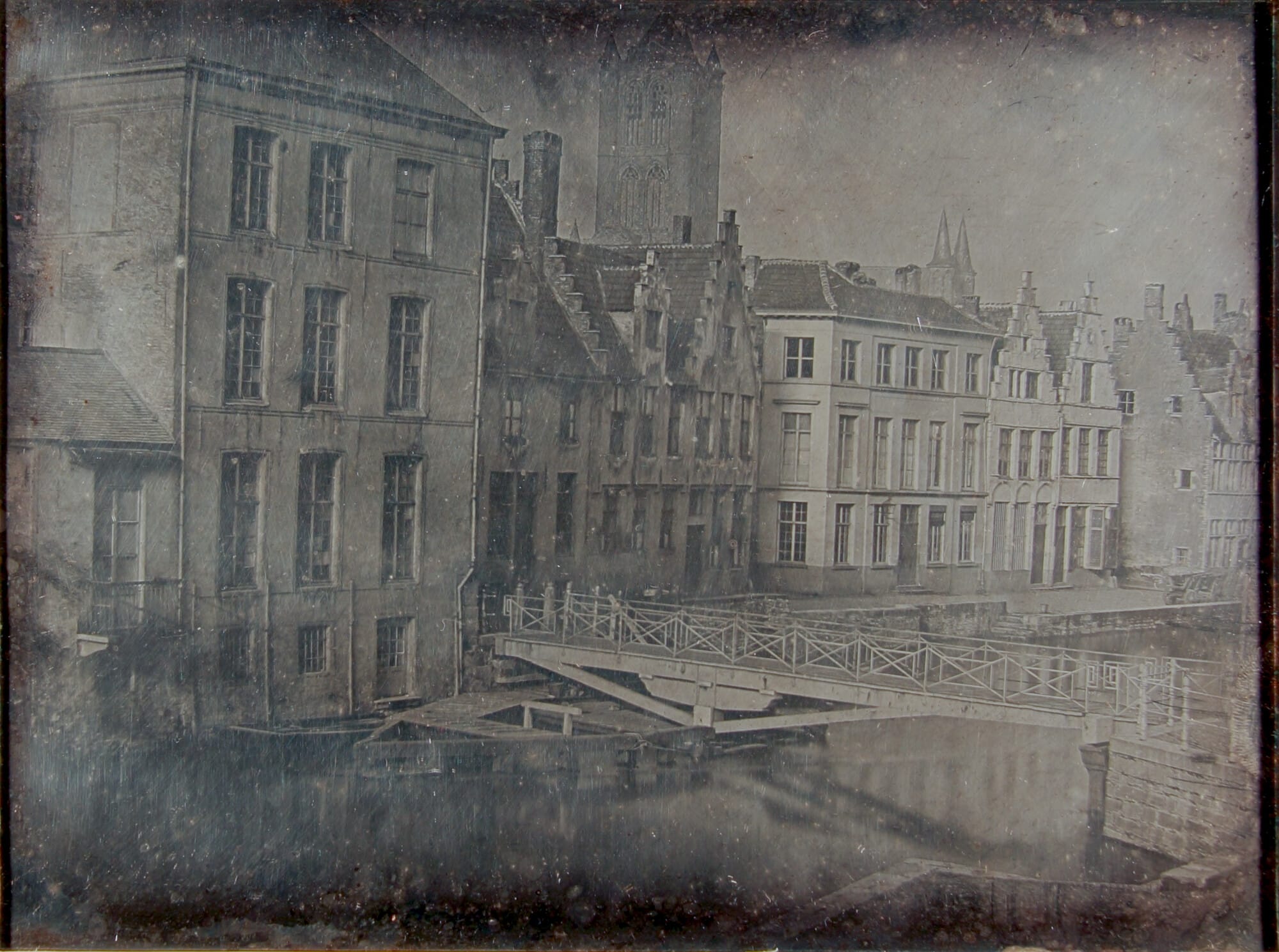
Exploring the first sixty years of Belgian photography, Early Gaze offers a fresh perspective on how a technical novelty helped sculpt a young nation’s identity. The exhibition at FOMU showcases rare, never-before-seen images and original cameras, tracing the medium’s evolution from elite experiment to industrial staple. Beyond aesthetic charm, the curation tackles the power dynamics of the 19th-century lens, exposing how photography served as a tool for propaganda, medical documentation, and colonial imaging. It is a compelling study of who was captured — and who remained pointedly invisible — during the birth of our visual culture.
Resistance. The Power of the Image
Until 8 March 2026
As part of the Europalia España festival, S.M.A.K. presents Resistance. The Power of the Image, an evocative group exhibition featuring twenty Spanish artists. The showcase investigates how art has served as a vital tool for political defiance from the Spanish Civil War to the present day. Focusing on the final years of Franco’s dictatorship and the recent wave of social protests, the curation highlights the enduring legacy of the image in demanding democratic rights. From Joan Rabascall’s biting critiques to Avelino Sala’s contemporary reflections, the works demonstrate a collective struggle against injustice. It is a timely, sophisticated look at art’s capacity to confront power.
🇩🇰 Exhibitions in Denmark
Bharti Kher — Mythologies
Until 8 March 2026
In the museum’s largest contemporary exhibition to date, British-born artist Bharti Kher brings twenty-seven striking sculptures to Copenhagen. Mythologies initiates a profound dialogue with Bertel Thorvaldsen’s classical works, exploring themes of identity, memory, and the human body. Kher utilizes diverse materials and castings — ranging from a five-metre bronze figure outside to intricate interior pieces — to reflect on the fluid nature of gender and culture. Inspired by Ovid’s Metamorphoses, her hybrid characters suggest that transformation often arises from collapse. It is a sensory celebration of life’s perpetual motion within a legendary neoclassical setting.
Hannah Toticki: Hard Water Soft Pipes
Until 15 March 2026
Within the elegant rooms of the Møstings villa, Hannah Toticki’s solo exhibition Hard Water Soft Pipes transforms the invisible infrastructure of our daily lives into a poetic, sensory experience. The installation utilizes industrial pipes and delicate glass to trace the circulation of water — a resource that flows unseen beneath the city streets and within our own bodies. Interweaving contemporary technical systems with the Greek myth of freshwater nymphs known as Naiads, Toticki raises urgent questions about our collective dependence on this vulnerable element. It is a tactile, thought-provoking study of how the mundane can become magnificent when brought to the surface.
🇫🇷 Exhibitions in France
Drawing outside the lines: Masterpieces from the Centre Pompidou’s collection
Until 15 March 2026
While the Centre Pompidou undergoes renovation, its vast graphic arts cabinet finds a temporary home within the majestic Grand Palais. Drawing outside the lines presents over 300 works by 120 artists, revealing how the medium evolved from a preparatory tool into a liberated art form. Eschewing a strict timeline, the exhibition follows a subjective “domino effect” through four thematic sequences: study, tell, trace, and animate. Masterpieces by Matisse and Picasso share space with radical contemporary pieces by Basquiat and Kentridge. This fragile yet powerful collection demonstrates drawing’s expansion into film, digital media, and large-scale installation.
Eva Jospin, Grottesco · Claire Tabouret, D’un seul souffle
Until 15 March 2026
The Grand Palais hosts a significant double billing, pairing the subterranean dreamscapes of Eva Jospin with the luminous sacred art of Claire Tabouret. In Grottesco, Jospin uses her signature cardboard and embroidered silk to construct immersive forests and architectural ruins. Adjoining this, Tabouret’s D’un seul souffle unveils life-size models and preparatory sketches for her newly commissioned contemporary stained-glass windows for Notre-Dame de Paris. While Jospin explores the "grotesque" through material decay and imaginary caves, Tabouret focuses on the spiritual unity of the Pentecost. It is a rare chance to see contemporary heritage and fantasy collide within these newly restored galleries.
Gerhard Richter
Until 2 March 2026
The Fondation Louis Vuitton dedicates its entire Frank Gehry-designed building to a monumental retrospective of Gerhard Richter, spanning over six decades of the German master’s career. Featuring approximately 270 works from 1962 to 2024, the exhibition traces Richter’s restless evolution through photo-paintings, sweeping abstractions, and glass sculptures. Curated by Dieter Schwarz and Nicholas Serota, the chronological journey includes landmark series such as October 18, 1977 and the magisterial Cage paintings. By filtering reality through various media — from blurred portraits to vibrant squeegee-layered canvases — Richter interrogates the very nature of perception. It is an unprecedented opportunity to witness the contradictory brilliance of a painter who continually redefines his medium.
![Gerhard Richter, Lesende [Woman reading], 1994](https://radar.kunsti.art/content/images/2026/02/7-richter.jpg)
Open Space #17 — Jakob Kudsk Steensen — “The Song Trapper”
Until 2 March 2026
In his first solo institutional presentation in Paris, Danish artist Jakob Kudsk Steensen transforms Gallery 8 into a multisensory digital ecosystem. The Song Trapper (2025) follows a speechless protagonist who navigates virtual marshlands and deserts, gathering and remixing sounds through specialized musical devices attached to its body. Steensen utilizes game engines and photogrammetry to create these responsive landscapes, which shift in rhythm with the character’s gestures. To further blur the boundaries between technology and nature, the gallery is bathed in a greenish hue and filled with an aquatic fragrance by perfumier Yann Vasnier. This ambitious installation functions as a “porous system” that interweaves moving imagery, spatial sound, and a free-verse philosophical poem authored by the artist himself.
Philip Guston: The irony of History
Until 1 March 2026
In its final weeks, The Irony of History at the Musée Picasso Paris offers a caustic exploration of Philip Guston’s satirical bite. The exhibition centres on over 80 drawings from the Poor Richard series, created in response to Philip Roth’s biting satire of the Nixon administration. These caricatures—rendering the president as a phallic creature—reveal the "porosity" Guston maintained between comic-book grotesque and the expressive power of his larger canvases. By showcasing his radical break from Abstract Expressionism toward provocative figuration, the curation highlights art as an enduring weapon against institutional authority. It is a dark, tragicomic journey through the political absurdities of a divided era.
Raymond Pettibon: Underground
Until 1 March 2026
Running alongside the Philip Guston retrospective, Underground presents a visceral survey of Raymond Pettibon’s sprawling graphic universe. The exhibition brings together seventy drawings and rare fanzines that trace Pettibon’s journey from the 1970s Californian punk scene — where he famously designed for Black Flag — to his status as a master of contemporary satire. His signature black ink and scrawled text collide to dismantle the myths of the American dream, targeting everything from baseball to institutional violence. Like Guston, Pettibon uses a DIY aesthetic to deliver a scathing critique of a society caught between puritanism and excess. It is a raw, uncompromising dialogue with history and power.
Rodin: Drawings Unbound
Until 1 March 2026
The Musée Rodin reveals a hidden dimension of the sculptor’s genius in Rodin: Drawings Unbound, an exhibition that celebrates the raw spontaneity of his works on paper. This presentation features a staggering selection of drawings — many of which have rarely been displayed due to their extreme fragility. Moving far beyond mere sketches for statues, these works demonstrate Rodin’s obsession with the human form in motion, captured through rapid, fluid lines and delicate watercolour washes. By showcasing his practice of “blind drawing”, the curation highlights a radical departure from academic constraints toward a modern, visceral expressive language. It is a masterclass in the power of the unfinished.
The Empire of Sleep
Until 1 March 2026
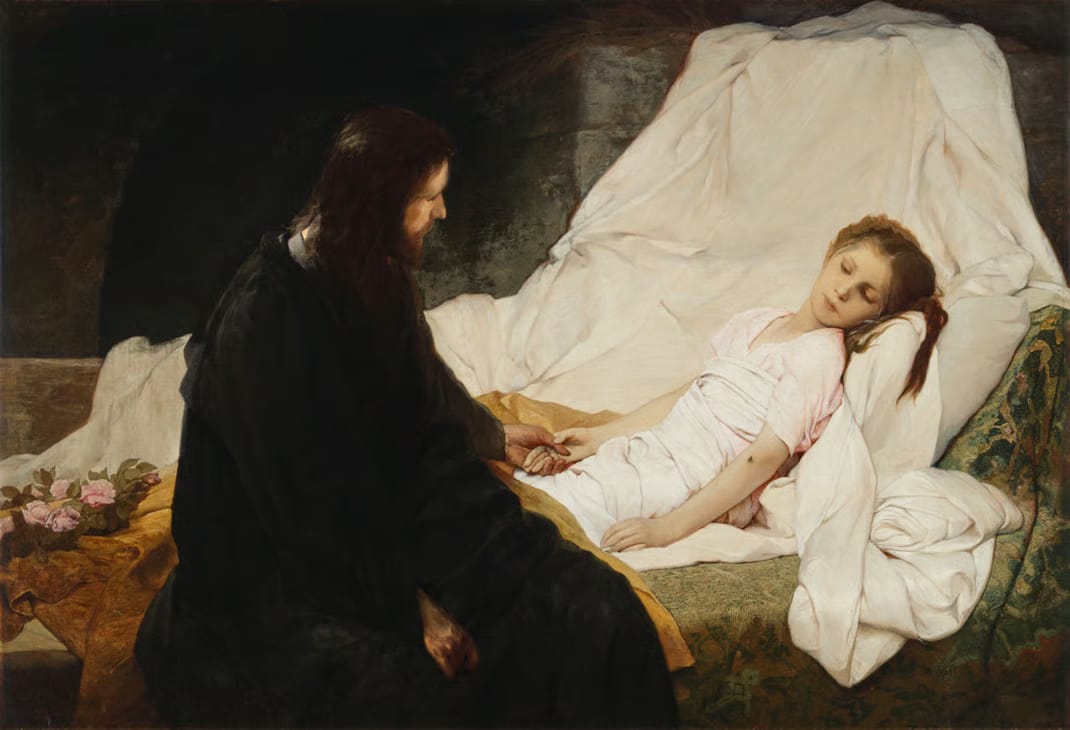
The Musée Marmottan Monet presents The Empire of Sleep, a sophisticated survey of how artists have navigated the realm of the unconscious. Curated by a neurologist and an art historian, the exhibition traces the evolution of rest from sacred biblical dreams to the clinical gaze of early psychoanalysis. Masterpieces from the 1800s and 1900s are paired with seventeenth-century works to explore themes of innocence, eroticism, and the uncanny boundary between slumber and eternal rest. It is a compelling journey that illuminates how the bedroom became a site of both sanctuary and haunting mystery.
Monet / Sécheret: Water landscapes
Until 15 March 2026
In a striking instalment of its “Unexpected Dialogues” series, the Musée Marmottan Monet pairs the coastal visions of Claude Monet with contemporary painter Jean-Baptiste Sécheret. This intimate exhibition centres on the atmospheric shorelines of Trouville — a landscape familiar to both artists. Sécheret’s serial studies of the Normandy sky and the iconic Hôtel des Roches Noires find their counterpart in Monet’s 1870 beach scenes. By juxtaposing nineteenth-century Impressionism with modern sensibilities, the curation explores how a single motif can bridge generations. It is a refined, quiet contemplation of light, memory, and the enduring pull of the sea.
Étretat, beyond the cliffs
Until 1 March 2026
The Musée des Beaux-Arts de Lyon, in collaboration with the Städel Museum, explores the enduring allure of the Normandy coast in Étretat, beyond the cliffs. Central to the exhibition are four iconic masterpieces — two iterations of The Wave by Gustave Courbet and two atmospheric canvases by Claude Monet — which serve as touchstones for the village’s pivotal role in 19th-century art. Through a rich assembly of drawings, photographs, and archives, the curation traces Étretat’s transformation from a humble fishing port into a mythical landscape that captivated everyone from Eugène Isabey to Henri Matisse. It is a luminous study of how nature inspires new pictorial languages.
Don Quixote: A Madman’s Tale, a Tale Worth Laughing At
Until 30 March 2026
Centring on the cultural impact of Miguel de Cervantes’ most enduring antihero, Don Quixote: A Madman’s Tale, a Tale Worth Laughing At provides a vivid journey through the Mucem’s vast archives. The exhibition brings together 200 diverse objects — ranging from Gustave Doré’s celebrated illustrations to contemporary photography by Michael Kenna — to trace the knight’s transformation into a global legend. By examining the protagonist's evolution from a satirical sixteenth-century figure into a symbol of universal defiance, the curation highlights the fluid boundary between reality and fiction. It is a sophisticated, multi-sensory study of how one literary character continues to shape modern art and social critique.
🇩🇪 Exhibitions in Germany
Style — Paper — Scissors. Lette Graphics × Johanna Beckmann
Until 1 March 2026
Style — Paper — Scissors celebrates 150 years of the Lette Verein’s graphic design department through a creative dialogue with the past. The exhibition pairs the enchanting silhouettes of Johanna Beckmann — a pioneer who trained at the school in the late nineteenth century — with experimental responses from contemporary students. Beckmann’s intricate paper cutouts, inspired by the magic of nature, serve as a springboard for a wide range of modern media, including cyanotypes, digital animation, and typography. It is a stylish, insightful look at how a traditional craft can be reinvented using twenty-first-century tools and sensibilities.
Kulturforum NOW!
Until 22 March 2026
Berlin’s Kulturforum is often perceived as a fragmented collection of architectural masterpieces rather than a unified urban destination. To challenge this, the exhibition “Kulturforum NOW!” showcases ten visionary proposals from students at the Berlin University of the Arts. These young architects reimagined the site’s “intermediate spaces” — the often-overlooked gaps between icons like the Neue Nationalgalerie and the Philharmonie. Through clever landscape interventions and structural experiments, their projects envision a more cohesive, vibrant environment for social interaction. It is a thought-provoking invitation to consider how this historic cultural hub might finally evolve into a truly integrated city quarter.
A Thousand Brushes With a Single Style!
Until 2 March 2026
Japan’s legendary Kano school dominated the nation’s aesthetic landscape for nearly four centuries, operating as a formidable family business that blended art with political power. A new exhibition at the Humboldt Forum, A Thousand Brushes With a Single Style!, delves into the Museum für Asiatische Kunst’s archives to reveal how this workshop network functioned. From the 1480s to the 1880s, the Kano name became a prestigious brand — producing everything from delicate hanging scrolls to vast castle interiors. By exploring works like Kano Sansetsu’s Pine trees and copper pheasant, visitors can discover the rigorous discipline that maintained such a singular, recognisable style.
“Das alles bin ich!” Christoph Müller’s Gift, Part 3
Until 8 March 2026
The third instalment of Berlin’s tribute to the late collector Christoph Müller turns its focus toward the dual notions of travel and home. “Das alles bin ich!” showcases a fraction of Müller’s 200-piece gift to the Kupferstichkabinett, displayed within the intimate “Kabinett in der Galerie”. This particular rotation features evocative landscapes and cityscapes, ranging from Daniël Dupré’s 18th-century Italian vistas to atmospheric Baltic scenes. These works on paper reflect Müller’s own life journey — notably his ties to Berlin and Rügen — while offering visitors a quiet, contemplative space to ponder their own sense of place.
Nothing As Our Ground
Until 3 March 2026
A sense of kinship is explored at the Humboldt Forum through the group exhibition Nothing As Our Ground, which features eleven artists examining the intricacies of family. The title reflects the specific realities of queer and migrant lives, where belonging is often constructed without the luxury of traditional social or political safety nets. Using a potent blend of photography and video — featuring works by Leonard Suryajaya and Sunil Gupta — the display moves beyond conventional domestic imagery. Ultimately, the show portrays family as a constantly renegotiated space, proving that deep connection can flourish even on unstable foundations.
Currents — Charlotte Ming & Yangkun Shi
Until 22 March 2026
Two contemporary artists, Charlotte Ming and Yangkun Shi, present a piercing interrogation of German colonial history in China at the Forschungscampus Dahlem. Their collaborative exhibition, Currents, weaves together photography, video, and archival fragments to expose the echoes of violence embedded within urban landscapes from Qingdao to Berlin. By focusing on local street names like Takustraße — which serve as lingering echoes of imperial conquest — the artists dismantle the traditional colonial gaze. This interdisciplinary display effectively bridges the gap between past atrocities and modern migration, encouraging a necessary public dialogue about the ghosts that still haunt our shared architectural surroundings.
Flight: Photographs from Moldova, Armenia and Georgia by Frank Gaudlitz
Until 1 March 2026
Frank Gaudlitz’s powerful photography at the Museum Europäischer Kulturen offers a sobering look at the human cost of geopolitical ambition. The exhibition, titled Flight, presents fifty photographs of individuals seeking refuge from war and oppression, primarily focusing on those affected by the ongoing war in Ukraine. Through fifty arresting portraits and archival projections, the show illustrates how nationalism and militarism have become defining Russian trends since the 2014 annexation of Crimea. These images make apparent the internal ideological continuities that fuel persistent aggression, contrasting the harrowing life stories of the displaced with the systemic Russian barbarism currently attempting to reshape the European landscape.
Wen Zhengming & Co. The Concept of jia (Family) in Painting in the Ming Dynasty
Until 16 March 2026
The complex Chinese concept of jia — meaning family, school, and individual style — is masterfully unpicked in a display at the Humboldt Forum. At its heart is Wen Zhengming, the sixteenth century’s most formidable scholar-artist, whose influence rippled through six generations of his own lineage. This presentation features an exquisite array of calligraphy and paintings by the Wen family and their inner circle, including works like Tasting tea in the cool shadow of trees. It is a fascinating study of how a singular artistic vision can become a multi-generational legacy, defining the very essence of Ming Dynasty aesthetics.
Dioscuri — The Given Day
Until 15 March 2026
In the monumental staircase hall of Berlin’s Neues Museum, Michael Müller’s large-scale installation The Given Day revives the ancient myth of the Dioscuri. This German-British artist explores the bond between the twins Castor and Polydeuces — brothers who famously oscillate between Olympus and the underworld. Müller’s process was remarkably immersive; he painted each segment only during the specific hour it depicts. By placing this contemporary cycle where twin sculptures stood before their destruction in the Second World War, the exhibition creates a haunting dialogue between history’s ruins and a modern meditation on mortality and brotherly love.
Nationalgalerie: A Collection for the 21st Century
Until 29 March 2026
Tracing Berlin’s artistic evolution since the fall of the Wall, the expansive exhibition Nationalgalerie: A Collection for the 21st Century has been a mainstay at Hamburger Bahnhof since its opening in 2023. This long-term presentation features over 80 artworks from 60 artists, including notable figures like Isa Genzken and Wolfgang Tillmans. By integrating holdings from the German Federal Government and ifa, the show explores how sociopolitical shifts have moulded the city’s creative output. From Sibylle Bergemann’s photography to Emeka Ogboh’s installations, the display invites visitors to reflect on art’s power to foster social transformation.
Old Masters on the Move
Until 29 March 2026
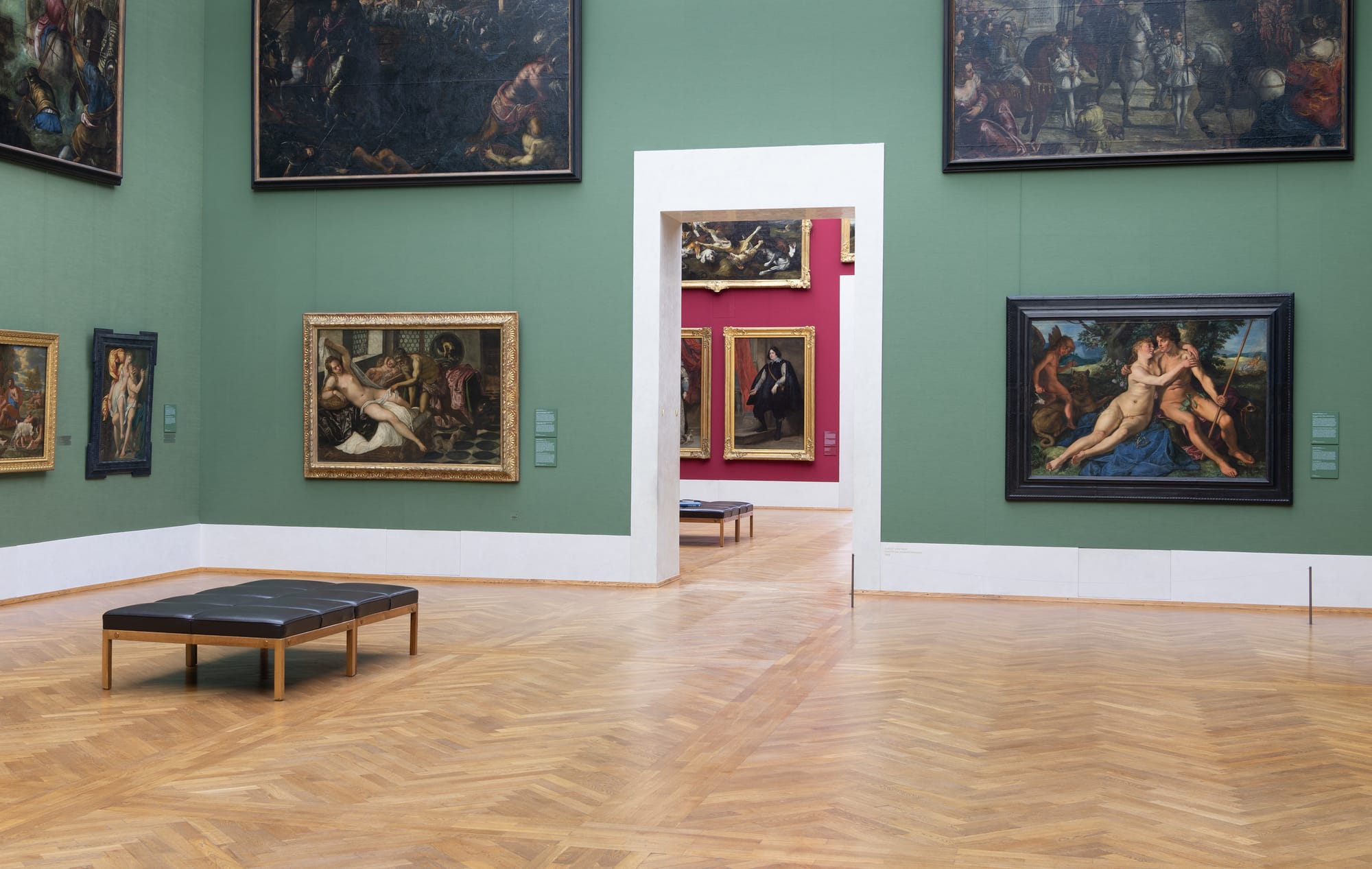
Munich’s Alte Pinakothek has boldly reimagined its permanent collection with the long-term presentation Old Masters on the Move, on display since late 2022. By setting aside traditional chronological and geographical arrangements, the museum has created unexpected dialogues between some two hundred masterpieces. Visitors might find Dürer neighbouring Botticelli, or El Greco paired with Grünewald, revealing hidden parallels across eras and styles. This thematic restructuring — covering motifs from the female nude to representations of violence — breathes fresh life into familiar works, proving that even centuries-old paintings can find new relevance when placed in a contemporary, conversational context.
Art Around 1800: An Exhibition About Exhibitions
Until 29 March 2026
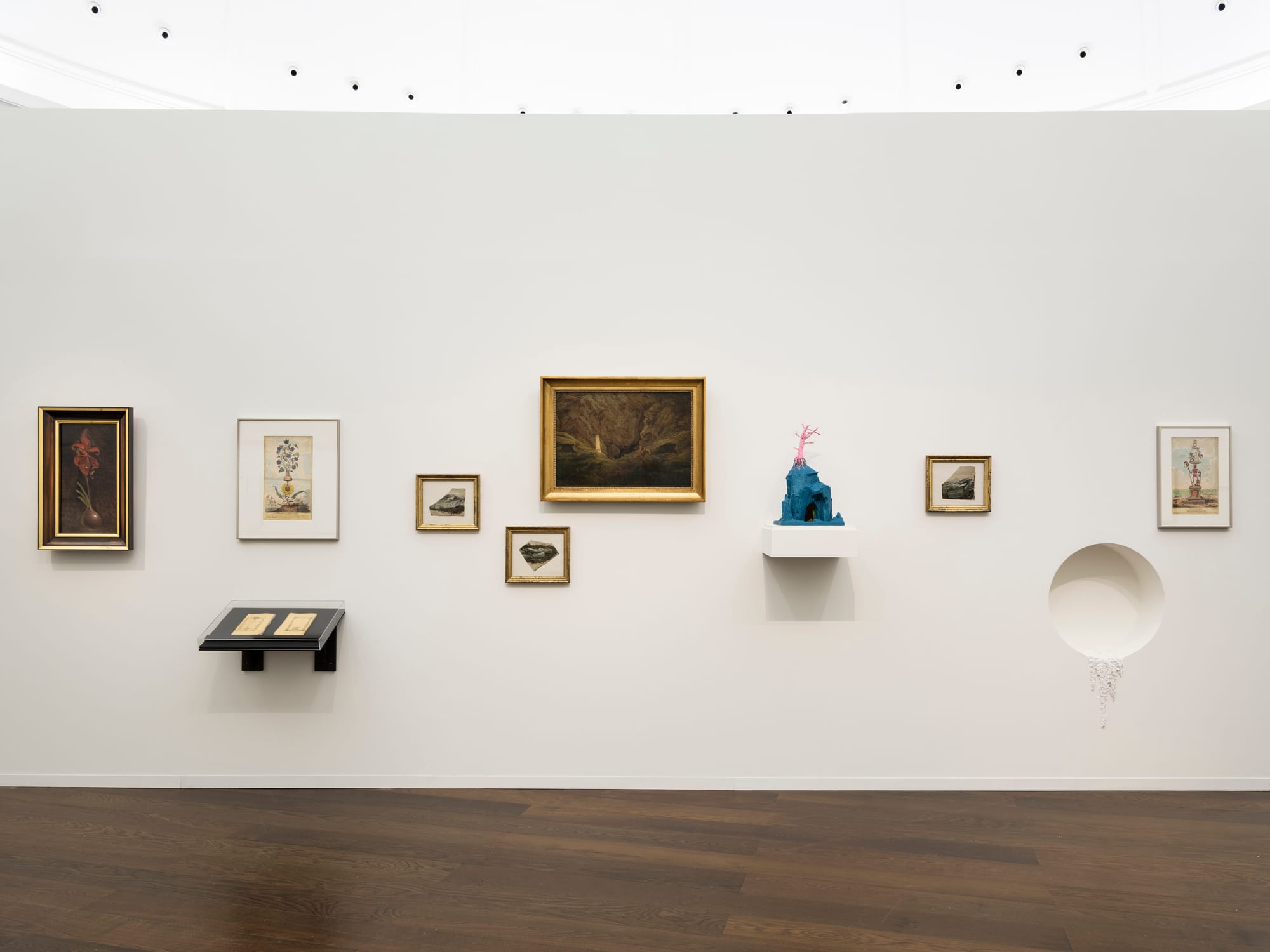
Reviving a legendary series from the 1970s, the Hamburger Kunsthalle presents Art Around 1800, an ambitious “exhibition about exhibitions”. This new presentation revisits Werner Hofmann’s seminal cycle, which once broke conventions by focusing on revolutionary masters like Goya, William Blake, and Caspar David Friedrich. Today’s iteration updates these historical debates, integrating contemporary sculptural interventions by Marten Schech alongside fifty archival masterpieces. Crucially, the show expands the original narrative to include voices previously sidelined — specifically focusing on feminism and Jewish culture — ensuring that these turbulent, visionary artworks remain deeply relevant to our modern social discourse.
Expedition Drawing: Masters from the Low Countries in Close-Up
Until 15 March 2026
Hidden secrets of centuries-old Dutch masterpieces are finally brought to light at the Wallraf-Richartz-Museum in the exhibition Expedition Drawing — Masters from the Low Countries in Close-Up. This display serves as the public debut of a multi-year research project that involved the microscopic analysis of 850 historical works. Visitors can examine 90 exceptional drawings by luminaries such as Rembrandt and Rubens, with pieces ranging from tiny, stamp-sized studies to energetic, large-scale drafts. By providing the same technical equipment used by experts, the show allows the public to distinguish originals from clever copies while exploring the fascinating stories behind these delicate paper treasures.
Smile! How the Smile Came Into Photography
Until 22 March 2026
Through a delightful survey of portraiture, the Museum Ludwig’s exhibition Smile! explores the technical and social shifts that transformed photography from a sombre, frozen affair into a medium of beaming expressions. Early nineteenth-century technology, which necessitated heavy headrests and exhausting exposure times, favoured a lifeless stillness that contemporary viewers might find alien. This exhibition traces the grin’s journey from those stiff studio beginnings to the emotive close-ups of silent film and modern advertising. Featuring eclectic works by Man Ray, Thomas Struth, and Andy Warhol, the display reveals how a private emotion eventually became a global standard for social status and contemporary coolness.
Beckmann
Until 15 March 2026
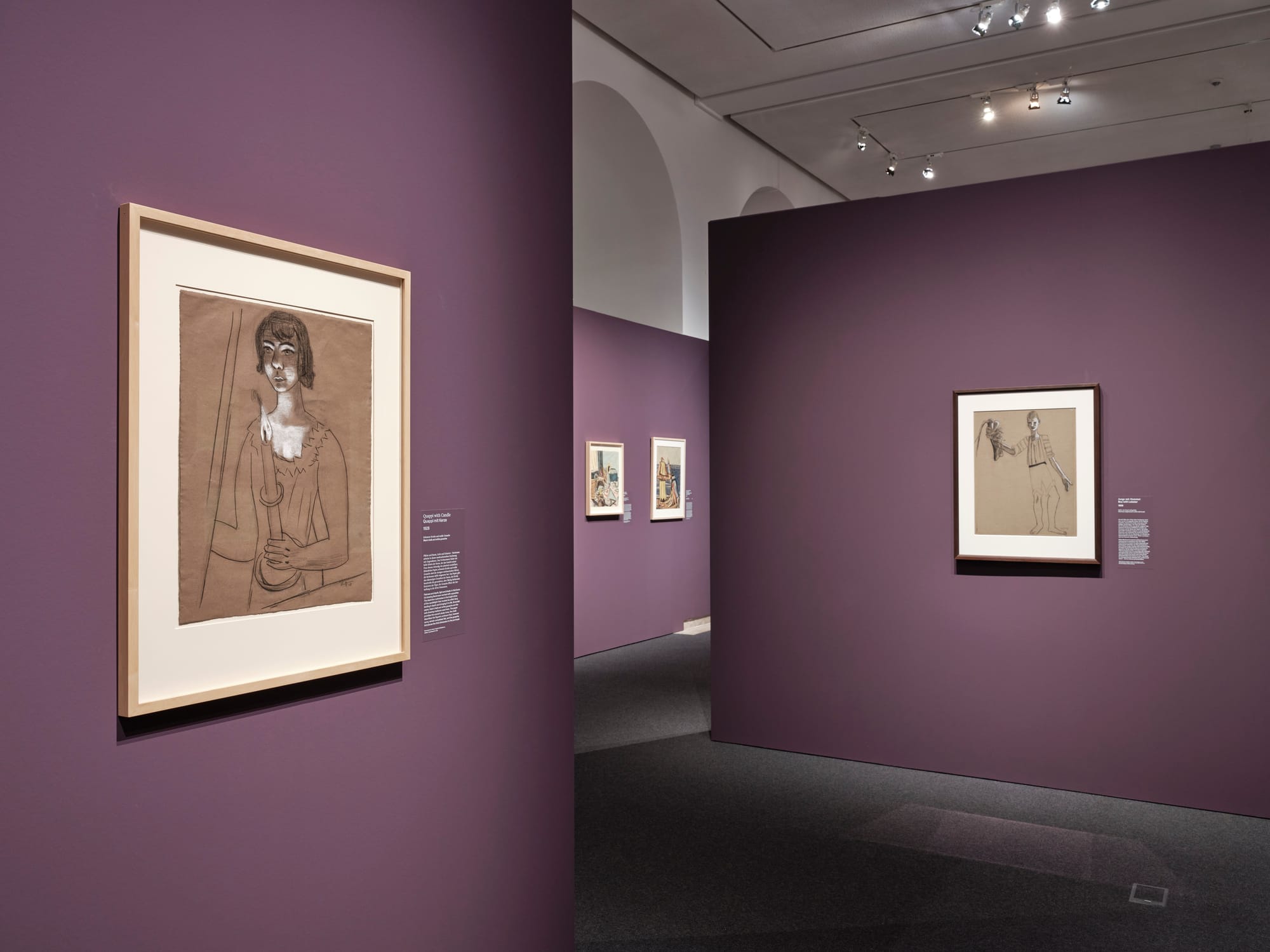
Tracing the turbulent life of one of modernism’s most significant figures, the Städel Museum presents a major retrospective focused on the drawings of Max Beckmann. This exhibition brings together eighty works — ranging from intimate, diary-like sketches to powerful masterpieces like The Murder — to offer a raw look at an artist navigating a world in crisis. By showcasing these works on paper alongside selected paintings and prints, the display reveals Beckmann’s rigorous process of observation and image-making. It is a rare opportunity to witness the evolution of his singular visual language, bolstered by significant international loans and the museum’s own world-class collection.
Abundance: Sounding Paper by Clemens Schneider
Until 1 March 2026
Within the intimate Graphics Cabinet of the Staatsgalerie Stuttgart, a striking room-filling installation by local artist Clemens Schneider challenges our culture of excess. The exhibition Abundance showcases a monumental work created from “sounding paper” — a unique material Schneider produces himself by recycling old jeans and T-shirts into pulp. This tactile surface is embedded with contact microphones that play back the technically transformed noise of a Stuttgart construction site, turning industrial clatter into a meditative hum. It is a brilliant, immersive study of craftsmanship that forces a physical dialogue between the viewer and the discarded remnants of our throwaway society.
Germaine Krull: Chien Fou
Until 1 March 2026
Drawing from the photographer’s extensive estate held by the Museum Folkwang since 1995, Germaine Krull: Chien Fou presents a fresh, transcultural perspective on this avant-garde pioneer. While Krull is celebrated for her 1920s modernist imagery, this exhibition highlights her significant yet overlooked journalistic work — including political reports, letters, and autobiographical texts. By pairing these writings with her photographic practice during and after the Second World War, the show illuminates her life in exile and her permanent departure from Europe. It is a comprehensive study of a “mad dog” artist whose pen was as sharp and restless as her lens.
🇭🇺 Exhibitions in Hungary
Endre Tót: Night Visit to the Museum
Until 1 March 2026
Nullity and the provocative power of silence define the Hungarian National Gallery’s cabinet exhibition, Endre Tót: Night Visit to the Museum. This compact presentation explores Tót’s fascination with absence — a central theme since his radical pivot from painting to conceptualism in the early 1970s. The show highlights his Absent Pictures series, featuring intriguing works like blacked-out reproductions of his “night visits” to major galleries. By offering incomplete visual information, Tót compels the viewer to project their own infinite meanings onto the void. It is a masterful study of how the negation of an image can, paradoxically, activate the imagination and preserve the very essence of the artistic dialogue.
Pictures of Tranquillity. Remembering the Art of Adolf Fényes (1867–1945)
Until 15 March 2026
Eighty years after his tragic death, the Hungarian National Gallery honours the versatile legacy of Adolf Fényes with the chamber exhibition Pictures of Tranquillity. This chronological survey traces Fényes’s path from monumental realism to sun-drenched Impressionist landscapes and intimate, decorative interiors. As a founding member of the Szolnok artists’ colony, his work beautifully captured the essence of rural life and bourgeois domesticity. The show includes rare loans of household objects from the Museum of Ethnography, grounding his vivid paintings in their original physical context. It is a poignant tribute to a modern master who, despite his Jewish origins and subsequent persecution, sought beauty in the quietest corners of reality.
The Mannerist Mind — Prints from the Georg Baselitz Collection
Until 15 March 2026
Renowned German artist Georg Baselitz is famously known for his monumental sculptures, yet his private passion for Mannerist prints reveals a more intricate, historical fascination. The Museum of Fine Arts, Budapest presents The Mannerist Mind, a striking exhibition that pairs Baselitz’s vast private collection with the museum’s own sixteenth-century holdings. Baselitz has spent sixty years pursuing these bizarre and irregular works, finding a kindred spirit in the Mannerists’ revolutionary rejection of Renaissance harmony. Featuring masters like Parmigianino and Hendrick Goltzius, the display explores a shared autonomous attitude that prioritises the unusual over the conventional — a true meeting of two distinct artistic temperaments.
Golden Repair
Until 8 March 2026
In a world increasingly defined by disposability, the Ludwig Museum in Budapest presents Golden Repair, an evocative group exhibition exploring the transformative power of mending. Taking its title from the Japanese art of kintsugi — where broken pottery is joined with gold lacquer to celebrate its history — the show examines restoration as both a practical and symbolic act. Featuring artists like Yoko Ono and Kader Attia, the works span personal trauma, social injustice, and ecological decay. It is a profound meditation on how embracing imperfections can heal our fragmented modern systems and inner lives.
Before the Storm: Taiwan on the Frontier of Past and Future
Until 29 March 2026
The exhibition Before the Storm at Budapest’s Ludwig Museum offers a profound survey of contemporary Taiwanese art. Through the work of twenty internationally recognised artists, the display traverses the island’s complex history — from indigenous heritage and colonial imprints to its current status as a high-tech democratic stronghold. Genres vary wildly, pairing archaic weaving techniques with cutting-edge digital animations to explore a resilient national identity. Ultimately, the show bridges the geographical gap between East Asia and Europe, demonstrating how Taiwan’s local struggles for cultural preservation and political solidarity resonate across today’s interconnected, storm-tossed world.
Breathing Light: Spiritism, Theosophy, Buddhism in Hungary at the Turn of the 19th-20th Century
Until 1 March 2026
The Ferenc Hopp Museum invites visitors to explore a forgotten spiritual revolution in its latest exhibition, Breathing Light. At the turn of the twentieth century, a wave of seeking swept through Budapest — drawing intellectuals away from materialism toward the mysteries of theosophy, spiritism, and Buddhism. This exhibition marks the 120th anniversary of the Hungarian Theosophical Society, showcasing an eclectic mix of Eastern artefacts, esoteric manuscripts, and artworks by figures like László Mednyánszky. It is a rare glimpse into a cultural milieu where ancient Eastern wisdom and Western occultism merged to redefine modern Hungarian thought.
Transformation Stories on the Danube Bank
Until 1 March 2026
Spanning the banks of the Danube and the plains of India, Transformation Stories offers a moving portrait of the Baktay and Sher-Gil families. At its heart is the iconic painter Amrita Sher-Gil, whose Indo-Hungarian heritage forged a unique bridge between Eastern and Western art. This exhibition explores how identity is constructed through role play, photography, and travel, highlighting the influence of her father, Umrao, and her uncle, the Indologist Ervin Baktay. By intertwining family snapshots with profound philosophical quests, the display reveals how a shared creative spirit can transcend borders and generations alike.
PAPER? WORKS!
Until 14 March 2026
Várfok Gallery shifts its focus to a foundational yet often underestimated medium in the group exhibition PAPER? WORKS!. While canvas typically dominates the spotlight, this show celebrates paper as an autonomous and multifaceted material — from delicate Japanese sheets to robust cardboard. Featuring a stellar roster including Françoise Gilot, Endre Rozsda, and El Kazovszkij, the exhibition spans everything from meticulous geometric abstractions to visceral posthumanist graphics. By highlighting printmaking, watercolor, and collage, the gallery explores the unique tension between the fragility of the medium and the immense creative power it holds for the modern artist.
🇮🇹 Exhibitions in Italy
Cartier and Myths at the Capitoline Museums
Until 15 March 2026
In the majestic Palazzo Nuovo of Rome’s Capitoline Museums, Cartier and Myths creates a glittering dialogue between classical antiquity and high jewellery. This landmark exhibition pairs legendary Cartier masterpieces with the ancient marbles of the Albani Collection — demonstrating how Greco-Roman symbols have shaped the Maison’s aesthetic for over a century. Visitors wander through a sensory landscape enriched by Mathilde Laurent’s olfactory installations and Dante Ferretti’s design, where icons like Medusa and the Golden Fleece shine alongside statues of Apollo and Aphrodite. It is an exquisite exploration of how timeless mythology continues to breathe life into modern luxury.
1+1. The relational years
Until 1 March 2026
Thirty years after the emergence of Relational Aesthetics, MAXXI presents 1+1. The Relational Years, a retrospective curated by the movement’s theorist, Nicolas Bourriaud. The exhibition transforms the museum into a vibrant hub of human interaction — inviting visitors to trade digital screens for physical encounters. Featuring 45 pioneering artists including Maurizio Cattelan, Vanessa Beecroft, and Rirkrit Tiravanija, the show utilizes social practices and collective experiences as its primary medium. From bamboo communal kitchens to performance pieces that announce your arrival, it is a profound exploration of how art can bridge the gap between individuals.
Rosa Barba: Frame Time Open
Until 8 March 2026
In the fluid, concrete spaces of MAXXI, Rosa Barba presents Frame Time Open, an immersive exploration of the intersection between film, sculpture, and architecture. This solo exhibition showcases the artist’s unique ability to treat the cinematic medium as a physical, malleable material. Through kinetic installations and projected celluloid, Barba dissects the mechanics of the moving image — revealing the rhythmic interplay between light, sound, and the passage of time. Her works act as anatomical studies of cinema, inviting viewers to look beyond the screen and engage with the industrial poetry of the projector and the poetic weight of the archive.
Elisabetta Catalano: Obiettivo sugli artisti
Until 8 March 2026
Marking the tenth anniversary of her passing, MAXXI hosts a poignant tribute to Elisabetta Catalano, the photographer who chronicled Italy’s cultural elite. Obiettivo sugli artisti showcases a significant recent acquisition of her portraits, which immortalise the faces of the twentieth century’s most iconic creative minds. From Enzo Cucchi to Michelangelo Pistoletto, Catalano’s lens did more than just record features — it captured the very essence of the artistic imagination. Her participatory approach allows viewers to peer into the shared vision of a bygone era, where every frame serves as a psychological map of Rome’s vibrant and sophisticated intellectual society.
Manu-Facture: The Ceramics of Lucio Fontana
Until 2 March 2026
The Peggy Guggenheim Collection in Venice unveils a lesser-known facet of a twentieth-century master with Manu-Facture: The Ceramics of Lucio Fontana. While the artist is celebrated for his radical slashed canvases, this exhibition — the first of its kind — focuses exclusively on his prolific work in clay. Over seventy sculptural pieces, including rare loans, chart Fontana’s tactile journey from 1920s Argentina to post-war Italy. These works reveal an intimate, earthy side of his genius, where clay served as a primary site for spatial experimentation. It is an essential re-evaluation of how a pioneer of the void first found form in the solid.
Manu-Facture: The Ceramics of Lucio Fontana
Until 2 March 2026
The Peggy Guggenheim Collection in Venice unveils a lesser-known facet of a twentieth-century master with Manu-Facture: The Ceramics of Lucio Fontana. While the artist is celebrated for his radical slashed canvases, this exhibition — the first of its kind — focuses exclusively on his prolific work in clay. Over seventy sculptural pieces, including rare loans, chart Fontana’s tactile journey from 1920s Argentina to post-war Italy. These works reveal an intimate, earthy side of his genius, where clay served as a primary site for spatial experimentation. It is an essential re-evaluation of how a pioneer of the void first found form in the solid.
🇱🇮 Exhibitions in Liechtenstein
Tony Cokes: Let Yourself Be Free
Until 1 March 2026
In an unexpected collision of pop culture and high minimalism, Kunstmuseum Liechtenstein presents Let Yourself Be Free, a major exhibition by American artist Tony Cokes. By stripping away traditional representational imagery, Cokes utilizes brightly coloured backgrounds and driving music to recontextualise found texts, creating a sharp critique of media and power. This presentation places his contemporary video works in direct conversation with the museum’s permanent collection — featuring heavyweights such as Donald Judd and Richard Serra. Through this process of remixing and juxtaposition, the show subverts the dominant codes of our consumerist society, inviting a profound rethinking of how we perceive culture and politics today.
Body — Space — Volume
Until 8 March 2026
Vaduz’s Kunstraum Engländerbau hosts Body — Space — Volume, a significant survey of contemporary sculpture and three-dimensional art from the Liechtenstein Cultural Foundation’s collection. Since the 1960s, this state-funded archive has meticulously documented the evolution of the region’s creative landscape. Curators Doris Bühler and Elmar Gangl have assembled over seventy works by thirty artists, pairing heavy sculpture with complementary drawings, films, and tapestries. Usually tucked away in government offices and embassies, these diverse pieces offer a rare public window into the nation’s cultural history — celebrating the persistence of form in an ever-shifting local art scene.
🇱🇺 Exhibitions in Luxembourg
Gare la Minn
Until 29 March 2026
Jim Peiffer’s latest exhibition, Gare la Minn, arrives at the Centre d’Art Dominique Lang as a whirlwind of unbridled creativity and existential depth. The artist, known for his relentless pace, presents a haunting array of drawings and paintings alongside sculptures assembled from discarded plastic and rope. These pieces — rich with African mask motifs and skeletal forms — echo the raw, urban energy of the 1980s New Figuration movement. By blending street art spontaneity with a refined, graphic sensitivity, Peiffer creates a sanctuary for his inner ghosts. It is a compelling, high-contrast journey through a world of restless, beautiful visions.
Catalogue of Fragments
Until 29 March 2026
In his exhibition Catalogue of Fragments, photographer Christian Aschman constructs a meditative visual narrative at the Centre d’Art Nei Liicht. His work explores the instability of time and memory through a lens that leans toward architectural abstraction. By stripping urban landscapes of their context, Aschman transforms Tokyo skyscrapers and tile-walled halls into flat, geometric compositions. These images serve as instruments of memory — particularly in his Fuerteventura series, where he painstakingly recreates past shots to detect subtle temporal shifts. It is a quiet, sophisticated study of how we inhabit space and preserve the fleeting intensity of experience.
🇳🇱 Exhibitions in the Netherlands
Suit Yourself: 100 Years of Menswear, 1750–1850
Until 15 March 2026
The Rijksmuseum’s Suit Yourself exhibition offers a rare, focused look at the evolution of masculine finery in the Netherlands. Spanning a transformative century, the display transitions from the exuberant “macaroni” era — defined by striped velvet and floral embroidery — to the more sober silhouettes influenced by the French Revolution. Visitors can admire intricate silk waistcoats alongside an evening coat shimmering with 4,000 rhinestones. Beyond pure aesthetics, the show examines the impact of industrialisation and global trade, even highlighting historical recycling, such as a gentleman’s waistcoat repurposed from a hand-painted Chinese silk dress.
Prix de Rome 2025
Until 15 March 2026
The Prix de Rome 2025 showcases the vitality of current artistic practice through newly commissioned works by four finalists competing for the Netherlands’ oldest art prize. Kevin Osepa’s winning installation, Lusgarda, serves as a poignant focus — documenting the fading mourning rituals of Curaçao through a deeply personal lens. The exhibition continues with Fiona Lutjenhuis’s playful cosmic exploration, while Thierry Oussou and Buhlebezwe Siwani offer searing reflections on colonial history and spiritual identity. This collective showcase provides a vital, diverse survey of the Dutch creative landscape, effectively bridging the gap between ancient cultural traditions and modern sociopolitical inquiry.
Blue Dots
Until 15 March 2026
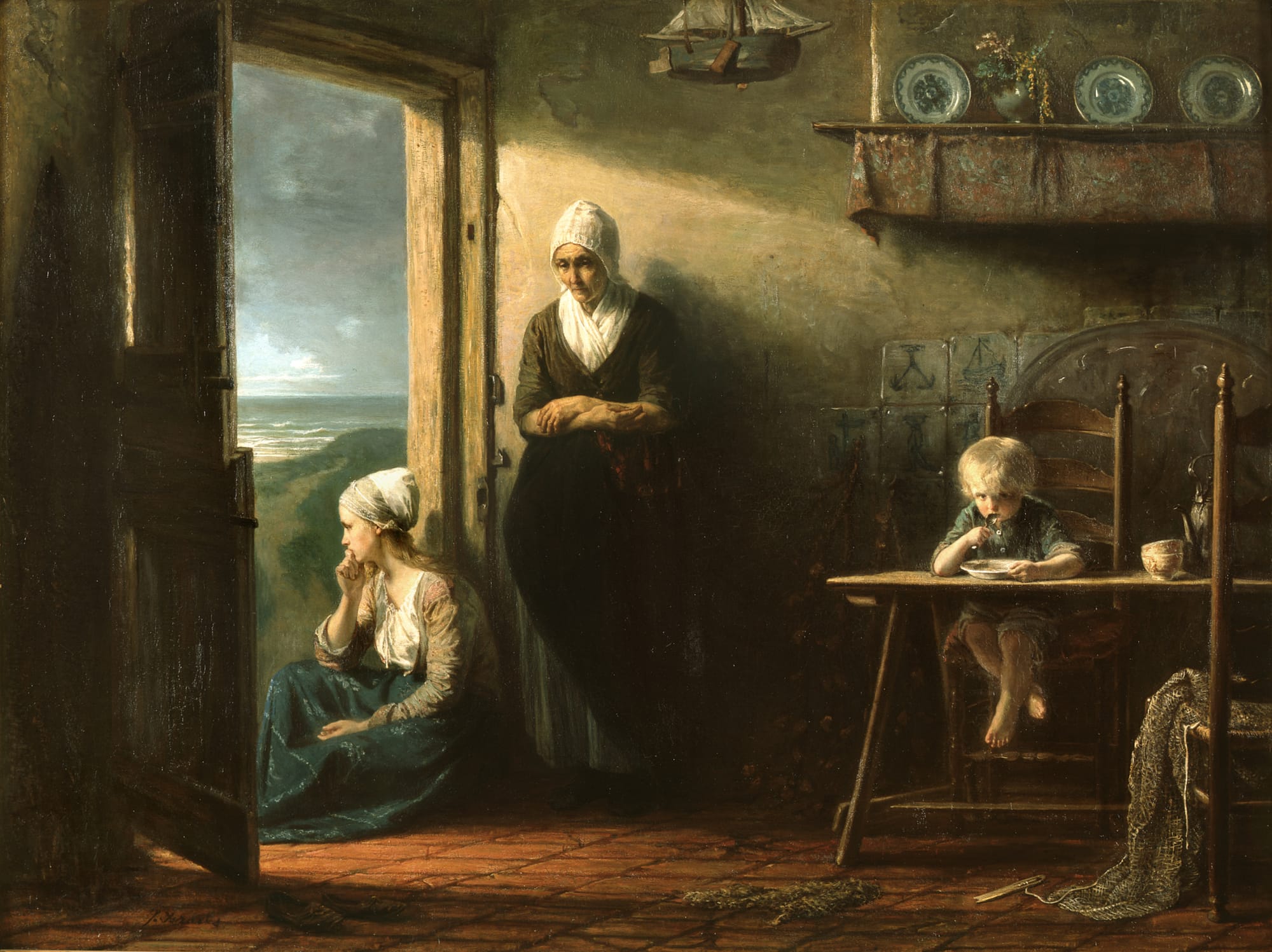
In 1951, amidst Cold War anxieties, the Dutch government mandated a ranking system for museum evacuations, using small stickers to prioritise artworks. Red signified the vital masterpieces, while blue indicated the “lesser” pieces — a category that largely comprised figurative works and landscapes. The Stedelijk’s Blue Dots exhibition revisits these previously overlooked paintings, featuring artists like Jozef Israëls and Nola Hatterman whose reputations have flourished in the intervening decades. By showcasing these bypassed treasures, the museum invites us to question how institutional tastes shift, proving that yesterday’s secondary works often become tomorrow’s essential cultural landmarks.
Animal Therapy: Humans and their Animal Muses
Until 1 March 2026
H’ART Museum’s Animal Therapy shifts the focus toward our profound emotional connection with the natural world, placing the whimsical feline portraits of Louis Wain at its heart. These vibrant, anthropomorphic illustrations serve as a primary lens for exploring how animals offer comfort and psychological solace. The exhibition combines Wain’s playful sketches with diverse historical depictions, tracing the evolution of creatures from symbolic icons to beloved household companions. By examining these artistic bonds, the show highlights the therapeutic power of the animal kingdom. It is a charming yet insightful study of how our four-legged friends have shaped human well-being across the centuries.
Depot Solo #1 — Mandy El-Sayegh
Until 8 March 2026
Inaugurating the Depot Solo series, artist Mandy El-Sayegh transforms a gallery within Rotterdam’s Depot Boijmans Van Beuningen into a multisensory, site-specific laboratory. The installation, Figure, Field, Grid, explores the anatomy of her creative process through dense layers of newspaper clippings, latex sheets, and her father’s Arabic calligraphy. By weaving together contemporary media with Old Master drawings from the museum’s permanent collection, El-Sayegh creates a dialogue between historical record and modern sociopolitical narratives. This immersive environment, featuring a floor of pigmented latex that wears away underfoot, physically engages visitors in a profound investigation of vulnerability, transience, and the instability of meaning.
An Eye for Little Things — Miniature lead-tin utensils 1300-1900: the Diana Mertens collection
Until 8 March 2026
Precision and intimacy define the An Eye for Little Things exhibition, which celebrates a generous donation of twenty-eight Dutch drawings to the Museum Boijmans Van Beuningen. These seventeenth-century works on paper move away from grand historical dramas to find beauty in the modest — a crumbling brick wall, a solitary tree, or the soft ripples of a Dutch canal. By featuring master draftsmen such as Rembrandt and Jan van Goyen, the display illustrates how simple ink and chalk can breathe life into the everyday. It is a quiet, contemplative showcase that encourages guests to pause and rediscover the world through the meticulous, curious gaze of the Golden Age artists.
Destination Rotterdam
Until 8 March 2026
Drawing from the expansive collections of the Rotterdam City Archives, Destination Rotterdam explores the city’s enduring identity as a global crossroads. The exhibition focuses on the personal journeys of those who arrived at the Maas River — from seventeenth-century merchants to modern-day migrants — seeking new opportunities or refuge. Through a diverse assembly of historical maps, intimate photographs, and rare documents, the display weaves a complex tapestry of urban growth and cultural exchange. This narrative-driven showcase highlights how individual stories of arrival have shaped the city’s resilient character, offering a poignant reflection on the human experience of movement and the evolving spirit of a world-class port.
donna Kukama: I Breathe, You Breathe
Until 29 March 2026
In her first solo exhibition in the Netherlands, Johannesburg-based artist donna Kukama transforms Kunstinstituut Melly into a space of collective memory. Titled I breathe, you breathe, the installation functions as a living archive that challenges the rigid boundaries of official history. Through a poetic combination of performance, botanical elements, and sound, Kukama invites visitors to engage with narratives that are often excluded from the canon — particularly those rooted in ancestral knowledge and oral traditions. The exhibition creates a fluid, immersive environment where the simple act of breathing becomes a shared ritual, effectively blurring the lines between the individual and the community in a powerful exploration of historical presence.
Anne Desmet — Building without Barriers
Until 15 March 2026
British wood engraver Anne Desmet brings her meticulous architectural visions to Escher in Het Paleis for her first major Dutch solo exhibition. Much like M.C. Escher, Desmet finds inspiration in the geometric complexities of the built environment — from the historic streets of Rome to the gleaming glass of London’s Shard. Her prints utilise traditional techniques on unexpected surfaces like marble and ceramic shards, creating a rich dialogue with the museum’s permanent collection. The showcase highlights her shared obsession with perspective, pattern, and the infinite, proving that the art of meticulous printmaking remains a vital and evolving medium for interpreting our contemporary world.
In the Name of Love
Until 1 March 2026
Love takes many forms at Museum Catharijneconvent, where a sweeping exhibition explores the world’s most profound emotion through centuries of art and culture. From the spiritual devotion of the Middle Ages to the raw, contemporary expressions of the modern era, the display brings together an eclectic mix of masterpieces. Visitors can encounter classical depictions of Cupid alongside provocative works by Marc Chagall and Marina Abramović. By examining how love has been celebrated, mourned, and conceptualised over time, the show reveals the universal nature of desire and sacrifice. It is a visually rich journey that reminds us how affection remains the most powerful — and perhaps most complicated — human experience.
Between worlds
Until 15 March 2026
Transcending the boundaries between the spiritual and the material, Between Worlds at the Kröller-Müller Museum explores the enigmatic late nineteenth-century Symbolist movement. This evocative exhibition features a diverse array of works by masters such as Odilon Redon and Jan Toorop, who rejected naturalism in favour of dreams, myths, and the subconscious. Through ethereal drawings and moody lithographs, the display captures a generation’s fascination with the unseen and the occult — a reaction to the rapid industrialisation of the era. By delving into these mystical realms, the show offers a fascinating glimpse into a period where art became a portal to the deeper, hidden mysteries of the human soul.
Lilian Kreutzberger. RAUHFASER
Until 15 March 2026
Lilian Kreutzberger’s exhibition RAUHFASER at the Kröller-Müller Museum examines the blurring boundaries between our physical environment and the digital realm. Using “rauhfaser” — or ingrain wallpaper — as a conceptual anchor, Kreutzberger combines traditional craftsmanship with cutting-edge technology to create mesmerising, site-specific installations. The display employs clever trompe-l’oeil effects that challenge the viewer’s perception of materiality and space. Enhanced by evocative texts from author Lize Spit and immersive soundscapes, the works question who truly governs our sensory experiences in an increasingly virtual world. It is a timely, thought-provoking investigation into how digitisation reshapes our everyday reality and physical interactions.
Collection: Delinking and Relinking
Until 22 March 2026
Operating as the museum’s primary multi-sensory collection presentation since 2021, Delinking and Relinking at the Van Abbemuseum fundamentally changes how visitors interact with art. This expansive exhibition prioritises accessibility, moving beyond the purely visual to include tactile models, scent stations, and specially designed audio tours. By engaging the five senses, the museum has spent several years fostering a more inclusive environment for all guests, particularly those with physical disabilities. Iconic works are recontextualised through these various sensory lenses, allowing for a deeper, more physical connection to the pieces. It is a pioneering, long-running approach that proves art is meant to be felt, heard, and even smelled.
Outside: After Flourish
Until 1 March 2026
Johan Moorman transforms the windows of the Van Abbe café with his striking installation, After Flourish. This window artwork employs Moorman’s signature graphic style — a blend of retro-futurism and architectural geometry — to create a dialogue between the museum’s interior and the Eindhoven cityscape. The composition explores the intersection of nature and urban development, imagining a world where industrial structures and organic life merge in a vibrant, kaleidoscopic display. By utilizing the transparency of the glass, the piece shifts throughout the day as sunlight filters through, offering visitors a dynamic, site-specific experience that challenges traditional boundaries between functional space and fine art.
Coba Ritsema: An Eye for Colour
Until 1 March 2026
Haarlem-born artist Coba Ritsema is celebrated in this captivating survey at the Frans Hals Museum, which honours her success in a predominantly male-dominated era. Rising to prominence during the early twentieth century, Ritsema achieved international acclaim for her harmonious portraits and tranquil still lifes. The exhibition features thirty-five works — many previously unseen by the public — characterised by their sophisticated use of colour and surprisingly free brushwork. By placing her pieces alongside contemporaries like George Hendrik Breitner, the show provides a vital glimpse into the Dutch art world of the period. It is a masterful tribute to an artist who excelled within the social boundaries of her time, rendering the everyday with exceptional grace.
🇪🇸 Exhibitions in Spain
Anton Raphael Mengs (172–1779)
Until 1 March 2026
An ambitious retrospective at the Museo del Prado celebrates the enduring influence of Anton Raphael Mengs, a pivotal figure in the birth of Neoclassicism. Bringing together 159 works — including delicate pastels, grand religious panels, and rare decorative arts — the exhibition traces Mengs’s journey from a prodigy in Dresden to the first court painter for Charles III in Madrid. His intellectual pursuit of ideal beauty is explored through dialogues with masters like Raphael and Correggio, highlighting his role as a “painter-philosopher”. This comprehensive survey offers a rare opportunity to witness the meticulous draftsmanship and serene clarity that defined the Enlightenment’s visual identity across Europe.
Juan Muñoz. Stories of Art
Until 8 March 2026
Contemporary sculptor Juan Muñoz returns to the Museo del Prado with Stories of Art, an exhibition that weaves his enigmatic figures into the museum’s historic fabric. Famous for his “conversation pieces” and life-size avatars, Muñoz drew lifelong inspiration from the Baroque staging of Velázquez and Goya. This showcase features installations such as The Prompter and The Nature of Visual Illusion, alongside works strategically placed within the permanent galleries to create unexpected dialogues with the Old Masters. By blending theatricality with psychological tension, the display invites visitors to become actors in a silent, mysterious narrative that explores the instability of reality.
Maruja Mallo: Mask and Compass
Until 16 March 2026
The Museo Reina Sofía celebrates the visionary spirit of Maruja Mallo, a trailblazing member of the “Generation of 27”, in this sprawling retrospective. Titled Mask and Compass, the exhibition tracks her creative evolution from early surrealist compositions in Madrid to the monumental, geometric paintings produced during her exile in Argentina. Mallo’s unique worldview — shaped by the perspective of a modern, professional woman — successfully bridges the gap between the urban avant-garde and popular culture. Through a rich display of archival materials and artworks, the show highlights her fascination with nature and science, effectively elevating her artistic journey into a profound, universal cosmography.
Half of the World. Women in Indigenous Mexico
Until 22 March 2026
Coinciding with Mexico’s Year of Indigenous Women, Half of the World at the Museo Thyssen-Bornemisza honours the enduring legacy and spiritual depth of Mexico’s first peoples. The exhibition’s centrepiece is the extraordinary funerary regalia of the “Red Queen” of Palenque — a seventh-century Mayan noblewoman whose jade mask and intricate jewellery attest to the historic power of female elites. Beyond these ancient treasures, the display celebrates indigenous women as the primary guardians of memory, language, and ancestral knowledge. It is a vital, multi-venue tribute that bridges thirty centuries of history, offering a profound recognition of the resilience and cultural agency that continue to shape Mexico’s contemporary identity.
Edgar Degas. At the Milliner’s
Until 1 March 2026
The technical secrets of a masterpiece are brought to light in a special display at the Museo Thyssen-Bornemisza, centred on Edgar Degas’s 1882 pastel, At the Milliner’s. Following an exhaustive year-long study by the museum’s restoration department, the exhibition utilizes infrared reflectography and X-radiography to peel back the layers of Degas’s complex process. Visitors can discover the artist’s unique layering techniques and even see a stray button that has been embedded in the paperboard since the nineteenth century. This scientific journey offers a fascinating, behind-the-scenes look at how the Impressionist master manipulated chalk and fixatives to capture the vibrant textures of Parisian high fashion.
Elena del Rivero. Transiting “La Quema”
Until 22 March 2026
Multidisciplinary artist Elena del Rivero brings a profound sense of ritual to Barcelona with her sprawling project, “Transiting ‘La Quema’”. At the heart of this intervention is the symbolic destruction of the artist’s earlier works — a cathartic act of burning performed in rural Galicia to invite renewal. Spanning multiple venues, including the Museu Tàpies and the Basílica de Santa Maria del Pi, the exhibition weaves together photography, domestic textiles, and delicate sewing. These tactile installations explore the resilience of human structures while offering a poignant meditation on repairing what has been intentionally broken.
Arts of the Earth
Until 5 March 2026
The Guggenheim Museum Bilbao addresses our urgent environmental crisis through the lens of creative evolution in “Arts of the Earth”. This sprawling survey avoids being prescriptive, opting instead to document how aesthetic production has shifted towards ecological awareness over the last sixty years. Visitors will encounter a diverse inventory of tools and prototypes, ranging from reconstructed historical works to contemporary pieces designed for a circular economy. By highlighting the constructive potential of soil and organic synergies, the exhibition showcases art that is inherently ephemeral — existing only as long as the ecosystems it ultimately seeks to repair.
Georg Baselitz: Paintings 2014–2025. Something Everywhere
Until 1 March 2026
Georg Baselitz remains a formidable force in European contemporary art, and the Bilbao Fine Arts Museum celebrates his late-career vitality with “Something Everywhere”. Curated by Norman Rosenthal, this exhibition gathers around fifty monumental paintings created since 2014. These works revisit Baselitz’s signature inverted figures while introducing startling new textures, such as collage and nylon stockings stretched over canvas. Now in his eighties, the artist even incorporates the physical marks of his walker into the paint. The result is a profound, often humorous meditation on the body, art history, and the resilience of the creative spirit.
Reflections. Picasso × Barceló
Until 15 March 2026
The Museo de Almería plays host to a compelling artistic encounter in “Reflections. Picasso x Barceló”. This exhibition unites two titans of Spanish art through their shared mastery of ceramics — a medium both artists embraced as a transformative laboratory for experimentation. By pairing Pablo Picasso’s mythological Vallauris plates with Miquel Barceló’s visceral, ritualistic clay works, the show highlights a timeless creative impulse. Crucially, these contemporary pieces sit alongside ancient archaeological finds from the museum’s own collection. It is a striking transhistorical dialogue, where earth, water, and fire serve as a universal language connecting millennia of human craftsmanship.
Telluric and primitive: From the School of Vallecas to Miquel Barceló
Until 1 March 2026
The raw, ancestral roots of Spanish modernism are explored in Telluric and Primitive, a compelling survey that traces the avant-garde’s enduring obsession with the earth. By examining a century of creative output, the exhibition reveals how artists from the 1920s onwards sought a fresh start through geological and prehistoric influences. Over sixty works by figures like Joan Miró and Miquel Barceló fill the galleries, showcasing a visceral dialogue between soil-stained canvases and primordial signs. This evocative collection ultimately highlights a unique Spanish identity — an artistic language forged from the very matter of the landscape and the ancient echoes of cavern walls.
Kara Walker. Burning Village
Until 22 March 2026
Shadowy figures dance across the walls of the Institut Valencià d’Art Modern in “Burning Village”, a major survey of Kara Walker’s provocative career. Drawing on the Michael Jenkins and Javier Romero collection, the exhibition showcases forty-four works that tackle the brutal legacy of American slavery. Walker’s signature cut-paper silhouettes—reminiscent of Victorian shadow portraits—unmask racial and gender stereotypes through a lens of dark humour and biting satire. From delicate prints to immersive videos, her intricate scenes explore the messy intersections of history and myth, challenging us to confront the enduring psychological wounds of systemic oppression.
🇨🇭 Exhibitions in Switzerland
Ghosts. Visualizing the Supernatural
Until 8 March 2026
Spectral entities have long haunted the fringes of our imagination, yet they find a tangible home in “Ghosts. Visualizing the Supernatural”. This extensive survey at the Kunstmuseum Basel features over 160 works spanning 250 years, exploring how artists have grappled with depicting the invisible. From nineteenth-century spirit photography to contemporary installations by Rachel Whiteread and Tony Oursler, the exhibition tracks the shift from Romantic awe to psychological inquiry. By bridging the gap between folklore and fine art, the curators invite us to confront our enduring fascination with what lies beyond the veil of rational understanding.
Lygia Clark. Retrospective
Until 3 March 2026
The Kunsthaus Zürich is currently hosting an retrospective dedicated to Lygia Clark, a pioneer of the South American avant-garde. This comprehensive exhibition — the first of its kind in the German-speaking world — traces her journey from geometric painting to radical, participatory installations. Visitors are invited to engage physically with her work, including the famous Bichos series, which consists of articulated metal sculptures designed to be manipulated. By blurring the lines between the creator and the audience, Clark transformed art into a sensory process. This show offers a rare opportunity to experience her revolutionary, body-centred practice firsthand.
MAMCO × Maison Saint-Gervais. Patricia Plattner (1953–2016)
Until 29 March 2026
A fresh perspective on the career of Patricia Plattner arrives at Maison Saint-Gervais through a partnership with MAMCO. While many remember Plattner for her evocative fiction films and documentaries, this presentation focuses on the multidisciplinary foundations of her practice. Following a significant archival donation in 2025, the display uncovers her early ventures into painting, photography, and performance art within the Les Studios Lolos collective. These materials reflect an unceasing curiosity about the world — from intimate character studies to public works — offering a coherent narrative of a Genevan artist who shaped the regional cultural scene until 2016.
Times in Tapestry
Until 8 March 2026
In Lausanne, the mudac museum presents a captivating investigation into the perception of duration with its exhibition, Times in Tapestry. This display features five contemporary textile works that challenge the traditional, linear understanding of the clock. By utilising the rhythmic, slow-paced nature of weaving, the artists translate abstract moments into tangible textures. Each piece serves as a meditation on how we experience the passing of hours — from the repetitive labour of the loom to the conceptual layering of history. It is a tactile reminder that time is not merely a sequence of numbers, but a woven fabric of human experience.
Les Monstrueuses
Until 22 March 2026
The Swiss designer Kevin Germanier brings his high-octane, eco-conscious vision to Lausanne’s mudac in a display that bridges the gap between couture and sustainable design. Known for his "upcycling" philosophy, Germanier transforms discarded materials — such as surplus beads and found fabrics — into shimmering, architectural garments that defy traditional luxury norms. This presentation highlights his technical prowess and glamorous aesthetic while addressing the urgent need for circularity in the fashion industry. Through a series of vibrant installations, the exhibition captures the energy of his Parisian runway shows, proving that ethical craftsmanship can be both spectacularly bold and profoundly influential.
Nedko Solakov: Being Vallotton
Until 1 March 2026
At the Kunstmuseum Winterthur, Bulgarian artist Nedko Solakov introduces a playful yet deeply philosophical narrative through his intricate drawings and installations. This exhibition showcases his signature style, where tiny figures and handwritten annotations populate the gallery walls to critique the grand structures of art history. By blending melancholic irony with a distinct sense of storytelling, Solakov transforms the museum space into a living diary. His sketches — often humorous and self-deprecating — invite visitors to look closer at the nuances of human failure and collective memory. It is a brilliant example of how small-scale gestures can effectively deconstruct the most serious of cultural institutions.
🇬🇧 Exhibitions in the United Kingdom
Marie Antoinette Style
Until 22 March 2026
The enduring allure of history’s most fashionable queen is currently examined through more than 250 years of design, film, and art at the V&A South Kensington. This presentation moves beyond the tragic narrative of Marie Antoinette to explore her immense influence on global style — from 18th-century court dress to modern haute couture by Manolo Blahnik. While public tickets are now entirely sold out, V&A members still retain the privilege of visiting this popular display before it concludes. It remains a vibrant testament to a legacy that persists through luxury objects and contemporary photography, long after the French Revolution.
Nordic noir: works on paper from Edvard Munch to Mamma Andersson
Until 22 March 2026
Tracing a compelling lineage of emotional expressiveness, this survey of Nordic works on paper currently fills the British Museum’s galleries with a distinct sense of melancholy. The selection begins with Edvard Munch and moves through post-war Danish angst to the vibrant political screenprints produced in the 1970s. Contemporary contributions by artists such as Olafur Eliasson address the urgent fragility of northern wilderness, specifically the retreating glaciers. As the exhibition enters its final weeks, it offers a rare, comprehensive glimpse into how artists from Denmark to Iceland have wrestled with identity, nature, and the environment. It is a hauntingly beautiful collection.
Ahmet Doğu İpek: Iron Earth Copper Sky
Until 8 March 2026
Meticulous renderings of natural phenomena are currently on display at Tate St Ives, marking the final weeks of Ahmet Doğu İpek’s first UK presentation. The exhibition features large-scale watercolours and intricate drawings that mimic the slow, repetitive processes of the earth — such as the formation of mountains or the shifting of tides. By using natural pigments and repetitive gestures, İpek creates works that feel both ancient and contemporary. These pieces invite a meditative pace, perfectly mirroring the rugged Atlantic landscape visible through the museum’s windows before the display concludes. It is a profound valediction to patience and geological time.
John Moores Painting Prize 2025
Until 1 March 2026
The latest edition of the John Moores Painting Prize concludes its run at Liverpool’s Walker Art Gallery this March. The exhibition serves as a vital barometer for contemporary art, showcasing works that range from the meticulously realist to the boldly abstract. This year’s display features over seventy artists, including first prize winner Ally Fallon and shortlisted talents like Joanna Whittle. By placing undiscovered voices alongside established figures, the Prize continues to disrupt traditional hierarchies within the medium. It offers a final chance to witness the diverse techniques and urgent narratives currently defining British painting before the biennial cycle begins anew.
Elizabeth Fritsch: Otherworldly Vessels
Until 1 March 2026
Surrealist literature, jazz rhythms, and mathematical precision converge in the remarkable ceramic works of Elizabeth Fritsch, currently filling the light-filled galleries of The Hepworth Wakefield. Drawing extensively from the artist’s rarely-seen private collection, this survey spans four decades of a career that famously blurred the lines between pottery and sculpture. Fritsch’s hand-built vessels, decorated with vibrant geometric patterns, create sophisticated optical illusions that challenge our spatial perception. As the display enters its final days, visitors have a closing opportunity to witness how these "otherworldly" forms revolutionised British craft. It is a quiet, masterful study of rhythm and geometry.
A Living Collection
Until 8 March 2026
Evolving narratives of contemporary life take shape in A Living Collection, a temporary display at The Hepworth Wakefield that highlights the museum’s newest acquisitions. This exhibition brings together works joined to the permanent collection within the last eighteen months, many of which are being premiered to the public. Highlights include Nour Jaouda’s textured textile pieces and Andrew Cranston’s evocative paintings, alongside a significant expansion of the ceramics archive. By juxtaposing modern acquisitions with the institution’s founding mission from 1923, the show illustrates how art continues to document and interpret our current lived experiences before these pieces are integrated into the wider galleries.
Simone Leigh: Recent Sculptures
Until 15 March 2026
Dominating the Sunley Gallery at Turner Contemporary, two significant sculptures by Simone Leigh explore the intersections of Black female subjectivity and vernacular architecture. These works, Bisi and Untitled, utilise bronze and ceramic to create figures that serve as metaphors for resilience and shelter. By integrating cowrie shells — historical symbols of both currency and fertility — Leigh draws a direct link between the Margate coastline and wider Atlantic histories of migration and trade. As the display enters its final weeks, it provides a powerful meditation on community and care before these imposing figures depart the seaside gallery this March.
Saelia Aparicio: A Joyful Parasite
Until 8 March 2026
London-based Spanish artist Saelia Aparicio invites visitors into a speculative universe at Gateshead’s Baltic Centre for Contemporary Art. Her solo exhibition, A Joyful Parasite, blends sculpture, murals, and science fiction to examine the delicate links between our bodies and the natural environment. Aparicio draws inspiration from varied sources — ranging from ancient Egyptian sphinxes to indigenous North American concepts of gender fluidity — to create a landscape of hybrid, organic forms. The resulting installation operates like a playful ecosystem, where the boundaries between human and non-human blur. It is a whimsical yet thought-provoking journey into a dimension where care and biology coexist.