78 art exhibitions around Europe closing in November 2026
Marina Abramović turns eighty on 30 November, the last day of Seven Deaths in the Cisternerne under Copenhagen. Helmut Lang’s archive in Vienna, Hockney’s window in Margate and Hokusai’s Great Wave in Manchester close earlier. Seventy-eight exhibitions in thirteen countries end in November 2026.

Marina Abramović turns eighty on 30 November. It is also the last day of Seven Deaths in the Cisternerne, the former water reservoir under Søndermarken park in Copenhagen, where she dies seven times as seven of opera’s best-known heroines, to arias sung by Maria Callas. Willem Dafoe plays opposite her. Her other November closing is at the Centre Pompidou-Metz, where Mutual Gaze seats visitors opposite a stranger and asks them to hold each other’s eyes for as long as they wish.
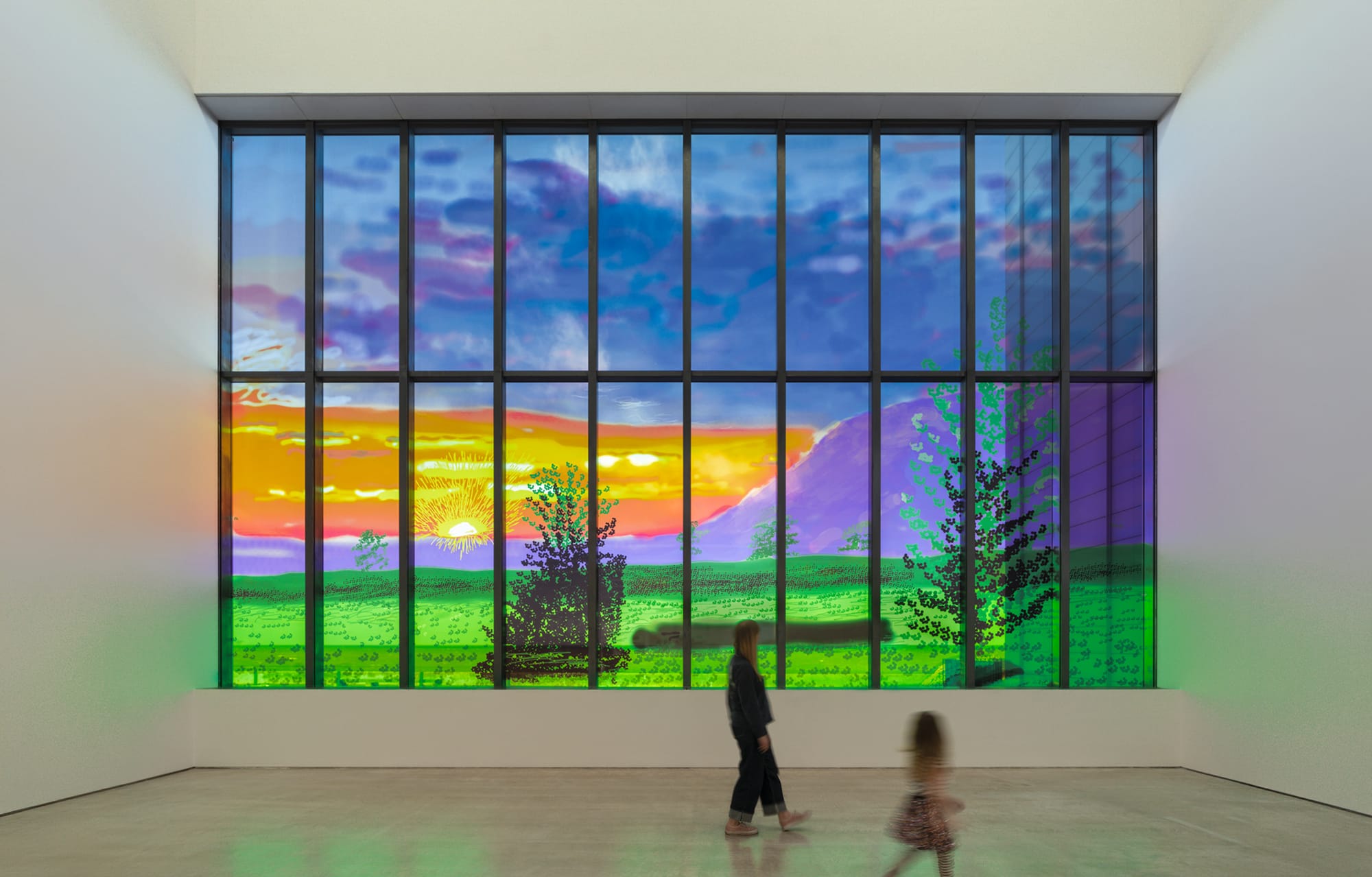
At the MAK in Vienna, Helmut Lang’s intervention inside his own archive ends on the 1st of Npvember. The archive itself then shuts for a redesign and reopens on 8 June 2027. Two more of that day’s closings can be seen from the pavement. In Margate, Turner Contemporary keeps its Sunley Window lit until 11pm with a sunrise David Hockney painted on an iPad in April 2020. In Rome, Alberto Garutti’s lights on the roof of MAXXI brighten each time lightning strikes anywhere in Italy, as they have since October 2023. The same day, Benedikte Bjerre’s flock of more than a hundred helium baby penguins leaves Hall 5 of the Kunsthal in Rotterdam.
The shortest run in this issue is just four days. The Centre Pompidou brings around a hundred photographs from its collection to the Grand Palais for Paris Photo, from the 12th to the 15th. Schiaparelli at the V&A has sold out, so until the 15th only members can get in. The Whitworth in Manchester also closes its first show of Japanese prints in over a century on the 15th, with Hokusai’s Under the Wave off Kanagawa as its centrepiece. The only entry without an exact end date is a single sheet at the Rubenshuis in Antwerp, listed until “the end of November”. Its drawing went on view first. After three months the sheet was turned over, so what hangs now is Rubens’s draft of a letter about a commission from the Duchess of Mantua.
Anyone who leaves it until the last weekend of the month still has Goya’s The Sleep of Reason Produces Monsters in the Rijksmuseum print cabinets and a troll to build from old shop flooring at ARKEN, outside Copenhagen. Both end on the 29th.
🇦🇹 Exhibitions in Austria
Donated with Love
27 March – 15 November 2026
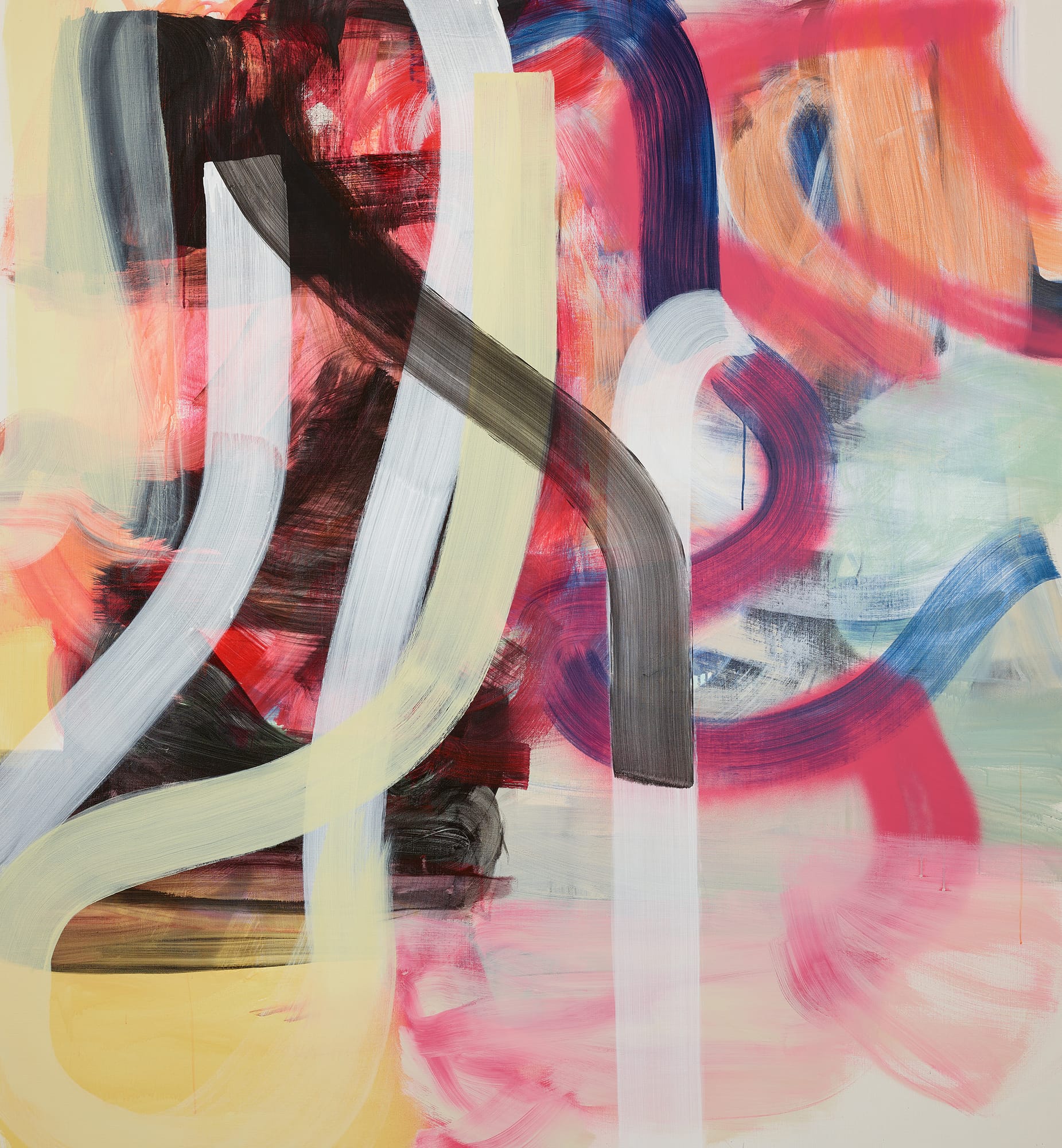
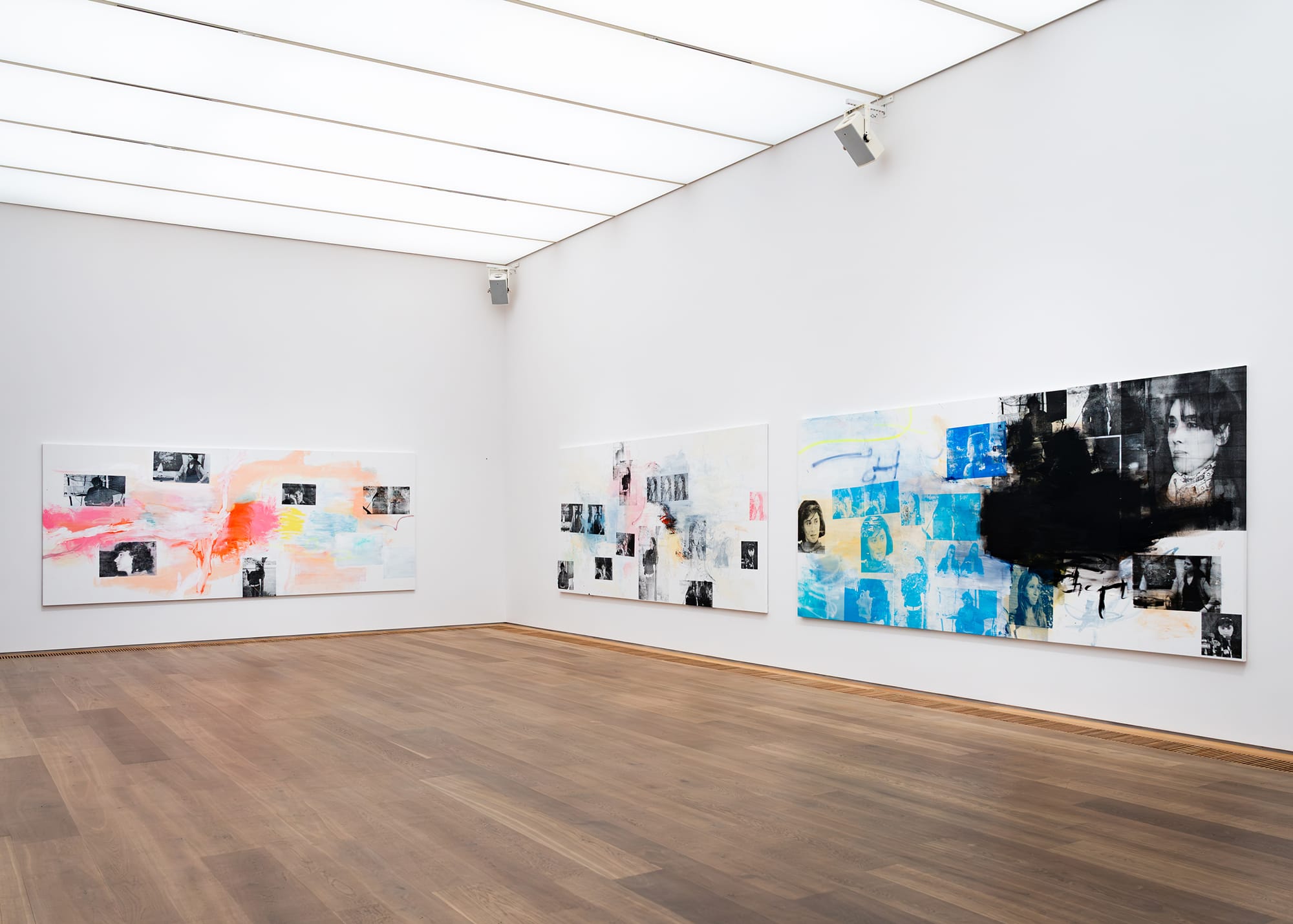
Generosity is the theme of the Albertina’s anniversary show at Albertina Klosterneuburg, its outpost north of Vienna. For its 250th year, the museum shows a cross-section of recent donations as a thank-you to the artists and supporters who expand its contemporary collection. Large groups of work by Roy Lichtenstein and Sean Scully anchor the rooms. Lichtenstein’s Modern Tapestry of 1967 arrived as a gift from his estate in 2024. Katharina Grosse donated an untitled work of her own in 2022. Lynda Benglis, Liliane Tomasko and Julie Mehretu also feature. The Klosterneuburg site opens from Thursday to Sunday.
Tolia Astakhishvili: Figure of the Child
20 June – 1 November 2026
Think back to the first time you met something you had no name for. That moment unlocks Figure of the Child, Tolia Astakhishvili’s first solo museum show. The child stands for a mix of creative independence and complete reliance on others. It is also a state in which scale and invisibility feel immediate. The show invites movement and touch and sets aside museum display conventions. Works by Medardo Rosso, James Ensor, Nan Goldin and Charlotte Posenenske join her own. One of the two floors closed early, on 18 October.
Bernhard Leitner: SOUNDSPACESCULPTURE
11 September – 22 November 2026
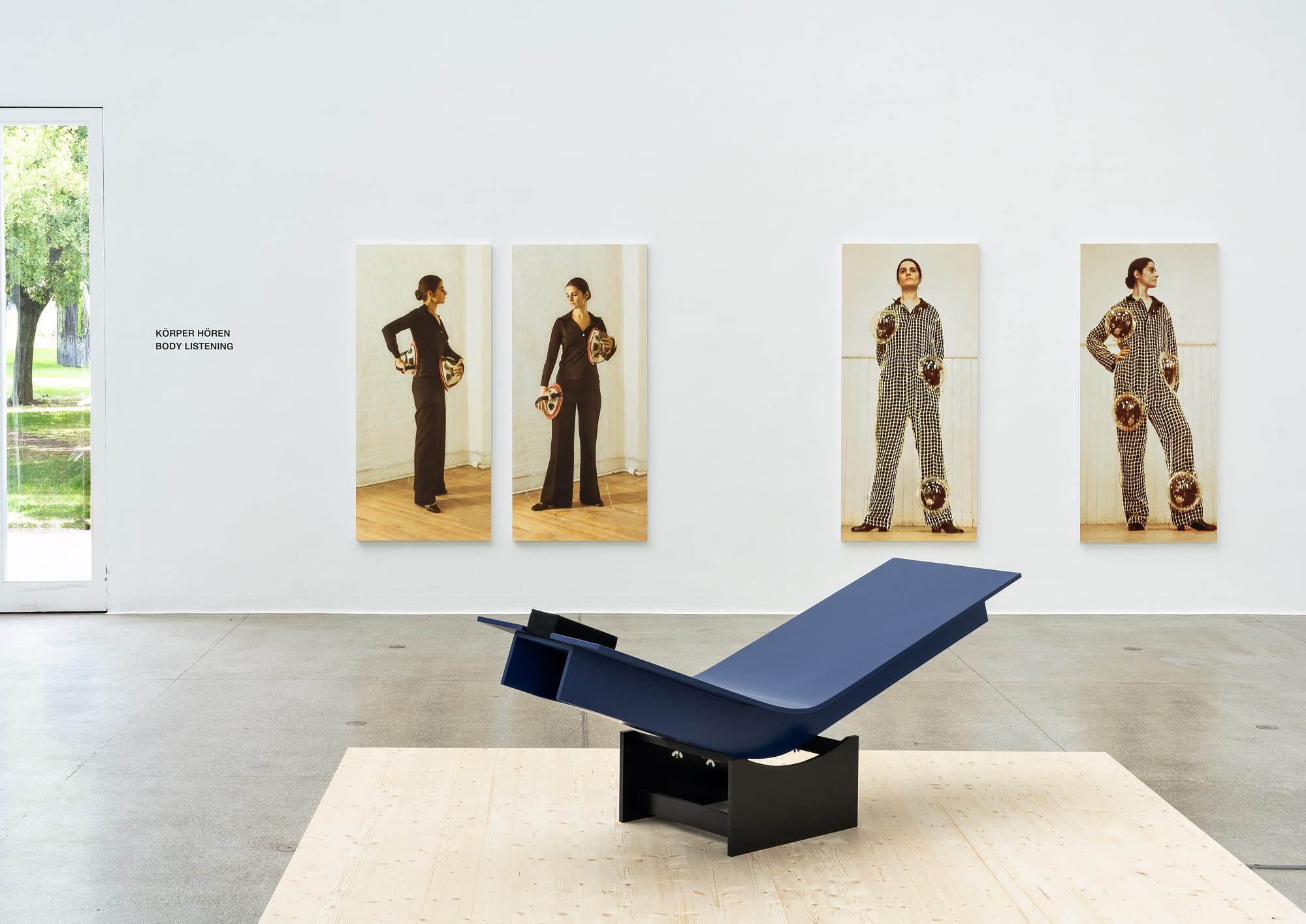
Low frequencies of 75, 84 and 92 hertz pass through six hanging metal plates until the space seems to pulse. Pulsierende Stille 2 is new work by Bernhard Leitner, an architect by training who has shaped space with sound since the late 1960s. The largest piece sends water sounds through 48 channels of loudspeakers fixed to hoses inside a monumental cube. It is called Wasser Würfel / Wand Wellen and was made for the Secession. Early sketches from his New York years sit alongside. Beside Klimt’s Beethoven Frieze, a parabolic dish throws beams of sound at the ceiling.
Lap-See Lam: 192 Wing Lok Street
11 September – 22 November 2026
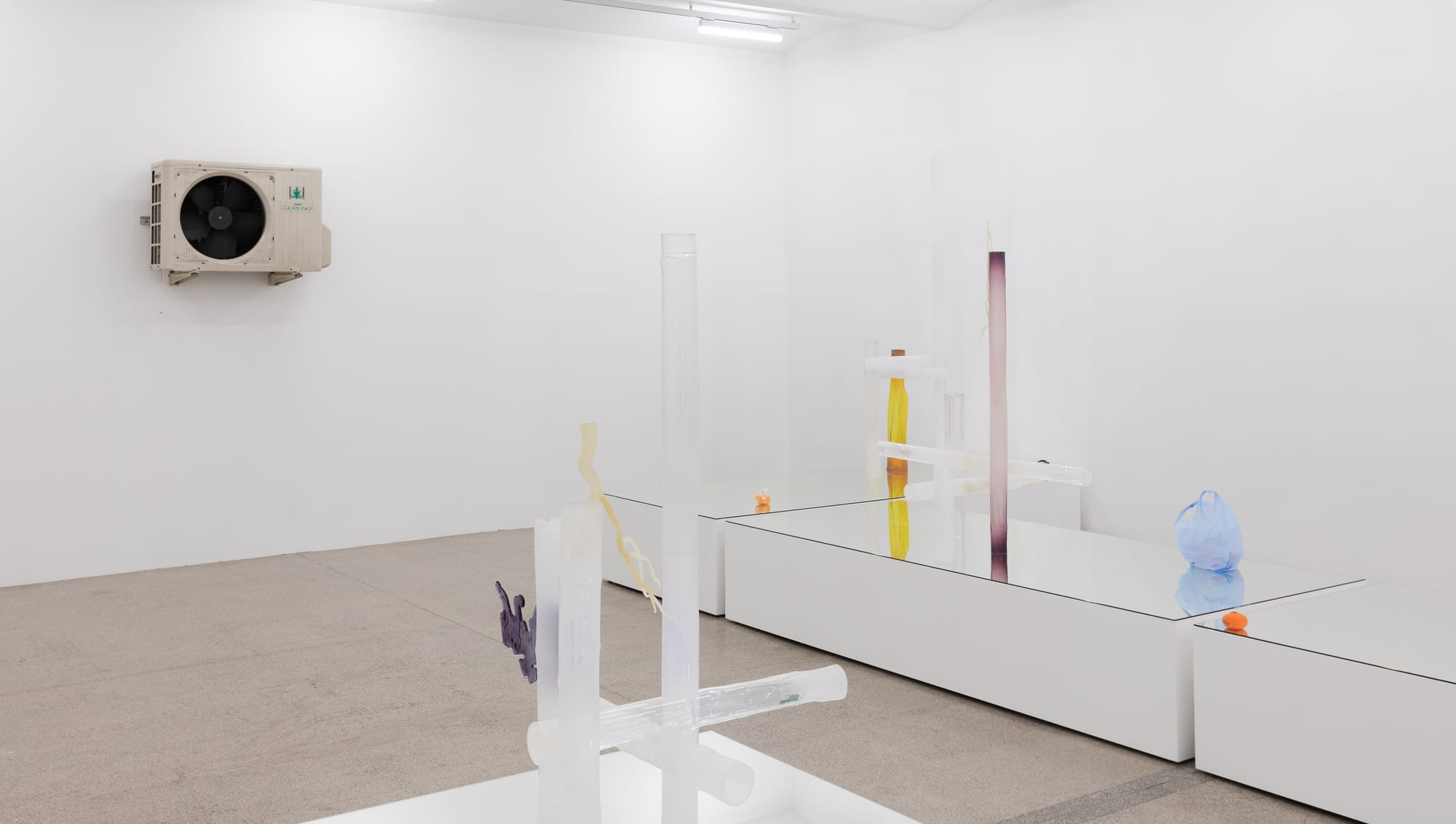
A street in Hong Kong, a grandmother who once sold fruit there, and the bamboo scaffolding that climbs its buildings. Lap-See Lam starts from all three in new works in mouth-blown glass, installation and sound. A large bamboo sculpture appears to pierce the Secession’s foyer. Downstairs, a chandelier shaped like roots lights a room with mandarins scattered in its corners. Glass versions of the scaffolds rest on mirrored surfaces. A steady hum plays from a repurposed air-conditioning unit like those on facades worldwide. The glass was made at Cirva in Marseille.
JJJJJerome Ellis: An unfinished calendar that commemorates slaves escaping their enslavers, 1673–1886
11 September – 22 November 2026
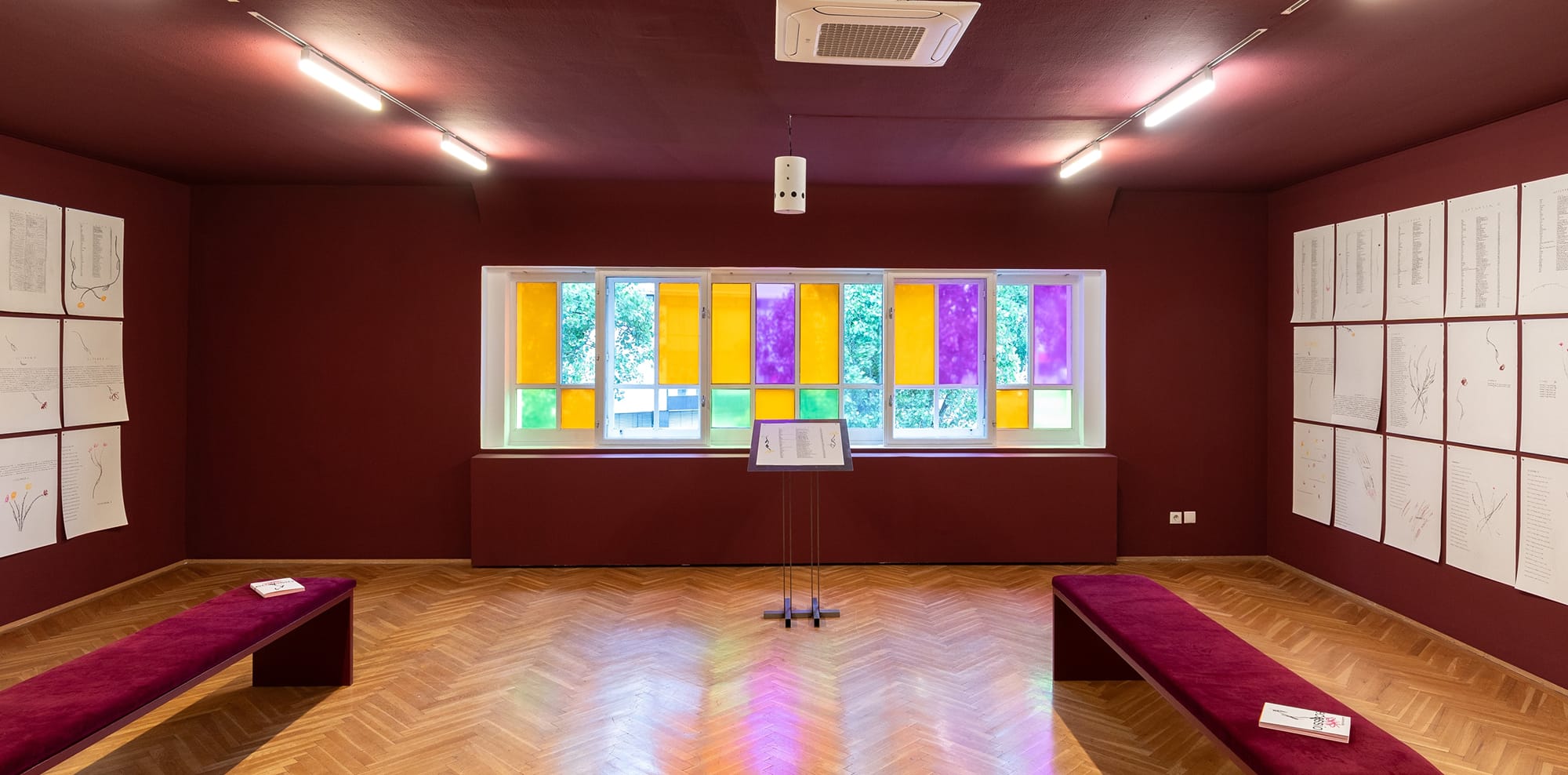
Names in charcoal, garlanded with oil-pastel flowers, cover the walls on one sheet for each day of the exhibition. Each belongs to an enslaved person who escaped between the seventeenth and nineteenth centuries, with the date and place of escape. JJJJJerome Ellis found them in runaway notices that enslavers placed in newspapers, then traced them through archives from Canada to Brazil. A recording of Ellis’s voice reads the names assigned to each day. The sheets hang from magnets and stir as visitors pass. Maya Lin’s Vietnam Veterans Memorial and Matisse’s chapel at Vence were both inspirations.
20 Years of Vienna Design Week: A City Full of Posters
29 September – 1 November 2026
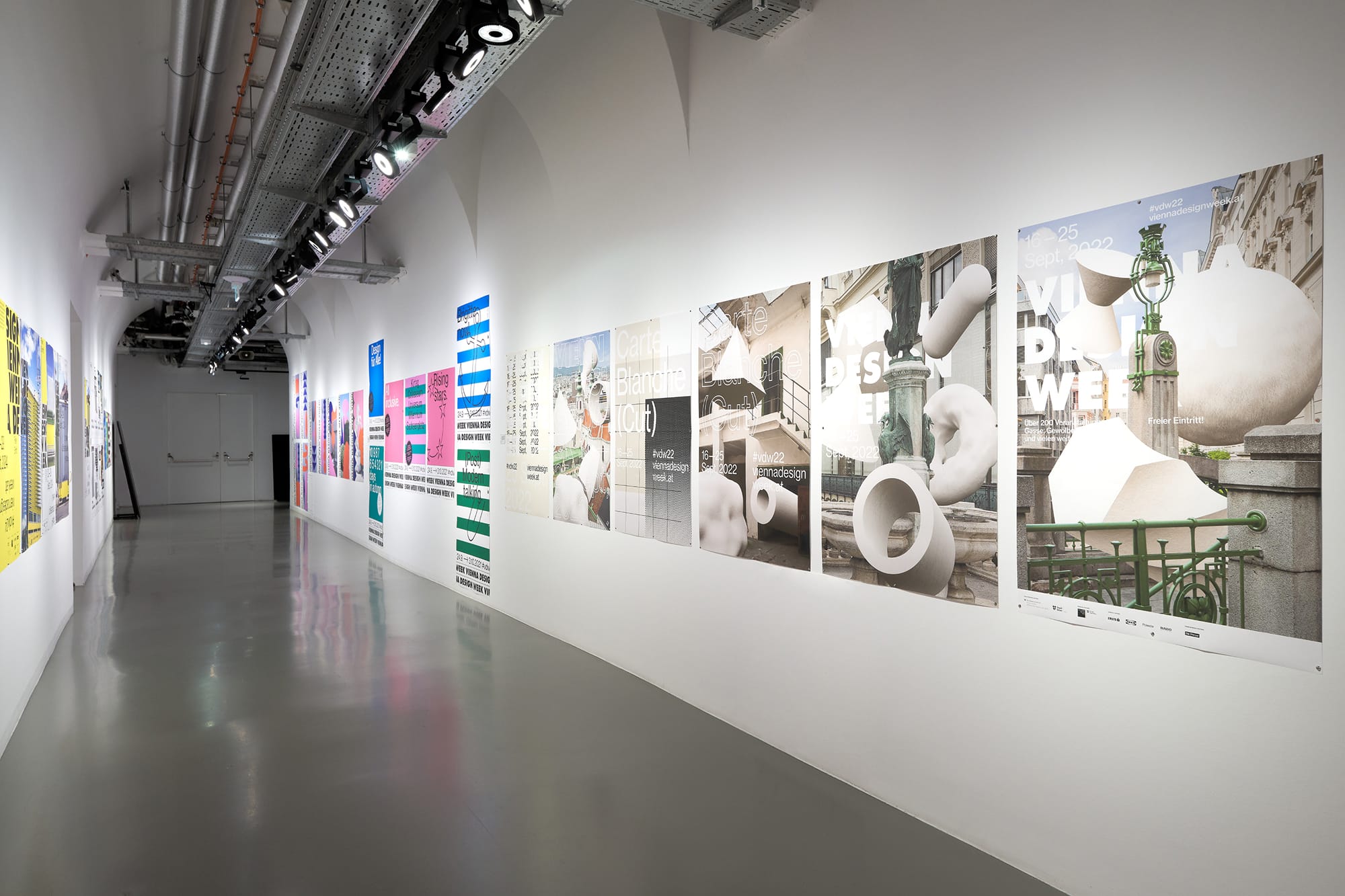
Follow two decades of a design festival through the posters that announced it each year. The MAK calls Vienna Design Week Austria’s largest curated design festival. Its 20th edition takes place in 2026, and the museum honours the designers behind each campaign in its Poster Forum. Lilli Hollein, Tulga Beyerle and Thomas Geisler founded the festival in 2006. Its posters have shaped its public image ever since. The selection runs from Bia Grabner and Rudolf Zündel’s 2007 design, through several years by Bueronardin, to SIRENE Studio’s poster for the anniversary.
Helmut Lang Archive
Until 1 November 2026
Only one museum in the world can trace how the Helmut Lang label was built. It is the MAK, where Lang has staged a temporary intervention inside his own archive. The work asks what an archive is for: collection, storeroom, exhibition space or store of memories. Video edits from 2020 replay his runway shows from 1993 to 2005, the year he left fashion to concentrate on art. Twenty museums around the world have received donations from him. After 1 November the archive closes for a redesign and reopens on 8 June 2027.
LifeArt: 800 years since the death of St Francis of Assisi
24 May – 2 November 2026
The 1451 wooden slippers of the friar John of Capistrano are among the humbler exhibits in the DomQuartier’s North Oratory. The show remembers Francis of Assisi 800 years after his death and follows how his order has lived by his ideals of poverty, care for the sick, peace and respect for creation. Art from the Middle Ages to the present sits beside everyday objects, many lent by Franciscan friaries in Austria, Germany, Switzerland and South Tyrol. A hand-coloured lithograph by Franz von Zülow from 1922 shows Francis preaching to the birds. Friars are on hand to answer questions.
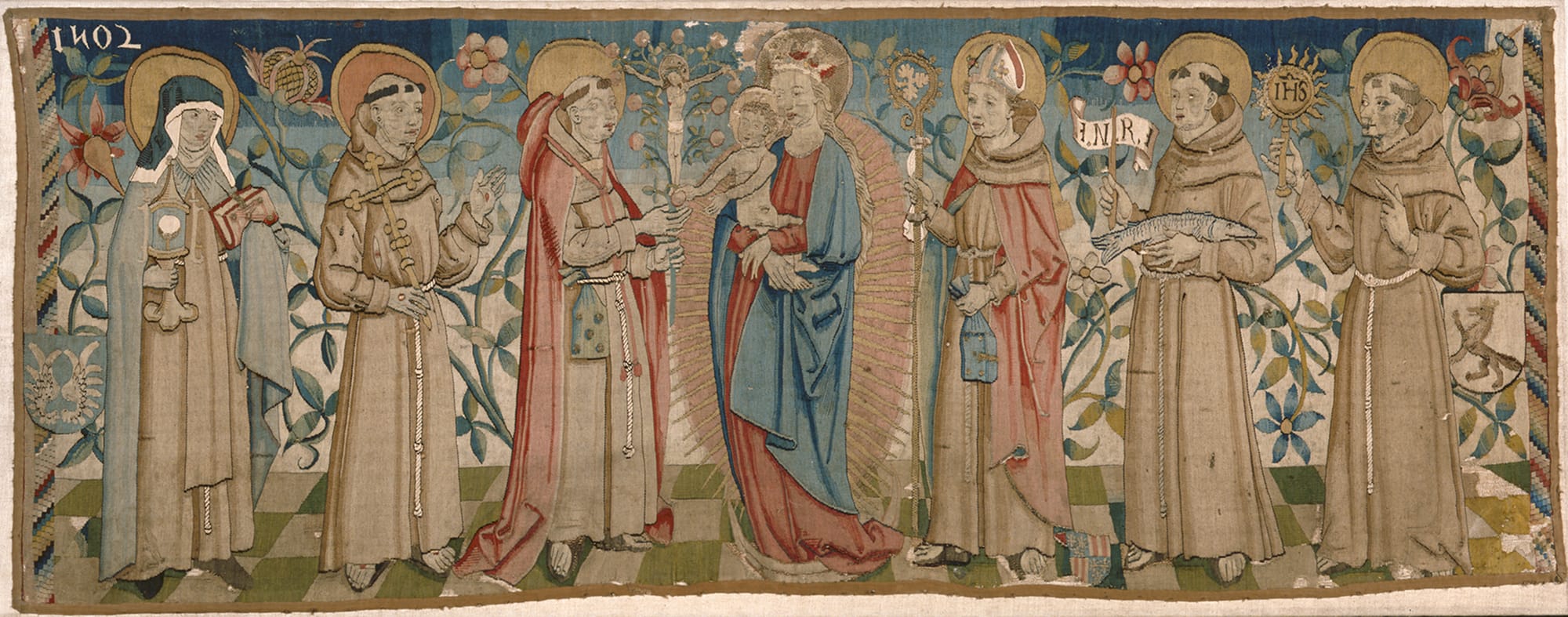
Antiquity: Ideal and Myth
12 July – 15 November 2026
Greek sculpture, as three generations of Austrian artists have read it. The setting is the Museum of the Celts in Hallein, run by the Salzburg Museum. Ludwig Kasper (1893–1945) kept his forms close to Greek models and helped shape Modern Classicism. Rudolf Hoflehner (1916–1995) went back to the Greeks in the 1960s, as abstraction took hold. Siegfried Anzinger (b. 1953) returned to antiquity in a Postmodern spirit, drawn to free contemplation and to making the invisible visible. Small eighteenth- to twentieth-century sculptures from the museum’s collection open the show.
30% Dandelion
21 March – 8 November 2026
Humans share 30 per cent of their genetic material with the dandelion, hence the title of this group show at the Kunsthaus Graz. More than 35 works treat the flower as plant, symbol and survivor. It grows at the margins, heals, spreads its seeds and keeps returning. Karl Blossfeldt, Claude Cahun, Jonas Mekas and Martha Rosler appear alongside newer work such as Anna Jermolaewa’s The Penultimate and Anita Fuchs’s Ghillie Suit. Herbarium specimens and loans from science and literature collections join them. The show belongs to BLOOM, a year-long theme linking ten exhibitions at eight Joanneum sites.
🇧🇪 Exhibitions in Belgium
Acquisition of a Drawing and Draft Letter by Rubens
19 May – end of November 2026
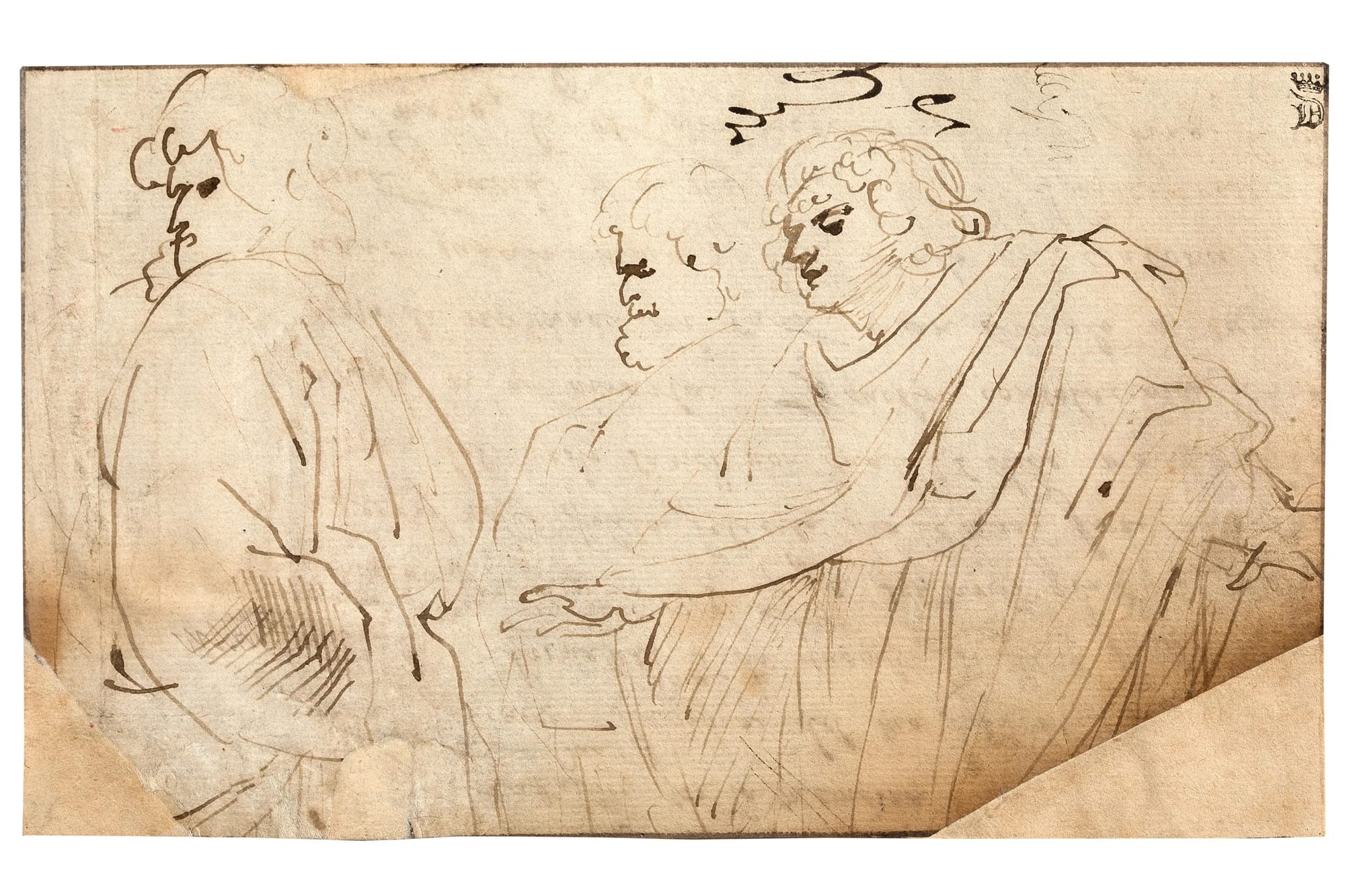
Three robed figures in quick brown-ink strokes fill the front of a sheet Rubens used in 1607. On the back is his draft of a letter in Italian to the painter Cristoforo Roncalli, about a commission from Eleonora de’ Medici, Duchess of Mantua. Autograph drawings and letters by Rubens are scarce. The King Baudouin Foundation bought the sheet at TEFAF Maastricht and has lent it to the Rubenshuis. The drawing went on view first, and after three months the sheet was turned to show the letter. It hangs in Rubens Experience.
KMSKA × Young Fashion Designers
4 June – 8 November 2026
Walk the KMSKA’s galleries with an eye on the clothes as much as the paintings. Forty years after the Antwerp Six broke through internationally, a new generation of designers trained at the city’s Fashion Academy has each made a piece in response to a specific work in the collection. Their silhouettes stand among the paintings along the museum route, where fabric, volume and cut meet centuries-old craft. Names to note include Pommie Dierick, Chloë Reners, Amar Singh and Jinny Song. The museum calls the result cultural heritage in the making. Entry is included in the standard museum ticket.
Old Guard? Avant-garde!
6 June – 15 November 2026
The historical avant-garde had begun to doze off by the end of the 1920s. Some of its members went back to still lifes, and others stopped making art altogether. After the Second World War, a new generation took up their experiments. By then in their sixties and seventies, the pioneers rediscovered their own radical side between 1955 and 1965. This archive show tells the story in eight parallel strands. Paul van Ostaijen, Michel Seuphor, Paul Joostens, Jozef Peeters and Floris Jespers are among the artists. Seuphor welcomed the revival in triumph, while Joostens stayed critical.
Bosacademie: Bite the bullet (make the call)
30 October – 22 November 2026
A knot finally untied, a choice made, a situation pushed through. Those moments give this short presentation its title and its mood. Het Bos has invited residents of Bosacademie, its development programme for young thinkers and makers, to take over the INBOX space on the fifth floor of M HKA. The participants work between performance and visual art, and between photography and film. Visitors are asked to watch, taste, take part and leave traces behind. Names include Cian-Ti Wang, Leyla Ben Mimoun, Ine Kools and the collective Throwing Hands Productions. Admission is free.
Lola Pertsowsky: In the Mother Tongue
18 September – 8 November 2026
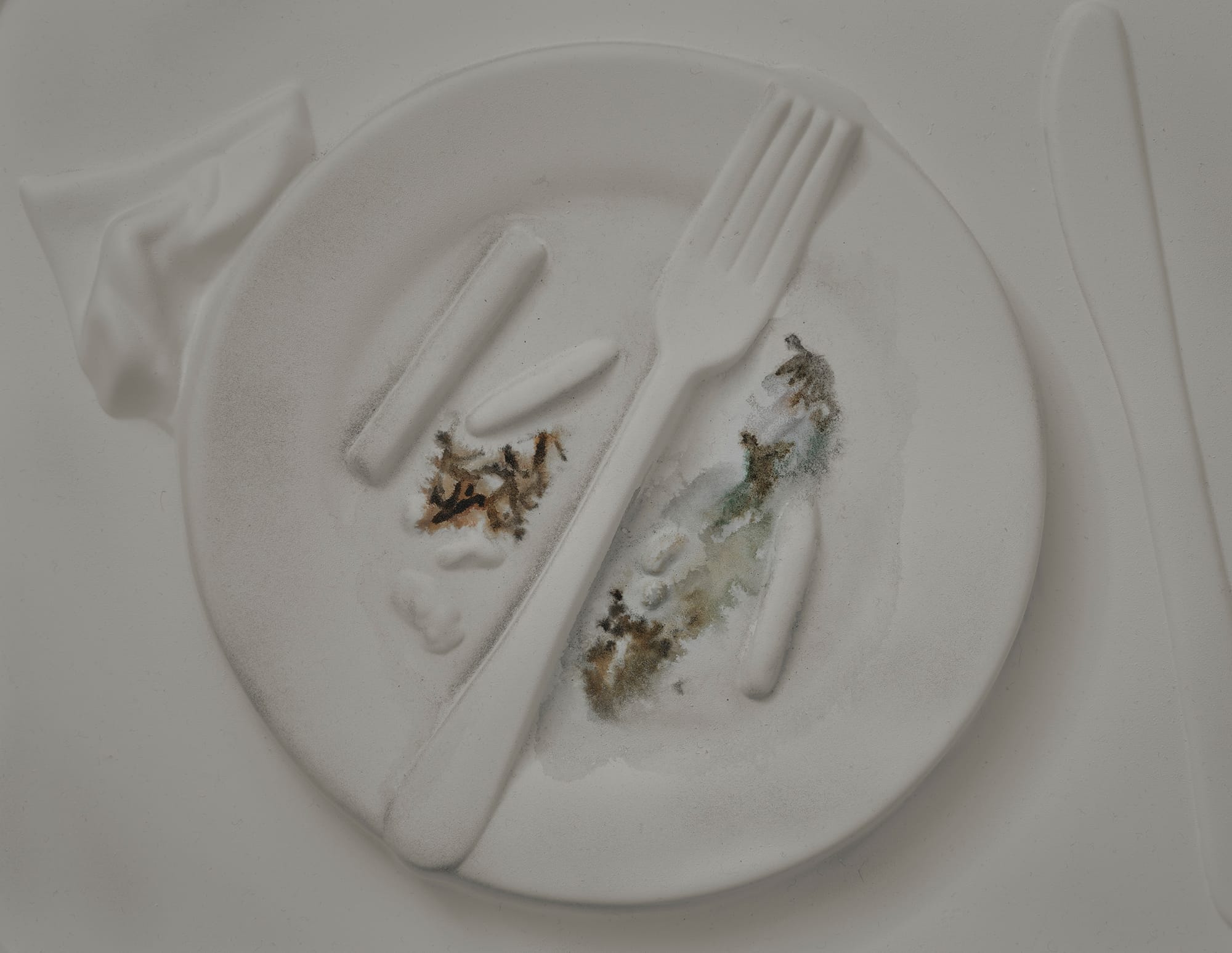
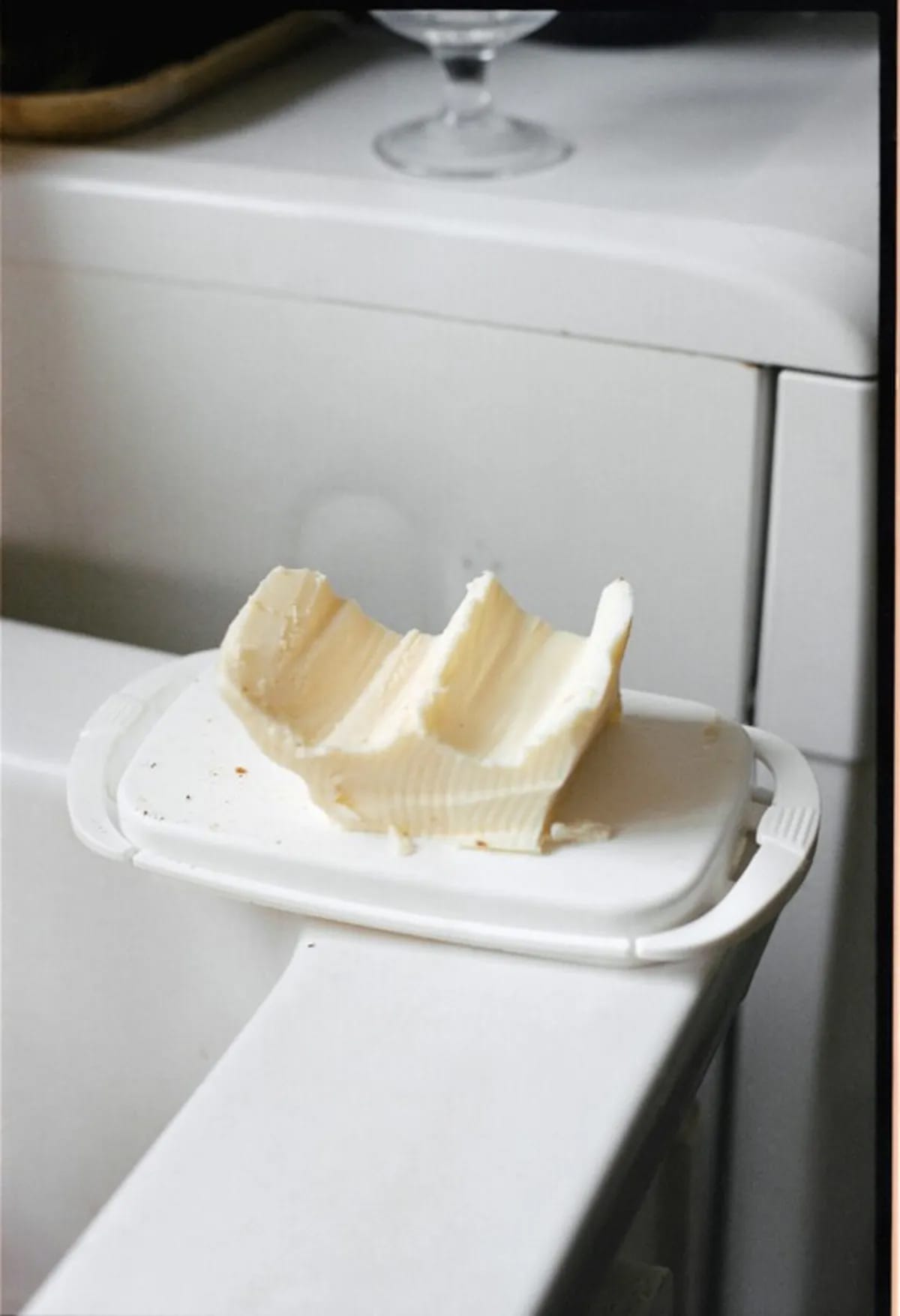
A fly lands on breakfast leftovers and a colony of ants goes to work in the photographs Lola Pertsowsky took at her mother’s house. The Brussels-based artist gives the same attention to plants, animals and overlooked objects, from unwashed dishes to a smartphone. The aim is to form a bond with them, and repetition becomes a way of learning to see. Works include Beurre Sculpté par ma mère and Apple Sundial, both completed this year. The series comes out of the FOMU Grant, which combines a commission, an exhibition and an acquisition.
Meg Stuart: Ricochet Days
21 September – 7 November 2026
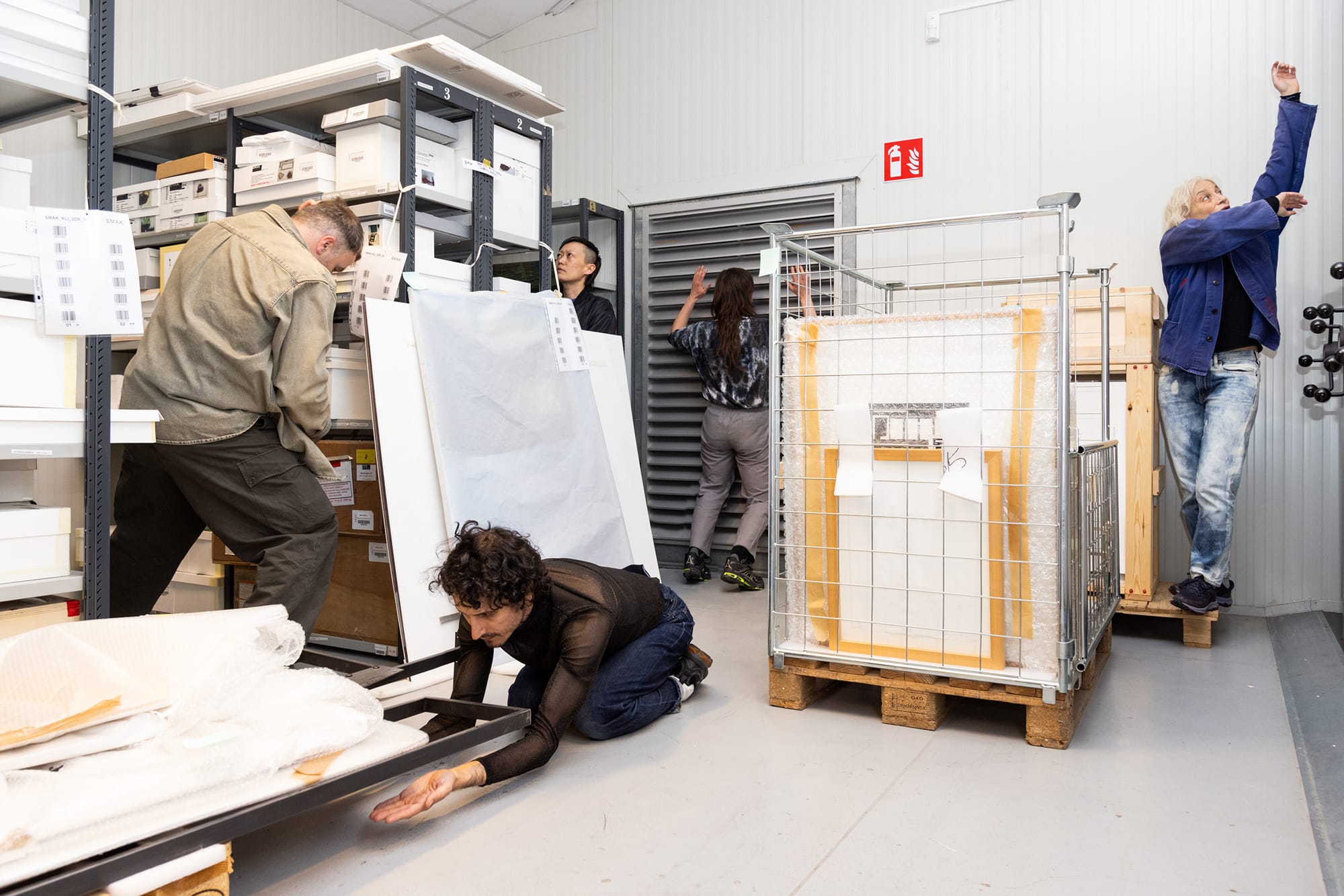
Room 1 at S.M.A.K. has become a rehearsal studio with its doors open to the public. The choreographer Meg Stuart and her company Damaged Goods are in residence, turning the gallery into a collective laboratory and the museum archive into a film set. Their movement draws on cycles of assembly and dismantling, rotation and rebound. Each week follows a set rhythm. On Wednesdays the company takes the museum’s transport truck into Ghent for impromptu performances. Thursdays bring workshops and guest presentations, and every week ends with a public showing on Saturday. The laboratory itself is free during opening hours.
Els Nouwen: OXOMORON
30 January – 22 November 2026
Red peppers and shellfish, tangled among shapes and symbols in a burst of colour. That is OXO, the canvas at the heart of Els Nouwen’s first museum exhibition. The Antwerp painter starts from images from the media, from art history or from her own archive. She renders them precisely, then overpaints, scratches and wipes them away. Rough textures and abrupt colour contrasts keep her pictures between figuration and abstraction. Paintings on copper plate shift with the viewer’s position. Nouwen has also chosen pieces from M’s collection to hang alongside.
🇩🇰 Exhibitions in Denmark
Platform: Emma Rosenzweig x Olivia Turner
9 October – 15 November 2026
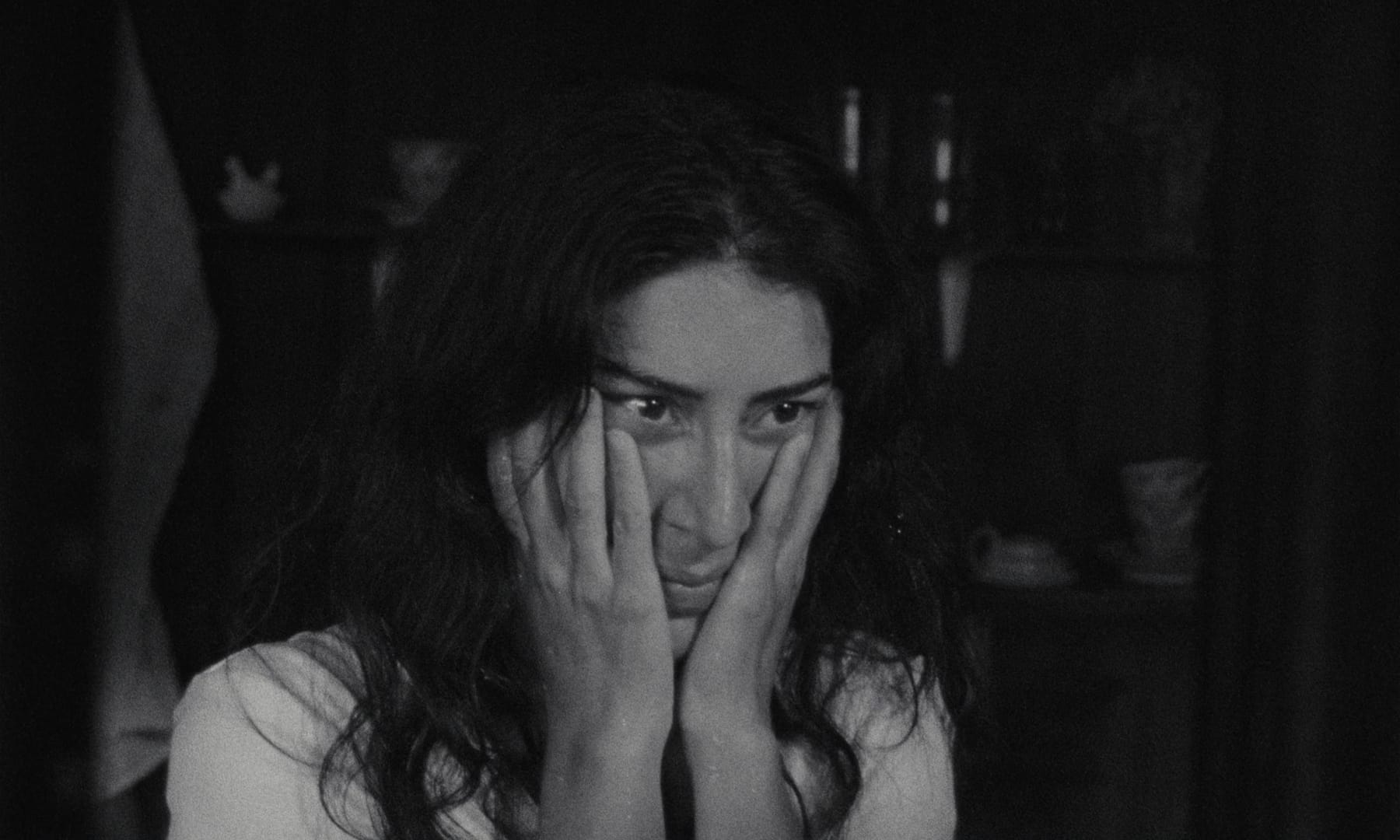
Three women retreat to a summer house, each at the end of a relationship, while a man watches them from a distance. Their story unfolds in HOLE, a film by the Danish artist and novelist Emma Rosenzweig, shot on black-and-white 16mm. The grain blurs skin, landscape and shadow, and the conversations drift between poetry and everyday speech. In Nikolaj Kunsthal’s Platform project space, the film is projected onto velvet-lined walls. The unease of being watched gives way to a shared anger and strength. The title pairs the artist with the curator, Olivia Turner.
Marina Abramović: Seven Deaths
14 March – 30 November 2026
The last day of this exhibition is also Marina Abramović’s 80th birthday. Seven Deaths is her cinematic opera installation, in which she stages the deaths of seven of opera’s best-known heroines to arias sung by Maria Callas. Abramović plays each lead herself, with Willem Dafoe opposite her. The setting is the Cisternerne, a former water reservoir under Søndermarken park. Here the seven films run as one continuous sequence lasting about an hour. The museum says this is the first time the work has been unfolded in full, in a staging made for these dark underground chambers.
Thomas Dambo: The Garbage Man
24 May – 29 November 2026
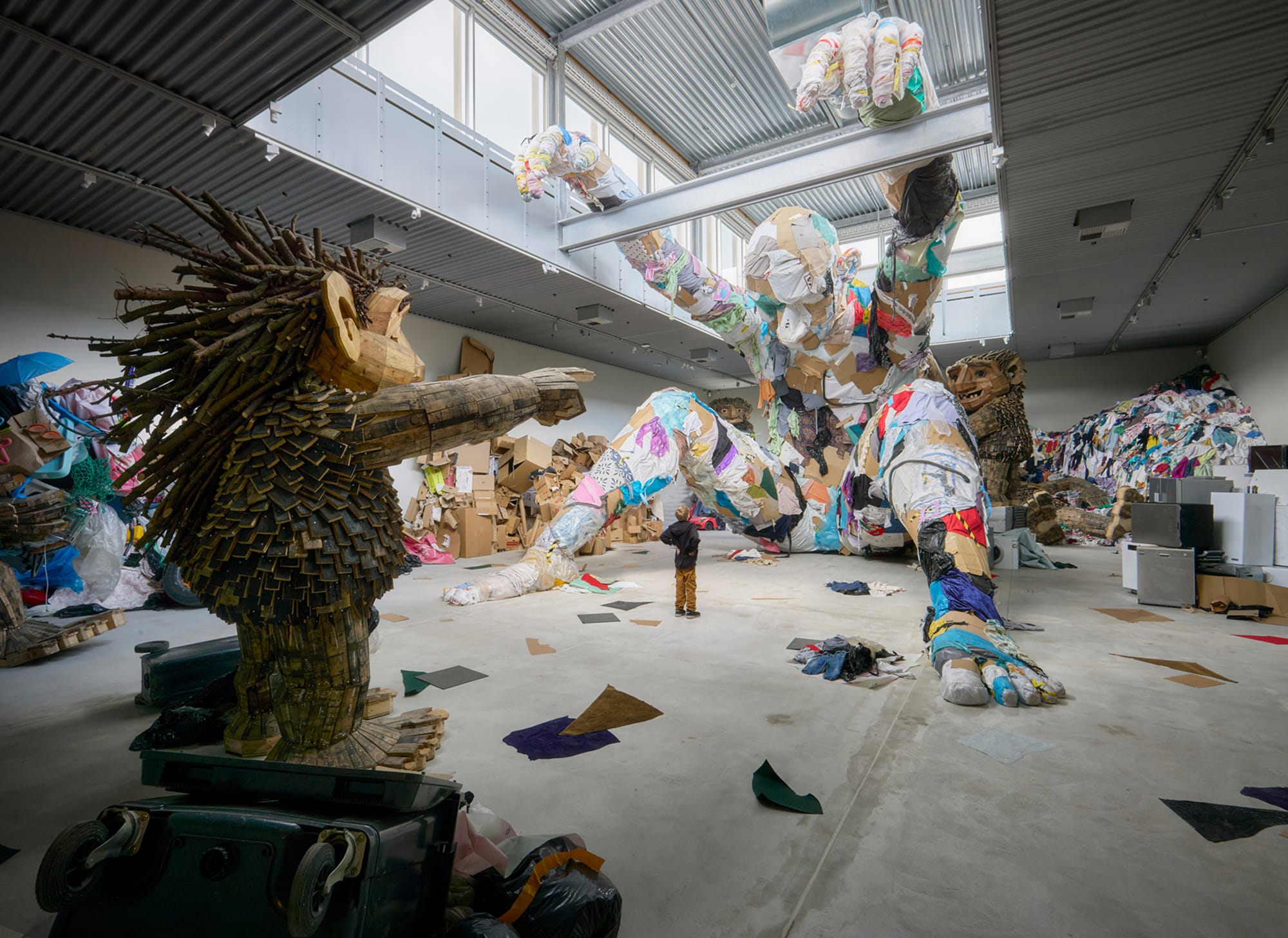
Build your own troll from ARKEN’s old shop and foyer flooring after seeing how Thomas Dambo does it. The Danish artist has placed more than a hundred giant troll sculptures made from recycled materials around the world in the past decade. ARKEN asked him for a show in which recycling is gold. With a light touch, it asks what waste is, how we consume and how responsibility might be shared. ARGO and DanChurchAid collected waste for the installations. One of his trolls already stands in the nature area around the museum.
🇫🇷 Exhibitions in France
Révéler: Photography Collection of the Centre Pompidou
12–15 November 2026
Around a hundred photographs by some thirty artists, on view for just four days. The Centre Pompidou brings this selection from its photography collection to the Grand Palais during Paris Photo. Conceived for the bicentenary of photography, the display reads the medium’s history through three themes. The first is the devices and processes artists invent to make an image. The second is the dream of possessing reality endlessly through reproduction. The third is identity, and the politics of portraits and self-portraits. Andrzej Steinbach’s Figure I from 2015 is among the works.
Marina Abramović: Mutual Gaze
8 May – 23 November 2026
Sit in a chair, close your eyes and breathe, then look into the eyes of the stranger opposite for as long as you wish. Those are the instructions for Mutual Gaze, the last of three participatory works by Marina Abramović in the Paper Tube Studio at the Centre Pompidou-Metz this year. It follows Counting the Rice and Looking at Colors. The Abramović Method distils some fifty-five years of her research into an exercise in silence and presence. Visitors are asked to stay as still as possible, blink rarely and breathe slowly. Entry is free.
Pascale Montandon-Jodorowsky: Le Chant des images
19 September – 22 November 2026
Two names merge in pascALEjandro, the joint signature of Pascale Montandon-Jodorowsky and Alejandro Jodorowsky since 2007. Their shared work fuses his symbolic universe with her painterly vision and returns to alchemy, change and transmission. On her own, the artist studies how time, space, movement and memory act on one another. Her pictures dwell on the fragility of life and chase light, colour and metamorphosis. Her 2023 work Before, Now, After illustrates the show. It fills La Capsule, the museum’s space for participatory practice and experiment. It opens on Wednesday, Saturday and Sunday afternoons. Entry is free.
William Forsythe: Additive Inverse
30 September – 2 November 2026
Three circles of light overlap in a basin of mist and form a drawing that seems to take on a body. The choreographer William Forsythe made Additive Inverse with Philip Bußmann in 2007. It sits between sculpture, drawing and film. The form depends on the mist staying still. The slightest movement of air alters it and can make it disappear. Visitors are asked to protect it by moving through the Studio carefully and slowly. A second Forsythe work, Nowhere and Everywhere at the Same Time, Nr.2, follows in the same space in January.
Mossi Traoré: Fashion, Too
20 May – 16 November 2026
Nearly 150 works, half of them by a couturier who trained as much on the street as alongside the great couturiers. The Mucem gives its 2026 season to Mossi Traoré, whose pared-down, committed style treats couture as experiment, transmission and shared language. Sculptural silhouettes, videos and textiles meet costumes, tools and accessories from the museum’s own collections. Several pieces were made for the show. Artists who inspire him also appear, among them Madame Grès, Lee Bul and Hassan Massoudy. Visitors are invited to touch, listen and make things along the way.
Ellsworth Kelly: At the Edge of Water
27 June – 15 November 2026
Water lies behind much of Ellsworth Kelly’s abstraction, and this is the first exhibition to explore it. The American artist was drawn to the sea at Belle-Île, on the Côte d’Azur, in New York and in the Caribbean. What he saw there led to drawings, collages, paintings and sculptures. He set down the shifting colour, light and surface of water itself. The setting has history. Kelly showed at Galerie Maeght in Paris after returning to France in 1948. He stayed often with the family in Saint-Paul-de-Vence and remained a lifelong friend of Adrien Maeght.
Peter Knapp: The Era of Courrèges
14 May – 8 November 2026
Models seem to float in mid-air in the pictures Peter Knapp took for ELLE in March 1965. They show André Courrèges’s spring-summer haute couture collection, which dropped convention for line, architecture and white, and which the press called the “bombe Courrèges”. Four large prints from that elliptical series form the heart of this one-room show. Other series, archive material and outfits Knapp photographed that year complete it. The House of Courrèges has lent the clothes. Knapp was a close friend of both Courrèges and the Maeght family. The foundation calls it its first exhibition to mix art and fashion.
🇩🇪 Exhibitions in Germany
Scandal! Hermione von Preuschen and the “Mors Imperator”
22 March – 15 November 2026
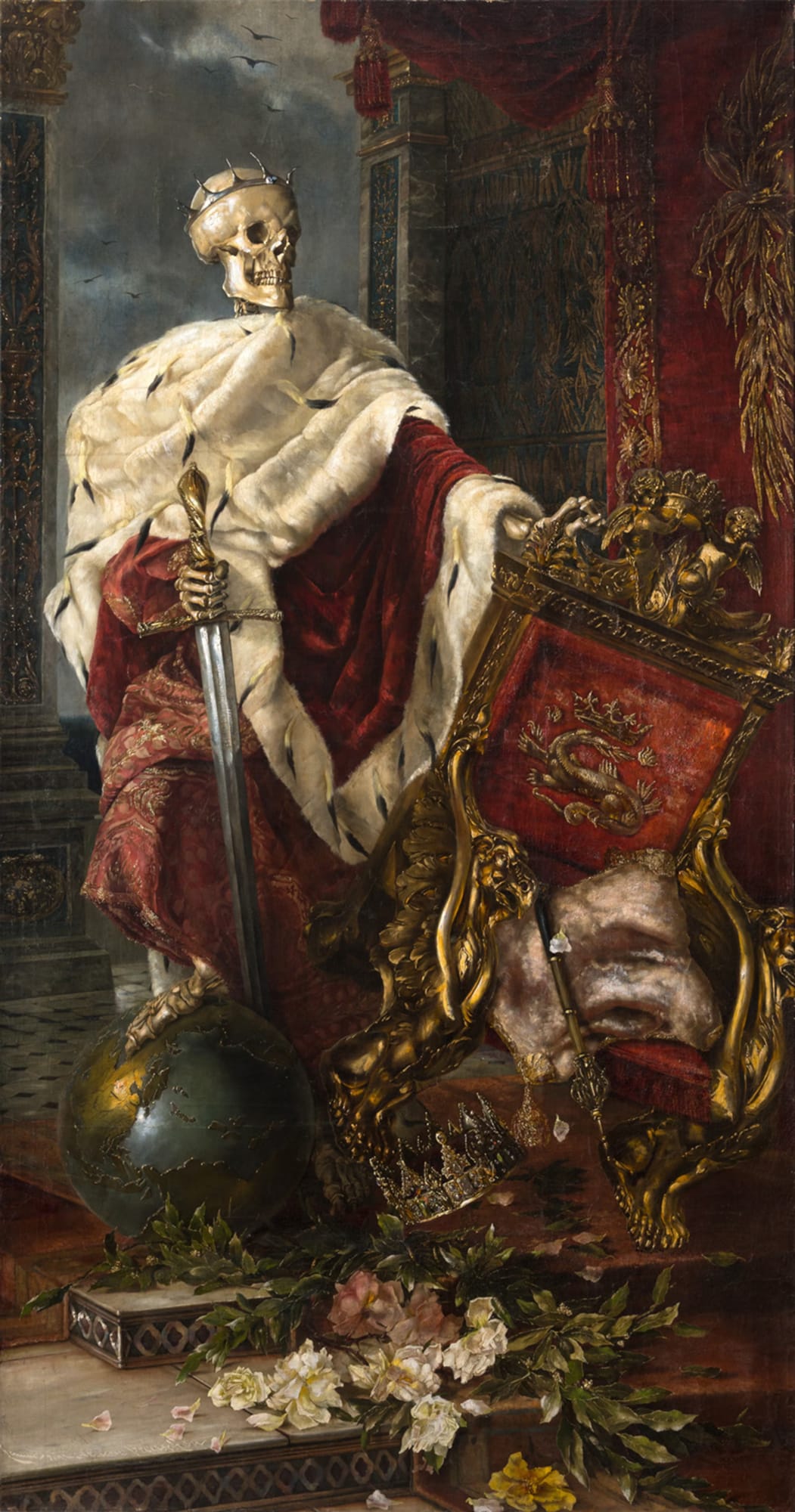
One rejected painting made Hermione von Preuschen famous overnight. In Mors Imperator of 1887, a skeleton in a purple cloak trimmed with ermine knocks over a throne. The Berlin Academy jury read it as a jibe at the 90-year-old Wilhelm I and refused it, even after the emperor said he had no objection. Preuschen, then 33, rented rooms on Leipziger Straße and charged admission. Crowds came and the press followed. Letters, photographs and publications trace the scandal, her travels and her writing. In 1896 she argued publicly for women’s right to study at the academies.
Make It Make Sense: German Design Graduates 2026
16 October – 29 November 2026
Ask how leftover materials can become new resources, or how design can make knowledge easier to share. Around 70 graduation projects from 28 German universities try to answer. Die Neue Sammlung shows outstanding final-year work from product, industrial, communication, digital, textile and fashion design. The title borrows an internet phrase used when explanations stop adding up. The projects test materials and production methods, technology and new ways of living together. The selection comes from German Design Graduates, an initiative of the German Design Council Foundation that helps graduates into professional practice.
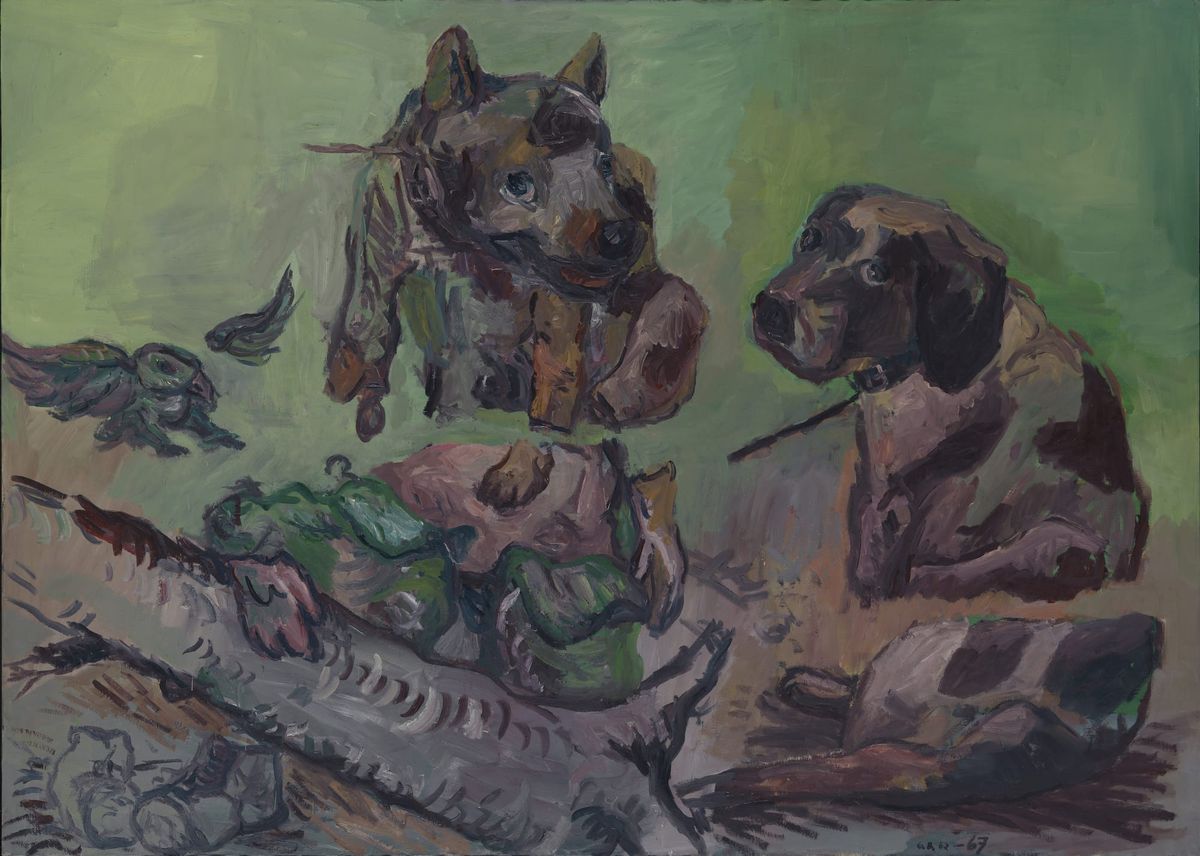
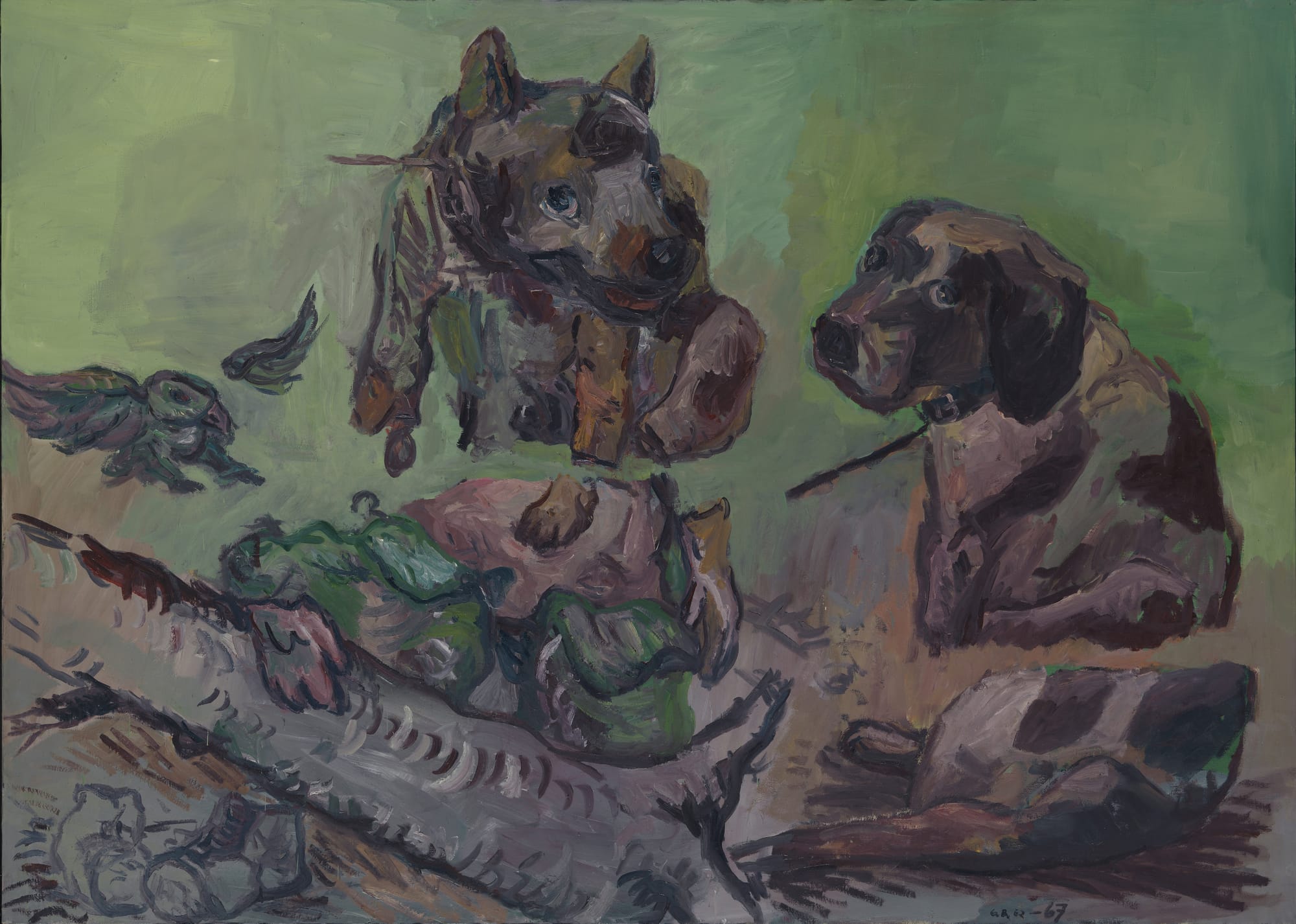
Georg Baselitz (1938–2026): Works in the Bavarian State Painting Collections
3 July – 8 November 2026
A figure stands on its head beside a tree in Der Mann am Baum, painted in 1969 and one of the first canvases with an upside-down figure. The inversion became Georg Baselitz’s trademark. Room 28 now shows eleven of the 31 works the Bavarian State Painting Collections hold by him, in memory of the artist, who died this year. The collections began buying his work in 1972 and gave him a solo show at the Haus der Kunst four years later. The selection runs from Fingermalerei – Adler of 1972 to late paintings such as Avignon ade from 2017.
Carrying
14 May – 8 November 2026
A barracks built in 1826, a street name that has outlived it, and the room that holds Cy Twombly’s Lepanto paintings. The barracks was known as the Türkenkaserne, after Ottoman prisoners of war brought to Bavaria for forced labour in the late seventeenth century. Artists including Hêlîn Alas, Louise Lawler, Kate Newby, Tiffany Sia and Jaune Quick-to-See Smith respond with architectural interventions, paintings, performances, sound and film, inside and outside the museum. Cana Bilir-Meier’s Ein neues Wort turns more than 32,000 suggested alternatives to the word “Gastarbeiter” into a musical act of reappropriation.
HERE AND NOW at Museum Ludwig: De/Collecting Memories from Turtle Island
7 February – 8 November 2026
Touch Marie Watt’s Thirteen Moons and its thirteen hanging sculptures of tin jingles begin to sound. The Seneca artist made the work for this show, drawing on the Jingle Dress Dance, an Ojibwe healing ritual. The show starts from a set of Photochrome prints of American landscapes from around 1900, bought by the museum in 2024. Yellowstone and the Grand Canyon look strikingly empty in them. The exhibition asks what those postcards leave out. Wendy Red Star’s photographic self-portraits answer with humour and satire. The museum ties the show to the 250th anniversary of US independence.
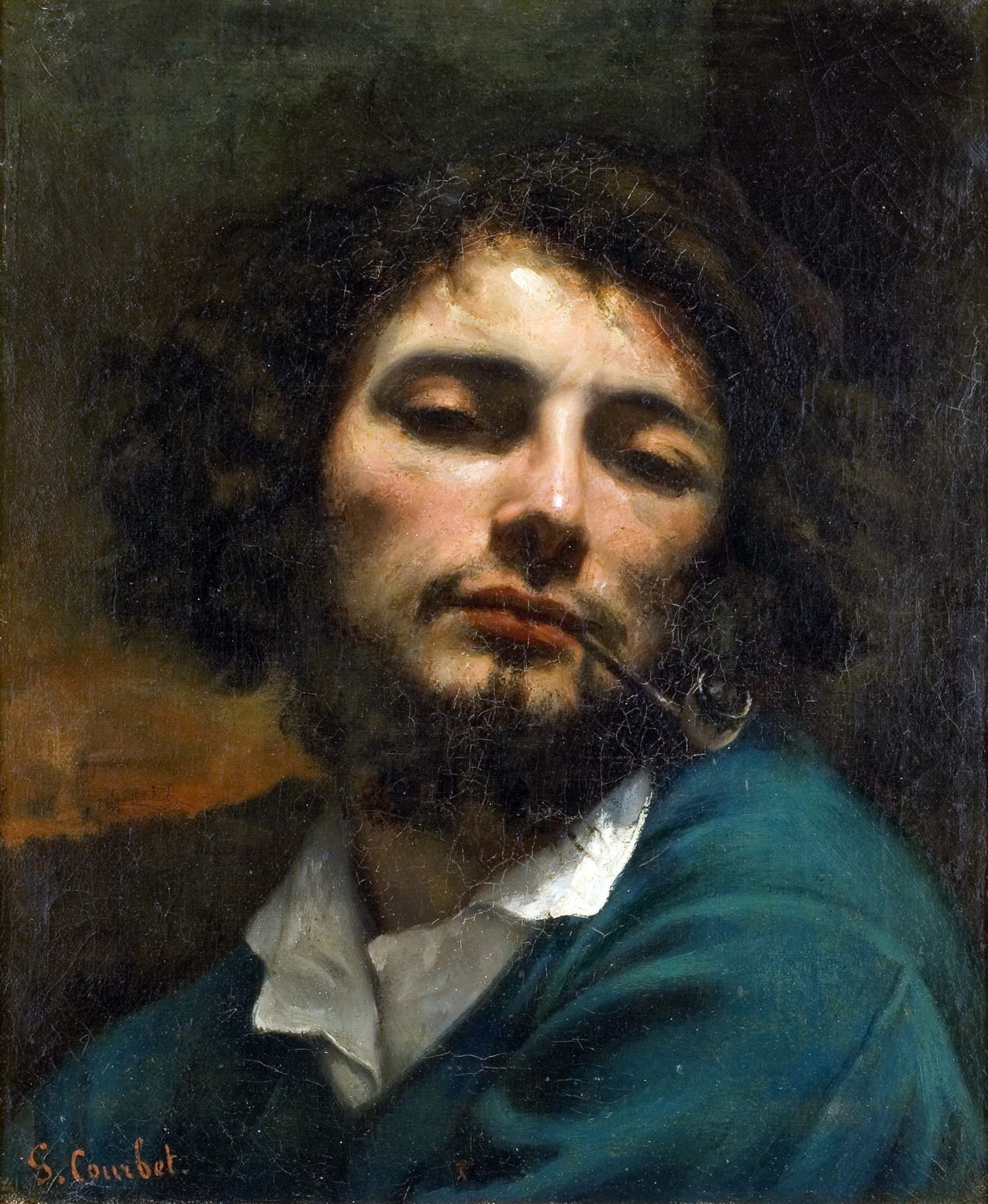
I, Gustave Courbet: Painter and Rebel
17 July – 8 November 2026
Ordinary people and plain reality were radical subjects for a French painter in the mid-nineteenth century. Gustave Courbet rejected the ideals of classicism and Romanticism and painted what he saw. The show follows him through self-image, social reality, erotic painting, landscape and exile. His politics went into his art, and in 1873 they sent him to Switzerland as a refugee. Works include L’Homme à la pipe from Montpellier, Jo, la belle Irlandaise from Stockholm and Paysage côtier from Vienna. The Folkwang’s own La vague of 1870 also features. The show is a cooperation with the Leopold Museum.
🇭🇺 Exhibitions in Hungary
From Details, Space Itself: The Architecture and Photography of László György Sáros
18 September – 15 November 2026
Look at a building the way its architect photographs it, from detail to whole. László György Sáros is one of the defining figures of Hungarian organic architecture. As a student he sought out Imre Makovecz, and their relationship as master and disciple became a lifelong friendship. For Sáros, organic architecture means putting human life, and with it time, at the centre of design. His photographs study the built environment and its relation to nature, through parallels, contrasts and the play of part and whole. His buildings, pictures and writings share one aim: to make others see.
Posters and Drawings: An Exhibition of Graphic Designer József Árendás
25 September – 22 November 2026
Street advertising columns stand inside the Műcsarnok to recall where posters used to hang. The exhibition marks the 80th birthday of József Árendás, a central figure in Hungarian cultural poster design. It is conceived as a condensed retrospective that traces his creative DNA. Three strands organise the work. Nostalgic film posters of the 1970s come first, then theatre posters from 1983 onwards, then the independent auteur posters of recent decades. Drawings hang alongside throughout, showing a draughtsmanship now rare in graphic design. Wry irony and bold visual metaphor run through all of it.
Endre Rozsda: Nature morte sur table étrange
8 October – 27 November 2026
Paris in the 1940s, the pull of Surrealism, and a painter still searching for his own voice. Várfok Gallery traces how Endre Rozsda’s visual world took shape through paintings, drawings and prints from that decade. Born in Mohács in 1913, Rozsda belonged to the European School and was later associated with the Parisian Surrealists. As a child he would stare at the paintings at home and imagine walking into their landscapes. He later urged viewers to linger until they found a way into each work. This is his thirteenth solo show at the gallery.
🇮🇹 Exhibitions in Italy
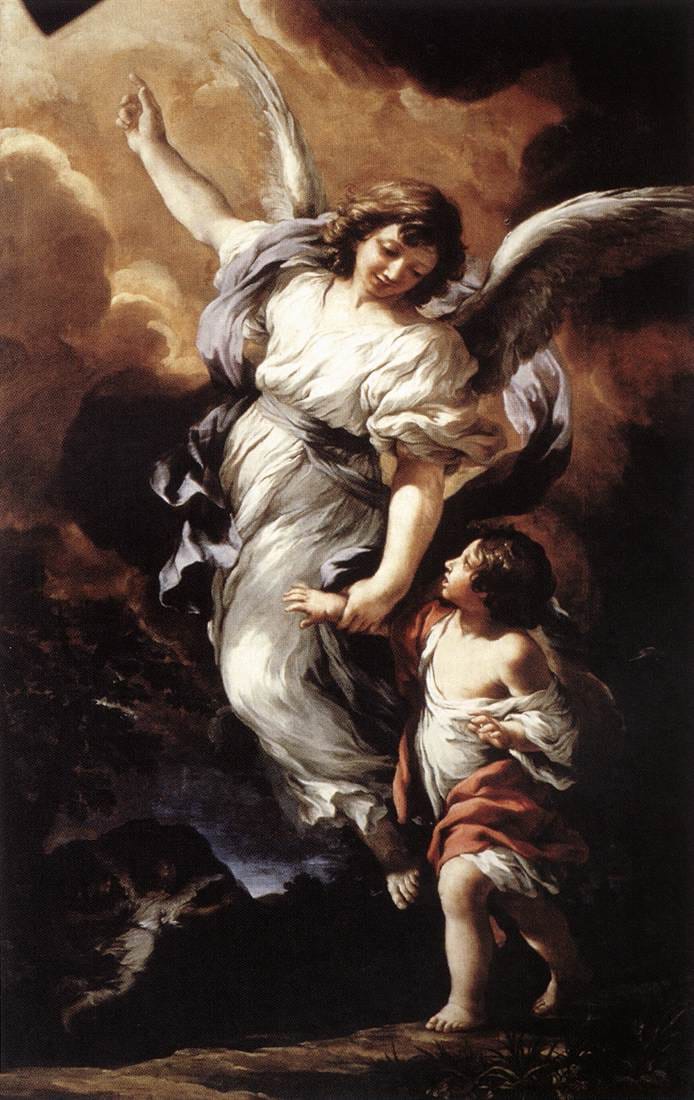
Angeli: Messaggeri, custodi e viandanti, le sublimi creature dall’Antico al Contemporaneo
13 May – 1 November 2026
Follow the angel from biblical messenger to guardian to fellow traveller. The Capitoline Museums dedicate this show to Pope Francis, one year after his death. Paintings, sculptures and works on parchment run from antiquity to the present, several lent from collections rarely open to the public. Pietro da Cortona’s L’Angelo Custode of 1656 comes from Palazzo Barberini, and Carlo Dolci’s L’Angelo annunziante from the Uffizi. Lo Spadarino’s guardian angel travels from a church in Rieti. Osvaldo Licini and Omar Galliani carry the theme into modern and contemporary art.
Vitalità dell’architettura italiana 1946–2026
29 May – 15 November 2026
Eighty years of the Italian Republic are also eighty years of its architecture. The show opens with interviews with Renzo Piano, Massimiliano Fuksas, Stefano Boeri, Paola Viganò and others. Beside them, Matilde Cassani reworks BBPR’s Milan monument to those who died in the Nazi camps. Archive material follows on the social questions post-war architects faced. Eight studios born between the late 1960s and early 1980s, which the curators call the Erasmus generation, each get a photographic portrait by Allegra Martin and a table setting out their methods. Finalists of MAXXI’s NXT programme for young designers close the route.
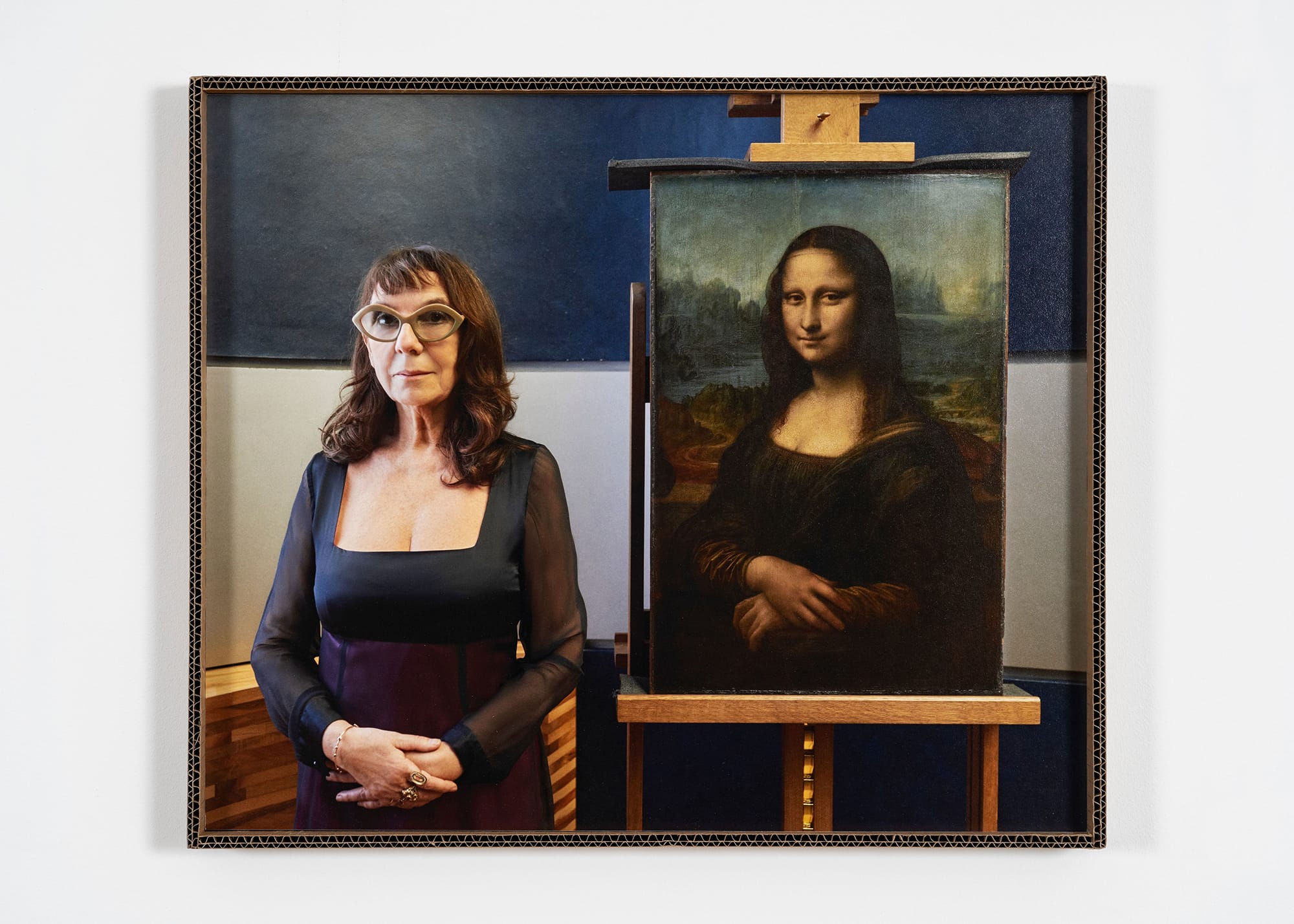
Alberto Garutti: Temporali
7 October 2023 – 1 November 2026
Lights on the MAXXI roof grow brighter each time lightning strikes somewhere in Italy. Alberto Garutti designed the large illuminated inscription for the façade facing Via Masaccio. Its words dedicate the work to those who pass by and think of the sky. Garutti saw it as a link between art and the primordial energy of nature, with art as a go-between for people and the world. He described it as a machine of revelation as well as detection. The inscription invites everyone below to become part of the work.
Mona Hatoum: Over, Under and In Between
29 January – 9 November 2026
A web of hand-blown glass, a world map of loose red beads, a metal grid that slumps and rises again. Mona Hatoum’s three installations fill the Cisterna, the old distillery’s silo building at Fondazione Prada. Glass spheres threaded on wires form a spider’s web that can read as a trap, a shelter or a constellation. More than 30,000 unfixed glass balls trace the continents in the Gall-Peters projection, which corrects the way standard maps shrink the Global South. In the last room, all of a quiver creaks and clanks as its rows of cubes collapse and rebuild.
Helter Skelter: Arthur Jafa and Richard Prince
9 May – 23 November 2026
“Helter Skelter” has been a fairground ride, a Beatles song, Charles Manson’s prophecy of race war and a 1992 Los Angeles exhibition that left out Black artists. Nancy Spector borrows it for a first look at what links Arthur Jafa and Richard Prince. Both artists take images from films, pulp novels, record sleeves, YouTube and social media without asking permission. More than fifty photographs, videos, installations, sculptures and paintings fill two floors of Ca’ Corner della Regina, the foundation’s palazzo in Venice. Some works contain violence and explicit sexual imagery.
Leiko Ikemura: TransLucent — The Form of Light
10 September – 22 November 2026
Glass rabbits with wings, a fox, a cat and sleeping faces stand among paintings by Carpaccio, Titian and Tiepolo. Leiko Ikemura turned to glass during the pandemic, drawn to its light and its fleeting quality. Her cast-glass female figures, hybrid creatures and masks are spread through the Gallerie dell’Accademia in dialogue with the permanent collection. Motherhood, metamorphosis, contemplation and death link old and new. One piece was made for Venice with a Murano furnace. Kitsune, Usagi with Wings and Lying Luz are among the works. Carlo Scarpa’s architectural interventions frame the display.
🇱🇮 Exhibitions in Liechtenstein
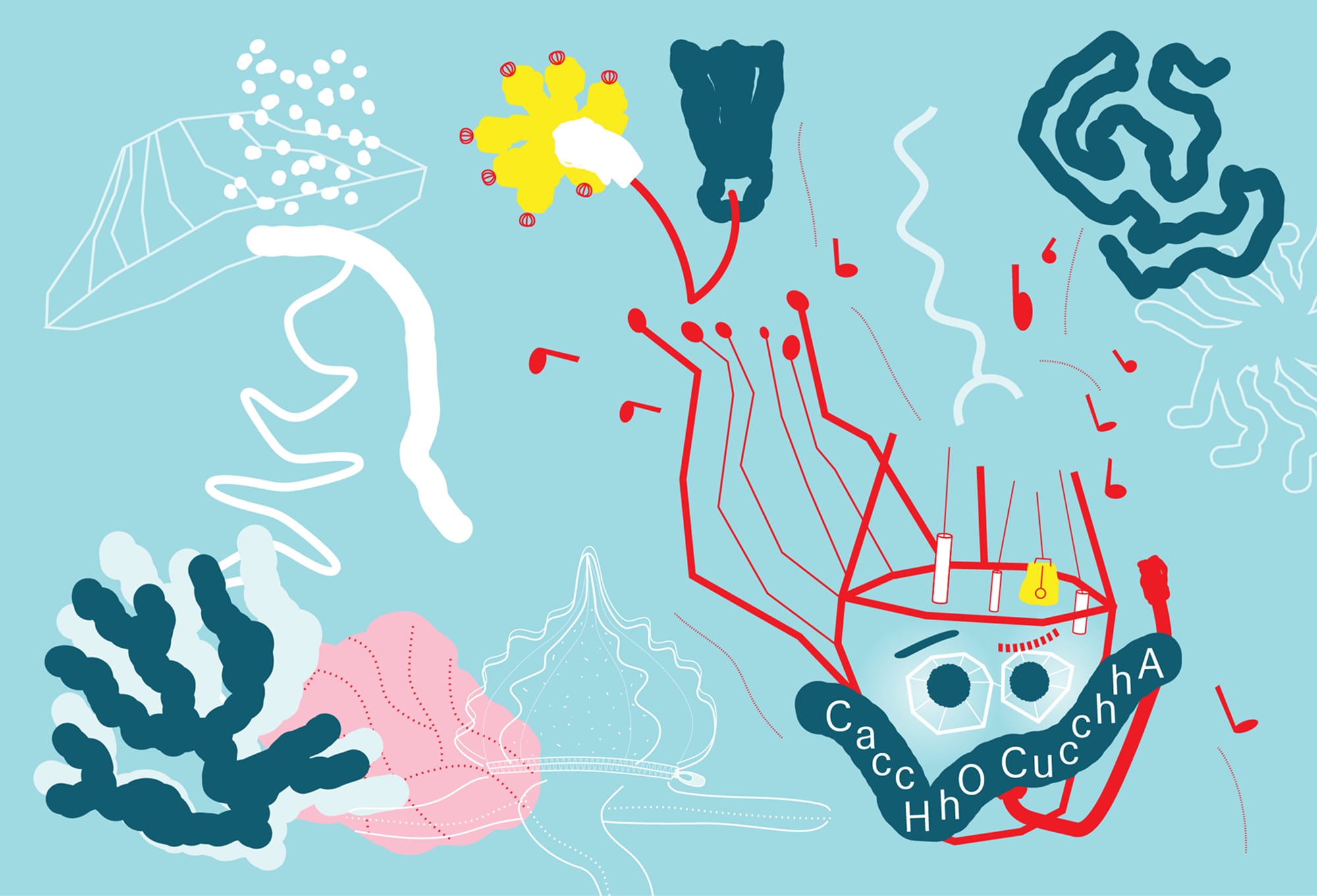
Mercedes Azpilicueta: CacchHo CucchhA
3 May – 22 November 2026
Put on a costume and become a rattling root, a jumping barnacle, a scraping cicada or a rainy slug. The Argentine-born artist Mercedes Azpilicueta designed this adaptable installation for children and adults, who compose stories, gestures and sounds together. The title joins two words. “Cacho” is a leftover fragment of time, and “cucha” is a shelter. A large tapestry works like an open picture book, beside play platforms and structures that answer movement and touch with quiet sounds. Two works by Ferdinand Nigg hang alongside in the Kunstmuseum’s kollabor space. Entry is free.
What Was Important Today: A Picture Chronicle by Ursula Wolf
7 May – 1 November 2026
Most news is forgotten within days. Over a decade, the Liechtenstein artist Ursula Wolf answered the media with small drawings made day after day, recording what moved her about her country and the wider world. What began as a drawing exercise grew into a large collection. The National Museum installs them as a walk-in collage that invites discovery, reflection and the occasional smile. The selection asks how we rank events, how quickly those judgements fade and how long apparently minor things can last. The pandemic is among the subjects.
🇱🇺 Exhibitions in Luxembourg
Véronique Kolber: Deceptively Quiet
12 September – 8 November 2026
Self-portraits blurred into ghostly shapes by digital noise recur through these photographs like a refrain. Véronique Kolber made the series Deceptively Quiet in 2024, during the sleepless nights that followed her daughter’s traumatic accident. The pictures record fear, vulnerability and endurance. Eyes, doors and windows act as thresholds to the subconscious, and leafless branches pull her back to childhood. Time is counted in breaths, steps and numbers. Pressing the shutter becomes an anchor to the world outside and to the self she fears losing. The show is at the Centre d’Art Dominique Lang, the second of Dudelange’s two art centres.
🇳🇱 Exhibitions in the Netherlands
In the Rijksmuseum print cabinets
Until 29 November 2026
Look for Goya’s The Sleep of Reason Produces Monsters among Roman street art, seventeenth-century satire and Japanese fairy tales. The Rijksmuseum holds more than 750,000 prints and drawings and rotates this fragile selection every six months. Drawings and prints preserve the lost sgraffito façades Polidoro da Caravaggio made in 1520s Rome. Giuseppe Mitelli’s satirical prints, forerunners of the cartoon, mock a world where almost everything is for sale. Japanese woodblock prints of Momotarō and Kintarō hang near European chapbooks. One cabinet is given to the Van Eeghen Drawing Book, a recently donated seventeenth-century volume that survives fully intact.
20th-century Galleries
Until 9 November 2026
A dozen recent acquisitions by Madelon Vriesendorp, the artistic circle of Charley Toorop and the photographs that modernised Dutch advertising. These are the current spotlights in the Rijksmuseum’s twentieth-century galleries, which change every six months. Vriesendorp co-founded OMA. In her early drawings of New York, the Statue of Liberty and other buildings play leading roles. Toorop’s self-portrait hangs among works by her son Edgar Fernhout, her student Bep Rietveld and her daughter-in-law Eva Besnyö. Piet Zwart and Frits Stapel represent the advertising pioneers. Karel Appel’s sketch for a long mosaic in Amsterdam-Noord is another new arrival.
Keerthana Kunnath: Not What You Saw
18 September – 27 November 2026
Women flex their muscles against the landscapes of Kerala, strong and soft at once. Keerthana Kunnath photographed female bodybuilders in the South Indian state for her debut series, which Foam 3h presents as her first museum exhibition. The project began with a handful of athletes and grew to more than a dozen. Kunnath spent time in their homes, met friends and family and followed them to competitions. The pictures open conversations about gender, sexuality and mental health that are rarely held openly in India. Works include Stronger and Bhumika, both from 2024. Kunnath, born in 1995, is based in London.
The Land of Chocolate Sprinkles: Building a New World Together
22 May – 8 November 2026
Thirty sculptures here are made of the very crops they call into question. The Congolese art collective CATPC modelled them in clay, then cast them in cacao, palm oil and sugar using 3D technology. Each tells a story of exploitation, inequality or resistance on plantations where people and nature pay a high price. Embroidered portraits of resistance fighters and plantation workers from Congo, Haiti, Suriname, Indonesia and Ghana are stitched onto burlap cacao sacks. The collective uses its proceeds to buy back exhausted plantation land and plant food forests. This is its first exhibition on the Amstel.
Benedikte Bjerre: When the wind blows
30 May – 1 November 2026
More than a hundred helium baby penguins drift through Hall 5 at the slightest breath of air. The Birds, from 2017, is made of party-shop balloons, the kind of objects that are bought, used and forgotten. The Danish artist Benedikte Bjerre pairs it with Getting Warmer, a new text work that runs around the room alternating the words HOT and COLD. It recalls the children’s game of hunting for a hidden object, and a climate that has turned erratic. Humour is her starting point, with a serious undertone. Bjerre works where popular culture, mass consumption and the Anthropocene meet.
Good Food: A journey through the world of food and resilience
12 June – 1 November 2026
Twenty-two countries on five continents, visited since 2017 by a photographer and a producer. Ruud Sies and Hanneke van Hintum set out to meet farmers, growers, thinkers and scientists working on sustainable food, from agriculture and research to pastry making. Their portraits and short films show each person in their own surroundings and in their own words. Images of their land and workplaces sit alongside. Small-scale farming in Uganda, urban farming in India and Dutch initiatives all feature. The tone is hopeful and focused on what already works. A book, Good Food, accompanies the show.
Quickscan 3: Photography Now
26 June – 22 November 2026
Photography no longer stays on the wall. Twenty photographers and visual artists working in the Netherlands show how the medium has changed over the past decade, through books, films, archives, installations, performance and digital technology. Some cut, weave or reprint the photograph as a physical object. Others mine archives for forgotten stories, while documentary makers show where they stand as they look. The rise of AI-generated images also enters the frame. Participants include Paul Kooiker, Jan Hoek, Sakir Khader, Sarah van Rij and Xiaoxiao Xu. A programme of talks, screenings and performances runs alongside.
TOOLSHED #3: After Library
1 September – 28 November 2026
Clothes cut in response to books, lent out in pairs to friends and collaborators. That is After Library, the tiny experimental library of garments and texts that Thulile Gamedze began in 2025 with Tlotliso Skefu. Each garment answers a text chosen by a friend, and every loan is documented as a social history of wear. For the third edition of TOOLSHED, Melly’s residency and research programme, the pair bring the project to Rotterdam. They are making experimental audiobook work and a mini collection that responds to the city’s histories. Wearing-and-reading sessions put the library to use for the first time.
Escher & Islamic Art: 20 Perspectives
10 June – 1 November 2026
A wall mosaic in the Alhambra, copied in watercolour and ink in October 1922, set off a lifetime of tessellations. M.C. Escher visited the palace in Granada twice, and its patterns shaped his search for rhythm, repetition and transformation. Ninety years after his last visit, his prints meet 30 works by 20 contemporary artists who draw on Islamic heritage. Painting, sculpture, photography, ceramics, paper art, fashion and textiles all feature. Shirin Neshat, Hassan Hajjaj, Dana Awartani and Mous Lamrabat are among them. Amine Asselman’s Metamorphosis is made in zellige.
Twilight of the Gods: Frans Franciscus
11 July – 22 November 2026
Picture Rubens, Hendrick ter Brugghen, Max Beckmann and a modern comic strip sharing one frame. Frans Franciscus draws on all of them. Born in Utrecht in 1959, he began his career in the postmodern years around 1980, as figurative painting returned after the long dominance of abstraction. His provocative, classically grounded figuration soon won him a place in Dutch art. Diversity, injustice and love recur, handled with a critical eye and frequent wit. The large triptych No Masters or Kings When the Ritual Begins, from 2025, is shown for the first time.
Space Journey
25 March – 29 November 2026
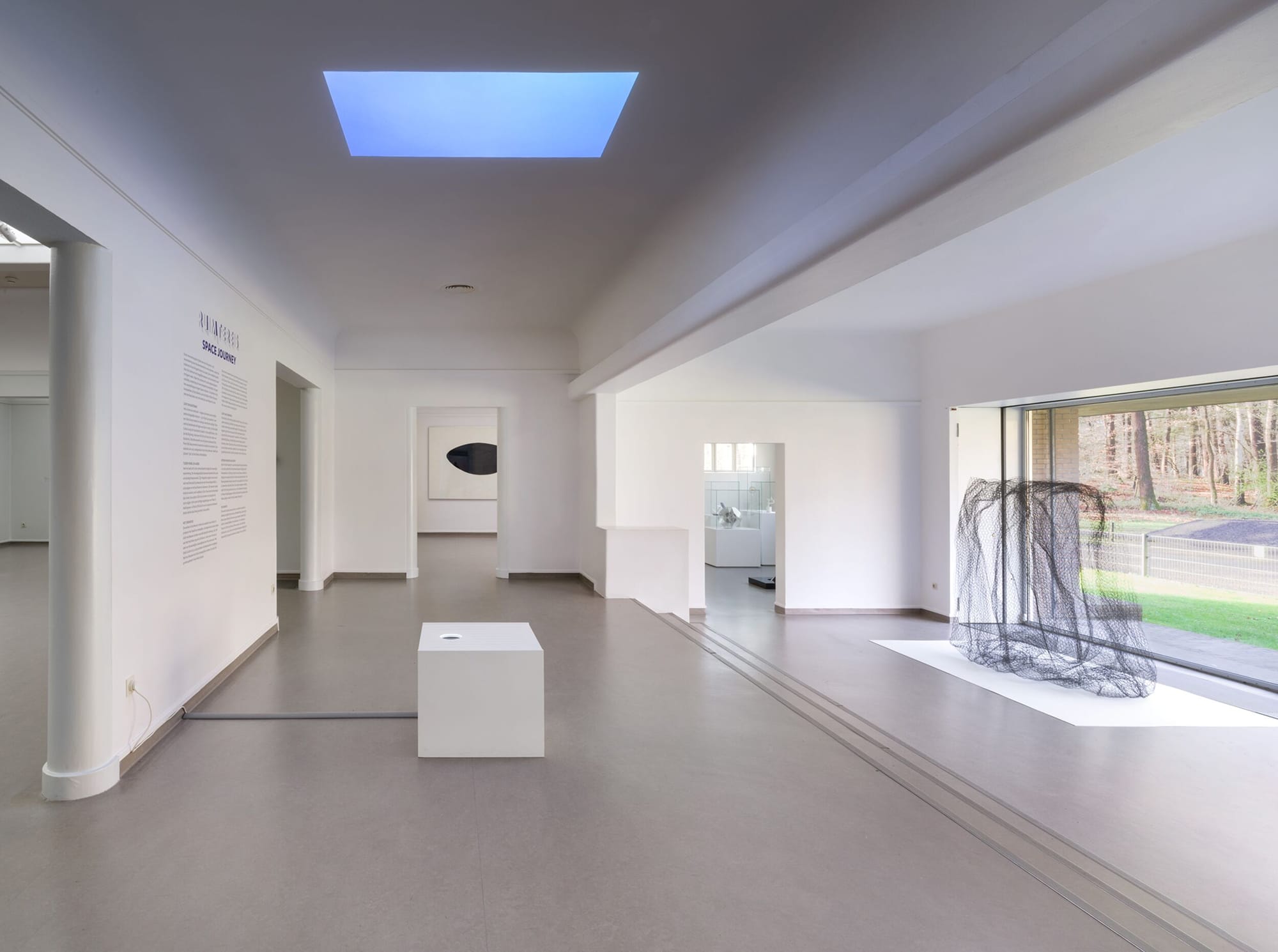
A cloud of steel mesh that seems to lift itself off the ground. Alan Saret’s Zinc Cloud, a new acquisition, is on show at the Kröller-Müller for the first time. It leads a selection of sculptures, videos and works on paper about our relationship with the universe. Works by Adam Colton and Cai Guo-Qiang refer to the origins of the cosmos and of life on Earth. Panamarenko’s Reise in den Sternen and Marinus Boezem’s Della Scultura & La Luce, both from 1985, join pieces by Jean Arp, Georges Vantongerloo, Otto Piene and Hetty Huisman.
Wessel Couzijn: Rendezvous of Table and Chair
17 January – 22 November 2026
Two tattered bronze shapes lie draped over half a table and a chair, like dishevelled creatures meeting. Rendezvous of Table and Chair, made in 1964–1965, fills its room at the Kröller-Müller with a scene of destruction. Wessel Couzijn witnessed the cruelty of the Second World War and later turned to death, love, despair, hope, oppression and freedom. In the 1950s and 1960s he brought open forms and dramatic light and shadow to Dutch sculpture. His colourful print series Stonewriters, from 1966, combines several printing techniques. The display highlights a single work from the permanent collection.
🇪🇸 Exhibitions in Spain
Rumores infundados: Javier y Rafa Forteza
8 September – 2 November 2026
Nobody can identify the androgynous face that keeps returning in the paintings and sculptures of Javier and Rafa Forteza. This is the first joint exhibition by the two artists, who have worked along separate but parallel paths. In Javier Forteza’s pictures, faces become moving sequences that swing between pain and calm. Rafa Forteza leaves raw canvas exposed in his abstractions and repeats forms that never quite match. Works include his Osadía and Cruces de Misterio II, and an aluminium shelf holding twelve sculptures. Entry is free. The show is organised in collaboration with Es Baluard Museu.
Sim Acquisition, Drawing and War
7 May – 8 November 2026
Pencil and charcoal sketches catch soldiers in battle, bombs falling and civilians in retreat during the Spanish Civil War. José Luis Rey Vila, known as Sim, made most of them from life and became one of the war’s most important visual chroniclers. MNAC acquired nearly one hundred of his drawings in 2024. This selection in Room 68 favours quick, vigorous sketches with only touches of colour, more austere than his better-known work. Through the professional illustrators’ union, Sim was in contact with Antoni Clavé and Carles Fontserè. The display belongs to the museum’s programme on art, war and memory.
in situ: Igshaan Adams. Unsettling Dust: The Body’s Archive
5 May – 1 November 2026
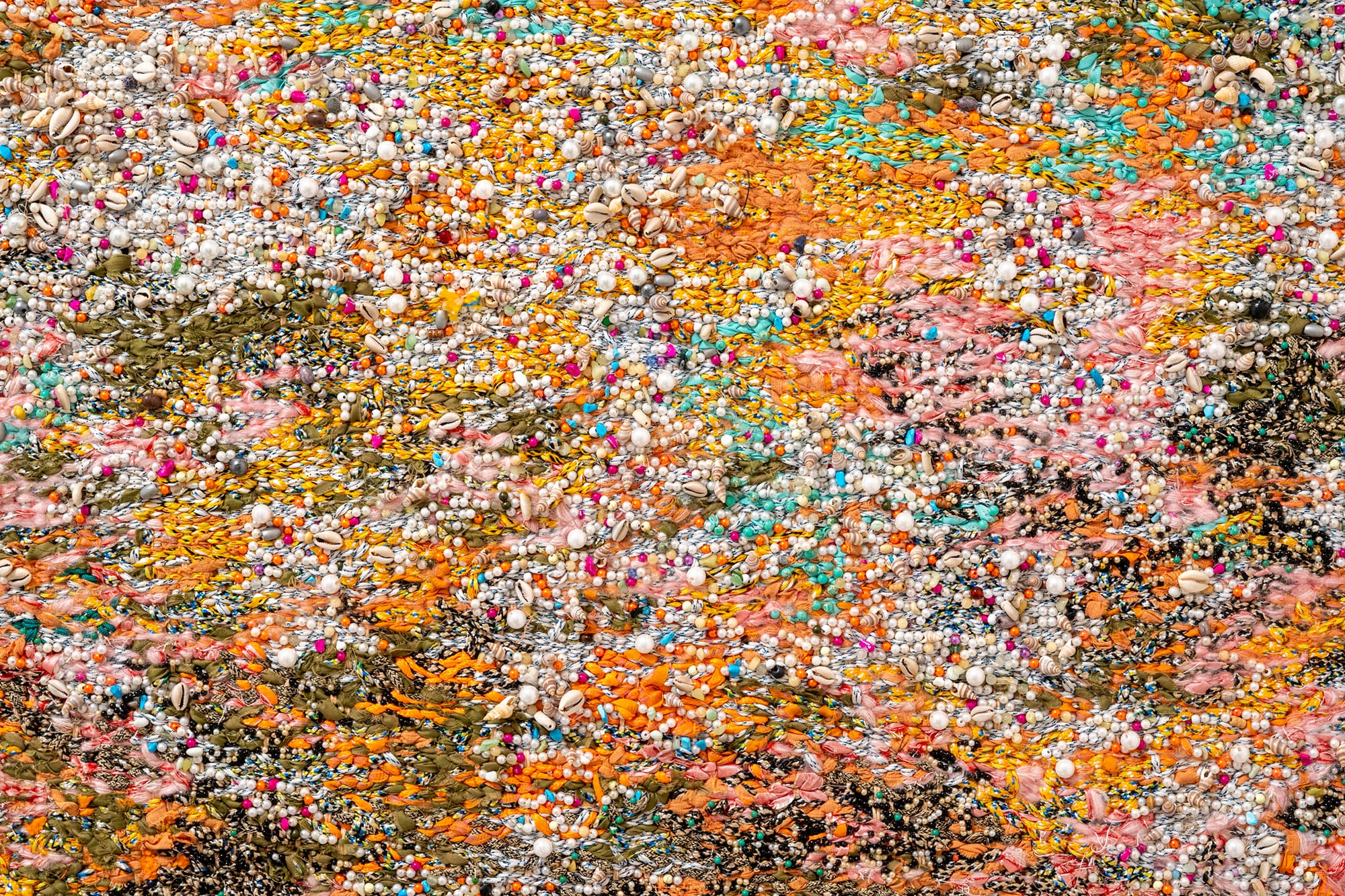
Walk between tapestries woven from the traces of dancing bodies. In Athens in 2024, South African and Greek dancers moved across canvases laid over painted linoleum, leaving layered prints after each performance. Igshaan Adams turned those monotypes into large weavings that hang in space, some curved outward on hooks to show both sides. Smaller woven clouds float among them. Born in Cape Town in 1982, Adams grew up in Bonteheuwel, a suburb shaped by apartheid’s segregation. The patterned linoleum floors of domestic interiors feed his abstractions. The installation fills galleries 204 and 208.
Hors Pistes 10.ª edición: Amor en juego
1 October – 2 November 2026
A virtual companion built from conversations with an artist’s former partners, a wedding to a hologram and a contest for the most beautiful love letter in the world. The tenth Hors Pistes looks at love as a game of seduction, language and roles that is never quite innocent. Aurora Mititelu’s Abel & I lets visitors text that companion. Alicia Framis records her marriage to AiLex in Hybrid Couple. Núria Güell’s Ayuda Humanitaria follows her marriage to a Cuban citizen so that he could obtain papers. Ghérasim Luca, Valérie Mréjen and Ariane Loze add poems, clichés and dating-app characters.
Territories in Transit/Solo Duo: Irene Grau & Marco Giordano
16 July – 29 November 2026
Canvases stained with rust and water share the rooms with cabling salvaged from dismantling works in Glasgow. Te llamo cuerpo pairs Irene Grau, who works through her own body in the landscape, with Marco Giordano, whose sculpture implies the body without showing it. In A hierro, Grau drags fabric across the ground and paints with grass, and a new work uses dust from tile factories near Castellón. Giordano’s Gridlocks assembles aluminium, copper, fibreglass and plastic from energy infrastructure. Both treat plants, minerals and urban systems as bodies in their own right.
🇨🇭 Exhibitions in Switzerland
Boundless printmaking: The Schweizerische Graphische Gesellschaft
4 August – 29 November 2026
One impression of every new edition, for each of 125 members. That is how the Schweizerische Graphische Gesellschaft has shared out its commissioned prints since 1918. Its first president also ran the Basel collection, so the Kunstmuseum receives the first impression of each edition. Thirty-four works fill the museum’s graphic cabinets. Ernst Ludwig Kirchner and Paul Klee took commissions in the 1920s. In 1923 Alice Bailly became the first woman to make one. Later editions use inkjet, glass and leather. Omar Ba’s large print shows a child in a life preserver on a river of flowers.
Labouring Bodies
10 June – 8 November 2026
Footage from a tin can factory runs beside images of Mary Kelly’s pregnant belly. Her 1974 double projection was shown only once. Museum Tinguely has now reconstructed it for the first time. The work sits within a feminist survey of bodies, labour and machines from the early twentieth century to today. Helen Chadwick’s 1977 performance In the Kitchen takes aim at mechanised housework. Rebecca Horn’s Erika and Jean Tinguely’s Olympia both turn on the typewriter, long a symbol of women’s office work. Marilou Schultz has woven a Navajo rug inspired by computer chips.
Joana Hadjithomas & Khalil Joreige
5 September – 15 November 2026
A new archaeology space in Geneva has opened with contemporary art. For its launch, the Site archéologique Saint-Antoine invited MAMCO to propose an intervention. The museum chose Joana Hadjithomas and Khalil Joreige and their works on archaeology. Both artists were born in Beirut in 1969. Palimpsests is a film that mixes drone footage with microscopic images of drilling, excavation and construction. Time Capsules arranges core samples of rock, clay and artefacts into sculpture. The Trilogies set out parallel timelines in photography, drawing and text. The residues come from sites in France, Greece and Lebanon.
Alfredo Jaar: Inferno & Paradiso
26 June – 1 November 2026
Give twenty minutes to heaven and twenty to hell. Alfredo Jaar asked 20 photojournalists to choose two images from their archives. One had to be the most painful picture they had taken. The other had to be the most hopeful. The 40 photographs appear as slide projections in a darkened room, with all the hopeful ones shown together before the painful ones. They come from Ukraine, Gaza, New York, the Congo, Argentina and the Philippines. Lynsey Addario, Brent Stirton and Hannah Reyes Morales are among the photographers. Like Virgil in Dante’s Divine Comedy, Jaar leads visitors through both realms.
Ella Maillart: Photographic Encounters
6 March – 1 November 2026
Thousands of carefully annotated photographs from the 1930s, taken across Central and East Asia. Ella Maillart brought them home to Switzerland and gave them to Photo Elysée in 1988. This selection marks the addition of the Maillart and Annemarie Schwarzenbach archives to UNESCO’s Memory of the World Register. The pictures follow Soviet rule spreading through Central Asia, the emergence of post-imperial China and the birth of Manchukuo. Tangut shepherdesses wear 108 braids in Qinghai. A market fills the ground in front of a madrasa in Bukhara. Entry is free.
Hannah Darabi: Why Don’t You Dance?
26 June – 1 November 2026
Magazine pages, ephemera and scraps of text crowd the collages built around Mahvash, a cabaret star of 1950s Tehran. The 2025 Prix Elysée went to Hannah Darabi, who reads popular dance as a form of resistance. Her project takes its cue from the “Woman, Life, Freedom” protests. Mahvash’s section looks at dance as protest during the 1979 Revolution and at tightening controls on how women appear. Three videos follow Jamileh, a belly dancer of the Jaheli style. A final section moves to the diaspora in Southern California, with the choreographer Mohammad Khordadjan and nights at Cabaret Tehran.
Heidi Bucher – Liesl Raff: Closer
13 June – 8 November 2026
Latex holds the shape of whatever it covers. Heidi Bucher spread it over the walls and floors of rooms she had lived in as a child, then peeled it away like skin. She also wrapped herself in it like a cocoon and emerged transformed. Kunst Museum Winterthur marks the centenary of her birth by pairing her with a younger artist. Liesl Raff also works with latex. Born in Stuttgart in 1979, she is based in Vienna. Raff turns the white cube into a network of fabric, latex and other materials. Within it, Bucher’s little-known, fragile drawings get a contemporary stage.
🇬🇧 Exhibitions in the United Kingdom
Art Now: Mohammed Z Rahman
5 June – 8 November 2026
Six people lie in a close embrace, or perhaps they stand and dance. The Lovers (2024) opens the second act of Mohammed Z Rahman’s display. A tarot card inspired it. The first act begins with The Spaghetti House (2024), a painting based on a story made up with a six-year-old niece. Around them are new paintings drawn from love letters, songs, recipes, dreams and memories. A figure weeps on a bed among the belongings of former lovers. A plain crate becomes a box of chocolates. Rahman is a British-Bengali painter based in London with a background in social anthropology.
Schiaparelli: Fashion Becomes Art
Until 15 November 2026
A Skeleton Dress, a telephone with a lobster for a receiver and an evening coat designed with Jean Cocteau. The UK’s first exhibition on Elsa Schiaparelli covers the 1920s to today. Her collaborations with Salvador Dalí produced the Skeleton Dress and the Tears dress, both from 1938. Dalí’s own Lobster Telephone and Pablo Picasso’s portrait of Nusch Eluard are also on show. Man Ray photographed the designer in 1933. The exhibition goes on to trace the house under its current creative director, Daniel Roseberry. Tickets have sold out. Members can still visit.
Catherine Opie: To Be Seen
Until 1 November 2026
A sixteenth-century court painter gave Catherine Opie a model for her portraits. She says she used Hans Holbein the Younger “as a guiding force to document my community and make them my own royal family.” Her first solo exhibition in Scotland brings together nearly 80 photographs from 35 years of work. Subjects include mentors, queer communities, children, surfers, high school footballers, political crowds and the artist herself. Opie also chose 13 paintings from the national collection to show alongside them. Daniela (2009) is paired with a portrait of Robert Kerr, 1st Marquess of Lothian.
Drawing Inspiration
1 September – 26 November 2026
Book ahead to see thirteen drawings by artists including Jean-Auguste-Dominique Ingres, Édouard Manet and Jean-François Millet. Viewing slots in the Burrell Collection’s exhibition space on the lower ground floor are free. Highlights include two drawings by Manet. The Spanish Dancer, Don Mariano Camprubi dates from about 1862 and At the Café from about 1880. William Orpen’s Portrait of a Lady is from about 1905. The display presents drawing as a way of seeing, making and reflecting on the world. It is part of the Big Draw Festival. Ticketed artist-led workshops run alongside it.
Wide-Angle View
1 October 2025 – 1 November 2026
People matter more than buildings in these architectural photographs. Over 80 original photographs from the 1960s challenged the architectural culture of their day by showing how people experience the places built for them. The street photographers Ian Berry, Patrick Ward and Tony Ray-Jones took them. The Royal Institute of British Architects curated the free display and argues that their social message still matters. It is at RIBA North on Mann Island, where Tate Liverpool is based while its Albert Dock home is redeveloped. The gallery plans to return to the Royal Albert Dock in 2027.
“Just Come in”: 30 years of Maggie’s Centres
12 September – 15 November 2026
The first step through a door, and what it can offer someone living with cancer. Maggie’s centres provide practical, emotional and social support to people affected by cancer, in calm settings designed to feel unlike a hospital. The Liverpool-based artist Tabitha Jussa was commissioned to photograph people arriving at them. The display asks how architecture can express care and empathy. It treats crossing the threshold as the first step towards support. Like Wide-Angle View in the next gallery, it is a free display curated by RIBA at Tate Liverpool’s temporary home on Mann Island.
Beneath the Great Wave: Hokusai and Hiroshige
14 March – 15 November 2026
Foam curls like claws at the crest of a wave, with Mount Fuji small in the distance. Katsushika Hokusai’s Under the Wave off Kanagawa is the centrepiece, on loan from a private collection. Most people know it as The Great Wave. Around it are ukiyo-e prints by Hokusai and Utagawa Hiroshige from Edo-period Japan. The term means “pictures of the floating world”. Waterfalls, quiet roads and distant mountains appear alongside scenes of travel and popular culture. This is the Whitworth’s first exhibition dedicated to Japanese prints in over 100 years.
Lewis Hammond: Crystal in the Shade
23 May – 1 November 2026
Home, and the lack of one. Lewis Hammond spent several years in Berlin and has now returned to set up his studio in the UK. His first museum show in the country consists of new paintings made for The Hepworth Wakefield. Born in Wolverhampton in 1987, he graduated from the Royal Academy Schools in 2017. He works in dark, earthy oils, and his statuesque figures draw on Caravaggio, Velázquez and Goya. Myth runs through the pictures alongside personal relationships and world events. The museum describes them as love letters to home and to those without one.
David Hockney: Sunley Window 2026
1 April – 1 November 2026
Walk past Turner Contemporary after dark, when its Sunley Window stays lit until 11pm. A sunrise by David Hockney fills the glass at architectural scale. The source is 27th April 2020, No.1. Hockney made it among more than 200 iPad paintings in Normandy in 2020, the year the rhythms of that landscape became a sustained focus of his work. The commission marks the gallery’s 15th anniversary. It is the second in an annual series that invites artists to reimagine the window as a public artwork. Entry to the gallery is free.