134 art exhibitions around Europe opening in October 2026
Vermeer’s View of Delft has left The Hague for Madrid, and the Thyssen sends paintings the other way. Van Gogh’s bandaged-ear self-portrait is back in France after 89 years. In Berlin, Botticelli meets Lempicka, and in Málaga, Munch meets Picasso. The rest of the list runs from St Ives to Budapest.

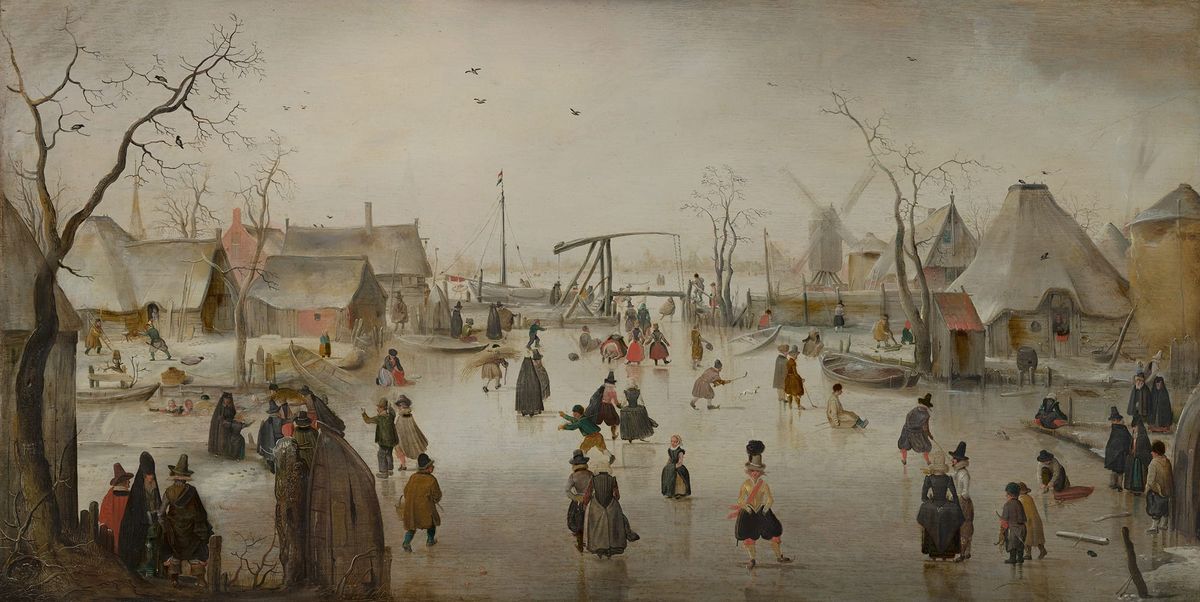
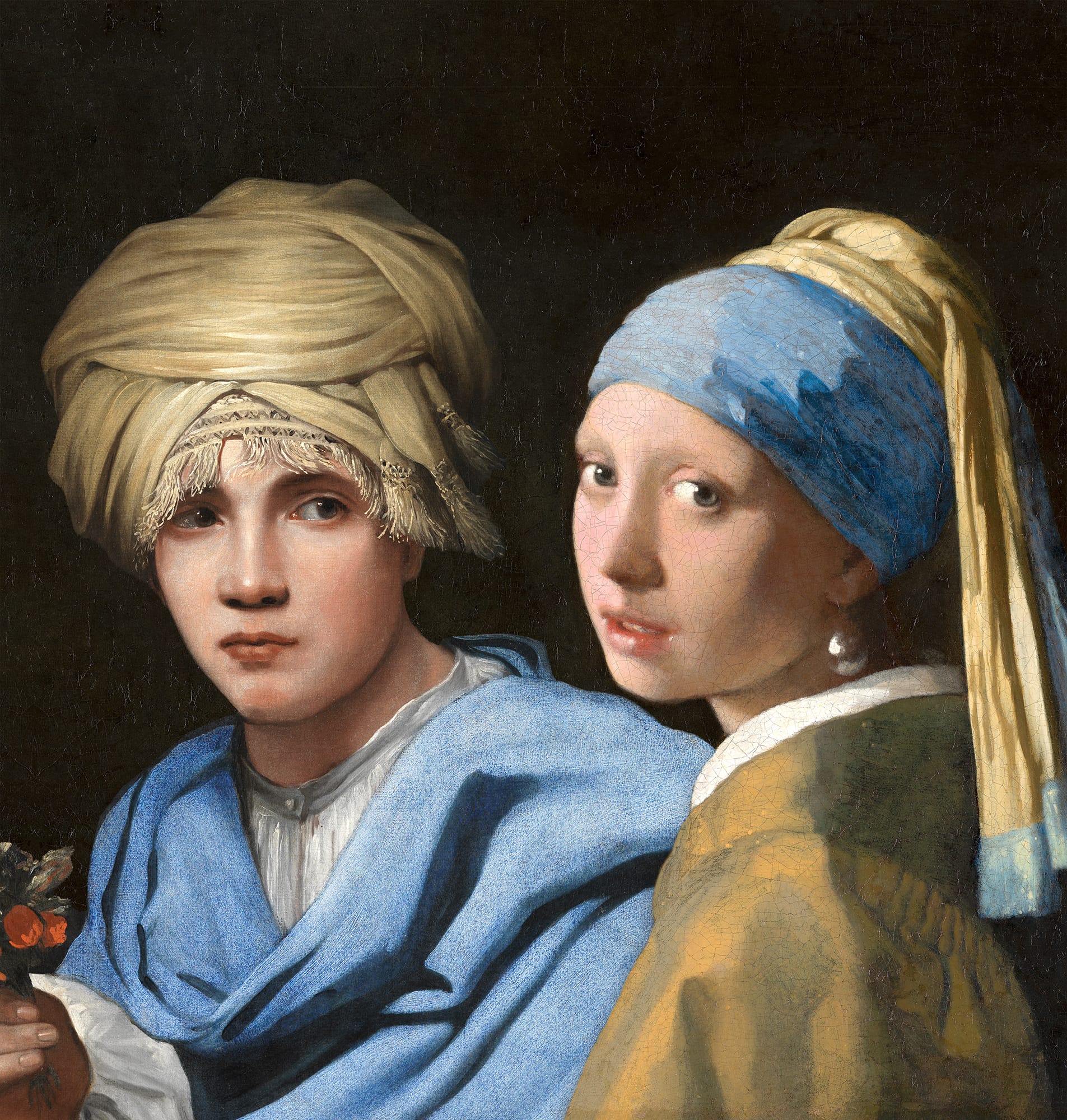
Vermeer’s View of Delft has left The Hague for Madrid, together with Frans Hals’s Laughing Boy. The Museo Nacional Thyssen-Bornemisza returns the favour with paintings chosen around the theme of love, Jan van Eyck’s Annunciation Diptych among them. It is the first exchange between the two museums. The result is two exhibitions, one in Madrid and one in The Hague.
Several long absences end. Van Gogh’s self-portrait with a bandaged ear is back in France for the first time since 1937, as a loan to the Fondation Louis Vuitton. Renoir’s Bal du moulin de la Galette crosses the Channel for the first time. A century after her death, Mary Cassatt gets her first major show in a French national museum. Willem de Kooning, who stowed away on a ship to America as a young Rotterdammer, comes back to the Netherlands in a Rijksmuseum show built around his drawings.
Then there are the odd couples. At the Gemäldegalerie in Berlin, Botticelli’s Giuliano de’ Medici faces a portrait by Tamara de Lempicka. The National Gallery in London hangs Gainsborough’s Mr and Mrs Andrews beside Yinka Shonibare’s headless version of the pair, dressed in West African textiles. Edvard Munch keeps company with Picasso in Málaga and with Maria Lassnig in Zurich. And at the Kunsthistorisches Museum in Vienna, Cleopatra’s younger sister becomes the victim in a murder case reopened after more than two thousand years.
Nearly every exhibition in this issue stays open into the new year, so there is time for more than one city.
🇦🇹 Exhibitions in Austria
Cleopatra and Rome: Crime Scene Ephesus
20 October 2026 – 29 March 2027
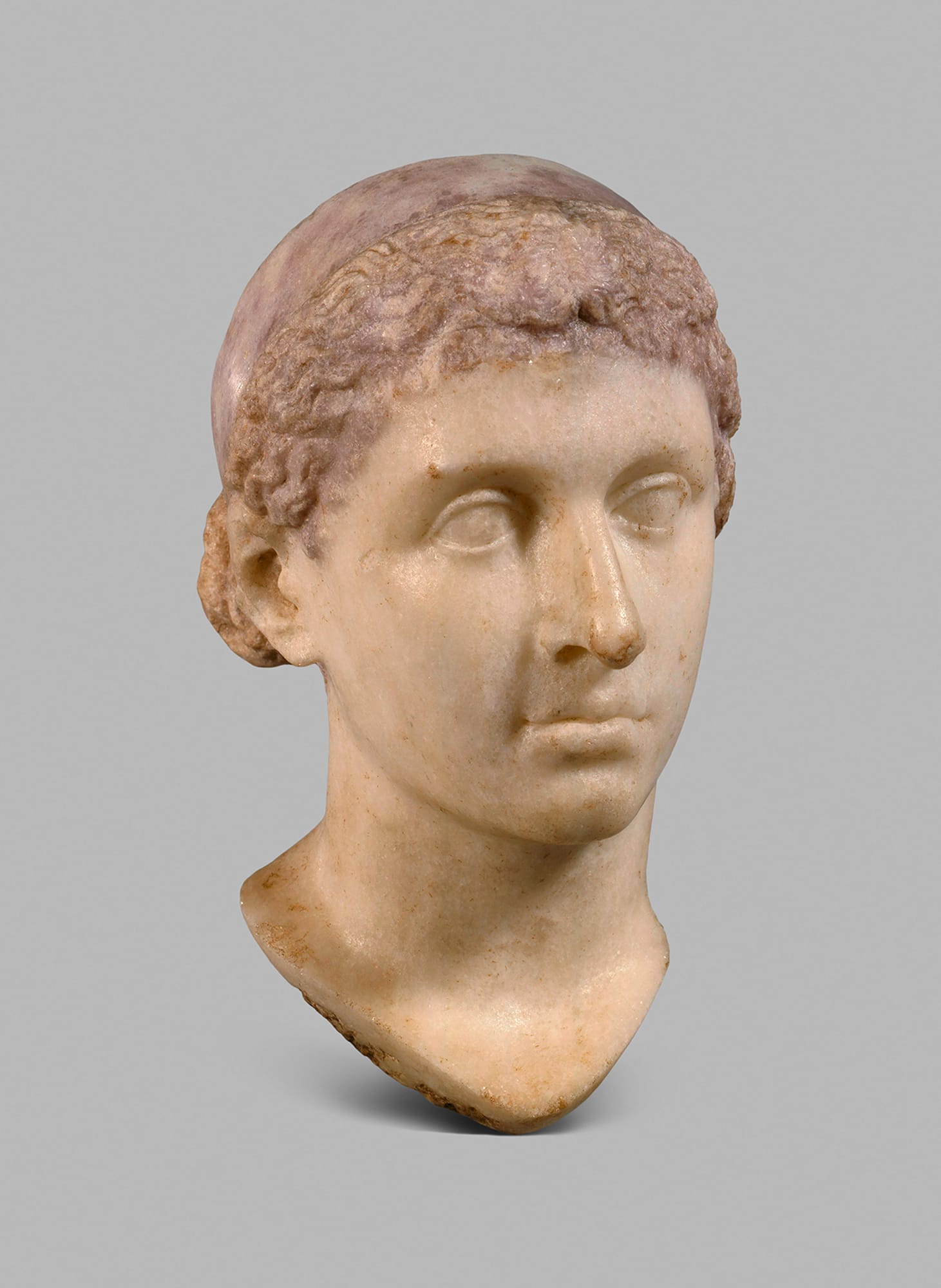
Anyone inside the precinct of the Temple of Artemis at Ephesus could claim asylum. Later sources say Arsinoë IV was murdered there in 41 BC all the same. Cleopatra’s younger sister had already been paraded through Rome in Caesar’s triumph and sent into exile. The Kunsthistorisches Museum works the case like a detective, with chapters on the murder, the victim and the suspects. Around 100 objects carry the story, among them the Gemma Augustea and loans from the Louvre, the British Museum and the Metropolitan Museum. The show is in the Neue Hofburg, entered through the Weltmuseum Wien.
Shara Hughes: Sink In
9 October 2026 – 28 February 2027
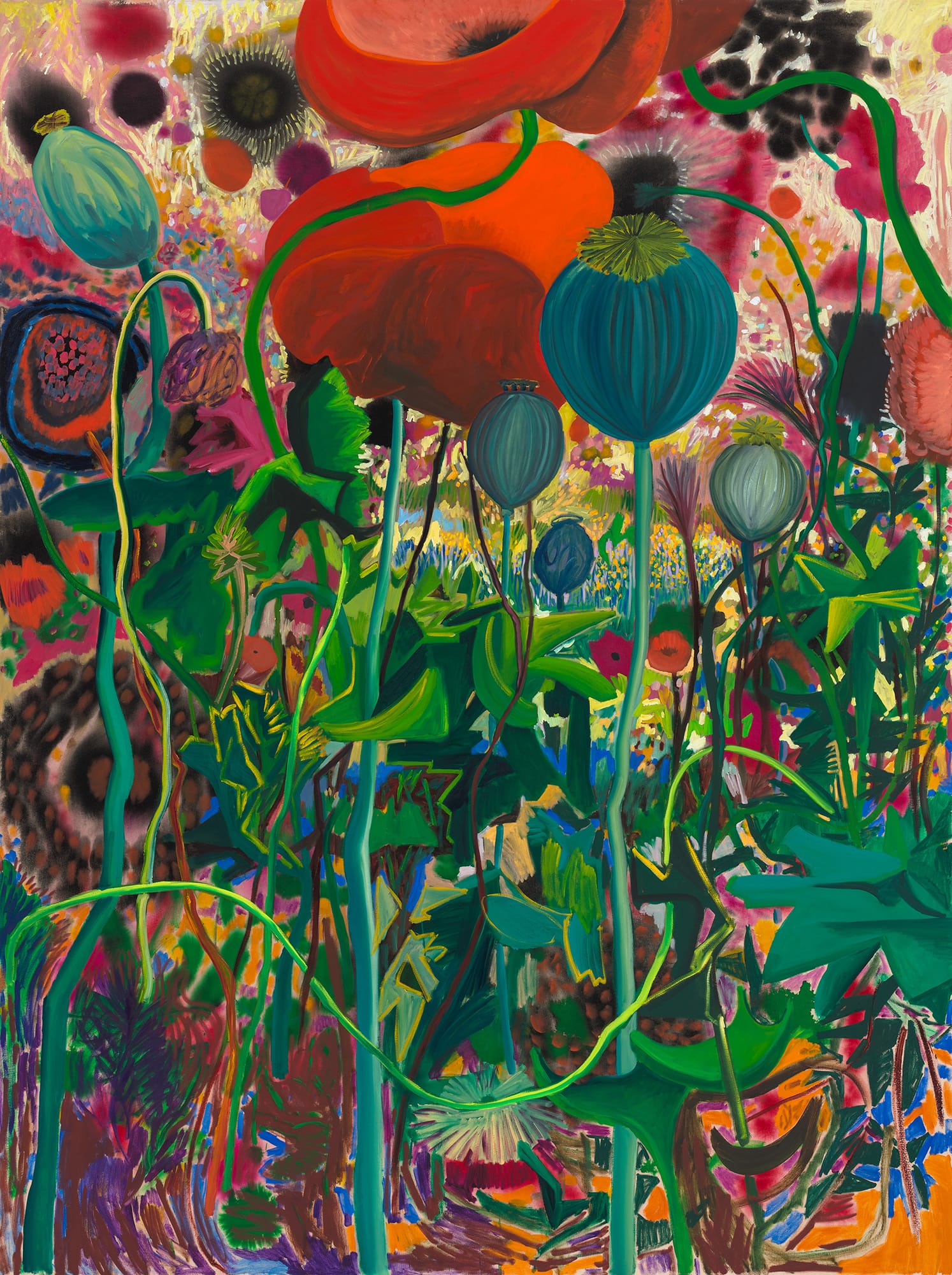
Flowers grow to the height of trees in Shara Hughes’s paintings, while sunsets blaze across water and stars glow on the horizon. The American painter, born in Atlanta in 1981, builds landscapes that feel familiar until a plant mutates into a form no field guide would recognise. Her colour draws on Fauvist landscape and modern Expressionism, and some canvases pay homage to Georgia O’Keeffe. Large oils such as Weighted Blankets and the title work Sink In hang alongside works on paper and painted ceramics. The Albertina describes the show as a journey through a jungle-thick inner world.
Her Story: Women Artists of the Albertina
30 October 2026 – 14 February 2027
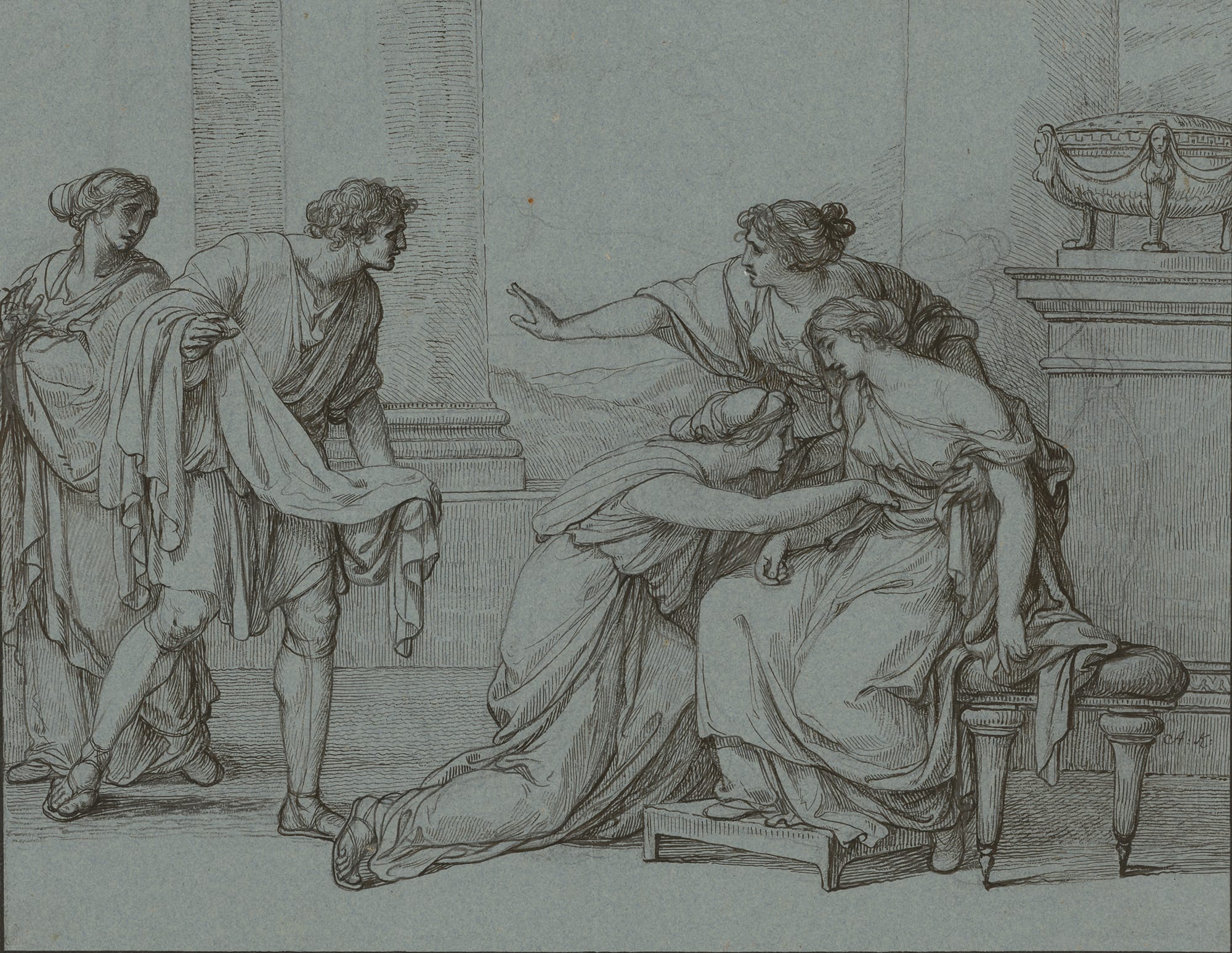
Women were in the Albertina from the start. Its founders, Duke Albert of Saxe-Teschen and Archduchess Maria Christina, collected prints by early women engravers and publishers, and those sheets open the museum’s first exhibition devoted to its women artists. Five centuries follow. Maria Sibylla Merian paints a butterfly’s metamorphosis on a stinging nettle. Berthe Morisot portrays herself drawing, with her daughter Julie, and Emilie Mediz-Pelikan sketches a female centaur gazing down on a plain. Käthe Kollwitz, Sonia Delaunay and Louise Bourgeois appear further on. The sequence closes with the feminist pioneers of the 1970s, VALIE EXPORT among them.
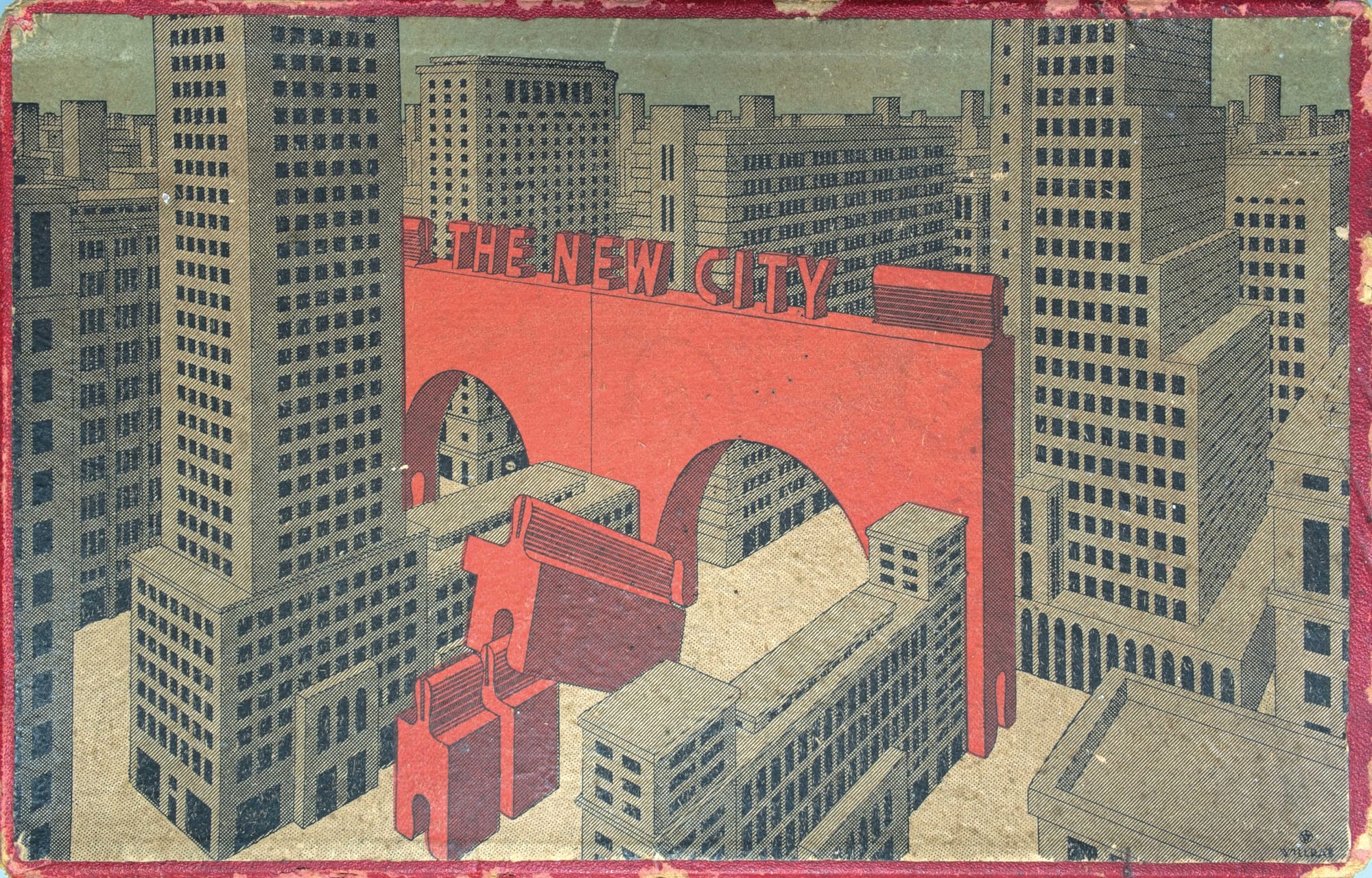
Architectural Construction Kits 1890–1990: Plenty to Play With!
7 October 2026 – 14 March 2027
Build a city from rubber bricks, or from Galalith, a long-forgotten plastic made from milk protein. Toy makers tried both, along with artificial brick, wood and metal, in the century before Lego perfected the interlocking principle and most rivals disappeared. This exhibition by Frankfurt’s Deutsches Architekturmuseum draws on the collection of graphic designer Claus Krieger, who owns some 150 construction kits. Enlarged copies of Ingenius, Bâtiss and Skyline blocks invite handling. Eight building stations spread through the MAK, one in the middle of the Columned Main Hall. Children from the age of four are the intended architects.
Annea Lockwood: A Sound Map of the Danube
28 October – 29 November 2026
“Could you live without it?” Annea Lockwood put that question about the Danube to twelve people whose lives revolve around the river, and each answered in their own language. Their voices run through A Sound Map of the Danube, a multichannel installation made between 2001 and 2005. Over 167 minutes it follows the water from the Black Forest to the Black Sea. A large wall map marks where each recording was made, and a time display lets listeners trace their position on the river. The MAK presents it with the Wien Modern festival.
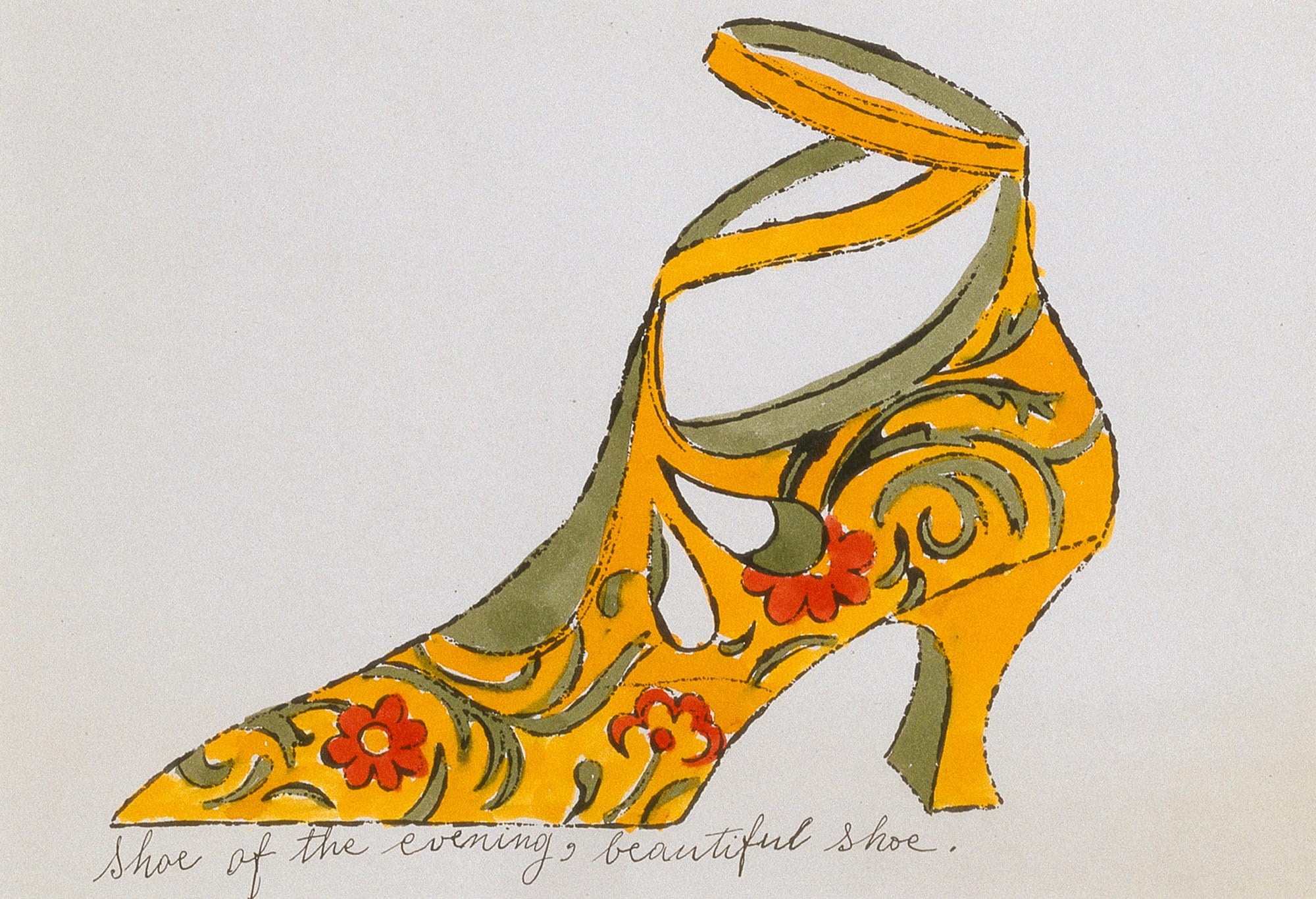
To Shoe or Not to Shoe: Warhol and Others
21 October 2026 – 18 April 2027
Proust supplied the pun, Andy Warhol the shoes. In 1955, while designing weekly shoe advertisements for the New York Times, Warhol made more than a dozen drawings that the poet Ralph Pomeroy annotated with ironic literary allusions. Gathered into a portfolio, they became À la Recherche du Shoe Perdu, the starting point for this cabinet show. The women’s shoe is treated here as fetish, as projection screen and as a target of feminist critique. Desire, discipline and gender roles all come into play. Birgit Jürgenssen, Mona Hatoum, Sylvie Fleury, Mimmo Rotella and Erwin Wurm are among the artists.
Curiosity in Flux: Art from Salzburg between Fresh Start and Recollection
2 October 2026 – 4 April 2027
Picturesque landscapes, Baroque architecture and a festival every summer make up the familiar picture of Salzburg. The artists in this group show all have roots here, and they test that image in many directions and many media. Memory and perception are the common threads. The Museum der Moderne draws on its own collection and on the Artothek Land Salzburg, adds a few loans, and installs the result on the Mönchsberg. Among the names are the performance duo EVA & ADELE, the architectural photographer Margherita Spiluttini, Eva Grubinger and Lois Renner. Guided tours and workshops run alongside.
Why Are You Creative? By Hermann Vaske
23 October 2026 – 30 May 2027
What makes an idea a good one? For more than thirty years the filmmaker Hermann Vaske has asked writers, artists, scientists, activists and thinkers why they are creative, and more than 1,000 have replied. Handwritten notes, short statements, drawings and artefacts came back. The Rupertinum shows a selection of the funniest and most surprising. On screen, Vaske questions David Bowie, Marina Abramović, David Hockney, Zaha Hadid, Björk and Yoko Ono, among others. Their answers touch on money, sex and fear, and on censorship and compromise. The show suggests that such limits often produce the best ideas.
Irma Rafaela Toledo: Painting as Freedom Unfolding
23 October 2026 – 30 May 2027
Hiding in the mountains near Salzburg, a woman from a Jewish merchant family survived the last two years of the Second World War. Irma Friedman, born in Laufen in 1910, began to paint only in 1945 and took the name Toledo from a nickname of her youth. In 1952 she joined the Salzburg Group. Journeys to Italy and to Israel, where her brother had emigrated, drew her to the solitude and silence of sea and desert. More than twenty paintings, drawings and prints from the 1950s to the 1970s follow her path.
Kokoschka’s Backgrounds
23 October 2026 – 30 May 2027
Look past the face for once. In Oskar Kokoschka’s early portraits, fields of colour flow into one another behind the sitter and wrap the figure like a visible aura. They served what the museum calls his “X-ray gaze”, an attempt to see beneath outward appearance. Later portraits grew more realistic. Attributes and narrative objects crept in, and the backgrounds began to carry meaning of their own. Early paintings here face works from the late 1930s to the 1970s, alongside drawings and prints from the collection. The show is organised with the Fondation Oskar Kokoschka in Vevey.
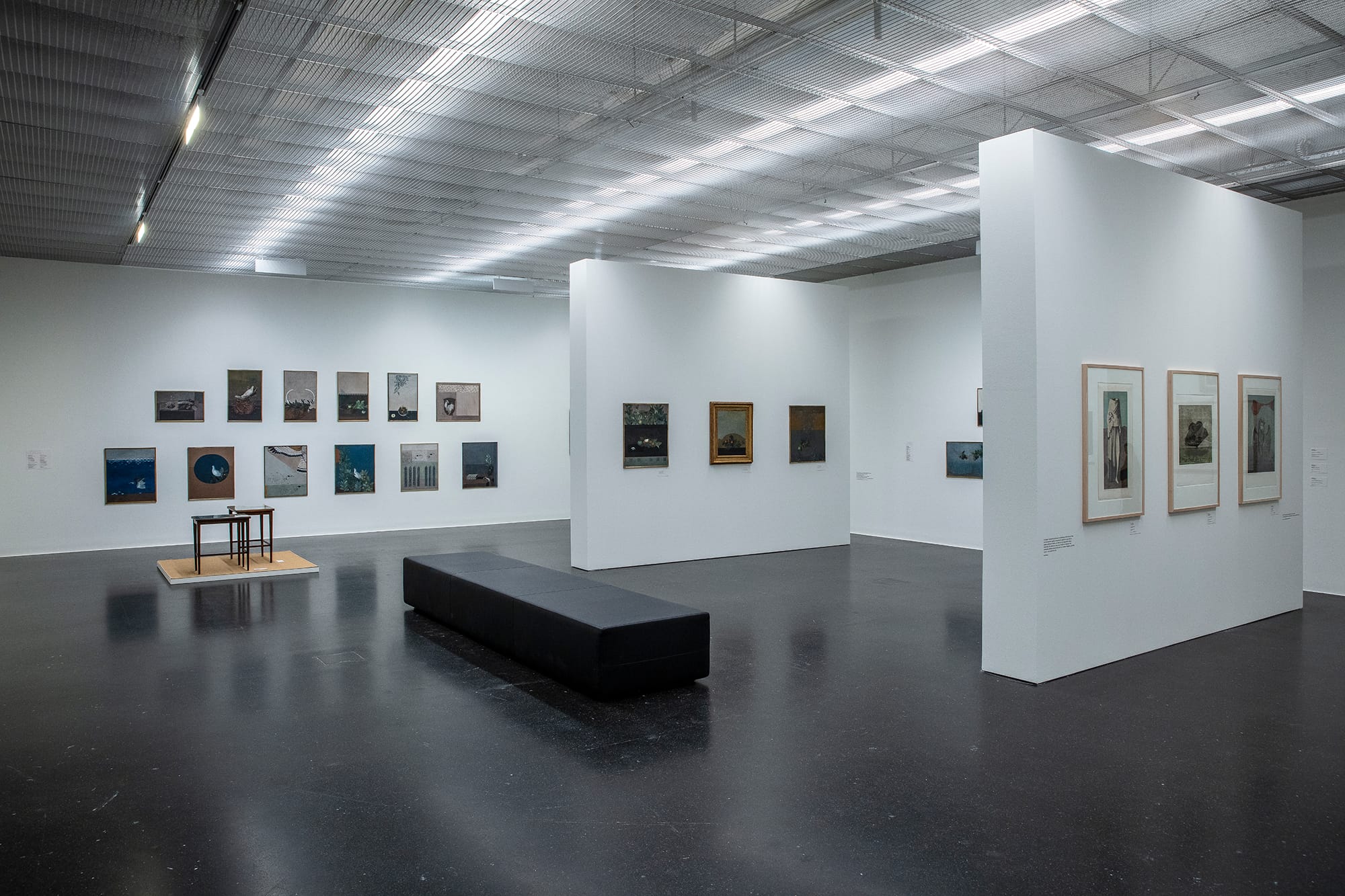
Erika Roessing (1903–1977): The Solitude of Objects
2 October 2026 – 24 January 2027
Birds, fruit, baskets and ewers recur in Erika Roessing’s tempera still lifes, rearranged so that no two pictures match. From 1949 she painted nothing else, and her notebooks record about 180 of them. Lentos gathers around 100 paintings for her first retrospective since 1980. At its heart are the 50 works her husband, the graphic artist Karl Rössing, gave the museum’s predecessor in 1979, and his own work hangs alongside. Private loans add large floral pieces from the 1930s and early 1940s, long thought lost, whose Old Master manner conformed to Nazi art policy.
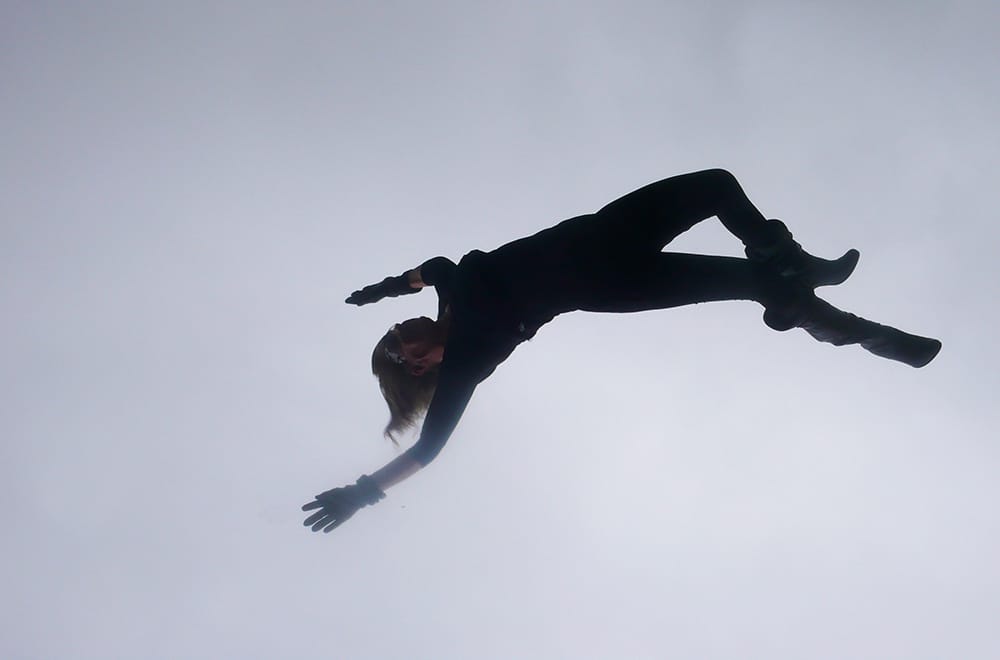
Eva Schlegel: Falling Up
23 October 2026 – 29 March 2027
Gravity runs backwards in the title, which reads the disorientation brought by global crises as a possible change of perspective. Eva Schlegel, who represented Austria at the 1995 Venice Biennale, explores how perception shapes our sense of space. Her show in Space01 brings together sculpture, photography, video, works in graphite and lead, and augmented reality. A long strip of LED panels follows the curve of the building’s Bubble. After dark, a version of its video plays on the BIX façade, drawing on Alan Turing’s model of how a zebra’s stripes form.
🇧🇪 Exhibitions in Belgium
Tapta Meets Judd
6 October 2026 – 14 March 2027
Swap textiles for synthetic rubber and you have the arc of Tapta’s career. Born Maria Wierusz Kowalski, the Belgian sculptor of Polish origin (1926–1997) trained in textile art and turned to neoprene in the 1980s. The Royal Museums of Fine Arts set her beside Donald Judd, her near-contemporary across the Atlantic. Both rethought how sculpture relates to space, and both worked with industrial materials. The museum’s two Tapta works trace her shift, among them Néoflexibles 2, unseen in public for many years. Loans from private collections, including Maurice Verbaet’s, complete the pairing.
Portia Zvavahera: Kuzviramba Mamuri
31 October 2026 – 28 February 2027
Ghostly creatures and half-seen figures cross Portia Zvavahera’s large canvases, visitors from the world that opens up once the conscious mind goes quiet. The Zimbabwean artist mixes printmaking into her painting and says that putting her dreams on canvas has helped her heal from her nightmares. Christian tradition and the spiritual life of Shona culture meet in the work. WIELS follows her from early paintings about womanhood, through dreamscapes that take in leaves and lace, to her recent turn to ceramics. Loss, love, grief and joy recur throughout. The Fridericianum in Kassel collaborated on the show.
Soleil Noir
22 October 2026 – 19 March 2027
Black sun, grey sea, a face staring back from the mirror. Nearly a hundred works by Belgian artists, made over 130 years, circle melancholy, the North Sea, the self-portrait, the nude and the landscape. More than thirty are by Léon Spilliaert, among them Digue, an ink wash from 1907. Around him hang James Ensor, Constant Permeke, Edgar Tytgat, George Minne and Henry Van de Velde. The show then traces the tradition into the work of Luc Tuymans, Thierry De Cordier, Hans Op de Beeck and Michaël Borremans. The Boghossian Foundation shows them at Villa Empain.
Inuit: Impressions of the Canadian Far North
16 October 2026 – 18 April 2027
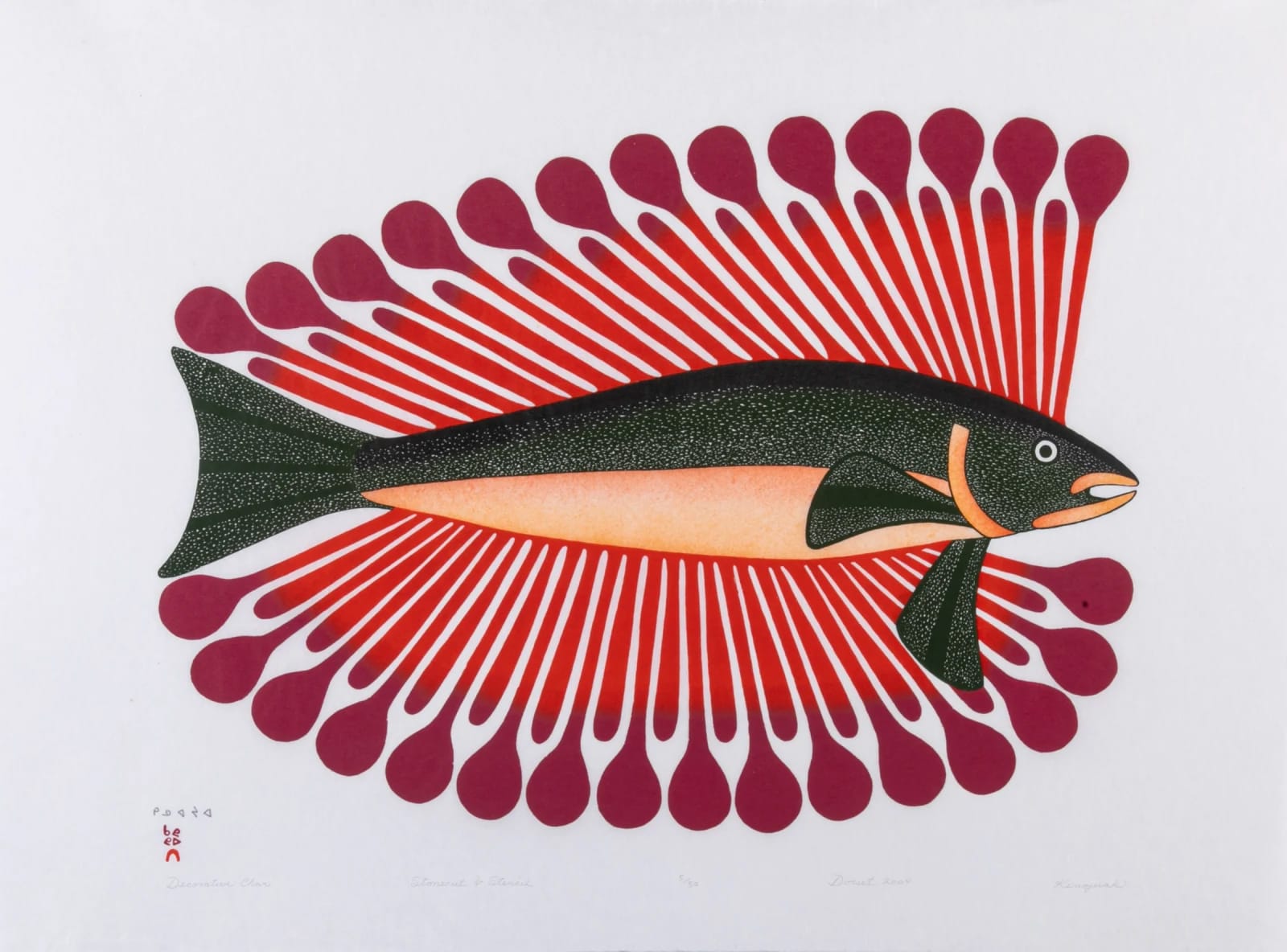
Most Europeans know Inuit art through carved stone. In Canada the prints are just as celebrated, and they lead this show of nearly 250 works from Nunavut and Nunavik, made over some 70 years. Most come from the collection of the writer and poet Carl Norac. Women artists get particular attention, from Kenojuak Ashevak and Jessie Oonark to Ningiukulu Teevee, whose Late Night Mystery dates from 2022. Shamans, myths, the polar night and Arctic wildlife fill the works, alongside climate change and gender relations. The artists’ own comments accompany their pieces, and the printing techniques are explained.
Philip Aguirre y Otegui
3 October 2026 – 17 January 2027
“As essential as water and bread” is how Philip Aguirre y Otegui describes the search for beauty. The sculptor also hopes that beauty can help reduce social inequality, and much of his work comes into its own in public space. KMSKA now surveys his output from the 1980s to the present. Aguirre chose the pieces himself, setting monumental sculptures in dialogue with smaller works. The museum describes the result as a rebellious game with the idea of the museum as an oasis, an aesthetic refuge in turbulent times.
Guy Vandenbranden in the European Avant-Garde
16 October 2026 – 17 January 2027
Monochrome canvases, crisp geometric compositions of colour and line, and later experiments in lacquer paint. Guy Vandenbranden reached this constructivist language from early Expressionism, with Paul Klee, Piet Mondrian and Victor Vasarely as guides, and his pursuit of precision drew him to industrial materials and modern architecture. A century after his birth, KMSKA’s Print Room places him among European contemporaries such as Jef Verheyen, Lucio Fontana, Piero Manzoni and François Morellet. He belonged to Art Abstrait, Formes and the International Working Group for Constructivism. He never officially joined ZERO, though his work is closely tied to its ideas.
Ossip Zadkine and Belgium
31 October 2026 – 18 April 2027
“Les Belges étaient mes premiers amateurs,” Ossip Zadkine once said. The sculptor, born in Vitebsk in 1888, made his name in 1920s Paris, yet his first retrospective took place in Brussels in 1933, at today’s BOZAR. After his wartime refuge in New York, an Antwerp shipowner brought his work back to Europe. Zadkine later proposed a permanent open-air sculpture exhibition to Antwerp’s mayor and, with Henry Moore, advised the new Middelheim Museum. KMSKA, which owns nine of his works, adds pieces by his wife Valentine Prax and by Belgian contemporaries and pupils.
Jenny Montigny
10 October 2026 – 10 January 2027
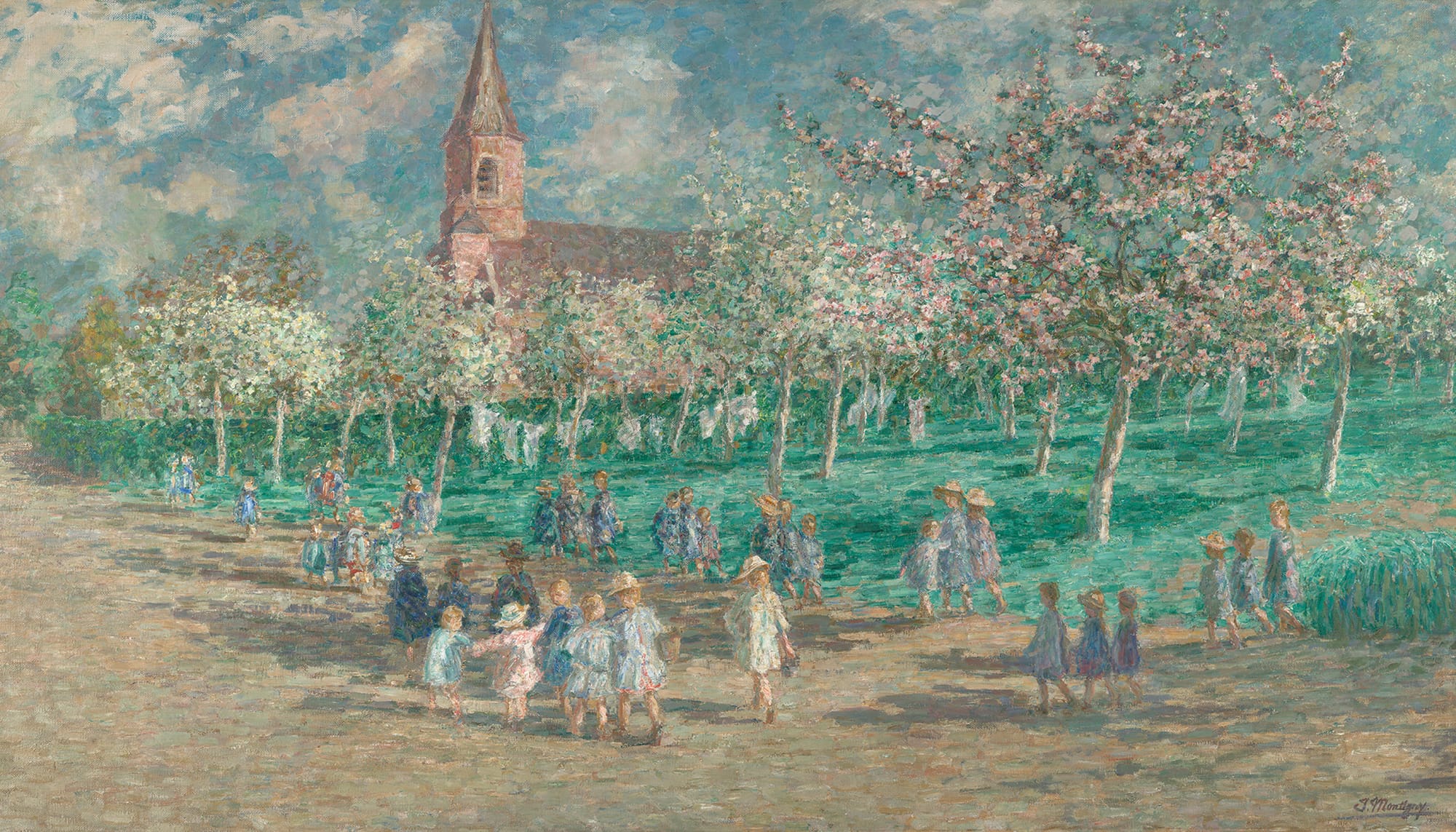
At seventeen, a girl from a wealthy Ghent family decided to become a painter. Jenny Montigny went on to study with Emile Claus, joined the circle Vie et Lumière in 1904 and settled in Deurle on the Lys. Sunlit village schoolyards, children at play, interiors and scenes of motherhood became her subjects. During the First World War she lived in London, painting in Hyde Park and drawing wounded Belgian soldiers. After her death in 1937 she was quickly forgotten. MSK Gent now gathers her paintings, pastels, drawings and etchings from its own collection and from loans.
Ana Lupas & S P A T A R U: On Ritual Time
10 October 2026 – 21 February 2027
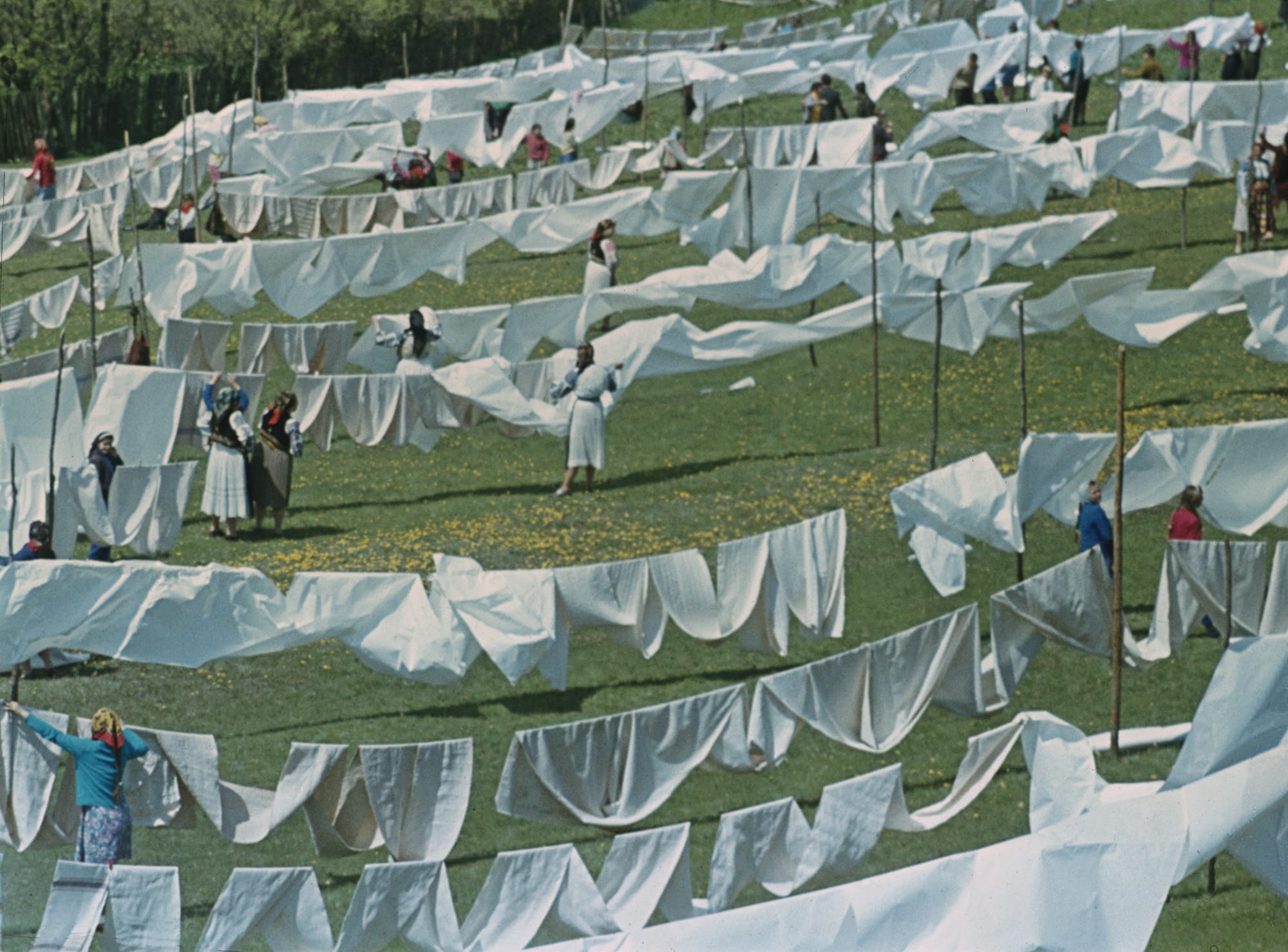
Sewing, knotting and weaving come first in the work of Ana Lupas, inherited techniques she brought into a contemporary language. Born in Cluj in 1940, the Romanian artist began with textiles such as Prapori, a set of funeral flags from 1961–1964. From the 1960s to the 1990s she realised monumental projects with local communities, often outside any institution, under communist rule. Time and memory run through everything, and works were often revisited years later. S.M.A.K. surveys seven decades of her art alongside that of Mircea Spataru (1937–2011), with whom she shared a long personal and artistic dialogue.
Bendt Eyckermans: The Passenger
31 October 2026 – 21 February 2027
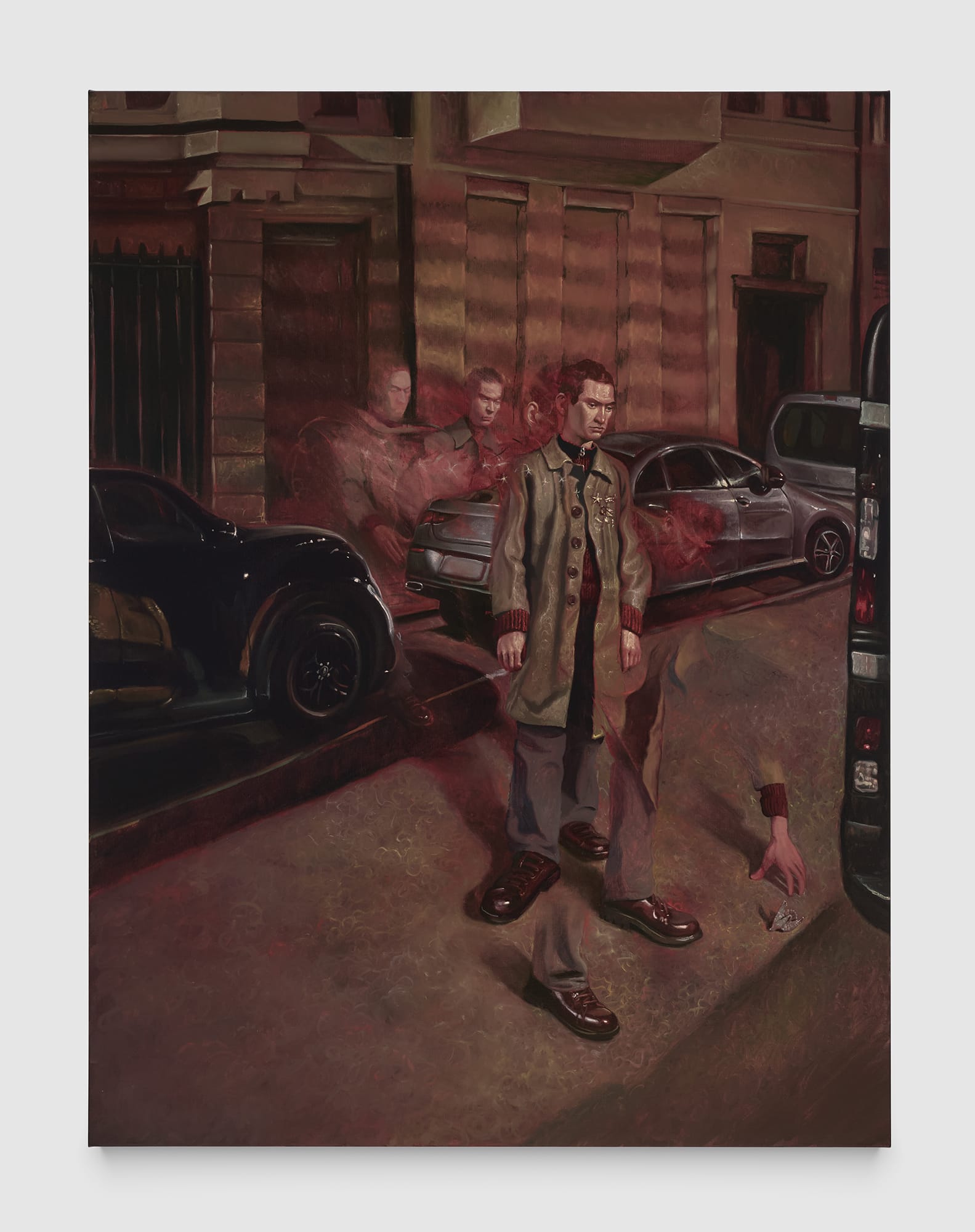
Look twice at the scaffolding on your street. In Bendt Eyckermans’s paintings, tarpaulins, doors, construction frames and markings on façades become carriers of memory and signs of change. Born in Antwerp in 1994, he builds dreamlike scenes from his studio, his friends and the street, borrowing devices from film and photography to suggest movement in a still image. The Passenger is his first museum exhibition in Belgium. Objects that appear in the pictures also stand in the galleries. A large group of drawings shows how he thinks, and a new video essay opens the show.
Public Matter(s): Design and Democracy
3 October 2026 – 11 April 2027
Why do Belgians vote with a red pencil? Design Museum Gent reopens after its renovation with a show arguing that democracy itself was designed, from voting booths and parliament buildings to the unwritten rules that keep the system running. Some rooms look ahead. One proposal imagines citizens chosen by lottery, another an “ecocracy” in which nature holds constitutional rights. Others ask who the system was built for, tracing exclusion by gender, background and nationality, and following the energy of protest alongside extremism and disillusion. A participatory Democracy Workout trains listening, curiosity and empathy.
CO-LAB
3 October 2026 – 11 April 2027
A design is never truly finished, runs the premise of this show in the eight period rooms of Hotel De Coninck, the eighteenth-century mansion at the heart of Design Museum Gent. Seven experimental projects pair designers and researchers with local communities. Their subjects range from queer archiving and ecological co-creation to low-tech energy and open-source tools. The Queer Collective Workers’ Union takes part, as do the artist Sadie Williams with Marijs Kempynck and Yufei Gao with Victor Verhelst. Studio d.o.t.s from France works with Structure Bâtons and dach&zephir. Materials, knowledge and stories are continually transformed along the way.
CONNECT
3 October 2026 – 10 January 2027
Touch everything. The usual museum rule of looking without handling is suspended in this free show, where visitors are invited to make, test and play together. Design appears here as a way of bringing people together, with ideas shared and tried out through collaboration and experiment. Eight partners contribute, among them Bokrijk’s VAKlab, CID at Grand-Hornu, Design Museum Brussels, MAD Brussels and Z33 in Hasselt. Design Fest Gent powers the project. The museum wants to be a place where design sparks dialogue, participation and social change.
L’Impressionnisme, une histoire belge
9 October 2026 – 29 March 2027
A blonde nude, seen from behind before a mirror, is the face of La Boverie’s new show. Théo Van Rysselberghe painted her around 1902–1905, and he is one of the Belgians the museum sets face to face with Claude Monet, Pierre-Auguste Renoir, Camille Pissarro and Alfred Sisley. The argument is that Belgium, with Brussels as a capital of the avant-garde, was one of Impressionism’s most fertile centres. James Ensor, Anna Boch and Émile Claus appear, as do Juliette Wytsman, Yvonne Serruys and Jenny Montigny. Around 150 works come from some thirty lenders, the Musée d’Orsay among them.
Scultori Fiamminghi: Flemish Sculptors in Italy
9 October 2026 – 28 February 2027
Michelangelo once reworked a clay model by the young Giambologna and told him to learn to model first. The Flemish sculptor stayed in Italy for good, and his Florence workshop drew northern pupils such as Pietro Francavilla and Adriaen de Vries. M’s first exhibition on this sixteenth-century traffic between the Low Countries and Italy brings sculpture, paintings, drawings and prints together. Loans include a Giambologna terracotta from the V&A and two bronze Captives from the Louvre, made for the base of a lost statue of Henry IV on the Pont Neuf. The Galleria Borghese sends Three Sleeping Putti.
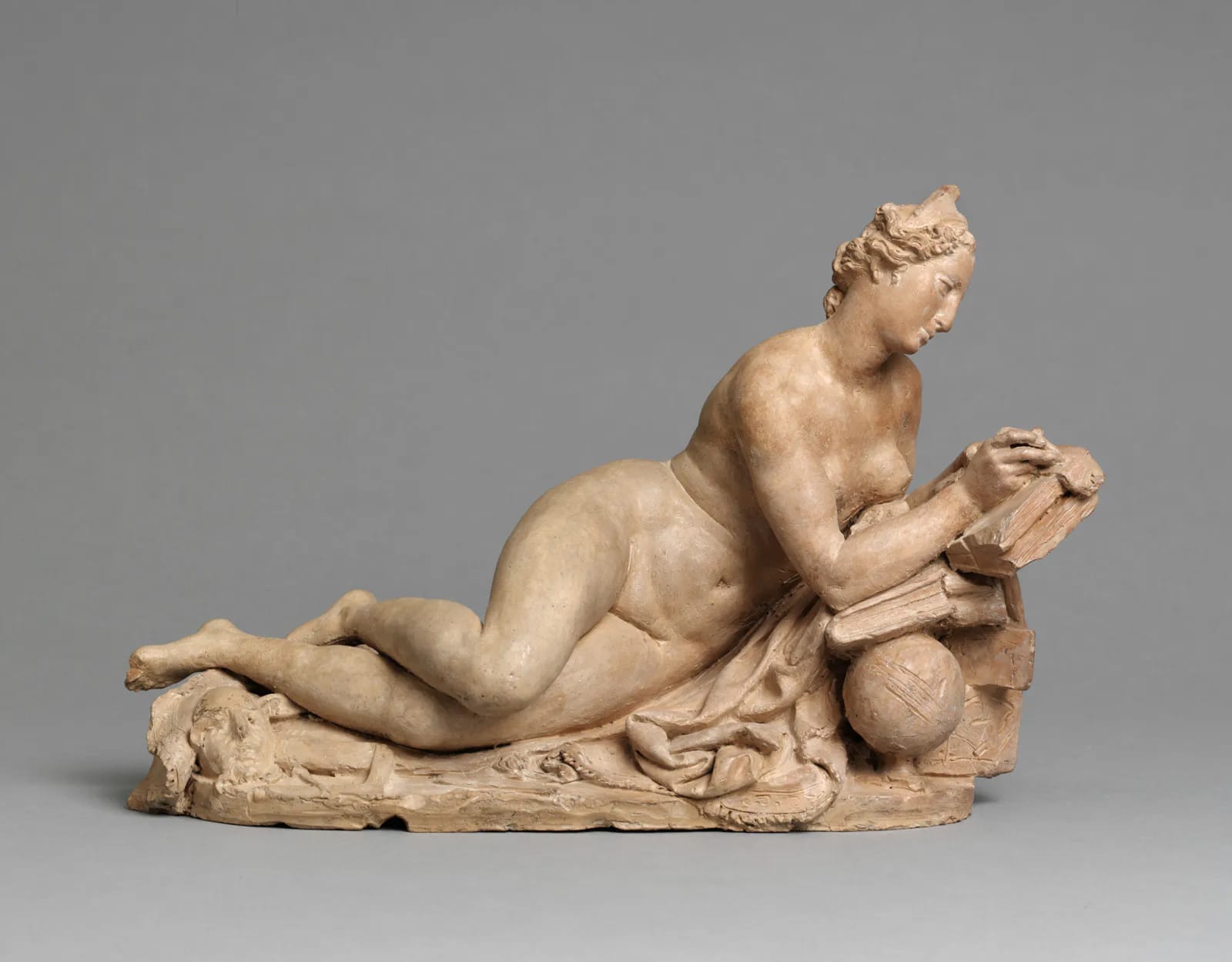
Elise El Yousfi
9 October 2026 – 28 March 2027
Playgrounds and toys keep returning in the sculpture of Elise El Yousfi. Born in France in 2001 and based in Antwerp, she graduated in sculpture from the city’s Royal Academy in 2024. Her materials carry family history. Ash from Moroccan orange blossom and date palm goes into her ceramic glazes, lace holds traces of the women in her family, and baby powder recalls childhood. Diaspora, identity and growing up are her subjects, along with her relationship to Darija, Moroccan Arabic. This presentation of new sculptures and installations closes a five-month residency at M.
🇩🇰 Exhibitions in Denmark
The Power of Fashion in the Roman Empire
1 October 2026 – 29 March 2027
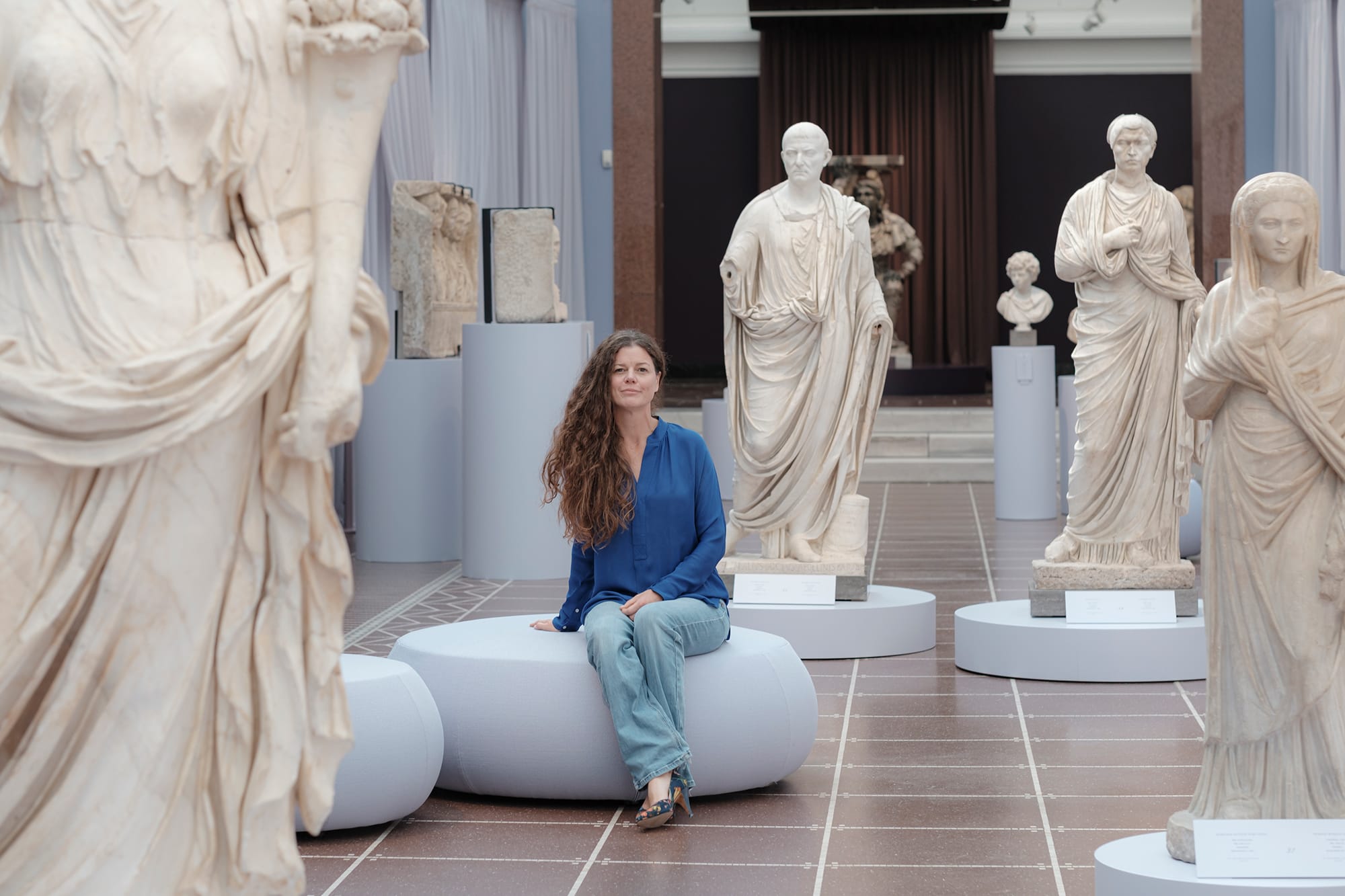
Purple cloth, heavy drapery and a pair of lionskin boots. In Roman sculpture, what people wore announced their rank and political role, and the Glyptotek reads its statues for those signals in material, folds and colour. The museum calls this the largest exhibition on antiquity in its history. The British Museum lends three rare Roman tunics, the first time they have left its walls, and Burdur in Türkiye sends a colossal Septimius Severus in those boots. Three graduates of the Royal Danish Academy add contemporary silhouettes in the Central Hall.
Platform: Emma Rosenzweig x Olivia Turner
9 October – 15 November 2026
Three women retreat to a summer house deep in the countryside, each at the end of a relationship. At night a man appears in the landscape and watches them from a distance. HOLE, the film at the centre of this Platform show, is shot on black-and-white 16mm, and its grain blurs skin, landscape and shadow. Emma Rosenzweig, a visual artist and prize-winning novelist, projects it in a room lined with velour walls. Loss, anger and care between women drive the story. Cæcilie Trier wrote the music.
The Cabinetmakers’ Autumn Exhibition: Light & Form
23 October – 13 December 2026
Follow the light from the Impressionist galleries into Finn Juhl’s House and out into the art park. Its changeability shapes this year’s Cabinetmakers’ Autumn Exhibition, which Ordrupgaard hosts in 2026 under the theme Light & Form. The question is how light acts on materials and lets forms emerge. Eighty-eight designers, architects and manufacturers take part, a mix of permanent members and invited guests. Each year they use the show to test the limits of furniture design in form, function, materials and craftsmanship. Founded in 1981, the exhibition has long been a platform for modern Danish furniture.
Freedom’s Fall: Art in Germany 1910–1945
3 October 2026 – 21 February 2027
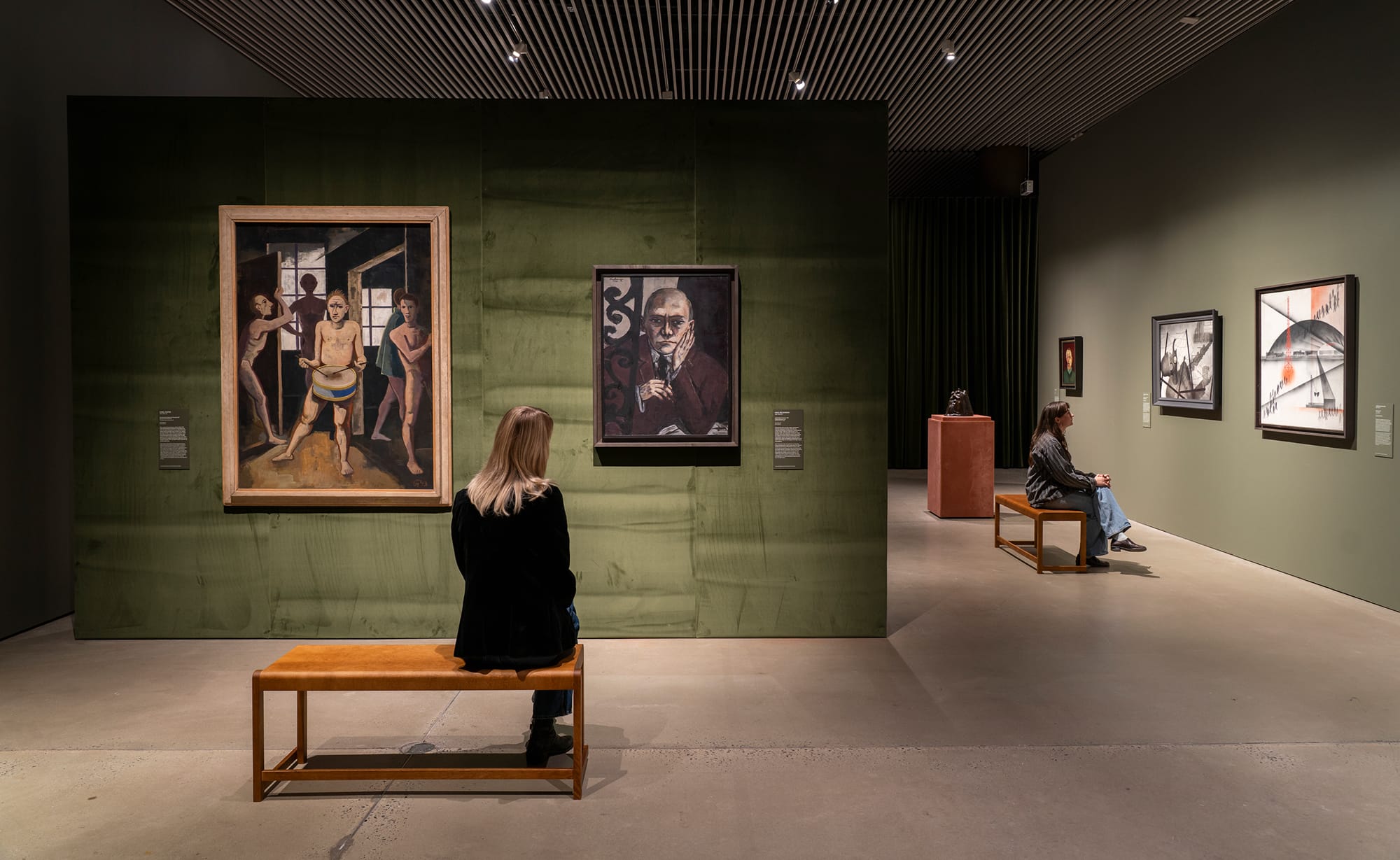
Several of these works were banned by the Nazi regime, and some were confiscated. More than 70 paintings and sculptures from Berlin’s Neue Nationalgalerie trace four decades of German art through war, upheaval and dictatorship. Otto Dix, Hannah Höch, Wassily Kandinsky, Ernst Ludwig Kirchner, Paul Klee, Käthe Kollwitz and Emil Nolde are among the artists. One section returns to Berlin after the First World War, a city of trauma and political unrest with a lively cultural life. After stops in Texas, Minnesota and New Mexico, the show makes its European debut at ARoS.
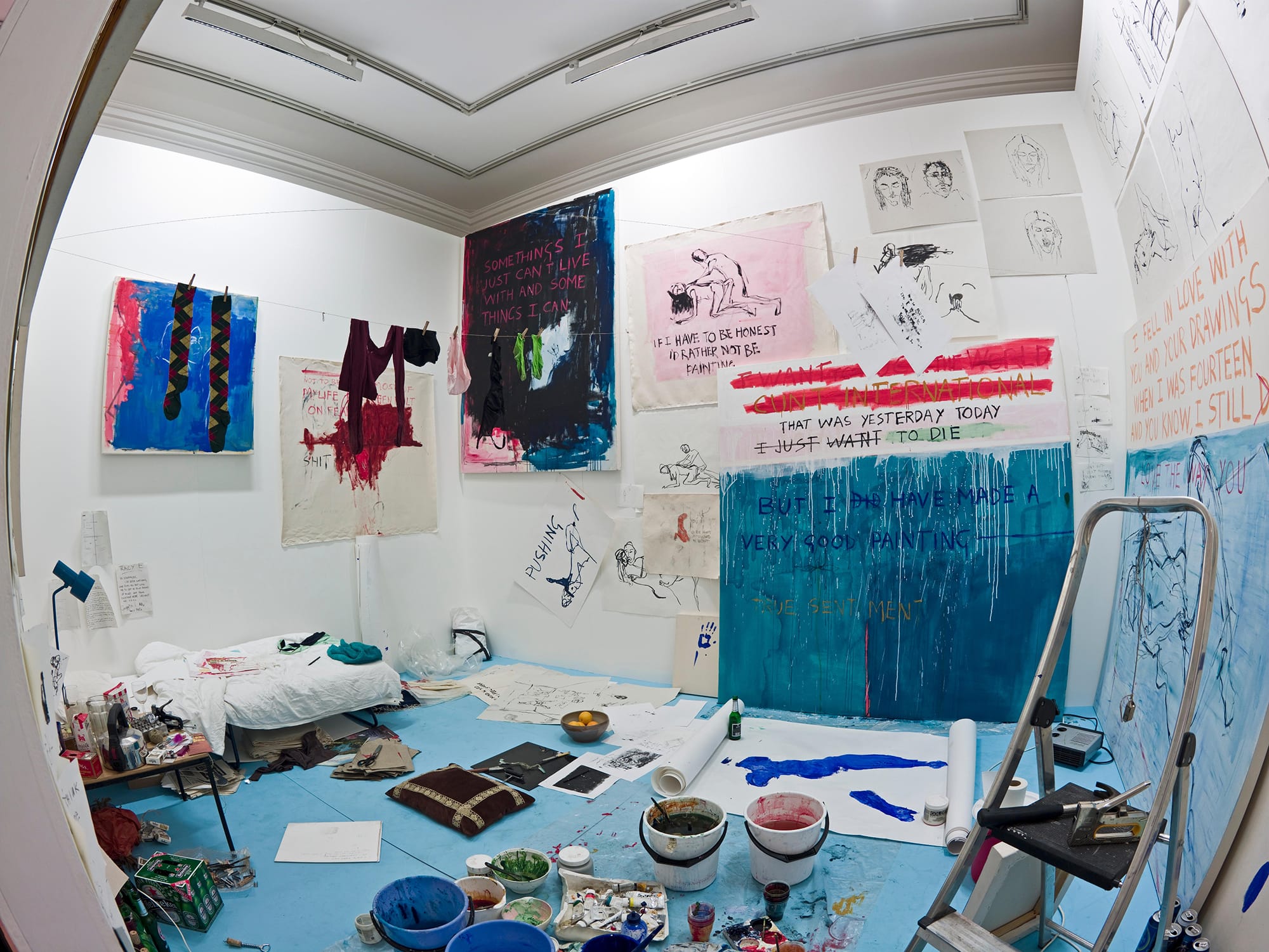
Tracey Emin: A Second Life
8 October 2026 – 18 April 2027
An unmade bed shown at the Tate in 1999 caused a furore around Tracey Emin’s Turner Prize nomination. Almost forty years of her work now arrive at Louisiana in a survey organised by Tate Modern in close collaboration with the artist. Painting, her lifelong commitment, sits at the centre, alongside drawing, sculpture, textiles, film and installation, with recent canvases and works never shown before. The female body carries passion, trauma, pain and healing. Rape, abortion and very serious illness have marked her life, and the show presents art as the means of her survival.
Frida Orupabo: Get Close Enough and You Can’t See
8 October 2026 – 9 May 2027
Instagram is where Frida Orupabo’s collages began, in 2013, as a digital diary and archive. The Norwegian-Nigerian artist, a sociologist by training, assembles figures from found photographs, popular culture and colonial-era archives, rewriting received histories and giving room to people once made invisible. Her figures stare back at the viewer with discomfort, strength and vulnerability at once. Gaze, race, belonging and power are her subjects. Her first solo show in Denmark was made specifically for Alvar Aalto’s building, with new collages such as Hand on Belly and Batwoman with Gloves.
PLAY!
1 October 2026 – 31 March 2027
“Play is not a break from reality, it is a way of creating it,” runs the premise of this show, which starts from Asger Jorn’s own experimental streak. Artists who used play as method, motif and strategy set the scene: Alexander Calder, Marcel Duchamp, Dorothea Tanning and Niki de Saint Phalle. Contemporary artists working with participation and interaction follow, including Pipilotti Rist, Paul McCarthy, Mika Rottenberg, Gelitin and Jake Chapman. Several made new works for the occasion that ask visitors to join in. Loans sit beside pieces from the museum’s collection.
Aksel Jørgensen: The Late Work
22 October – 31 December 2026
Models, studio interiors and colour that seems to glow from within. Aksel Jørgensen (1883–1957) is remembered mainly as a printmaker and as a teacher at the Royal Danish Academy of Fine Arts from 1920 to 1953. From the mid-1940s, though, he painted a series of intimate studio pictures in a freer, more experimental modernism, with traces of printmaking still visible. He also helped bring printmaking courses back to the Academy, which benefited a young Asger Jorn in the late 1930s. Many of the works come from his estate, recently donated by his family.
Norman McLaren: Loops
22 October – 31 December 2026
Draw straight onto the filmstrip, then draw the soundtrack too. Norman McLaren made Loops in 1940 without a camera, marking both image and sound by hand. Red shapes dance against a blue ground, expanding and contracting as if breathing, and shift between lines, loops and forms that look alive. The Scottish-Canadian filmmaker (1914–1987) explored how film could create movement as well as record it. He won more than 200 international awards, including a Palme d’Or at Cannes and a BAFTA, and in 2009 his films entered UNESCO’s Memory of the World Register.
Seimi Nørregaard: Flood Gate
10 October 2026 – 24 January 2027
Where does the tamed world end and the wild begin? Seimi Nørregaard, a Danish artist born in 1975, answers with a total installation that turns Ribe Art Museum into a passage between the safe, man-made world and the unknown. Its stories start close to home. Ribe Å, the local stream, is one source, the sea another, and the museum’s own collection of nature-romantic painting a third. Strong, dramatic scenography carries visitors through a borderland between the chaotic and the controlled. The Danish title, Slusen, means the sluice.
🇫🇷 Exhibitions in France
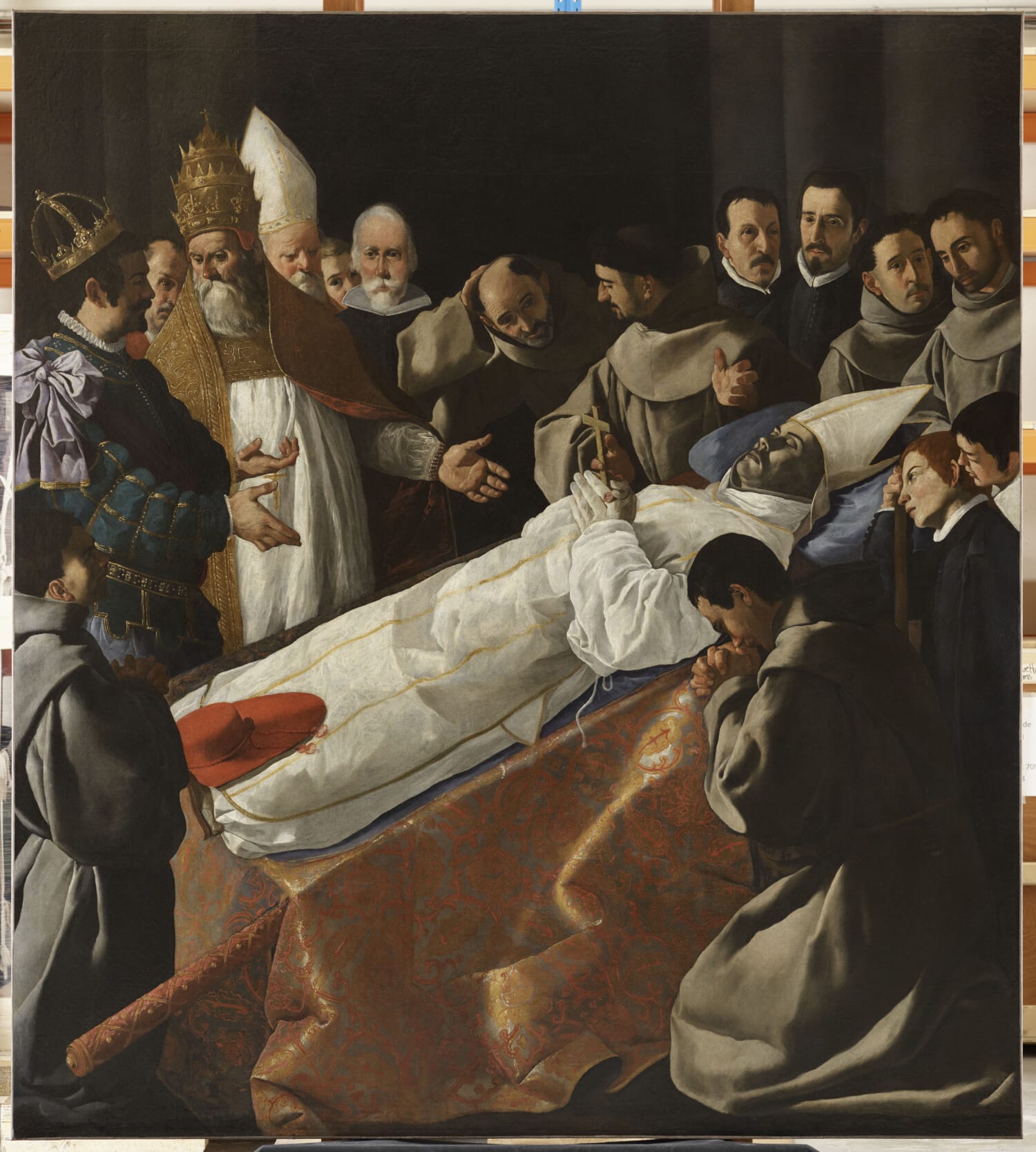
Zurbarán
7 October 2026 – 25 January 2027
For a long time Francisco de Zurbarán passed for a sombre follower of Caravaggio, shaped by monastic austerity. Only in the twentieth century did he emerge as an exceptional colourist, with simplified volumes and a startling naturalism. The Louvre’s retrospective gives most space to the large canvases he painted for Andalusian monasteries. Portraits and still lifes follow, among them Saint Casilda and Still Life with Lemons, Oranges and a Rose. His son Juan, who died at 29, gets a prominent place. An epilogue traces his pull on Manet, Picasso and Juan Gris.
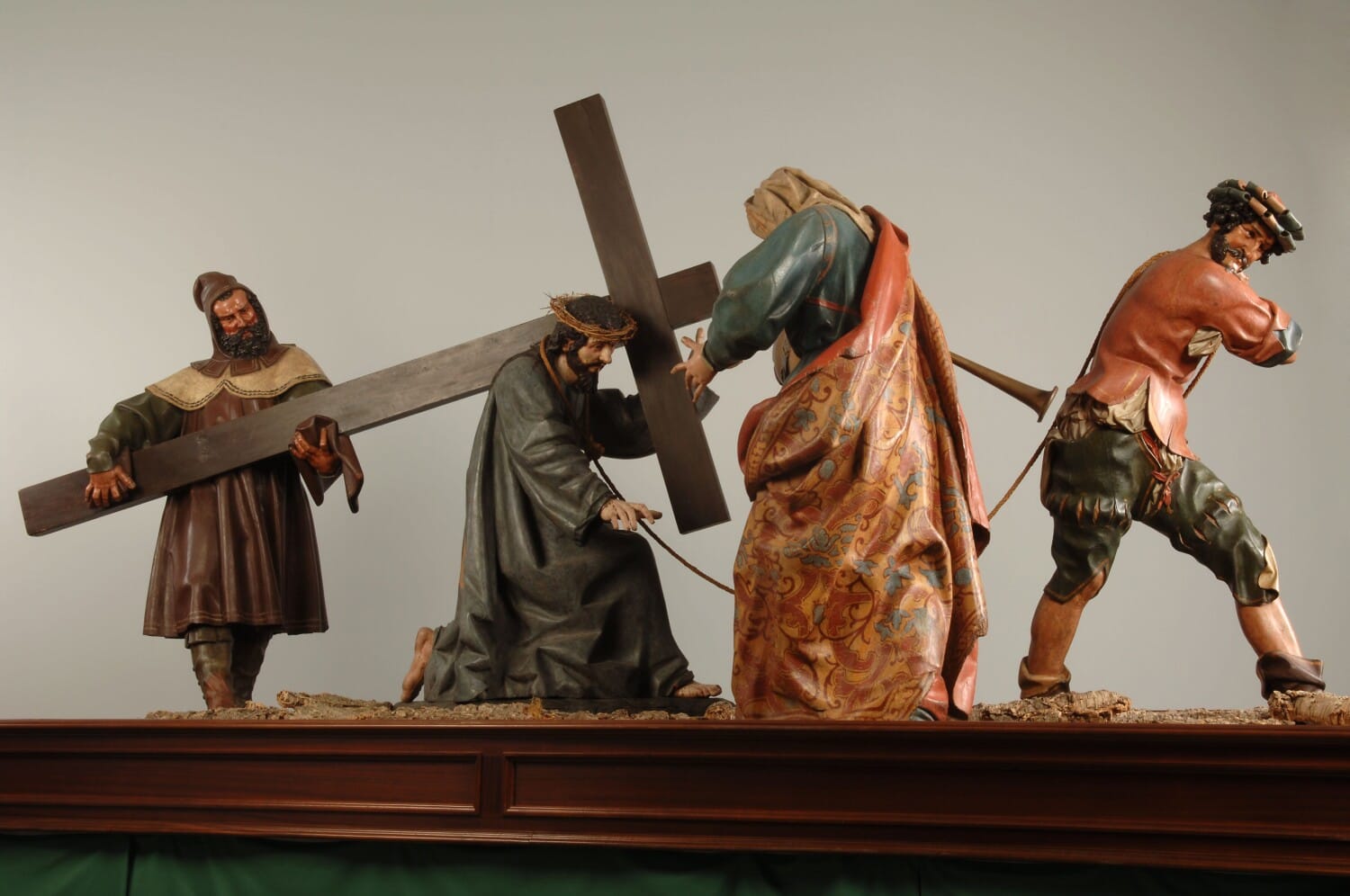
Sculpter la couleur: Chefs-d’œuvre du Musée national de sculpture, Valladolid
7 October 2026 – 25 January 2027
Stand eye to eye with five life-size figures from a Holy Week procession. Gregorio Fernández carved and painted Camino del Calvario in Valladolid early in the seventeenth century, and the Louvre shows the complete paso at eye level. Around it, painted wooden sculpture from Spain’s national sculpture museum sets out the devotional world of Zurbarán, Velázquez and Murillo. Fernández’s Cristo de la Luz and Alonso Cano’s Saint John the Baptist have never been seen in France. Luisa Roldán, whose career took her to the royal court, is among the few women.
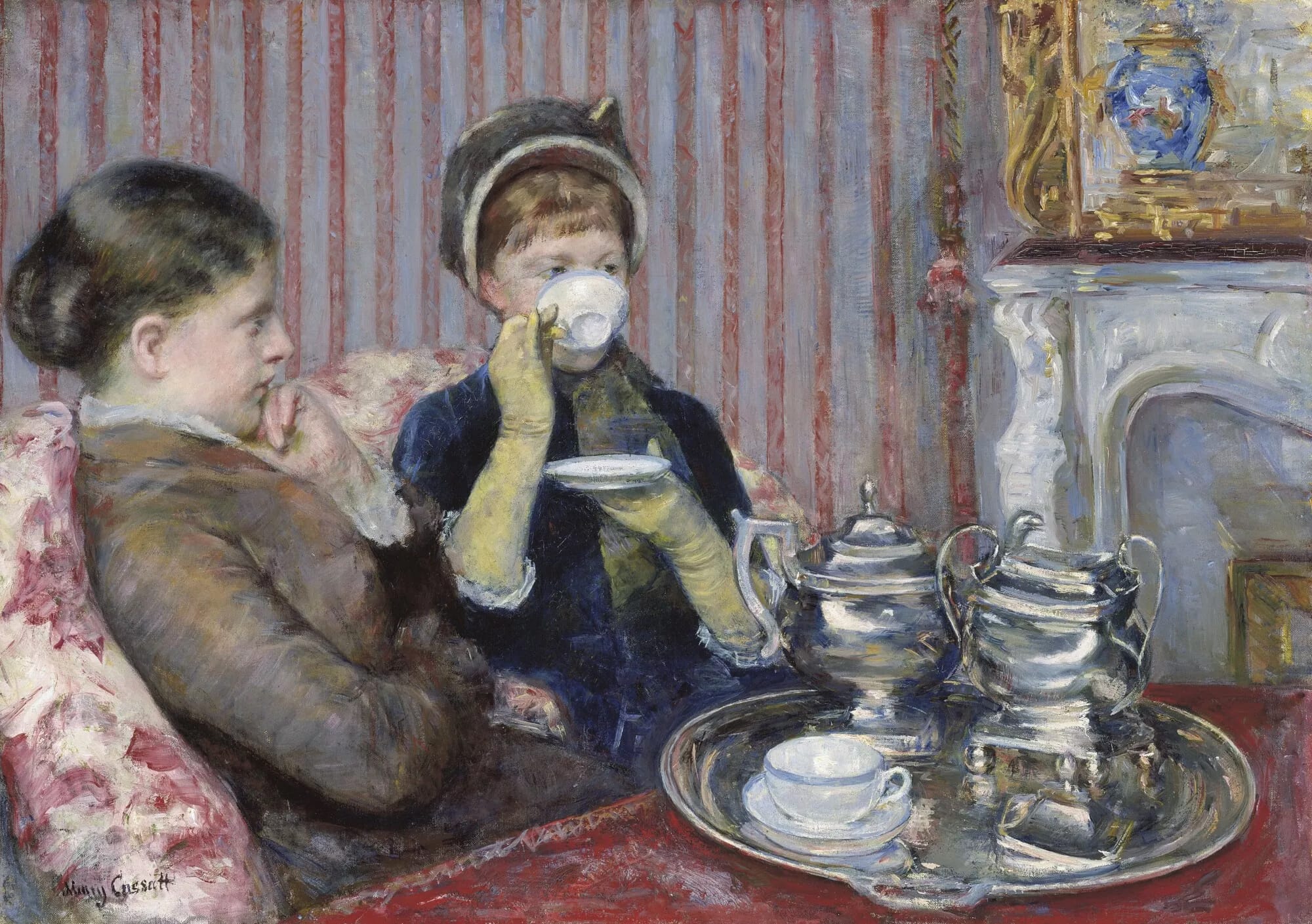
Mary Cassatt: Being Independent
6 October 2026 – 31 January 2027
“I am independent! … I can live alone and I love to work.” Mary Cassatt’s declaration gives the Musée d’Orsay its theme. A century after her death, France’s national museums give the American painter her first major show, with almost 80 paintings, pastels and prints. Degas invited her to join the Impressionists in 1877. Her mothers with children, the show points out, were often nannies, painted by a woman who never married. Ten colour prints of 1890–91 answer an exhibition of Japanese prints in Paris. A film evokes Modern Woman, her lost mural for the 1893 Chicago World’s Fair.
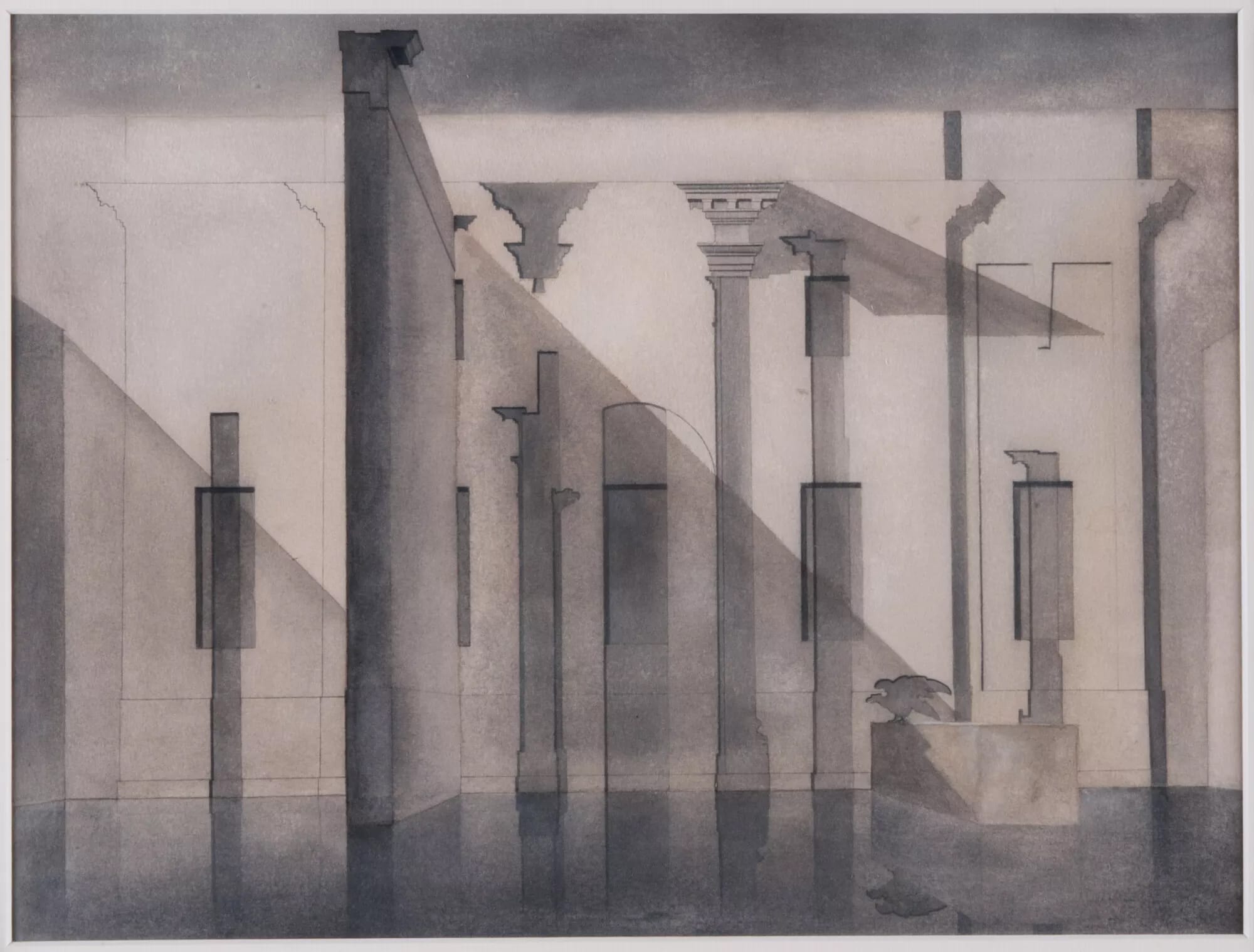
Vertigo: Richard Peduzzi at Orsay
6 October 2026 – 17 January 2027
Endless walls, towers, ruins and derelict sites recur in the stage sets of Richard Peduzzi, Patrice Chéreau’s long-time designer. In 1986 he also designed the interior displays of the newly opened Musée d’Orsay, including the model of Charles Garnier’s Opéra that visitors still look down on. Forty years later the museum invites him back. Paintings, drawings, set models and sculpture gather around those models, from Chéreau’s productions of Marlowe and Marivaux in Villeurbanne to Berg’s Lulu at the Paris Opéra in 1979. Drawings from the collection answer them, Viollet-le-Duc’s Temple of Neptune at Paestum among them.
Maurice Denis: Illustrating Christian mysticism
6 October 2026 – 10 January 2027
Open a copy of The Imitation of Christ from 1903 and its pages carry woodcuts after Maurice Denis. The devotional text dates from the early fifteenth century and is attributed to the Flemish monk Thomas à Kempis. After a dozen years he found a publisher in Ambroise Vollard, and almost seventy woodblock cutters worked on the book. The Orsay has acquired some 246 preparatory sheets, along with an unbound copy as it was first sold. Drawings in pencil, ink, wash and tracing show each image taking shape. Paintings on Christian themes complete the display.
Jenny Holzer: J’ai vu
20 October 2026 – 21 February 2027
Text is Jenny Holzer’s material, and the Musée d’Orsay hands her its archive. Extracts from artists’ letters and from writing of 1848 to 1914 run through the whole building. On a few evenings around the opening they are projected onto the façade above the Seine. Inside, streams of coloured LED text recall the former railway station. Gold-, platinum- and palladium-leaf “redaction” paintings, mostly blacked out, hang beside works she chose from the collection, one of them quoting a letter from Claude Monet to Théodore Duret. New stone benches, many carved with period texts, spread across the galleries.
Gustave Fayet: Collector – Designer. Icons of Modern Art
9 October 2026 – 8 March 2027
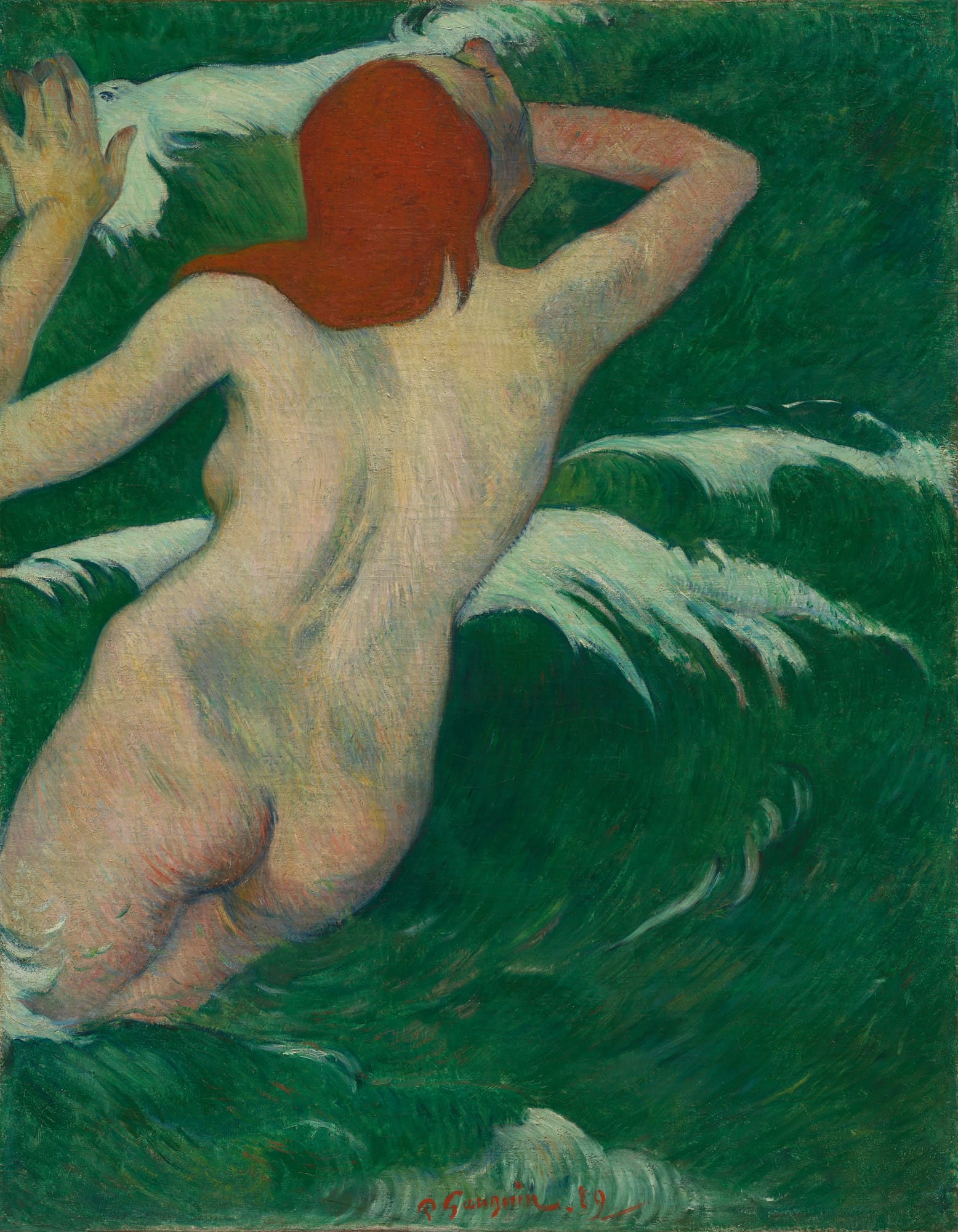
A bandaged ear, a pipe, January 1889. Van Gogh’s self-portrait has not been seen in France since 1937, and it is one of the loans in the Fondation Louis Vuitton’s tribute to Gustave Fayet (1865–1925), who collected Van Gogh early, showed Picasso and kept a Gauguin museum in his Paris home. More than 250 works from his dispersed collection come together for the first time in a century, including ten Van Goghs, 78 Gauguins and 86 Redons. The top floor turns to Fayet the designer, with stoneware, watercolours on blotting paper and carpets made for Jeanne Lanvin and Jacques Doucet.
Open Space #19: Mohammad Alfaraj
9 October 2026 – 18 January 2027
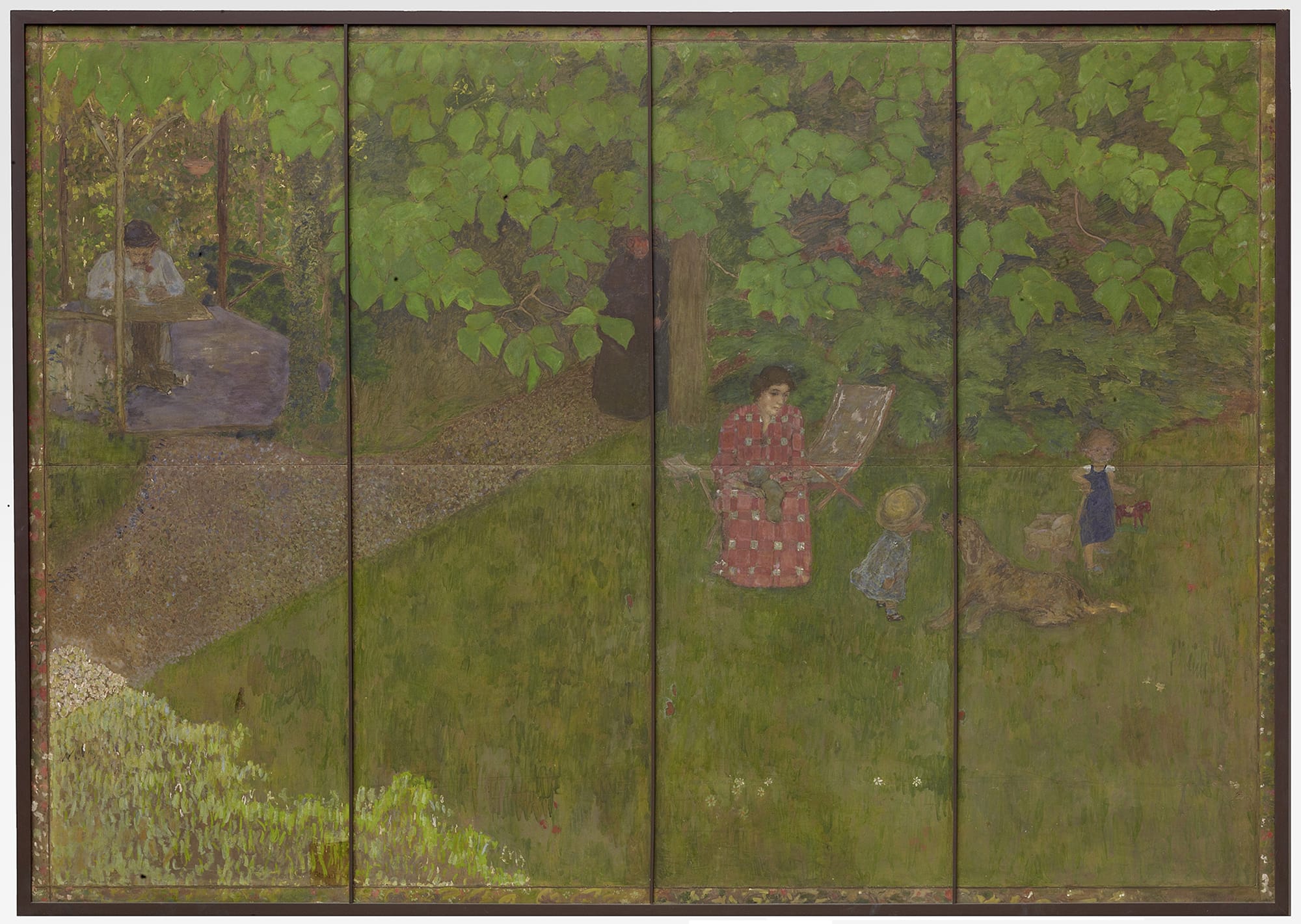
I’d rather be a dragonfly than a lion, Mohammad Alfaraj calls his installation in Gallery 8. The Saudi artist, born in 1993 and based in the Al Ahsa oasis, trained as a mechanical engineer before turning to writing, video, photography, drawing and sculpture. Here stop-motion films play inside an arrangement of objects, photographs and drawings. Alfaraj writes the stories, builds the characters and sets, then films, animates and narrates them himself, drawing on Saudi oral traditions. The results are short fables about ecological, social and cultural questions. This is his first solo show in a French institution.
Kurt Schwitters: Le chaos-monde 1918–1948
6 October 2026 – 7 February 2027
Pick up what others throw away and call it Merz. Kurt Schwitters (1887–1948) did just that, building collages and assemblages from scraps while keeping his distance from both Dada and Constructivism. Painter, poet, typographer, magazine editor and composer of the Ursonate, a sonata of primal sounds, he also turned the rooms of his own house into the Merzbau. More than 300 works and documents make up the first Schwitters retrospective in France since 1994. The Musée Picasso links his everyday materials to Picasso’s own experiments. On 10 October the Ursonate returns as birdsong, performed in the museum garden.
Remember Me
From 7 October 2026
Marilyn Monroe photographed by Richard Avedon in 1957, a gerbera daisy by Irving Penn, an embrace by Tyler Mitchell. Some 700 photographs by more than 70 artists make up the first full showing of the Pinault Collection’s photography, timed to two centuries of the medium. The hang ignores chronology and moves like a fugue, from Gustave Le Gray to Cindy Sherman and from Dorothea Lange to Wolfgang Tillmans. Man Ray, Claude Cahun, Francesca Woodman and Zanele Muholi are among the others. The title comes from a Barbara Kruger video, Untitled (Remember me).
Barbara Kruger: The History of Tears
From 7 October 2026
“An ongoing deluge of the eyes. A fountain of loss and fear.” Barbara Kruger’s description sets the tone for her takeover of the Rotunda, where Tadao Ando’s curved walls fill with words, filmed sequences and sound. Quotations from George Orwell’s 1984 and Aimé Césaire’s Journal of a Homecoming share the space with her own messages, which light up the 24 display cases of the Passage. Her 1996 video Power, Pleasure, Desire, Disgust adds a stream of faces, gazes and words. The American artist, born in 1945, has worked since 1979 with magazine images overprinted in Futura Bold Italic.
Visionnaires: Carte blanche à Prune Nourry
20 October 2026 – 24 January 2027
Art history has overlooked many of the women Prune Nourry has chosen to sculpt. At her request, three art historians spent a year gathering the writings and photographs of 18 women sculptors from the late nineteenth and early twentieth centuries. Nourry then made a portrait of each, and the 18 now stand among the Petit Palais’s permanent collections, free to visit. Käthe Kollwitz, Hélène Bertaux, Nancy Elizabeth Prophet, Selma Burke and Sarah Bernhardt are among them. Jane Poupelet appears in white-patinated bronze with marble eyes. An audio guide has contemporary artists reading from the sculptors’ letters.
Séraphine Louis: From Senlis, Without Rival
31 October 2026 – 12 April 2027
Leaves like feathers set with strange eyes, twisting branches and flowers scattered with hypnotic dots fill the canvases of Séraphine Louis (1864–1942). Working with household pigments on the margins of the avant-garde, the painter from Senlis freed plants from realism. Her early, floating compositions grew into swirling profusions of form and colour. Centre Pompidou-Metz shows more than 90 of the roughly one hundred works catalogued today, including Les Fruits and Arbre rouge. Billed as her first international retrospective, the show presents her as a forerunner of current thinking that links art, care and ecology.
Sheila Hicks: Au-delà
9 October 2026 – 8 March 2027
“Textile is a universal language,” says Sheila Hicks, and Lille, a city that grew on its textile industry, is a fitting place to hear it. The American artist, born in Nebraska in 1934 and based in Paris since the mid-1960s, is the first woman to take over the museum’s atrium, with a new installation made for its volumes and light. Entry to the atrium is free. Upstairs, her work continues through the permanent collection. Threads of every colour swing between weightlessness and sensuality, drawing on pre-Columbian weaving, the subject of her Yale thesis, and blurring art, craft and design.
The Taste of Images
From 28 October 2026
Why would anyone eat an image? People across Europe and the Mediterranean have done so since antiquity, to heal, to protect themselves, to gain wisdom or to belong. The Mucem gathers 435 works, from communion hosts, figurative breads and a Serbian love cake to paintings, engravings, amulets and film. A clip from Red Dragon, in which a man devours a William Blake watercolour, opens the show. David Cronenberg’s Videodrome closes it with a television that swallows a man. Meret Oppenheim, Michel Journiac and Micha Laury, with his chocolate soldiers, are among the artists.
Henri Matisse – Alex Katz: The Silence of Painting
28 October 2026 – 18 January 2027
In February 1949 a Cooper Union student walked into Pierre Matisse’s New York gallery and saw the Vence interiors, among them The Inhabited Silence of Houses. Alex Katz has studied Matisse ever since. The American painter has worked with the Musée Matisse on a new hang of its collection in which his own paintings, drawings, collages and prints answer the master’s. They run from Nude (1951) to Lilies 13 (2025). Both artists favour simplified forms and an economy of means. Like Matisse, Katz is drawn to dance, fashion and cinema.
Chagall Couture: A Tribute to the Artist
10 October 2026 – 23 May 2027
Costume belonged to the total work of art for Marc Chagall, who designed for the stage from Moscow’s Jewish theatre in 1920 to The Magic Flute at the Metropolitan Opera in 1966. Students of stage costume at the Lycée Les Coteaux in Cannes spent two years answering him in fabric. Their 76 pieces, in five collections, draw on the Biblical Message paintings, the etchings for Gogol’s Dead Souls and La Fontaine’s Fables, and the study for The Blue Rose. The show runs in two parts, with a break from 19 January to 5 February 2027.
🇩🇪 Exhibitions in Germany
Across Epochs: Gursky, Lucas, Miró, Warhol and the Art of the Long 19th Century
22 October 2026 – 28 February 2027
The Nationalgalerie opened in 1876 as a home for the art of its own day. For the building’s 150th anniversary, twentieth- and twenty-first-century works move into ten rooms across all three floors and sit beside the nineteenth-century collection. Andreas Gursky, Sarah Lucas, Joan Miró and Andy Warhol give the show its title, and Lucas’s Fighting Fire with Fire is among the works pictured. Renée Sintenis, Bernhard Heisig and Gotthard Graubner arrive from the Neue Nationalgalerie. The aim is to look by association and ask what art can be.
Portraits! Surprising Encounters from Botticelli to Lempicka
16 October 2026 – 14 March 2027
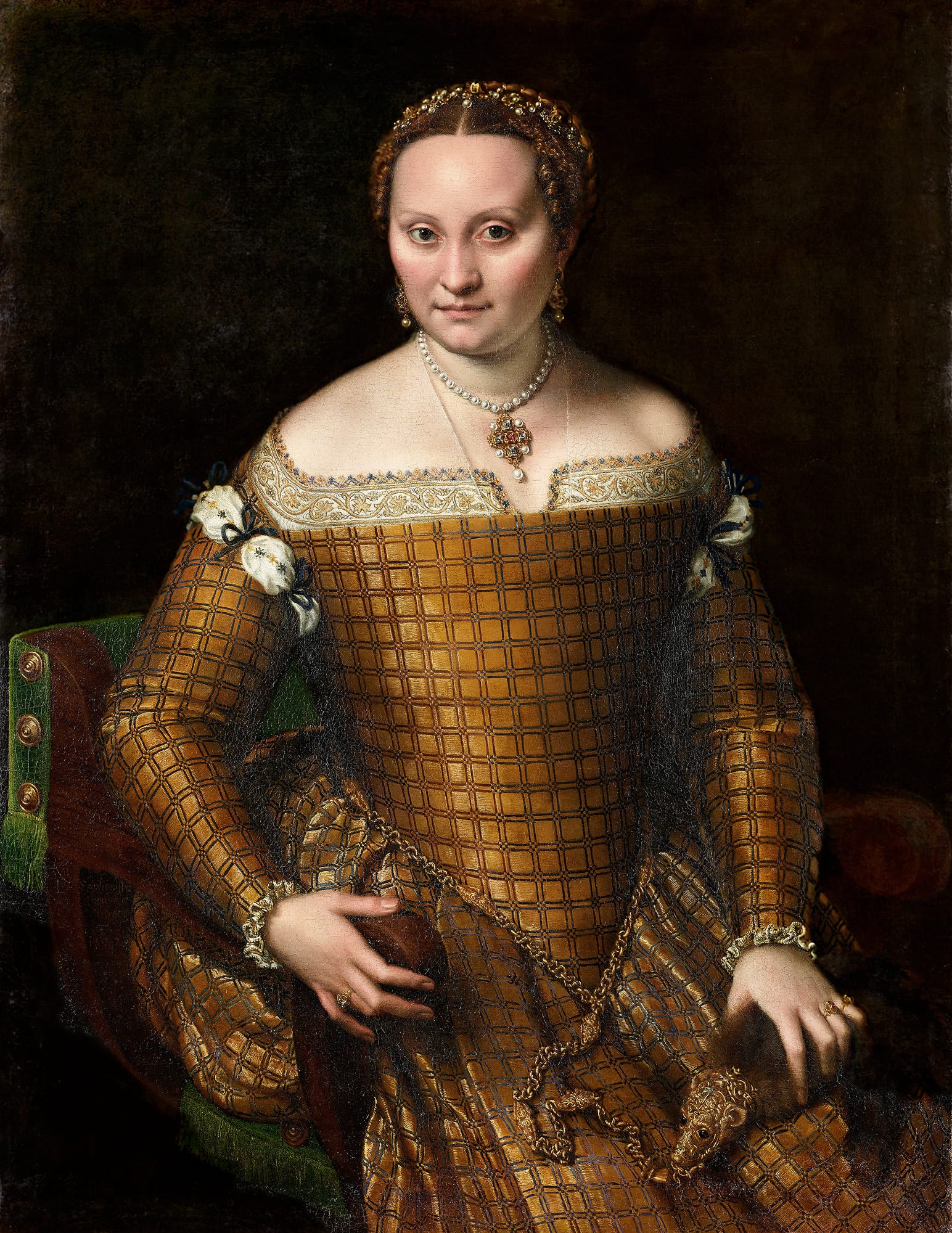
Botticelli’s Giuliano de’ Medici, painted in 1478, faces a Tamara de Lempicka portrait from around 1931. The Gemäldegalerie hangs about 90 portraits in pairs of works that have never met, across six centuries of the genre. Sofonisba Anguissola’s mother watches her daughter paint, much as Eugen Spiro’s wife watched him 380 years later. Holbein’s merchant Georg Gisze meets Giovanni Cariani’s astronomer. Sections cover northern and southern types, the self-presentation of elites, family and intimacy, and collectors and artists. Clothing, posture and accessories read as codes of status, power and gender, and the show draws a line to the selfie.
Next Door
From 9 October 2026
Count the neighbours. Tacita Dean, Thomas Demand, Olafur Eliasson, Henrik Håkansson and Tomás Saraceno all had studios in the Rieckhallen, right beside Hamburger Bahnhof, between 2002 and 2013. For the museum’s 30th anniversary they return. Dean and Bruce Nauman have made a new 35mm film, Hand On, that answers Nauman’s permanent installation in the building. Demand floats pavilions through the space to carry his large photographs, and Eliasson’s circles of light swell and fade with sound. Håkansson builds a video installation around a butterfly’s wingbeat. Saraceno shows 14 Billions for the first time in more than fifteen years.
Images of People: Portrait and Genre Photographs from the Dietmar Siegert Collection
13 October 2026 – 31 January 2027
The last Bourbon kings of Naples, papal aristocrats, Mazzini and Garibaldi, all at the size of a calling card. Around 1860 the carte-de-visite made photographic portraits affordable, and buyers filled small albums with family, friends and celebrities. About fifty photographs from the Neue Pinakothek’s Dietmar Siegert Collection trace that panorama of Italian society. Studio genre scenes, usually staged, show social types, and hand-coloured prints of models in regional costume could serve painters as references. With the Neue Pinakothek closed for renovation, the display joins its masterpieces on show at the Alte Pinakothek.
The Night Touches the Earth: Fritz Winter’s Cosmos of the 1930s and 40s
9 October 2026 – 21 February 2027
After 1933 Fritz Winter could no longer exhibit in Germany. The Bauhaus student of Klee and Kandinsky saw his work branded “degenerate” from 1937, and in growing isolation he painted cell and star constellations, crystallisations and surreal landscapes. As a soldier on the Eastern Front he made hundreds of drawings, some confronting the machinery of extermination and the destruction of habitats. In 1944 came Triebkräfte der Erde (Driving Forces of the Earth), later read as a metaphor for overcoming National Socialism. Fifty years after his death, his newly accessible estate gives the show its material.
Make It Make Sense: German Design Graduates 2026
16 October – 29 November 2026
“Make it make sense” is what the internet says when explanations stop adding up. Die Neue Sammlung borrows the phrase for around 70 graduation projects from 28 German universities, chosen by the German Design Graduates initiative. Product and industrial design sit beside communication, digital, textile and fashion design. The projects ask how waste and leftover materials might become resources, how digital technology can be used sensibly, and how design can explain knowledge or widen participation. Some imagine new ways of living together. The design museum presents design as a way of observing the world and of stepping into it.
Conny Maier: Searching for Paradise
21 October 2026 – 17 January 2027
Blue-and-white tiles line the rotunda, turned into a Baroque garden salon full of fairy-tale imagery. Conny Maier’s paintings first recall Munich’s Blauer Reiter, then break out into something closer to Art Brut. For the Staatliche Graphische Sammlung, nature moves to the centre of her work. Field studies in the Brandenburg countryside and the collection’s own unusual plant images fed new drawings, paintings and tile murals. Early paradises appear, with the threat of apocalypse never far off. Allegory and myth enter her work for the first time, recalling medieval tapestries and Baroque interiors where plants carried coded messages.
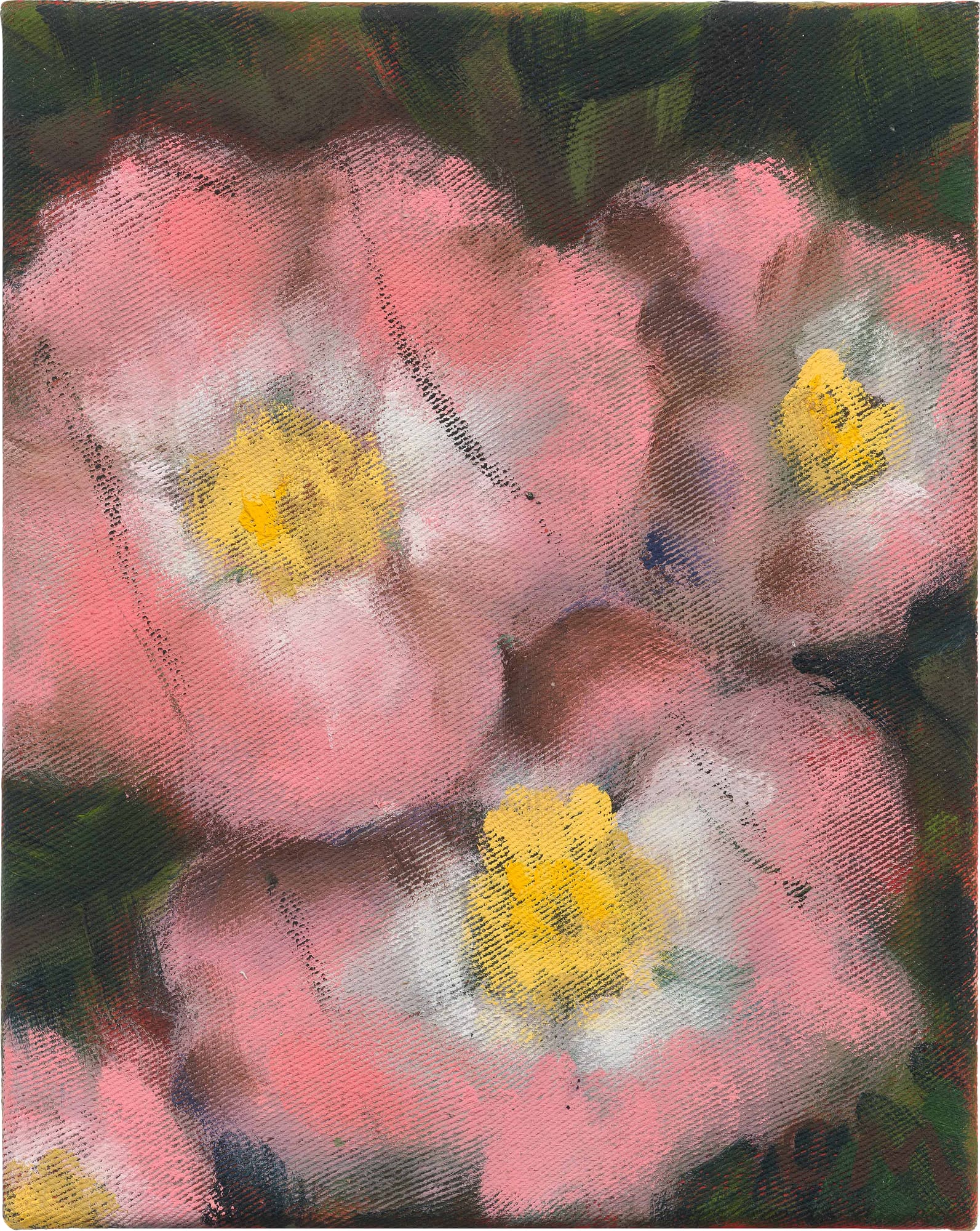
In My Head: Contemporary Artistic Positions
30 October 2026 – 30 May 2027
Personal experience is the starting point for all eight artists in this collection show. Nicole Eisenman, Jana Euler, Louis Fratino, LaToya Ruby Frazier, Deana Lawson, Martine Syms, Wolfgang Tillmans and Kara Walker each get a room built around key works. Walker’s watercolours and cut-outs draw on the racially charged memory of the United States. Fratino paints queer intimacy in the language of classical modernism, and Euler’s distorted bodies speak of ambition and exhaustion. Intimacy, violence, exclusion and care run through the ground-floor galleries. The works come from the Brandhorst and Eva Felten collections.
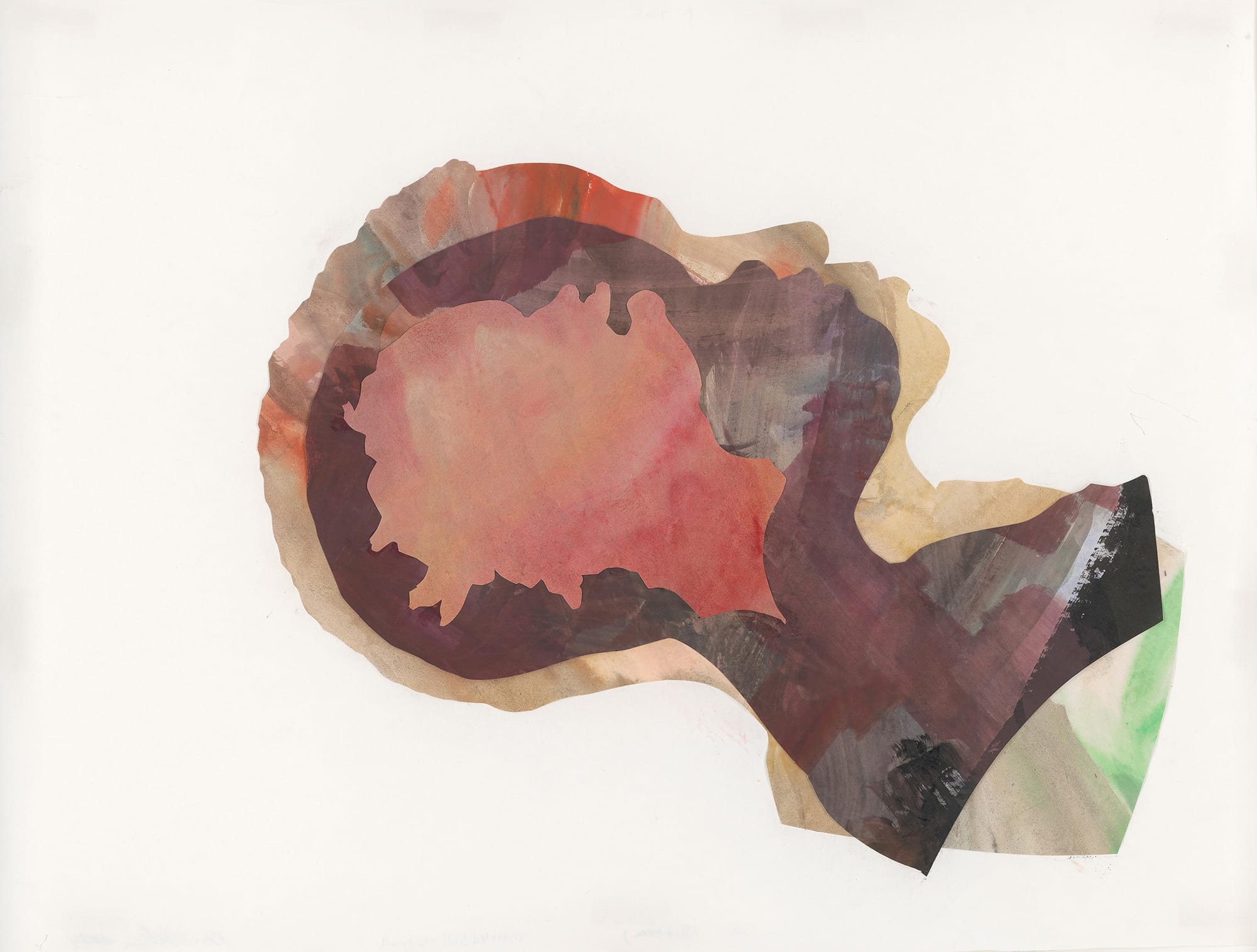
David Novros: Painting
9 October 2026 – 21 February 2027
The Alhambra, Giotto in Padua, the mosaics of Ravenna, Matisse’s studio in Nice. A European journey in 1963 set David Novros on the path to “painting in place”, where the wall itself becomes the picture plane. The Los Angeles-born painter went on to make portable murals, and in 1970 Donald Judd asked him for a fresco in his SoHo home. For Novros’s 85th birthday, the Galerie der Gegenwart fills two floors with more than 50 paintings, copper reliefs and works on paper, some of them monumental. Lenders include MoMA, the Metropolitan Museum and the Art Institute of Chicago.
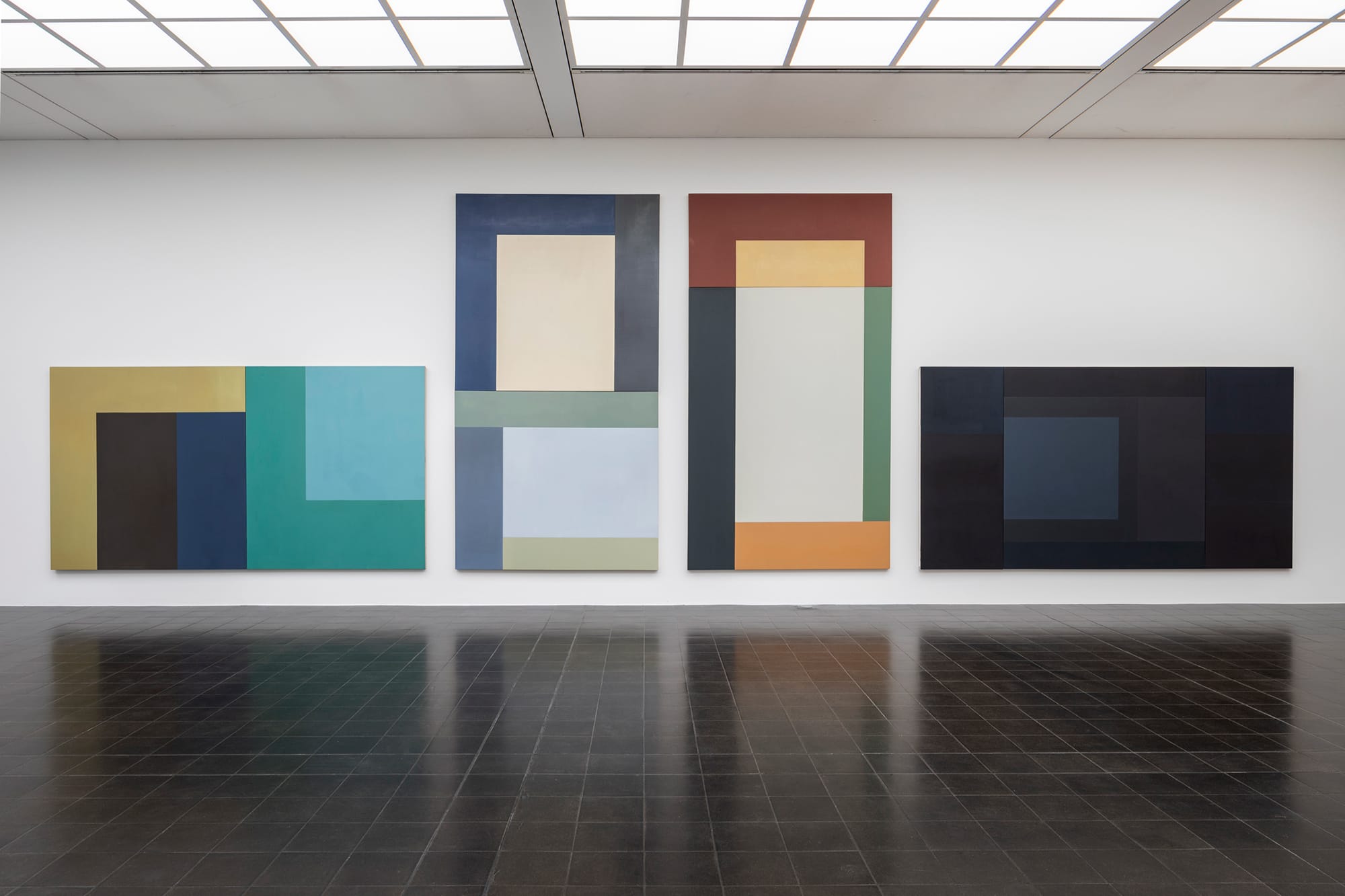
Along the Color Line: Traces of a Transatlantic Modernism
3 October 2026 – 7 March 2027
W. E. B. Du Bois passed through Cologne in 1936, reporting for The Pittsburgh Courier, and his writing gives Museum Ludwig its title. For its 50th anniversary the museum traces links between artists of the Black diaspora and European modernism, from the Harlem Renaissance to Négritude. Loans from Howard University join the collection. Finding almost no modernist works by Black artists in its own holdings, the museum has bought pieces by Mildred Thompson, who lived in Düren in the 1960s, Herbert Gentry and Iba Ndiaye. James Gregory Atkinson’s archive of images and oral histories anchors the show.
Anna Hulačová: Abundantia
1 October 2026 – 10 January 2027
Bee colonies swarm into Anna Hulačová’s hollow sculptures and build honeycomb inside them. The results are faceless hybrid figures in concrete and honeycomb, drawing on Surrealism, Socialist Realism and Czech folk art. In her first solo show in Germany, part of the Czech guest-of-honour programme at the Frankfurt Book Fair, the bee stands for collective labour, ecological crisis and the unseen work of women. A conveyor belt carries fruit past figurines of female workers in Still Life / Still Alive. In After Bugonia, milkmaids in rubber boots have honeycomb for heads.
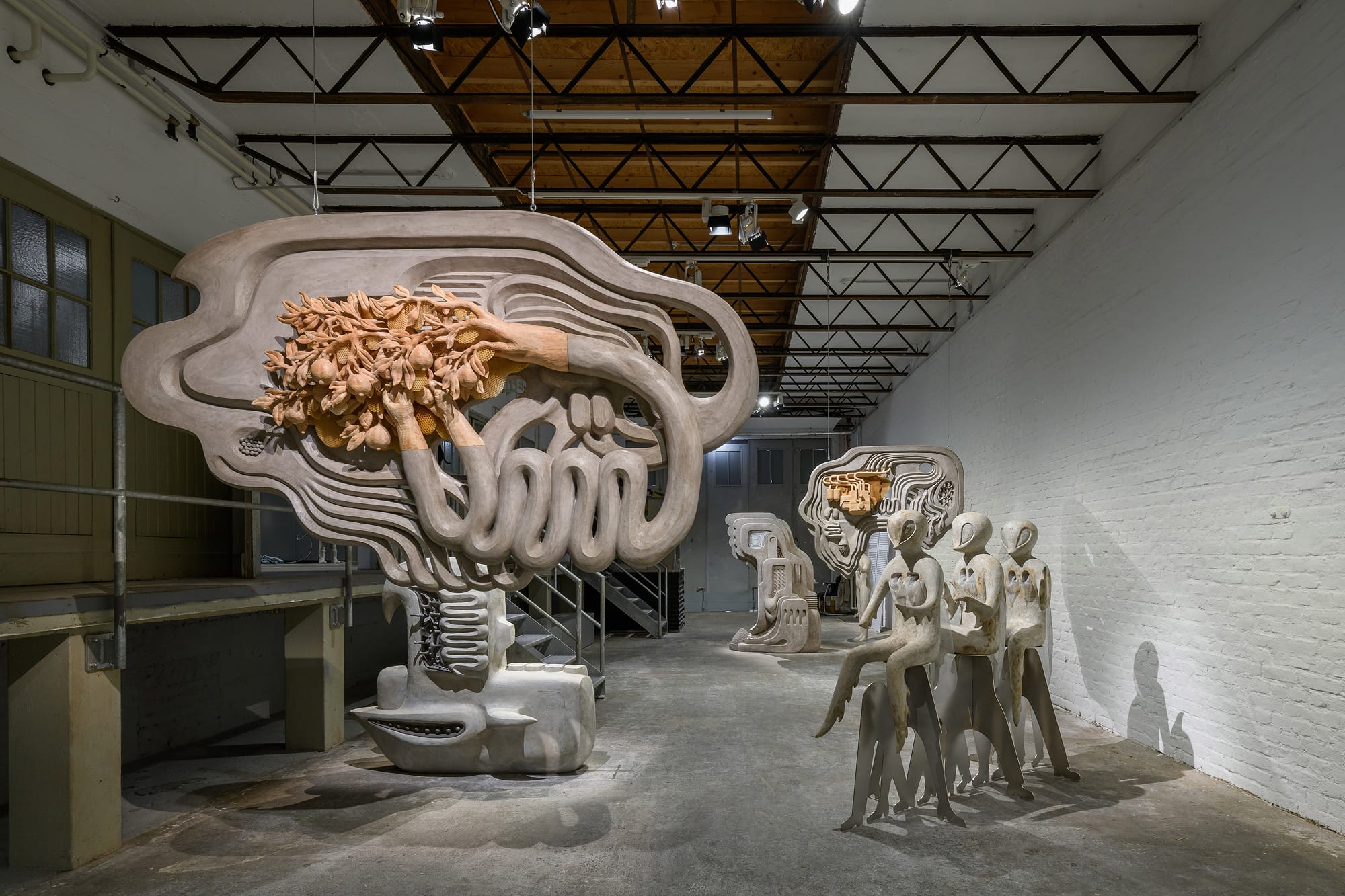
Leonor Fini: Magically Surreal
23 October 2026 – 21 February 2027
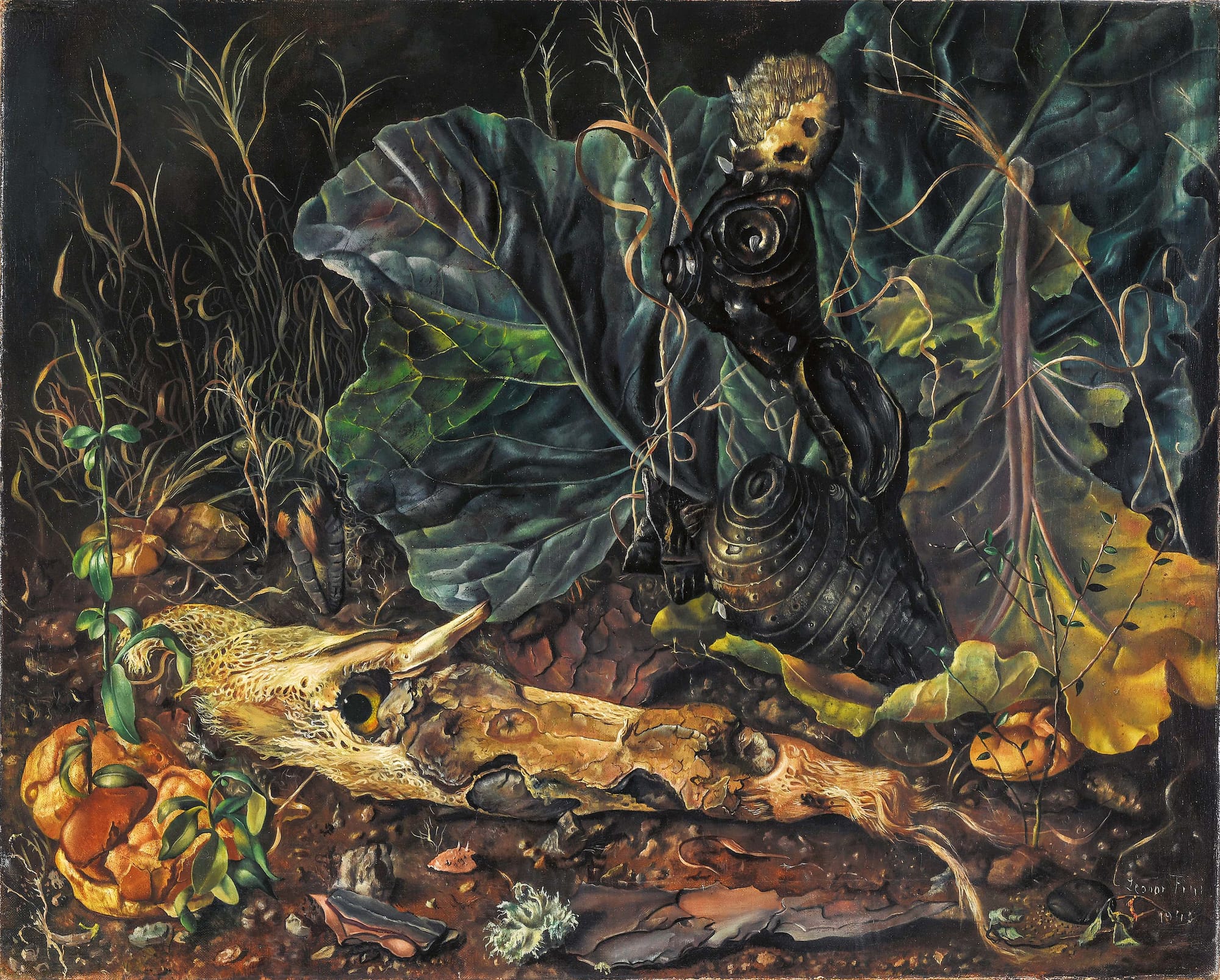
Surrealism never quite claimed Leonor Fini. Born in Buenos Aires in 1907, raised in Trieste and self-taught, she stayed close to the movement while keeping her independence, and drew on the Old Masters, the Renaissance, Symbolism and German Romanticism. Priestesses, sphinxes, hybrid creatures and androgynous figures overturn traditional gender roles in her dreamlike scenes. Masks, costumes and role-play belonged to her life as much as to her art. Around 100 paintings, drawings, photographs and objects cover some seventy years of work. The Schirn, at its temporary home in Bockenheim, calls it Fini’s first major exhibition in Germany.
BÄNG! Radical Female Artists from the Sohm Archive
10 October 2026 – 31 January 2027
A cello built from television sets, bowed by Charlotte Moorman, fills Hanns Sohm’s 1974 photograph of Nam June Paik’s Concerto for TV Cello. Moorman is one of five women at the heart of this show, alongside Yoko Ono, Yvonne Rainer, VALIE EXPORT and Carolee Schneemann. More than 100 historical photographs record their actions, performances and choreographies of the 1960s and 1970s. All come from the Sohm Archive, acquired by the Staatsgalerie in 1981, and they trace a route from the neo-avant-garde of the Rhineland to the art scenes of New York and Vienna.
Julia Phillips: Winner K21 Global Art Award 2026
9 October 2026 – 29 August 2027
Machines and bodies are hard to tell apart in Julia Phillips’s sculpture. Her ceramic and metal works resemble functional objects, but they stand for social and psychological experience, often the balance of power between people or between a person and an institution. Lately she has turned inward, to organs, growths and medical settings, to question who is subject and who is object in the business of care. Born in Hamburg in 1985 and based in Chicago, Phillips wins this year’s K21 Global Art Award, worth €100,000 and tied to a purchase for the collection.
Herbert W. Franke/Gottfried Jäger: Art and Construction
16 October 2026 – 10 January 2027
A photography student in the late 1950s, Gottfried Jäger came across a book called Kunst und Konstruktion. Its author, Herbert W. Franke, was a computer pioneer, cave explorer and science-fiction writer, and his ideas on science, technology and art shaped Jäger’s work. Museum Folkwang stages their exchange with about 250 works, prompted by a large donation of Franke’s photographs, graphics, videos and computer animations. Jäger’s pinhole structures and works made from photographic material meet Franke’s mathematical visualisations and early computer graphics. Both cared about the machines and systems behind images.
🇭🇺 Exhibitions in Hungary
Walk This Way: The Art of Walking
9 October 2026 – 31 January 2027
Put one foot in front of the other and call it art. A Dada excursion in 1921 was the first action in which walking itself was the content, and the Ludwig Museum follows the idea through Surrealist wandering, Lettrist drifting, Fluxus, land art and performance. Thirty-one artists take part, among them Francis Alÿs, Hamish Fulton, Bruce Nauman, Mona Hatoum, Yoko Ono, VALIE EXPORT and Tsai Ming-liang, alongside the Hungarians Dóra Maurer, Tibor Hajas and György Galántai. Walking appears as a way of mapping, resisting, telling stories and slowing down.
The Next 30
20–25 October 2026
Which works will tell the story of today’s Hungarian art thirty years from now? The Ludwig Museum asks as it marks three decades since its re-founding in 1996, when support from leading businesses and the culture ministry let it buy Hungarian art alongside its international collection. Eleven of its staff have picked work by 23 contemporary Hungarian artists and collectives, mostly made since 2000 by younger generations. Dominika Trapp, Marcell Esterházy, Ádám Ulbert, Randomroutines and Igor & Ivan Buharov are among them. The museum admits its purchases have not kept pace. The show runs for six days.
Idézőjelek: Károly Kelemen (1948–2024)
21 October 2026 – 10 January 2027
Hyperrealist images of Warhol, Beuys and Pollock, half rubbed away with an eraser. Around 1979–80 Károly Kelemen invented the “eraser picture”, invoking avant-garde classics and taking them apart in the same gesture. His memorial show at Műcsarnok, titled Idézőjelek (Quotation Marks), gathers about 150 works. Excerpts from a video interview never shown in public recall his conceptual 1970s, before he returned to painting and made quotation his method. Monumental tarot paintings, a recurring teddy bear, variations on Les Demoiselles d’Avignon and canvases studded with glass eyes follow. Lóránd Hegyi cast him as a leading figure of Hungary’s New Sensibility.
🇮🇹 Exhibitions in Italy
Sophie Calle: Matrimoni, Rotture e Funerali inclusi
16 October 2026 – 7 February 2027
Every year until she turned forty in 1993, Sophie Calle invited as many guests to her birthday dinner as she had years, and kept the presents they brought. On 9 October, her birthday, she gives a talk at MAXXI for which the ticket is a gift, and some or all of the gifts are due to join the show. Her first overview in Rome covers more than forty years of work built on presence and absence, closeness and distance, and the pain of separation. On 11 October she inaugurates a tomb for strangers’ secrets at Rome’s Non-Catholic Cemetery.
Tatiana Bilbao Estudio: Campo aperto
16 October 2026 – 7 February 2027
An open field indoors: Campo aperto turns the Claudia Gian Ferrari hall at MAXXI into a place to meet. Tatiana Bilbao, a leading figure in contemporary Mexican architecture, designed the site-specific installation for NATURE, the museum’s series of commissions from international architects, now in its ninth edition. Her studio draws on ancient traditions and on architecture of strong expressive power to connect urban life with community. History, community and building come together in a single room, which the studio intends as a space for social exchange. Bilbao curates the project herself.
100 anni per Brera. Doni e acquisti degli Amici
6 October 2026 – 10 January 2027
Trace a century of Milanese patronage through the works it brought to the Brera. The Associazione Amici di Brera was founded in 1926, and its members, donors and benefactors have helped the Pinacoteca acquire paintings, sculptures and drawings ever since. This exhibition in the Sale Napoleoniche gathers a selection of those gifts and purchases. Illuminated manuscripts now held by the Biblioteca Braidense join them, along with pieces usually kept in storage. Documents, publications and photographs follow the association’s history from one president to the next. The show also tells the human and collecting stories behind the acquisitions.
Carlo Maria Mariani. L’eternità della pittura
9 October 2026 – 10 January 2027
Neoclassicism, hyperrealism, abstraction and metaphysical painting rarely share a single career. Carlo Maria Mariani worked through all four, from his first pictures of the 1940s to paintings made in 2019. Born in Rome in 1931, he died in 2021. This is his first major posthumous retrospective. Around 70 paintings and large cartoons come from Italian and international collections. Mariani grounded his painting in theoretical, literary and philosophical texts. Memory, beauty and perception run through all of his work. The exhibition opens the season at Palazzo Citterio, which belongs to the Grande Brera.
Tommaso Trini: La terra vista dalla luna
6 October 2026 – 14 March 2027
The Earth seen from the Moon appeared in Domus in 1969, published by the critic Tommaso Trini, and the image gives this archive show its title. Trini wrote for the magazine from 1966 and later founded DATA, a review meant to record contemporary art as it happened. Arte Povera, process art, video and the meeting of art, science and technology all passed through his pages. Annotated books, notebooks, photographs, letters and audio and video recordings, many never shown before, follow his work to the mid-1980s. The Museo del Novecento shows them in its Gian Ferrari archive rooms.
🇱🇮 Exhibitions in Liechtenstein
Anna Jermolaewa: Radical Hope
30 October 2026 – 29 March 2027
Escape routes run through Anna Jermolaewa’s new work. For this show she retraced Walter Benjamin’s path over the Pyrenees, guided by Lisa Fittko, then went to Paris to meet the person who once helped her own escape, and on to Jersey to film at Gerald Durrell’s sanctuary for endangered species. Born in St Petersburg in 1970, Jermolaewa fled the Soviet Union in 1989. Her work turns a gently humorous eye on the hidden mechanics of daily life. Earlier pieces, updated and extended, join many new ones around three themes: collecting, animals, and exile and migration.
ECHO: A Museum Project with People from the hpz
1 October 2026 – 14 February 2027
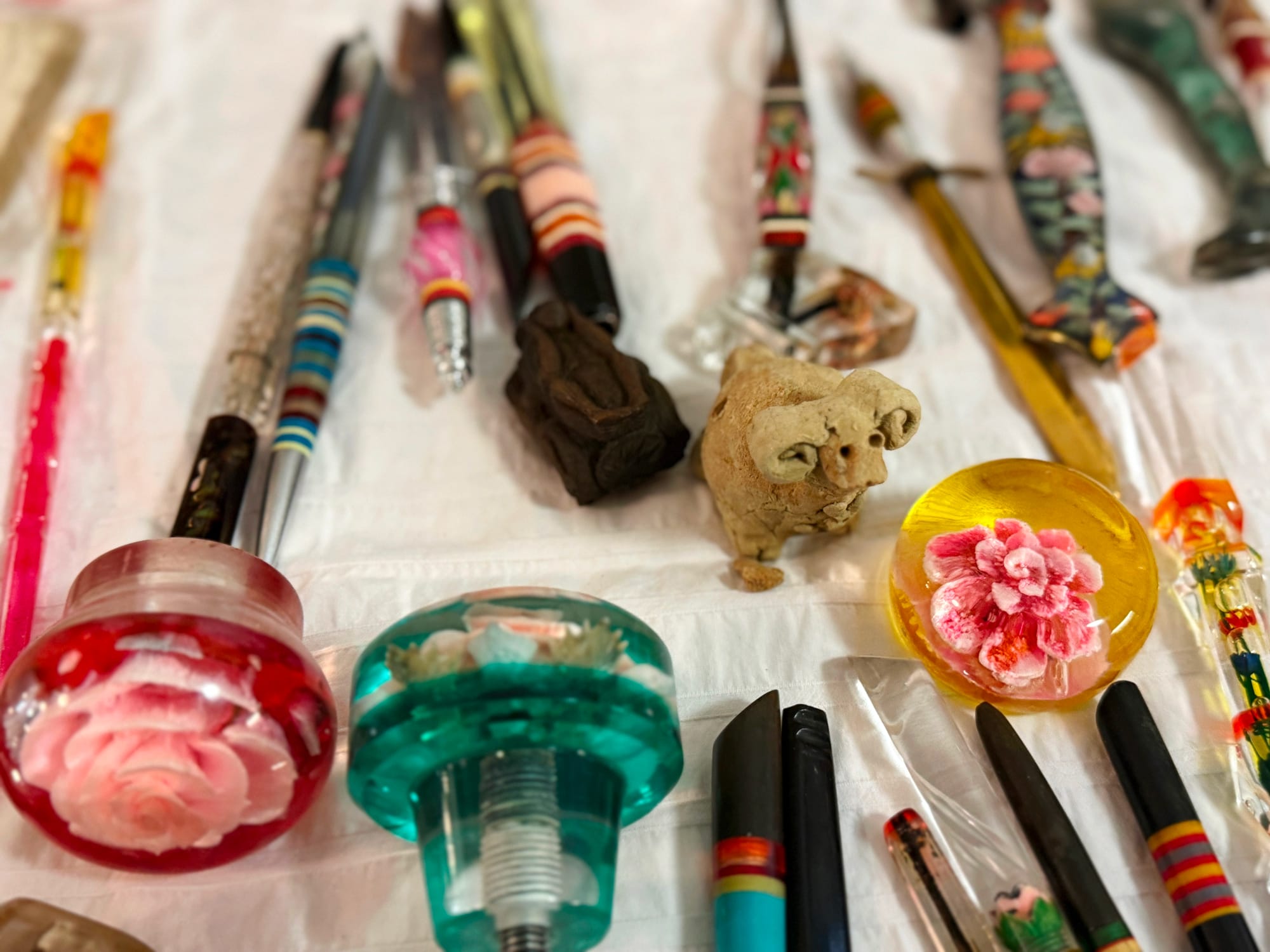
What happens when visitors answer an exhibition with forms and colours of their own? People with disabilities from Liechtenstein’s Special Education Centre, the hpz, chose objects in the LandesMuseum’s permanent galleries and made artworks in response. Those works are now displayed beside the objects that prompted them, as an exhibition within the exhibition. Othmar Kind’s Trüsche and Noah Büchel’s Uhu 2 are among them. The museum presents the project as accessibility taken a step further, towards participation, encounter and making things together. Out of the collection’s history, stories of their own emerge.
Nothing Happens Without Love: Silvia Ruppen’s Stamp Art
29 October 2026 – 25 April 2027
Pencil, brush and a few square centimetres. Silvia Ruppen designs Liechtenstein’s postage stamps by hand, and once wrote “Nothing happens without love” on one of her sketches. The LandesMuseum shows 49 of her stamps from 2001 to 2025. Rare bees and wasps share the space with a sand lizard, farm animals and science. Elsewhere she miniaturises a jade Fabergé egg, paintings by Gustav Klimt and Peter Paul Rubens, and Peter Fendi’s The Cautious Chambermaid. Each commission set the same problem: how to condense a complex subject into a tiny image that sparks curiosity and stays in the mind.
🇱🇺 Exhibitions in Luxembourg
From Renoir to Monet: Impressionism from the Rau Collection
9 October 2026 – 4 April 2027
The philanthropist Gustav Rau spent four decades building one of Europe’s most significant private art collections, then entrusted it to UNICEF. Its Impressionist holdings, usually housed at the Arp Museum in Germany, now come to Luxembourg’s national museum. Claude Monet, Pierre-Auguste Renoir and Mary Cassatt lead the selection, which includes Renoir’s small Femme à la rose of 1876. Paintings from the museum’s own collection join them. At the same time, Old Masters from both collections go the other way, to the exhibition Talking Pictures 1400–1800 at the Arp Museum Bahnhof Rolandseck in Remagen.
Ruin Echoes
24 October 2026 – 14 February 2027
Collapsed buildings, crumbling regimes, fading memories. Konschthal Esch treats the ruin as a place for critical inquiry, where entropy wears structures down and the debris may hold the start of new stories. More than forty artists work in film, sculpture, installation and photography. Bernd and Hilla Becher, Gordon Matta-Clark and Lee Miller are among the older names. Luc Tuymans, Thomas Ruff, Gregor Schneider, Alfredo Jaar and Santiago Sierra represent later generations, and the nineteenth-century landscape painter Barend Cornelis Koekkoek joins them all. Christian Mosar curates, in a town whose shape was set by iron.
Marta Dyachenko: Graue Strömung (Hydro)
24 October 2026 – 14 February 2027
What if the river came back? For more than a century iron shaped Esch, and beneath its industrial growth a river was channelled, covered over and erased from the centre, surviving as a caged watercourse. Marta Dyachenko, born in Kyiv in 1990 and based in Berlin, builds imaginary landscapes from models, sculpture and installation to test how architecture holds collective memory. She imagines the water returning, moving between the industrial past, the contained present and a possible future. Water appears as a condition of life, made fragile by climate change, and as a place where people gather.
🇳🇱 Exhibitions in Netherlands
Willem de Kooning at Work
9 October 2026 – 17 January 2027
In 1926 a young Rotterdammer stowed away on a cargo ship to America. A century later Willem de Kooning (1904–1997) returns with more than 120 works tracing over 65 years of drawing, from student exercises to charcoal sketches, with paintings and sculpture alongside. The Rijksmuseum argues that drawing was never preparation for him. It was how he explored, correcting, repeating and surprising himself, and it shows in nearly every finished work, from Pink Angels to Excavation. “I have to change to stay the same,” he said in 1981. Woman I and Woman and Bicycle hang near The Night Watch.
Document Netherlands: New Energy
9 October 2026 – 17 January 2027
Turbines hundreds of metres tall, power cables metres thick, platforms on the open sea. Kadir van Lohuizen spent this year’s Document Netherlands commission photographing the energy transition on and around the North Sea. He gained rare access to offshore wind farms, hydrogen plants, CO₂ storage sites and guarded data centres, and earned the certificates needed to work aboard installation vessels. The photographer and filmmaker, a World Press Photo winner, is known for projects on rising seas, migration and urban waste. Young photographers from the Junior edition show their own work in the second room.
Yoshitoshi: Master of the Moon
1 October 2026 – 4 January 2027
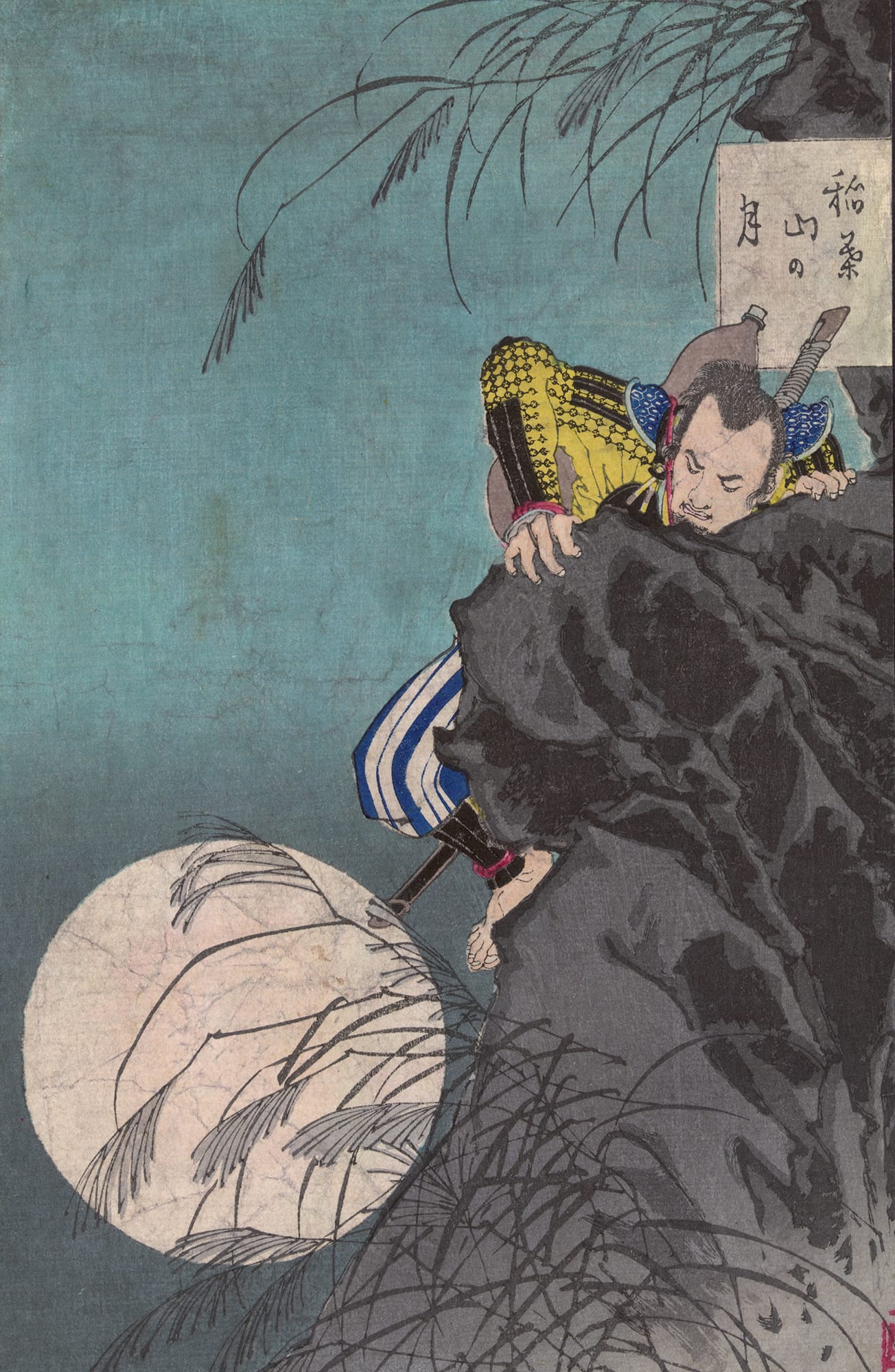
The moon is the one constant across Tsukioka Yoshitoshi’s One Hundred Aspects of the Moon, sometimes full in the sky, sometimes present only as light. Poets, samurai, courtesans and mythical figures from Japanese and Chinese history and folklore fill the hundred colour woodcuts, on show at the Van Gogh Museum for the first time. Yoshitoshi (1839–1892) blended Japanese tradition with Western perspective and realism, and the series counts among the last great achievements of ukiyo-e. Prints such as Jade Rabbit – Sun Wukong (1889) entered the collection from the heirs of Elise Wessels. The moon stands for contemplation and nostalgia.
Whistler: Dandy and Disruptor
16 October 2026 – 10 January 2027
“He seemed to be always inaugurating a revolution,” the critic Roger Fry wrote of James McNeill Whistler (1834–1903). The painter and printmaker believed art, like music, should above all evoke a mood, and his convictions often put him at odds with critics and patrons, at times even with the avant-garde. He might spend months or years on a single work that ends up looking effortless. Etchings and drawings made in Paris, Amsterdam and Venice join the paintings in his first Dutch retrospective. Van Gogh admired him, and once compared his own mother to the famous portrait of Whistler’s.
Myriam Boulos: A Collective Diary – Sexual Fantasies
23 October 2026 – 20 January 2027
White orchids cover a sitter’s eyes in one picture, while dust and graffiti coat a row of red theatre seats in another. Myriam Boulos, born in Lebanon in 1992, photographs Beirut through desire, intimacy and fantasy, and through the systems of power that shape bodies and land. Her first museum solo show follows her Foam Paul Huf Award and gathers the series Looking for tenderness, What’s ours, Sexual fantasies and Fragments of a collective diary in times of war. For Boulos, fantasy is a harmless realm of freedom, and the violence outside it is what deserves scrutiny.
Chez Matisse: Masterpieces from Centre Pompidou
3 October 2026 – 14 February 2027
“The window has served as my link to the outside world,” said Henri Matisse, and windows frame this loan of more than eighty works from the Centre Pompidou. Visitors move from enclosure towards openness, looking through, at and into them. La Blouse roumaine, painted in April 1940 on the eve of war, rarely leaves Paris. Le Violoniste à la fenêtre (1918) and Nature morte au buffet vert (1928) join it. Pierre Bonnard, Le Corbusier, Mark Rothko and Picasso, whose Nature morte au bougeoir of 1944 is here, show the conversation around him.
Marisol
9 October 2026 – 29 March 2027
Rotterdam gave Marisol a solo show in 1968, when her Venice Biennale presentation moved on to Museum Boijmans Van Beuningen, and the museum bought The Car (1964) four years later. The Venezuelan-American artist (1930–2016) became famous overnight for her colourful wooden figures, counted Andy Warhol as a friend, then faded from view. More than 80 loans fill three floors of the Depot, with key works from the Buffalo AKG Art Museum such as Tea for Three and The Fishman. Her own face recurs throughout, a way of asking who she could be as an artist and as a woman.
Plastic Sea, Perfect Storm
3 October 2026 – 7 March 2027
Three and a half billion kilos of vegetables and fruit are grown each year in Europe’s largest greenhouse complex, near the resorts of Almería in southern Spain. Photographer Rob Hornstra and writer Arnold van Bruggen show who grows them: some 150,000 people working six-day weeks, many of them migrants without papers, in heat that often passes fifty degrees and pushes the work into the night. Many live in shacks built from discarded pallets among the plastic greenhouses. Waste drifts across the plains and becomes part of the landscape. The work belongs to the pair’s long-term project The Europeans.
Theater Rotterdam: (Sur)render
17 October 2026 – 17 January 2027
Can a stage performance become an exhibition? Kunsthal Rotterdam and Theater Rotterdam test the idea with (Sur)render, a production by the choreographer Alida Dors that combines dance, music, poetry and video art. Its subject is how people lost touch with nature and with one another, and how they might reconnect. The scenographer Elsemarijn Bruys turns it into six spaces, each a stage in the relationship between humans and nature, moving through detachment, oppression and confrontation towards calm. Dors calls the current view of humanity no longer sustainable, and speaks of burnout and a new sense of “we”.
Drawn: Rotterdam!
17 October 2026 – 7 February 2027
Steaming bodies on a dancefloor, an ambulance’s flashing lights, the Maas under the moon. Tessa Biemans draws Rotterdam at night in chalk, one of this year’s three city artists commissioned by the City Archives and CBK Rotterdam on the theme of night. Peyman Fazeli works in pencil and charcoal on black, lit by clouds, street lamps and a spotlight, as in Nocturne with Cat. Steef Offerhaus, a former club organiser, followed taxi drivers, graffiti writers and fast-food workers into psychedelic collages. The tradition of commissioned city drawings ran until the late 1980s and returned in 2018.
Signac: Symphony of Colours
24 October 2026 – 28 February 2027
Stand back and the dots resolve into a harbour at sunset. Paul Signac (1863–1935) built on Georges Seurat’s method, setting complementary colours side by side for the eye to mix. Harbours, landscapes and portraits fill a show made with Museum Barberini in Potsdam, including Le Port au soleil couchant, Opus 236 (Saint-Tropez) from the Hasso Plattner Foundation. Signac painted the polders of Amsterdam, Volendam and Dordrecht, and his Le port de Rotterdam (1907) comes from Museum Boijmans Van Beuningen. Jan Toorop, who brought Neo-Impressionism to the Netherlands, appears with Henri-Edmond Cross, Théo van Rysselberghe, Maximilien Luce and Seurat.
You Will Find Us in the Best Places: A Survey Exhibition of Moshekwa Langa
24 October 2026 – 28 March 2027
Coffee, nail polish, lipstick, staples, yarn, car varnish, coal and refuse bags all turn up in Moshekwa Langa’s work. The South African artist grew up in Bakenberg, Limpopo, and later found that official maps left his hometown out, which set off a lasting concern with maps, borders and landlessness. Lines woven across paper, spools of thread and bodies of water follow from it. Nearly 120 works from three decades fill the whole building, grouped by theme rather than date. Langa came to Amsterdam’s Rijksakademie in 1997 and has lived in the Netherlands for more than 25 years.
Thyssen-Bornemisza ❤ Mauritshuis: Masterpieces from Madrid
15 October 2026 – 17 January 2027
Vermeer’s View of Delft and Frans Hals’s Laughing Boy are heading to Madrid, part of the first exchange between the Mauritshuis and the Museo Nacional Thyssen-Bornemisza. In return, 25 paintings come to The Hague, chosen around love, from infatuation to longing and loss. Jan van Eyck’s Annunciation Diptych, El Greco’s Annunciation, Bronzino’s young man as Saint Sebastian and Piero della Francesca’s Portrait of a Boy are among them. Sebastiano del Piombo’s Ferry Carondelet with his Secretaries hangs for the first time beside Willem van Haecht’s painting that shows it in miniature.
Graffiti
10 October 2026 – 29 March 2027
Ride a model train covered in miniature tags between the last two galleries. Josephine Pryde’s New Media Express is one of more than 120 works by seventy artists in a show marking 75 years of the spray can. Graffiti appears here as part of art history, from its origins among New York teenagers to its exchanges with the gallery. Jean-Michel Basquiat, Keith Haring, Lee Quiñones, FUTURA 2000 and Rammellzee share De Stallen with Yayoi Kusama, Lawrence Weiner and Carol Rama. Utrecht’s own scene appears in a sketch by the train-painting pioneer Michel Vos, alias Rhone.
Museum as Sundial
17 October 2026 – 21 February 2027
“A sundial represents both sky and ground,” says Defne Ayas, the Van Abbemuseum’s director, who conceived this show as an exercise in reorientation. The museum’s old building was designed ninety years ago around the sun, a design later renovations obscured. The building itself becomes the sundial, with the central gallery as the point of orientation and the rooms around it reaching out to places across Eindhoven. Gala Porras-Kim, Ei Arakawa-Nash, John Körmeling and Paul Panhuysen are among the contributors, alongside child art from the Rhoda Kellogg collection and mandala drawings by Anne Frank. It opens during Dutch Design Week.
🇪🇸 Exhibitions in Spain
Ricardo de Madrazo (1852–1917): dibujos y acuarelas
13 October 2026 – 17 January 2027
Follow one painter’s pencil across Spain, Europe and North Africa. Ricardo de Madrazo was the youngest son of Federico de Madrazo, who painted Spanish high society and twice directed the Prado. Recent acquisitions have allowed the museum to give the least-known Madrazo an exhibition of his own for the first time. It concentrates on work on paper, mostly sketchbooks, drawings and watercolours. Copies after old masters appear beside Orientalist subjects and scenes of everyday life, many of them made on his travels. His sister Cecilia married the painter Marià Fortuny, an early influence on Ricardo’s work.
Seba Calfuqueo. Cautín
6 October 2026 – 17 January 2027
Tiny frogs, sharp rocks, ribwort plantain and protective spirits belong to the same river here. The Cautín runs through the Araucanía in southern Chile, part of Wallmapu, the ancestral land of the Mapuche people. Seba Calfuqueo was born in Santiago in 1991 and has spent years researching it. Ceramic animals depict local species and carry synthetic decoration. Animations revisit Mapuche founding stories, while embroidered paintings redraw the region from historical archives and local plants. The artist’s own body appears in a video performance. It is the Mapuche artist’s first solo exhibition in Europe.
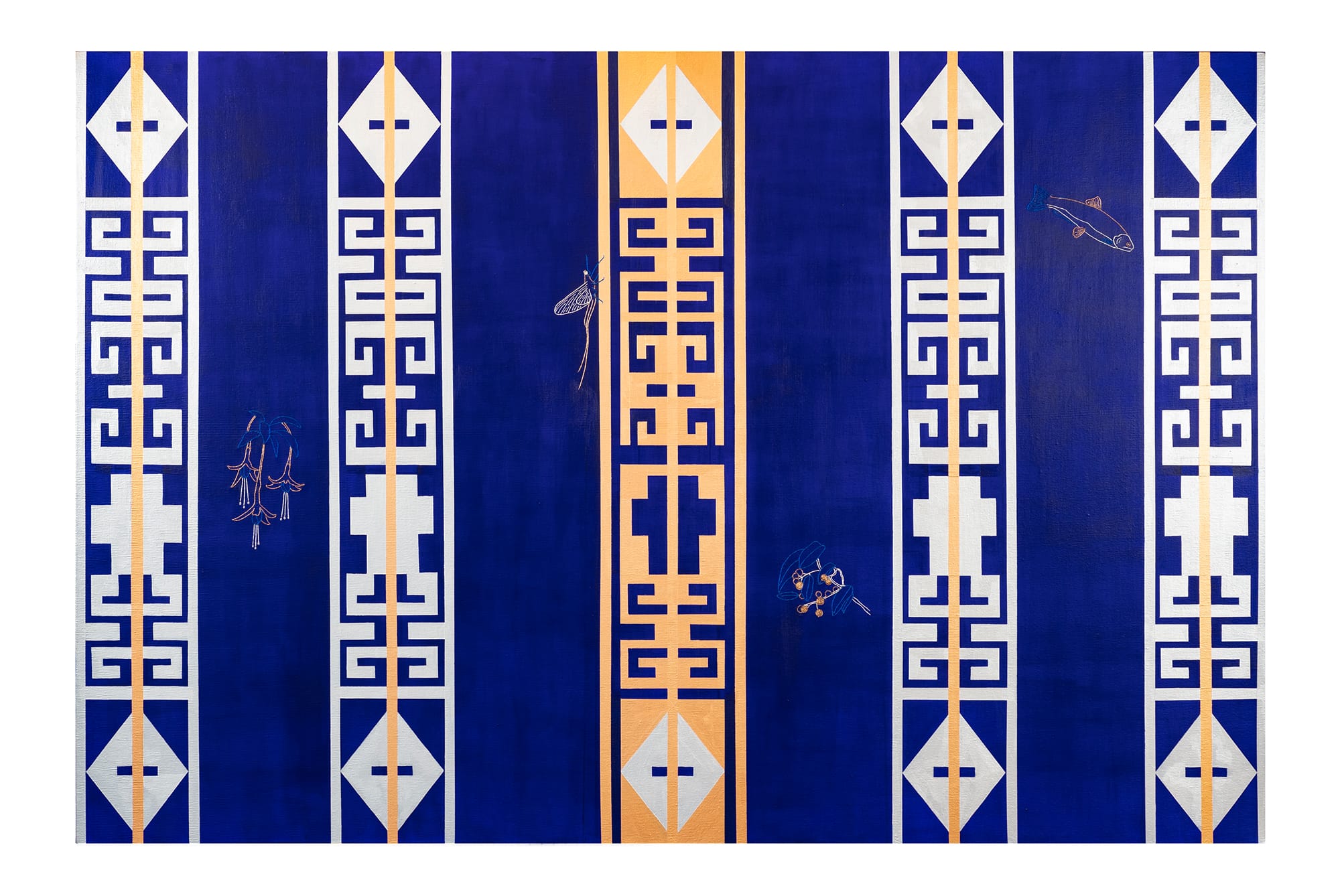
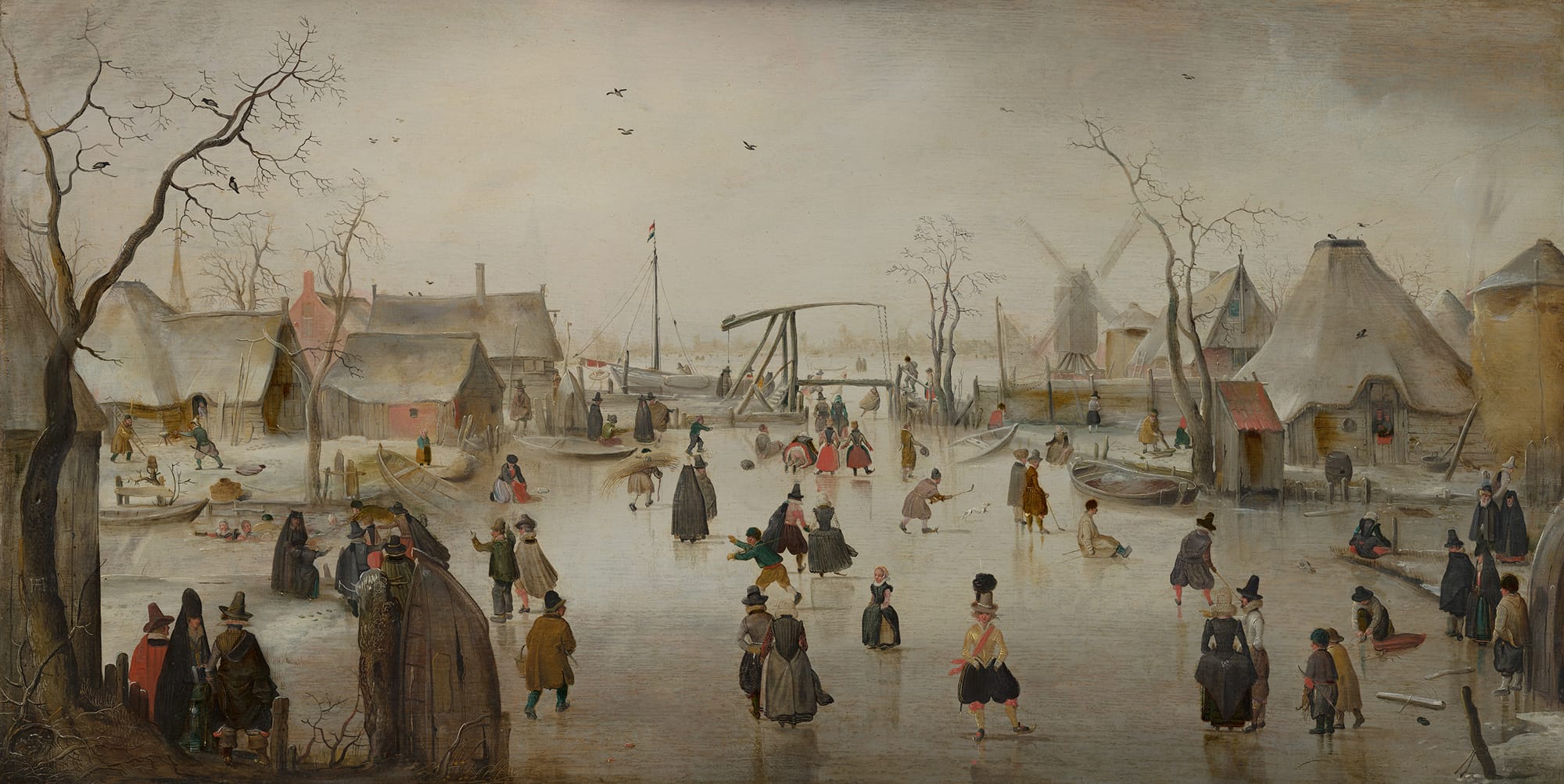
Mauritshuis ♥ Thyssen-Bornemisza: Masterpieces from The Hague
9 October 2026 – 10 January 2027
Three rooms, the last of them given over to a single painting: Vermeer’s View of Delft (c. 1660–61). The loan from the Mauritshuis is one half of an exchange, with Thyssen paintings travelling to The Hague. The Dutch pictures date from about 1615 to 1705. Still lifes and genre scenes fill the first room, landscapes and figure pieces the second. Bosschaert, Hals, Avercamp, Rembrandt, Steen and De Hooch are among the painters. Three Thyssen works hang beside Mauritshuis counterparts, including two violinists by Honthorst. Heinrich Thyssen-Bornemisza started the collection and settled in The Hague after 1919.
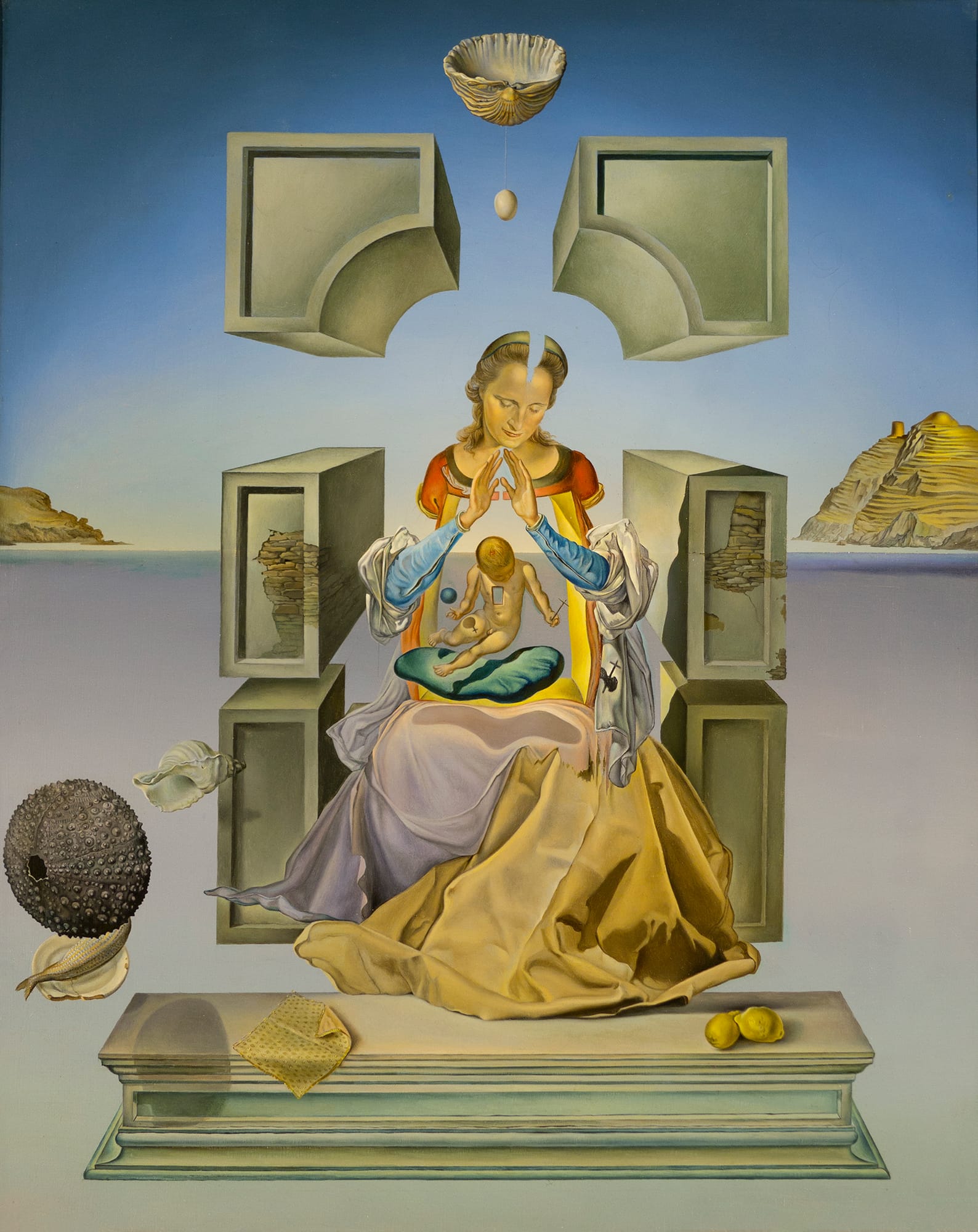
The Freudian Universe of Dalí
20 October 2026 – 24 January 2027
Few painters took their reading as personally as Salvador Dalí. He found translations of Freud in the early 1920s, while living at the Residencia de Estudiantes in Madrid. His “paranoiac-critical method” came out of that reading and became his decisive contribution to Surrealism. In 1938 he finally met Freud, who was living in exile in London. Six chronological sections follow the thread from a complicated childhood to late work made in Catalonia. Paintings and drawings by Ingres, Severini, Arp, Schwitters, García Lorca, Tanguy and Ramón y Cajal add context. Freud himself is also represented.
Charlotte Perriand. Free to Rethink the World
9 October 2026 – 28 February 2027
A sample of mercury from Alexander Calder’s fountain was among the papers Charlotte Perriand kept in her archive. It recalls her lifelong friendship with Josep Lluís Sert, who designed the Fundació Joan Miró. The two met in 1928 in Le Corbusier’s studio. During the Spanish Civil War Perriand took Sert and Moncha Longás into her Paris flat. This is the first exhibition in Spain devoted to the French designer. It follows her early years and her decade at Atelier Le Corbusier. Her tilting chaise longue belongs to that period, though Le Corbusier’s fame overshadowed her role.
Ever is Over All. Pipilotti Rist
1 October 2026 – 17 January 2027
Smash a car window with a flower and keep smiling. The woman in a light blue dress does exactly that in Pipilotti Rist’s Ever is Over All (1997), walking along a pavement as the glass gives way. Her stroll merges with dreamlike images of tropical flowers. The slowed-down soundtrack was composed by Rist with Anders Guggisberg. Born in Grabs, Switzerland, in 1962, Rist made her name in the 1980s by bringing the look of the music video into art. Guggenheim Bilbao shows the two-channel video installation on its own, in gallery 103.
Steve McQueen: 66–76–26
9 October 2026 – 21 February 2027
Breathing is part of the work, by the artist’s own account. Steve McQueen has said he wants to “put the public in a situation where everyone becomes acutely sensitive to themselves, to their body and respiration”. Born in 1969 and based in London and Amsterdam, he is known to cinema audiences for Hunger, Shame and 12 Years a Slave. His gallery work operates differently. Projection scale, sound, light and the viewer’s relation to the room matter as much as the image. The museum describes the effect as sculptural. The exhibition occupies gallery 105 of the Frank Gehry building.
Munch–Picasso
30 October 2026 – 28 February 2027
Forget the question of who influenced whom. Edvard Munch and Pablo Picasso are exhibited together here for the first time. The show looks at the subjects they shared. Love and desire recur in both, along with illness, death, solitude and existential anxiety. Women are central figures, admired and desired but also ambiguous. Cafés, cabarets and bohemian circles provide the settings of modern life. More than one hundred paintings, drawings and prints make the comparison, with the support of the Munchmuseet in Oslo. Munch’s The Murderess (1906) and Picasso’s Woman with Stiletto (1931) introduce the exhibition. Málaga is Picasso’s birthplace.
¡Olé! The Myth of Spanish Identity through Andalusia
3 October 2026 – 21 February 2027
Andalusia, “discovered” by foreign travellers in the early nineteenth century and sold as the image of Spain ever since. This exhibition traces how regional folklore became shorthand for Spanishness. Some artists saw a wild, primitive land. Others admired its beauty, folded its themes into the avant-garde or held on to kitsch. Later artists answered with irony. Goya, Doré, Sorolla, Zuloaga, Romero de Torres and Picasso all appear. Foreign painters include Mary Cassatt, William Merritt Chase and Kees van Dongen. Equipo Crónica, Miquel Barceló, Pilar Albarracín and the photographer Cristina García Rodero bring the story up to date.
Julio González, pintor y dibujante
22 October 2026 – 17 January 2027
Sculpture made Julio González’s name, while his painting and drawing stayed largely out of view. This cabinet exhibition in the museum’s Sala Noble sets out to change that. González was born in Barcelona in 1876 and died in Arcueil, near Paris, in 1942. On paper and canvas he worked through the same questions as in metal. Tradition pulls against modernity, and form is treated as structure and volume. Abstraction appears beside nature and rural life. One example is Deux femmes (c. 1920–23), lent by the Museo Reina Sofía. The show marks 150 years since his birth.
🇨🇭 Exhibitions in Switzerland
Ruth Asawa
18 October 2026 – 10 January 2027
Plain wire, looped by hand into hanging forms as fine as lace. Ruth Asawa turned the simplest materials into sculptures that blur abstraction and figuration, art and craft. This is her first retrospective in Europe. Asawa was born in California in 1926 to Japanese parents. In the late 1940s she studied at Black Mountain College under Josef Albers, Buckminster Fuller and Merce Cunningham. Drawings, prints, paintings and bronzes accompany the wire works. Later came fountains, murals and memorials for public spaces, along with a long campaign for arts education in the Bay Area.
Özgür Kar: Rock Bottom
30 October 2026 – 24 January 2027
Video behaves like sculpture in the work of Özgür Kar. Born in 1992, the artist combines video, animation, sculpture and sound into installations that occupy whole rooms. His subjects are solitude, longing and uncertainty. Theatre, animation and drawing feed a stripped-down visual language that holds opposing emotions together, somewhere between the grotesque and the tender. For his first institutional solo exhibition in Switzerland, Kunsthalle Basel becomes the stage for a new theatrical production across several rooms. The show was commissioned together with Spike Island, the contemporary art centre in Bristol.
Maria Lassnig and Edvard Munch: Flow of Paint = Flow of Life
2 October 2026 – 21 February 2027
Born more than half a century apart, and never before shown side by side. Maria Lassnig and Edvard Munch shared their subjects: bodies, emotions, illness, death and our relationship with nature. Munch kept returning to the cycle of life, death and renewal. Lassnig looked inward, painting “body awareness pictures” from the felt sense of her own body. Munch was one of her key reference points. Some 150 works include 78 paintings, with loans from the Munchmuseet in Oslo and the Maria Lassnig Foundation in Vienna. The subtitle is borrowed from a Lassnig painting of 1996.
Nikka. The Indian Painter
2 October 2026 – 30 May 2027
Lovers slip away to “a dubious place”, and the cobbler-saint Ravidas receives a visitor thought to be the weaver-poet Kabir. Both scenes come from the brush of Nikka of Guler, one of the finest painters of the Pahari region of North India. He was born into the family of the celebrated painter Nainsukh and worked in the second half of the eighteenth century. Princely portraits appear alongside series on religious and literary themes. Recent research now allows his works to be attributed more precisely. The works come from the museum’s Pahari collection, built up over fifty years.
Amazonian Legacies. Art and Archaeology
30 October 2026 – 14 March 2027
Look beneath the rainforest canopy and a human history of at least 13,000 years comes into view. Much of what passes for untouched forest in the Amazon was shaped by people over centuries. LiDAR laser scans now reveal settlements, earthworks and paths hidden under the trees. Decorated ceramics include a Marajoara funerary urn from Brazil in the form of a bird-human figure. Many such objects reached museums in Europe and North America without the consent of Indigenous communities. A virtual journey leads to the rock paintings of Chiribiquete and the Serranía de La Lindosa in Colombia.
Roberto Burle Marx. Modernismo tropical
17 October 2026 – 7 February 2027
Painting and music supplied the rules for the gardens of Roberto Burle Marx. Born in 1909, the Brazilian artist transformed landscape architecture in the first half of the twentieth century with plans that resemble abstract paintings. His parks used native plants when these were still considered inferior. He also campaigned for the study and protection of Brazil’s flora. Coloured plans, photographs and films present fifteen landscape projects, among them the Copacabana promenade in Rio de Janeiro. Paintings, costumes, tapestries, jewellery and objects from his own collection show the rest of his range.
Journey into Freedom. Capri – Skagen – Monte Verità
30 October 2026 – 31 January 2027
Three artists’ colonies at the edges of Europe, between 1830 and 1930. Painters left the industrial cities for Capri in southern Italy, Skagen in northern Denmark and Monte Verità in Switzerland. They wanted nature and freedom from bourgeois rules. Those who stayed longer saw past the postcard view. Fishermen risked their lives, women worked hard and poverty was plain to see. The exhibition follows both the hope and the disillusion. Some 70 works feature Anna and Michael Ancher, P. S. Krøyer and Marie Krøyer. Alexej von Jawlensky, Marianne von Werefkin and Karl Wilhelm Diefenbach also appear.
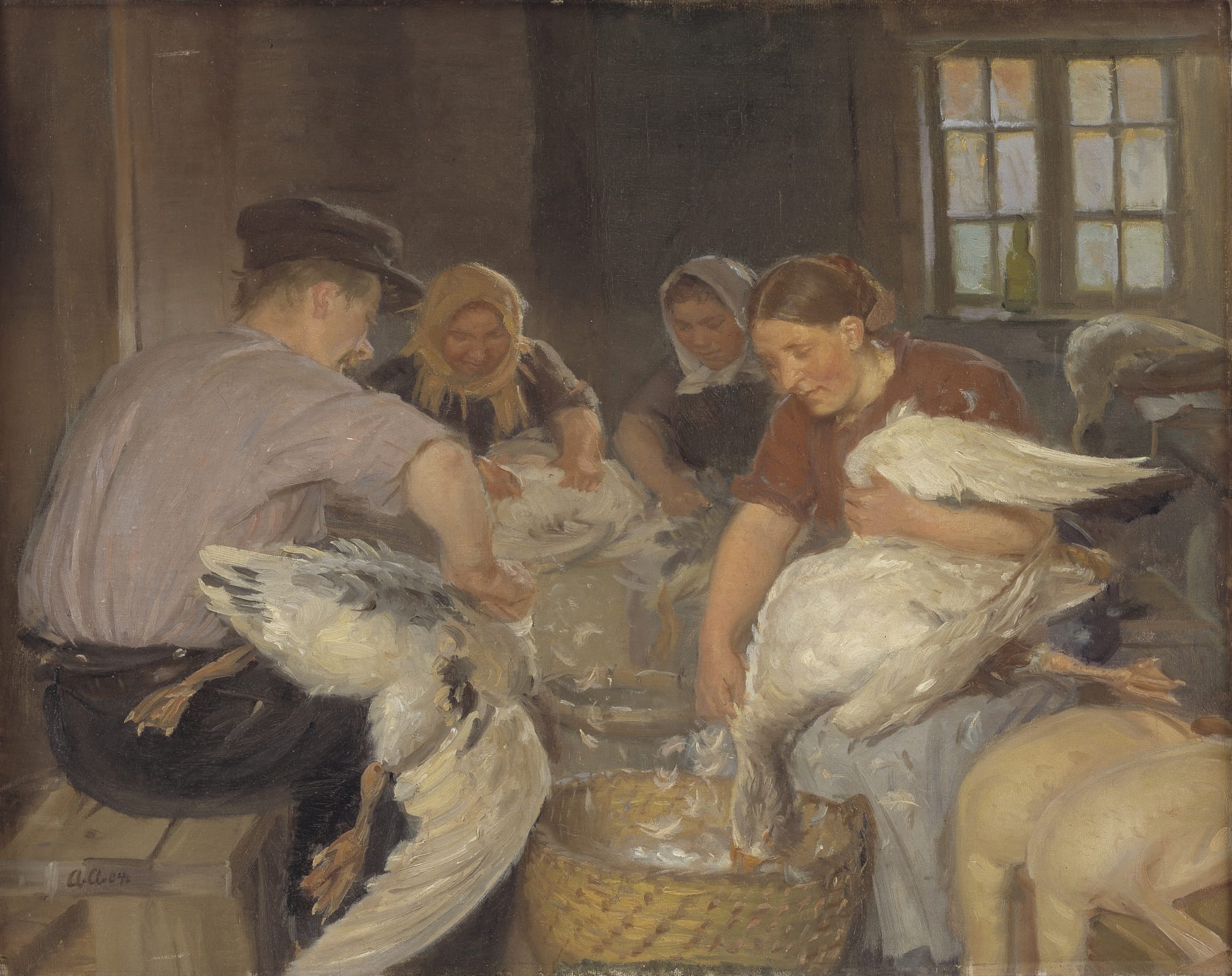
Ted Joans. Black Flower
9 October 2026 – 28 February 2027
André Breton called him the “only black Surrealist”, though Ted Joans travelled well beyond that label. Born in 1928, he grew up between Louisville and Fort Wayne. He first came across Surrealism in magazines his aunt brought home from the houses where she worked. He started out as a bebop trumpeter, then read poetry in Greenwich Village alongside Jack Kerouac and Allen Ginsberg. Racism in the United States drove him to Paris in the early 1960s. Joans is known mainly as a writer. This first solo exhibition dedicated to him shows his drawings, collages and silent films.
Helen Levitt – City at Play
24 October 2026 – 31 January 2027
Chalk drawings cover the walls and pavements of 1930s Harlem, left by the children Helen Levitt photographed at play. Born in Brooklyn in 1913, Levitt spent half a century on the streets of New York. She belonged to the Photo League, worked with Walker Evans and was among the early users of colour film. This retrospective brings together more than 200 photographs, colour slides and her short film In the Street (1948). Around 115 documents come from her archive, only recently opened to the public. The show was organised with Fundación Mapfre.
Mona Hatoum: Routes of Dissonance
3 October 2026 – 31 January 2027
Furniture is never quite safe in the work of Mona Hatoum. “If these objects become either unstable or threatening, they become a reference to our fragility,” she has said. Born in 1952 to a Palestinian family in Beirut, Hatoum moved to London in 1975. There she experienced being a foreigner through her own body, which fed her unsettling performances of the 1980s. Since the 1990s her sculptures and installations have used the absent body and the home to suggest threat and vulnerability. Austere forms meet fragile materials. The survey includes Remains of the Day (2016–18).
Kaspar Ludwig: unlimited, abstract, almost future
17 October 2026 – 4 April 2027
Cross one threshold, then the next. New sculptures and installations fill the first floor of Palazzo Reali and form a circular route from room to room. Their themes are thresholds, transitions and absence. The starting point is the liminal state described in the Tibetan Book of the Dead. Boundaries between human, animal and object begin to blur. Kaspar Ludwig works with clay, ceramics, wood and sound, joining craft skill with thoughts on relations between species. Born in Nuremberg in 1989, he won the 2026 Manor Art Prize Ticino, which comes with this exhibition.
🇬🇧 Exhibitions in United Kingdom
Renoir and Love
3 October 2026 – 31 January 2027
Join the Sunday crowd at the Moulin de la Galette, where couples dance in dappled light in Montmartre. Renoir’s Bal du moulin de la Galette (1876) comes from the Musée d’Orsay and is shown in the UK for the first time. It leads a group of 40 paintings about love, friendship and everyday affection. Couples waltz, lovers exchange glances, families share quiet moments and friends raise a glass. The focus is Renoir at his peak, from the 1860s to the 1880s. The Orsay, the National Gallery and the Museum of Fine Arts, Boston organised the show.
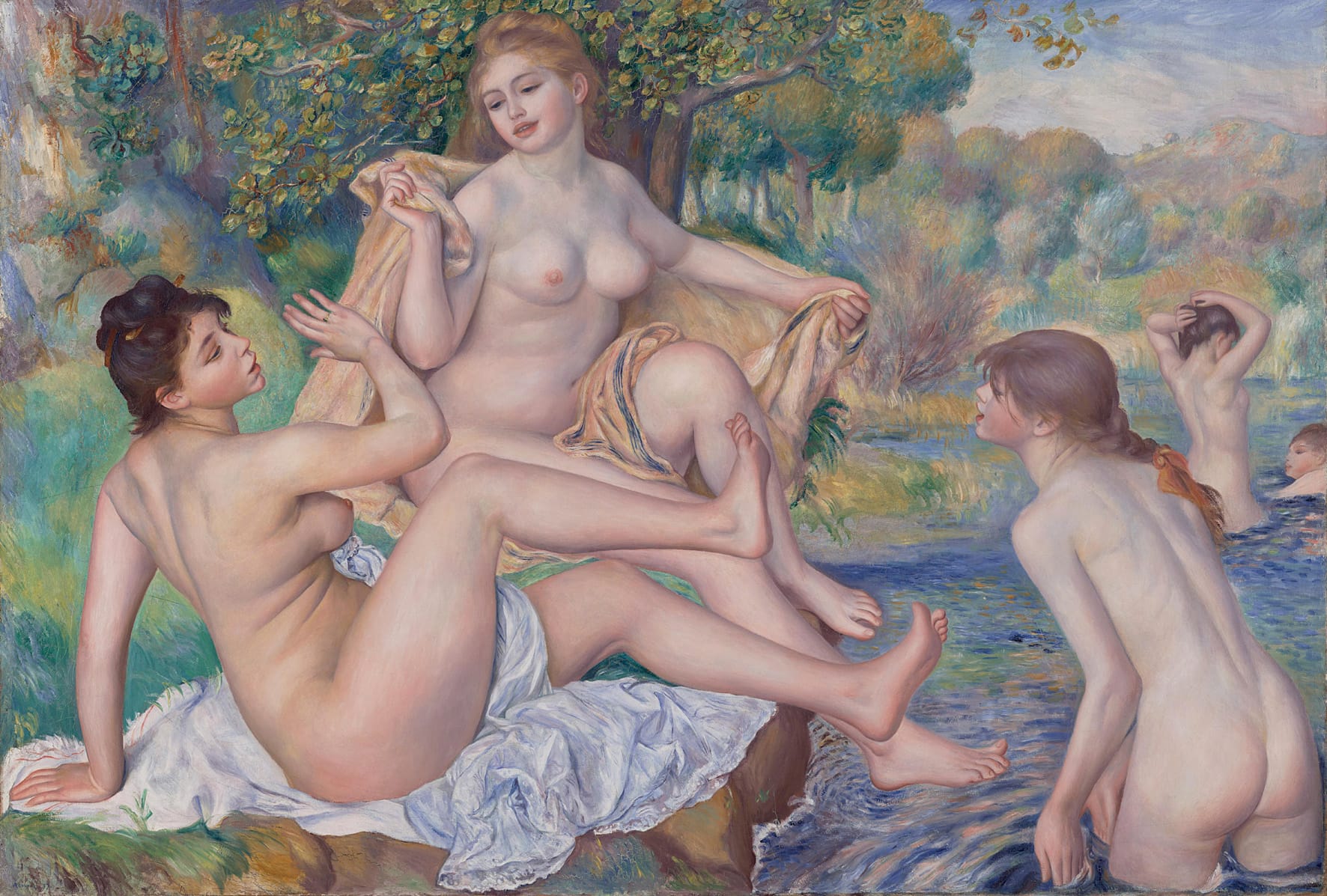
Yinka Shonibare and Thomas Gainsborough: A Conversation
15 October 2026 – 7 February 2027
Mr and Mrs Andrews have lost their heads. Thomas Gainsborough painted the wealthy couple around 1750, seated in their own Suffolk countryside. In 1998 the British-Nigerian artist Yinka Shonibare turned them into headless figures dressed in West African textiles. Mr and Mrs Andrews without their Heads links the couple’s wealth to the networks of colonial exploitation that ran through eighteenth-century Britain. Headless figures recur in Shonibare’s work and hint at the executions of the French Revolution. Painting and sculpture meet for the first time in Room 1, in a free display marking 300 years since Gainsborough’s birth.
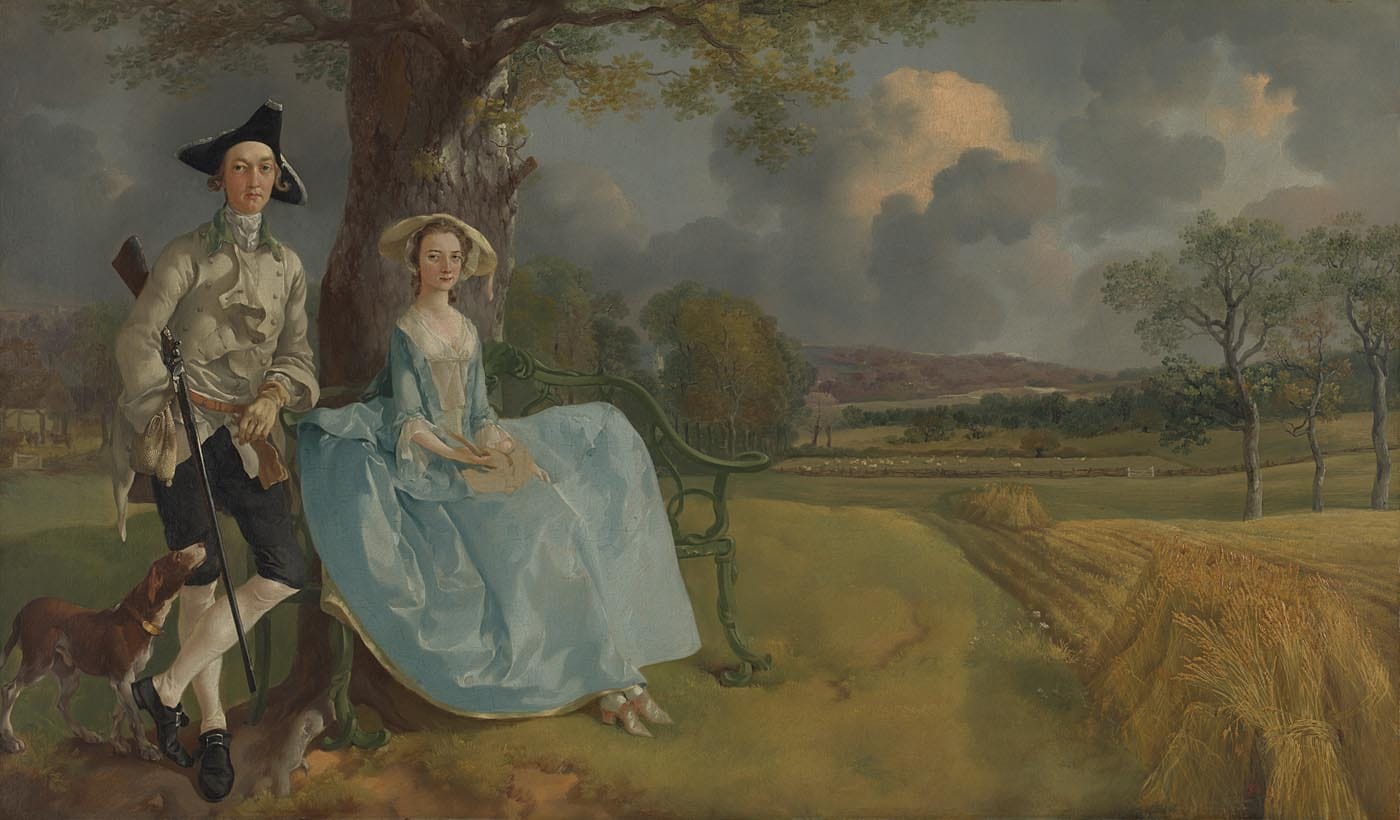
Hyundai Commission: Tarek Atoui
13 October 2026 – 11 April 2027
Instruments that double as sculptures, engineered together with other artists, composers and makers. Tarek Atoui builds them to test the way we hear. Atoui is a Lebanese artist and composer based in France. He draws on research into music history, instrumentation and sound production, and his installations combine music, technology, sculpture and performance. For the Turbine Hall he is making a new site-specific work, the 11th in the series supported by Hyundai Motor. On 16 and 17 October Atoui improvises inside the work with Emptyset, Mazen Kerbaj, Kenichi Iwasa and Aya Metwalli. Entry is free.
Light and Magic: The Birth of Art Photography
14 October 2026 – 21 February 2027
Pictorialists worked in darkrooms from Seoul to Sydney and from Cape Town to Singapore. Between the 1880s and the 1960s they shaped their prints by hand and claimed photography as an art. This is the first major exhibition to present pictorialism as a global movement. Over 200 rare prints by more than 80 artists include works never shown before, alongside pieces from Tate’s collection. Fan Ho’s Smoky World (1959) is lent by M+ in Hong Kong. Luo Bonian’s Drawing Water from a Well (1932) is a recent Tate purchase.
The 90s: Art and Fashion
8 October 2026 – 14 February 2027
Kate Moss poses in pink for Juergen Teller’s camera, London, 1998. As Britain came out of recession, art, design, fashion and photography merged into one cultural force. High art and pop culture fed each other. Photographs by Teller, David Sims and Corinne Day hang beside work by Steve McQueen, Damien Hirst, Sarah Lucas and Yinka Shonibare. Collections by Vivienne Westwood, Alexander McQueen and John Galliano join film and music culture. Barbara Walker’s Attitude (1998) widens the picture. Edward Enninful, the former editor of British Vogue, curated the show from his own experience of the decade.
Samuel Palmer and Modern Art
From 10 October 2026
“Housepainters and sky sloppers and brush blotters.” That was Samuel Palmer’s verdict, in 1828, on the watercolourists of his day. He looked instead to Michelangelo, to Dürer’s woodcuts and to William Blake, whom he met in 1824. In 1826 he left London for Shoreham in Kent and painted huge moons, night scenes and woolly sheep. A V&A exhibition in 1926 introduced his work to Paul Nash, Graham Sutherland and Eric Ravilious. This free display in Room 102 marks both anniversaries. A Kentish Idyll (about 1829–30) hangs with prints by Sutherland, Ravilious and Robin Tanner.
Degrees of Disruption: Vera Molnar and Generative Art
From 16 October 2026
Take a grid of squares and nudge a few out of line. Vera Molnar built a career on such small disruptions, first by hand and then, from the late 1960s, with computers. Born in Budapest in 1924, she worked in Paris for most of her life. This free display brings together more than 50 works by Molnar and by artists who write code today. Her plotter drawings include Interruptions (1969) and (Des)Ordres (1974). Prints by Casey Reas, Harm van den Dorpel, Licia He and William Mapan show how her algorithmic thinking still shapes digital art.
Korea
1 October 2026 – 31 January 2027
A single bequest supplies almost everything in this survey. More than 23,000 works from the collection of the late Samsung chairman Lee Kun-hee went to Korea’s national museums in 2021. The British Museum calls it the most comprehensive survey of Korean visual and material culture in Europe for over 40 years. It runs from about 300 BC to the present and includes 23 National Treasures and Treasures. Gilt-bronze burial shoes from AD 400–600 lead on to Jeong Seon’s Clearing after Rain on Mount Inwang (1751). The show closes on 1 and 2 December to change light-sensitive works.
Multiplied wonders: Italian Renaissance woodcuts
8 October 2026 – 21 March 2027
Pasted on walls, tucked into pockets and printed onto playing cards and maps, Renaissance woodcuts were made to be used. That is why relatively few survive. This free display in Room 90 is the first ever devoted to Italian Renaissance woodcuts, and every print comes from the museum’s own holdings. Many have never been shown. The route runs through Venice, Rome, Tuscany and Emilia, from early devotional sheets to chiaroscuro prints. Designs by Titian and Parmigianino show how leading painters worked with specialist cutters. A hand-coloured Battle of Zonchio from about 1499 is among the highlights.
Painting the French Riviera
2 October 2026 – 31 January 2027
For Monet, the Riviera was like “swimming in blue air”. Braque called it a “joyful revelation”. From the 1870s the coast drew artists, writers and aristocrats away from industrial cities. More than 160 works trace how it fed Impressionism, Post-Impressionism and modernism, and how it later became a holiday destination and a film location. Paintings, sculpture, travel posters and film run from the 1870s to the 1960s. Matisse’s Interior at Nice (c. 1919), Raoul Dufy’s Golfe Juan (1927) and Yves Klein’s ANT 84 (1960) are among them. The exhibition was organised with the Cleveland Museum of Art.
Duncan Campbell: A New No
10 October 2026 – 4 January 2027
Small discs flip on a screen to draw graphs that rise and fall. The flip-dot display at the centre of A New No uses a technology first installed at the Montreal Stock Exchange. Duncan Campbell animates flow charts, hand-drawn lines, Soviet cut-out animation and brief flashes of film on it. A faltering narrator moves around the room and tries to make sense of the screen. GoMA itself occupies Glasgow’s former Royal Exchange. Campbell won the 2014 Turner Prize, and this is his first major work in a Scottish institution since then. It closes GoMA’s 30th-anniversary programme.
Gözde İlkin: Those Who Remember Their Births
10 October 2026 – 17 January 2027
Take a stack of vintage family bedsheets, work them with batik and shape them with wire into waves. That is the method behind Those Who Remember Their Births (2026), a new commission by the Istanbul-based artist Gözde İlkin. The flowing forms follow the coastline of West Cornwall. İlkin developed the work during a residency at Porthmeor Studios, studying the landscape and social history of St Ives. Embroidered motifs taken from archival photographs appear beside contributions from local women. Together they honour the lives, labour and communities that have shaped the town across generations.
Wilhelmina Barns-Graham
24 October 2026 – 3 May 2027
Ice, light and movement on the Grindelwald Glacier, seen in 1949, changed the course of Wilhelmina Barns-Graham’s painting. This exhibition includes the largest museum presentation of her glacier works to date. With more than 170 paintings, drawings and archival items, it is the most comprehensive survey of her work ever staged. Born in 1912, Barns-Graham was a key figure in the mid-century art community of St Ives. Her eight-decade career moves from early landscapes and studio interiors to bold colour and sweeping gesture. The show ends with the vivid Scorpio paintings of her last decades.
Sophie Calle: Something Missing?
3 October 2026 – 24 January 2027
Absence is the subject Sophie Calle returns to most. In her words, she is driven by “the things that are missing”. This survey is her first institutional exhibition in the UK in over fifteen years. In The Blind (1986), 23 people born without sight describe their idea of beauty. In Voir la Mer (2011), residents of Istanbul see the sea for the first time. On the Hunt traces what people want in a partner, from personal ads of 1895 to Tinder. The Louisiana Museum of Modern Art organised the show with Turner Contemporary and De Pont in Tilburg.