12 art exhibitions around Europe opening in August 2026
August is the interval of the exhibition year. Much of the continent goes on holiday, so museums plan around it, clearing their walls and saving the premieres for September. This issue of Kunsti Radar lists just twelve openings across five countries.

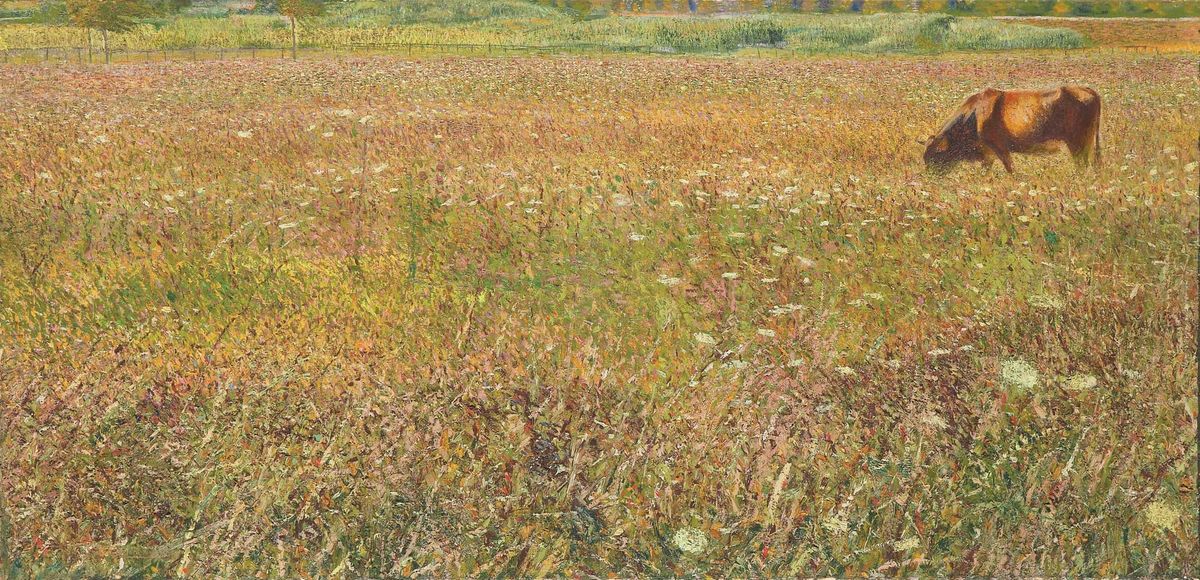
August is the interval of the exhibition year. Much of the continent goes on holiday, so museums plan around it, clearing their walls and saving the premieres for September. Our previous issue counted 117 exhibitions closing in August, while this one lists only twelve opening across five countries. For once nothing needs skimming: you can hold a dozen in your head, and you can read this issue whole, first entry to last.
Switzerland accounts for five of them. In Basel, the Kunstmuseum brings out roughly fifty Roy Lichtenstein prints, many shown publicly for the first time. Two open in Bern: the first half of a Franz Gertsch retrospective at the Kunstmuseum Bern and a Florence Henri survey at the Zentrum Paul Klee. In Lugano, MASI shows the young Umberto Boccioni on his way to Futurism, while Lausanne gives its project space to the Manor Art Prize winner Lucas Erin. Copenhagen’s two share one building and one date. On 27 August, Nikolaj Kunsthal opens Maria Wæhrens’s walk-through painting upstairs and Christian Skjødt Hasselstrøm’s cosmic-ray sound work below.
The strangest experiment of the month is in Vaduz, where Stefan Kainbacher has wired living plants into eight server racks and set an artificial intelligence eavesdropping on their electrical chatter. Antwerp offers the lightest touch: Jürgen Addiers titles his M HKA show I Have No Idea What I Am Doing and writes it across the gallery in hanging metal spheres. Britain adds three. In Edinburgh, the Royal Scottish Academy hosts Catherine Opie’s first solo exhibition in Scotland, and Modern Two marks 150 years of Gwen John with a survey of seldom-seen work. Manchester’s Whitworth gives a full year to Reflections, gathered around the Sikh idea of community. Only two entries are brief: Antwerp closes on 20 September, Vaduz on 4 October. Everything else stays up into November at least, with nine of the twelve crossing into 2027, so an autumn itinerary can be built from this Kunsti Radar issue alone.
🇧🇪 Exhibition in Belgium
Jürgen Addiers: I Have No Idea What I Am Doing
28 August – 20 September 2026
Metal spheres hang from the ceiling, spelling out a phrase: I Have No Idea What I Am Doing. Jürgen Addiers takes that admission as a working method, filling M HKA’s top-floor Inbox space with paintings, neon, video and one central installation. Humour runs through the show, a means of facing doubt and the absurd head-on. Not-knowing becomes a licence to experiment, curious and unafraid of looking foolish. A free preview opens the show on the evening of 27 August, ahead of a compact run into September.
🇩🇰 Exhibitions in Denmark
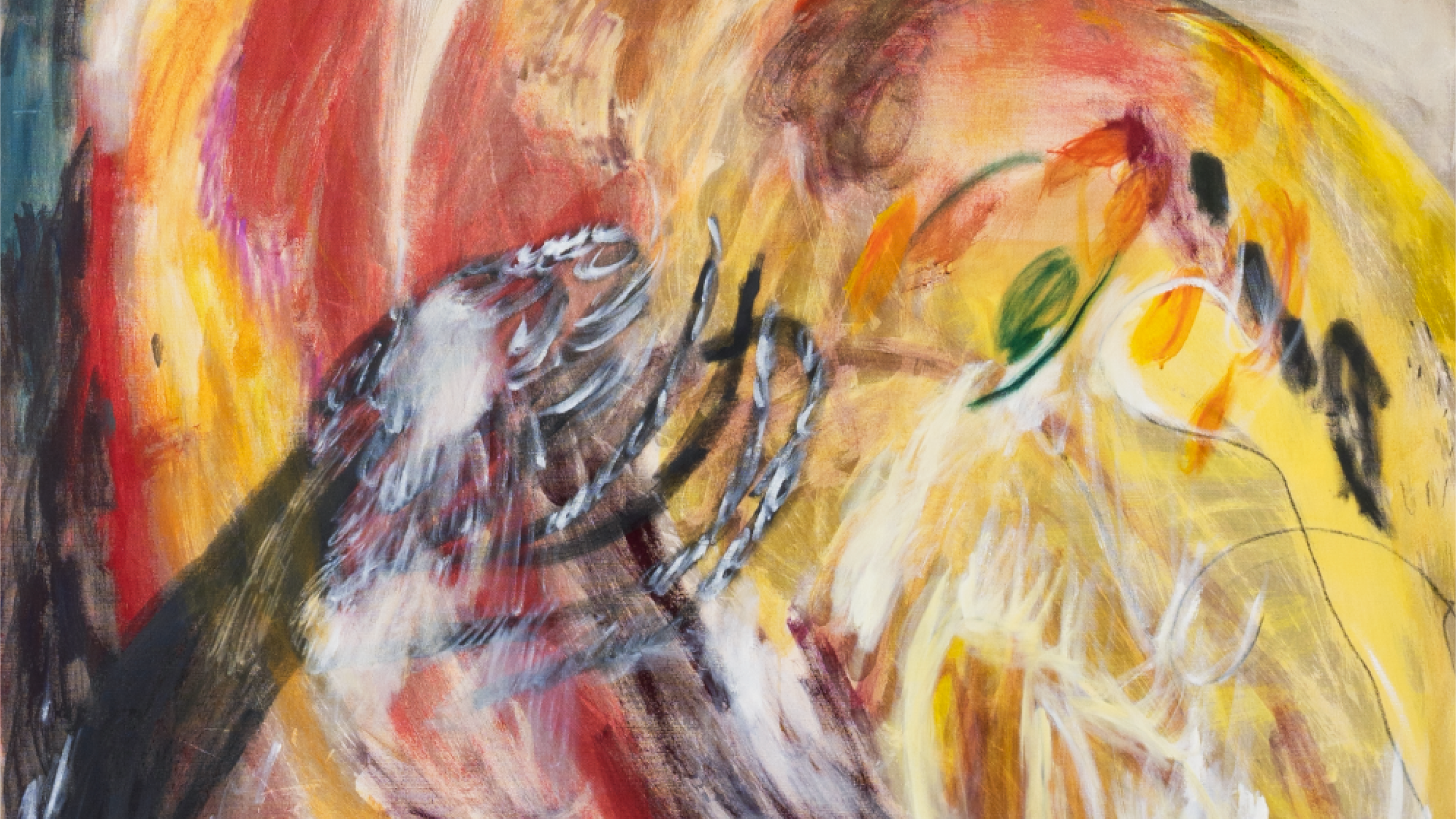
Maria Wæhrens: The Answer
27 August 2026 – 10 January 2027
Enormous canvases hang free of the walls, closer to fabric than to framed pictures, and you walk between them. Maria Wæhrens gives Nikolaj Kunsthal’s Upper Gallery over to one expansive composition, painting directly onto the raw brick in egg tempera so the building enters the work. The show grows from a dream in which an angel appeared to her, answered now in saturated colour and a single spatial sweep. This is her largest solo presentation in Copenhagen, painting lifted off the wall and set loose in the room.
Christian Skjødt Hasselstrøm: Meridians
27 August 2026 – 10 January 2027
Step inside one of the sculptural listening stations and the gallery tunes you to something the body usually misses. Cosmic rays fall through the room like a fine invisible rain. These high-energy particles from deep space pass through walls and visitors alike. Christian Skjødt Hasselstrøm makes them audible. For this site-specific sound work the composer turns Nikolaj Kunsthal’s Lower Gallery into a kind of detector, developed with the Niels Bohr Institute, Sound Art Lab and B&O. Meridians completes a trilogy that began with µ and Myriads, each tuned to what normally escapes the senses.
🇱🇮 Exhibition in Liechtenstein
TRIALOGUE: Holobiont Habitat – Chapter 1: Decode
11 August – 4 October 2026
Eight black server racks stand in a ring like a technological Stonehenge, each packed with living plants, grow lights, speakers and cameras. Stefan Kainbacher wires them into one circuit at the Kunstraum Engländerbau, where sensors read the plants’ faint electrical signals and pass them to an AI trying to decode a language it was never built to hear. Projectors throw the machine’s analyses onto the walls. Monitors show it thinking aloud, full of guesses and dead ends, while synthesisers turn the plant data into a live soundscape. The whole gallery runs as one live experiment.
🇨🇭 Exhibitions in Switzerland
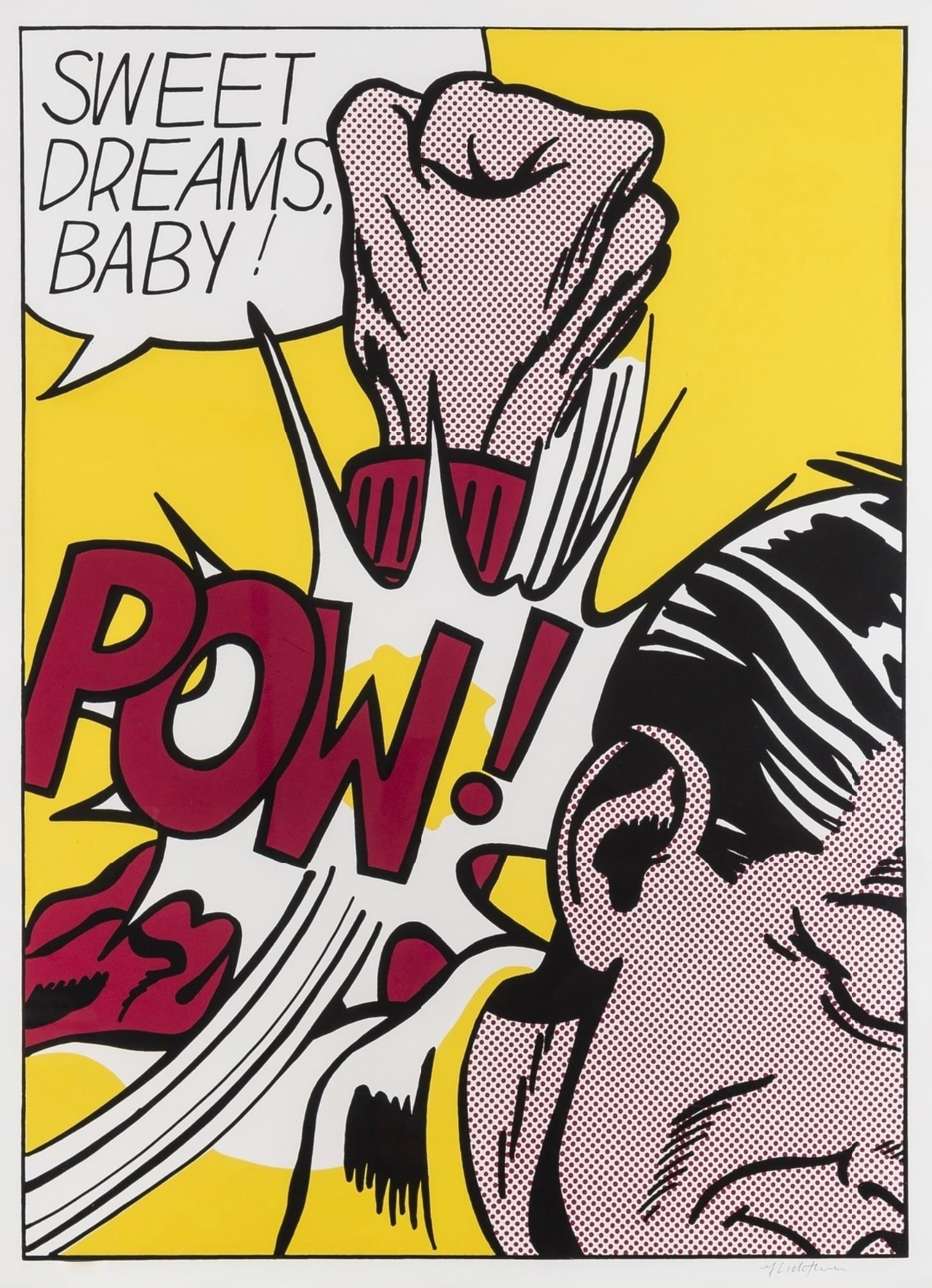
Roy Lichtenstein: Sweet Dreams, Baby!
22 August 2026 – 14 March 2027
Look closely at a comic panel and it dissolves into rows of coloured dots. Roy Lichtenstein built a career from that mechanical grid. The Kunstmuseum Basel gathers roughly fifty of his prints, many never publicly shown, tracing the American from student experiments of the late 1940s to the technically dazzling later work. Portrait alone was built up through eighteen printing stages. Most of the sheets arrived as a gift from the artist’s foundation, giving Basel one of the largest holdings of Lichtenstein prints outside the United States. Two loaned paintings keep them company.
Florence Henri (1893–1982)
29 August 2026 – 10 January 2027
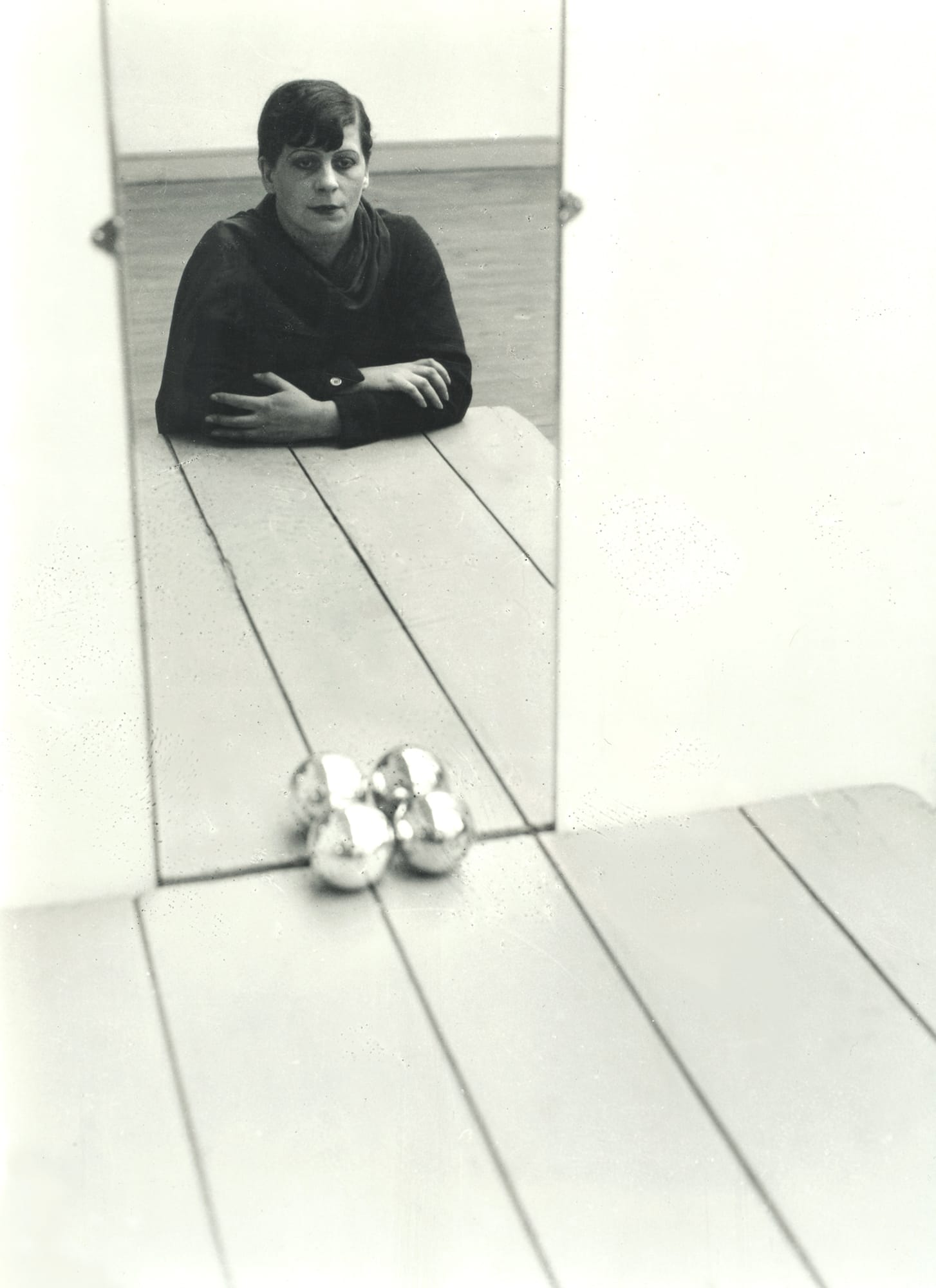
Two chrome balls sit before a mirror while a woman’s reflected portrait turns sculptural. That 1928 self-portrait made Florence Henri a name in avant-garde photography, though she began and ended as a painter. Born in New York in 1893, she studied at the Bauhaus under Paul Klee and Wassily Kandinsky, then lived across Munich, Paris, Rome and the Isle of Wight. The Zentrum Paul Klee follows her through more than eighty works, from canvases made alongside Fernand Léger to the experimental photographs and a late return to abstraction.
Franz Gertsch: Blow-Up (Part I)
14 August 2026 – 17 January 2027
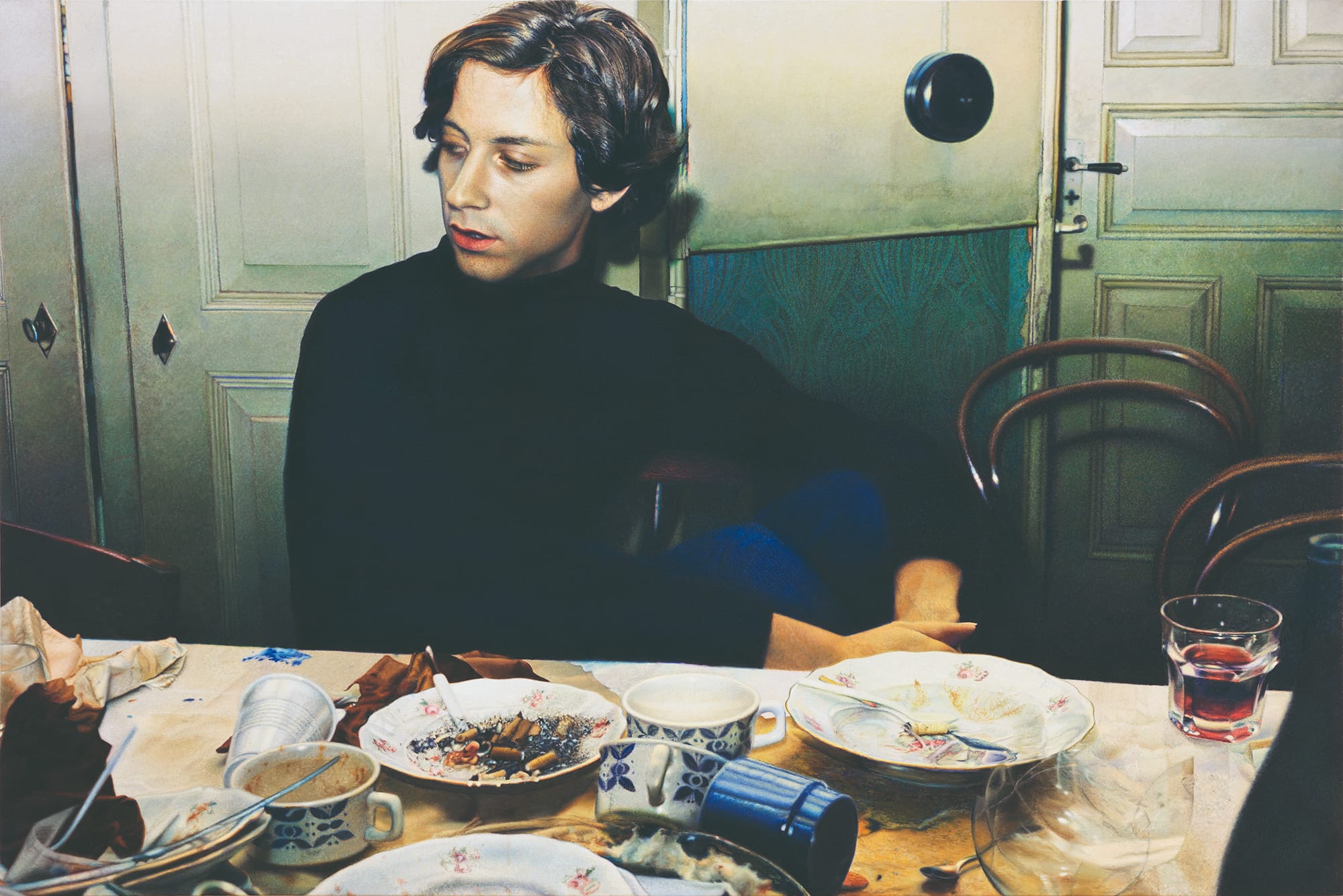
A photograph blown up to wall size stops being a photograph and becomes something slower to read. Franz Gertsch spent six decades testing that threshold, first as a Swiss pioneer of photorealist painting, later as a master of the outsized woodcut. The Kunstmuseum Bern takes the first half of a two-part retrospective, covering 1956 to 2021, from the monumental canvases of the 1970s music scene to luminous portraits and epic landscapes. Questions about photography’s grip on painting feel newly urgent in the age of the selfie. A companion show continues at the Museum Franz Gertsch.
Lucas Erin: La ronde
28 August 2026 – 14 February 2027
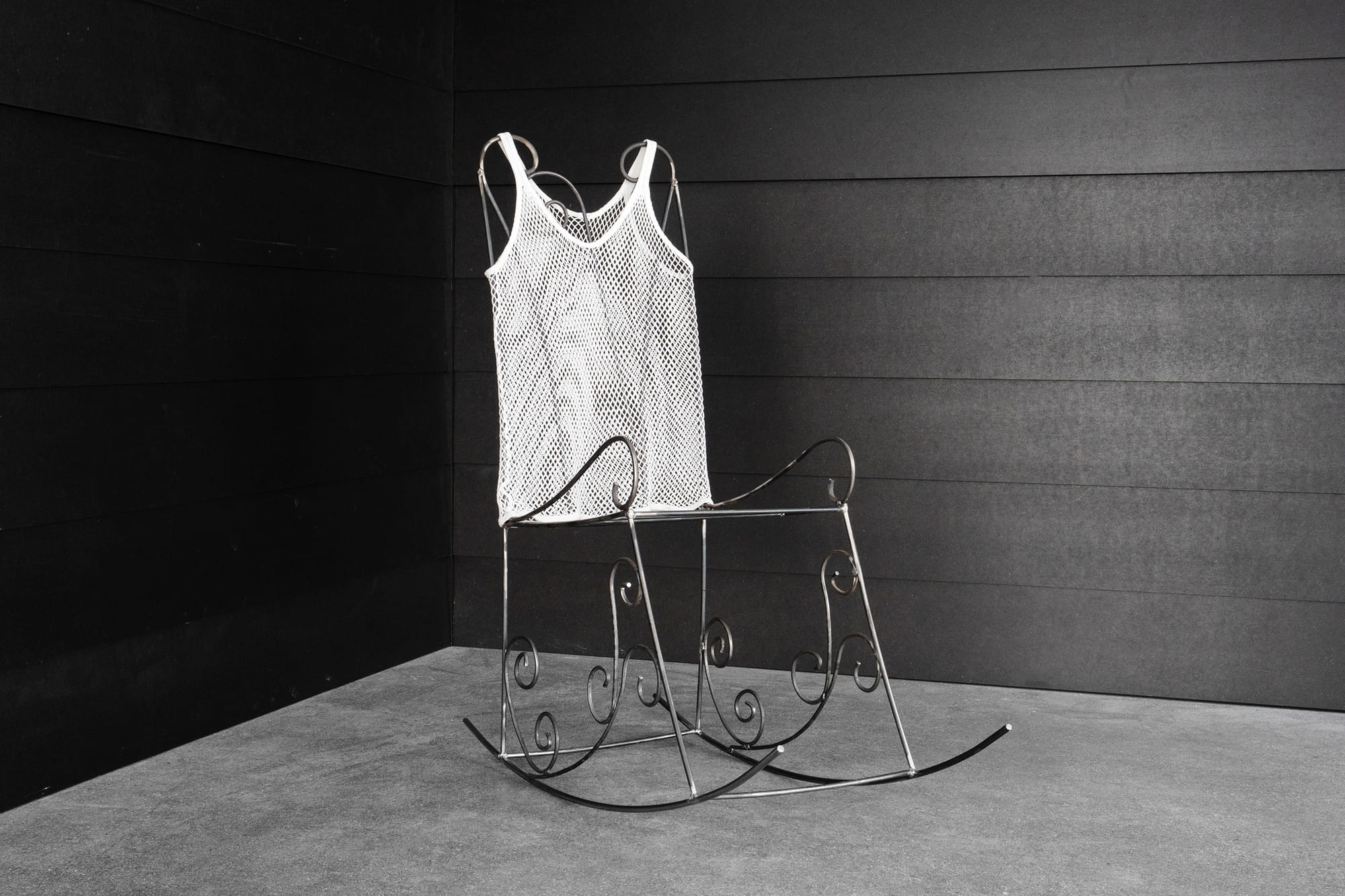
Season by season, a garden shifts meaning as it crosses latitudes and histories. That terrain shapes the work Lucas Erin has made for the Espace Projet at Lausanne’s fine-arts museum. Working in installation, sculpture and sound, the artist treats a found object as the trace left where one thing touches another. Martinican heritage and theories of creolisation thread through the arrangements, where crafted and salvaged pieces hint at half-told stories. The show marks his Manor Art Prize Vaud, a biennial honour whose past laureates include Julian Charrière and Gina Proenza.
Umberto Boccioni: Towards Futurist Liberation
7 August 2026 – 24 January 2027
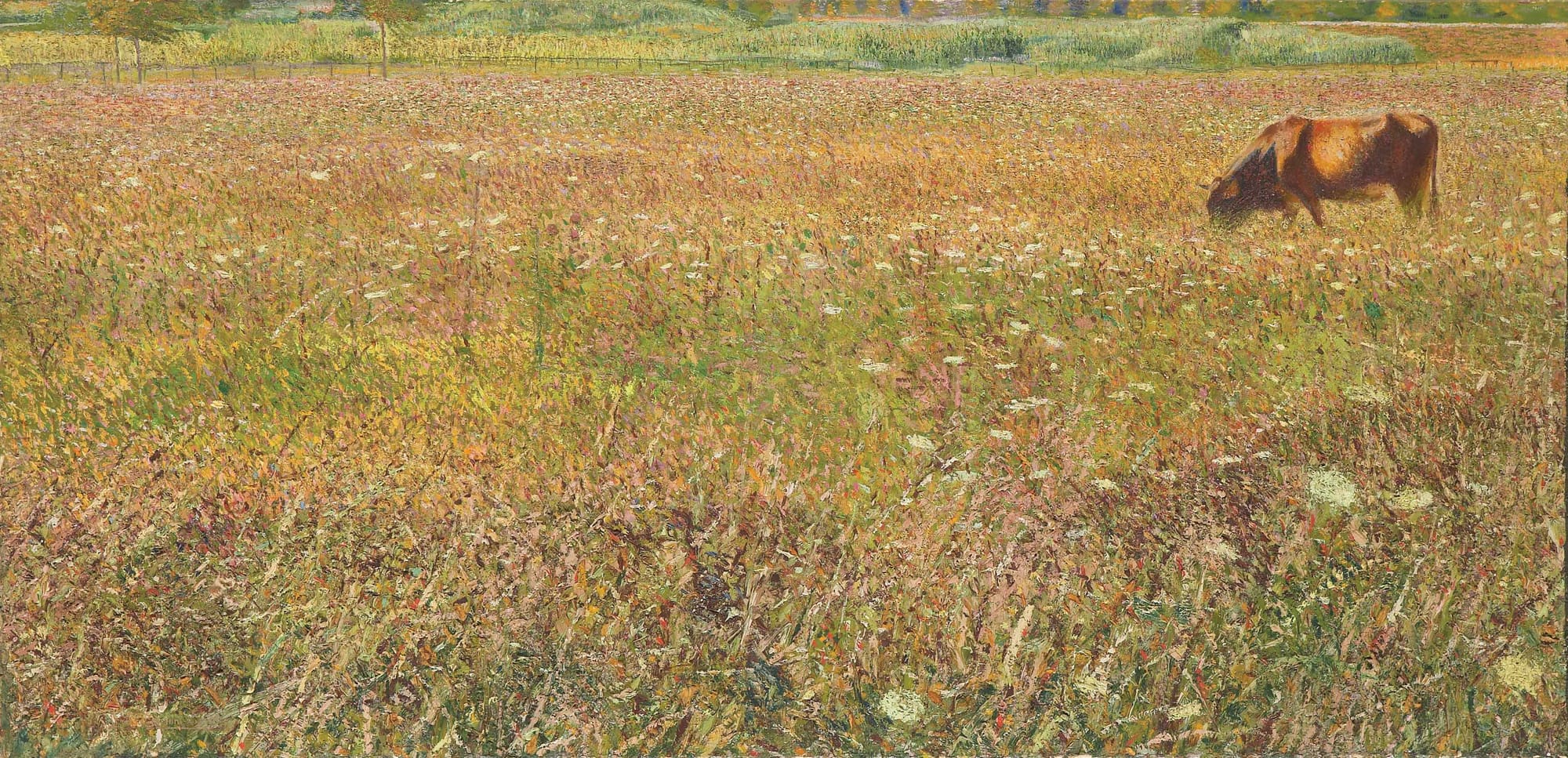
“I’m searching, searching, searching, and not finding,” Umberto Boccioni wrote in his diary in 1907, years before Futurism made his name. That restlessness runs through fifteen works at the MASI in Lugano, tracing the painter from his earliest canvases of 1903 to the formal breakthroughs of 1911. A core of pre-Futurist paintings, given to the city by the heirs of his Milan patron Gabriele Chiattone, meets a handful of key early Futurist pictures on loan. Nude from Behind (Backlight) shows him already straining towards the dynamism that would define the movement he helped found.
🇬🇧 Exhibitions in United Kingdom
Catherine Opie: To Be Seen
8 August – 1 November 2026
A leather-clad figure sits for the camera with the composure of a Renaissance sitter. The American photographer Catherine Opie has spent three decades granting that dignity to surfers, high-school footballers, queer friends and herself. Touring to the Royal Scottish Academy from London’s National Portrait Gallery, this is her first solo show in Scotland and gathers nearly eighty portraits, hung alongside faces from Scotland’s own collection. Early work such as Being and Having meets self-portraits and images of artists lit like Old Masters. The subjects range from intimate to openly political.
Gwen John: Strange Beauties
1 August 2026 – 4 January 2027
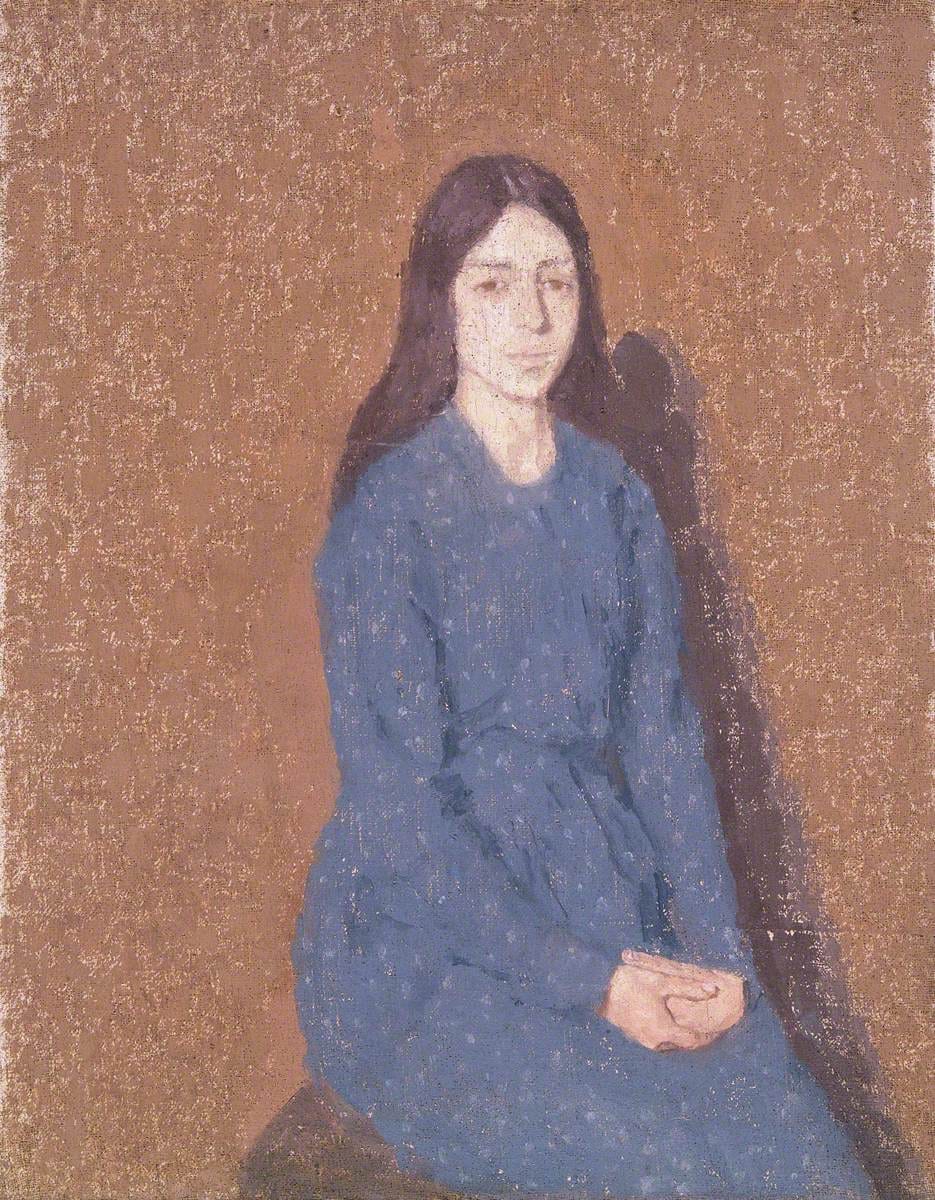
Quiet has rarely been so exacting. Gwen John built a career from hushed interiors and solitary women, painted in narrow bands of grey. Marking 150 years since her birth in Pembrokeshire, Modern Two mounts her first sizeable retrospective in over four decades. Rarely seen drawings and watercolours join the familiar oils, many shown for the first time, following her path from Slade training in London to the Parisian suburb of Meudon where she settled. Girl in a Blue Dress and A Corner of the Artist’s Room in Paris show a calm and determined vision.
Reflections: Sangat and the Self
1 August 2026 – 29 August 2027
Step into a space arranged for reflection rather than display. Built with the collective without SHAPE without FORM, whose thinking draws on Sikh philosophy, this Whitworth show pairs recent work by Jasmir Creed and Roo Dhissou with pieces from the collection. Creed turns inward, towards emotional intensity and the private work of introspection. Dhissou looks outward, to gathering, compassion and mutual care. A year-long programme of workshops, wellbeing sessions and social gatherings runs alongside, treating healing as something both personal and shared. The Sikh idea of sangat, or community, holds it together.