105 new art exhibitions opening in March 2026
The arrival of March brings a notably busier schedule to the European cultural calendar, as many major institutions debut their primary spring programmes.

The arrival of March brings a notably busier schedule to the European cultural calendar, as many major institutions debut their primary spring programmes. This month, the focus is squarely on the masters of form and light. In Paris and Berlin, the Grand Palais and the Neue Nationalgalerie are staging significant surveys of Henri Matisse and Constantin Brancusi, both produced in collaboration with the Centre Pompidou. These exhibitions offer a rare chance to witness works like Blue Nude II and Sleeping Muse in new contexts, exploring how these artists distilled the human figure to its absolute essence.
Further north, the season feels notably more experimental and tactile. In Copenhagen, Marina Abramović is transforming the subterranean Cisternerne into a cinematic opera house, while in Antwerp, the FOMU presents a sprawling investigation into the modern family unit. This issue of Kunsti Radar tracks these diverse narratives — from the precision of Canaletto’s eighteenth-century vistas in Vienna to the radical, surrealist fashion of Elsa Schiaparelli at London’s V&A.
Whether you are planning a weekend in the galleries of Munich or a trip to the rugged Normandy coast that inspired Claude Monet, the coming weeks and months offer a wealth of reasons to travel. We hope this selection helps you navigate the month’s most interesting openings, whether they are found in a major capital or a quiet seaside town.
🇦🇹 Exhibitions in Austria
Canaletto & Bellotto
24 March – 6 September 2026
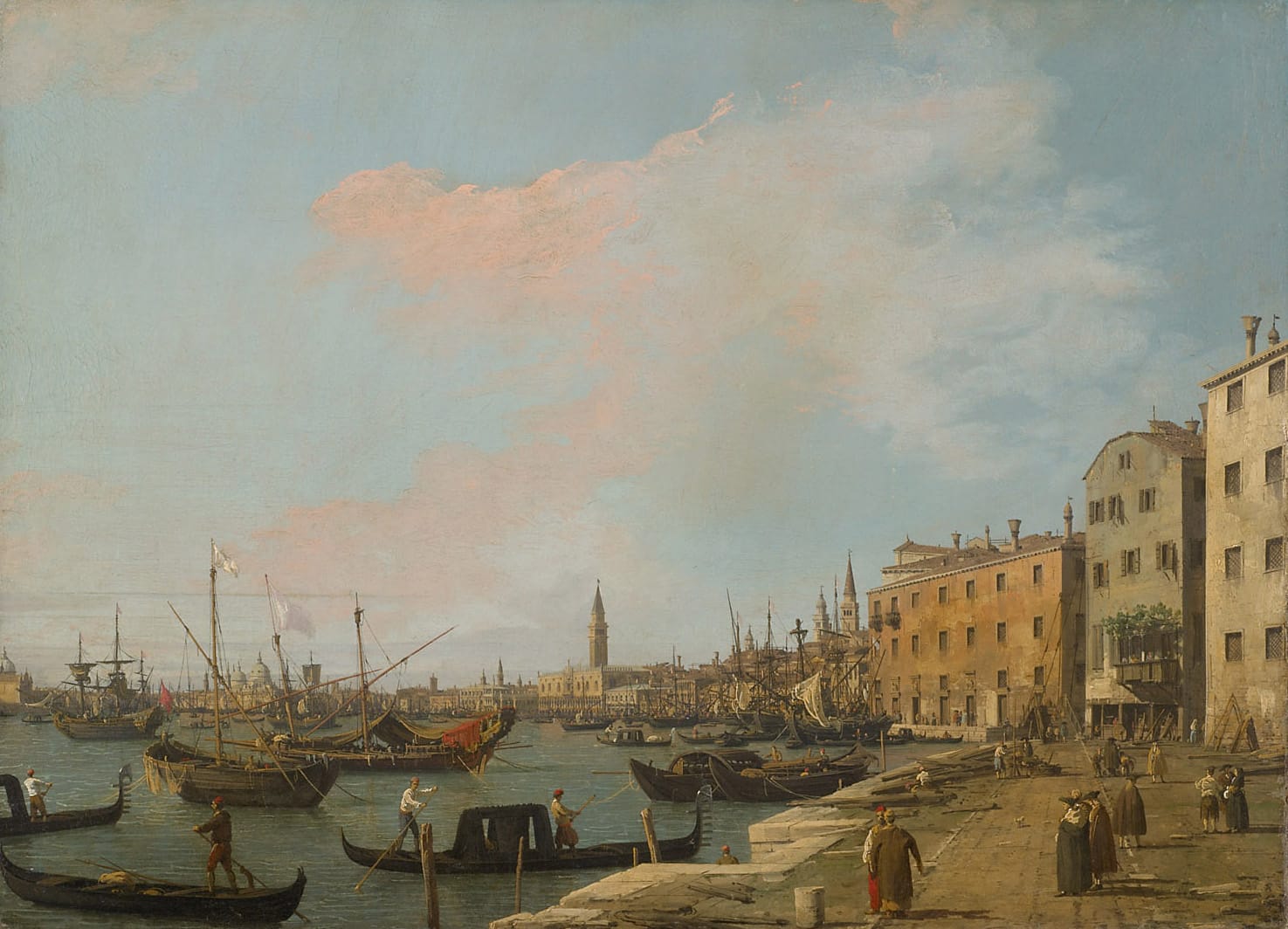
The Kunsthistorisches Museum in Vienna explores the profound influence of Giovanni Antonio Canal, known as Canaletto, and his nephew Bernardo Bellotto. Opening on 24 March 2026, this exhibition places their meticulous urban vistas into a fresh dialogue for the first time in the German-speaking world. Using tools like the camera obscura, these artists blended scientific precision with idealized theatricality. Visitors can admire Canaletto’s celebrated Venice scenes alongside Bellotto’s rare Viennese views. It is a look at eighteenth-century Europe through the eyes of two masters who reinvented the city.
Care Matters: An Exhibition of the Verbund Collection
12 March – 28 June 2026
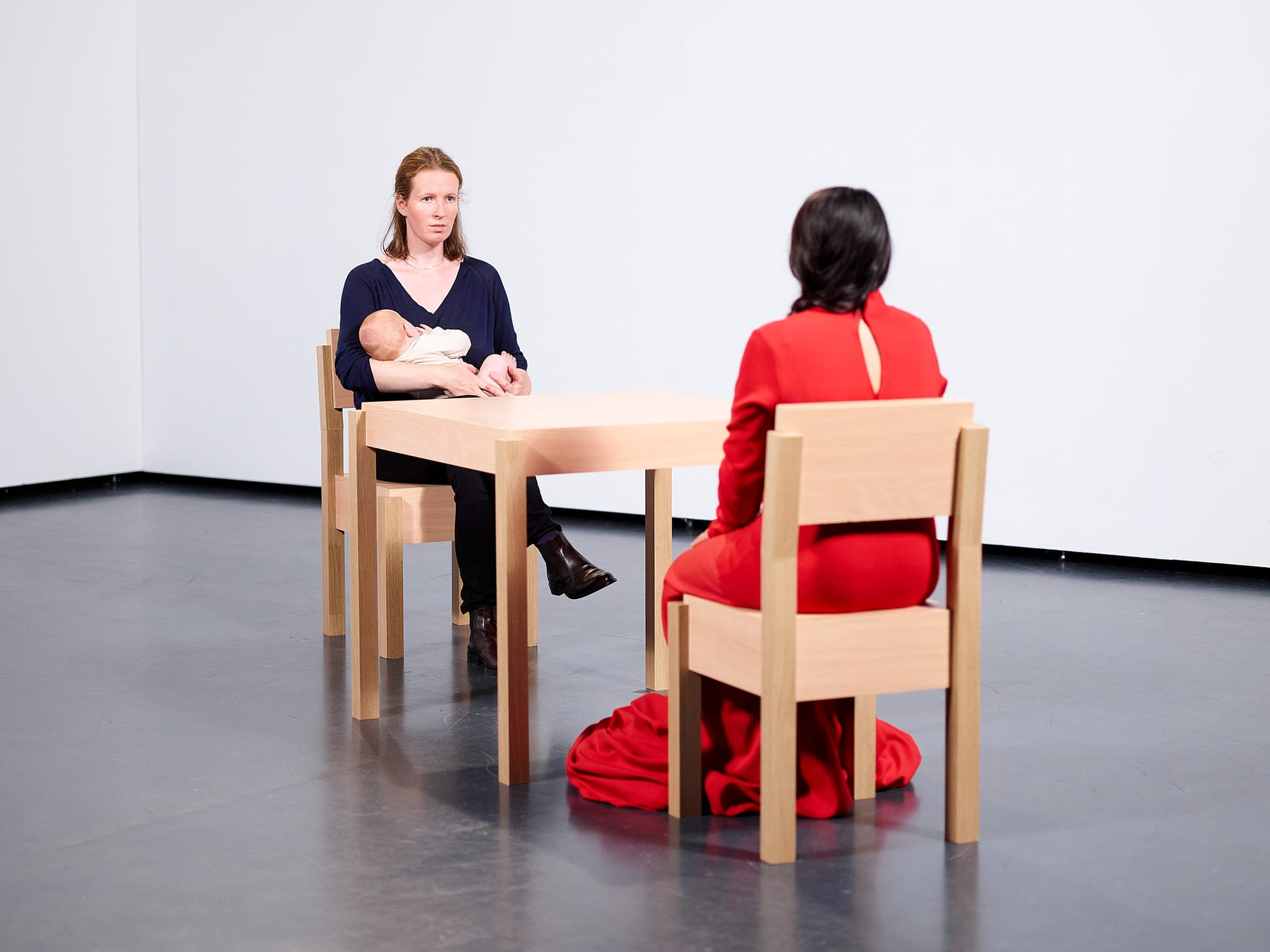
How do we value the labour that keeps society functioning? This poignant exhibition at Vienna’s Albertina Museum explores the often invisible world of care work through the lens of the Verbund Collection. By contrasting the 1970s Feminist Avant-Garde with contemporary perspectives, the show examines domesticity, motherhood, and elderly care. Featured works like Mary Sibande’s They don’t make them like they used to challenge our perceptions of precarious labour and intergenerational solidarity. It is a thoughtful investigation into the kitchen’s semiotics and the essential, yet frequently undervalued, roles predominantly performed by women in our modern global culture.
Dance Images
3 March – 7 June 2026
The Albertina Modern presents a captivating exploration of how movement and rhythm have been immortalised through the camera lens. This inaugural exhibition on dance photography draws exclusively from the museum’s vast archives, tracing the evolution of the art form from 1860s ballet portraits to the daring experiments of the 1920s and ’30s. A particular highlight is the vibrant independent scene in early 20th-century Vienna, where dance was radically redefined. Visitors will encounter striking works like Charlotte Rudolph’s Mary Wigman in “Space Figure”, which showcase the technical and stylistic shifts that allowed photographers to capture the very essence of human motion.
Ndidi Dike: Rare Earth Rare Justice
6 March – 31 May 2026
British-Nigerian artist Ndidi Dike explores the unsettling intersections of global capitalism and human rights in her first major Austrian exhibition, Rare Earth Rare Justice. Focusing on cobalt mining in the Democratic Republic of the Congo, Dike uses a mix of sculpture, photography, and installation to trace the links between resource extraction and ecological destruction. Her research-heavy practice transforms found objects into a poignant commentary on African history and modern exploitation. This timely intervention at the Secession invites visitors to confront the uncomfortable origins of everyday technology and the enduring legacies of colonialist trade structures.
Marianna Simnett: Circus
6 March – 31 May 2026
Opening soon at the Secession, Marianna Simnett’s Circus promises a vivid multimedia experience that delves into the complexities of her Jewish-Croatian roots. Through a striking blend of light, sound, and sculptural forms, Simnett creates an atmosphere where the surreal serves as a mechanism for healing. Key elements include a spinning skirt suspended like a Big Top and evocative soundscapes that confront the viewer with raw human sensations. By examining themes of vulnerability and endurance, the British-Croatian artist uses these theatrical metaphors to navigate historical trauma, transforming the gallery into a powerful space for reclaiming physical agency.
Reba Maybury: I Come in Peace
6 March – 31 May 2026
Artist, author, and political dominatrix Reba Maybury brings her provocative inquiry into power and patriarchy to the Secession this March. In the exhibition I Come in Peace, Maybury uses her unique dual identity — often performing as “Mistress Rebecca” — to subvert traditional dynamics of dominance and submission. By encouraging her submissives to create artworks under her direction, she critiques the commodification of female identity and reimagines erotic labour as a form of resistance. It is a bold, multidisciplinary exploration of how private desires intersect with broader socio-political structures, challenging visitors to reconsider the very nature of authority and agency.
Animalia. Of Animals and Humans
27 March – 30 August 2026
The Heidi Horten Collection presents Animalia. On Animals and Humans, an investigation into the intricate relationship between ourselves and the natural world. Spanning over 100 works from the 20th and 21st centuries, the show takes its name from Carl von Linné’s biological classification that unites humans and beasts under one “soulful” umbrella. By juxtaposing pieces by artists like Damien Hirst and Andy Warhol, the exhibition critiques the rigid hierarchies and projections we impose on fellow creatures. It is a thought-provoking experiment that moves beyond mere representation to consider animals as vital co-actors in our shared global ecosystem.
The Collection. Reorganization
From 8 March 2026
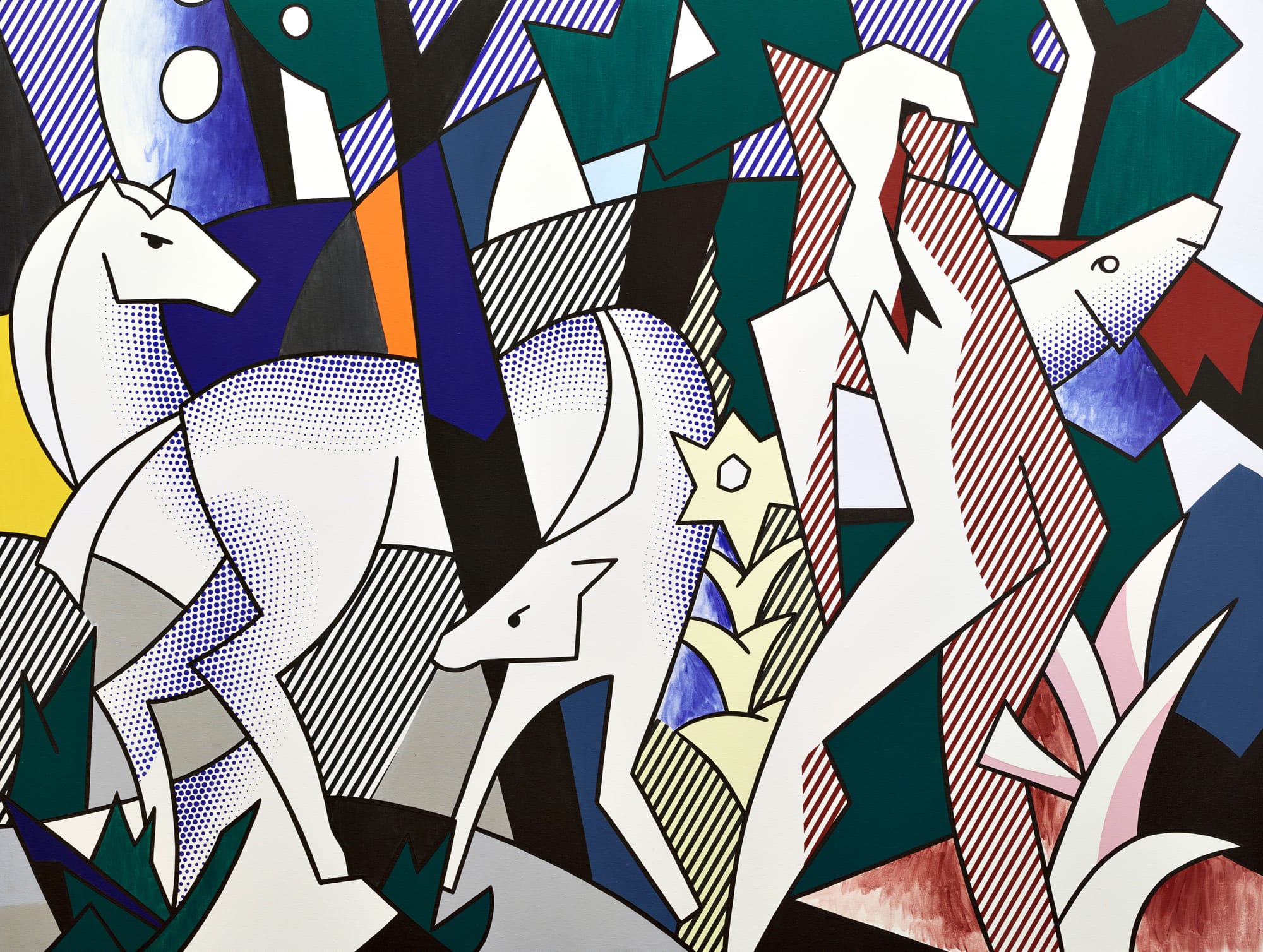
The Lentos Kunstmuseum Linz reimagines its permanent display this month with a fresh presentation of its extensive holdings. Spanning ten rooms, this chronologically and thematically structured exhibition showcases the evolution of art from the 19th century to the present day. Visitors can expect to see masterpieces by luminaries such as Gustav Klimt and Maria Lassnig alongside exciting new additions from the recently gifted Erwin Hauser Collection. By integrating previously inaccessible works with established highlights of Austrian and international modernism, the museum’s curatorial team invites a dynamic rediscovery of the collection’s most significant artistic voices.
Hybrid Pleasure
21 March – 20 September 2026
The visceral, boundary-pushing sculptures of the late Helen Chadwick find a contemporary resonance in the tactile installations of Liesl Raff. This ambitious survey at Kunsthaus Graz marks the first significant presentation of Chadwick’s radical career in over twenty-five years, placing her celebrated Piss Flowers and early performative pieces alongside Raff’s latex and metal works. By pairing these two distinct practices, the exhibition creates a “third space” where the grotesque and the beautiful merge through unconventional materials like chocolate and compost. It is a multisensory study of hybridity that effectively reanimates Chadwick’s feminist legacy for a modern audience.
30% Dandelion
21 March – 8 November 2026
Did you know that humans share nearly one-third of their genetic material with the humble dandelion? This startling biological fact provides the foundation for 30% Dandelion, a group exhibition at Kunsthaus Graz featuring over twenty-five contemporary artists. Through a blend of poetry and politics, the works explore the flower’s resilience and its role as a transcultural symbol of survival. From the delicate aesthetics of blooming to the plant’s medicinal history, the collection examines our ecological entanglements. It is a quiet yet persistent call for coexistence, highlighting how even the most overlooked weeds offer lessons in adaptation and strength.
🇧🇪 Exhibitions in Belgium
Zaventem Ateliers at the Villa Empain
11–19 March 2026
Thirty-two designers and artists from the Zaventem Ateliers collective will soon inhabit the Art Deco rooms of Villa Empain, reactivating the residence’s original domestic functions. Rather than presenting static objects on pedestals, the participants will work, cook, and host guests amongst their own contemporary creations. This experiment allows visitors to experience collectible design through use and proximity — observing how handmade furniture and radical art integrate into the daily rhythms of a functional house. By turning a public museum back into a private home, the project breathes new life into the historic site.
we refuse_d
13 March – 17 June 2026
The M HKA in Antwerp addresses the rising tide of global censorship through a defiant group presentation titled we refuse_d. Featuring work by fifteen international artists, the exhibition examines the subtle and overt ways creative expression is suppressed in contemporary society. Visitors will encounter diverse perspectives on institutional pressure and the courageous acts of resistance that follow. By prioritizing artistic autonomy over political convenience, the museum provides a vital platform for voices that have been silenced or sidelined elsewhere. This gathering serves as a timely reminder of the artist’s role in defending intellectual freedom — and the risks involved.
Plantin’s Plants: 500 years of looking at nature
21 March – 2 August 2026
Sixteenth-century Antwerp became a global centre for botanical discovery thanks to the ambitious publishing projects of Christophe Plantin. The Museum Plantin–Moretus currently highlights this legacy, showcasing the rare collaboration between the famous printer and pioneering botanists like Carolus Clusius. By producing remarkably accurate herbals, Plantin’s press provided scientists with a standardised visual language for identifying flora across Europe. This exhibition features exquisite woodcuts and original printing blocks that illustrate the birth of modern botanical science. It offers a fascinating glimpse into how high-quality craftsmanship helped codify our knowledge of the natural world for future generations.
Carrie Mae Weems: The Heart of the Matter
20 March – 23 August 2026
Antwerp’s FOMU presents The Heart of the Matter, marking the first comprehensive survey of Carrie Mae Weems’ work in Belgium. Spanning four decades, the exhibition explores the intricate intersections of power, gender, and memory through her poignant photography and video installations. Weems often places herself within the frame, serving as a silent guide through overlooked histories — from domestic kitchen tables to former plantations. The show features over one hundred works, including the new series Preach, which examines spirituality as a form of resistance. It is a study of how personal narratives can challenge systemic injustice.
Diane Severin Nguyen: If revolution is a sickness
20 March – 7 June 2026
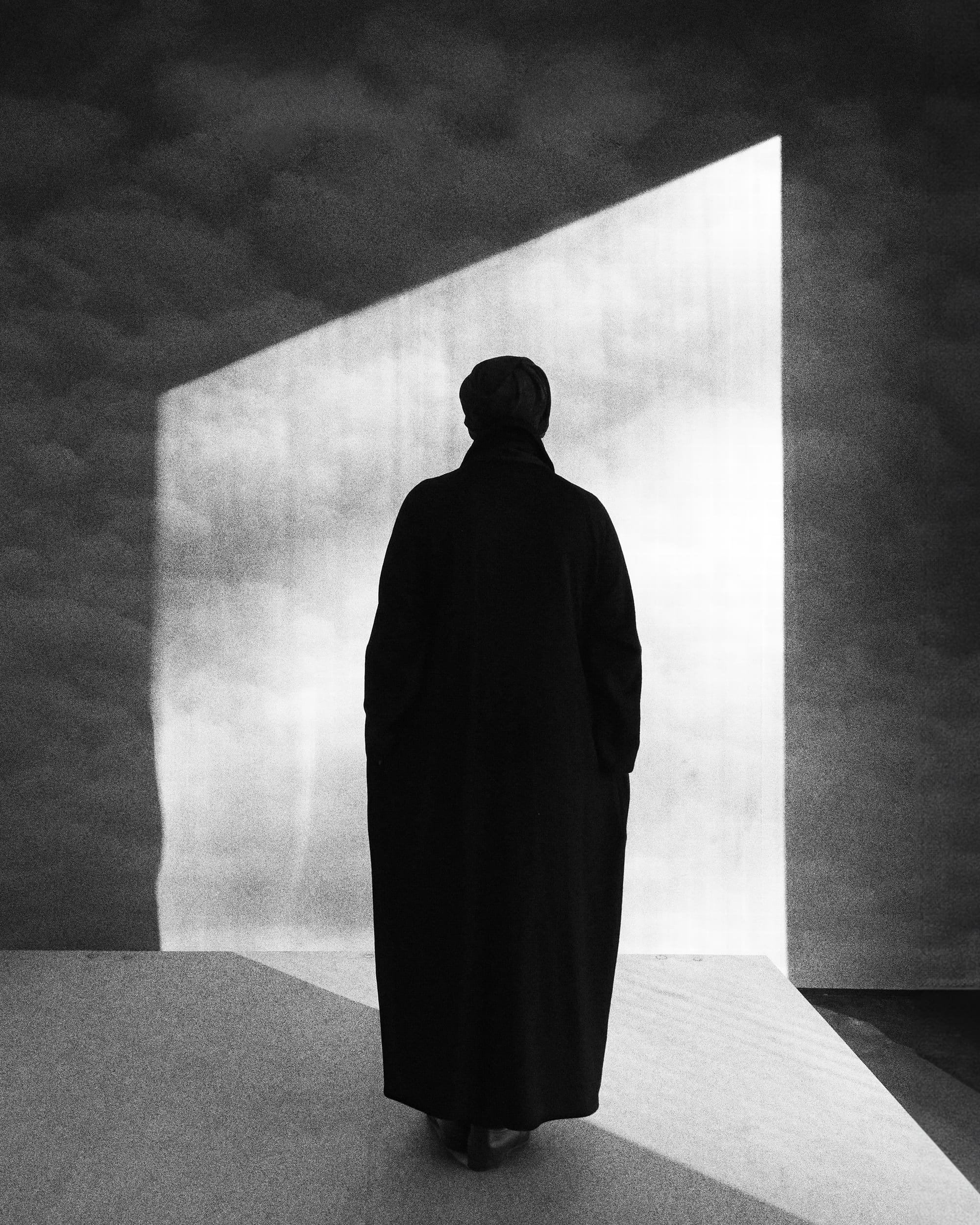
Warsaw’s urban landscape provides an unexpected setting for If Revolution is a Sickness, the latest video installation by Diane Severin Nguyen coming to FOMU. Through the lens of a young protagonist navigating the disciplined world of K-pop dance, the artist examines how identity is forged within collective structures. This exhibition pairs the film with photographs that capture the strange, ephemeral beauty found in the decay of synthetic materials. By blending pop culture aesthetics with political subtext, Nguyen invites a deeper look at how youth culture can serve as a vessel for both belonging and alienation in a globalised society.
Families
20 March – 23 May 2026
Family photography serves as the starting point for a sprawling group exhibition at FOMU titled Families, which brings together thirty international photographers to explore the domestic unit. Rather than presenting a sentimental view, the show examines the family as a complex construction shaped by social, political, and economic forces. Through diverse lenses — including works by Lebohang Kganye and Sage Sohier — the display navigates themes of intimacy, migration, and chosen kinship. These varied perspectives challenge traditional definitions of the household, offering a nuanced look at how we relate to those closest to us in an ever-changing modern world.
Tenderly There by Tashattot Collective
20 March – 10 May 2026
Antwerp’s FOMU presents a moving exploration of queer intimacy through the lens of the Tashattot Collective. This exhibition, titled Tenderly There, brings together displaced artists from South-West Asia and North Africa to map out their experiences of connection and belonging in Europe. By pairing historical snapshots from the Arab Image Foundation with contemporary pieces by Kader Attia and Mohamad Abdouni, the display bridges the gap between past and present. Visitors are invited to observe quiet, everyday moments — from archival discoveries to modern installations — that celebrate the resilience and tenderness of the SWANA community’s private lives.
Unforgettable: Women artists from Antwerp to Amsterdam, 1600–1750
7 March – 31 May 2026
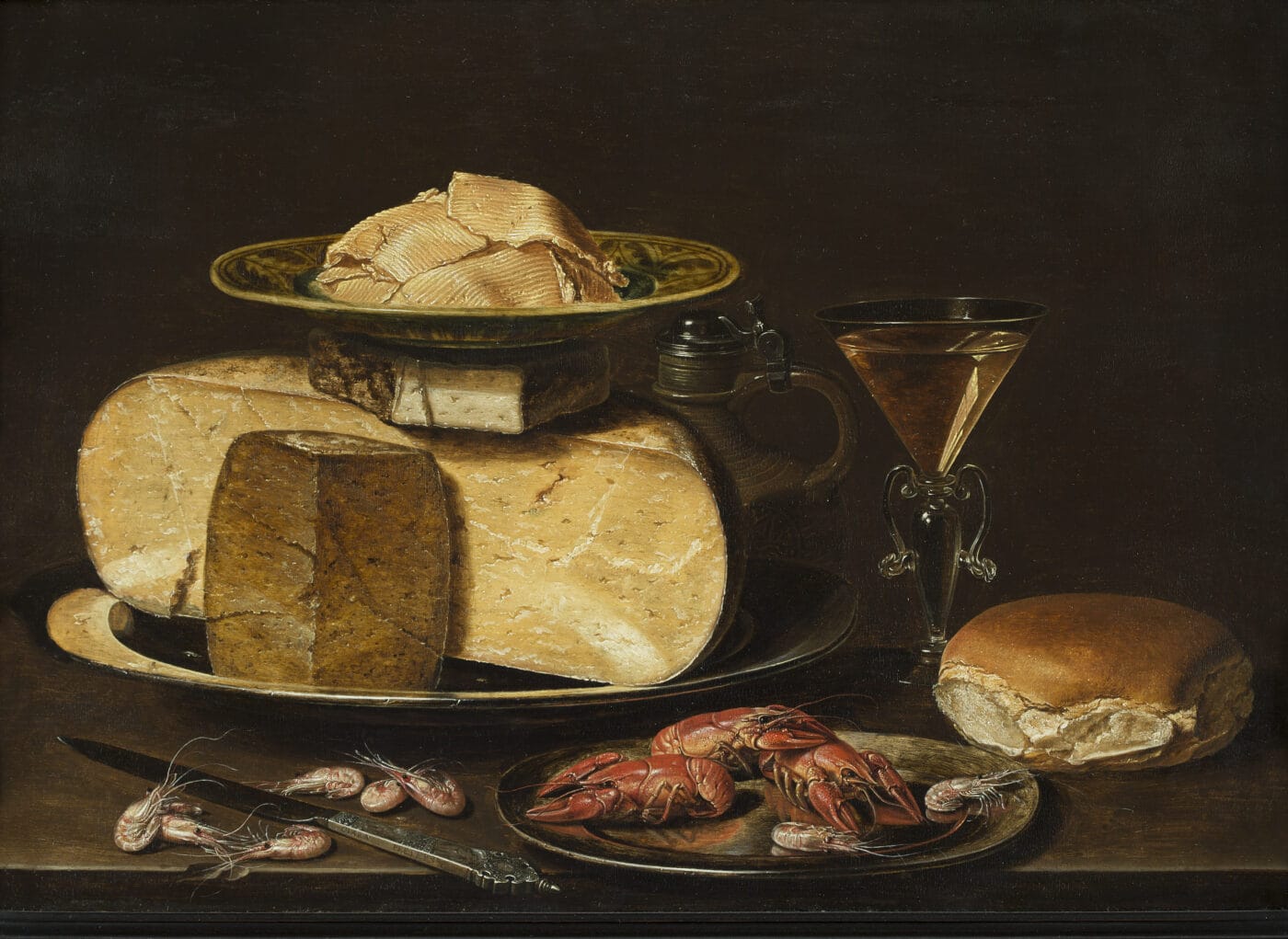
Women artists of the Low Countries finally receive their due in this expansive survey at the Museum of Fine Arts Ghent. Spanning the years 1600–1750, the exhibition gathers works by over forty creators who helped shape the visual culture of the early modern era. Visitors can examine everything from the meticulous oil paintings of Clara Peeters to intricate paper cuttings and engraved glass. By placing these objects within their original social and economic contexts, the gallery highlights how these women navigated a male-dominated trade to become essential figures in the European art market.
🇩🇰 Exhibitions in Denmark
Małgorzata Mirga-Tas: Pani, so tradeł / Water that Wanders
12 March – 16 August 2026
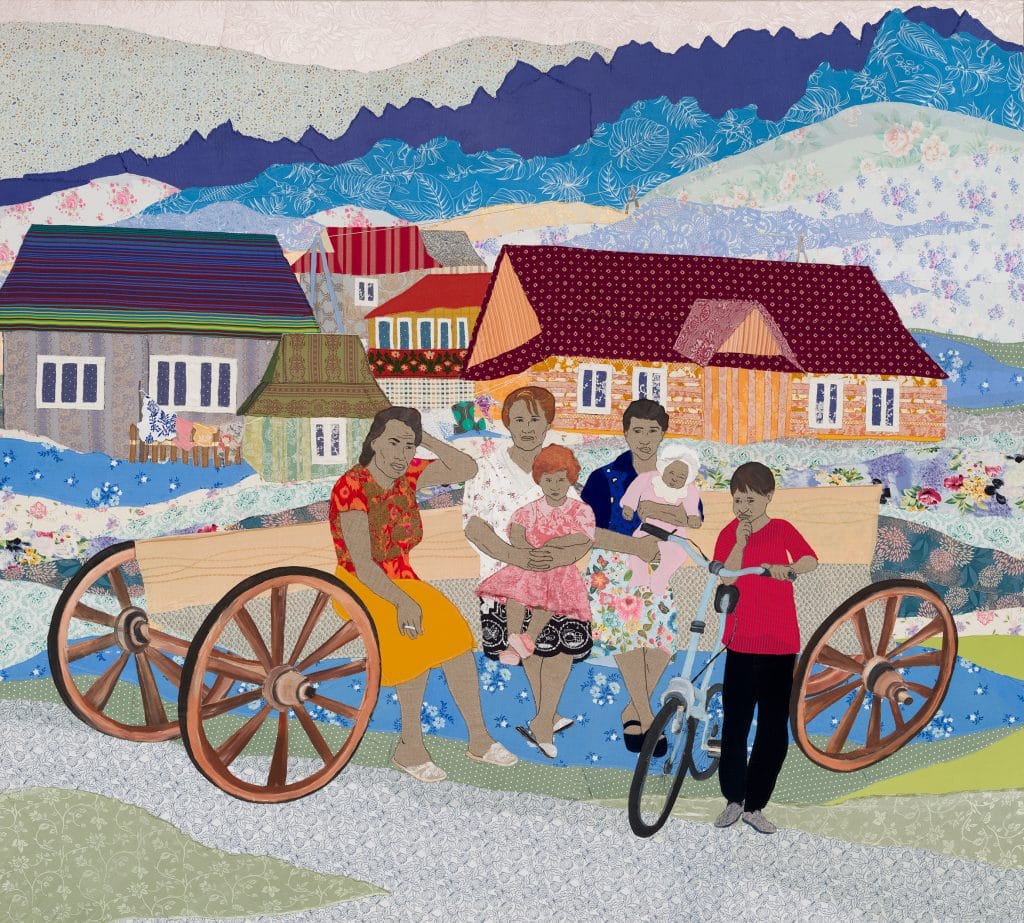
Vibrant textile collages take over the halls of Kunsthal Charlottenborg in the first Danish solo exhibition for Małgorzata Mirga-Tas. Entitled Pani, so tradeł / Water that Wanders, the show explores Roma heritage and women’s lives through monumental patchwork and recycled materials. Mirga-Tas, who gained international acclaim at the 2022 Venice Biennale, weaves together personal narratives and political activism to challenge traditional art hierarchies. By portraying her community as active cultural bearers, she replaces outdated stereotypes with stories of pride and resilience. This collection of existing and new commissions offers a tactile, colourful journey into overlooked histories.
Marina Abramović: Seven Deaths
14 March – 30 November 2026
At the subterranean Cisternerne, Marina Abramović presents Seven Deaths, a cinematic opera installation that thrives within the museum’s damp, dark chambers. This immersive work sees the renowned performance artist inhabit seven ill-fated female roles from the history of opera, set to the haunting arias of Maria Callas. Opposite actor Willem Dafoe, Abramović explores the universal themes of love, longing, and mortality through a series of lushly produced films. Specially staged for this unique environment, the hour-long sequence offers a visceral journey into the human condition, marking the first time the project has been fully realised in such an atmospheric space.
A Black Hole Calling Us — Cecilie Waagner Falkenstrøm
6 March – 26 April 2026
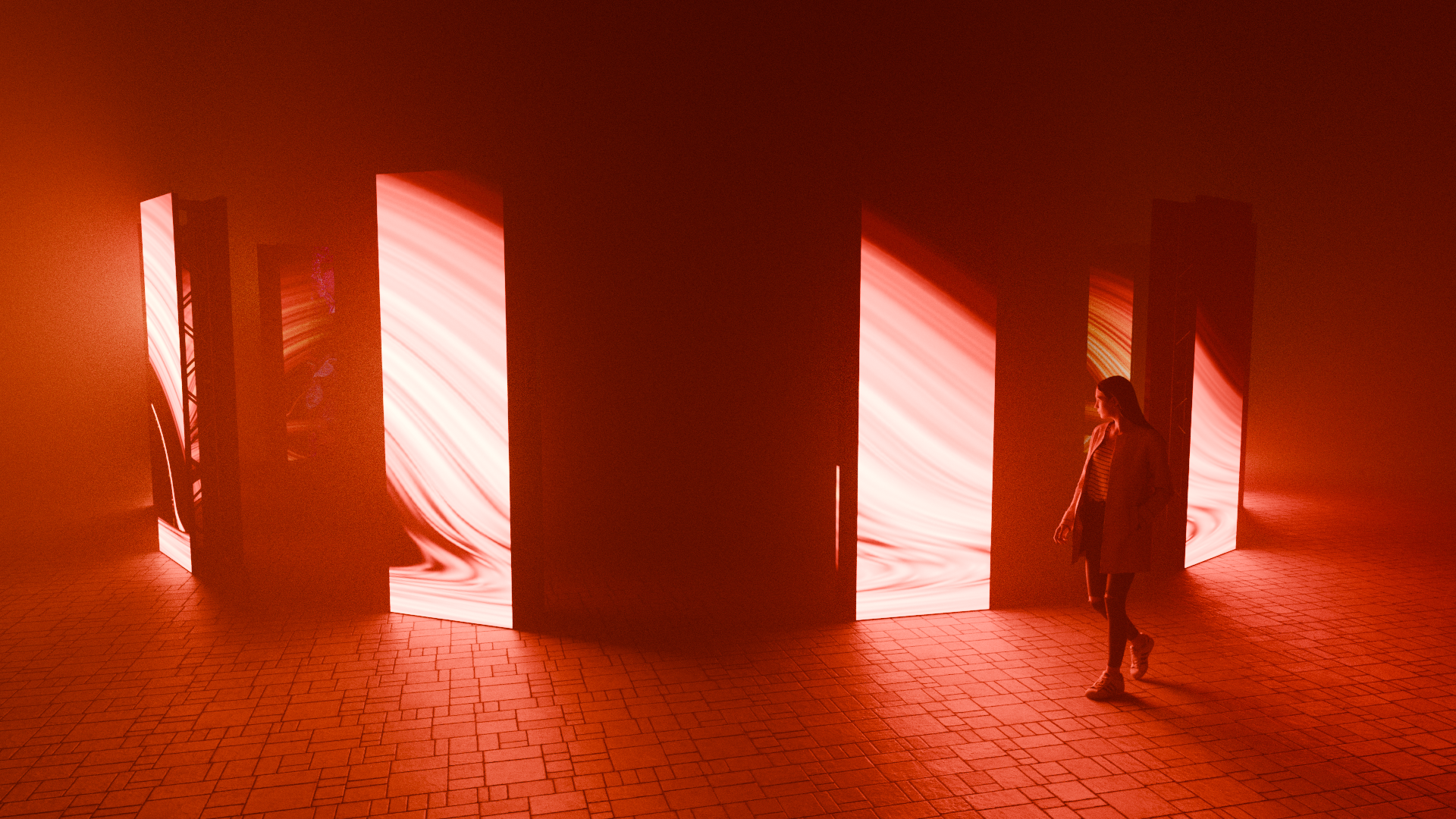
To celebrate the inauguration of the new ARoS Art Square, Danish artist Cecilie Waagner Falkenstrøm has been commissioned to create a large-scale, interactive installation. Entitled A Black Hole Calling Us, the work occupies the open space between Musikhusparken and the museum’s main entrance. Falkenstrøm is known for her innovative use of technology, and this project continues her exploration of the intersection between human experience and digital intelligence. Visitors are invited to engage directly with the piece, which serves as a landmark addition to the museum’s outdoor presence. It offers a thought-provoking gateway into the ARoS collection, blending public architecture with cutting-edge contemporary art.
Sophie Calle
26 March – 23 August 2026
Sophie Calle invites audiences into her world of clinical observation and raw emotion as she returns to the Louisiana Museum of Modern Art. Working with an inquisitive, almost detective-like precision, Calle blends photography and text to investigate the fragile boundaries between private lives and public records. The exhibition features recent acquisitions, including The Blind, where she asks individuals born without sight to describe their personal definitions of beauty. These encounters produce a striking tension between fact and fiction, offering a humorous yet moving study of human experience. It is a rare opportunity to witness how one of contemporary art’s most influential voices continues to question the nature of identity and memory.
Cooking Sections: The House That Pigs Built
19 March – 2 August 2026
Sustainable design and culinary heritage collide at MAPS (Museum of Art in Public Spaces) through the innovative research of Cooking Sections. Their latest project, The House That Pigs Built, investigates the ecological footprint of industrial livestock farming by examining the material possibilities of by-products. Set within a tent-like structure that mimics a forest floor, the installation features video projections of mycelial networks and foraging animals. This sensory environment encourages visitors to reconsider how our food systems shape the physical landscape. By proposing a future where waste is transformed into architecture, the exhibition offers a hopeful, tangible alternative to the destructive practices of the modern Anthropocene.
Berit Heggenhougen-Jensen — From 80’s Punk to Schlager Music
26 March – 9 August 2026
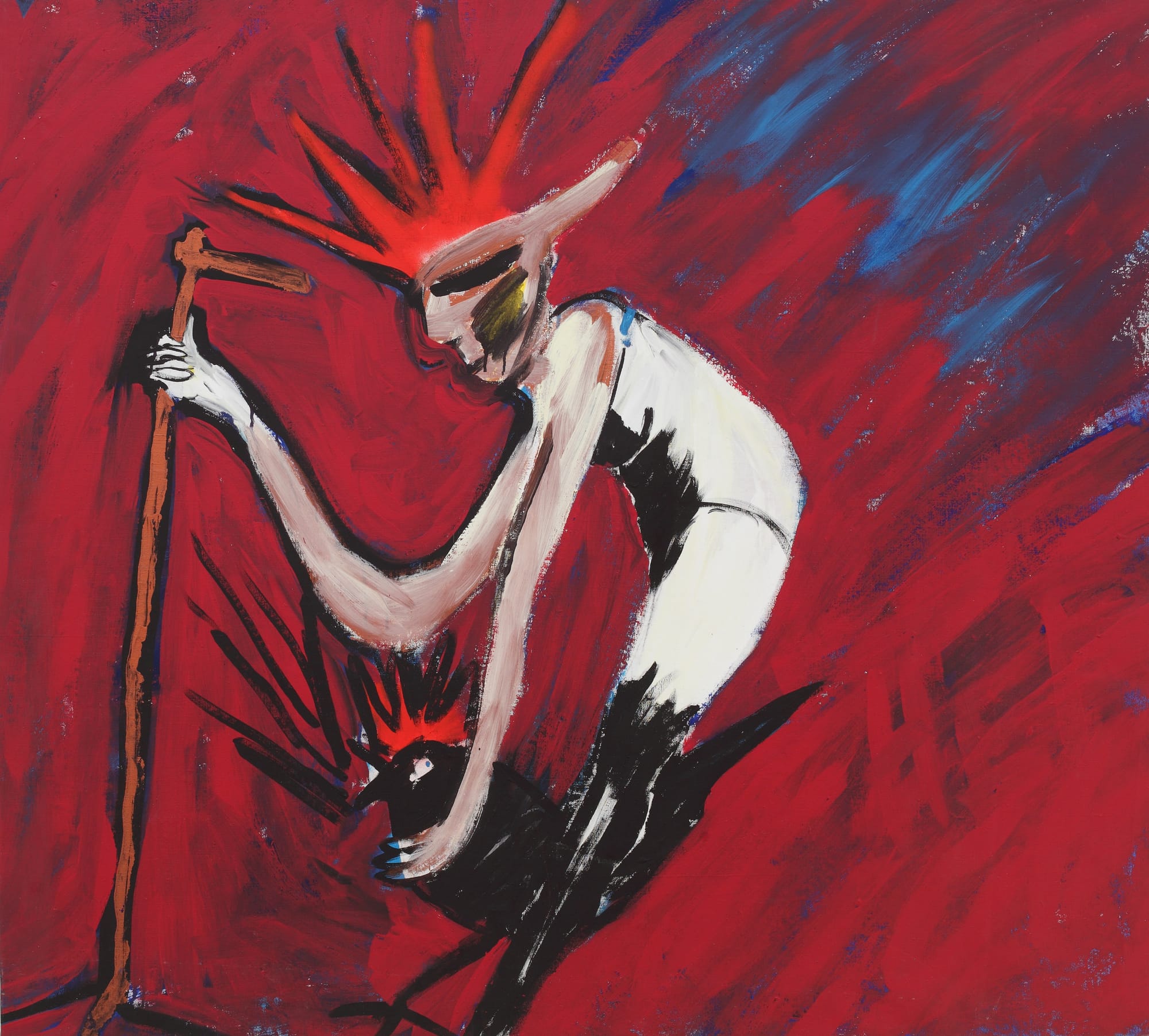
To celebrate Berit Heggenhougen-Jensen’s seventieth birthday, Kunsten Museum of Modern Art Aalborg is staging the most comprehensive survey of her career to date. The exhibition, From 80’s Punk to Schlager Music, draws primarily from the museum’s own extensive collection to chart her journey through the defiant 1980s and 1990s. As a member of the Wild Youth group, Heggenhougen-Jensen helped revitalise painting with a raw, punk-inspired energy that rejected the minimalism of the previous era. Her later canvases evolve into complex collages, incorporating vinyl records and pop-culture references to explore themes of gender and sexuality with a distinctly sharp, ironic wit.
P.K. Echo: 12 Dialogues from the Collection
20 March – 30 August 2026
Museum Jorn maps the artistic network of Per Kirkeby in a thoughtful exhibition titled P.K. Echo. Although Kirkeby is one of the museum’s core figures, this show omits his physical works entirely, choosing instead to focus on his enduring influence as an “echo” through others. Twelve thematic dialogues pair twenty-four Danish and international artists from his generation, including Georg Baselitz and Annette Messager. By exploring the shared aesthetic and thematic ground that defined Kirkeby’s practice, the display reveals the deep connections within his creative circle. It is a compelling study of how an artist’s legacy can be traced through the voices of those who worked alongside them.
Per Kirkeby: Considerations and Observations
20 March – 21 June 2026
To mark the acquisition of Per Kirkeby’s personal archives, Museum Jorn presents Considerations and Observations, a revealing look into the intellectual scaffolding behind Denmark’s modern master. The display draws from over 12,000 items, including the artist’s meticulously kept field books from geological expeditions to Greenland and Mexico. These sketches and notes provide a rare glimpse into how scientific observation transformed into the layered, structural paintings for which he is famous. By exhibiting these private documents alongside completed artworks, the museum invites visitors to trace the path from a scientist’s rigorous enquiry to an artist’s expressive vision. It is an essential stop for anyone wanting to understand the mental landscape of a polymath whose work bridges the gap between nature and art.
🇫🇷 Exhibitions in France
Renoir Drawings
17 March – 5 July 2026
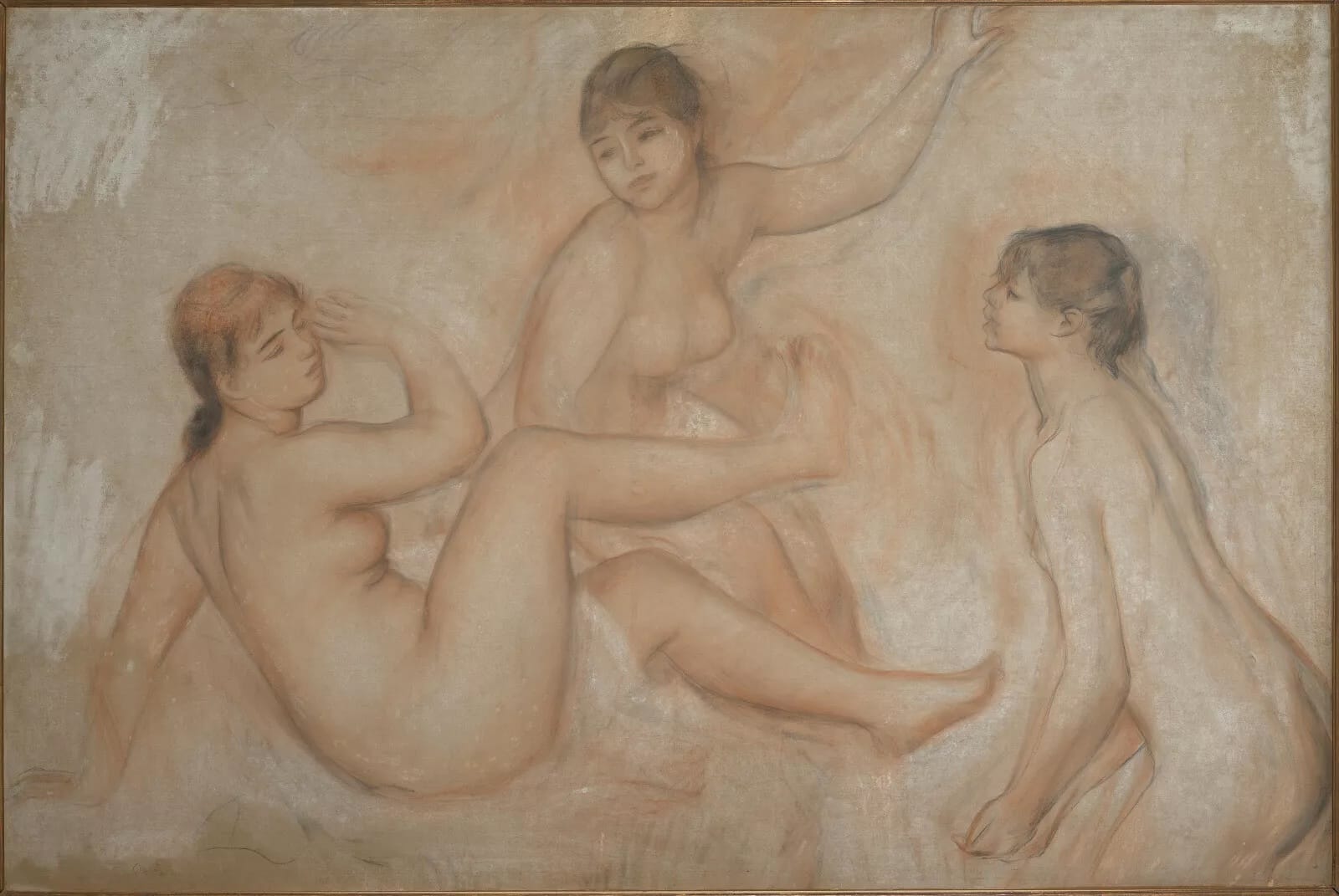
Drawing has long been considered the hidden scaffolding of Pierre-Auguste Renoir’s luminous career, a fact the Musée d’Orsay highlights in its upcoming exhibition. Titled Renoir Drawings, this presentation assembles over one hundred works on paper — ranging from nervous charcoal sketches to delicate pastels and vibrant watercolours. The display reveals the artist’s transition away from Impressionism in the 1880s as he began to prioritise form and structure through precise line work. Visitors can observe the meticulous preparation behind masterpieces like The Bathers, gaining a rare insight into the discipline and research that underpinned his seemingly effortless scenes of modern life. It is a masterful rebuttal to critics who once doubted his draughtsmanship.
Renoir and Love: A Joyful Modernity (1865–1885)
17 March – 19 July 2026
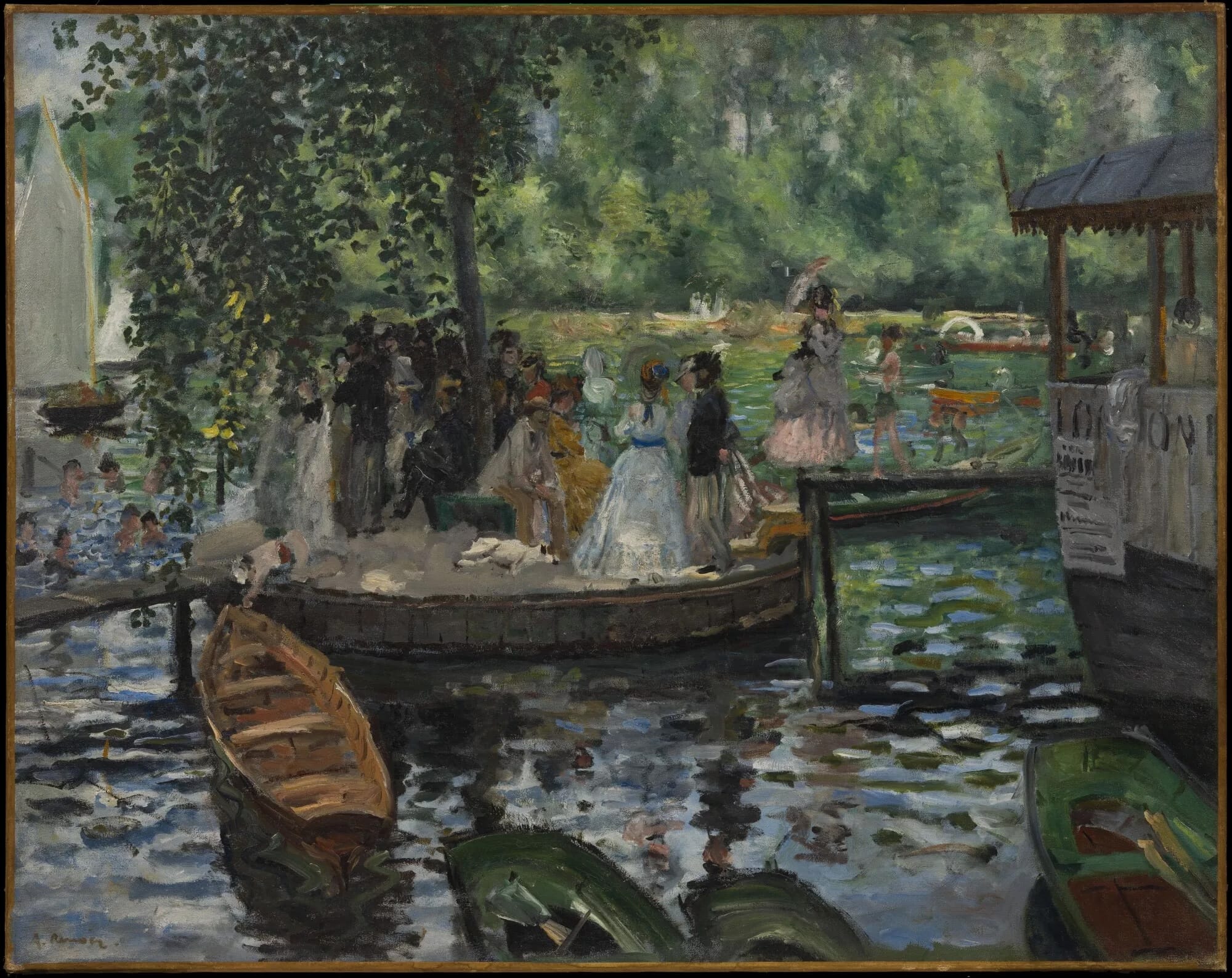
Human connection serves as the vibrant core of the Musée d’Orsay’s newest survey, Renoir and Love. Concentrating on the defining period between 1865 and 1885, this presentation assembles over fifty masterworks, many returning to France for the first time in decades. Famous canvases like Luncheon of the Boating Party and Dance at the Moulin de la Galette act as spirited rebuttals to the increasing isolation of nineteenth-century city life. By exploring the artist’s dedication to friendship, family, and romance, the display reveals how Renoir used light and colour to fix fleeting moments of shared warmth. It is a luminous tribute to a creator who insisted that a painting should be a truly pleasant thing.
Nan Goldin: This Will Not End Well
18 March – 21 June 2026
The Grand Palais shifts its focus to the moving image for a significant presentation of Nan Goldin’s work, titled This Will Not End Well. Instead of a traditional photography exhibition, this show explores Goldin’s practice as a filmmaker, featuring six major slideshows and video installations that span fifty years. Each piece is housed within a bespoke architectural “village” designed by Hala Wardé, creating an intimate series of encounters with the artist’s life and community. From the raw, evolving narrative of The Ballad of Sexual Dependency to recent works exploring drug ecstasy and art-induced collapse, the collection serves as a powerful testament to the beauty and trauma of human existence.
Matisse: 1941–1954
24 March – 26 June 2026
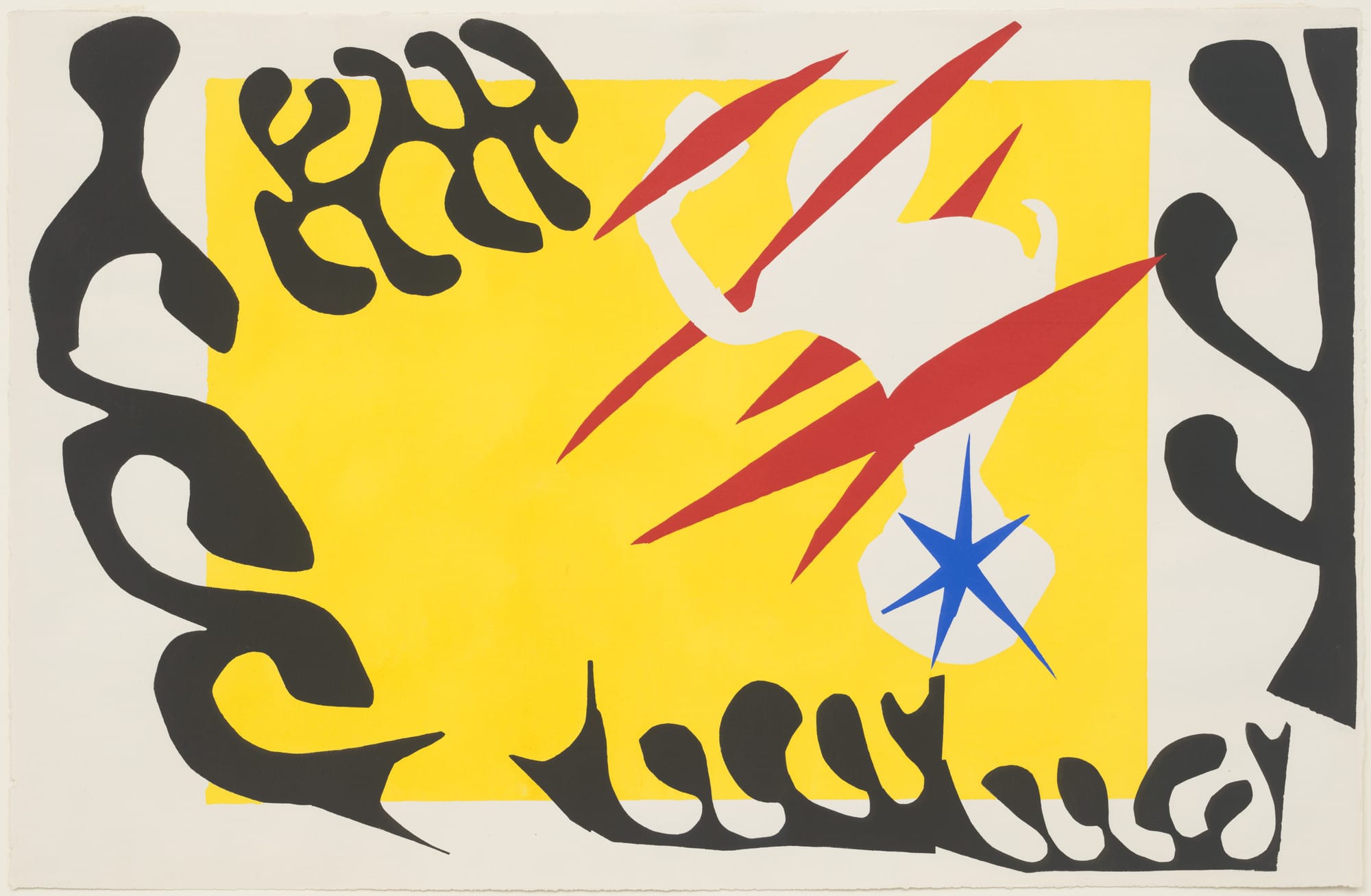
Henri Matisse’s late-career reinvention takes flight in this expansive exhibition at the Grand Palais, co-produced with the Centre Pompidou. Covering the years 1941–1954, the show features more than 300 works, including paintings, drawings, and his celebrated cut-out gouaches. This period saw the artist develop a new visual language of pure colour and simplified form, culminations of a life spent in perpetual motion. Highlights include the majestic Blue Nude II and the monumental Zulma, alongside rare textiles and stained-glass designs. By recreating the vibrant atmosphere of his final studio, the museum offers an intimate look at a master artist finding absolute freedom in his eighty-eighth decade.
Architectural journey: Frank Gehry
4 March – 12 April 2026
Frank Gehry’s structural masterpiece becomes the primary focus at the Fondation Louis Vuitton during a brief, dedicated viewing period this spring. While the museum prepares for its next major installation, visitors are granted access to an itinerary that deconstructs the building’s complex design process. The experience begins in the Studio with an original scale model and widescreen drone footage before leading guests through the “canyon” and ship-like staircases. By pairing the architect’s initial sketches with contemporary works by Olafur Eliasson, the display reveals the intricate dialogue between art and engineering. It is a rare chance to enjoy the building’s panoramic terraces at a far more relaxed pace.
Clair-obscur
4 March – 25 August 2026
The Bourse de Commerce explores the interplay of shadow and radiance through a curated selection from the Pinault Collection. Entitled Clair-obscur, the exhibition traces the legacy of chiaroscuro from its Baroque origins to the present day, featuring works by over twenty artists. Within the circular Rotunda, Pierre Huyghe’s filmic masterpiece Camata creates a timeless ritual, while Bill Viola’s slow-motion videos evoke the dramatic tension of the old masters. From the murky paintings of Victor Man to the fluorescent installations of Laura Lamiel, the display probes the depths of the human subconscious. This sensory landscape invites visitors to contemplate the invisible forces that shape our perception of the modern world.
Artists’ faces: From Gustave Courbet to Annette Messager
18 March – 19 July 2026
Historical self-portraits from the Petit Palais collection serve as a springboard for a new examination of the identity of the creator. In Artists’ Faces, the classical image of the artist — exemplified by Gustave Courbet’s Self-Portrait with a Black Dog — meets the subversive gazes of contemporary figures like Cindy Sherman and Nan Goldin. This gathering of one hundred paintings, sculptures, and photographs questions who has traditionally been allowed to define the artist’s public face. By pulling rare Impressionist busts from storage to sit alongside modern acquisitions, the gallery highlights a radical shift in the history of the gaze. It is a revealing study of how these depictions have transformed from symbols of professional status into a complex field of personal enquiry.
HI-Yo, c’est l’écho. L’esprit de F’murrr annoté par Camille Potte
6 March – 30 August 2026
The Musée Tomi Ungerer presents the most extensive institutional survey to date of the legendary comic artist F’murrr (1946–2018). Best known for his cult series Génie des Alpages, F’murrr populated his panels with philosophical sheep and absurd, pastoral landscapes that blended high-brow literary references with pure nonsense. This exhibition offers a rare look behind the scenes, featuring press drawings and political works—such as his commentary on the Afghan war—alongside his celebrated graphic novels. To bridge the gap between his legacy and the present, contemporary illustrator Camille Potte provides new graphic annotations that echo and reinterpret F’murrr’s surreal wit for a modern audience. It is an essential exploration of an artist who proved that the comic strip could be both a profound and hilariously chaotic medium.
Bonnes mères
18 March – 31 August 2026
The Mucem in Marseille presents a multifaceted exploration of motherhood through its upcoming exhibition, Bonnes Mères. Opening on 18 March 2026, the display brings together 400 diverse objects — ranging from ancient Mediterranean deities to contemporary photography — to examine how maternal roles have been shaped over four millennia. Visitors can expect to see notable works such as Botticelli’s La Vierge à la Grenade alongside modern pieces by Niki de Saint Phalle and Joana Vasconcelos. The narrative spans three thematic sections, investigating motherhood as a sacred myth, a political instrument, and a deeply personal lived reality.
🇩🇪 Exhibitions in Germany
A Thousand Brushes With a Single Style! (Part 2)
11 March – 1 June 2026
How did a single family dominate Japanese art for four hundred years? This second instalment of A Thousand Brushes With a Single Style! at the Humboldt Forum investigates the Kano dynasty’s unique workshop system. Functioning as a prestigious artistic brand, the family provided refined imagery for the military aristocracy from the 1480s through to the 1880s. The current display focuses on the eighteenth and nineteenth centuries, featuring seasonal landscapes and elegant ink scrolls. It illustrates how the house maintained its signature aesthetic through a disciplined network of disciples — frequently integrated into the lineage via strategic marriages.
Ghostbuster: Zhong Kui, the Demon Queller
18 March – 28 September 2026
Centred on the fierce scholar-turned-deity Zhong Kui, this exhibition at the Humboldt Forum explores the fascinating evolution of China’s most famous ghost hunter. Legend tells of a brilliant man denied his due by an emperor because of his appearance, who subsequently became the King of Hell’s primary spirit catcher. The display brings together diverse artworks — including nineteenth-century scrolls and colourful woodblock prints — that portray his transformation from an angry scholar to a domestic protector. Visitors will discover how his image continues to safeguard homes today, appearing on everything from traditional door posters to modern video games.
Brancusi
20 March – 9 August 2026
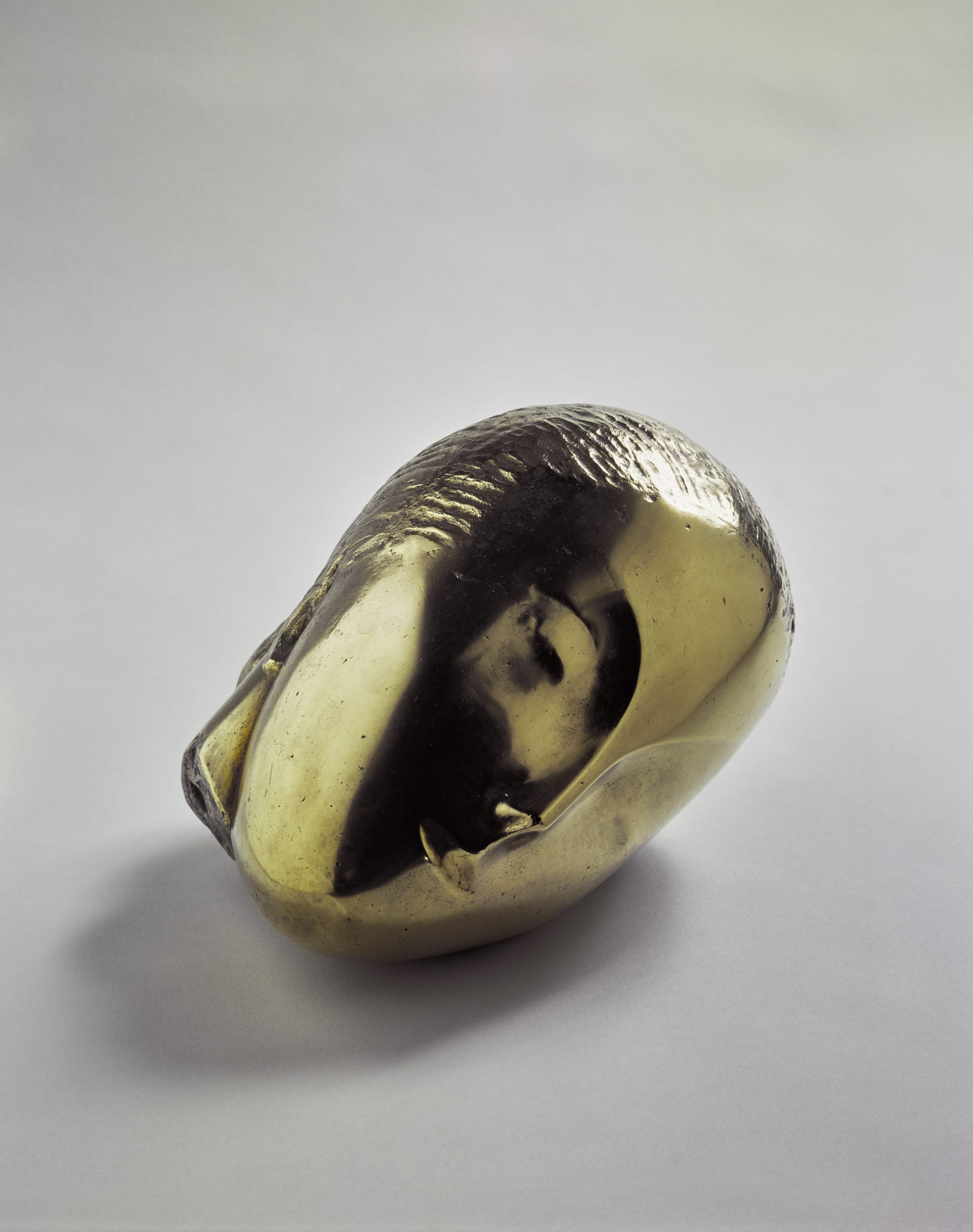
The Neue Nationalgalerie hosts a definitive survey of Constantin Brancusi — the first substantial presentation of his work in Germany for over half a century. Created in collaboration with the Centre Pompidou, the exhibition features 150 pieces, including the ethereal Bird in Space and the evocative Sleeping Muse. A significant highlight is the partial reconstruction of Brancusi’s Parisian studio — shown outside France for the first time — which provides a rare glimpse into his meticulous creative environment. Through sculptures, photographs, and archival films, the display traces his journey from traditional craftsmanship to the absolute essence of form.
Scandal! Hermione von Preuschen and the “Mors Imperator”
22 March – 15 November 2026
A brush with the authorities turned Hermione von Preuschen into an overnight celebrity, and the Alte Nationalgalerie now recounts this fascinating nineteenth-century drama. The controversy centered on her 1887 painting, Mors Imperator, featuring a crowned skeleton that critics interpreted as a jab at the elderly Emperor Wilhelm I. After the Berlin Academy refused to show the work, the defiant artist rented a private space to exhibit it for a fee — an audacious move that drew thousands of curious visitors. This display gathers the original canvas, personal letters, and rare photographs to document a trailblazing career defined by both artistic talent and a genius for public relations.
Shilpa Gupta: What Still Holds
27 March 2026 – 3 January 2027
Mumbai-based artist Shilpa Gupta transforms the Kleihues Halle at Hamburger Bahnhof with What Still Holds — a multidisciplinary exploration of language and social control. The exhibition’s centerpiece is a monumental installation titled TRUTH, which invites visitors to physically navigate oversized letters to contemplate how information is manipulated or protected. This solo presentation is curated in direct dialogue with the museum’s permanent Joseph Beuys collection, drawing parallels between both artists’ interest in social sculpture and political participation. Through video, sculpture, and performance, Gupta examines the fragile boundaries of freedom and the persistent power of the written word.
Proud ostrich and angry tiger
24 March – 11 October 2026
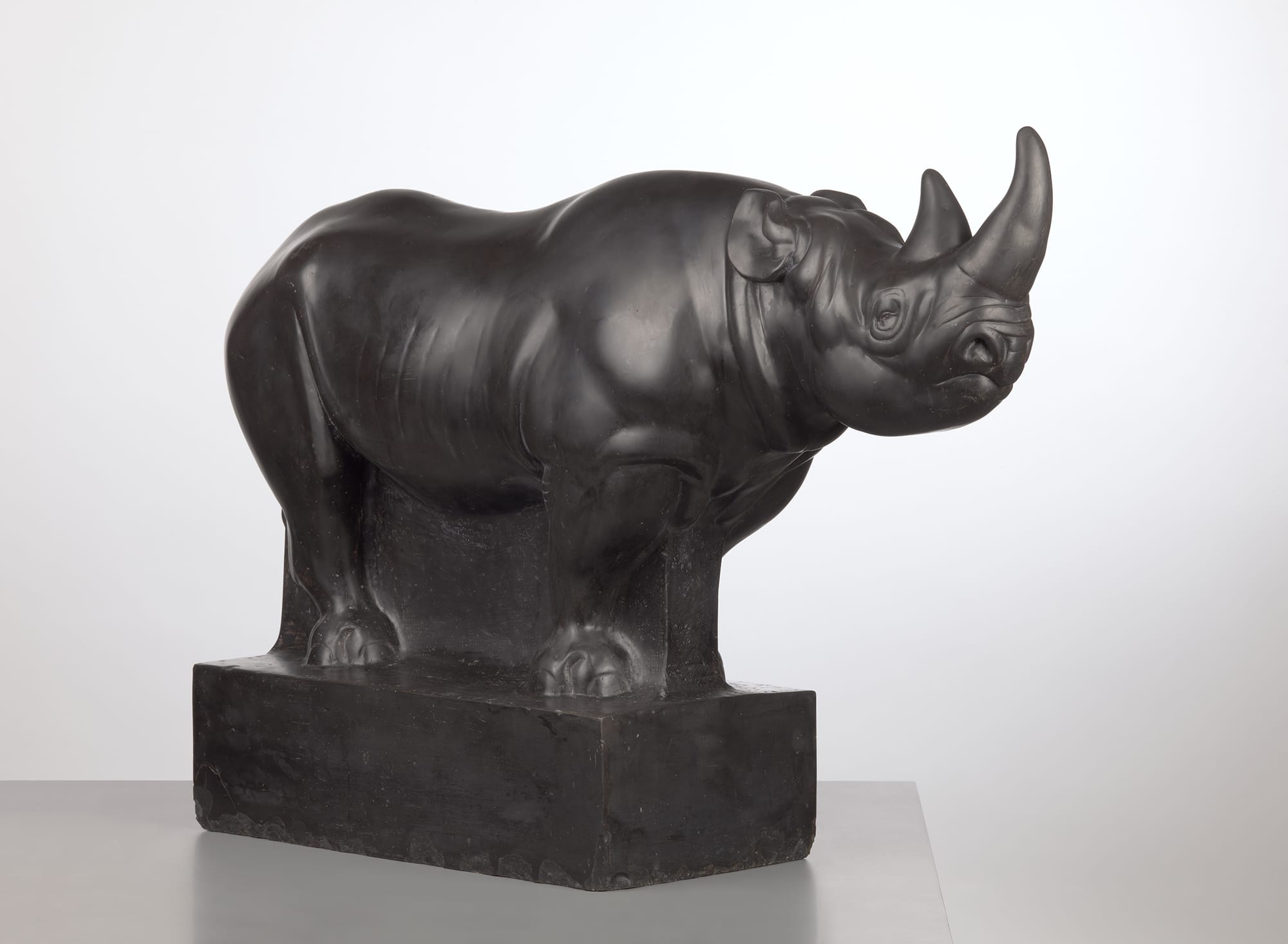
Animal sculptures undergo a fascinating evolution in the Alte Pinakothek’s compact display, Proud Ostrich and Angry Tiger. Drawing from the Neue Pinakothek’s nineteenth-century holdings, the exhibition traces the journey from traditional ruling symbolism to the emergence of autonomous animal art. Early works by pioneers such as Antoine-Louis Barye appear alongside later, more naturalistic bronze casts by August Gaul and Fritz Behn. These diverse figures — ranging from familiar farm livestock to exotic species — offer more than just aesthetic appeal; they reflect the rise of zoological gardens and the complex legacy of German colonial history.
Maria Lassnig and Edvard Munch
27 March – 30 August 2026
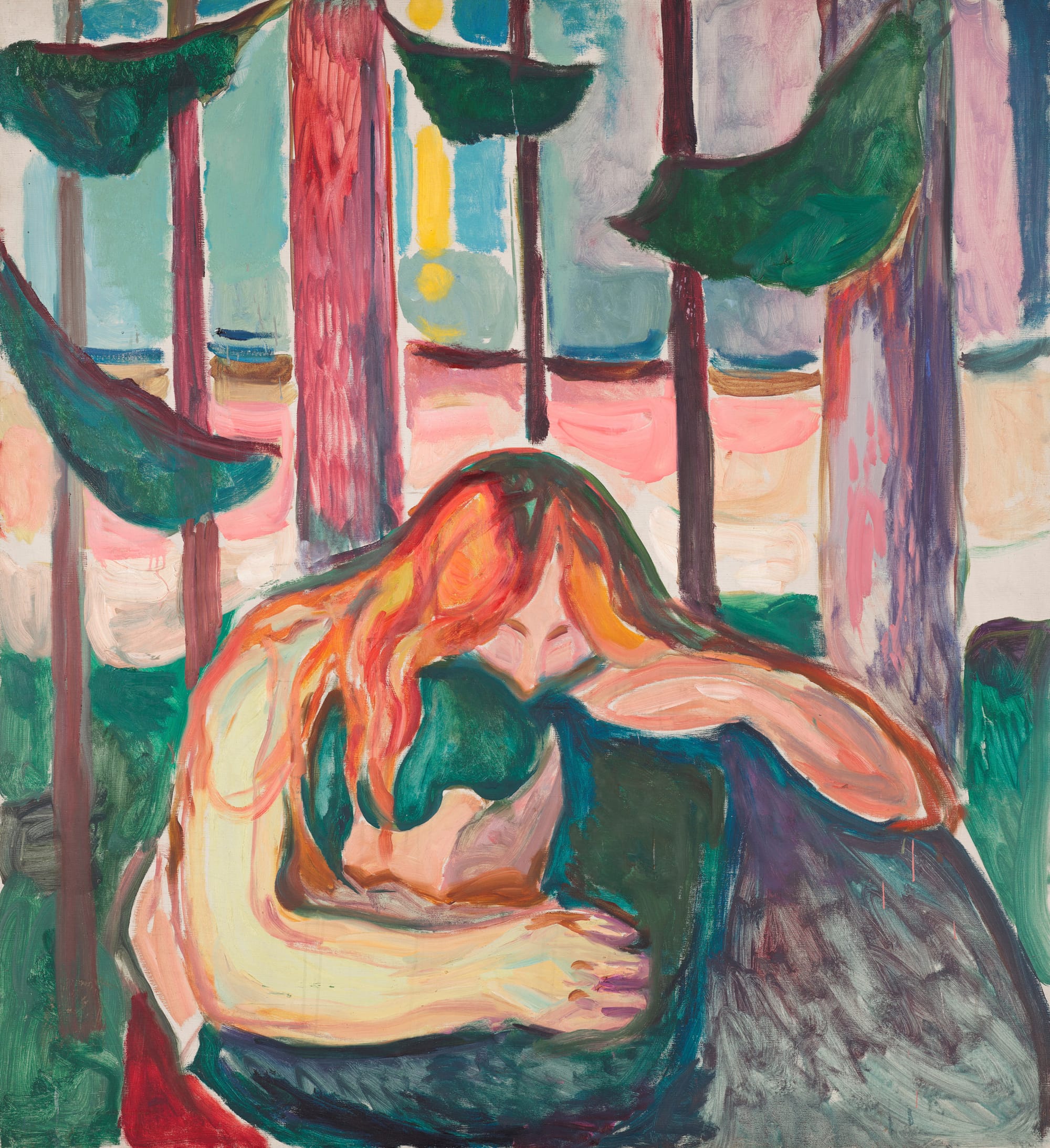
What happens when the raw emotional intensity of Edvard Munch meets the visceral body-awareness of Maria Lassnig? This major double exhibition at the Hamburger Kunsthalle marks the first time these two singular voices have been paired to explore the “flow of life”. Despite the decades separating them, both artists used a vivid, often jarring palette to translate internal sensations — such as loneliness, grief, and joy — into physical form. Featuring over 180 works, the display includes Munch’s haunting Vampire in the Forest alongside Lassnig’s surreal, introspective canvases. It is a compelling study of how painting serves as a profound tool for self-interrogation.
Yayoi Kusama
14 March – 2 August 2026
To celebrate its fiftieth anniversary, Museum Ludwig hosts a comprehensive exhibition dedicated to the pioneering Japanese artist Yayoi Kusama. The presentation features over three hundred works — ranging from her earliest childhood drawings to a newly commissioned immersive installation. Visitors can wander through a sprawling Infinity Mirror Room or admire the vibrant, oversized bronze flowers situated on the museum’s rooftop terraces. By exploring diverse media including fashion, performance, and literature, the display traces Kusama’s obsession with polka dots and cosmic obliteration. It serves as a vivid testament to an artistic journey defined by psychological resilience and an awe for the life force.
Monet on the Normandy Coast. The Discovery of Étretat
19 March – 5 July 2026
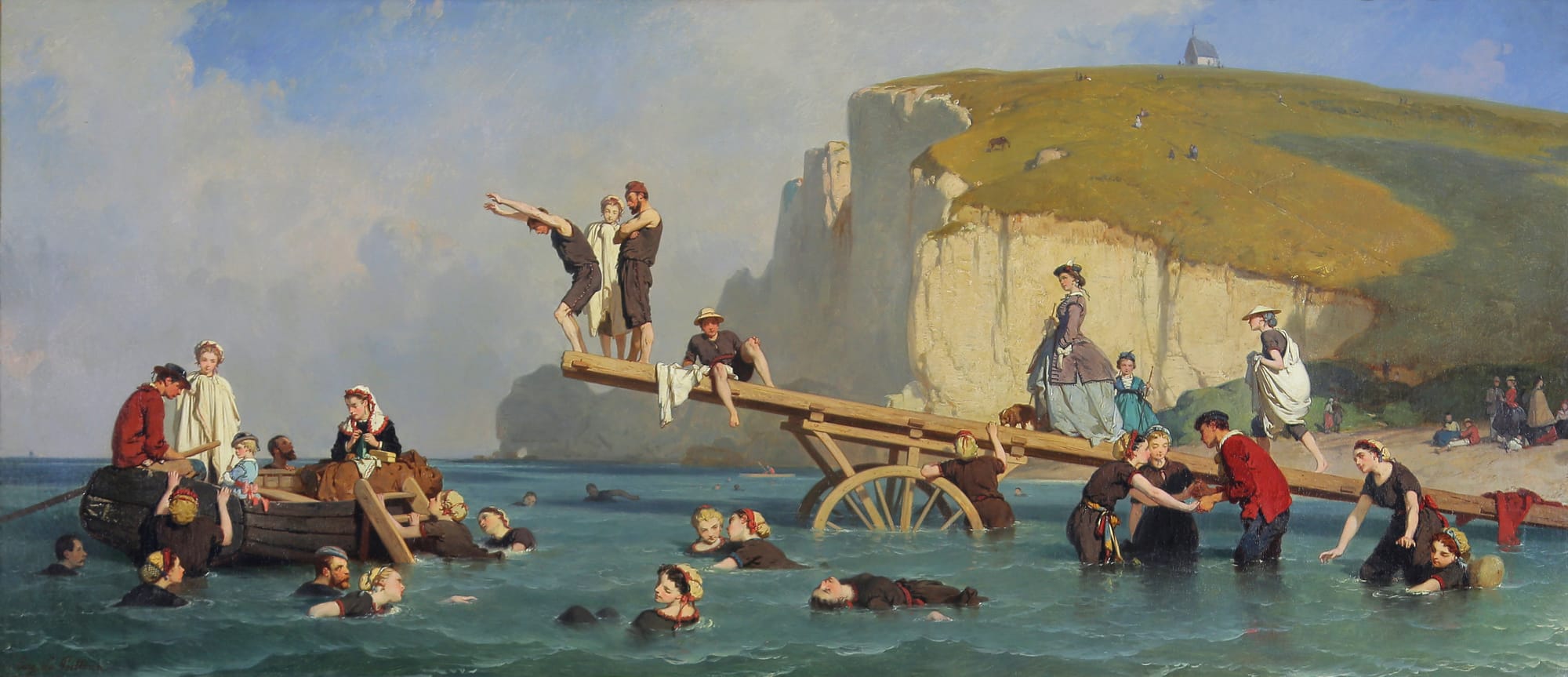
The rugged coastline of Étretat serves as the dramatic backdrop for the Städel Museum’s latest exploration into the origins of Impressionism. Monet on the Normandy Coast gathers 170 works, including twenty-four paintings by Claude Monet, to illustrate how this former fishing village became a crucible for modern art. Visitors can observe the artist’s early experiments with serial motifs — capturing the shifting light on the famous limestone arches. This narrative is enriched by masters such as Johann Wilhelm Schirmer, Eugène Le Poittevin, and Camille Corot, alongside the contemporary photography of Elger Esser. By pairing Monet with figures like Eugène Boudin, the display reveals how the North Sea’s volatile weather inspired a revolution in landscape painting.
Anne Truitt: Pioneer of Minimal Art
28 March – 2 August 2026
Düsseldorf’s K20 museum introduces the first major European survey of Anne Truitt, a leading artist whose practice challenged the rigid boundaries of Minimal Art. Moving beyond the clinical industrialism often associated with the movement, Truitt’s hand-painted wooden columns and sculptures focus on the emotional resonance of colour and memory. The exhibition features over 100 pieces produced across four decades, placing her evocative work alongside contemporaries like Donald Judd and Carmen Herrera. It is a rare opportunity to experience the subtle, translucent layers of paint that lend her geometric forms an unexpected, almost ethereal depth.
Saâdane Afif: Affiches / Plakate
13 March – 4 October 2026
Returning to the site of his first German exhibition, Saâdane Afif presents a clever look at twenty years of interdisciplinary practice at Museum Folkwang. The display, titled Affiches / Plakate, centres on eighty screen prints that trace his journey from lyrical texts to performance and graphic design. By pairing these rare posters with a re-staging of his original 2004 show, the museum highlights how Afif’s conceptual foundations have evolved. In June, the exhibition will undergo a complete re-hanging, offering a fresh perspective on his multifaceted body of work. It is a subtle, scholarly tribute to a creative career built on collaboration.
🇭🇺 Exhibitions in Hungary
Kinetic Visions. Nicolas Schöffer and Victor Vasarely in Dialogue
19 March – 23 August 2026
The Hungarian National Gallery’s upcoming chamber exhibition explores the striking creative parallels between Nicolas Schöffer and Victor Vasarely. Although both artists settled in France, this display highlights their shared Hungarian roots and mutual fascination with geometric abstraction. By juxtaposing Schöffer’s pioneering cybernetic sculptures with Vasarely’s experimental Op art, the curators reveal a collective desire to move beyond static forms. Visitors are encouraged to engage with works such as Lumino and Holld, which utilise light and optical illusion to transform the gallery into a dynamic, participatory environment. It is a concise, thoughtful study of two twentieth-century visionaries.
Formula to Form: The Art of Dataism. Albert-László Barabási’s Exhibition
6 March – 10 May 2026
Opening soon at Budapest’s Műcsarnok, Formula to Form explores the intersection of high-level physics and contemporary aesthetics through the work of network scientist Albert-László Barabási. This exhibition presents dataism not merely as a technical tool, but as a creative methodology that transforms complex scientific research into striking visual narratives. By bridging the gap between Boston research laboratories and global art galleries, Barabási invites the public to witness the hidden patterns of our interconnected world. Visitors will encounter a series of innovative works that challenge traditional boundaries — demonstrating how data can be sculpted into art to reveal the underlying structures of modern civilisation.
The Secret Life of the Botanical Garden. A Year at the National Botanical Garden in Vácrátót
13 March – 10 May 2026
Photographer Ádám Urbán invites visitors into the lush, rhythmic world of the National Botanical Garden in Vácrátót with his latest documentary series at Műcsarnok. For an entire year, Urbán embedded himself within this living museum, capturing the delicate interplay between seasonal shifts and the rigorous scientific work performed behind the scenes. His images move beyond mere landscapes, focusing instead on the human caretakers who maintain these diverse collections. Through a sensitive lens, the exhibition highlights the interdependent relationship between nature and those who nurture it, celebrating the quiet dedication required to preserve this vital ecological sanctuary.
Tihamér Gyarmathy. Cosmos in the Studio
20 March – 3 May 2026
Tracing the celestial career of Tihamér Gyarmathy, Műcsarnok presents a significant survey of a master who spent decades exploring the bridge between the microscopic and the infinite. This four-hall journey establishes a visual dialogue between Gyarmathy and his international peers — including Joan Miró and Paul Klee — while charting his evolution from early figuration to complex, bioromantic abstractions. A highlight of the show is the reconstruction of the artist’s studio, which offers a rare glimpse into his personal collection and philosophical world. It is a vital re-examination of a creator who successfully balanced geometric rigour with organic, spiritual vitality.
🇮🇹 Exhibitions in Italy
Marcello Provenzale from Cento. A Genius of Baroque Mosaic in Borghese Rome
17 March – 10 May 2026
Galleria Borghese will shed light on the refined artistry of Marcello Provenzale, a mosaicist from Cento who enjoyed the esteemed patronage of Scipione Borghese. This exhibition examines his technical mastery in the micro-mosaic medium — a delicate craft that achieved remarkable painterly effects through tiny, meticulously placed stones. By displaying these intricate works alongside the museum’s permanent collection, the show illustrates how Provenzale’s skills were integral to the lavish decorative schemes of the seventeenth century. It is a rare opportunity for visitors to appreciate the extreme precision and historical significance of a craftsman whose work defined Roman Baroque luxury.
Return to Galleria Borghese. Giovan Francesco Penni and Raphael’s Workshop
10 March – 3 May 2026
Rome’s Galleria Borghese is set to host a fascinating investigation into the collaborative genius of Giovan Francesco Penni and the inner workings of Raphael’s studio. This exhibition centres on the recent acquisition of a significant painting, marking a symbolic homecoming for the artist’s work within the Roman collection. By examining Penni’s vital role as a primary assistant, the display clarifies how the master’s late style was disseminated and preserved. Visitors can explore the technical skill and creative loyalty of the workshop — an environment where individual hands merged to produce some of the High Renaissance’s most celebrated aesthetic achievements.
Vasari and Rome
20 March – 19 July 2026
To mark the 450th anniversary of Giorgio Vasari’s passing, the Musei Capitolini hosts an ambitious tribute to the Renaissance polymath’s deep-seated connection with Rome. This exhibition at Palazzo Caffarelli traces his artistic evolution through various Roman residencies, illuminating his roles as a painter, architect, and pioneering biographer. Masterpieces on loan from the Uffizi and Vatican Library help illustrate how the Eternal City shaped his early development and accelerated his rise within papal circles. It is a comprehensive exploration of a witness to history whose visionary writings and designs defined the visual language of sixteenth-century Italy.
Etruscans and Venetians: Waters, Cults, and Sanctuaries
6 March – 29 September 2026
Occupying the Doge’s Apartment at the Doge’s Palace in Venice, Etruscans and Venetians investigates the ancient spiritual relationship between water and the sacred. This ambitious exhibition brings together archaeological finds from across Italy, focusing on sanctuaries located near springs, rivers, and lagoons. By comparing Etruscan rituals at sites like Pyrgi and Marzabotto with the traditions of the ancient Veneti at Este and Lagole, the curators highlight how water served as a vital therapeutic and religious element. The journey concludes with a contemporary installation on the Venetian lagoon, bridging the gap between historical civilisations and modern ecological concerns. It is a profound exploration of Mediterranean heritage.
🇱🇮 Exhibition in Liechtenstein
Eleanor Antin: A Retrospective
27 March – 27 September 2026
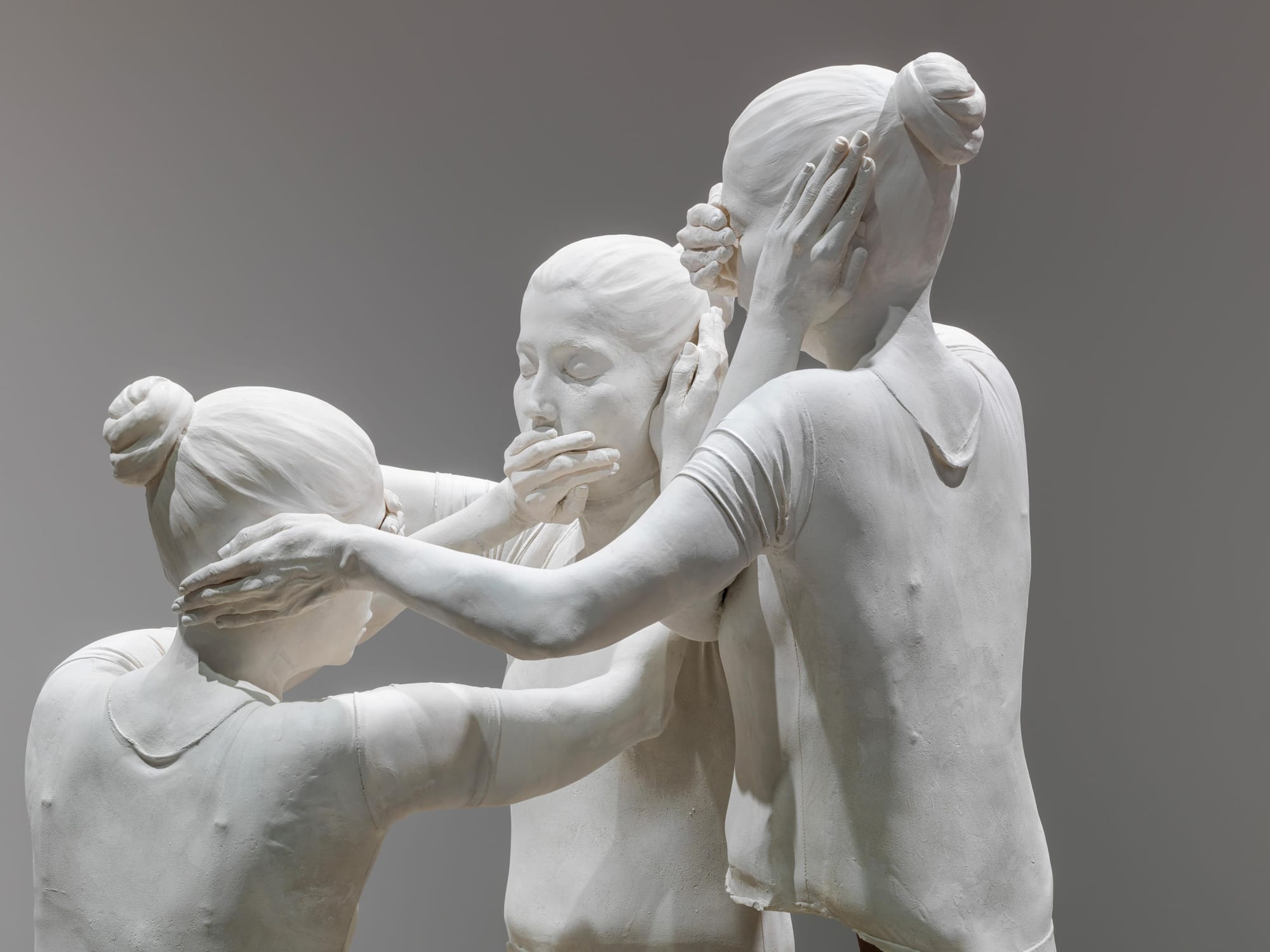
Kunstmuseum Liechtenstein presents a comprehensive retrospective dedicated to Eleanor Antin, a pioneering figure in conceptual and feminist art. Over five decades, Antin has utilized photography, performance, and film to interrogate the fluid nature of identity and historical representation. The exhibition highlights her famous personae — including a king, a nurse, and a ballerina — through which she explores the complexities of self-presentation. By blending subtle storytelling with a sharp sense of humour, the display invites visitors to reconsider societal narratives. This timely survey, curated by Christiane Meyer-Stoll, underscores the enduring power of Antin’s provocative and multidisciplinary practice.
🇱🇺 Exhibitions in Luxembourg
Ivan Cheng: Casemates
4 March – 17 May 2026
Amsterdam-based artist Ivan Cheng presents Casemates at Mudam, a provocative project that intertwines a performance series with an interactive installation. Borrowing its title from the bombproof chambers of historical fortresses, the exhibition explores how we safeguard digital value within our modern devices. Cheng invites visitors to purge their own “casemates” — the cluttered clouds of forgotten photos, voice memos, and emails — by donating their digital waste to a collective reservoir. This discarded data then fuels a live performance titled The Fountain, a playful yet sharp examination of the tension between human memory and machine storage.
Immersive Pavilion 2026
5–22 March 2026
In a collaboration with the Luxembourg City Film Festival, Mudam’s Immersive Pavilion 2026 presents a dual exploration of Taiwanese virtual reality. The exhibition features filmmaker Singing Chen’s The Clouds Are Two Thousand Metres Up, which weaves indigenous Rukai myths with a poignant narrative on grief and ecological fragility. Alongside this spiritual journey, artist Craig Quintero’s Just for You trilogy offers a series of silent, theatrical confrontations that blur the line between viewer and performer. Together, these high-tech installations move beyond digital novelty to create deeply personal spaces where ancestral imagination and the subconscious mind finally meet.
Simon Fujiwara: A Whole New World
20 March – 23 August 2026
Simon Fujiwara transforms Mudam into a satirical theme park for his survey exhibition, A Whole New World. Spanning two decades of work, the display uses the seductive language of mass entertainment to explore modern identity and self-commodification. Visitors meet Who the Bær, a cartoon mascot with no fixed gender or race, wandering through a “world of wonder” that critique our obsession with authenticity. From reconstructions of historical trauma to investigations into the spectacle of desire, Fujiwara’s immersive environments are both enchanting and deeply unsettling. It is a brilliant, witty reflection on how media and advertising continuously mould our shared imagination.
Vu Lilien a Linnen. Art Nouveau, Crafts and Art in Luxembourg
20 March – 18 October 2026
Exploring the Art Nouveau movement within the Grand Duchy, the Nationalmusée um Fëschmaart in Luxembourg City presents “Vu Lilien a Linnen”. This exhibition highlights a pivotal era when nature-inspired designs and traditional craftsmanship aimed to reshape everyday life through ornamental elegance. Visitors can examine a diverse array of applied arts — including works by the Villeroy & Boch stoneware manufactory — alongside historical photographs and previously unseen preparatory sketches. These materials illustrate the shared history of local artists and craftsmen who transformed Luxembourgish aesthetics at the turn of the century by merging fine art with functional, everyday objects.
Post-
1 March – 7 September 2026
The exhibition “Post-” at Casino Luxembourg explores the concept of the prefix as a tool for reflection and transformation. Rather than treating art as a finished product, this project focuses on the evolution of creative research and the afterlife of artist residencies. It brings together works by international artists who examine how ideas change when moved from a private studio into a public gallery. By showcasing ongoing experiments and recontextualised pieces, the display offers a rare glimpse into the fluid boundary between the act of making and the final presentation within a contemporary art setting.
Notes on Weathering
1 March 2026 – 1 January 2027
Occupying the rarely seen subterranean spaces of Casino Luxembourg, Bianca Bondi presents “Notes on Weathering”. This long-term project utilises the natural humidity and darkness of the museum’s basement to host works that evolve through chemical reactions, corrosion, and organic growth. Bondi’s practice focuses on the irreversible ways materials transform when left to the elements, creating a series of evolving installations that change without human intervention. By embracing decay and mineral deposits as creative forces, the exhibition invites visitors to witness a silent, slow-motion metamorphosis that challenges traditional ideas of art conservation and the permanence of finished works.
Screentime/s
11 March – 7 June 2026
At Casino Luxembourg, the group exhibition “Screentime/s” re-evaluates the digital interface as a modern ritual space. By merging video games, virtual reality, and algorithmic imagery, a diverse cohort of international artists investigates how ancient myths are being restaged within immersive synthetic worlds. This collection of works moves beyond simple display to treat the screen as an active membrane, one that blurs the boundaries between human bodies and speculative identities. Visitors are invited to explore these technological landscapes where memory and future projections overlap, creating a new form of visual storytelling that challenges our perception of contemporary reality.
état bruit
28 March – 20 September 2026
How does sound shape our understanding of a fractured, multipolar world? In the upcoming exhibition “état bruit” at Konschthal Esch, a group of contemporary artists examines the relentless cacophony of modern life, from political signals to distracting background noise. By placing auditory experience at the heart of the gallery, the curators offer a snapshot of the various channels competing for our daily attention. Through immersive installations, visitors are invited to distinguish between essential truths and the synthetic interference of our current era, exploring how these sonic environments influence both personal subjectivity and broader cultural agendas.
🇳🇱 Exhibitions in the Netherlands
Ivna Esajas: Wayward Lines. Consent not to be a single being
7 March – 7 June 2026
At the Stedelijk Museum Amsterdam, the latest ABN AMRO Art Award winner, Ivna Esajas, presents a solo exhibition titled “Wayward Lines. Consent not to be a single being”. Her practice operates at the intersection of drawing and painting, featuring fluid figures that merge into one another to form fragile yet resilient connections. By shifting perspectives in a poetic and playful manner, Esajas explores our deep interconnectedness and relationship to history. The display is uniquely conceived as a call—and—response, allowing various makers to contribute their voices and foster a dialogue about identity and collective experience within the gallery walls.
Julia Kochetova: War is Personal
6 March – 25 May 2026
Witnessing the brutal reality of the Russian invasion from within, Ukrainian photographer Julia Kochetova presents “War is Personal” at Foam in Amsterdam. This solo exhibition strips away the sanitised statistics of international media to expose the human cost of Moscow’s unprovoked aggression. Kochetova, a Kyiv-based filmmaker, captures the quiet resilience of a nation under siege, focusing her lens on the scarred homes and weary faces of those refusing to be broken. Her imagery makes the visceral reality of survival tangible, forcing viewers to confront the devastating consequences of a war while celebrating the enduring spirit of her people.
Verena Blok: Love Shit
6 March – 25 May 2026
Dual experiences as both a Dutch abortion clinic worker and a mother inform Verena Blok’s first museum solo exhibition, “Love Shit”, at Foam. Through a combination of diaristic fragments and intimate portraiture, the project delves into the multifaceted nature of womanhood and reproductive justice. The imagery oscillates between tenderness and profound unease, capturing the emotional ambivalence of maternal identity and the struggle for bodily autonomy. As global pressures on reproductive rights intensify, Blok’s work offers a timely exploration of freedom of choice, making the personal search for self-determination visible through a poignant and politically charged lens.
Diary of Things
21 March – 20 September 2026
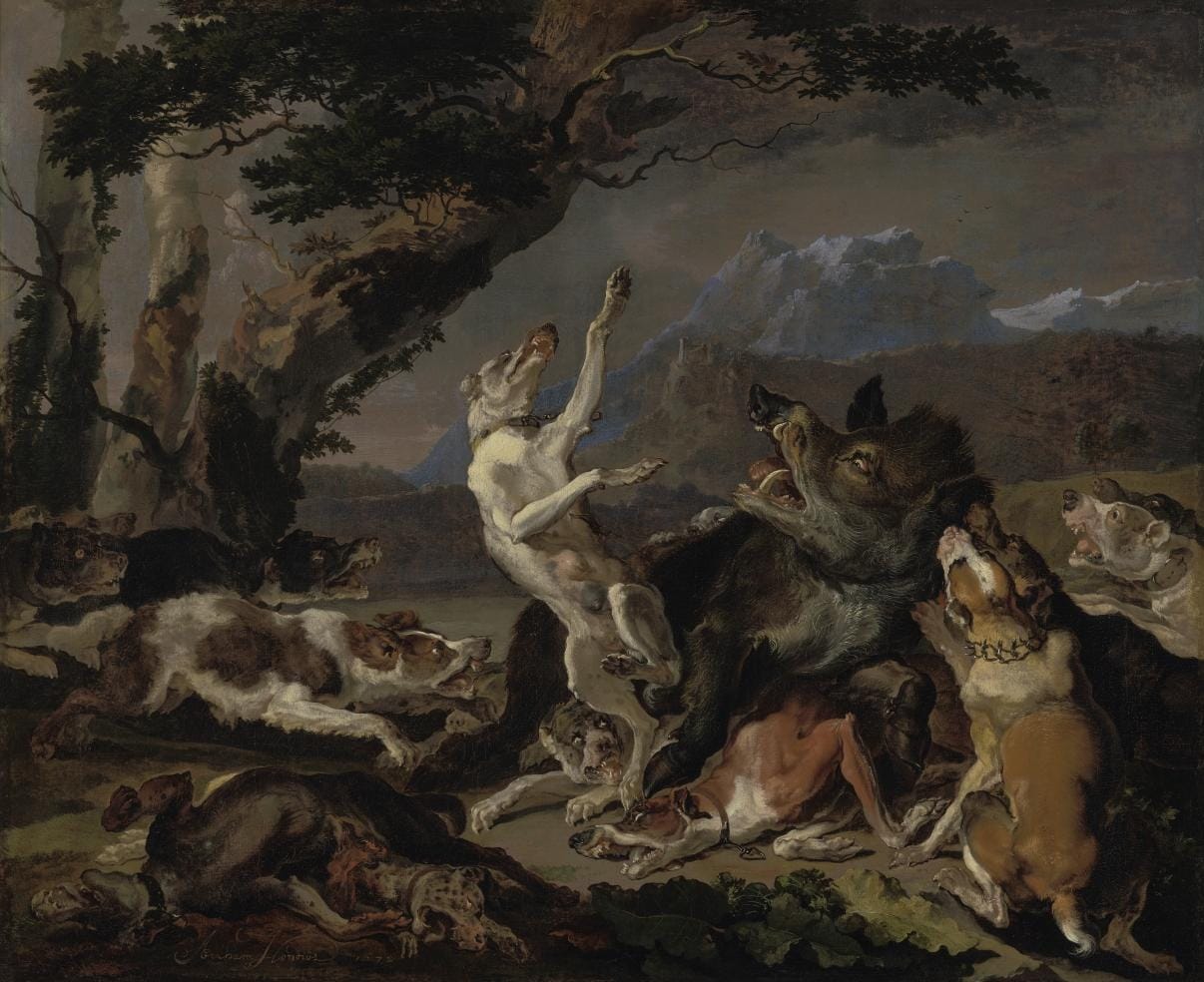
Artworks lead surprisingly nomadic lives before finding a permanent home within a museum collection. Opening at the Depot Boijmans Van Beuningen in Rotterdam, “Diary of Things” investigates these hidden histories through the lens of provenance research. The exhibition contrasts the well-documented lineage of Adriaen van der Werff’s Diana and Callisto with the enduring mystery of Abraham Hondius’s The Wild Boar Hunt, a painting whose origins remain entirely unknown. By exploring thematic side trips of items that were stolen, sold, or discarded, the display reveals the eventful and often fragmented biographies of the objects that shape our cultural heritage.
Flowers Forever
27 March – 30 August 2026
Transforming the museum into a lush landscape of cultural history, Kunsthal Rotterdam presents “Flowers Forever”. This expansive survey marks the first Dutch exhibition to explore the flower through the combined lenses of art, science, fashion, and politics. Over two hundred objects — including 17th-century still lifes and kinetic sculptures by Studio DRIFT — demonstrate how these blooms evolved from religious symbols into global commodities. Visitors are greeted by a massive installation of one hundred thousand dried flowers before exploring the flower’s role in everything from Dutch tulip mania to modern ecological activism and digital virtual gardens.
Can Love Be a Photograph
21 March – 6 September 2026
Four decades of creative and personal synergy are brought to light at Kunstmuseum Den Haag in the exhibition “Can Love Be a Photograph”. This presentation follows the trajectory of Inez van Lamsweerde and Vinoodh Matadin, moving from their early experiments as digital pioneers to their status as global tastemakers. By blending high fashion with fine art, the duo has produced provocative editorials and music videos for stars like Björk and Lady Gaga. The display reveals their unique ability to infuse visual seduction with challenging narratives, demonstrating how a collaborative vision can successfully reshape the boundaries of contemporary photography and film.
Sara Sejin Chang: TRANSMUTATION
28 March – 25 October 2026
Questioning the colonial legacies that continue to shape international power structures, Sara Sejin Chang presents her first comprehensive solo exhibition, “TRANSMUTATION”, at Landhuis Oud Amelisweerd. This presentation by the Centraal Museum showcases fifteen years of the Korean-Dutch artist’s practice, merging historical research with the spiritual traditions of Korean shamanism. Through enchanting film installations and textiles, Chang critiques Western linear progress and the global adoption industry. Her works serve as a meditative mirror, inviting collective healing by transforming political blueprints into a sense of spiritual light, ultimately transcending personal narrative for a broader communal purpose.
Zin in..
21 March – 30 August 2026
What do a paediatrician, an MMA champion, and a drag queen have in common? At Museum Catharijneconvent in Utrecht, the exhibition “Zin in..” explores this shared quest for meaning through the eyes of eight local guest curators. These individuals have selected a mixture of centuries-old masterpieces and contemporary gems that reflect their personal struggles and triumphs. By pairing historical works by the likes of Jan Toorop with modern pieces, the display examines how we find purpose today outside traditional religious frameworks. It is an intimate study of zingeving — the human need to connect our lives to something greater than ourselves.
Space Journey
25 March – 22 November 2026
Look up and turn your gaze outwards from Earth as the Kröller-Müller Museum presents “Space Journey”. This curated selection of sculptures, videos, and works on paper explores our enduring fascination with the unfathomable mystery of the cosmos. Highlighting the display is the debut of a new acquisition by Alan Saret — an ethereal steel mesh cloud that appears to float above the gallery floor. From the technical drawings of Panamarenko to the explosive energy of Cai Guo-Qiang, the works examine the origins of our universe and the delicate relationship between humanity and the infinite reaches of the stars.
Anouk Griffioen. For as Long as it Lasts
14 March – 20 September 2026
Charcoal becomes a medium for time travel in the hands of Anouk Griffioen, whose exhibition “For as long as it lasts” is set to open at the Kröller-Müller Museum. Using her father’s expansive photographic archive as a roadmap, the Rotterdam artist revisits her childhood homes to document the subtle decay and growth of decades. These personal pilgrimages result in monumental, wall-filling drawings that envelop the viewer, serving as tactile, condensed fragments of memory. By blending virtuoso draughtsmanship with a poignant focus on transience, the display offers a visceral window into the artist’s history while reflecting the fleeting, fragile nature of our shared environments.
The Mystery of the Girl in Blue
12 March – 11 October 2026
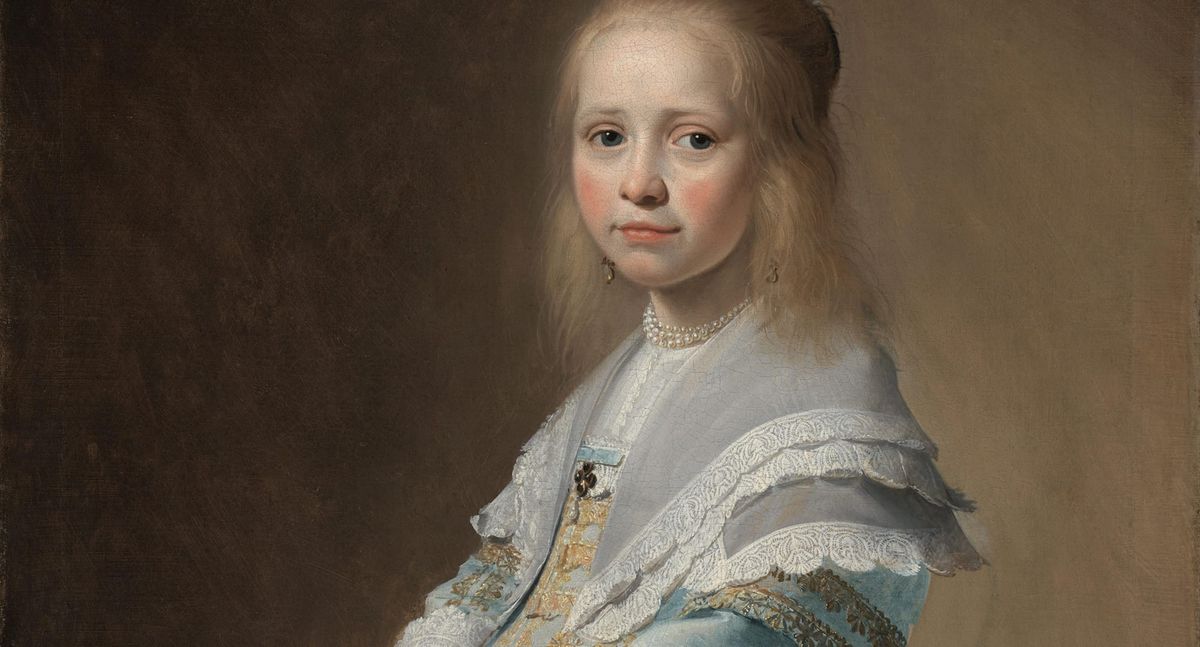
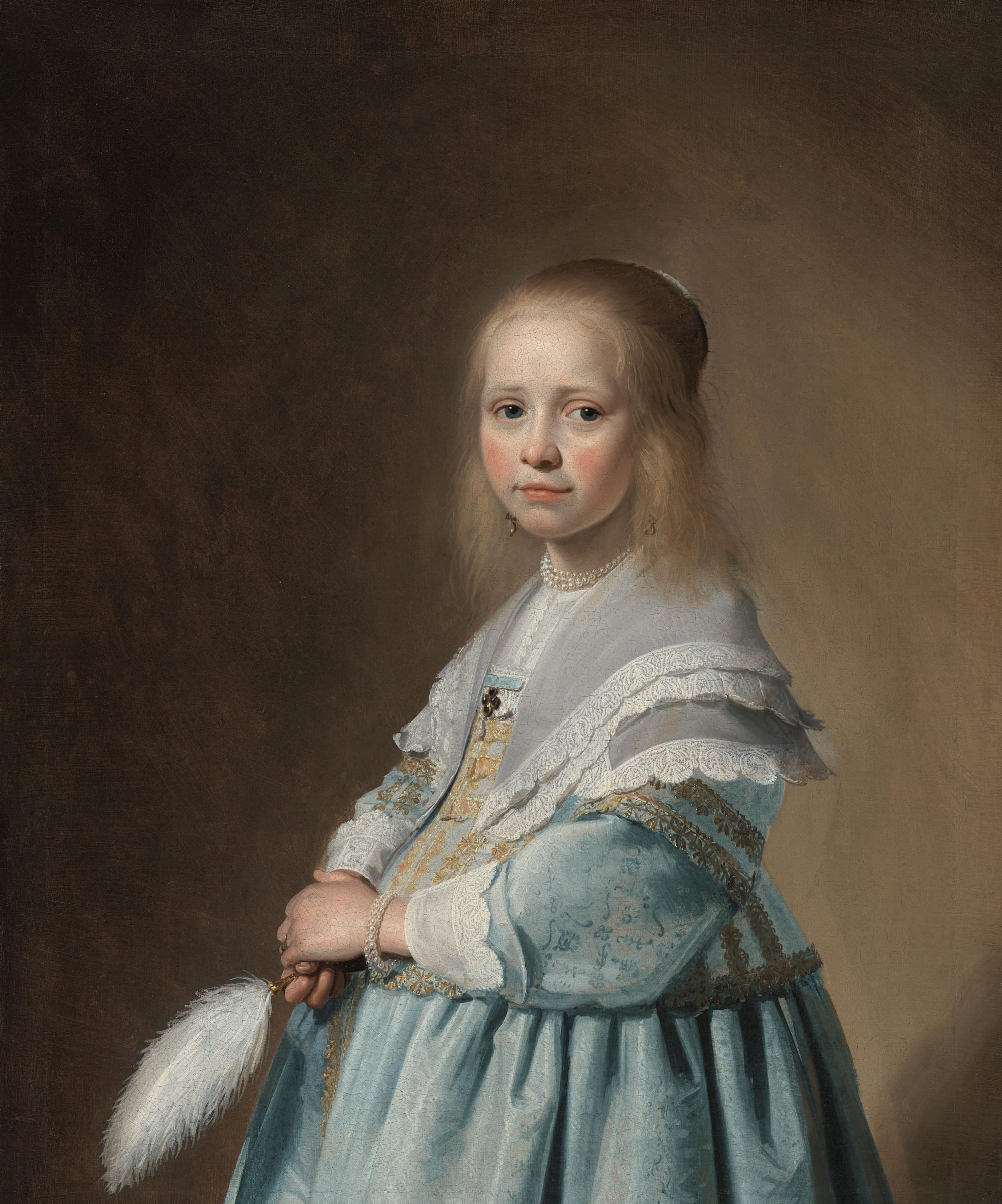
Johannes Verspronck’s famous Portrait of a Girl Dressed in Blue returns to its birthplace for a special reunion at the Frans Hals Museum in Haarlem. For the first time since 1979, this beloved Rijksmuseum masterpiece is displayed alongside the portraits of her parents, brought together from separate collections. The exhibition centers on a historical detective story led by Professor Frans Grijzenhout, who uses archives and family crests to finally uncover the sitters’ identities. Visitors are invited to compare Verspronck’s smooth, refined technique with the loose brushwork of his contemporary, Frans Hals, in this intriguing study of Dutch portraiture.
Brabantse Nieuwe: Fedrik Vaessen
7 March – 12 June 2026
Blending the organic with the mechanical, Fedrik Vaessen presents a series of hybrid sculptures at Het Noordbrabants Museum. As the latest artist featured in the “Brabantse Nieuwe” talent program, the Tilburg-based creator explores a speculative future where technology and biology merge. His works utilize a diverse palette of materials — including 3D prints, wax, and aluminum — to evoke a visual language of body horror and cyborg identity. By challenging binary thinking through these alienating yet familiar forms, Vaessen invites visitors into a world where architecture, human bodies, and digital modeling collide in a singular, unsettling aesthetic experience.
🇪🇸 Exhibitions in Spain
Roman Khimei and Yarema Malashchuk. Pedagogies of War
3 March – 21 June 2026
Ukrainian artists Roman Khimei and Yarema Malashchuk expose the fractured rhythms of a nation under siege in “Pedagogies of War” at the Museo Nacional Thyssen-Bornemisza. Working with surveillance footage and cinematic narratives, the duo examines how Russia’s full-scale invasion has violently reshaped public space and democratic structures. The exhibition features three video works, including a new commission, that navigate the uneasy tension between historical trauma and an uncertain future. By aestheticizing states of emergency, Khimei and Malashchuk challenge the viewer to confront the fragility of peace and the powerful ways in which conflict redefines both personal and collective identity.
Guercino and his Biblical Heroines
16 March – 14 June 2026
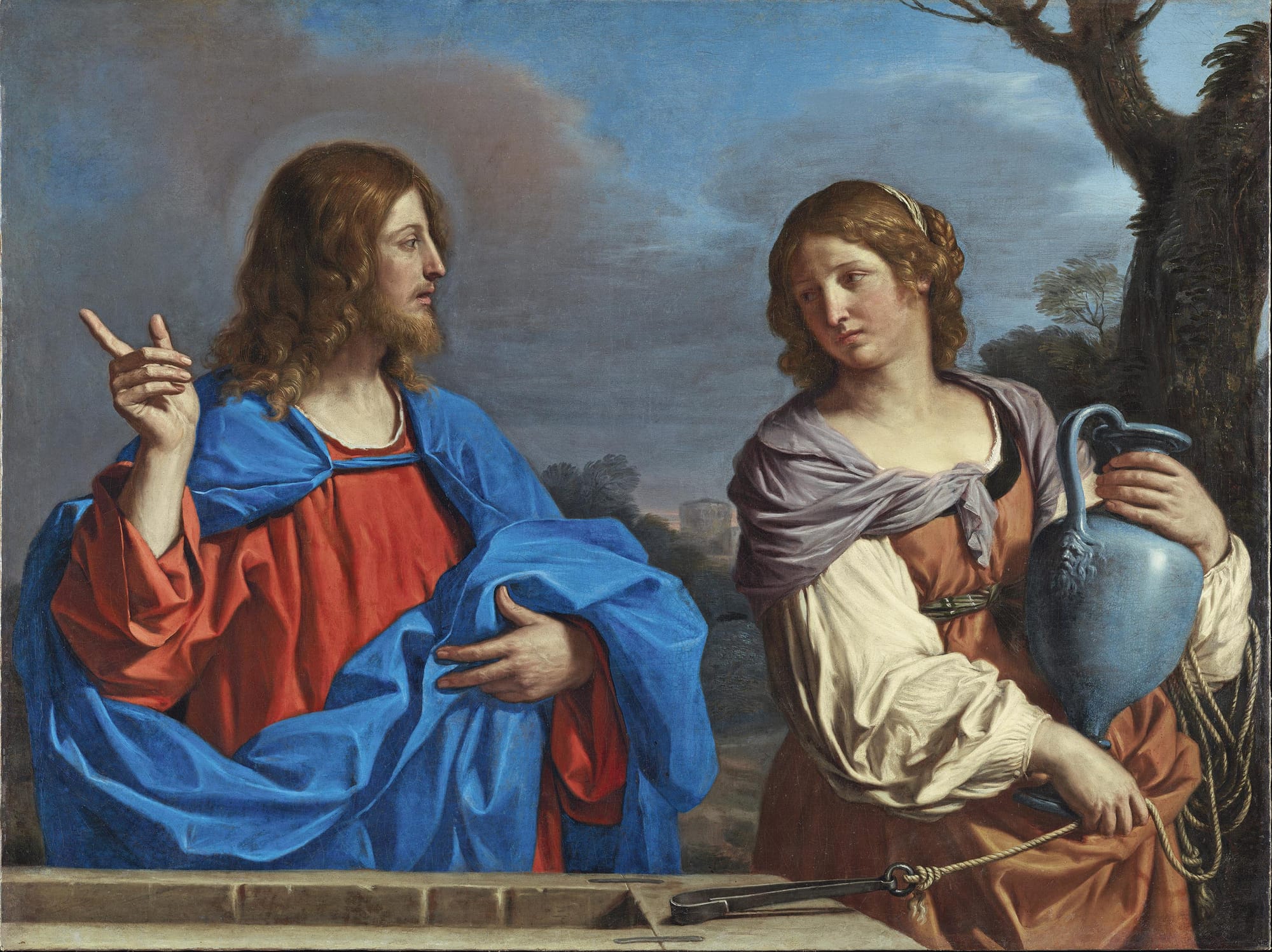
Mastery of gestural language and narrative depth define the work of Giovanni Francesco Barbieri, better known as Guercino, at the Museo Nacional Thyssen-Bornemisza. The exhibition “Guercino and his Biblical Heroines” gathers a select group of canvases focused on the painter’s nuanced representation of women in scripture. From the repentant sinner to the innocent victim and the classical heroine, these works explore the multifaceted roles assigned to female figures in Baroque painting. Centered on the museum’s own Christ and the Woman of Samaria at the Well, the display offers a detailed analysis of how Guercino used his highly personal vision to breathe new psychological life into traditional Christian iconography.
Joan Miró. Circles
13 March 2026 – 12 March 2028
Josep Lluís Sert’s architecture takes center stage alongside more than 100 masterpieces in the major collection reorganization, “Joan Miró. Circles”. Opening at the Fundació Joan Miró, this presentation draws from a portfolio of drawings from the 1950s and 60s that reflects on space and time. By unlocking the Cypress Garden to the public, the exhibition triggers a vital dialogue between the artworks and their natural environment. This rhythmic journey through the building allows the Mediterranean light to activate Miró’s forms, creating a sensory experience where the physical space becomes just as transformative as the art itself.
Opening the Archive 08. Untitled (1930)
26 March – 23 August 2026
“Opening the Archive 08” unveils a significant new addition to the Fundació Joan Miró collection: Untitled (1930). This pencil drawing on Ingres paper, a generous donation from Françoise Marquet Zao, is presented alongside the original sketches for the entire series. These works provide a glimpse into Miró’s creative process during a period likely inspired by Georges Bataille’s provocative essay “Le Gros Orteil” in the avant-garde magazine Documents. By reuniting the finished piece with its preliminary studies, the exhibition offers a focused, scholarly look at how Miró’s subversive 1930s visual language first took root.
Sant Pere de Rodes and the Master of Cabestany: The Construction of a Myth
19 March – 28 June 2026
Tribute to the most brilliant and internationally renowned sculptor of Catalan Romanesque art, the Master of Cabestany, arrives at the Museu Nacional d’Art de Catalunya (MNAC). The exhibition “Sant Pere de Rodes and the Master of Cabestany: The Construction of a Myth” brings together over one hundred works — including sculpture, painting, and illuminated manuscripts — from prestigious international archives such as Cluny and the Vatican. This ambitious display centers on the Master’s masterpiece: the lost, monumental portal of the Benedictine abbey of Sant Pere de Rodes. By presenting unpublished documents and recently acquired fragments, the exhibition seeks to reassess the “modernity” of this itinerant artist while exploring how the abbey itself became a contemporary myth in the history of Romanesque art.
Àngel Jové. De intactu
19 March – 27 September 2026
The Museu Tàpies presents the first major retrospective of Àngel Jové (1940–2023), one of the most enigmatic figures of the 1970s. Titled “De intactu,” the exhibition explores Jové’s multidisciplinary practice, which shuns institutional norms to move freely between arte povera, conceptualism, and informalism. Spanning two floors, the presentation is structured as a series of interconnected “constellations” that place the artist's past, present, and future in dialogue. From his pioneering video art and famous Vinçon lamps to intimate drawings and photographs, the works serve as spaces of poetic resistance, questioning the social systems and fragile gestures that define human existence.
Ruth Asawa: Retrospective
19 March – 13 September 2026
Suspended looped-wire sculptures take flight at the Guggenheim Bilbao in the first major European retrospective of Ruth Asawa. Exploring every facet of her groundbreaking practice, the exhibition traces Asawa’s journey from Japanese American incarceration camps to the experimental Black Mountain College. Her sinewy, transparent forms, often likened to organic structures like roots and nervous systems, transform the gallery into a landscape of shadows and repetition. Beyond her iconic wire work, the presentation includes electroplated bronze, paintings, and prints, highlighting how this postwar visionary used ordinary materials to redefine three-dimensional space and advocate for the transformative power of arts education.
Archipiélago. Imaginary Cartography from the Suñol Soler Collection (1960–1980)
28 March – 6 September 2026
Museo Carmen Thyssen Málaga is set to host Archipiélago, a curated journey through the evolution of Spanish art between 1960 and 1980. This upcoming presentation draws from the private collection of Josep Suñol Soler to create a visual map of a transformative era. Over forty works will be on display, featuring pieces by global names like Warhol and Picasso alongside Spanish greats such as Tàpies and Gordillo. By grouping the art into five thematic “islands”, the exhibition explores how creative expression shifted from the constraints of dictatorship into the freedom of early democracy.
The aura of a modern saga: Ignacio, José, and Marisa Pinazo
3 March 2026 – 7 February 2027
An intriguing exploration of artistic heredity arrives at València’s IVAM this March with The aura of a modern saga. The exhibition traces the creative evolution of the Pinazo family, a lineage that defined the city’s cultural landscape for three generations. Starting with the naturalist foundations of Ignacio Pinazo Camarlench, the narrative follows his son José’s move towards Modernism and culminates in the Art Deco aesthetics of his granddaughter, Marisa Pinazo Mitjans. By juxtaposing their works, the display illustrates how stylistic traditions were inherited and eventually transformed — mapping a journey from classical 19th-century sensibilities to modern 20th-century refinement.
🇨🇭 Exhibitions in Switzerland
The First Homosexuals. The Birth of New Identities 1869–1939
7 March – 2 August 2026
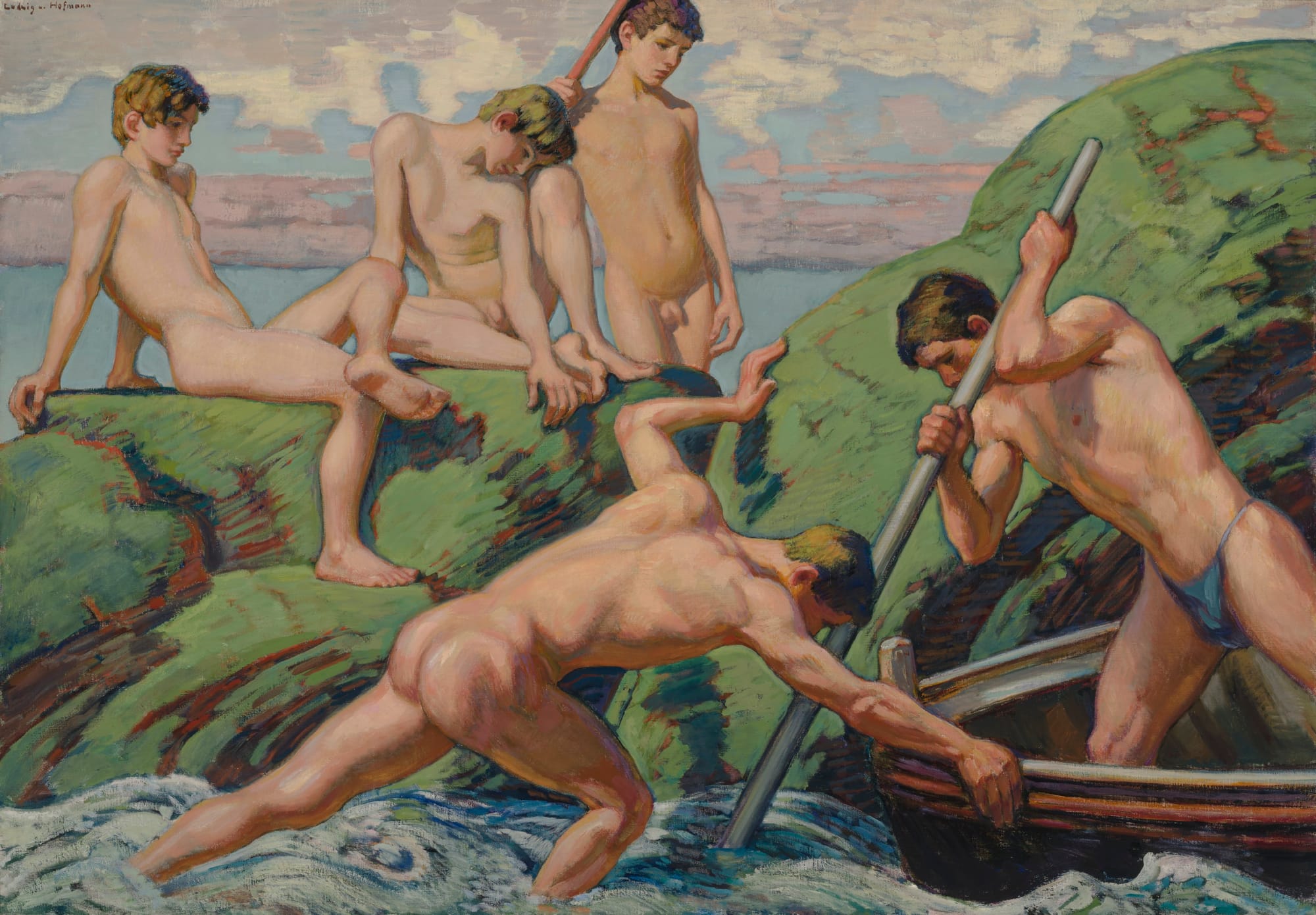
The Kunstmuseum Basel explores the dawn of modern queer visibility in its presentation, The First Homosexuals: The Birth of New Identities 1869–1939. This exhibition investigates how the coining of the term “homosexual” in 1869 transformed same-sex desire from a series of acts into a definitive personal identity. Through approximately one hundred works, including paintings by Tamara de Lempicka and Gerda Wegener, the display reveals the sophisticated visual codes artists used to navigate a world without a shared queer vocabulary. It is a vital, global survey of how art helped shape the modern self.
Nicolas Darrot: Fuzzy Logic
5 March 2026 – 7 March 2027
A miniature stage housed within a former telephone booth serves as the unlikely setting for Nicolas Darrot’s Fuzzy Logic at Museum Tinguely. This five-act automated performance features robotic puppets that seamlessly merge theatre, technology, and mythology. By scanning a custom-designed playing card, visitors trigger these mechanical figures to sing and dance with a deliberate, human-like imprecision. Darrot, whose expertise in film special effects informs his sculptural craft, explores the poetic nuances of artificial intelligence through these interactions. It is a whimsical study of movement, where digital programming meets the organic vagueness of the living world.
Félicien Rops: Laboratory of Lust
5 March – 31 May 2026
Social hypocrisy and erotic obsession are laid bare in the Kunsthaus Zürich’s upcoming presentation, Félicien Rops: Laboratory of Lust. This survey explores the radical Belgian artist’s defiance of nineteenth-century bourgeois morality through a selection of seventy provocative works. By featuring rare prints and drawings, the display illustrates how Rops utilised irony and graphic precision to challenge the gender stereotypes of his era. The exhibition also highlights his creative ties to literary figures such as Charles Baudelaire. Visitors will encounter a defiant visual world that, even today, retains its power to unsettle the spectator through its subversive wit.
Carlos Schwabe
7 March – 16 August 2026
The centenary of Carlos Schwabe’s passing is marked by a sweeping retrospective at Geneva’s Musée d’art et d’histoire. Known for his intricate illustrations of works by Baudelaire and Zola, the German-born artist was a central figure in the Symbolist movement. This exhibition, designed as a musical and initiatory journey, brings together the world’s largest public collection of his work alongside loans from Swiss and French private holdings. Visitors will encounter striking compositions like The Wave, where swirling, tormented figures personify human anxiety, reflecting Schwabe’s deep involvement with the mystical Rose-Croix circle and his unique place in European modernism.
MAMCO × Maison Saint-Gervais. Patricia Plattner (1953–2016)
5–28 March 2026
Tracing the creative evolution of the late Genevan filmmaker Patricia Plattner, a collaborative exhibition between MAMCO and Maison Saint-Gervais reveals a career defined by unceasing curiosity. This presentation draws from a significant 2025 archive donation, offering an intimate look at a woman who seamlessly navigated performance art, photography, and world-renowned cinema. Visitors can explore her journey from co-founding the Studios Lolos collective in 1979 to directing sensitive documentary portraits of figures like Nicolas Bouvier. By showcasing these diverse materials, the display honours a legacy that left a lasting imprint on the Swiss cultural landscape through a dedicated exploration of human relationships.
MAMCO × GPS × Bains des Pâquis. Dial-A-Poem Switzerland
28 March – 10 May 2026
Lakeside visitors at Geneva’s Bains des Pâquis will soon encounter Dial-A-Poem Switzerland, a collaborative venture between MAMCO and Giorno Poetry Systems. This outdoor project breathes new life into John Giorno’s 1968 concept by installing a telephone in a former call box, allowing the public to hear poems from across Switzerland’s diverse linguistic regions. Beyond the booth, the jetty features an exhibition tracing Giorno’s connections to the Beat Generation and the New York underground. By presenting literature as a performed medium rather than a silent text, the installation offers a spontaneous, free encounter with contemporary thought in a popular social setting.
Schwitters: On the Fringes of the Avant-Garde
20 March – 21 June 2026
Kurt Schwitters, a pioneer of the interwar avant-garde, is the subject of a significant new survey at the Zentrum Paul Klee. As the first comprehensive Swiss exhibition of his work in two decades, this presentation explores his unique Merz philosophy — an artistic system that unified collage, literature, and design. Visitors will encounter a diverse range of outputs, from delicate Dadaist assemblages and naturalistic landscapes to a meticulously reconstructed Merzbau. By examining his creative resilience during years of exile, the display illustrates how Schwitters transformed the chaotic debris of modern reality into a singular, poetic order.
French Painting 1800-1945. Anatomy of a Collection
13 March – 16 August 2026
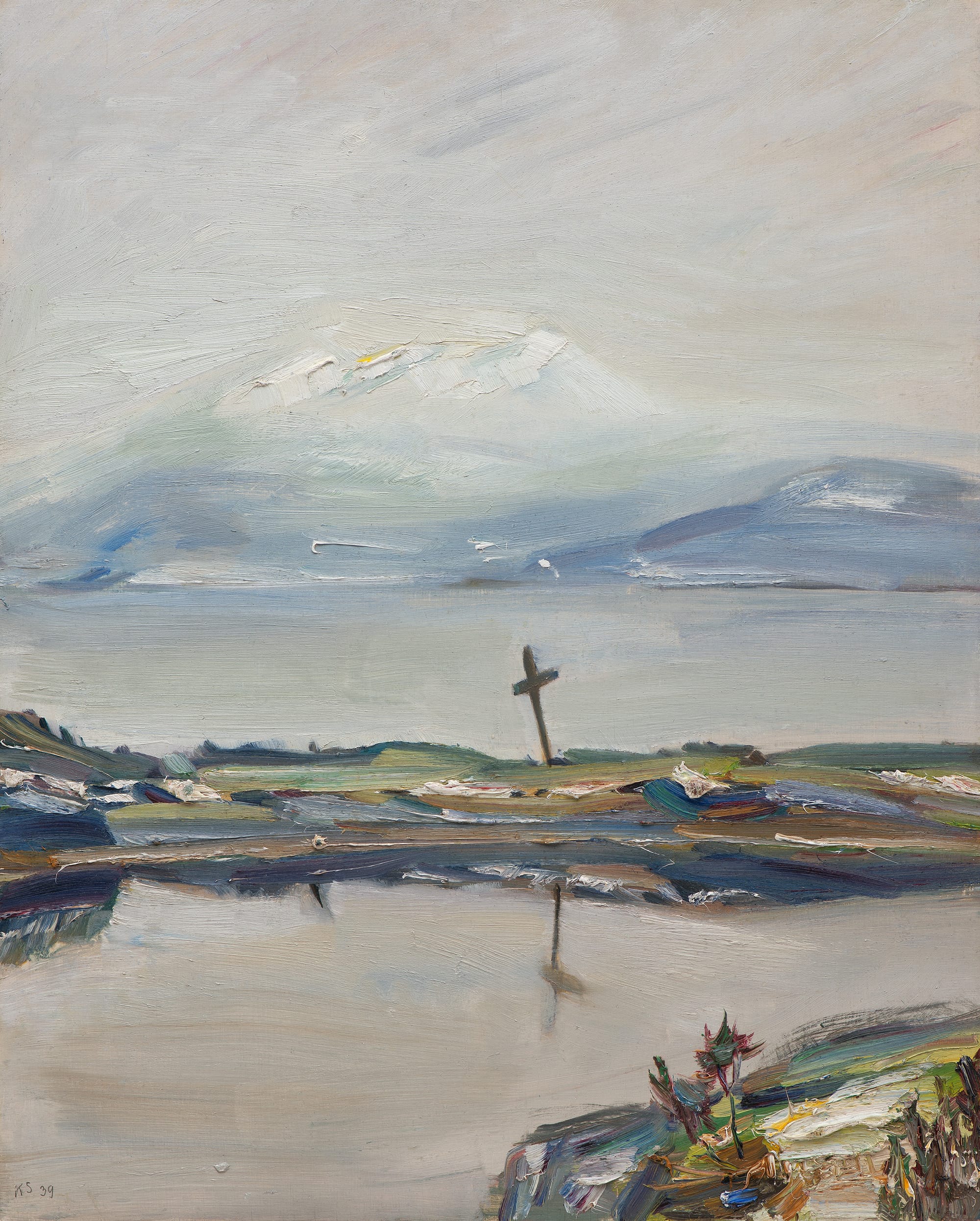
The Musée cantonal des Beaux-Arts in Lausanne provides a sophisticated look into its permanent holdings with French Painting 1800–1945. Anatomy of a Collection. This presentation marks the release of a new catalogue raisonné, bringing together sixty works that trace the evolution of French art from Romanticism to the post-war Return to Order. Visitors can expect to see canvases by masters such as Matisse and Cézanne — often on loan to global institutions — alongside obscure pieces shown for the first time. It is a thoughtful tribute to the collectors who shaped the museum’s identity and international profile.
Ella Maillart: Photographic Encounters
6 March – 11 November 2026
Adventurer, writer and photographer Ella Maillart is the focus of Photographic Encounters, a compelling exhibition at Photo Elysée in Lausanne. Recently added to the UNESCO Memory of the World Register, her extensive archive provides a rare window into the shifting landscapes of 1930s Asia. The display pairs thousands of her images with personal writings, documenting intrepid journeys across the USSR, China and Afghanistan. Through her observant lens, visitors can witness global history in transition — from the expansion of Soviet rule to the emergence of post-imperial China. It is a striking testament to a woman who navigated political upheaval with boundless curiosity.
Luc Delahaye: The Echo of the World
6 March – 31 May 2026
Staged at Photo Elysée in Lausanne, Luc Delahaye. The Echo of the World examines the friction between documentary truth and artistic composition. Over forty large-format works capture a quarter-century of global upheaval — from the battlefields of Syria and Ukraine to the sanitised halls of OPEC conferences. Delahaye, a former photojournalist, creates monumental images that demand a slow, deliberate gaze. Some pieces are being shown for the first time, including an installation that marks a shift in his practice. It is a stark, silent encounter with the chaotic reality of our modern era, inviting viewers to reconnect with a world in flux.
Salvatore Vitale: SABOTAGE
6 March – 31 May 2026
In a shift from traditional photography, Salvatore Vitale’s SABOTAGE at Photo Elysée explores the invisible friction of the gig economy. This immersive installation marks the first complete presentation of his Death by GPS project, tracing the life cycle of digital labour from corporate sterility to electronic waste. Through film, textiles, and archival materials, Vitale highlights the resilience of South African freelancers navigating algorithmic control. The exhibition functions as a physical journey through fragmented workspaces, exposing the hidden power structures of modern capitalism. It is a bold, multi-layered examination of how human agency persists amidst systemic digital automation.
Claire Fontaine
14 March – 14 June 2026
Exploring the boundaries of appropriation, the Kunst Museum Winterthur presents a survey of Claire Fontaine. Founded in 2004, this Paris-based collective challenges the concept of artistic identity by adopting the name of a popular French stationery brand. The display showcases their distinct use of “ready-made” objects (such as glowing neon signs and industrial sculptures) to critique contemporary consumerism and political alienation. By decontextualising everyday items, the duo transforms the familiar into something foreign and provocative. It is a rigorous examination of ownership and social structures, rooted in the radical traditions of Duchamp and minimalist theory.
Tout est lumière. Cezanne, Van Gogh, Matisse, and the Painters of the South
28 March – 30 August 2026
Light becomes the primary subject in Tout est lumière, an evocative display at the Kunst Museum Winterthur’s Villa Flora. Focusing on the transformative power of the Mediterranean, the show explores how artists like Cézanne, Van Gogh, and Matisse were captivated by the crystalline atmosphere of the South of France. These sun-drenched masterpieces, drawn from the prestigious Hahnloser/Jaeggli collection, reveal a shift towards more vibrant palettes and structured forms. It is a luminous journey through art history, reflecting the era when the Côte d’Azur evolved from a health retreat into a vibrant cradle of modernism.
K-NOW! Korean Video Art Today
8 March – 19 July 2026
MASI Lugano explores the high-octane creative energy of South Korea in its expansive group exhibition K-Now. Featuring more than twenty artists, the show offers a comprehensive look at the diverse practices currently defining Seoul’s global influence. Through a compelling mix of digital installations, traditional painting, and sculpture, the narrative navigates the tension between historical heritage and the country’s relentless technological acceleration. It is a vibrant, multi-layered journey into how contemporary identity is forged in one of the world’s most fast-paced societies. Visitors will encounter a sensory-rich environment where ancient philosophy meets the cutting edge of modern media.
Jean-Frédéric Schnyder. La pittura 2024/25
15 March – 9 August 2026
Swiss contemporary artist Jean-Frédéric Schnyder is celebrated at MASI Lugano in a presentation that spans six decades of his unconventional practice. Titled Jean-Frédéric Schnyder. Painting 2024/25, the display pairs a fresh series of en plein air landscapes with his earlier, monumental Stilleben from 1970. These intimate, recent works from the Swiss mountains are juxtaposed with the long-running Billige Bilder project, highlighting his signature blend of irony and poetic experimentation. It is a rare opportunity to witness the evolution of a figure who transforms the mundane into something extraordinary while remaining fiercely independent.
🇬🇧 Exhibitions in the United Kingdom
Stubbs: Portrait of a Horse
12 March – 31 May 2026
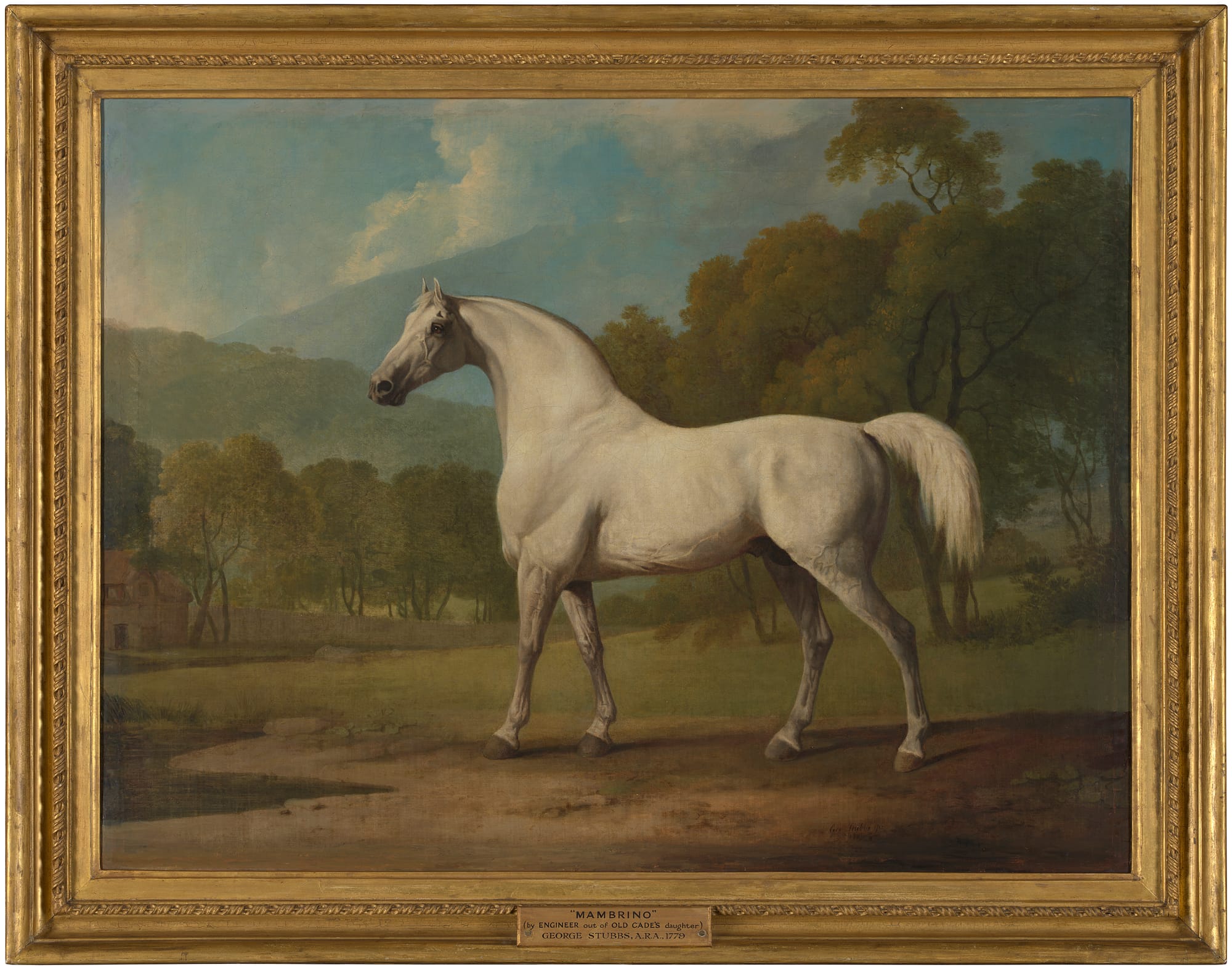
The National Gallery in London presents a refined study of equine anatomy and character in the exhibition Stubbs: Portrait of a Horse. Centred on the monumental 1762 painting of the racehorse Scrub, the display highlights George Stubbs’s revolutionary approach to animal portraiture. By removing the traditional human rider, Stubbs elevated the horse to a subject of singular dignity and power. Visitors can explore the artist’s meticulous anatomical drawings alongside the life-size finished work, witnessing how eighteen months of solitary research in a Lincolnshire barn transformed British art. It is a striking encounter with technical precision and spirited realism.
Hurvin Anderson
26 March – 27 August 2026
Memory and cultural heritage intertwine in the expansive solo exhibition of British artist Hurvin Anderson at Tate Britain. More than eighty vibrant paintings fill the galleries, tracing his trajectory from a gifted student to a leading figure in contemporary art. Through colour-drenched landscapes and intimate interiors, such as his celebrated barbershop scenes, Anderson meanders between the lushness of the Caribbean and the urban reality of the UK. This atmospheric display includes several previously unseen canvases, highlighting his unique ability to layer disparate locations. It is a striking exploration of the African diaspora and the shifting, often unreliable nature of personal history.
Schiaparelli: Fashion Becomes Art
28 March – 1 November 2026
The Victoria and Albert Museum explores the intersection of surrealism and haute couture in its upcoming exhibition, Schiaparelli: Fashion Becomes Art. This first-of-its-kind UK survey follows the designer’s trajectory from her 1920s debut to the modern-day vision of creative director Daniel Roseberry. Notable pieces include the provocative Tears dress and the Skeleton gown — legendary results of her collaborations with Salvador Dalí and Jean Cocteau. By showcasing these avant-garde garments alongside contemporary runway looks, the presentation highlights how Schiaparelli’s “outrageous” aesthetic continues to challenge the conventional limits of dress. It is a masterful study of a woman who truly turned fashion into an art form.
Michaelina Wautier
27 March – 21 June 2026
Forgotten for centuries under the names of her male peers, seventeenth-century Flemish painter Michaelina Wautier finally regains her rightful place in art history. This exhibition presents a rare opportunity to witness her exceptional range — from delicate floral still lifes to ambitious, large-scale mythological scenes that challenged the gender norms of her time. The presentation features the striking The Triumph of Bacchus, showcasing her fearless approach to the human form. By uniting these diverse masterpieces, the gallery offers a clear-eyed look at a virtuoso whose technical skill and emotional depth rivalled the most famous artists of the Baroque era.
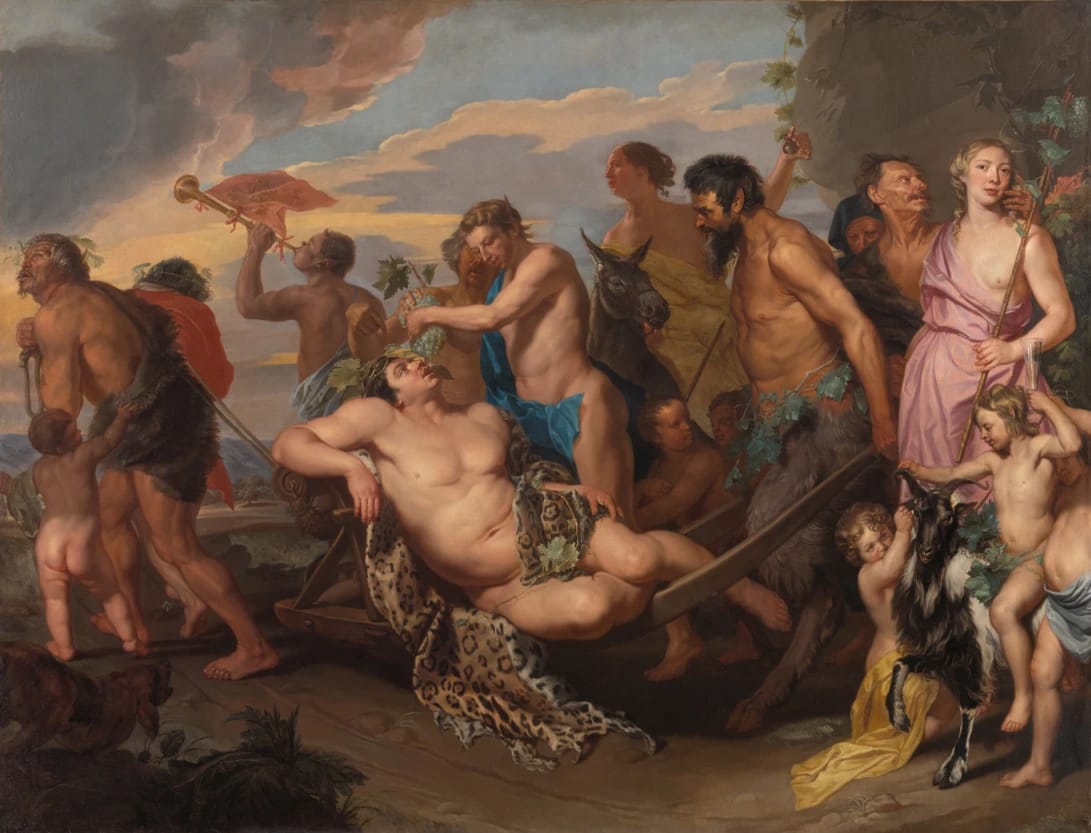
Modern Art and Modern Life: Highlights from Wakefield’s 20th Century Collection
21 March 2026 – March 2027
How did the rapid shifts of the early twentieth century transform the way artists viewed the world? This exploration at The Hepworth Wakefield answers that question by tracing the evolution of British modernism through the lens of everyday existence. Centred around the influential work of Barbara Hepworth and Henry Moore, the display investigates how industrialisation and shifting social values influenced creative expression. Masterpieces such as Mother and Child are set alongside mid-century textiles and ceramics, illustrating a domestic revolution. It is a thoughtful examination of how art moved from the gallery into the very fabric of British homes.
Rhythm, Dance and Everything: The Body and Performance from Hepworth to Now
21 March 2026 – March 2027
Movement and melody serve as the vital heartbeat of a fascinating new presentation at The Hepworth Wakefield, where the dynamic relationship between visual art and performance takes centre stage. Exploring the twentieth-century fascination with the moving body, this display highlights how figures like Barbara Hepworth and Naum Gabo sought to capture the fleeting essence of choreography through sculpture and drawing. Notable works such as Dance illustrate the fluid, rhythmic lines that defined this era’s creative output. By examining these spirited connections, the exhibition reveals how the energy of the stage fundamentally reshaped the language of modern British abstraction.