80 art exhibitions around Europe closing in June 2026
Eighty exhibitions across twelve countries close their doors before the end of June, and this issue is the prompt to catch the ones still on your list. Kunsti Radar asks where you might still find a free Saturday before the summer travel begins in earnest.

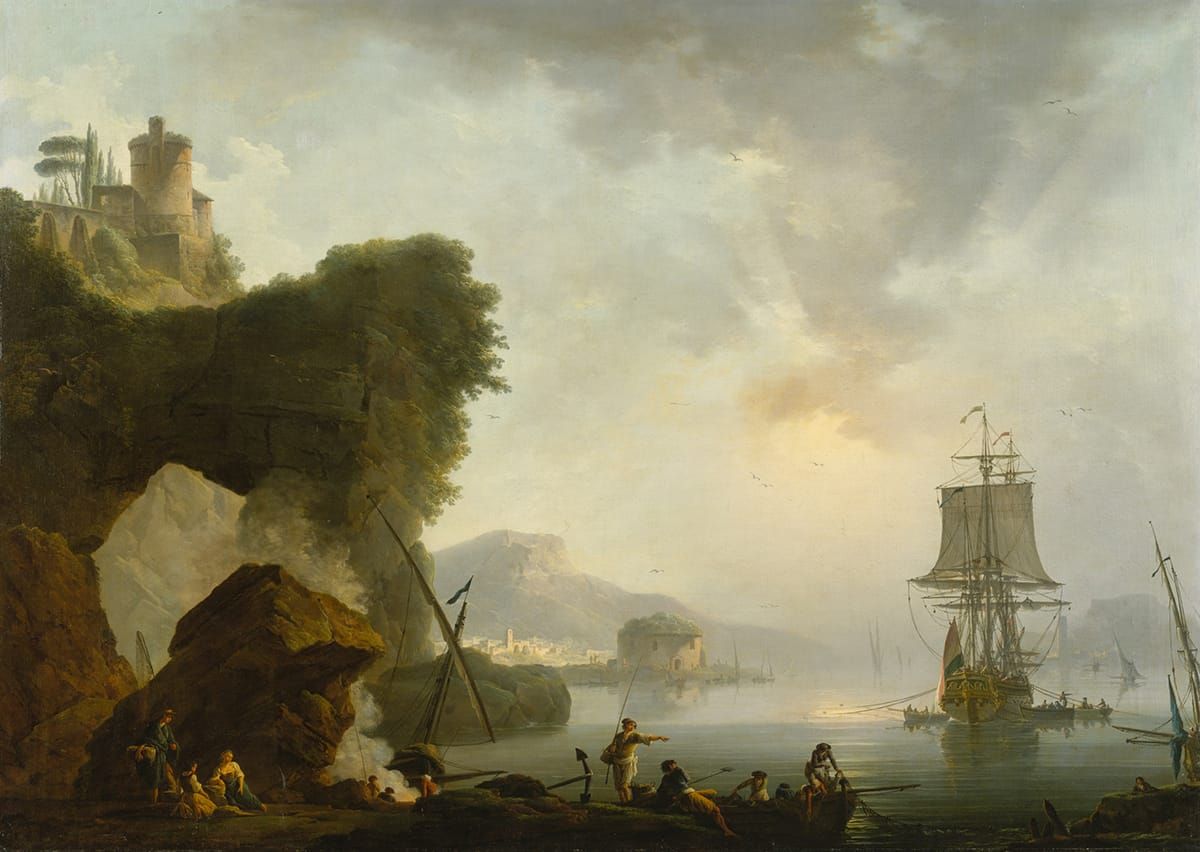
Eighty exhibitions across twelve countries close their doors before the end of June, and this issue is the prompt to catch the ones still on your list. Kunsti Radar asks where you might still find a free Saturday before the summer travel begins in earnest.
Vienna alone closes eight shows, from Sue Williams at Belvedere 21 to Courbet at the Leopold and a survey of care work drawn from the Verbund Collection at the Albertina. Madrid offers a late Rubens at the Prado on temporary loan, Alberto Greco at the Reina Sofía and two small, sharp Thyssen shows: one on Guercino’s biblical heroines, the other on the Ukrainian filmmakers Khimei and Malashchuk. Paris has Nan Goldin at the Grand Palais and Kandinsky’s source images at LaM in Villeneuve-d’Ascq, while the Louvre welcomes sixteen loans from the Department of Antiquities in Cyprus. London has Michaelina Wautier at the Royal Academy.
Elsewhere: a four-metre Tintoretto reunion in Venice, the first comprehensive Swiss Schwitters survey in two decades at the Zentrum Paul Klee in Bern, Gwen John’s 150th-anniversary show in Cardiff, Per Kirkeby’s drawings at Museum Jorn in Silkeborg, René Burri in Budapest, the Bay Area Dada-to-punk story at MAMCO in Geneva. The Baltic in Gateshead gives over an entire floor to the ocean, while the Fotomuseum Winterthur runs Paul Mpagi Sepuya and Ester Vonplon side by side.
The complete list runs below. There is no shame, though, in choosing an exhibition by the quality of its café terrace; we have done it ourselves.
🇦🇹 Exhibitions in Austria
Ferdinand Georg Waldmüller: True to Nature
Until 14 June 2026
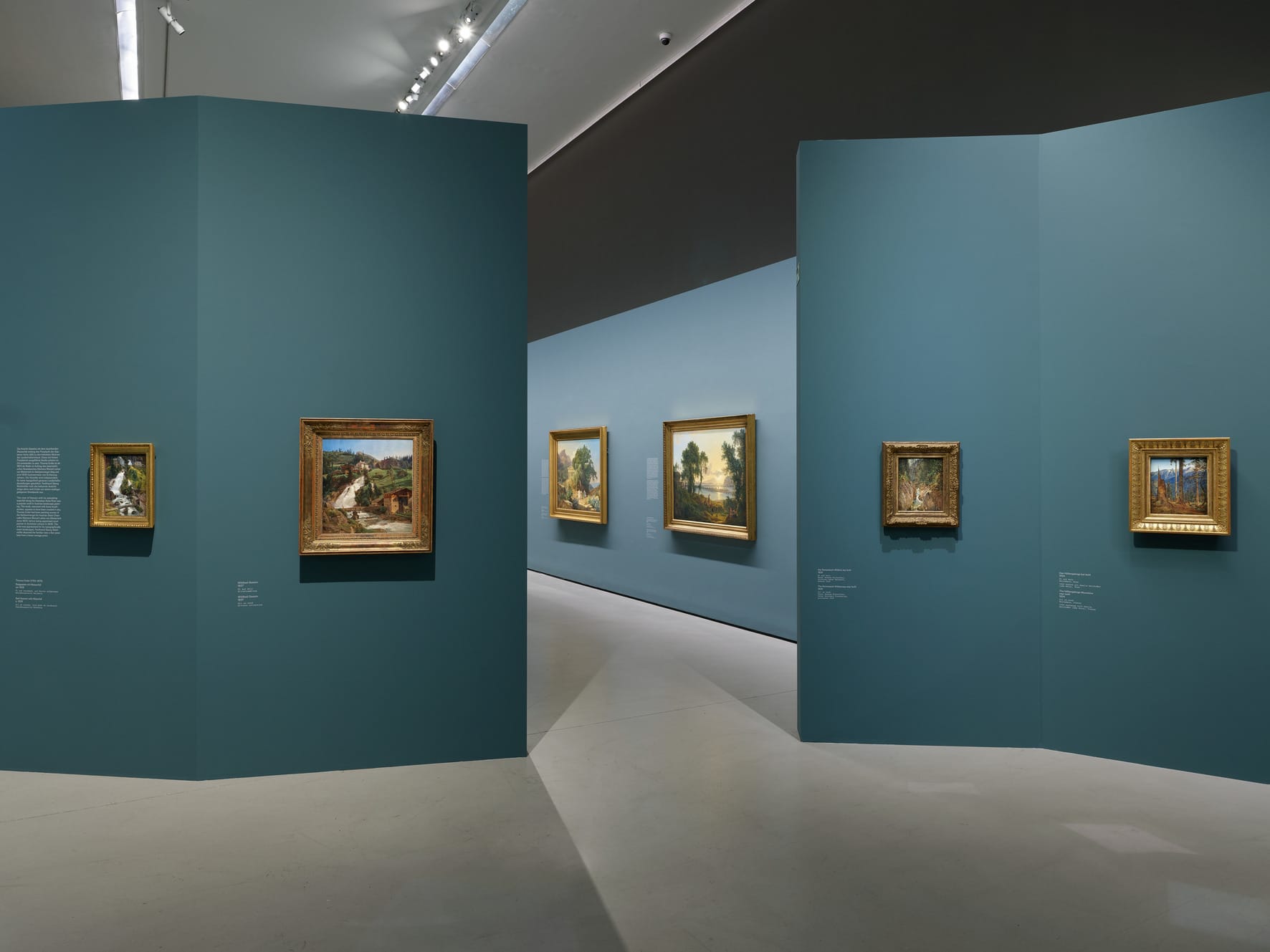
Biedermeier eye for the natural world finds its fullest expression in the work of Ferdinand Georg Waldmüller (1793–1865), whose true-to-life landscapes the Belvedere now sets within the broader European turn towards painting outdoors. The exhibition follows the artist from the Prater meadows and Vienna Woods to the lakes of the Salzkammergut and onwards to Italy, pairing his canvases with works by John Constable, Jean-Baptiste Camille Corot, Johann Christian Dahl and Théodore Rousseau. Loans from the Princely Collections Liechtenstein and a collaboration with London’s National Gallery underpin the show.
Sue Williams: WHAT NOW
Until 6 June 2026
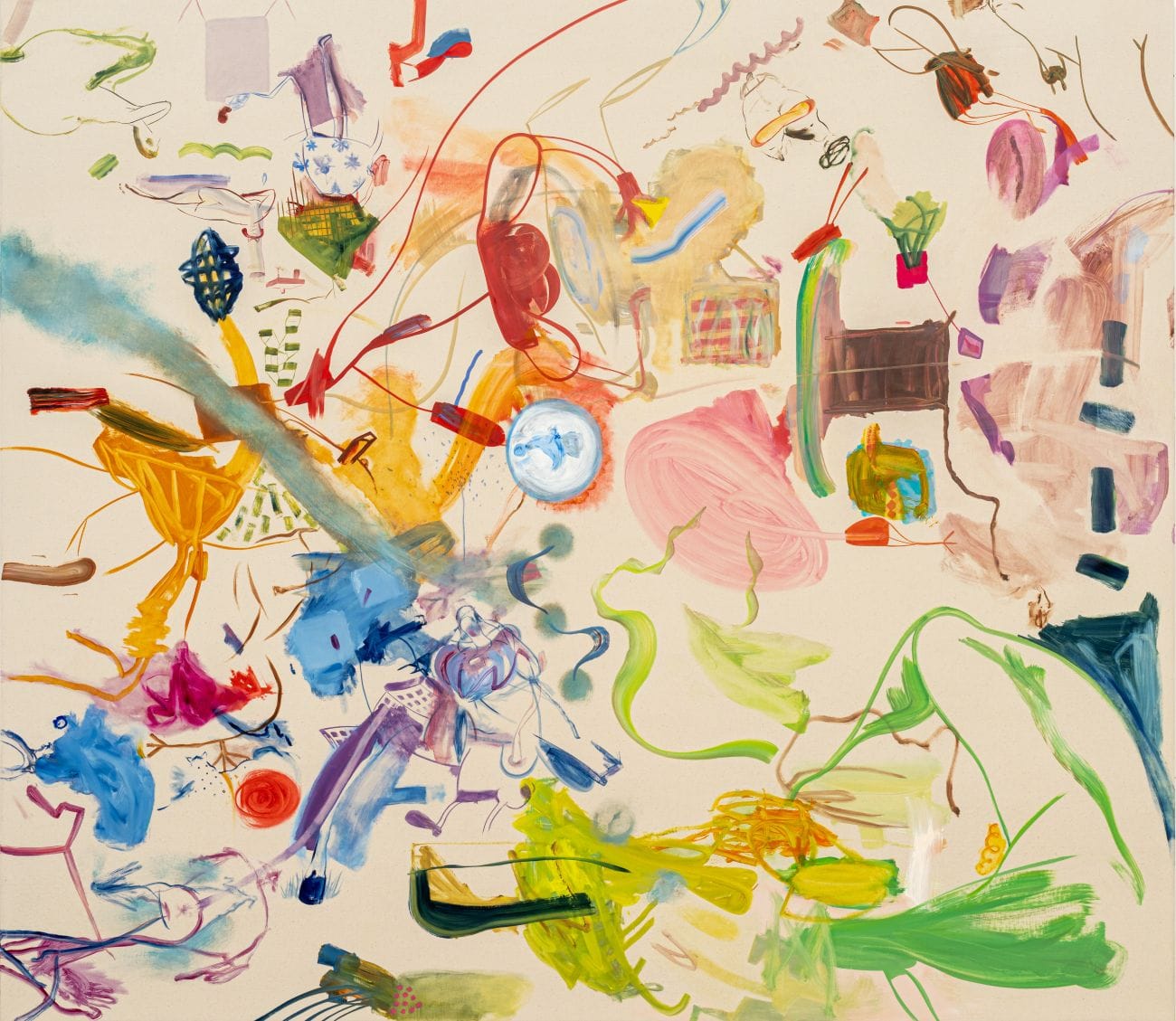
Few painters have probed the politics of the body with as much sustained ferocity as the American artist Sue Williams (b. 1954). This survey at Belvedere 21 traces her work from the late 1980s to the present, beginning with the cartoon-like black-and-white drawings that confronted misogyny and sexualised violence head-on. From there it follows her shift into gestural abstraction, her neon-lined send-ups of Abstract Expressionist machismo in the early 2000s, and the recent, densely layered canvases in which figuration and pattern collide.
Friedl Kubelka / vom Gröller: Home but Not at Home
Until 6 June 2026
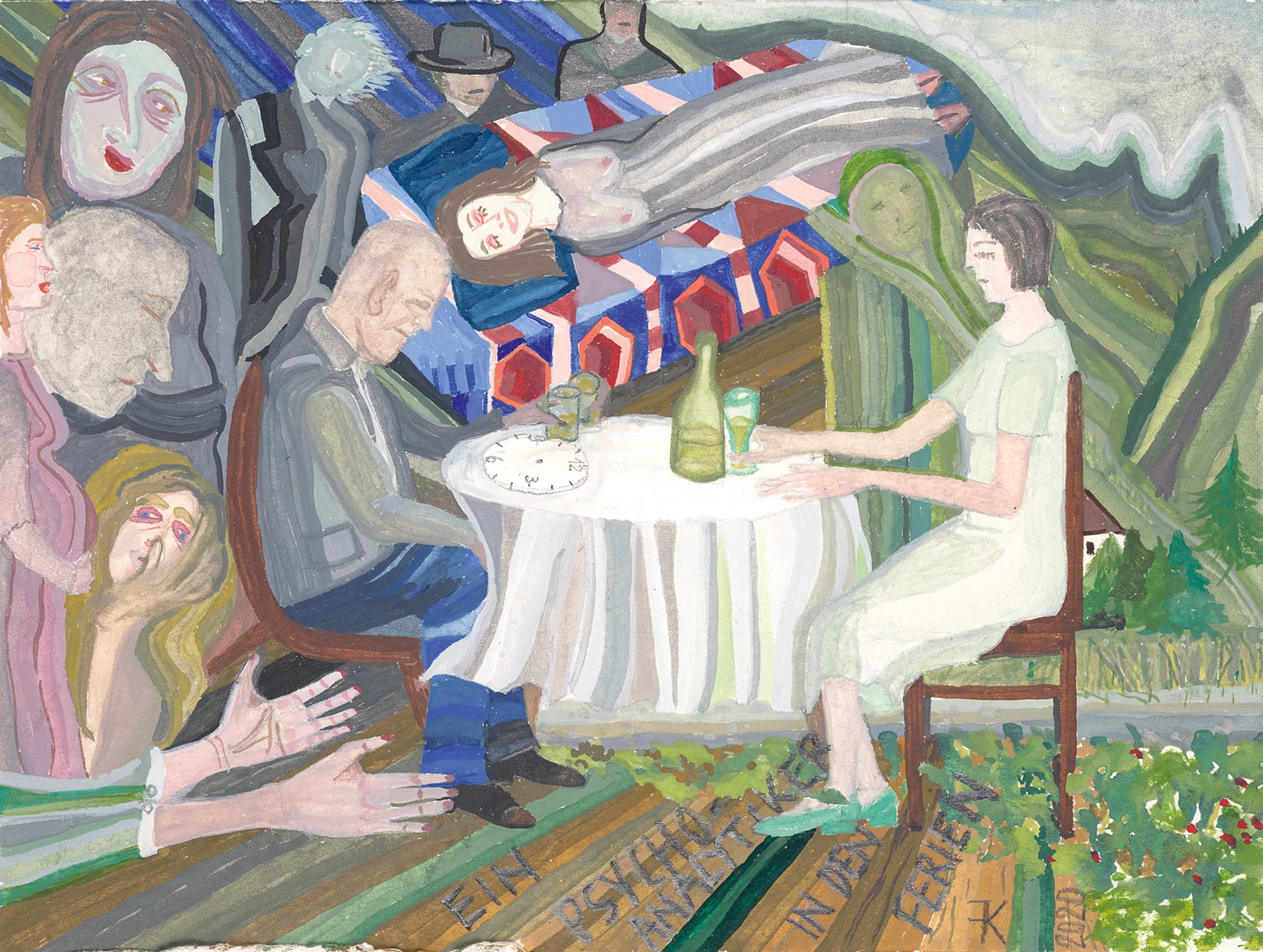
Internationally known for her conceptual photography and 16mm short films, the Vienna-based artist Friedl Kubelka (b. 1946) has also been drawing and painting since the early 1970s, though this side of her practice has rarely been seen in public. Belvedere 21 brings together a selection of her vibrant gouaches and works on paper, shown alongside several of her analogue films. The studio on Gartengasse, her base since 1969, anchors the show. Influenced by Hans Neuffer, Friedensreich Hundertwasser and Franz West, the gouaches favour intimacy, narrative detail and Fantastic Realism.
Care Matters: An Exhibition of the Verbund Collection
Until 28 June 2026
Drawing entirely from the Verbund Collction, this exhibition turns its attention to care work and the women who have long performed it, often invisibly and under precarious conditions. The selection moves from the Feminist Avant-Garde of the 1970s to contemporary positions, with works by Renate Bertlmann, Birgit Jürgenssen, Valie Export, Martha Rosler, Lorna Simpson, Mary Sibande, Nicole Wermers and others. Kitchens, aprons, cleaning trolleys and shopping carts recur as motifs, alongside photographs documenting motherhood and the care of elders. Gabriele Schor, the collection’s founding director, has curated the show.
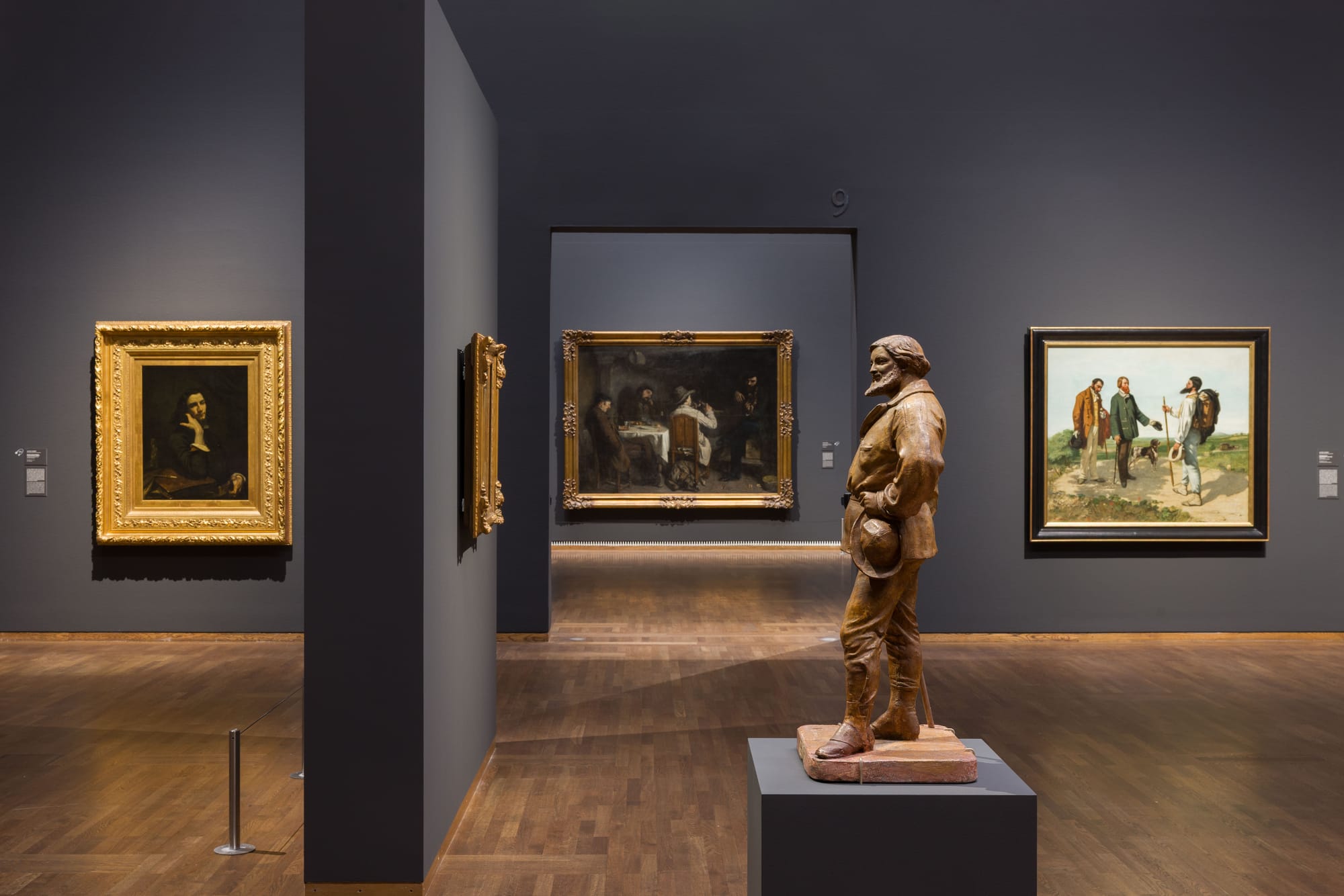
Gustave Courbet: Realist and Rebel
Until 28 June 2026
Billed as the first Austrian solo show devoted to Gustave Courbet, this survey at the Leopold Museum brings together paintings and works on paper from every phase of his career. Visitors move from the early self-portraits through the social realism of The Stone Breakers and After Dinner at Ornans to the sensual nudes, including The Origin of the World, on loan from the Musée d’Orsay. Landscapes around his native Ornans, seascapes and works produced during his Swiss exile round out the show. Loans come from Montpellier, Paris, Madrid, Essen and Lille.
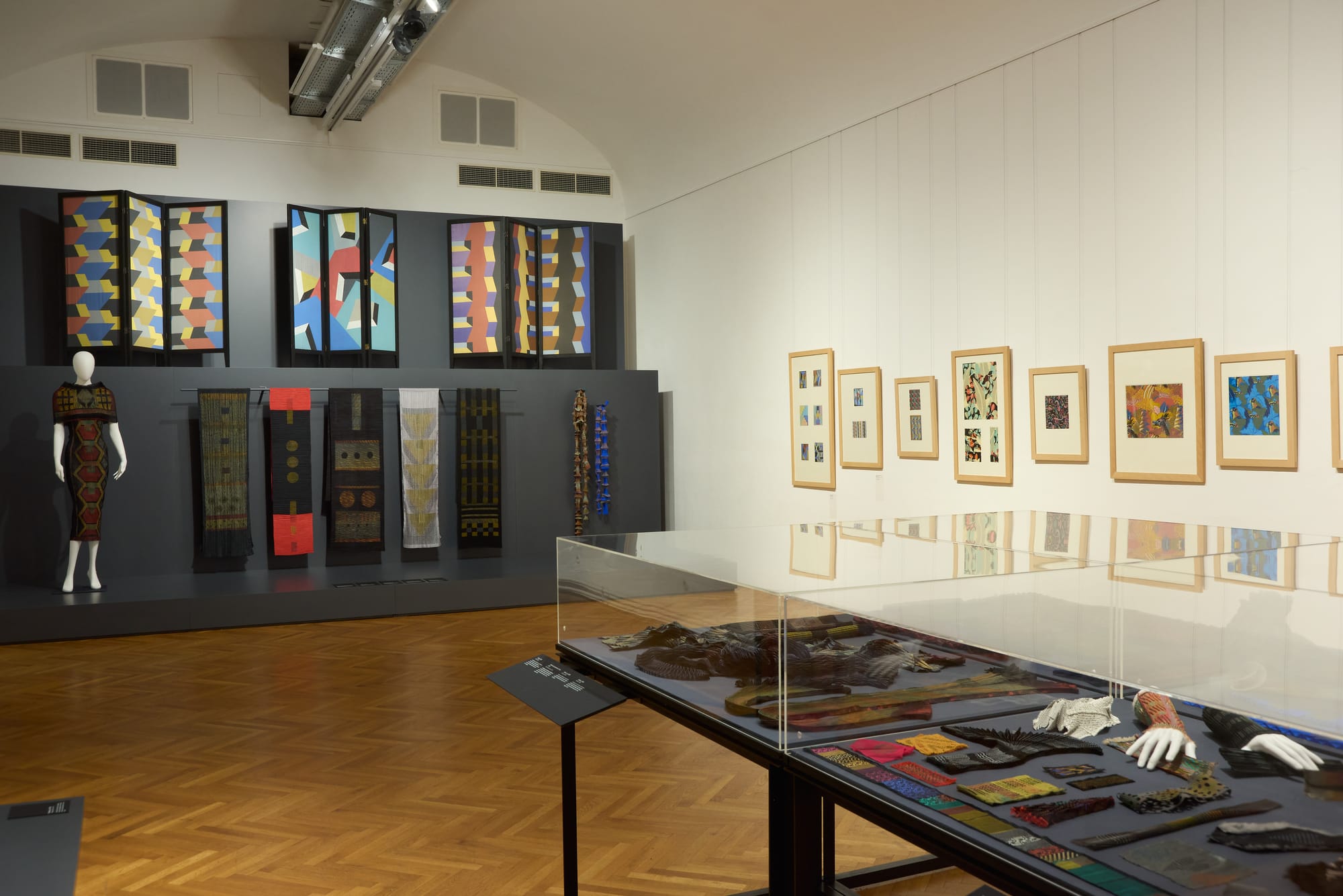
Ursi Fürtler: Textile—Abstract
Until 14 June 2026
Pleated silks, geometric patterns and silkscreened dots and stripes define the practice of Ursi Fürtler (b. 1939), an Austrian textile artist receiving her first solo show at MAK. The works on view trace a long dialogue with the decorative grammar of classical modernism, from the Wiener Werkstätte to the Bauhaus, alongside an enduring fascination with Japanese printing and dyeing techniques. Curator Lara Steinhäußer draws together a cross-section of Fürtler’s career: textile designs on paper from the 1970s and 1980s, folding screens, and works that hover between sculptural object and wearable garment.
EveryBody! The Stories Bodies Tell. Photography and Media Art from 1945 to the Present
Until 14 June 2026
What do bodies say about us, and about the societies that shape and judge them? That is the question driving this group exhibition at the Rupertinum, which gathers photography and media art from the postwar decades to the present. Curator Katharina Ehrl assembles a wide cast of contributors including VALIE EXPORT, Cindy Sherman, Nobuyoshi Araki, Nan Goldin, Lisette Model, Vivian Maier, Samuel Fosso, Sanja Iveković, Urs Lüthi and Gillian Wearing. Their works treat the body as a site of self-determination and social negotiation, where personal expression meets external scrutiny.
Julius Koller. U.F.O.-naut J.K.
Until 14 June 2026
Drawn from the Generali Foundation Collection on permanent loan to the museum, this show centres on the Slovak conceptualist Július Koller (1939–2007), a sharp and sardonic voice in the dissident art scene of late-communist Czechoslovakia. At its heart is U.F.O.-naut J.K. (U.F.O.), a series of one symbolic self-portrait per year sustained over more than three decades. Koller used the abbreviation U.F.O., glossed as “universal-cultural futurological operations”, to signal quiet refusal during the era of normalisation. The exhibition also documents his Anti-Happenings, where absurd gestures took the place of public protest.
Under the Spell of Mozart’s Magic Flute
Until 14 June 2026
Marking Mozart’s 270th birthday, this exhibition gathers four artists whose imaginations were caught by The Magic Flute. Max Slevogt’s illustrations approach the opera with sustained admiration, while Oskar Kokoschka’s vivid stage and costume designs were made for the Salzburg Festival. Wolfgang Hutter contributed scenery for the Graz Opera, populated by exotic flora and fanciful creatures. Stephan von Huehne, after seeing the opera in Salzburg, responded with a sound sculpture that engages sight, hearing and bodily perception. Curated by Barbara Herzog, the show is mounted in cooperation with the Mozart Museums.
Best-sellers. Popular paintings
Extended until 7 June 2026
Ahead of the Residenzgalerie’s closure at the end of April 2026 for the DomQuartier NEU redevelopment, the museum has mounted a farewell hang built around audience favourites. Curators Astrid Ducke and Thomas Habersatter used website traffic and postcard sales to identify the most-loved works in the collection, then organised them by the five traditional genres: history painting, portraiture, genre, landscape and still life. The result is a who’s who of crowd-pleasers, with paintings by François Boucher, Jan Davidsz. de Heem, Pierre Subleyras, Anton Romako and Philippe-Jacques de Loutherbourg. Visitors are invited to vote for their personal favourite.
Hosenrolle? Portraits of Women from 1809–1918
Until 2 June 2026
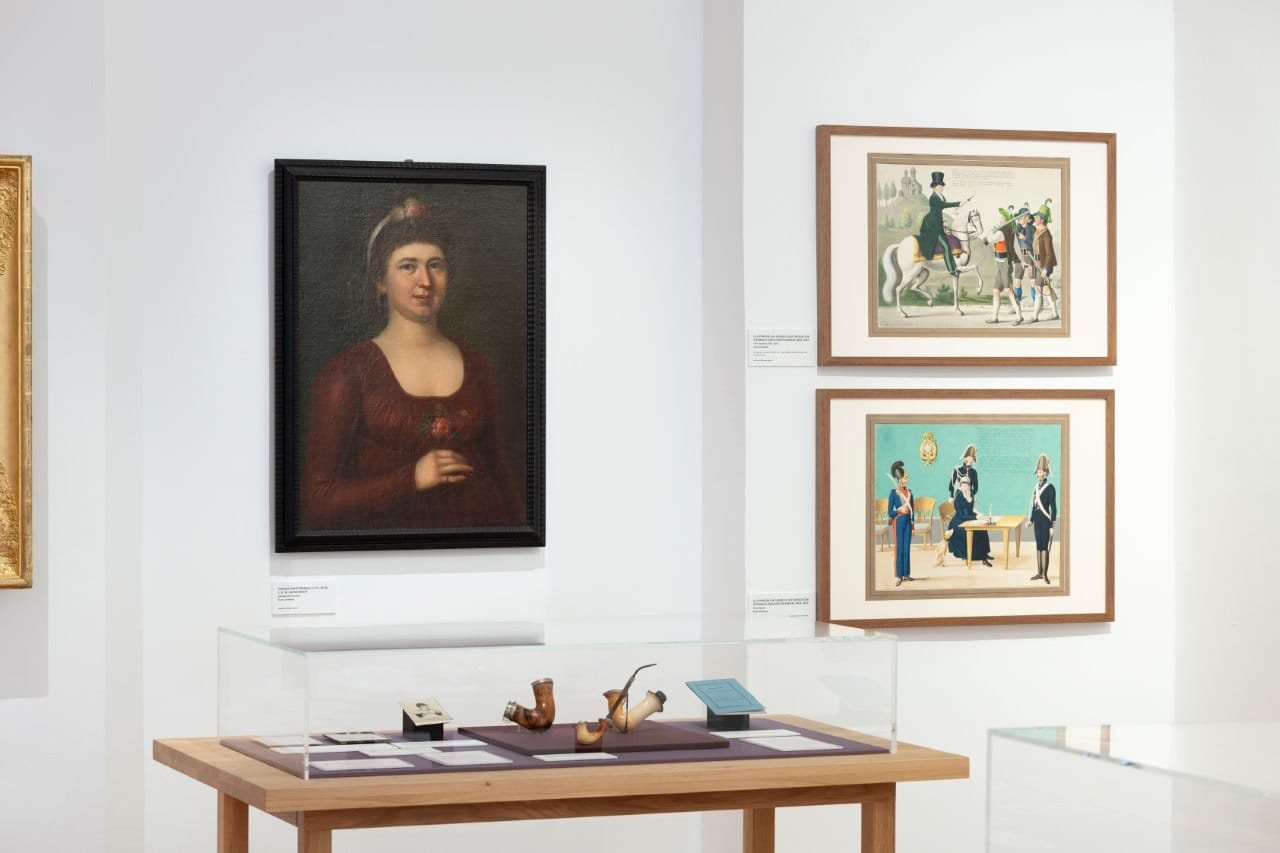
The Kaiserjägermuseum, long a stronghold of male military history, turns its attention to the women written out of it. Curator Sonia Buchroithner gathers portraits, photographs, letters and personal effects to reconstruct the lives of Tyrolean women who fought, organised and supported armed struggle from the anti-Napoleonic uprisings of 1809 through to the First World War. Among them are Baroness Therese von Sternbach, the legendary Mädchen von Spinges Katharina Lanz, Viktoria Savs, who served at the front in male uniform, and the painter Stephanie Hollenstein, who enlisted in 1915 as “Stephan”. The exhibition title plays on the theatrical convention of women dressed as men.
🇧🇪 Exhibitions in Belgium
we refuse_d
Until 7 June 2026
Originally produced by Mathaf: Arab Museum of Modern Art in Doha to mark its fifteenth anniversary, this group show makes its first and only European stop at M HKA, which has just emerged from a political battle over its own future. Curators Nadia Radwan and Vasıf Kortun bring together fifteen artists, among them Walid Raad, Emily Jacir, Jumana Manna, Khalil Rabah and Taysir Batniji, around questions of refusal, censorship and the conditions of making art under pressure. The title nods both to the Salon des Refusés of 1863 and to Hannah Arendt’s 1943 essay We Refugees.
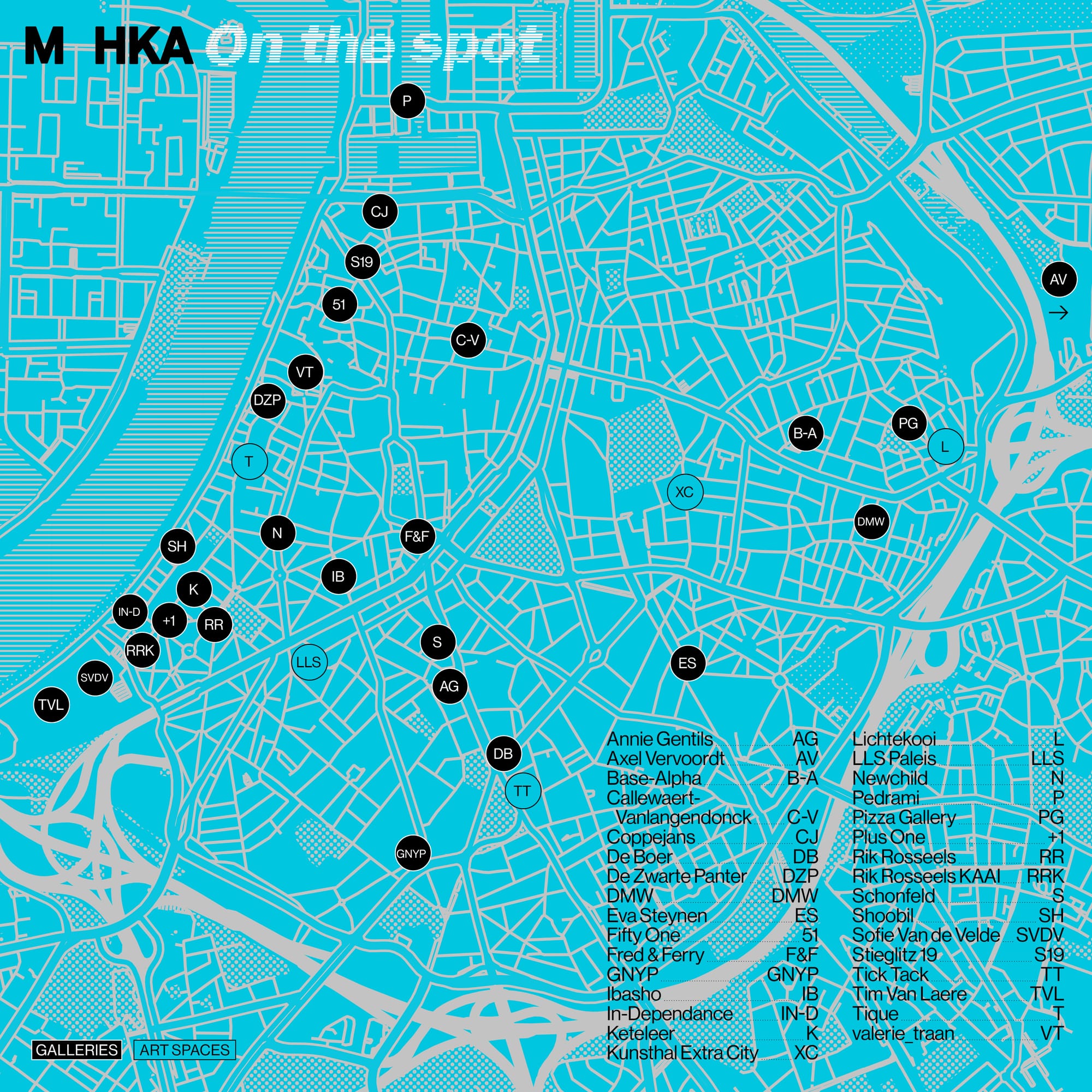
M HKA On the spot
11 May – 30 June 2026
Rather than installing a survey within its own walls, M HKA is dispersing works from its collection across galleries and independent art spaces throughout Antwerp. The project turns the city itself into the exhibition route, asking visitors to follow a trail of contemporary pieces lodged among the programmes of the venues that host them. It’s a fitting gesture from a museum that was itself founded on artist donations and that maintains unusually close ties with Antwerp’s gallery scene. Coinciding with Antwerp Art Weekend in mid-May, the project also doubles as a portrait of the city’s contemporary ecosystem.
Diane Severin Nguyen: If revolution is a sickness
Until 7 June 2026
Marking her Belgian debut, the American artist Diane Severin Nguyen presents If revolution is a sickness, a video installation following a Vietnamese-Polish girl in Warsaw as she negotiates conflicting cultural and political expectations. Nguyen, whose practice moves between video, performance and photography, frames her critique of power, nationalism and identity in the visual vocabulary of K-pop, producing imagery that is at once seductive and unsettling. A selection of photographs accompanies the film, depicting moments when an idea, identity or revolution is taking shape. The result is part coming-of-age tale, part essay on how young people build a self today.
🇩🇰 Exhibitions in Denmark
Platform * Noah Holtegaard x Sarah Pihl
Until 7 June 2026
Working with curator Sarah Pihl in the Platform project space, Danish artist Noah Holtegaard examines the scapegoat as a recurring social mechanism, tracing it from the Old Testament ritual through to the way marginalised groups still carry communal blame. Holtegaard, who is trans, draws on his own position and on historical research to consider both the cost to those singled out and the fear that drives the singling. A central motif is the urination horn used by Andres Aschenberg, who in 1715 married Bodil Marie Christensdatter in St Nikolaj Church. Watercolours, 3D renderings, digital weaving and CNC milling shape the works.
Karim Boumjimar: Bodies under construction
Until 7 June 2026
Møstings hosts a solo presentation by Karim Boumjimar (b. 1998), a young Danish-Moroccan artist who graduated from the Royal Danish Academy of Fine Arts in 2025 and has been performing with Young Boy Dancing Group since 2016. The new ceramic and sculptural works on view borrow from the visual language of antiquity, recasting myths and rituals to ask how the body sits in a world reshaped by climate and material change. Classical motifs are pulled into the present, where the line between organic and constructed forms blurs. It is an unusually sure-footed early outing.
Kirsten Justesen: Countess Danner
Until 1 June 2026
Behind every public sculpture lies an archive of decisions, drafts and second thoughts, and MAPS opens that archive for Kirsten Justesen’s four-metre Monument to Countess Danner, now installed in central Copenhagen. The show gathers diary notes, sketches, models and working materials produced between 2019 and 2024, tracing how Justesen arrived at the unconventional final form: a woman’s body atop a pedestal skirt inscribed with a timeline of the Countess’s life and the lives of Danish women since. A pioneer of Danish feminist art and Thorvaldsen Medal recipient, Justesen (b. 1943) brings five decades of practice to the project.
Elina Brotherus — Fill With Own Imagination
Until 7 June 2026
Invited to make new work inside Alvar Aalto’s building, the Finnish photographer Elina Brotherus responds to the museum itself, treating its architecture and its collection as both stage and prompt. The exhibition combines these site-specific pieces with earlier works in which Brotherus, sometimes joined by dancer and choreographer Vera Nevanlinna, performs quiet, deadpan and faintly absurd actions for the camera. Her method draws on Fluxus event scores, those simple instructions that any reader can follow, and on a habit of asking “what if?” The result is calm, witty and quietly insistent on the place of imagination.
Per Kirkeby: Considerations and Observations
Until 21 June 2026
Drawing was where Per Kirkeby (1938–2018) tested motifs, weighed compositions and thought through the possibilities of landscape and painting before they reached canvas. Museum Jorn focuses on this less familiar side of his work, gathering sheets from 1979–1989, the decade around his international breakthrough. The drawings are presented as independent pieces rather than preparatory studies, shown alongside a group of his bronze sculptures, which echo the same line of thinking in three dimensions. The selection is made by Michael Werner, Kirkeby’s gallerist since 1974, drawing on private collections and the artist’s family.
Sigalit Landau: Salame’
Until 21 June 2026
A single static shot, sixteen minutes long, of an unfinished high-rise façade in southern Tel Aviv: that is the premise of Salame’, a video work by the Israeli artist Sigalit Landau (b. 1969). Over the course of the film, a figure leans out of a window with a paint roller and gradually surrounds it with a black circle. Jewish tradition leaves the east wall of a new building unfinished, in memory of the destroyed Temple. Landau’s mark turns that gesture into something more ambiguous — a quiet ritual, perhaps, or the outline of a target on a home in a contested region.
🇫🇷 Exhibitions in France
Cyprus at the Louvre
Until 22 June 2026
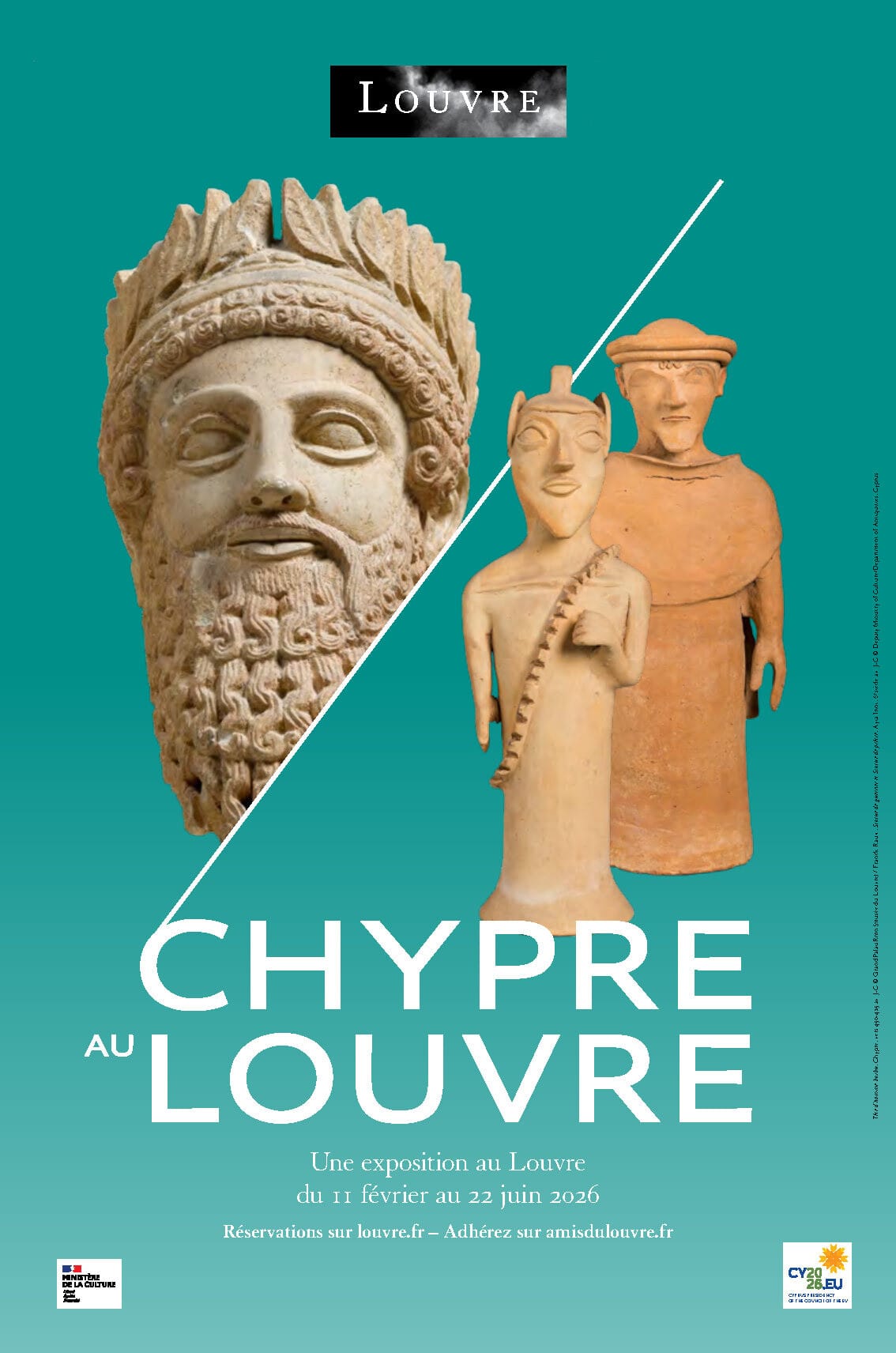
Mounted to coincide with the Cypriot presidency of the Council of the European Union, this small but considered presentation in the Louvre’s Department of Near Eastern Antiquities welcomes sixteen loans from the Department of Antiquities in Cyprus. Picrolite idols from the Troodos Mountains, an inscribed copper ingot from a sanctuary at Enkomi and archaic terracotta votives from Ayia Irini sit alongside the museum’s own holdings, including limestone ex-votos from Golgoi and two Hathoric capitals. A sound-and-image trail accompanies the works, threaded with poems by George Seferis and Konstantinos Kavafis. Curated by George Papasavvas, Artemis Georgiou and Hélène Le Meaux.
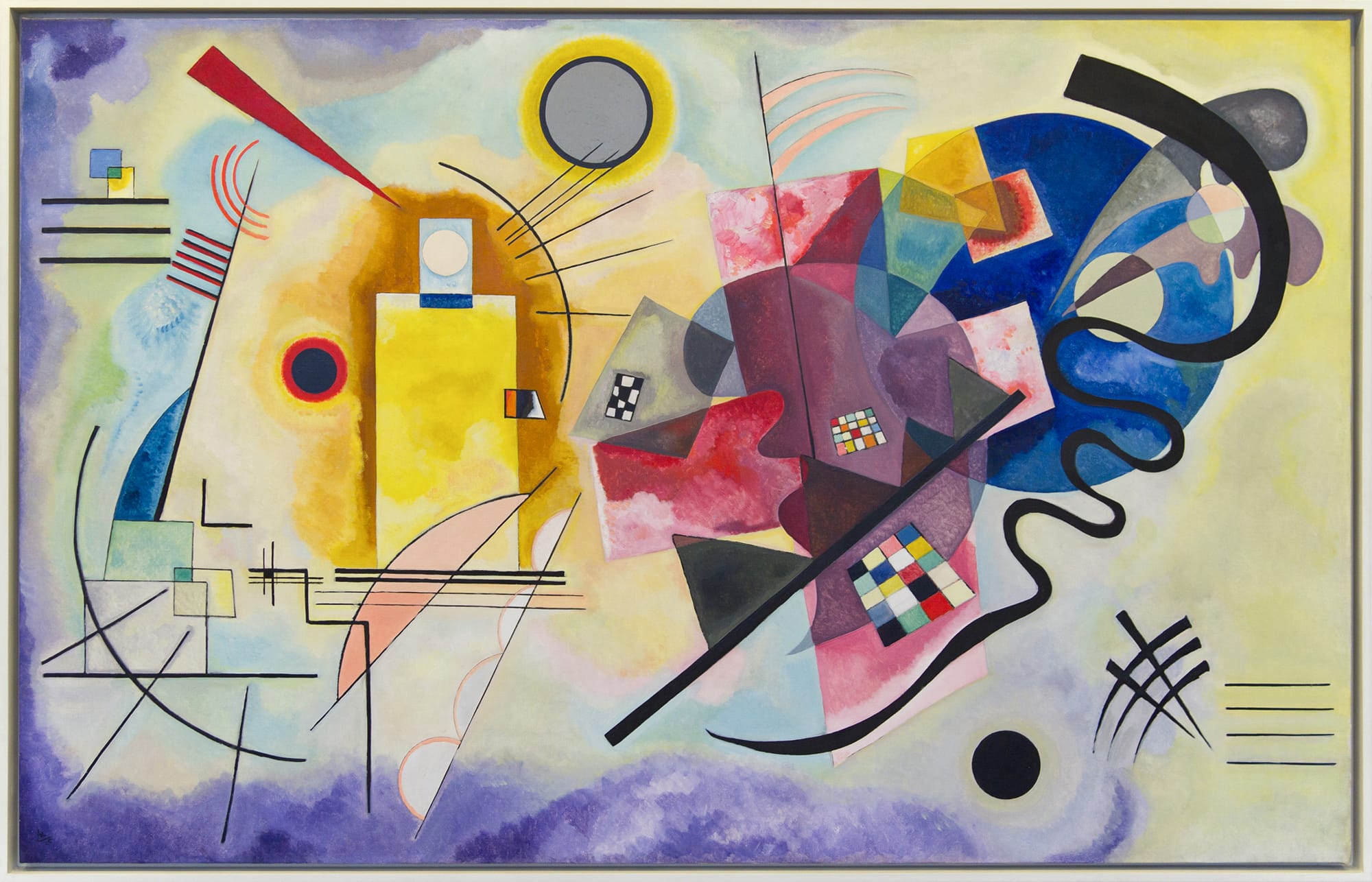
Kandinsky face aux images
Until 14 June 2026
Marking the reopening of LaM after renovation, this survey co-organised with the Centre Pompidou turns to a less examined corner of Vassily Kandinsky’s practice: his relationship with photographs, scientific illustrations and press cuttings. Far from background sources, these images shaped his visual thinking and accompanied his slow movement towards abstraction. The show draws on Nina Kandinsky’s 1976 donation to the Centre Pompidou alongside loans from European public and private collections. Curated by Jeanne-Bathilde Lacourt of LaM, Angela Lampe of the Mnam/Cci and academic Hélène Trespeuch, the exhibition brings together paintings, archival material and the printed sources that quietly underpinned his work.
Nan Goldin: This Will Not End Well
Until 21 June 2026
For the first French retrospective devoted to Nan Goldin (b. 1953), the Grand Palais reframes the photographer as a filmmaker, focusing on the slideshows and videos she calls “films made up of stills”. Architect Hala Wardé has built a small village of pavilions inside the Salon d’Honneur, each shaped around a single piece. Six works span fifty years, from The Ballad of Sexual Dependency and The Other Side to recent pieces such as Memory Lost, Sirens and Stendhal Syndrome. The 2004 installation Sisters, Saints, Sibyls is shown separately at the Chapelle Saint-Louis de la Salpêtrière. Curated by Fredrik Liew of Moderna Museet.
Un passé incontournable. Découvertes archéologiques de l’A355
Until 21 June 2026
Before bulldozers carved out the 24-kilometre Strasbourg western bypass, archaeologists had three years and 380 hectares to inspect what lay beneath. Some 200 specialists from five organisations excavated 34 sites between 2016 and 2019, uncovering more than 200 human occupations from the Middle Palaeolithic to the First World War. The Galerie Heitz now presents the findings for the first time, ranging from the geological formation of the Alsatian landscape to intimate burials of men, women and children. The show, awarded the French ministry of culture’s national interest label, is curated by Bertrand Béhague, Mathilde Villette and Quentin Richard.
A tribute to Gasiorowski
Until 14 June 2026
Forty years after his death, the French painter Gérard Gasiorowski (1930–1986) returns to a place he knew well. The Fondation Maeght draws ten works from its own collection, including the ten-metre Hommage à Manet (1983), Ida, Cossom’s and Croûte – Arc de Triomphe, alongside smaller pieces such as La Ruelle, Le Village and Les Étendues, the last of which reworks Giacometti’s L’Homme qui marche. Many of the canvases were given to the foundation by Adrien Maeght, the artist’s close collaborator at Galerie Maeght, where Gasiorowski had his first exhibition in 1982. Wit and irreverence run through the selection.
🇩🇪 Exhibitions in Germany
“Das alles bin ich!” Christoph Müller’s Gift, Part 4 Leaf by Leaf — A Life with Art
Until 14 June 2026
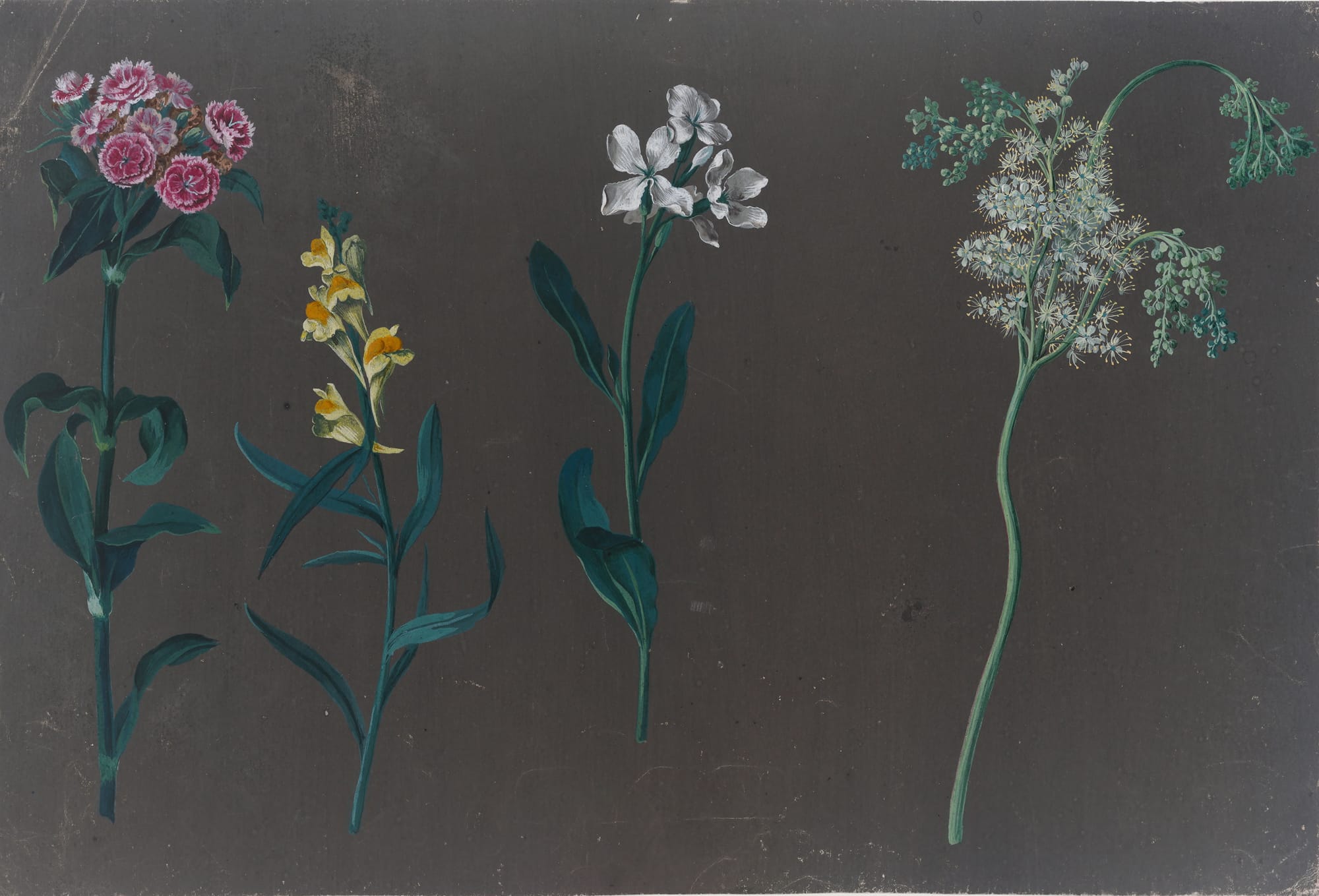
The fourth and final chapter in a year-long series at the Gemäldegalerie celebrates the gift of around 200 works on paper that the German publisher and collector Christoph Müller (1938–2024) made to Berlin’s Kupferstichkabinett. This closing display turns to nature: animals, plants, trees and forests recorded in drawings, prints and watercolours from the early modern period to the present. Some sheets are sober scientific studies, others use nature as a symbol of growth, transience or quiet contemplation. Together they show how five centuries of artists looked closely at the world and tried to make sense of it.
A Home/Haunting: 40 Years of the KGM at the Kulturforum
Until 14 June 2026
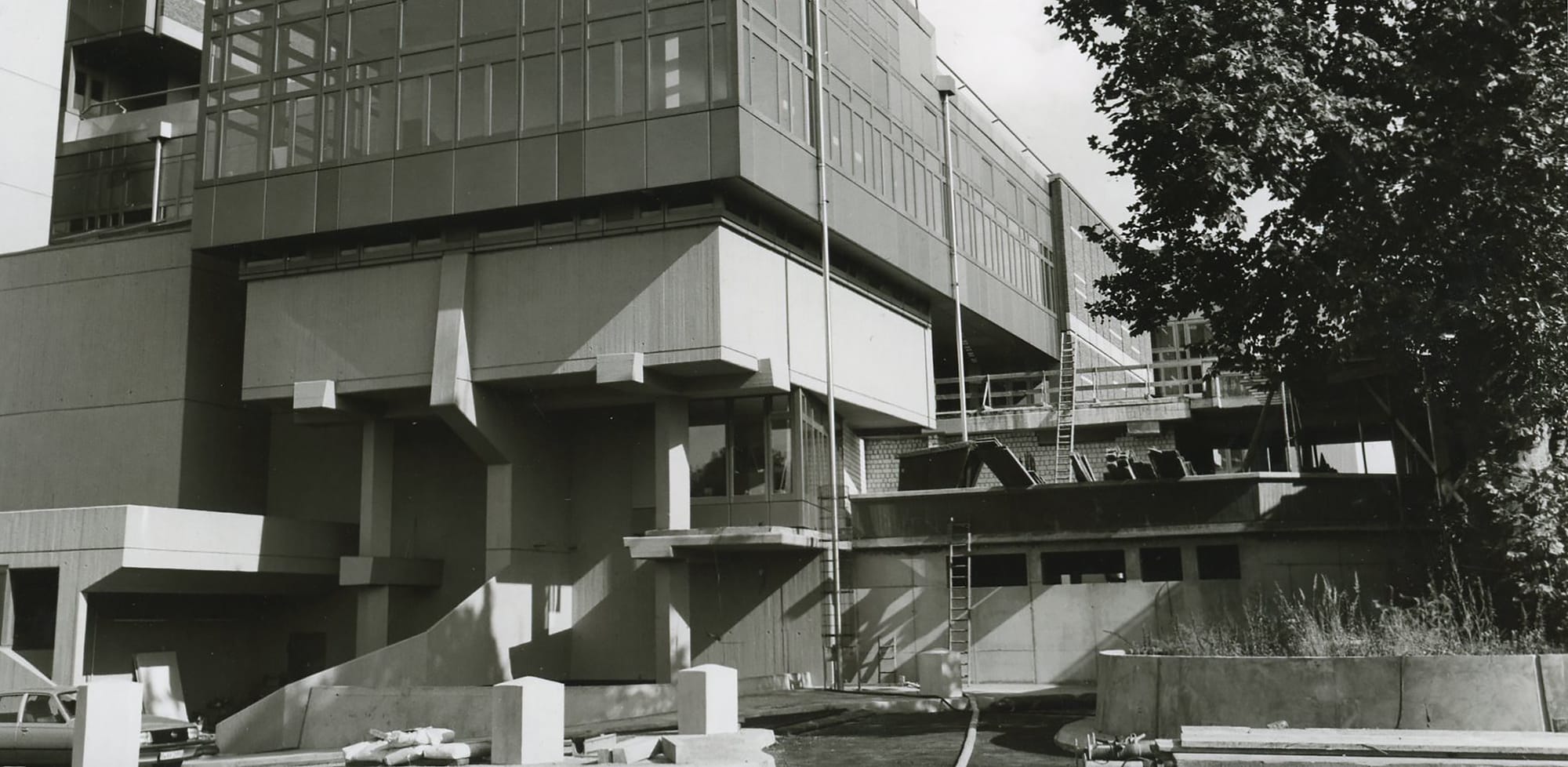
The Kunstgewerbemuseum marks four decades on the Kulturforum without the usual self-congratulatory fanfare. Instead, the exhibition is conceived as a kind of séance, listening to the echoes of a museum split for years between East and West Berlin and now facing renovation. Its founding ambition as an educational institution for craftspeople, the long and contested twenty-year construction history of Rolf Gutbrod’s building, the tension between Köpenick Palace and the Kulturforum site, the realities of conservation and curatorial work: all are laid bare. The future, the curators suggest, remains an open question.
Fashion from Paris: A Donation of Erika Hoffmann
Until 14 June 2026
Twenty pieces of clothing and accessories acquired in Parisian boutiques between the late 1970s and the mid-1990s have entered the Kunstgewerbemuseum, gifted by the Berlin art collector and textile entrepreneur Erika Hoffmann. The selection on display is led by early Thierry Mugler, including a 1980 breastplate with matching zippered skirt, alongside designs by Jean Paul Gaultier, Jean-Charles de Castelbajac and Yves Saint Laurent. The centrepiece is a paper vest by Maison Margiela from 1994, where fashion edges into conceptual art. A Mugler dress Hoffmann wore for a portrait sitting with Andy Warhol is also on view.
Possibilities of an Island: Thinking in Images from Gerstenberg to Scharf
Until 21 June 2026
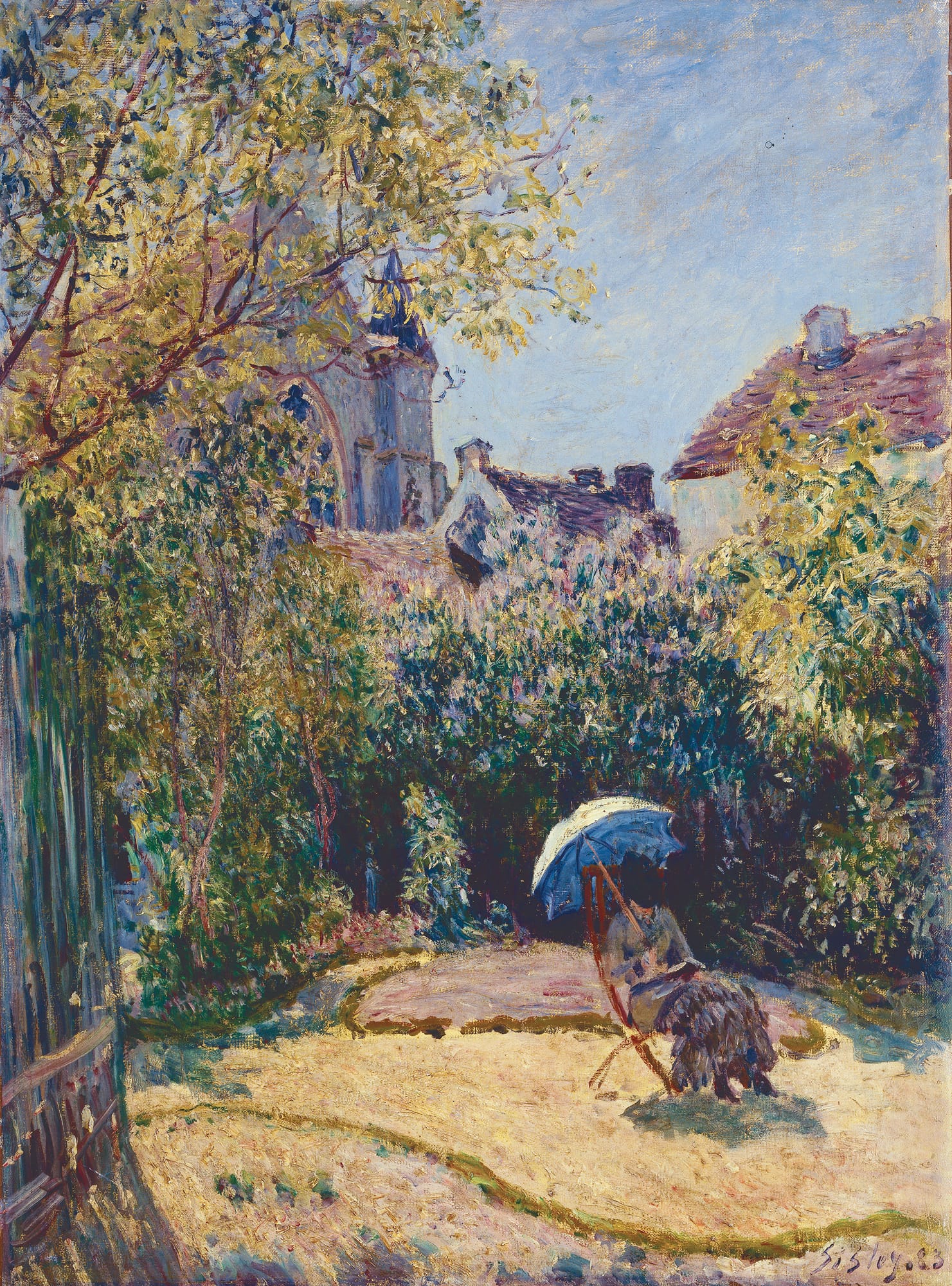
Marking the centenary of Dieter and Hilde Scharf, this show draws on the wider holdings the family has built up alongside the Surrealist works on long-term loan to the Nationalgalerie. Some 150 paintings, drawings, prints, sculptures and objects are organised into twelve thematic chapters, each one a kind of imaginary refuge from the noise of the world. Two floor pieces by Kavata Mbiti set the tone, including the white sculpture that gives the exhibition its title. Works by Goya, Piranesi, Redon, Sisley, Renoir, Schiele, Beckmann, Höch, Kubin, Spilliaert and Unica Zürn fill out the archipelago.
Conservation in Dialogue: A Glimpse Behind the Scene
Until 1 June 2026
Conservation usually happens out of public view, but it shapes what museums show, lend and ultimately are willing to send back. The Humboldt Forum, working with the Ethnologisches Museum and the Museum für Asiatische Kunst, brings five objects from its Asian and ethnographic collections out from the workshop to expose the questions behind their care: what to repair and what to leave, what international partners think should happen, and how a piece can travel safely. Pupils from the Carl-Friedrich-von-Siemens-Gymnasium contribute audio responses, offering younger and less institutional readings of the same five works.
A Thousand Brushes With a Single Style! (Part 2): The House of Kano and Painting as Family Business
Until 1 June 2026
For roughly four hundred years, from the 1480s to the 1880s, the Kano name functioned as something between a painting school and a brand, supplying images to Japan’s ruling military elite through a tightly organised network of family workshops. Talented apprentices were absorbed by adoption or marriage, ensuring a steady flow of new hands that could complete the painted interiors of castles and residences at remarkable speed. This second display in the Museum für Asiatische Kunst’s gallery of Japanese art focuses on seasonal subjects and on the development of Kano painting through the 18th and 19th centuries.
For Your Eyes Only: Miniatures from the Romantic Period
Until 1 June 2026
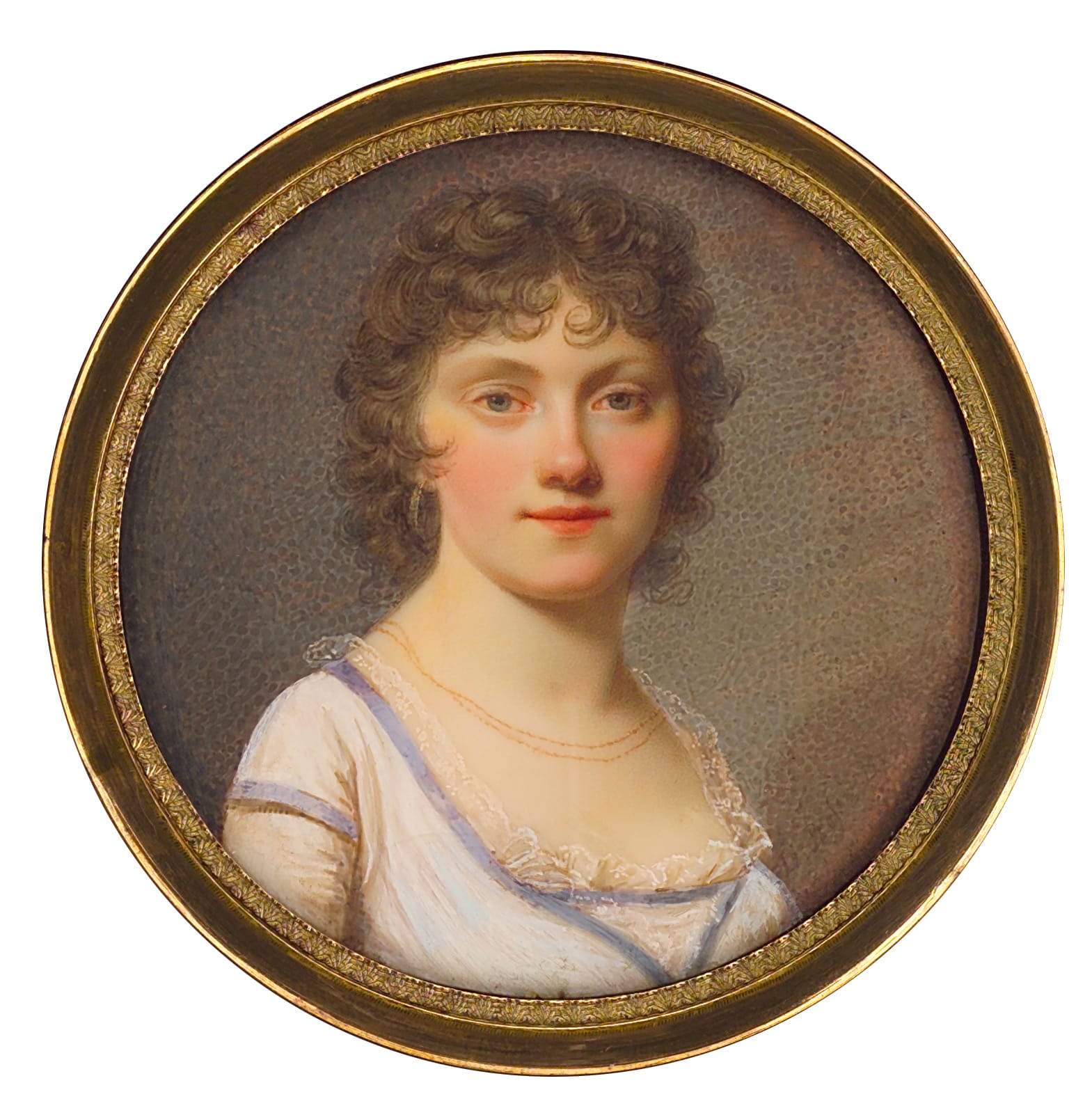
These were the most private of portraits: tiny watercolour likenesses on ivory, six to ten centimetres across, slipped into lockets, brooches and cases, often worn over the heart. The Hamburger Kunsthalle gathers more than 250 such miniatures from the heyday of the form, around 1800 to the 1840s, when the daguerreotype began to displace it. Sixty come from the museum’s own collection, recently restored and shown for the first time, joined by some 200 loans. International figures including Domenico Bossi and Pierre-Louis Bouvier sit beside Hamburg-based artists such as Friedrich Carl Gröger and Caroline Stelzner.
Schultze Projects #4: Kresiah Mukwazhi
Until 14 June 2026
Every two or three years, Museum Ludwig invites an artist to make a new work for the vast wall above its main staircase. The fourth commission goes to Zimbabwean artist Kresiah Mukwazhi (b. 1992), who has stitched together straps and fasteners from thousands of used bras into an abstract textile piece more than thirteen metres long. The materials, exported as second-hand clothing from industrialised nations to African countries, carry their own colonial weight. The title, Shona for both “black revindication” and “black lies”, points to the women whose dignity and collective strength the work sets out to honour.
Hercules — Hero and Antihero
Until 28 June 2026
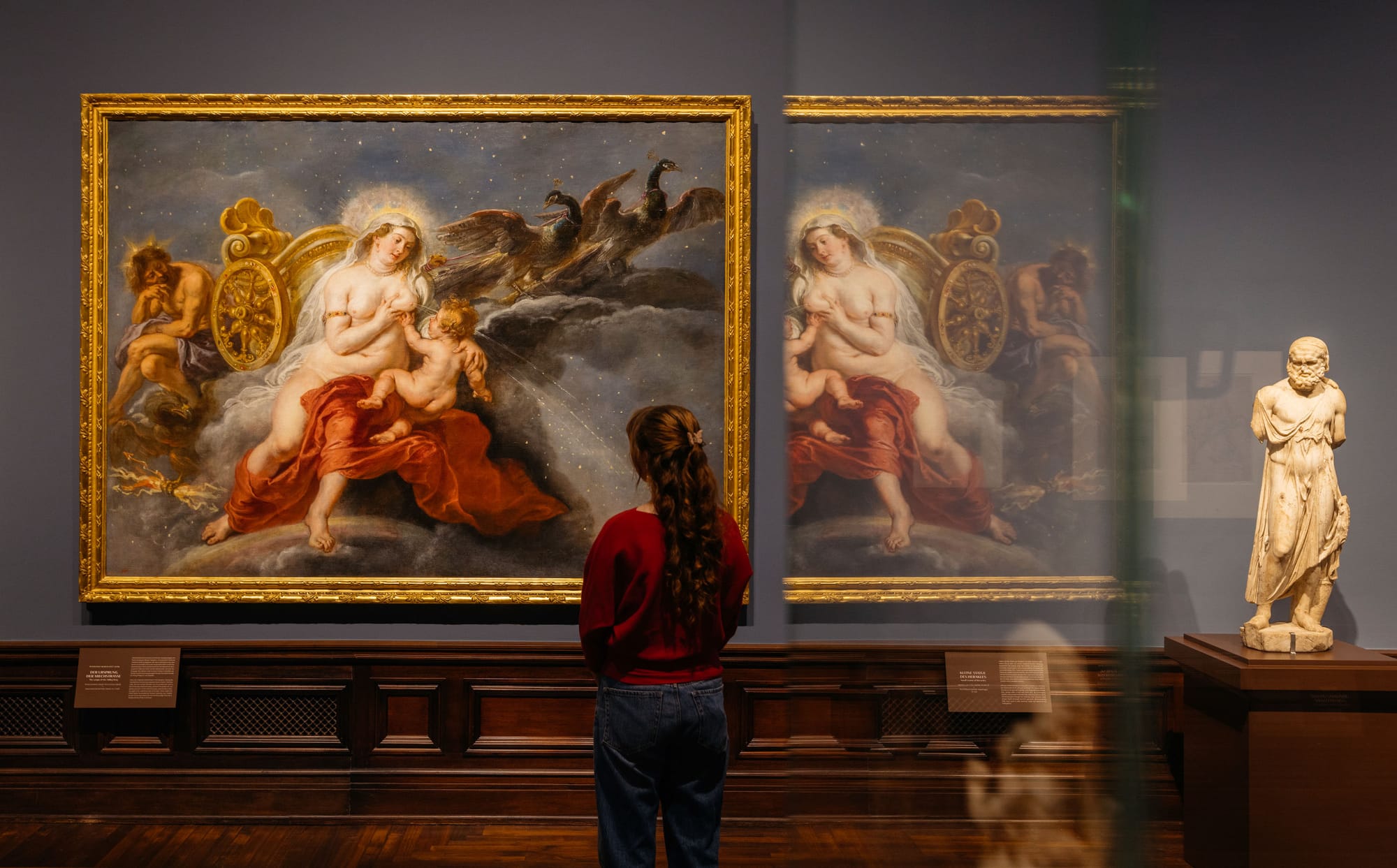
Strongman, drunk, paragon of virtue, perpetrator of cruel injustices — Hercules has worn many masks across two and a half millennia, and this exhibition at the Zwinger is keen to show all of them. Dresden draws mainly on its own collections, supplemented by loans from Rome, Paris, Madrid, Munich and Copenhagen, to gather antique statues, reliefs and vases alongside Renaissance and later paintings, prints, sculptures and goldsmith’s work. The famous twelve labours, the hero’s relationships with women, his anti-heroic escapades and his recruitment by rulers from Alexander the Great to Augustus the Strong are all considered in turn.
Wüstenrot Foundation’s Documentary Photography Awards 15
Until 7 June 2026
Awarded every two years since 1994 by the Wüstenrot Foundation in cooperation with Museum Folkwang in Essen, the Documentary Photography Awards are Germany’s leading prize for emerging photographers. The fifteenth edition recognises Nazanin Hafez, the duo Kristina Lenz and Alex Simon Klug, Malte Uchtmann and Hannah Wolf — all in their twenties or thirties — for projects that probe the various “truths” circulating around society and the self. Their methods range from documentary fiction to AI-generated imagery, and the works gathered at the Staatsgalerie test how far photography can stretch before the documentary label loosens its grip.
New Worlds: Dialogue of the Arts
Until 30 June 2026
This is the Museum Folkwang as it has reorganised itself since 2019: twenty-nine rooms, each named after a single anchoring work, rotated regularly to draw the collection into fresh combinations. Painting, photography, poster art, sculpture, prints and drawings, archaeology and so-called world art are kept in conversation rather than separated by department. Recent acquisitions and rarely shown pieces are placed alongside familiar names — Vincent van Gogh, Paul Cézanne, Paul Gauguin and the German Expressionists at the start, followed by postwar and contemporary art. Special presentations, currently including a Saâdane Afif show on posters, punctuate the route.
L is for Look: Photo books for children and young people
Until 7 June 2026
Children’s photo books are a quietly significant corner of publishing, and this exhibition makes the case that they have shaped how generations of young readers learn to look. Around a hundred international titles trace the form from its industrial boom in the 1930s to the present, with works by Alexander Rodchenko, Aenne Biermann, Dominique Darbois, Tana Hoban, Duane Michals, William Wegman and Broomberg & Chanarin. Original mock-ups, a mobile photo studio and a reading room let visitors see how a photo book is made. Female photographers, often overlooked in the genre, are given particular emphasis throughout.
🇭🇺 Exhibitions in Hungary
Desire for an Earthly Paradise
Until 7 June 2026
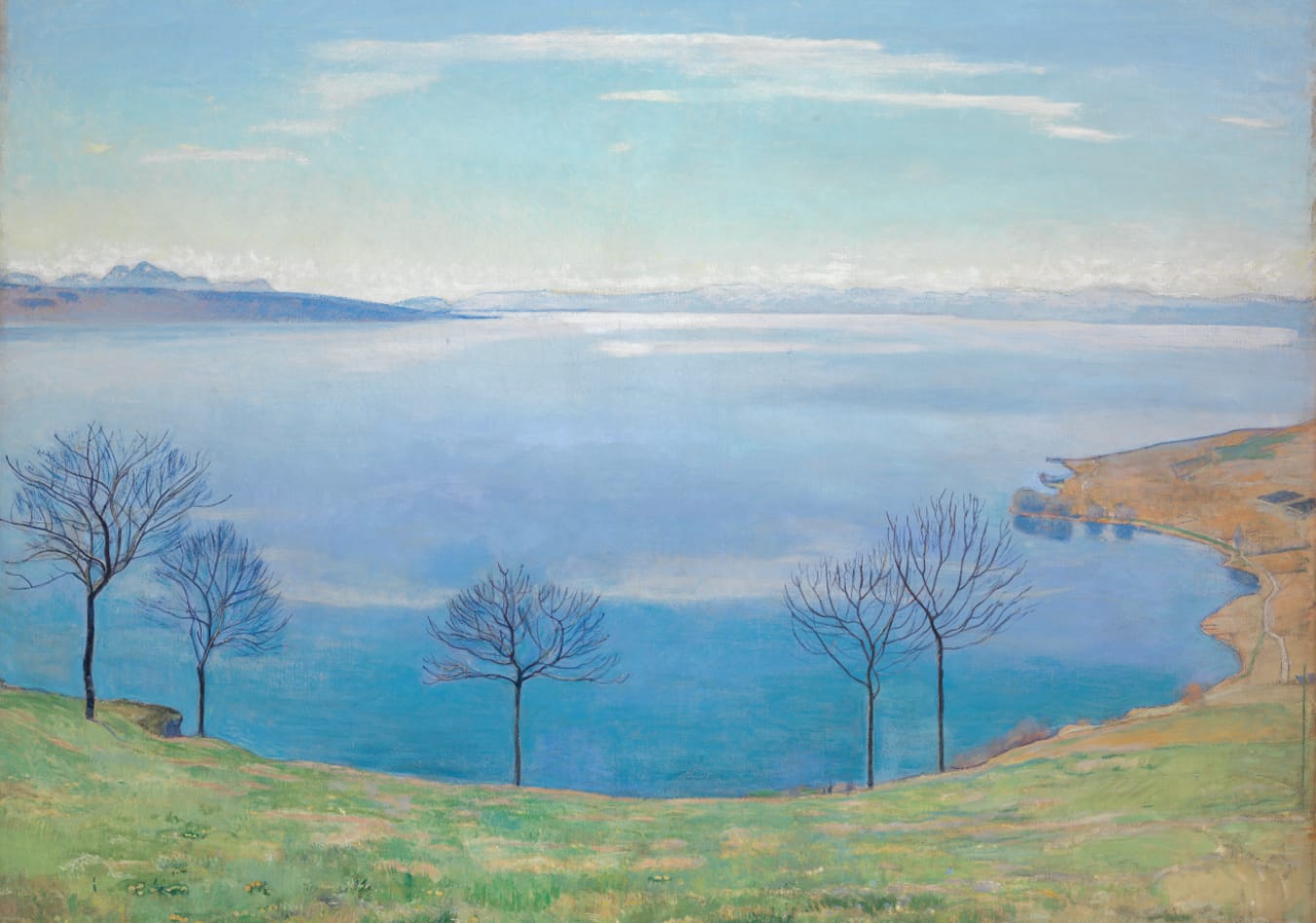
Silvia and Christoph Blocher have spent several decades assembling one of the foremost private holdings of Swiss art, and Budapest secures its first showing outside Switzerland. Around sixty works trace the country’s painting from realism through symbolism to expressionism, with names that include Albert Anker, Ferdinand Hodler, Giovanni Segantini, Félix Vallotton, Cuno Amiet, Adolf Dietrich and the Giacomettis Giovanni and Augusto. Eleven sections divide into two broad halves: one given to portraits, family scenes and the texture of daily life, the other to the Alpine landscape that fixed itself so firmly in the Swiss artistic imagination.
Szilárd Cseke: Presence in Flow
Until 7 June 2026
Across three rooms of the Kunsthalle, the Hungarian artist Szilárd Cseke gathers a body of work whose unifying thread is restlessness. Conceptual, interactive and kinetic installations sit alongside mobile sculptures that play with water, air and rubber tyres, paintings that drift between figuration and abstraction, video, prints and bent-steel pieces that lift off the wall into the room. His practice resists settling into one register, moving instead between genres as if produced by several personalities sharing a studio. This is the first time these strands have been brought together in one space.
René Burri: Utopia | 10 Years of Budapest. PhotoFestival at the Kunsthalle
Until 28 June 2026
To mark a decade of the Budapest PhotoFestival, the Kunsthalle presents nearly one hundred photographs by Swiss photojournalist René Burri, a Magnum member from 1959 and a presence at many of the twentieth century’s defining events, from the fall of the Berlin Wall to Tiananmen Square and the wars of Beirut. Utopia, originally conceived in 2004 with Hans-Michael Koetzle, takes a different angle on his work, using it to read the century through modern architecture. Buildings by Le Corbusier and Oscar Niemeyer feature, alongside portraits of the architects themselves.
Parajmos – Roma Holocaust
Until 28 June 2026
Parajmos, the Romani word for the Nazi extermination of Europe’s Roma, gives this travelling exhibition both its title and its purpose. The Janus Pannonius Múzeum’s permanent show on the subject closed in 2024 when its building was condemned, and the museum has rebuilt it as a portable display of historical documents, survivor testimony and contemporary art. Visitors at the Pécs venue see original works by Hungarian Roma artists including István Szentandrássy, József Ferkovics and Gyöngyi Ráczné Kalányos, alongside material on Roma cultural traditions, the long history of persecution, the Auschwitz family camp and its destruction in August 1944.
🇮🇹 Exhibitions in Italy
The Unfinished: Between Poetics and Performance Technique
Until 14 June 2026
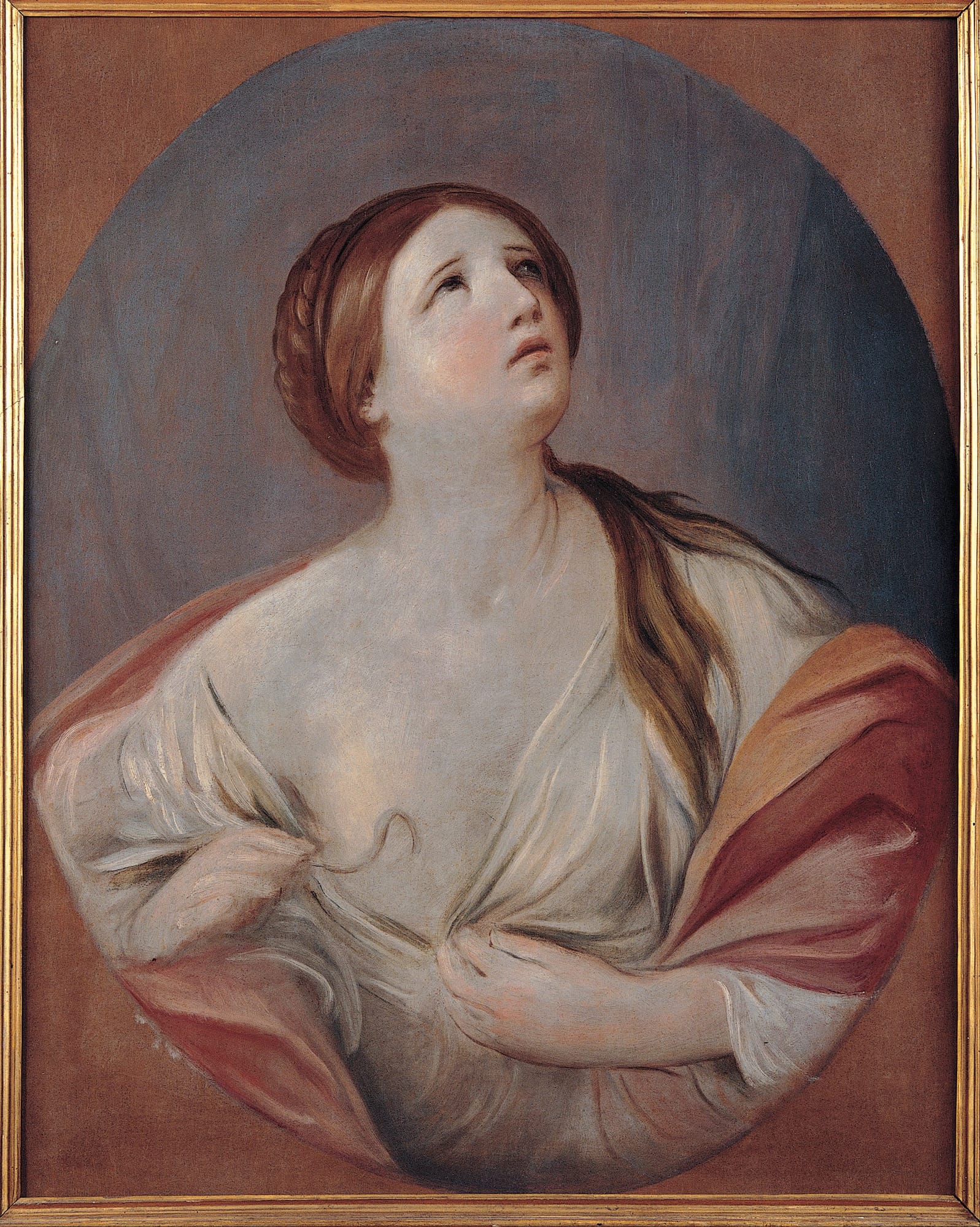
The Pinacoteca Capitolina turns its own unfinished canvases into a case study, using infrared reflectography, X-ray and MA-XRF to trace second thoughts hidden under the paint. Garofalo’s Circumcision sits beside its near-twin from Modena, allowing master and workshop to be compared. Palma il Vecchio’s Christ and the Adulteress reveals overpainting that altered its meaning entirely. A room dedicated to Guido Reni, which includes the rare bozzetto for his Anima beata, shows a painter ceaselessly revising. Digital frames let visitors leaf through each work’s buried layers, including a 3D model for blind and partially sighted visitors.
Metafisica Metafisiche. Milano Metafisica
Until 21 June 2026
The Museo del Novecento contributes the Milan chapter to a four-venue project staged across the city for the Milano Cortina 2026 Olympics, curated by Vincenzo Trione. Around fifty drawings, maquettes, costumes, archival materials and photographs document the years de Chirico, Savinio and Carrà spent in the city and their working ties with its institutions, from set and costume designs for La Scala in the 1940s and 1950s to preparatory drawings for de Chirico’s Bagni Misteriosi at the Triennale. Ten new drawings by Mimmo Paladino, made in homage to Savinio’s novel Ascolto il tuo cuore, città, accompany the historic material.
Tintoretto Recounts Genesis. Research, Analysis, and Restoration
Until 7 June 2026
Three early-1550s canvases by Tintoretto — La creazione degli animali, Il peccato originale and Caino uccide Abele — return to view at the Accademia after a long restoration that has stripped away yellowed varnish and revealed the dense greens of the wooded backgrounds. The paintings, once part of a five-canvas Genesis cycle for the Scuola della Santissima Trinità, dispersed in the early nineteenth century, mark Tintoretto’s discovery of landscape as an active partner to biblical narrative. The Uffizi has lent Adamo ed Eva davanti all’Eterno, reuniting four of the five panels for the first time since their dispersal.
🇱🇺 Exhibitions in Luxembourg
Screentime/s
Until 7 June 2026
Curated by Kevin Muhlen, this group show takes the screen as its central object, treating it less as a flat display surface than as a generative interface where mythologies are rewritten in code. Fifteen artists, including Émilie Brout & Maxime Marion, Jacky Connolly, Josèfa Ntjam, Emilija Škarnulytė, Theo Triantafyllidis and Lu Yang, work in video games, computer-generated imagery, virtual reality and algorithmic image-making. Ancient figures of metamorphosis, origin stories and the relationship between humans and non-humans return through these technologies, reconfigured for contemporary and speculative worlds. The exhibition asks how real-time rendering reshapes subjectivity itself.
Nuclear Paradise
Until 14 June 2026
Between 1966 and 1996, the Polynesian atoll of Hao served as the forward base for France’s Pacific nuclear testing programme. Bombs were assembled and stored there, contaminated aircraft decontaminated, samples flown back from explosion clouds and analysed. When the army left in 2000, employment collapsed almost overnight. The anthropologist Lis Kayser spent six years recording the testimonies of more than a hundred residents, who across generations describe the testing era as a “golden age” — a phenomenon she terms “nuclear nostalgia”. Photographer Laurent Sturm joins her with images made between 2021 and 2025 of what remains.
Le miroitement des idées
Until 14 June 2026
A decade of work by Aline Forçain at the Centre d’Art Dominique Lang takes its cue from a question posed by the philosopher Anne Cauquelin: is what we call landscape ever really nature, or only the cultural frame we have learned to lay over it? Forçain coins the term “métasensibilité” for her own answer, an attempt to reach a presymbolic relationship to forests, earth and water, recovered through slow manual gesture and inner rhythm. Drawing, sculpture and installation circle that ambition. The element of water runs through the rooms, suggesting a way of being inhabited by nature rather than looking down on it.
🇳🇱 Exhibitions in the Netherlands
ABN Amro Art Award: Ivna Esajas Wayward Lines. Consent not to be a single being
Until 7 June 2026
Winner of the 2025 ABN AMRO Art Award, the Amsterdam-based artist Ivna Esajas works in the narrow space where drawing meets painting, building figures that flow into one another in lines at once delicate and insistent. Her sources are wide: myth, family history, Black feminist thought, science fiction, the texture of daily life. For the Stedelijk she has chosen not to go alone, inviting Siomara Ratna van Bochove, Sondi, Jaasir Linger and DJ LOVESUPREME to respond from their own practices. The exhibition is curated by Amal Alhaag and conceived as the A and B sides of a record.
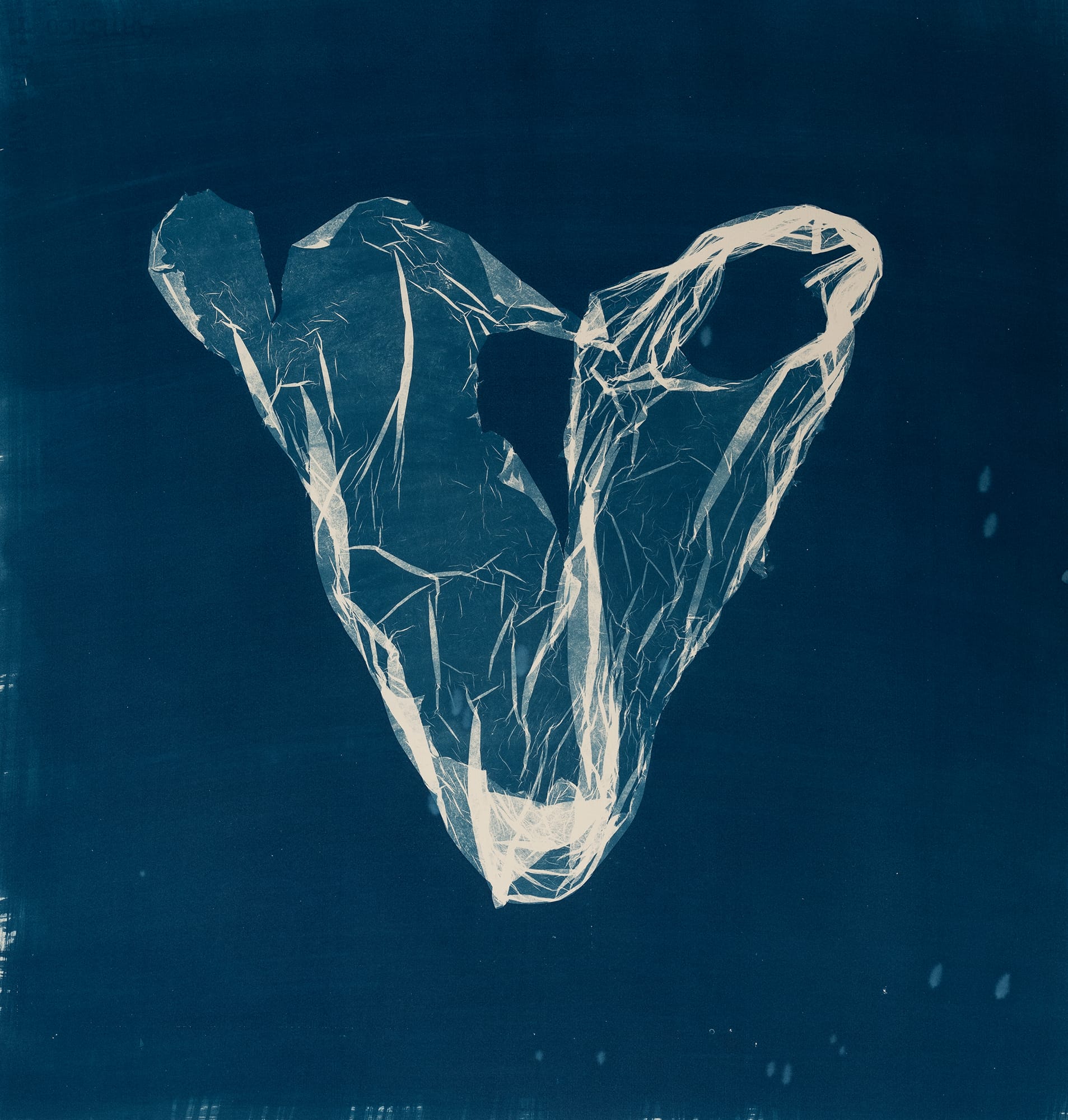
Awakening in Blue
Until 7 June 2026
Invented in 1842 by John Herschel and made widely known by the botanist Anna Atkins, the cyanotype produces deep blue images using only sunlight, water and a simple chemistry, with no camera required. The Nederlands Fotomuseum gathers fifteen contemporary artists who have returned to the technique for its slowness and its relatively low ecological cost. Their work groups loosely around three concerns: tidal rhythms and fragile ecosystems; the colonial uses to which the medium was once put, now turned towards restoration and resistance; and the body as a vessel of personal and collective memory. Pai Dekkers, Sarojini Lewis and Glithero are among those included.
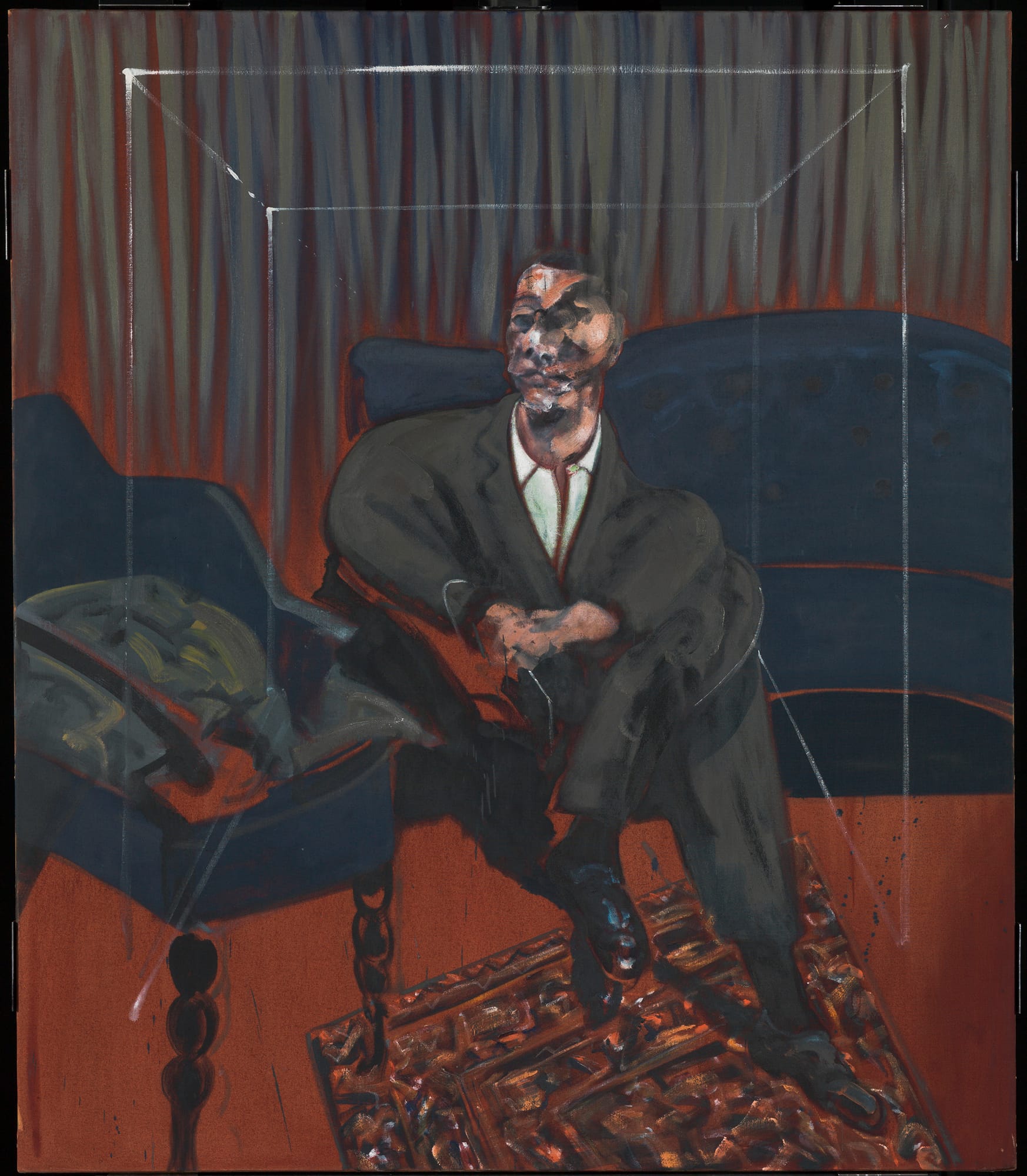
London Calling
Until 7 June 2026
Postwar British figurative painting receives its first substantial Dutch survey in this collaboration between Kunstmuseum Den Haag and Tate. The familiar names of the loosely defined School of London are all here — Francis Bacon, Lucian Freud, David Hockney, Paula Rego — alongside lesser-known but no less interesting figures such as Celia Paul, Eva Frankfurther and Denzil Forrester, whose paintings track 1980s nightclubs, working-class neighbourhoods and quiet studio interiors. Together they assemble a portrait of twentieth-century London as a place where bodies, intimate relationships and domestic interiors became a way of taking the city’s temperature.
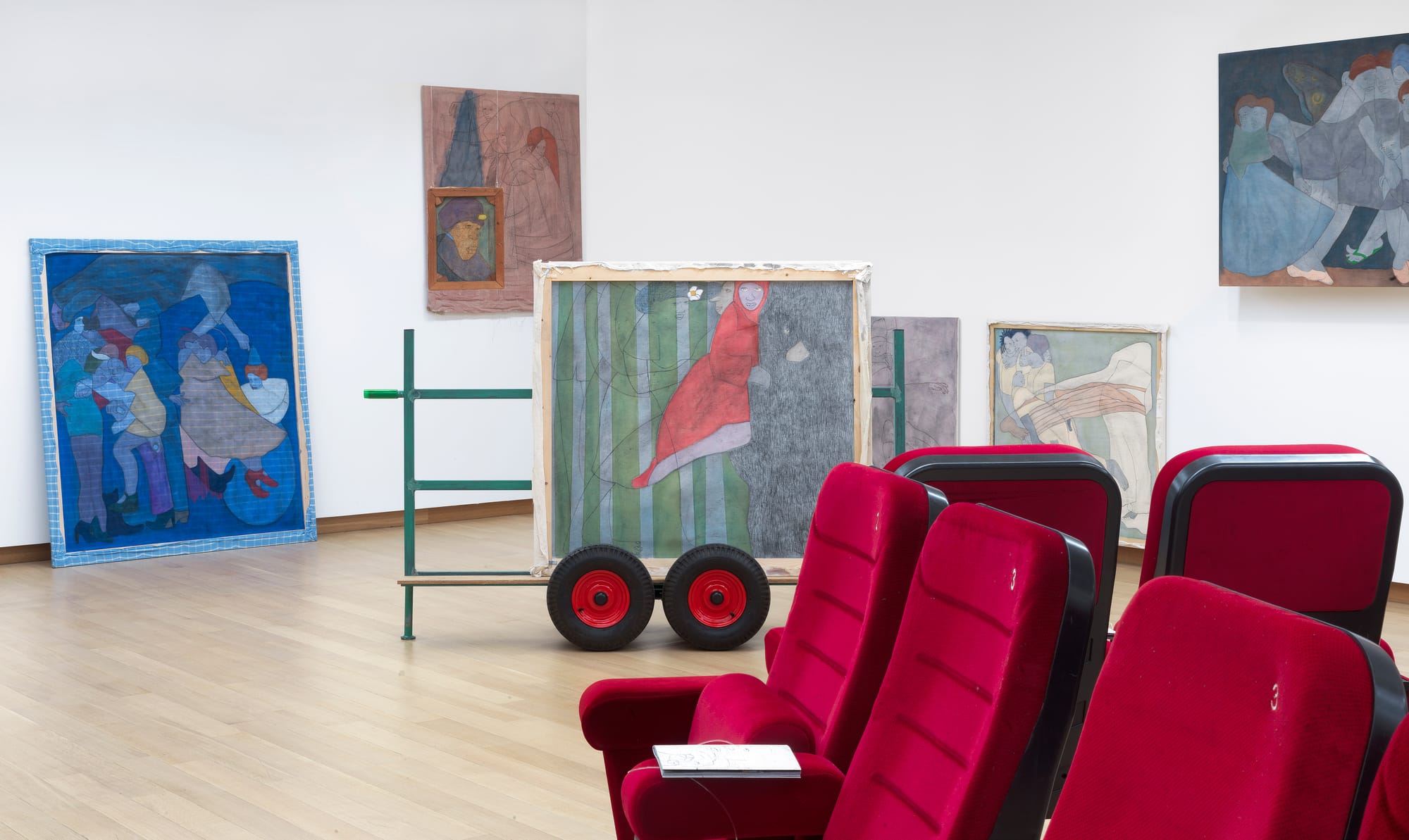
Shertise Solano — Move You Fool
Until 21 June 2026
Trained as a performer in the body-driven method of Jacques Lecoq before moving into visual art, the Rotterdam artist Shertise Solano takes the tarot deck as both subject and method for her solo show at the Centraal Museum. New collages, animations, videos and spatial installations sit alongside an unusually wide selection from the museum’s own holdings, with works by Theo van Doesburg, Bart van der Leck, Vilmos Huszár, Natasja Kensmil, Henk Visch, Joep van Lieshout and Monali Meher among others. The pairings come out of tarot sessions Solano held with curator Catrien Schreuder, treating the cards as a mirror rather than a forecast.
Radically Mine!
For its seventeenth edition, the Van Abbemuseum’s annual project for young artists has stepped outside the museum walls while the collection building is renovated. Some 350 schoolchildren and students aged 14 to 21, drawn from nineteen schools across North Brabant, were sent into the museum’s holdings and asked to make their own work in response to what moved them. A jury selected fifty-nine pieces, on view at the gallery Salon Veneman from April, with a smaller group travelling on to Eindhoven’s City Hall in late May. The theme this year is common ground.
Library exhibition: Simultané
Until 4 June 2026
Tucked into the Van Abbemuseum’s library, this small show traces colour through three registers: as object of scientific study, as a printed and bound thing in artists’ books and manuals, and as a tool of play. The title borrows from Sonia Delaunay’s 1964 set of playing cards, themselves an offshoot of her lifelong work on simultaneous colour contrasts. Theory, design and everyday objects sit side by side, with material drawn from the library and special collections to show how artists, scientists and publishers have tried to organise colour, teach it and let it loose. A quiet, bookish counterpart to the main galleries.
Am I Masculine?
Until 14 June 2026
Lace, pink and high heels were once read as straightforwardly masculine; gym selfies and the so-called manosphere now insist on something narrower. Guest curator Roberto Luis Martins, working with the studio Maison the Faux, has shaped this exhibition into five chapters: the body, the dress code, the tear, the disruption and the liberation. Marble Apollos and Saint Sebastian sit alongside Gucci caps, suits of armour, ballroom costumes by Khareem Wielingen and Bart Hess’s installation SweetMeat. Photographs by Bete van Meeuwen of a trans man and a non-binary partner close the show with a quieter register.
🇪🇸 Exhibitions in Spain
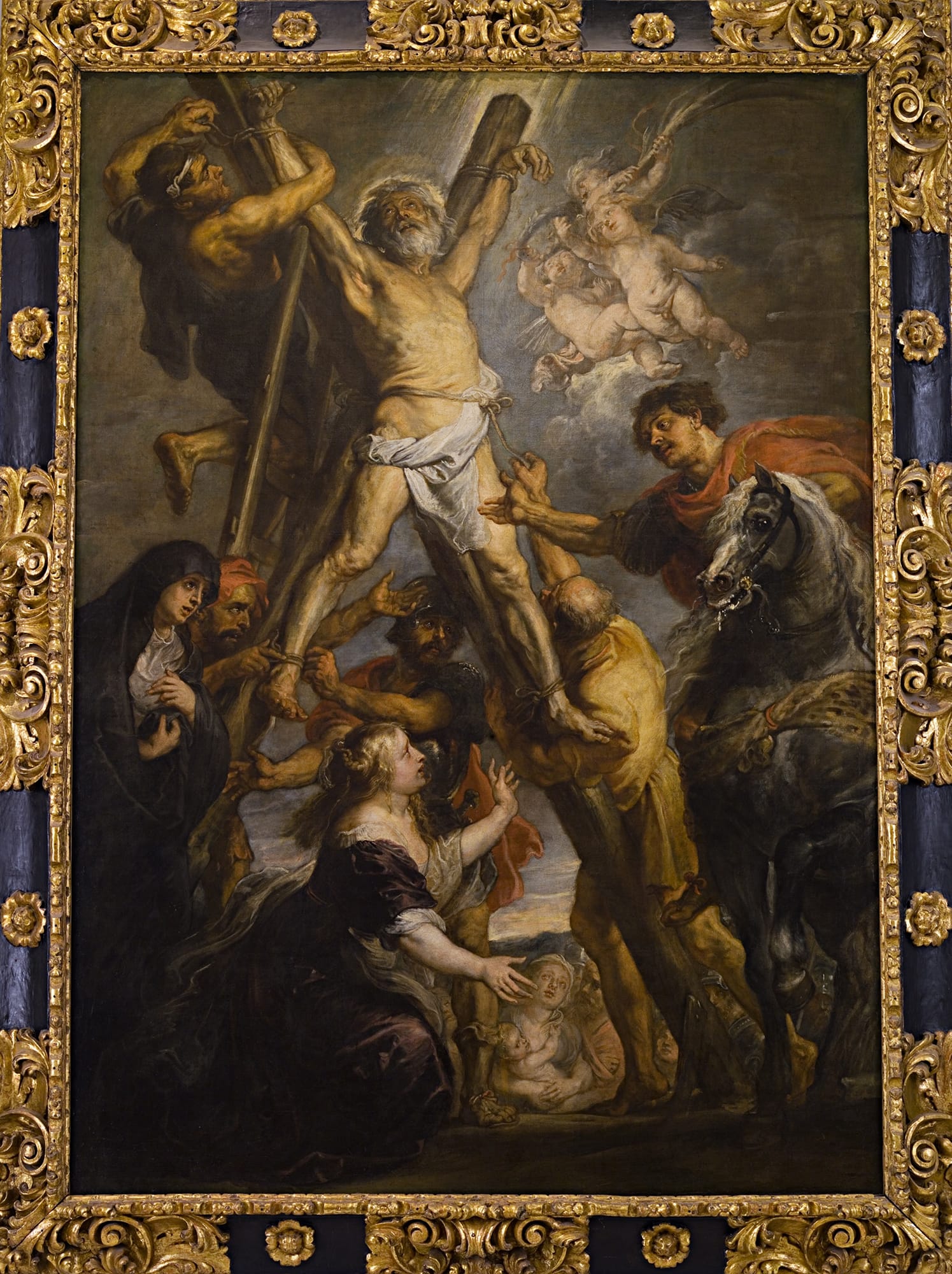
The Martyrdom of Saint Andrew
Until 14 June 2026
A late masterpiece by Peter Paul Rubens has joined the Prado on temporary loan from the Fundación Carlos de Amberes while their Madrid headquarters is being remodelled, hung in Room 16B of the Villanueva Building with its original frame intact. Painted around 1638 and 1639, the canvas was commissioned by the Flemish merchant Jan van Vucht for the high altar of the church at the Real Hospital de San Andrés de los Flamencos in Madrid. It dates from the same period as the decoration of the Torre de la Parada, and follows the account of the apostle’s crucifixion in Jacobus de Voragine’s Golden Legend.
Alberto Greco
Until 8 June 2026
Born in Buenos Aires in 1931 and dead by his own hand in Barcelona at thirty-four, Alberto Greco compressed an extraordinary amount of artistic restlessness into fifteen years. The Reina Sofía gathers work from 1949 to 1965, beginning with his early informalist paintings and writings and tracking his migrations through Paris, Rome, Madrid, Piedralaves, New York, Ibiza and Barcelona. In 1962 he founded arte vivo, later vivo-dito, declaring streets, markets, bathrooms and entire towns to be works of art. The show closes with Besos brujos, the novel he completed shortly before his suicide. Curated by Fernando Davis.
Roman Khimei and Yarema Malashchuk. Pedagogies of War
Until 21 June 2026
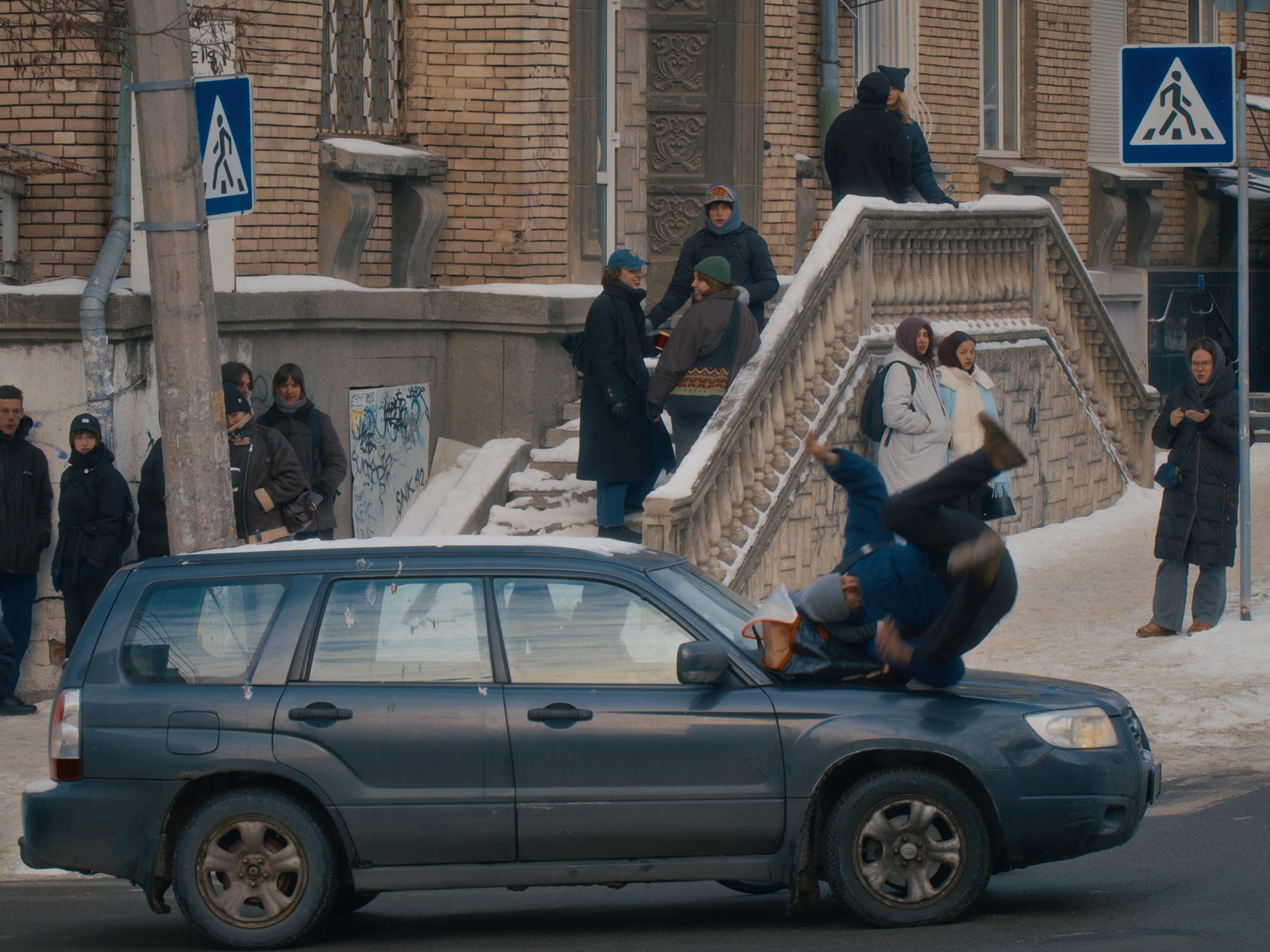
The Ukrainian filmmaker-artists Roman Khimei and Yarema Malashchuk have spent the past decade tracking how war reshapes the everyday rhythms of life in their country, working at the edge of documentary and fiction. Curated by Chus Martínez and organised with TBA21, this Thyssen show gathers four audiovisual works: The Wanderer (2022), You Shouldn’t Have to See This (2024), the recent commission Open World (2025) and a new piece made for the museum, We Didn’t Start This War (2026). Together they show how war seeps into ordinary life, changing how people pay attention, how they behave and what they believe is politically possible.
Guercino and his Biblical Heroines
Until 14 June 2026
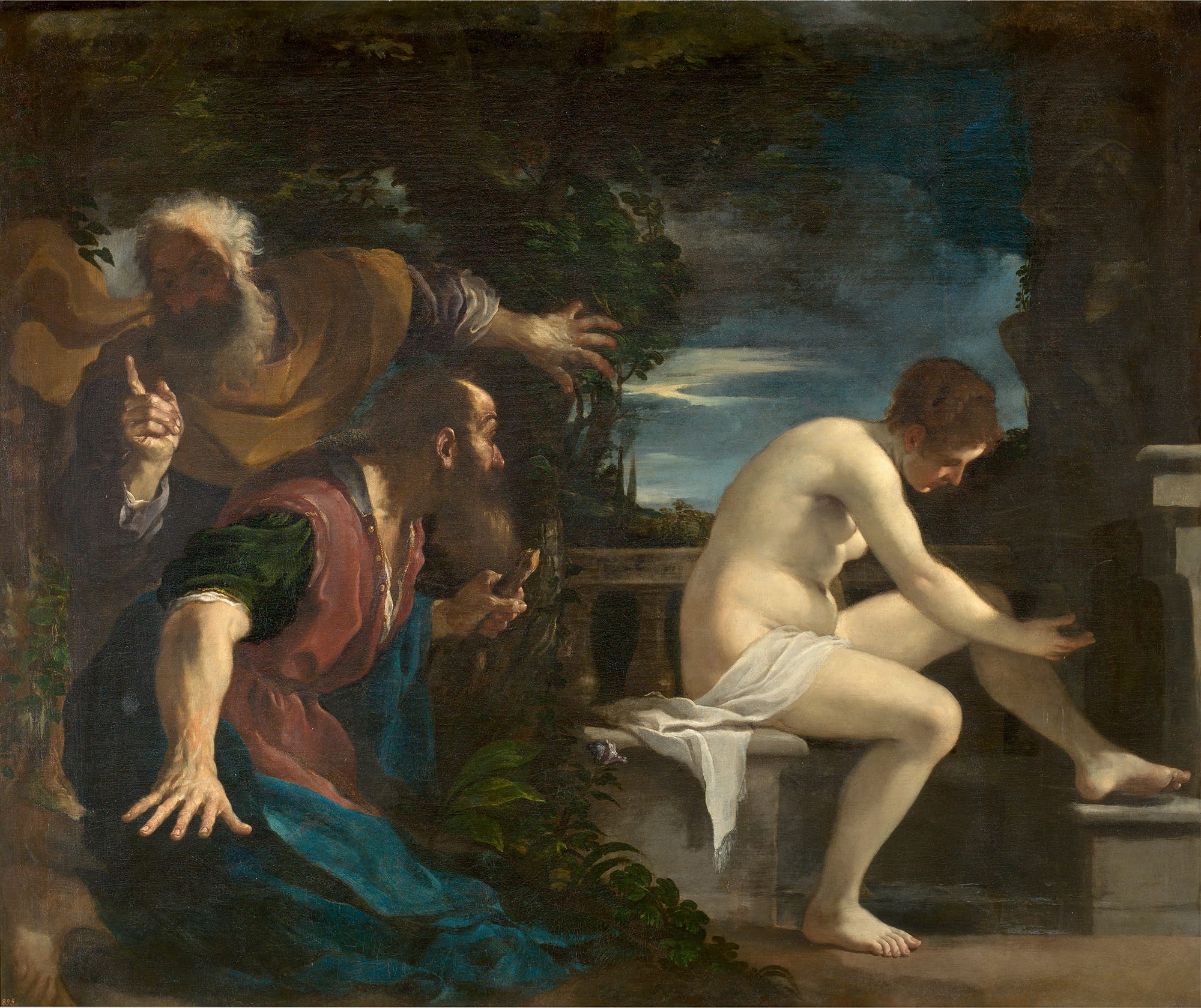
A small, focused show built around one of the Thyssen’s own paintings, Christ and the Woman of Samaria at the Well (around 1640–41) by Giovanni Francesco Barbieri, called Il Guercino. Six canvases gathered from the museum’s walls and elsewhere — including Susanna and the Elders from the Prado, Christ and the Woman taken in Adultery from Dulwich and Samson and Delilah from Strasbourg — examine how the Bolognese Baroque master treated women in biblical scenes. Repentant sinners, innocent victims and reworked femmes fatales each occupy their own section, with Delilah wielding her own scissors and Salome bowing under her mother’s will.
Open the Archive 07. L’Antitête
Until 14 June 2026
The seventh in the Fundació Joan Miró’s series of small archive shows takes as its subject Tristan Tzara’s poem cycle L’Antitête, written between 1916 and 1932 across his Dadaist and Surrealist years. The 1949 bibliophile edition published by Bordas in Paris was issued in three volumes, each illustrated by a different artist: Max Ernst, Yves Tanguy and, for the third volume Le Désespéranto, Joan Miró. The foundation’s archive holds proofs and correspondence between the two men, displayed here with the eight engravings Miró made at Stanley William Hayter’s Atelier 17 in New York. Despair and hope, fused in a single coined word.
«Recuperado del enemigo» (Recovered from the Enemy). Deposits at the MNAC under Franco's dictatorship
Until 28 June 2026
The MNAC turns its attention to a darker chapter of its own history. After the Republican defeat in 1939, the Franco regime created the Servicio de Defensa del Patrimonio Artístico Nacional, which took over the artwork repositories the Generalitat had set up to protect heritage during the Civil War. The museum once again served as a holding place. On show are around 135 paintings still on the museum’s books as SDPAN deposits, many of them displayed reverse-out so visitors can read the labels, stamps and inscriptions — including the phrase “Recuperado del enemigo” itself, which gives the exhibition its title.
Sant Pere de Rodes and the Master of Cabestany: The Creation of a Myth
Until 28 June 2026
The Benedictine abbey of Sant Pere de Rodes, perched on the slopes of Cap de Creus above the Mediterranean, modelled itself on St Peter’s in Rome, and from the 14th century onwards drew pilgrims with its own jubilee. Its lost marble west portal, carved around 1160 to 1170 by the itinerant sculptor known as the Master of Cabestany, is the centrepiece here. More than a hundred works gathered from collections in Catalonia, Spain, France, Italy and London — sculpture, painting, illuminated manuscripts, drawings, dismantling reports, late Roman sarcophagi the master was studying — trace both his career and the long afterlife of the ruined abbey.
Reflections. Picasso × Barceló
Until 28 June 2026
Two very different routes into ceramics meet in the archaeological halls of the Museo de Cádiz. Pablo Picasso discovered clay in the workshops of Vallauris after the war and turned plates and pots into bodies, mythological figures and everyday scenes. Miquel Barceló found his way to the medium in 1990s Mali, where local ritual technique gave him a vocabulary for the corporeal and the material. Their works are placed in dialogue with pieces from the museum’s own archaeological collection of ancient ceramics, opening a conversation across millennia. Part of the Reflejos. Picasso × series produced by the Museo Picasso Málaga.
Territories in Transit / Solo Duo: Anna Talens and Mar Guerrero
Until 28 June 2026
The IVAM’s ongoing pairing series gives this edition over to two Spanish artists working with the sea, treated here not as scenery or boundary but as an unstable territory in its own right. Mar Guerrero collects eroded plastics and driftwood from the shore and reshapes them into sculptural objects that retain the memory of their drift. Anna Talens approaches the horizon as a perceptual and almost spiritual edge, a moving line where the visible thins out. Between waste and emptiness, the show keeps the gaze low and slow, asking what it means to look outward from a coast.
Gently Under the Flame
Until 28 June 2026
A group show that gathers materials long treated as second-class in the museum hierarchy: clay and ceramics, wool, embroidery, esparto grass, palm and wicker, alongside the human voice itself. The title points to the filandones, the night-time gatherings around the hearth at which villagers spun, wove and told stories together. Twenty-seven artists — among them Sonia Navarro, Pilar Albarracín, Ana Esteve Llorens, Susana Cámara Leret and Jessica Stockholder — work with crafts, oral tradition and rural knowledge as living, collective inheritance rather than folkloric residue. After Valencia the show travels to Palma, Huesca and L’Espluga de Francolí.
🇨🇭 Exhibitions in Switzerland
PlasMAH: TonUtopie
Until 7 June 2026
In the courtyard of Geneva’s MAH, a transparent inflatable sphere has settled inside Vincent Lamouroux’s 2024 timber-and-stone footbridge La Passerelle. The work is by the German architect-artist Hans-Walter Müller, born in 1935 and a pioneer of inflatable structures since the 1960s. TonUtopie is the second commission in the museum’s PlasMAH cycle, which invites artists to rework the building’s circulation. Visitors walk into the sphere, the soft pneumatic shell pressing against the rigid bridge above, traditional weight-bearing architecture in dialogue with the fluid dynamics of air. Admission is pay-what-you-please.
Quickkopy Conceptualism. Bay Area Dada to Bay Area Punk
Until 21 June 2026
The product of an academic year shared between MAMCO, the Geneva University of Art and Design and the visiting researcher Branden W. Joseph, this small show pieces together the story of Bay Area Dada and its afterlives. Mining the Ecart Archives — the legacy of the 1970s Geneva collective of the same name — it tracks the Mail Art networks that ran outside official channels in the 1970s. Fanzines, collages, performances and audio link San Francisco figures such as Anna Banana, Bill Gaglione and Monte Cazazza to General Idea in Canada, Cosey Fanni Tutti and Genesis P-Orridge in the UK, and the early American punk scene.
Schwitters: On the Fringes of the Avant-Garde
Until 21 June 2026
The first comprehensive Swiss survey of Kurt Schwitters in two decades, drawing on the holdings of the Sprengel Museum Hannover and the Kurt und Ernst Schwitters Stiftung. Born in 1887 and dying in English exile in 1948, Schwitters worked between Dada, Constructivism and Surrealism without quite belonging to any of them. The Zentrum Paul Klee gathers his collages, abstract reliefs, naturalistic portraits and landscapes, alongside a walk-through reconstruction of the Hanover Merzbau. Collage was for him a way of pulling poetic order out of the everyday rubbish of modern life. Exile work and his late northern years close the show.
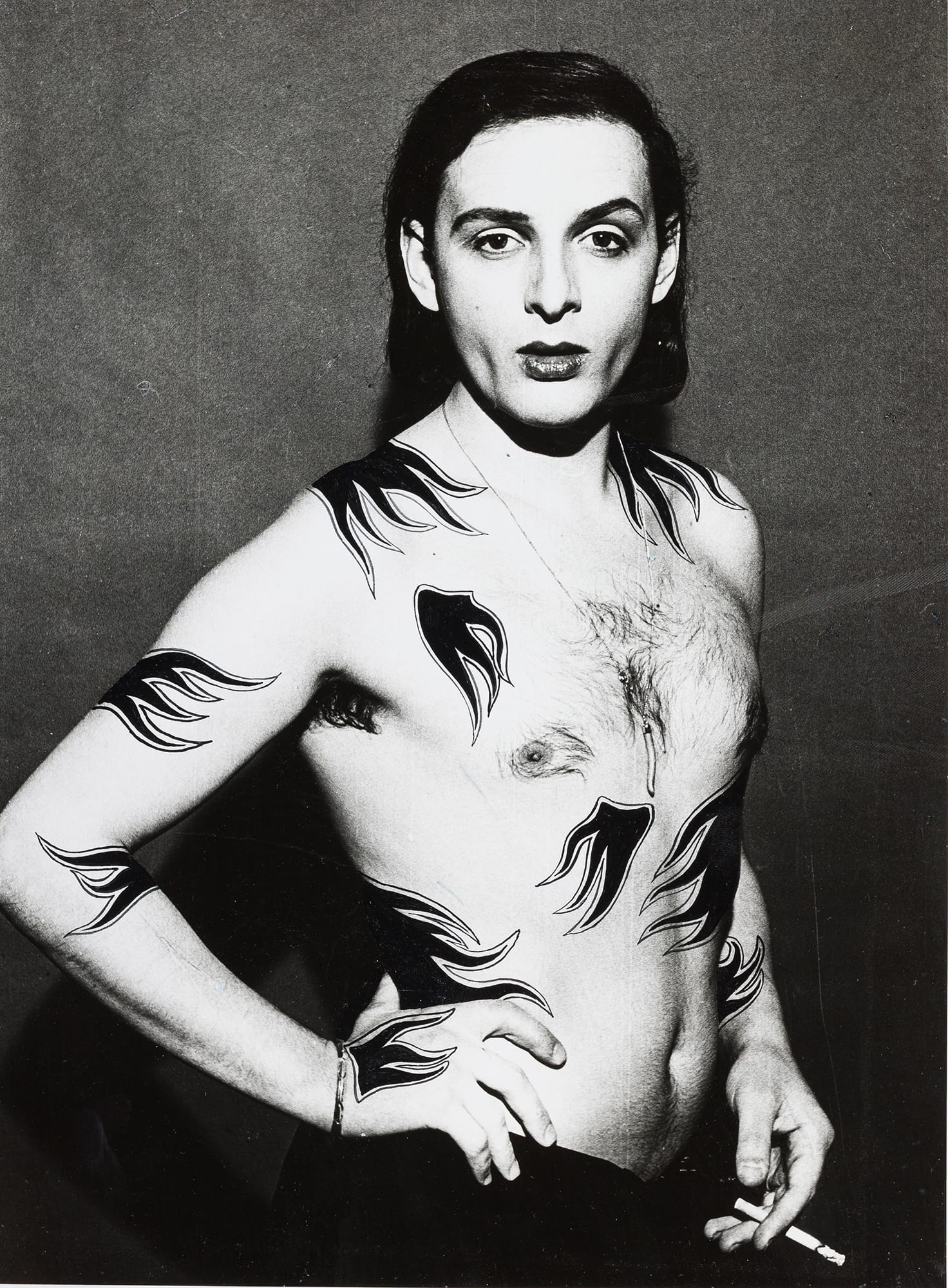
Paul Mpagi Sepuya — Focus. Desire.
Until 14 June 2026
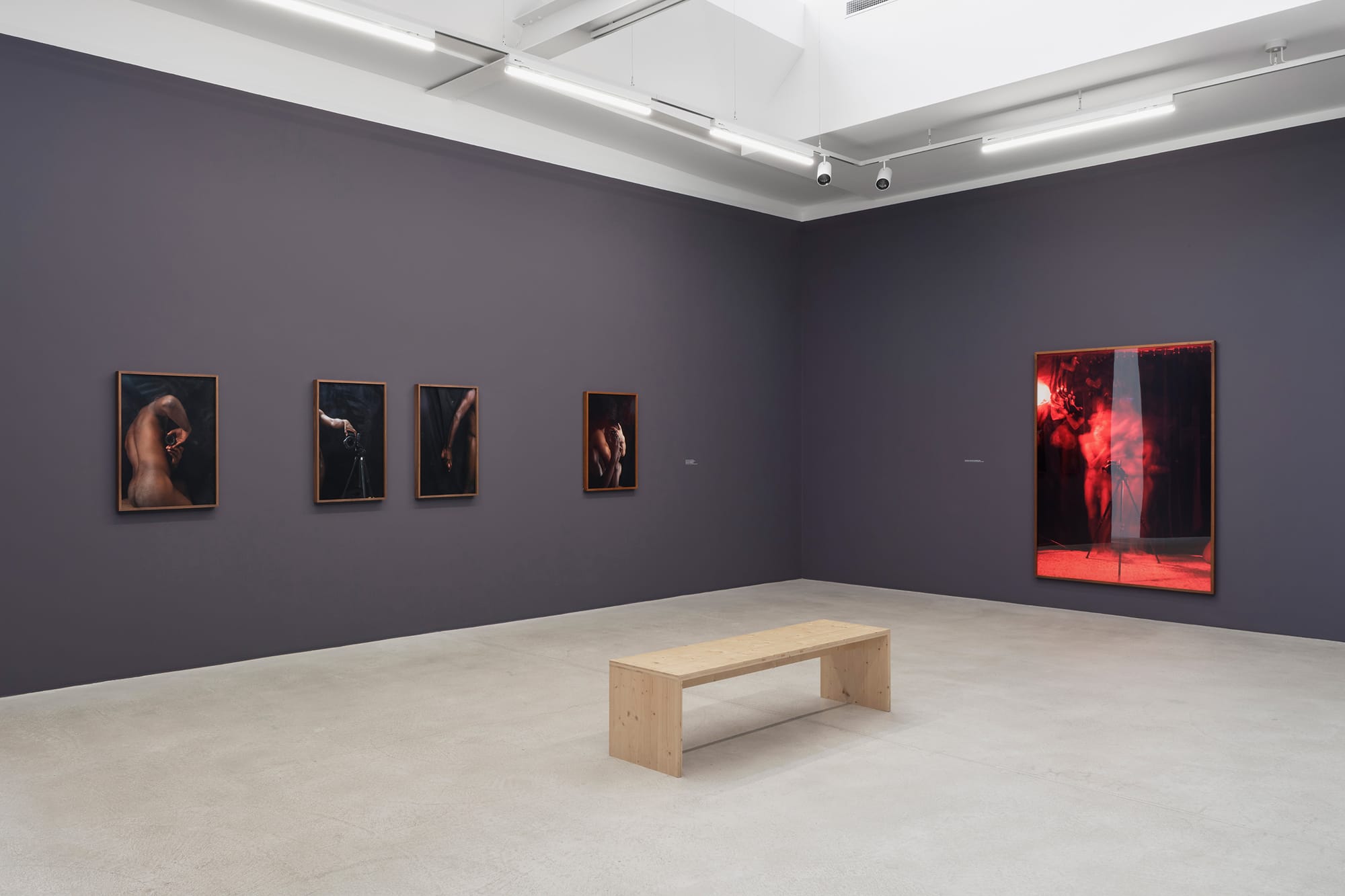
His first major show in Switzerland gathers two decades of work by the Los Angeles-based photographer Paul Mpagi Sepuya, born in San Bernardino in 1982. Sepuya makes portraits in his studio with friends, lovers and fellow photographers, working with mirrors, fabrics and visible camera equipment so that the apparatus of looking is laid bare alongside the body. A third of the show turns to the darkroom — both as the historical origin of the photographer’s craft and as an analogue for the dim spaces of queer sociability in bars, clubs and saunas. The exhibition then travels to the Sprengel Museum, Hannover.
Ester Vonplon — Wingbeat
Until 14 June 2026
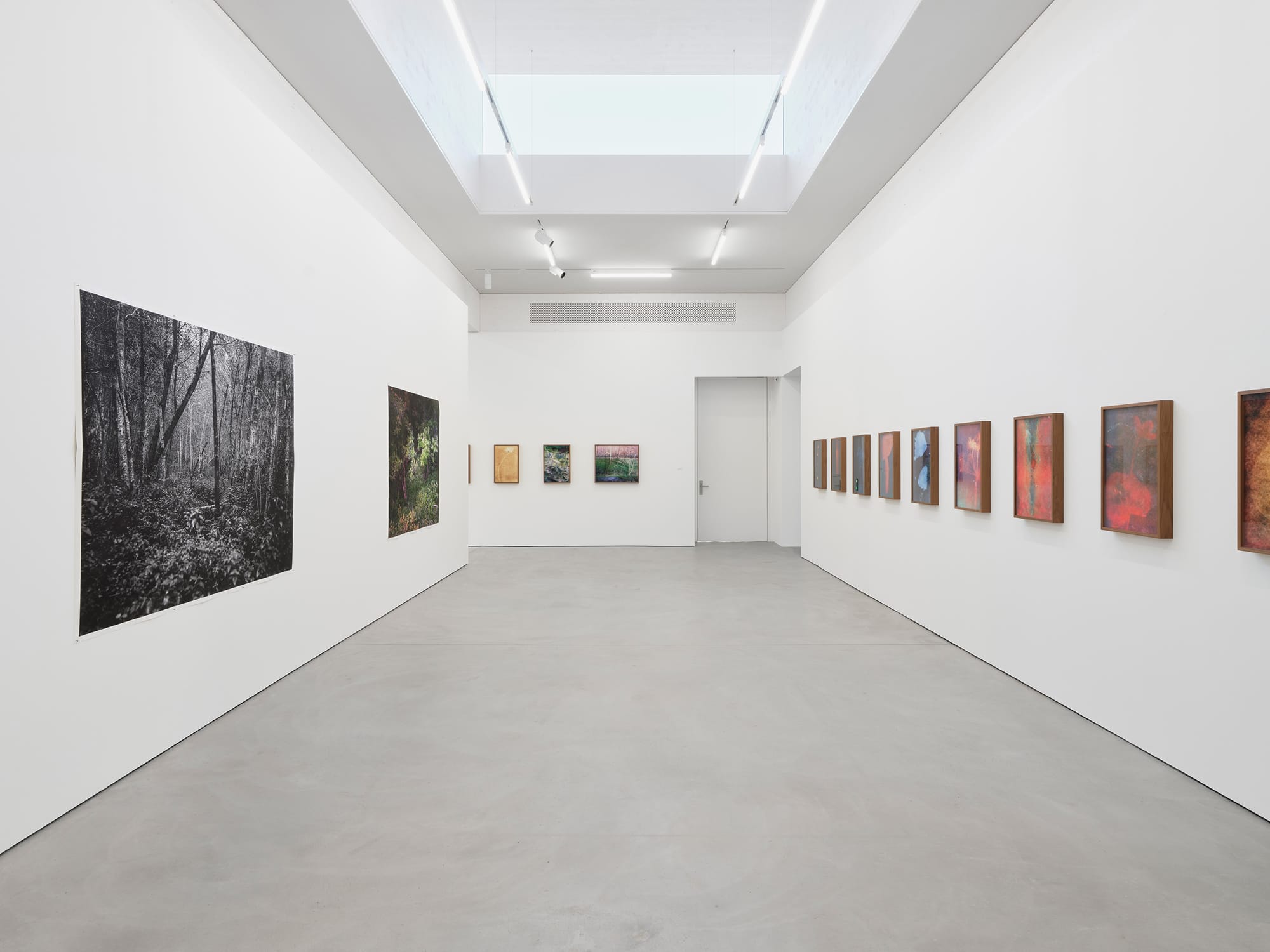
The Swiss photographer Ester Vonplon, born in 1980 and based in the Surselva, has spent recent years walking the lesser-known landscapes of her home canton of Grisons: the primeval spruce forest of Uaul Scatlè, the alpine valley of Val Curciusa, the Aclatobel reserve and the Ognas da Pardiala wetlands. Wingbeat gathers photograms made from plants, animals, fungi and stones, exposed onto early 20th-century Cellofix paper found unused in lightproof boxes after a century. A second strand uses a heavy large-format analogue camera. Vonplon calls the resulting work memento mori for places that may not survive the coming decades.
Claire Fontaine
Until 14 June 2026
The Paris-based duo founded in 2004 by Fulvia Carnevale and James Thornhill, who borrowed their name from a French stationery brand and from Duchamp’s Fountain, take over the Reinhart am Stadtgarten with neon, sculpture, film and text. Their Foreigners Everywhere, glowing in sixty languages at the Arsenale, gave the last Venice Biennale its theme; the collective’s wider work runs along similar lines, on alienation, migration, ownership and political disillusion. Everyday objects reappear here as ideological commentary, the formal cool of Minimalism turned political in the lineage of Hans Haacke and Felix Gonzalez-Torres.
Self-Portraits from the Collection 1928–2021
Until 21 June 2026
Drawn entirely from the holdings of the Museo d’arte della Svizzera italiana, this small ground-floor display gathers more than twenty works that read self-portraiture across nearly a century and a range of media. It opens with the photographic experiments of Ilse Bing and Florence Henri, central figures of European modernist photography in the 1930s, then widens out into documented performance work by Marina Abramović and Gina Pane, where the body itself becomes the site of self-representation. Urs Lüthi’s painted self-images, the videos of Silvano Repetto and Gian Paolo Minelli’s self-snapshots fill out a quietly searching show on identity and self-perception.
🇬🇧 Exhibitions in the United Kingdom
Michaelina Wautier
Until 21 June 2026
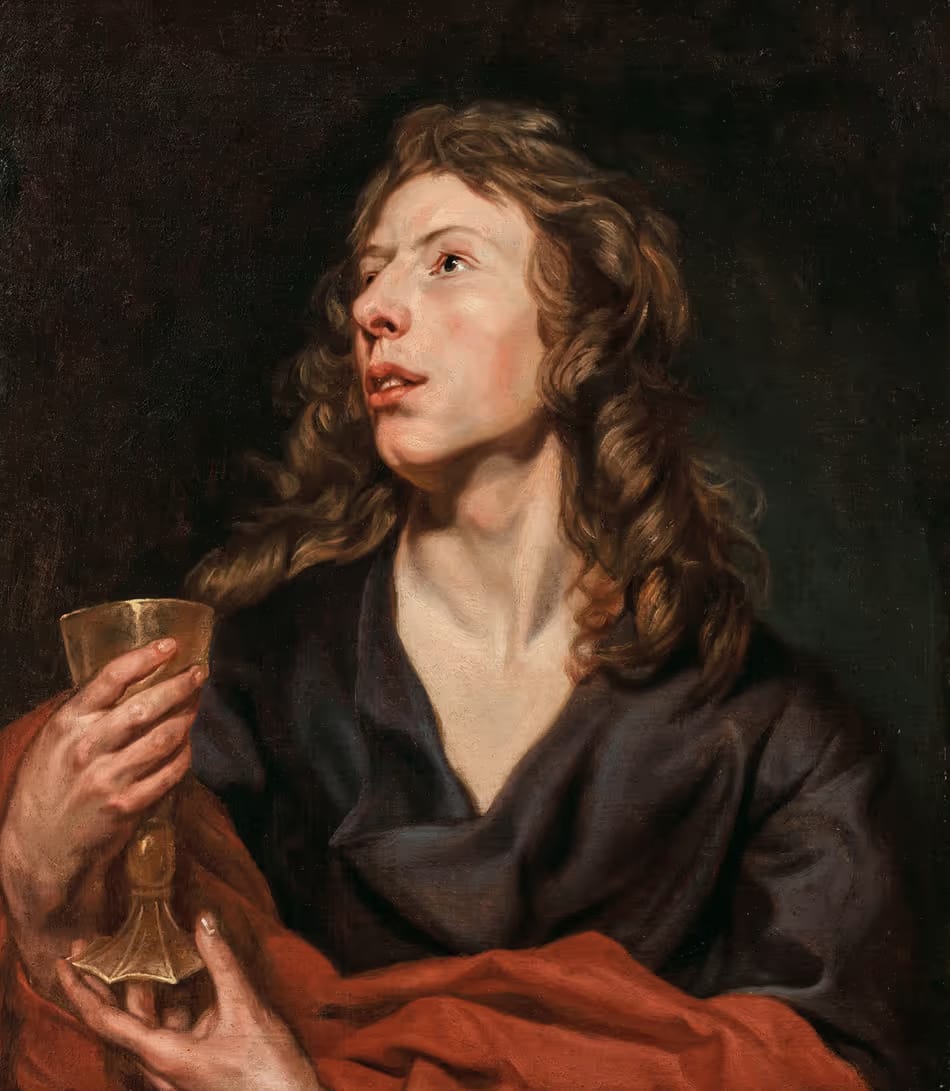
The first UK exhibition devoted to the Brussels painter Michaelina Wautier (around 1614 to 1689), organised with the Kunsthistorisches Museum in Vienna, where her vast Triumph of Bacchus sat in storage until the Flemish scholar Katlijne Van der Stighelen recognised it as hers in 1993. Twenty-five paintings are arranged across three rooms: the portraits, including a self-portrait at the easel in pearls and white silk, and works by her brother Charles, with whom she shared a studio; the religious history paintings she boldly signed invenit et fecit; and a final room with the recently rediscovered Five Senses, where smell is a boy recoiling from a rotten egg, and the Bacchus itself. She painted herself among the revellers, the only figure looking out.
Royal Gold Medal
Until 7 June 2026
A small, free display curated by the Royal Institute of British Architects, marking the award of its 2026 Royal Gold Medal to the Dublin-born, London-based architect Níall McLaughlin. The medal, granted personally by the monarch since 1848, recognises a lifetime contribution to architecture; past recipients include Frank Lloyd Wright, Le Corbusier and Zaha Hadid. Photographs, drawings and studio material trace McLaughlin’s working method and his thinking on light, material and place. Tate Liverpool is currently sharing this venue at Mann Island while its Albert Dock home is being redeveloped, the architectural display fitting easily into the temporary set-up.
Artist Rooms: Ed Ruscha
Until 14 June 2026
A free display drawn from the joint Tate and National Galleries of Scotland collection, given over to the American painter, photographer and bookmaker Ed Ruscha, whose driving routes between his native Oklahoma and Los Angeles shaped much of his work. Petrol stations, parking lots, swimming pools and diners pass by in books, photographs, paintings, drawings and lithographs, including the 1963 publication Twentysix Gasoline Stations, photographs from the Sunset Strip Portfolio such as Filthy McNasty’s, and text-based pieces like OK (State I) (1990) and Dance? (1973). It sits in the temporary set-up at Mann Island while the Albert Dock home is redeveloped.
Artist Rooms: Jenny Holzer
Until 13 June 2026
Set inside St John’s Church in the centre of Scunthorpe, the 20–21 Visual Arts Centre takes its turn with the touring ARTIST ROOMS collection jointly held by Tate and the National Galleries of Scotland. The American conceptual artist Jenny Holzer, born in 1950, has worked almost exclusively with text since the late 1970s, moving her sentences across LED tickers, T-shirts, granite benches, projected facades and street posters. The works gathered here, including BLUE PURPLE TILT (2007), turn on the language of power, war and sexual violence, and put the viewer in the position of decoding a sentence rather than a picture.
Joan Eardley | The Nature of Painting
Until 28 June 2026
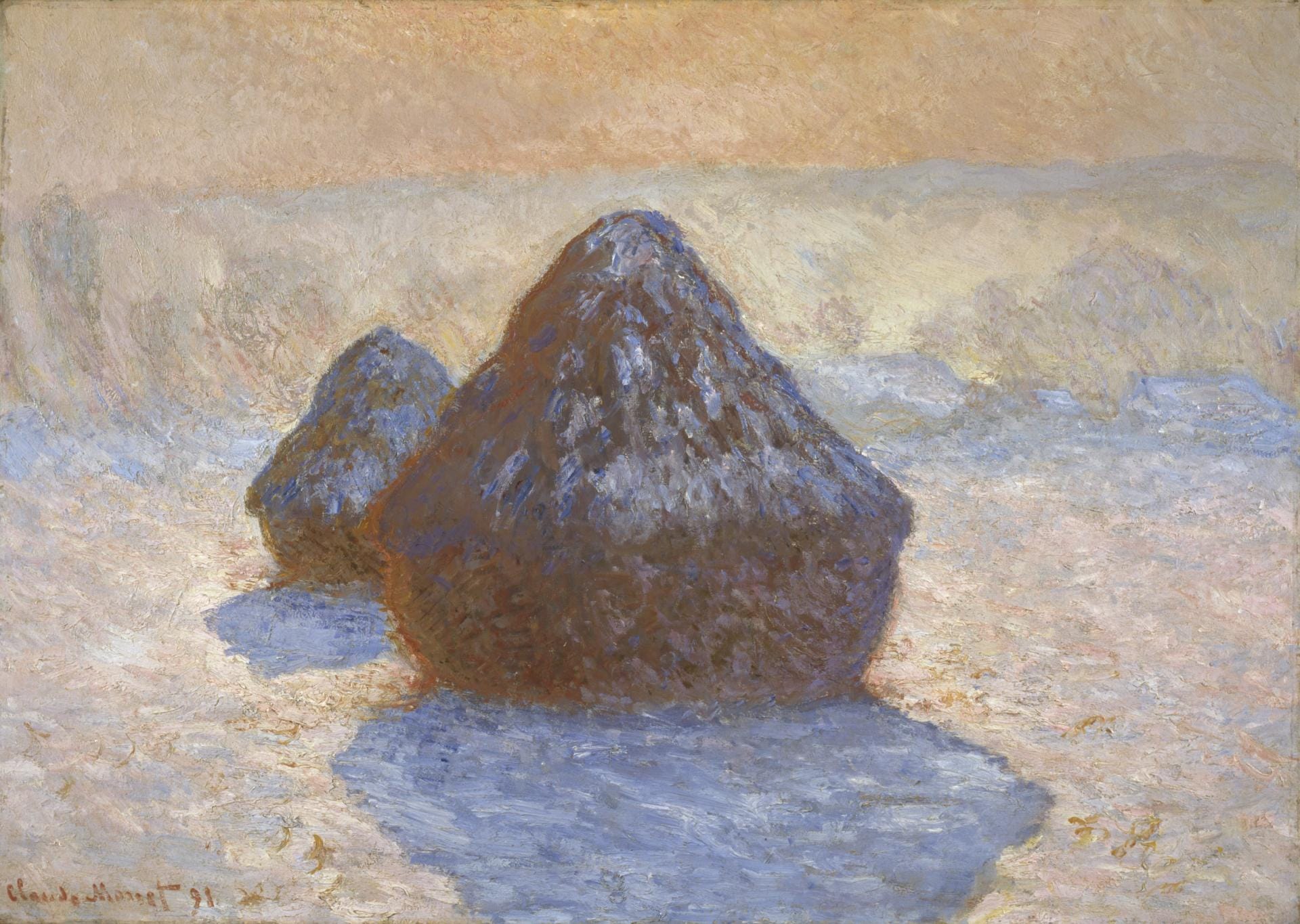
Often regarded as a solitary figure who divided her short life between a Glasgow studio and a cottage in the fishing village of Catterline, Joan Eardley (1921 to 1963) is here drawn into wider company. The National Galleries of Scotland have hung over thirty of her oils and works on paper, fourteen of them oil paintings from the national collection, alongside Constable, Monet, Dubuffet and Tàpies, and Scottish painters from William McTaggart to Bet Low. The Glasgow street children of Street Kids and the late Catterline fields and seas are the centrepieces, with archival material and studio objects in the Keiller Library upstairs.
Alasdair Gray: Works from the Morag McAlpine Bequest
Until 23 June 2026
A small display in Kelvingrove’s Fragile Art Gallery of nine works on paper by the Glasgow writer-artist Alasdair Gray (1934 to 2019), drawn from a bequest he made to Glasgow Life Museums in 2014 in memory of his second wife, Morag McAlpine. The selection foregrounds Gray’s book design, with the original artwork for Poor Things (1992), the wraparound jacket for the poetry collection Old Negatives, and a cover in progress for Agnes Owens’s People Like That. Pinned-on Tippex, sticky labels and reworked motifs show his habit of correcting and repurposing on the fly.
Gwen John: Strange Beauties
Until 28 June 2026
Marking the 150th anniversary of the Welsh painter Gwen John (1876 to 1939), this is the largest survey of her work in a generation. Amgueddfa Cymru has gathered loans from collections around the world, working with the National Galleries of Scotland, the National Museum of Women in the Arts in Washington and the Yale Center for British Art. John spent most of her adult life in and around Paris, sat for Auguste Rodin and lived in deliberate quietness, painting nuns, schoolgirls, her own rooms and her cat Edgar Quinet. Her muted, slowly built portraits hold their attention without raising their voice.
For All At Last Return
Until 7 June 2026
A large group show on Level 4 of the Baltic that takes the ocean as its single subject, with sculpture, video, photography and installation by twelve artists working between art and marine science. The journey runs from the shallow reefs of the South Pacific to the rocky North Sea, taking in coral reefs, the open ocean and the deep sea, and the communities that depend on them. Joan Jonas, Otobong Nkanga, Monira Al Qadiri, Shezad Dawood and Emilija Škarnulytė are among the contributors. Many collaborated with marine biologists. The ocean appears as a place of colonisation, extraction, resistance and possible regeneration.