70 new art exhibitions opening in April 2026
April is a good time to be in Europe with plenty of new exhibitions. In this issue we cover 70 openings across 13 countries — and no two shows are much alike.

Sometime in March 2022, a purple beech tree that had stood in a Luxembourg museum courtyard for nearly 300 years was felled by a fungal infection. Rather than disposing of the wood, the museum gave it to eight sculptors, whose works will be on view from next month. It is an unlikely starting point for an art exhibition — and it is not even close to the most unexpected thing in this issue of Kunsti Radar.
April brings plenty of new openings around Europe. In this issue we cover 70 exhibitions across 13 countries — and no two shows are much alike. A fog sculpture drifts through the trees behind the Neue Nationalgalerie in Berlin. A fictional biome built around a plant cross-section from a Valencia botanical garden fills an entire gallery. Robotic dogs with hyper-realistic silicone heads roam a pen in a Berlin museum foyer, printing images from their rear ends and distributing them to visitors free of charge. Alongside all of this, there are quieter pleasures: a Hungarian painter almost entirely unknown in France finally gets his first retrospective in Paris; a seventeenth-century Dutch master more successful in his lifetime than Rembrandt is reassessed in the city where he was born; and Giovanni Segantini, who dreamed of showing in Paris but died a year too soon, receives his first monographic exhibition there — 127 years late.
A few things stand out. Paris has four exhibitions worth serious attention, with the Fondation Louis Vuitton’s Calder survey (nearly 300 works spread across the entire building) as its centrepiece. The Netherlands delivers a particularly strong programme, from the first exhibition at Depot Boijmans Van Beuningen dedicated entirely to digital art to a survey of Isaac Israels at the Kröller-Müller that draws on nearly 300 drawings from the museum’s own collection. And among the month’s quieter highlights, a Belgian photographer has been given free rein across all sixteen galleries of the Mauritshuis — one of the world’s great collections of Dutch Golden Age painting — to make new work in direct response to what he found there.
🇦🇹 Exhibitions in Austria
Anni Albers: Constructing Textiles
30 April – 16 August 2026
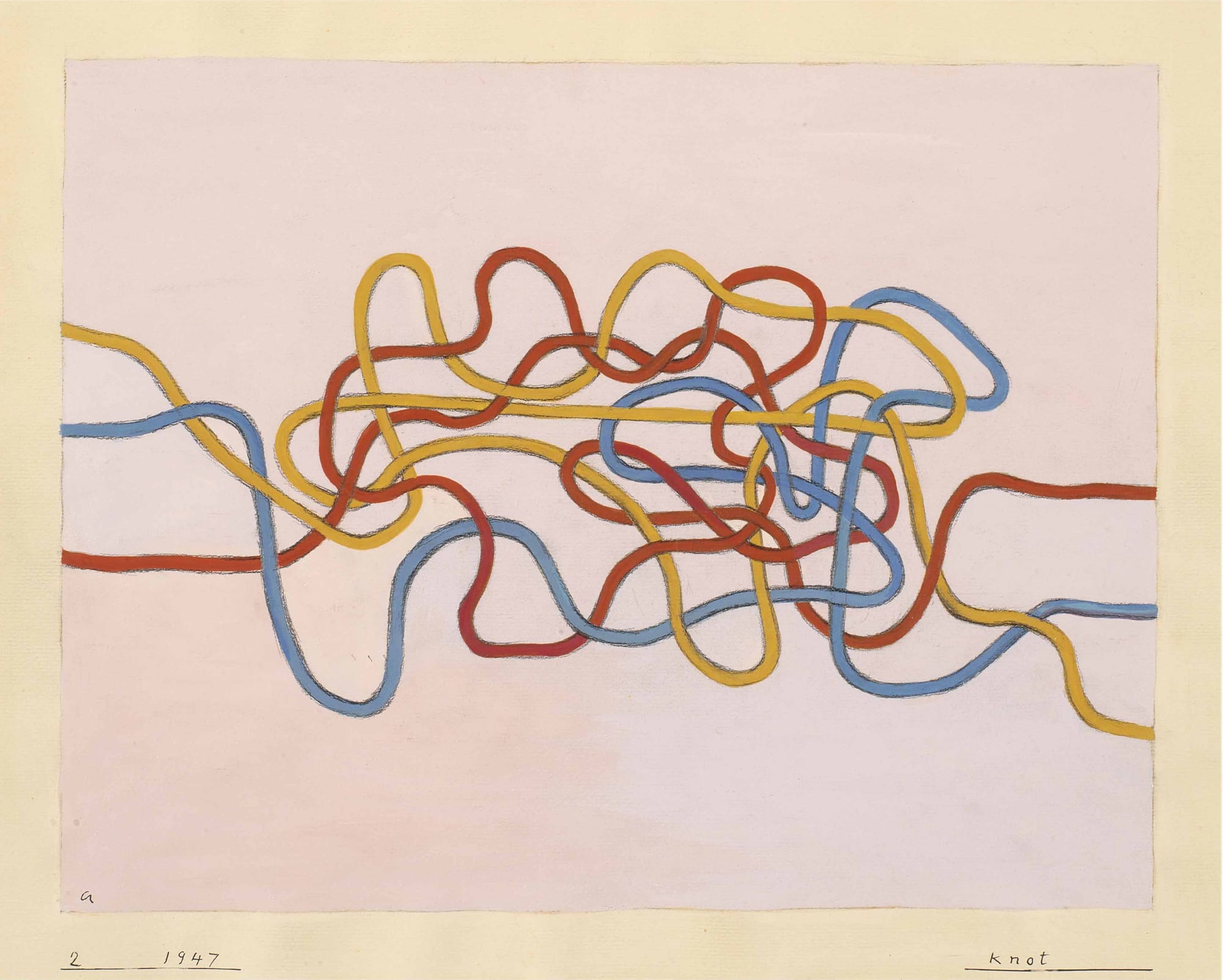
The Lower Belvedere will host a comprehensive survey of Anni Albers to showcase her influential career in textile design. This presentation marks the first time her extensive body of work is displayed in Austria. The selection includes pieces from her early Bauhaus experiments and her productive tenure at Black Mountain College. Visitors can examine intricate weavings, material studies, and room dividers that highlight her view of weaving as a form of modern architecture. Her theoretical writings are also included to reflect a lifelong dedication to elevating craft into fine art.
Richard Prince
17 April – 16 August 2026
Few artists have done more to blur the line between original and copy than Richard Prince. The Albertina Museum in Vienna is dedicating a large-scale exhibition to his work, tracing his practice from the 1970s to the present day. At its centre are his photographic series, including Cowboys, Fashion, and Gangs, alongside rarely seen and previously unexhibited works. The exhibition also brings together painting and installation, revealing how Prince has consistently used irony and sharp observation to question myths of masculinity, consumer culture, and media representation.
KAWS: Art & Comix
3 April – 27 September 2026
Characters from the world of animation and street culture serve as the focal point for this upcoming study of graphic storytelling. By positioning KAWS alongside artists such as Roy Lichtenstein and Joyce Pensato, the Albertina Modern investigates the blurred boundaries between commercial imagery and fine art. The presentation features his trademark skull-and-crossbones motifs and large-scale figures that often convey a sense of human vulnerability. These works join a broader dialogue about how comics function as a universal language across different social strata. Visitors will see how the artist transitioned from overpainting advertisements to creating sculptures that now occupy a significant place in the contemporary art market.
PREMIERE! The Oesterreichische Nationalbank Collection
24 April – 4 October 2026
Austria’s central bank has been quietly building one of the country’s most significant corporate art collections since the late 1980s, and Vienna’s Leopold Museum is now showing it to the public for the first time. “Premiere!” brings together Austrian painting and sculpture from 1918 to the present, with particular attention to New Objectivity and post-Expressionism from the interwar years, and to geometric and gestural abstraction after 1945. Works by Rudolf Wacker, Franz Sedlacek, Maria Lassnig, and Martha Jungwirth are among the highlights, alongside sculptural pieces by Josef Pillhofer and Constantin Luser.
Gottfried Bechtold: Betonporsche
29 April – 11 October 2026
A Porsche 911 cast in solid concrete will park in the Hanuschhof courtyard of the Heidi Horten Collection this spring. It weighs several tons and is entirely immobile. The sculpture belongs to Austrian artist Gottfried Bechtold’s long-running engagement with the car as a symbol of status, freedom, and the mythology of progress. Placed in what is designated a “Director's Parking Space,” the work acquires an added layer of irony, commenting on privilege and the power dynamics embedded in something as ordinary as a parking spot. Inside, photographs, films, and serial works will trace the broader arc of Bechtold’s practice.
Seeds. Reclaiming Roots, Sowing Futures
10 April 2026 – 14 February 2027
What does a seed carry? Heritage, potential, biological memory, and the possibility of futures not yet imagined. These are the questions at the heart of Seeds. Reclaiming Roots, Sowing Futures, the main exhibition of the Klima Biennale Wien, presented at KunstHausWien. Fourteen international artists approach the seed as a lens through which to examine colonialism, indigenous knowledge, food sovereignty, and ecological interdependency. Sculptures, installations, photographs, and video works make up a presentation curated by Sophie Haslinger that moves between the poetic and the political.
The Institute of Queer Ecology: I Wish We Had More Time
10 April – 9 August 2027
For its first solo exhibition in Austria, the Institute of Queer Ecology has chosen loss as its subject. Presented at KunstHausWien as part of the Klima Biennale Wien, the site-specific room installation draws connections between disrupted species interactions caused by shifting climate patterns, the ruptures in queer history brought on by crises such as the AIDS epidemic, and the quieter losses of missed human encounters. The collective’s practice is rooted in queer ecology, a framework that questions human hierarchies and imagines a future in which human and non-human life coexist on equal terms.
Baselitz Now
1 April – 18 October 2026
Georg Baselitz has lived in Salzburg for years, and this spring the Museum der Moderne Salzburg dedicates two simultaneous exhibitions across its two venues to his work. The Mönchsberg presents large-format late paintings made over the past decade, many of them imposing portraits that circle around aging, mortality, and the lives of Baselitz and his wife Elke. The Rupertinum, meanwhile, focuses on his graphic art in smaller formats. Taken together, the two displays trace his practice from his early drawings through to the monumental scale of his most recent work.
Stano Filko. 12 Chakras of Becoming
3 April 2026 – 7 February 2027
Born in 1937 in what was then Czechoslovakia, Stano Filko spent his career developing one of the most singular practices in Central European art before his death in Bratislava in 2015. The Generali Foundation Collection at the Museum der Moderne Salzburg is now devoting a comprehensive retrospective to his work, drawing on loans from his estate. It covers early paintings and conceptual experiments through to large-format sculptures and assemblages, with a particular focus on his “System SF” — a self-devised schema interweaving colours, chakras, and spiritual categories that underpinned his entire later practice.
LebensKunst. 800 Years of Francis of Assisi
25 April – 2 November 2026
Eight hundred years after his death, Francis of Assisi remains one of the most widely venerated figures in Christian history, and the Cathedral Museum at DomQuartier Salzburg marks the anniversary with an exhibition tracing both his life and his enduring legacy. Organised in collaboration with the Society for Franciscan Research in Münster, it brings together works from Austria, South Tyrol, Germany, and Switzerland across painting, sculpture, manuscripts, and everyday objects. The exhibition asks how his core ideals of poverty, peace, and care for creation have been interpreted and reinterpreted across the centuries.
Edelweiß forever
18 April – 1 November 2026
Dirndls, mountain scenery, Mozart, and baroque palaces: Salzburg’s image as a tourist destination was no accident. The Folklore Museum’s exhibition traces how this carefully constructed identity took shape in the first half of the twentieth century and persisted well into the postwar decades. At its centre is The Sound of Music, the 1964 film that brought the von Trapp family’s story to a global audience and fixed Salzburg’s image abroad for generations. The exhibition looks at landscape, music, and traditional costume through the film, through the von Trapps themselves, and through Salzburg’s own cultural development during the 1950s and 1960s.
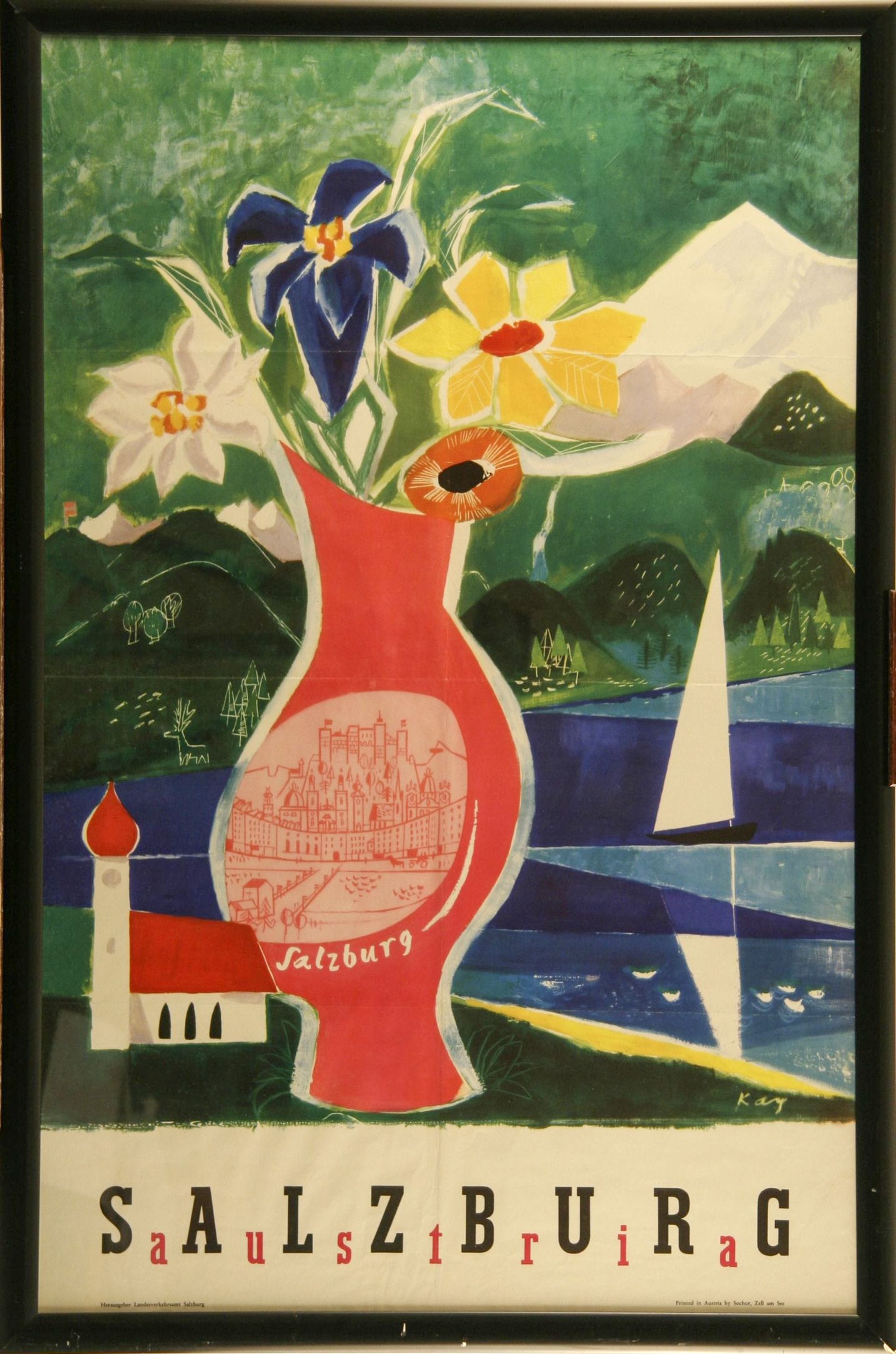
Max Pechstein: An Adventure into Expressionism
23 April – 30 August 2026
Over 100 works by Hermann Max Pechstein will be shown in Austria for the first time at the Lentos Kunstmuseum in Linz, in a retrospective covering several key phases of his career. The selection includes portraits, Baltic Sea paintings, and the vivid South Seas motifs he continued painting from memory long after the First World War cut short his time on the Palau Islands. The exhibition also examines Pechstein’s close relationship with Linz-connected gallerist Wolfgang Gurlitt, who sponsored his South Seas voyage and championed his work until the Nazis confiscated more than 500 of his pieces in 1937.
🇧🇪 Exhibitions in Belgium
Collection Meets Spanish Artists
1 April – 16 August 2026
The second instalment of the Royal Museums’ “Collection Meets” series focuses on Spanish abstract art from the 1950s to the 1970s, a period shaped by the aftermath of the Civil War and a restless search for artistic freedom. Works by Manolo Millares, Manuel Mompó, Manuel Rivera, and Antoni Tàpies are brought into dialogue with pieces from the museums’ own permanent collection. Raw materials, spontaneous gesture, and bold experimentation characterise the selection, which illuminates a distinctive strand of Hispanic abstract and informal art that remained largely outside the mainstream of international art history for many years.
A Red that Sings. Masterpieces by Ensor, Wouters and Schmalzigaug
11 April – 30 August 2026
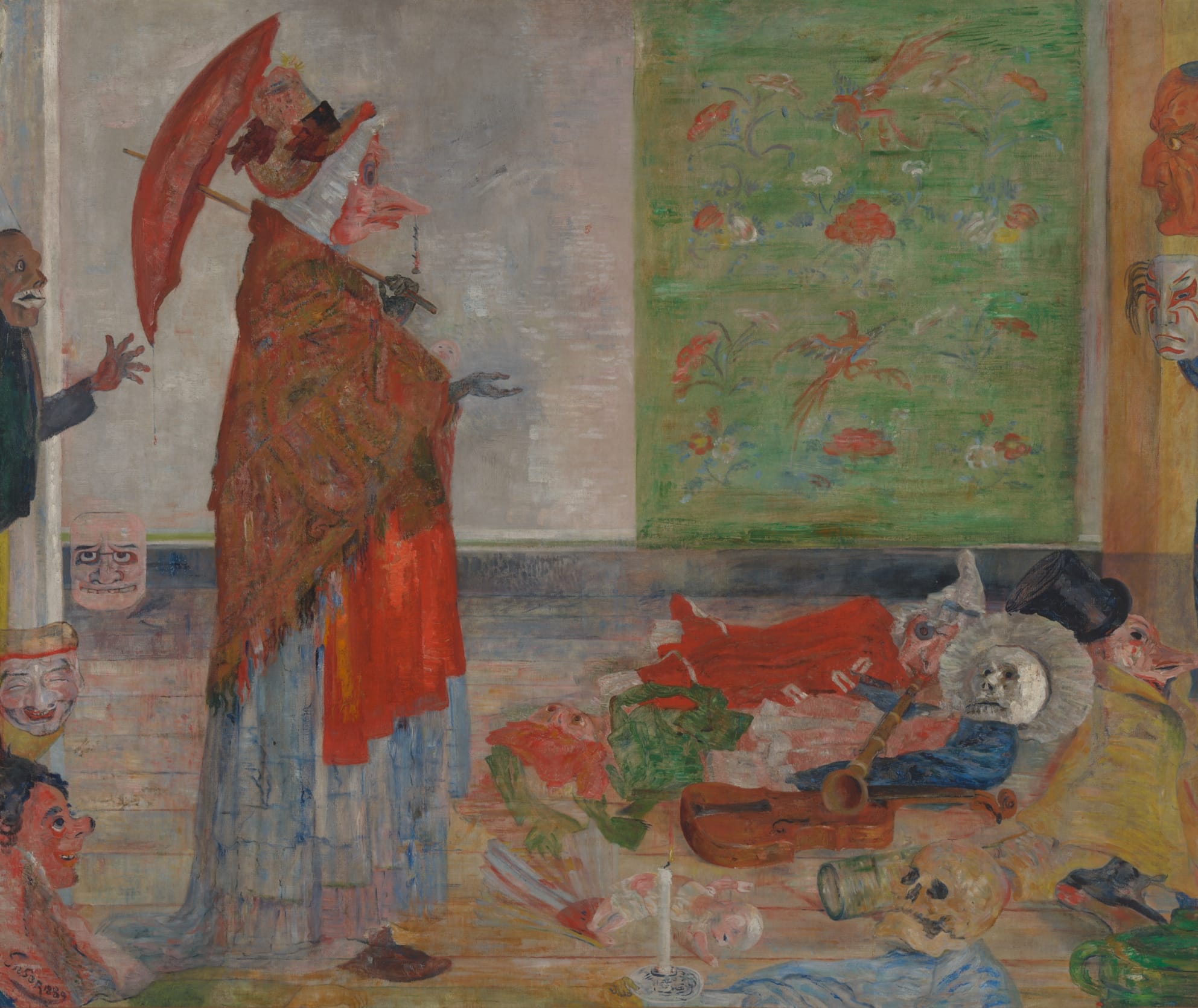
Colour as rhythm, tension, and feeling: that is the premise of this collection presentation at the Royal Museum of Fine Arts Antwerp. The exhibition brings together works by James Ensor, Rik Wouters, and Jules Schmalzigaug, the three painters widely regarded as the leading figures of Belgian modern colour art. All three pushed beyond the restrained palette of Impressionism, seeking a bolder, more expressive visual language rooted in rich pigments. The title comes from Schmalzigaug himself, who traced the lineage of this singing red back through Ensor all the way to Rubens.
In Full Bloom
30 April – 10 May 2026
For eleven days, the galleries of the Royal Museum of Fine Arts Antwerp will be taken over by contemporary floral artists responding to works from the permanent collection. Each florist develops a personal installation in dialogue with a specific painting, sculpture, or location within the museum. The project is guided by guest curator Gert Voorjans, the Belgian interior designer and scenographer known for his richly layered aesthetic. Transience, eternity, and the symbolic weight of flowers in art history all feed into a programme that turns the museum's permanent collection into something altogether more alive.
Francisca García & Mario Navarro: Unearthed Conversation
3 April – 13 September 2026
The Atacama Desert in northern Chile is the starting point for this collaborative exhibition by Santiago-born artists Francisca García and Mario Navarro. The region is a place of layered and often painful histories: ancient archaeological sites, traces of the Pinochet dictatorship, and a landscape so geologically extreme that it has served as a stand-in for Mars. Working with sculpture, video, sound, textiles, and watercolours, the two artists examine how human acts of discovery are inseparable from desire, appropriation, and colonisation. A 1964 Chilean documentary and NASA footage from the Perseverance rover both inform the work.
Valérie Mannaerts: Antennae
3 April – 30 August 2026
Brussels-based artist Valérie Mannaerts has been developing a quietly distinctive practice for three decades, and Antennae at M Leuven offers the most comprehensive survey of her work to date, bringing together existing pieces alongside newly made work. Sculpture is the centre of gravity, though Mannaerts extends her thinking into installations, paintings, textiles, and public-space commissions. The exhibition’s title refers both to the sensory organs insects use to navigate their surroundings and to the artist's own mode of attention: a heightened sensitivity to objects, bodies, space, and the charged relations between them. A publication by Walther König Verlag accompanies the show.
🇩🇰 Exhibitions in Denmark
Charlottenborg Spring Exhibition 2026
11 April – 10 May 2026
Running since 1857, the Charlottenborg Spring Exhibition is one of Scandinavia’s longest-standing open-submission art events, and its 169th edition brings together 27 selected artists and groups working across visual art, crafts, architecture, and design. The selection this year includes both Danish and international participants, chosen by a jury of architects, artists, and a writer. Equal parts survey and discovery, the exhibition remains one of the most reliable places to encounter emerging talent in the Nordic art scene alongside more established names.
Alison Knowles: Retrospective 1960–2022
25 April – 26 July 2026
Held in the very building where Alison Knowles helped shape the Fluxus movement in the 1960s, this retrospective at Nikolaj Kunsthal carries particular weight. Knowles, who died in 2025, was the only woman among the original Fluxus group, and her six-decade practice ranged from event scores and food performances to large-scale installations and what is considered one of the world’s first computer-generated poems. Key works will be restaged in the church hall where the landmark festival Festum Fluxorum took place in 1962. The exhibition was organised by BAMPFA and curated by art historian Karen Moss.
🇫🇷 Exhibitions in France
Michelangelo and Rodin: Living Bodies
15 April – 20 July 2026
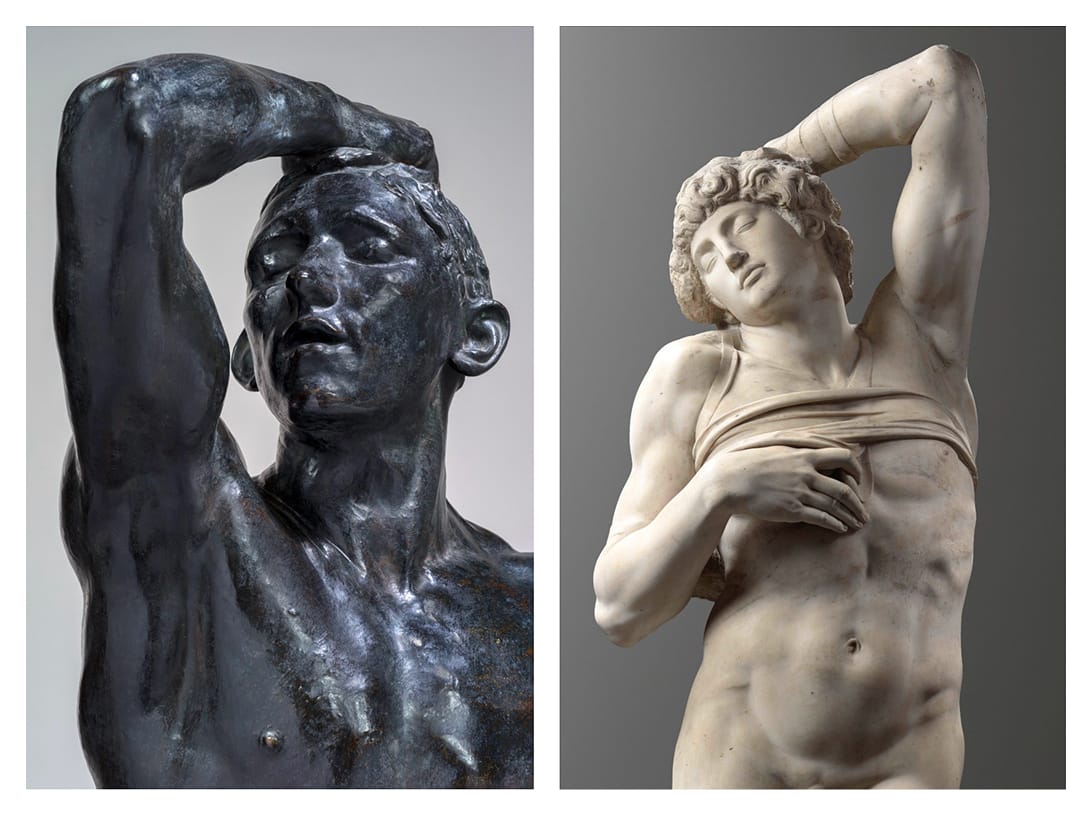
Organised by the Louvre in partnership with the Musée Rodin, this exhibition brings together two artists who, separated by three centuries, shared a conviction that sculpture could make the body’s inner life visible. Works in marble, bronze, plaster, terracotta, and cast, alongside paintings, are grouped into five thematic sections exploring the human figure, the unfinished work, and the relationship between physical form and spiritual energy. Rather than simply drawing parallels, the exhibition also examines where the two artists diverge, tracing how Rodin’s reinvention of Michelangelo’s legacy helped lay the ground for twentieth-century modernism.
Martin Schongauer: The Beautiful Immortal
8 April – 20 July 2026
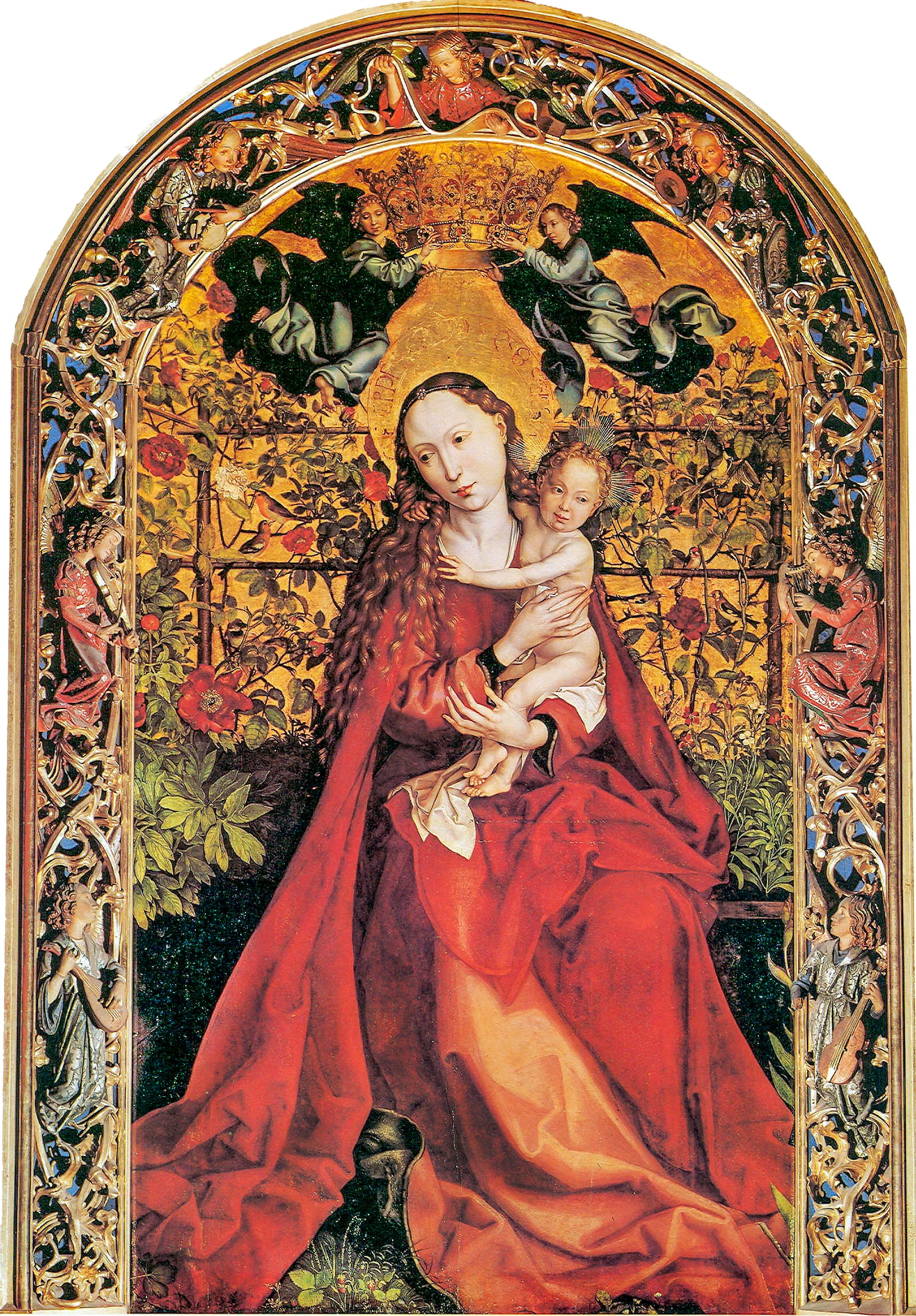
Born in Colmar around 1445, Martin Schongauer was celebrated across Europe even in his own lifetime, primarily for engravings of such technical refinement that they influenced artists for over a century after his death. The Louvre’s exhibition brings together a broad selection of his drawings and engravings alongside what is described as a near-complete gathering of his paintings, including the 1473 Madonna of the Rose Bower. The second half of the show traces his reception across the European continent, assembling works from multiple disciplines that testify to how widely and lastingly his imagery circulated.
Calder. Rêver en Équilibre
15 April – 16 August 2026
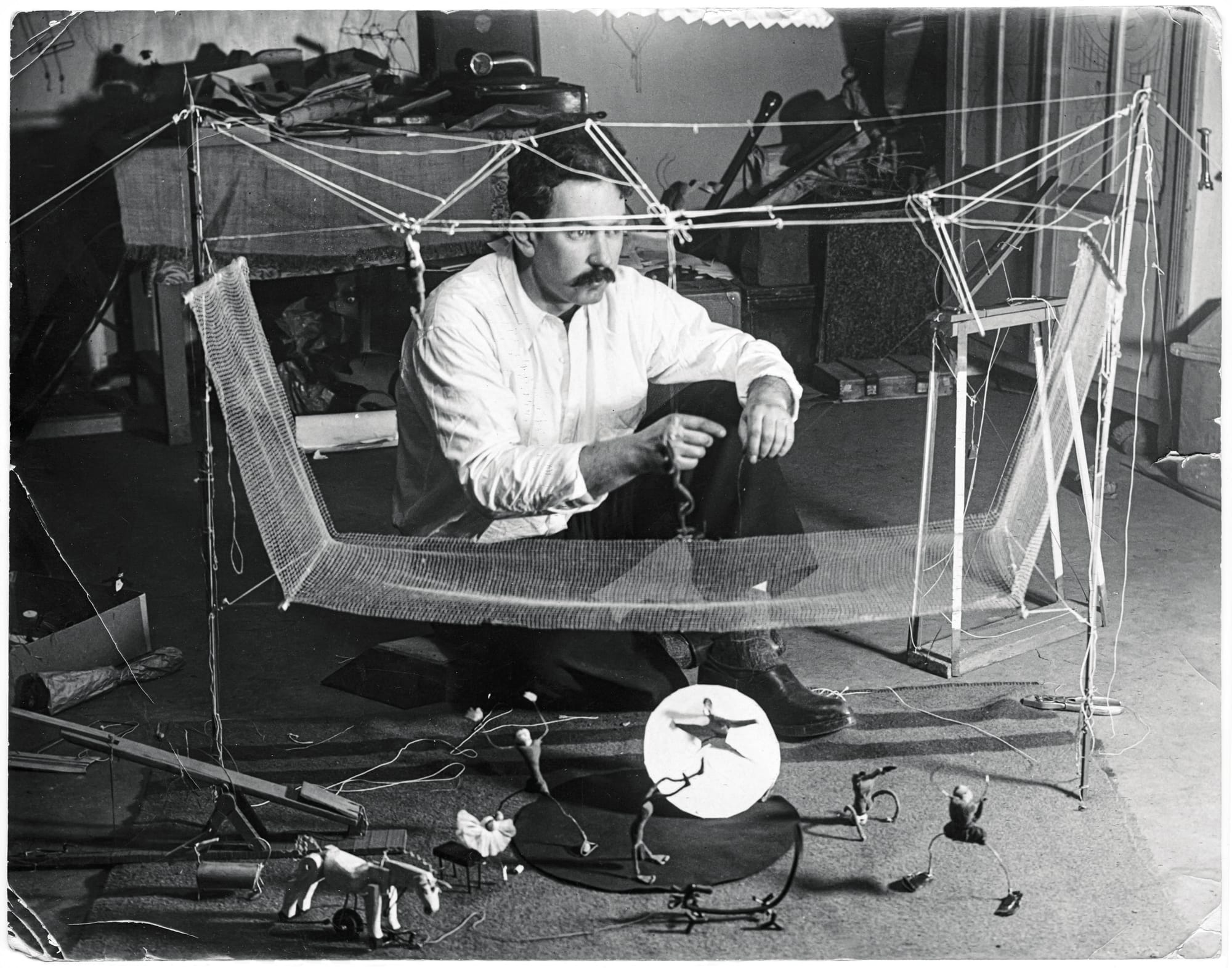
Two anniversaries coincide this spring: a hundred years since Alexander Calder first came to Paris, and fifty years since his death. The Fondation Louis Vuitton marks the occasion with an exhibition occupying its entire building and adjoining lawn, bringing together nearly 300 works across five decades of practice. The Cirque Calder, the miniature circus that captivated the Parisian avant-garde in the late 1920s, returns to the city for the first time in fifteen years thanks to an exceptional loan from the Whitney Museum of American Art. Works by Mondrian, Miró, Arp, and others place his innovations within the broader context of twentieth-century abstraction.
Open Space #18: Armineh Negahdari
15 April – 30 August 2026
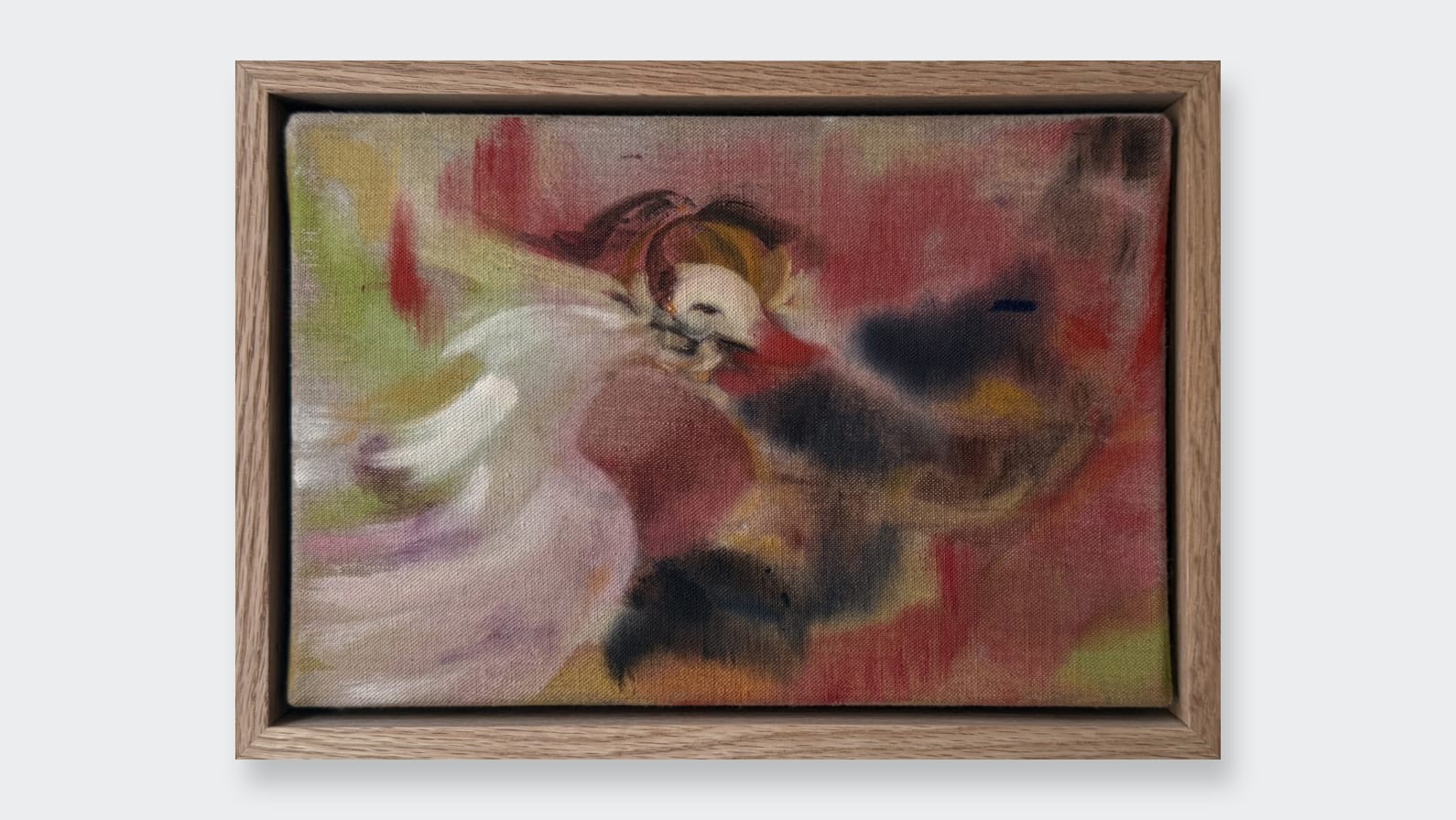
Iranian-born artist Armineh Negahdari works without prior planning, her hand driven by physical urgency and intuition rather than any preconceived idea. Her first solo exhibition in a French institution, presented in Gallery 8 as part of the Fondation Louis Vuitton’s Open Space programme, brings together a body of new drawings in charcoal, oil pastel, graphite, and oil paint. Human figures recur throughout, unstable and unresolved, caught between light and shadow. Forms shift and morph: a head becomes a fig, a mountain a breast, hands dissolve into wings.
Károly Ferenczy: Hungarian Modernity
14 April – 6 September 2026
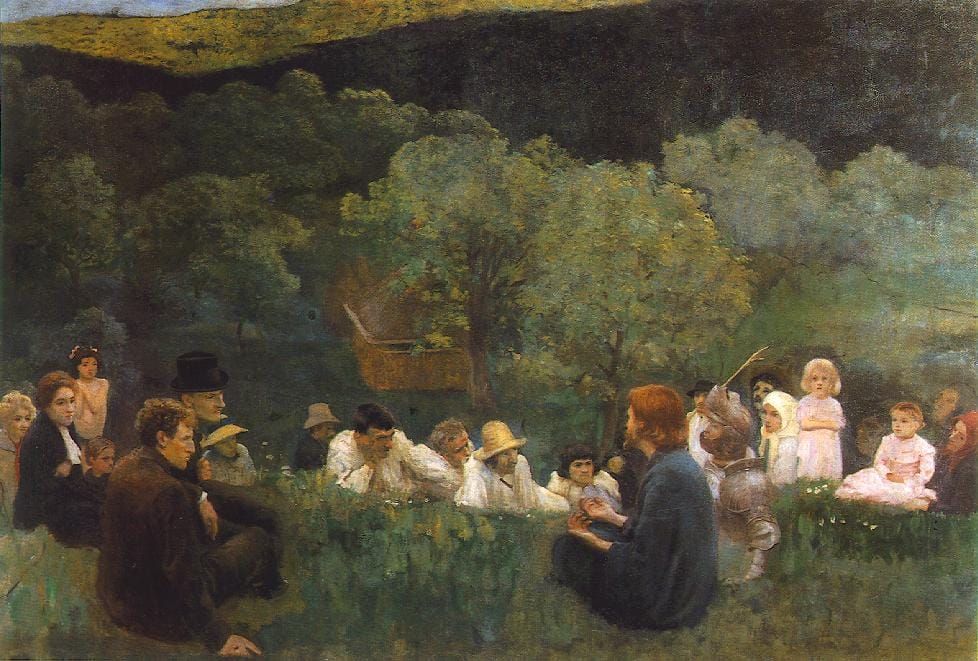
Well known in Hungary and almost entirely unknown in France, Károly Ferenczy (1862–1917) was one of the most original painters working in Central Europe at the turn of the twentieth century. The Petit Palais is presenting his first retrospective in France, bringing together nearly 140 works across landscapes, portraits, biblical subjects, nudes, and family scenes. A founding member of an artists’ colony in the Hungarian countryside, Ferenczy practised plein-air painting while also drawing on Naturalism, Symbolism, Impressionism, and the Nabis without fully belonging to any of them. The exhibition was organised in collaboration with the Museum of Fine Arts and the Hungarian National Gallery in Budapest.
Giovanni Segantini: « Je veux voir mes montagnes »
29 April – 16 August 2026
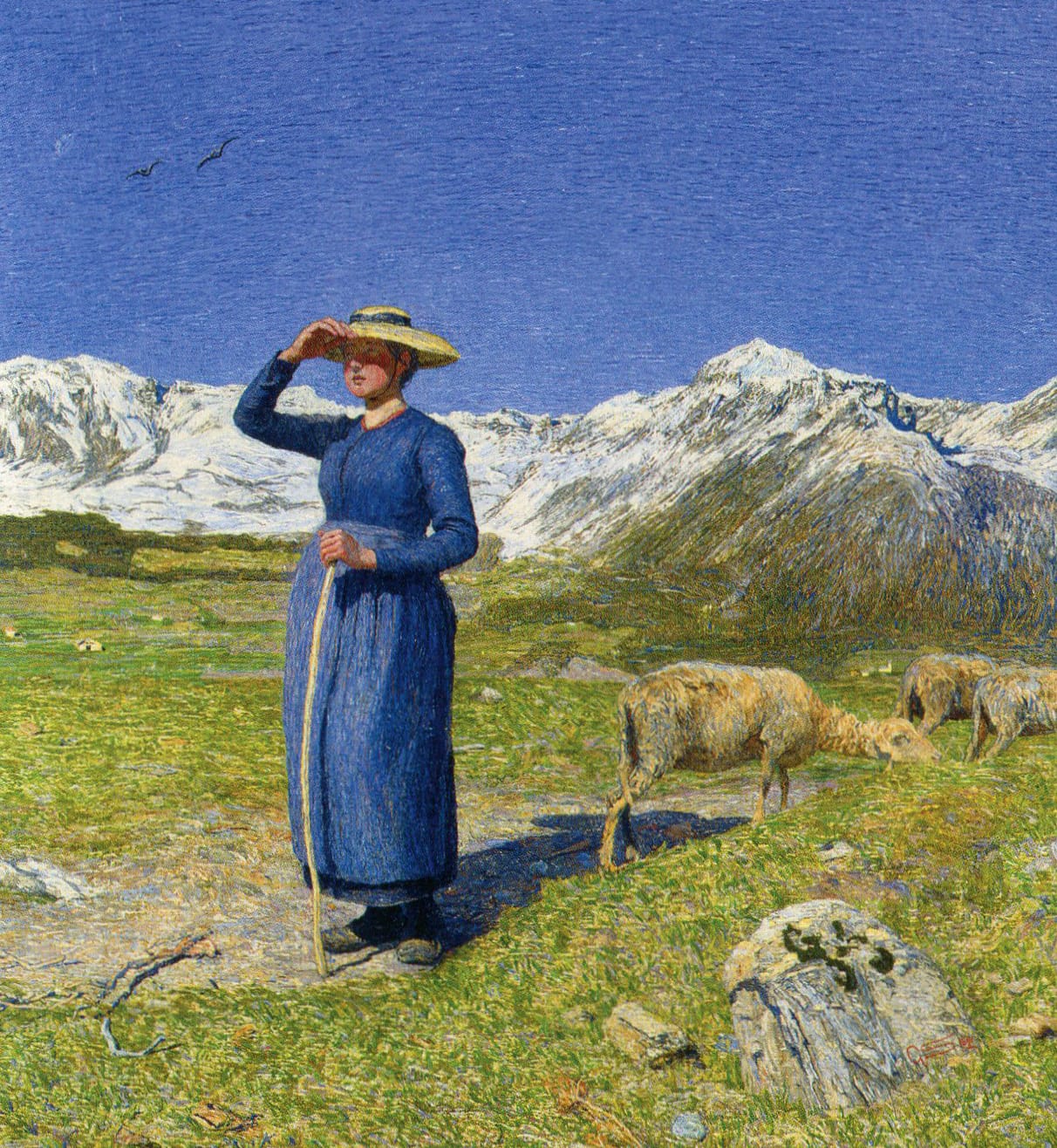
Giovanni Segantini dreamed of showing his work in Paris at the 1900 Exposition Universelle. He died the year before, aged 41, and the city never saw him. More than a century later, the Musée Marmottan Monet is mounting his first monographic exhibition in Paris, bringing together around sixty paintings, pastels, and drawings. Curated by art historian Gabriella Belli and Diana Segantini, the show traces his journey from the Italian Lombardy plains to the Swiss Engadine valley, where his Alpine landscapes evolved into something deeply symbolic and spiritual. A selection of works by Anselm Kiefer, created in homage to Segantini, accompanies the exhibition.
François Morellet: 100 Per Cent
3 April – 28 September 2026
The centenary of François Morellet's birth is marked at the Centre Pompidou-Metz with the most comprehensive retrospective of his work to date, covering 100 works made between 1941 and 2016. Morellet occupies a singular position in twentieth-century art as both the leading French figure of geometric abstraction and the artist who most persistently undermined its certainties. The exhibition maps this tension through two parallel chronological paths across 1,200 square metres of Galerie 3: one tracing the rigour of his pictorial system, the other following his optical irrationality and Neo-Dadaist wit. Curator Michel Gauthier draws on the collections of the Centre Pompidou in Paris.
🇩🇪 Exhibitions in Germany
The Stuff of Narrative: New Perspectives on Literature
16 April – 3 September 2026
Literature as a practice stretches far beyond the printed book, and this exhibition at the Forschungscampus Dahlem makes the case through just six carefully chosen objects. Chinese oracle bones, a pair of Japanese folding screens, and a Syrian graphic novel are among the exhibits, each approached from multiple scholarly, curatorial, and conservation angles. Jointly realised by the Institute for Museum Research, the Ethnological Museum, the Museum of Asian Art, and the Cluster of Excellence Temporal Communities at Freie Universität Berlin, the exhibition treats literature as something sensory, material, and oral rather than fixed on a page. Admission is free.
New Woman, New Vision: Women Photographers of the Bauhaus
17 April – 4 October 2026
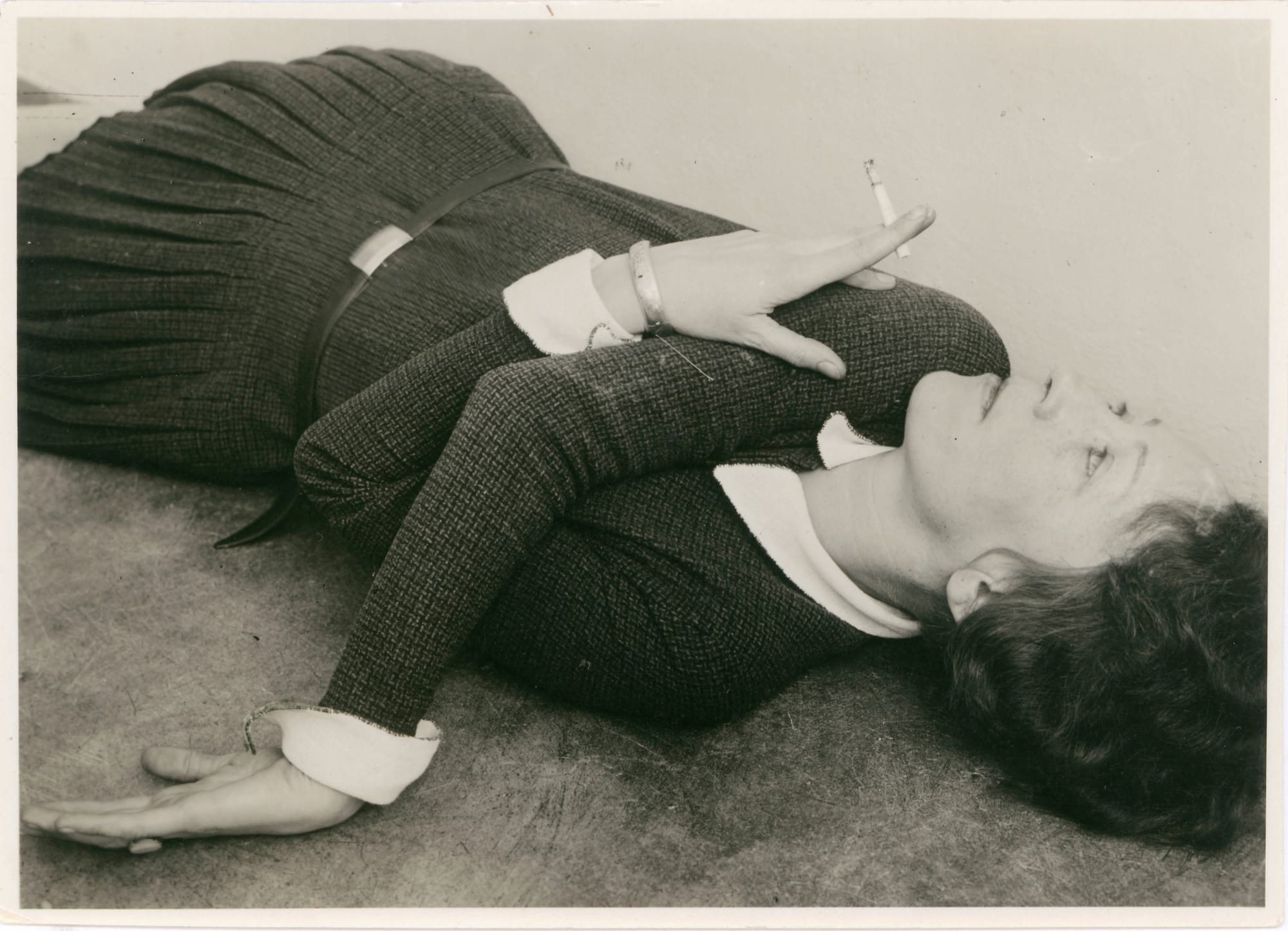
Around 300 photographs from the Bauhaus-Archiv in Berlin form the core of this exhibition at the Museum für Fotografie, dedicated to the women photographers of the Bauhaus whose work has long been overshadowed by their male counterparts. Their output ranges from figurative portraits and architectural photography to abstract experimentation, often shot from unconventional angles and with a restless curiosity about what the medium could do. The show also looks beyond the Bauhaus itself to its American successor, the Institute of Design in Chicago, and invites three contemporary artists to respond to the historic photographs with work of their own.
Intermezzo: Revisiting Helmut Newton
24 April 2026 – 31 December 2027
The Helmut Newton Foundation is using the reopening of the Museum für Fotografie after renovation works to radically overhaul its long-running permanent presentation. As a transitional step, the ground floor is given over to a cinematic installation in which eight projectors cast a film portrait of Newton across four screens. The footage draws on previously unreleased material from the foundation’s archives, including personal recordings by June Newton, and features interviews with figures from Newton's world. The 16-metre display case has been refreshed with new editorial work by both Newton and his wife, tracing the evolution of fashion photography from the late 1950s to the turn of the century.
Heavy Fabric: Women — Traditional Costume — Life Stories
24 April 2026 – 29 March 2027
Traditional dress as a repository of personal memory and social history: that is the premise behind this exhibition at the Museum of European Cultures, presented as a guest show from the Donauschwäbisches Zentralmuseum in Ulm. Twenty clothing ensembles from Danube-Swabian communities across Hungary, Romania, and the former Yugoslavia tell the stories of women whose lives were shaped by village customs, religious tradition, and the experience of migration. Photographs, drawings, and fabric remnants fill out the picture, revealing a world that was at once tightly regulated and quietly diverse.
Tin from the Middle Ages to Art Nouveau
24 April – 4 October 2026
Few materials have been as central to European domestic and ceremonial life as pewter and tin, yet both remain largely overlooked in the story of decorative arts. The Kunstgewerbemuseum takes up this gap with a special exhibition at Schloss Köpenick, presenting around 100 works that trace the material from medieval liturgical objects through to Art Nouveau design. Alongside vessels and everyday pieces, the show explores tin's unexpected role in furniture, particularly the Boulle technique, in which craftsmen combined it with tortoiseshell and horn to produce surfaces of remarkable intricacy.
Mastering Type
25–26 April 2026
Now in its tenth year, Mastering Type is an exhibition and events series dedicated to typeface design from international master’s programmes. Its anniversary edition takes the form of a two-day pop-up at the Kulturforum, transforming the exhibition hall into a walk-through typographic space. A selection of type designs from the past decade are presented on large-format posters alongside process books documenting each project. Programmes represented include TypeMedia Den Haag, Écal Lausanne, and TypeParis, among others. A programme of talks and workshops runs on 25 April. Admission is free.
Ruin and Rush: Berlin 1910–1930
25 April 2026 – 3 January 2027
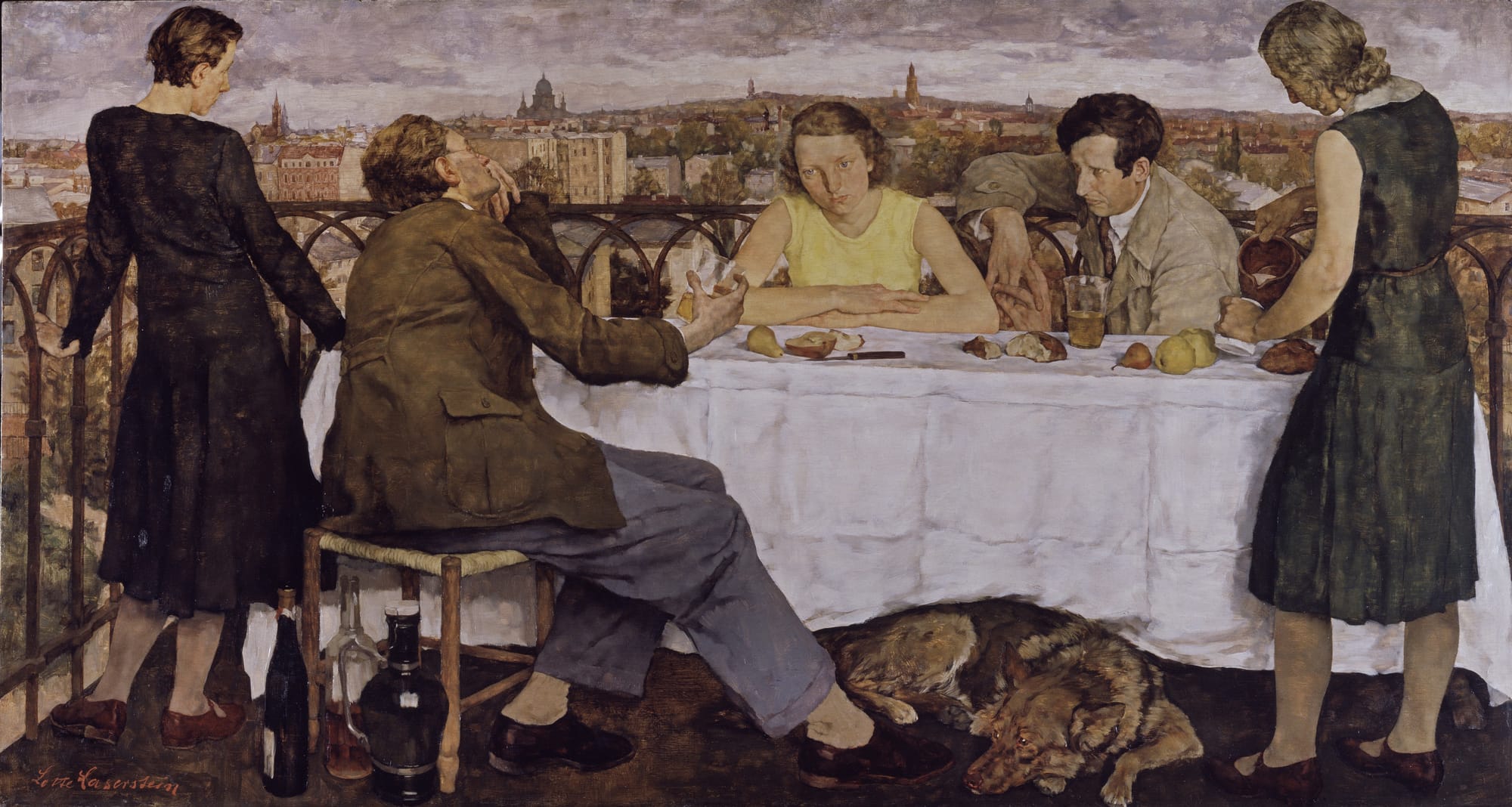
Glamour and misery, emancipation and extremism, excess and poverty: the two decades covered by this exhibition at the Neue Nationalgalerie were among the most turbulent in Berlin’s history. Around 35 works from the Nationalgalerie’s classical modern collection explore the city’s fractured spirit across three thematic sections, moving from the dynamism of the growing metropolis through the social hardships endured by most of its inhabitants to the emergence of a new urban femininity and queer life. Expressionism and New Objectivity rub shoulders across paintings by Kirchner, Dix, Grosz, Hannah Höch, Käthe Kollwitz, and Lotte Laserstein, among others.
Beeple. Regular Animals
26 April – 10 May 2026
Timed to Gallery Weekend Berlin, this twelve-day installation in the lower foyer of the Neue Nationalgalerie marks the first showing of Beeple's work in Germany. Regular Animals consists of autonomous robotic dogs fitted with hyper-realistic silicone heads modelled after figures such as Elon Musk, Mark Zuckerberg, and Jeff Bezos. As the robots roam a pen-like enclosure, onboard cameras capture their surroundings and AI systems reinterpret the footage according to the cultural style associated with each figure. The robots then print the results and eject them from their rear ends, distributing the images to visitors free of charge. Admission to the exhibition is also free.
Fujiko Nakaya: Fog Sculpture in the Sculpture Garden of the Neue Nationalgalerie
30 April – 25 October 2026
Following its success last year, Japanese artist Fujiko Nakaya’s site-specific fog sculpture returns to the sculpture garden of the Neue Nationalgalerie for a second season. Nakaya developed a new installation in 2025 in which fog formations emerge at regular intervals from different sides of the garden, drifting through the permanent sculptures and the trees before slowly dissolving into the sky. The work shifts between a nearly solid volume and a translucent veil, changing with wind, temperature, and light. Mies van der Rohe's 90-metre glass façade, completed in 1968, offers a striking counterpoint to the ephemeral nature of the piece when viewed from inside the museum.
Sculptural: The New Galleries
24 April 2026 – 11 April 2027
The Hamburger Kunsthalle’s sculpture collection is receiving its first-ever large-scale dedicated presentation, spread across 1,500 square metres of the Café Liebermann, Klinger Hall, and Rotunda. Over 500 works from 2,500 years of art history are brought into dialogue across media and periods, setting antiquity against the present, the miniature against the monumental. A particular highlight is the museum's recently rediscovered trove of coins, medals, and small-format reliefs in gold, silver, and bronze, exhibited here for the first time alongside large-scale sculptures by Rodin and Maillol, video works by Marina Abramović, and loans from the Musée d'Orsay.
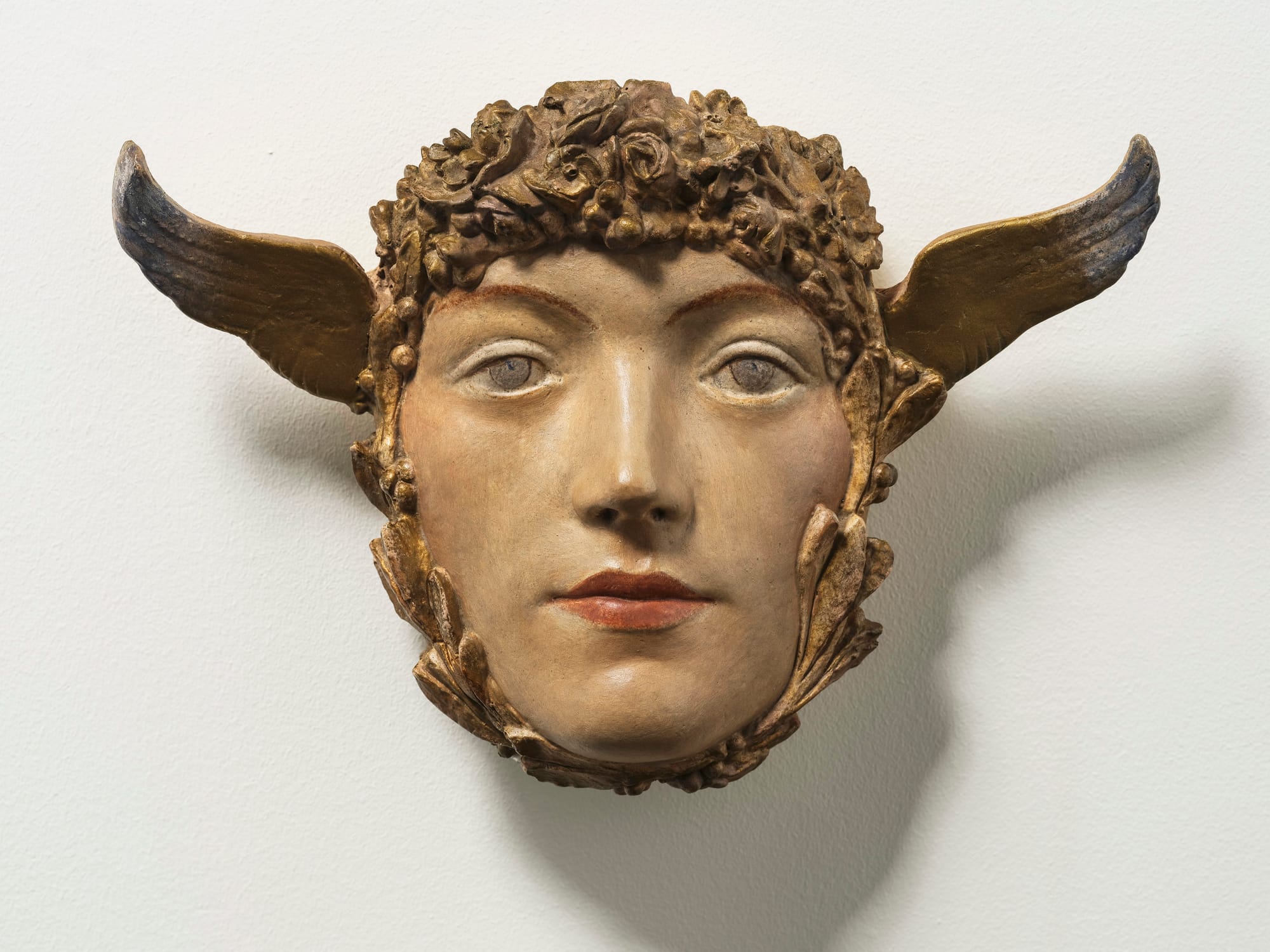
Generation 1700: Drawing at the Royal Academy in Paris
17 April – 30 August 2026
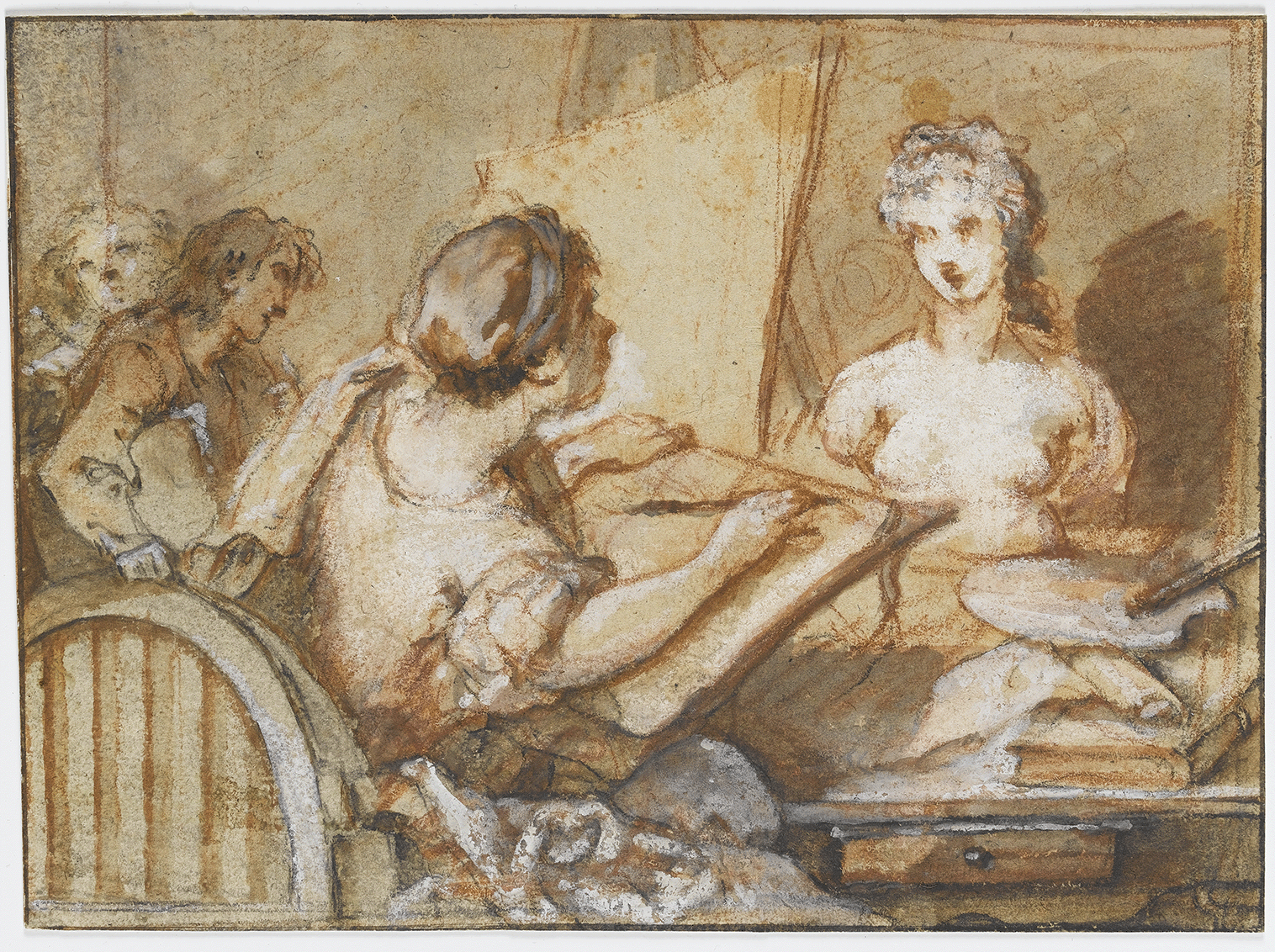
How did artists in early eighteenth-century France learn to draw the human body? This small-scale exhibition in the Staatsgalerie’s Graphik-Kabinett examines drawing instruction at the Royal Academy in Paris, focusing on the generation of artists who studied there around 1700. The presentation shows how some of the leading figures of the French Enlightenment combined the rigorous study of anatomy with the development of personal artistic expression, drawing on works from the Staatsgalerie’s own graphic collection.
🇭🇺 Exhibitions in Hungary
Dolce Vita. Impressions of Italy in Two Centuries of Hungarian Art
8 April – 23 August 2026
Italy has long held a special place in Hungarian cultural life, drawing artists and travellers for its landscapes, light, antiquity, and architecture. This exhibition at the Hungarian National Gallery traces that enduring attraction from the nineteenth century through to contemporary art, presenting around 150 works by 75 artists across painting, drawing, photography, sculpture, and archaeological objects. The breadth of media reflects the many ways Hungarian artists have encountered and absorbed Italy, whether in direct response to its physical environment or as an ongoing imaginative resource. The exhibition is presented as part of the Bartók Spring International Arts Weeks.
Black Mirror: The Long Shadow of the Future
8 April – 18 October 2026
The black mirror was once a tool for divination; today it most readily conjures the dark, switched-off screen of a digital device, reflecting back a distorted image of the present. Taking this double meaning as its starting point, the Ludwig Museum’s collection presentation brings together around thirty artists from Hungary and the wider region to chart dystopian impulses in Central and Eastern European art over recent decades. Curated by József Készman and Borbála Kálmán, the exhibition is conceived as the first stage of a broader research project into how artists have imagined and questioned technological futures.
In the End There Will Be No End
24 April – 20 September 2026
Drawn from the Art Fond Collection in Bratislava, this exhibition approaches the Slovak neo-avant-garde not as a finished chapter of art history but as a living set of attitudes that continue to shape conceptual, feminist, ecological, and activist art today. Organised thematically rather than chronologically, it groups around forty artists across generations by shared preoccupations: memory, the body, the traces people leave, and the search for inner freedom under conditions of external constraint. Curated by Katarína Bajcurová and Lucia Gregorová Stach, the presentation was developed in collaboration with the Art Research Centre of the Slovak Academy of Sciences.
🇮🇹 Exhibitions in Italy
L’archivio della rivista segno
2 April – 18 October 2026
Founded in Pescara in 1976 by Umberto Sala and Lucia Spadano, segno (a bimonthly magazine) has spent fifty years documenting shifts in contemporary art across Italy and internationally, building a record of artists, movements, and critical debates that might otherwise have gone unarchived. To mark the anniversary, MAXXI has acquired the magazine’s archive and is presenting a focus exhibition in the Carlo Scarpa foyer, curated by Paolo Balmas. An unprecedented selection of documents traces the publication's history and its role as a sustained and sensitive witness to half a century of artistic and cultural change.
Tragicomica: Perspectives on Italian art from the mid-20th century to today
2 April – 20 September 2026
Italy has long cultivated a particular cultural reflex: reaching for irony in the face of tragedy. This is the thread running through Tragicomica at MAXXI, a wide-ranging exhibition curated by Andrea Bellini and Francesco Stocchi that brings together over 140 artists to examine how comedy, self-irony, and paradox have functioned as tools of resistance and critique in Italian art from the post-war period to the present. The project extends across cinema, theatre, architecture, literature, and philosophy, treating cultural production in the broadest sense. It was developed in collaboration with the Centre d’Art Contemporain in Geneva.
Andrea Pazienza: Non sempre si muore
24 April – 27 September 2026
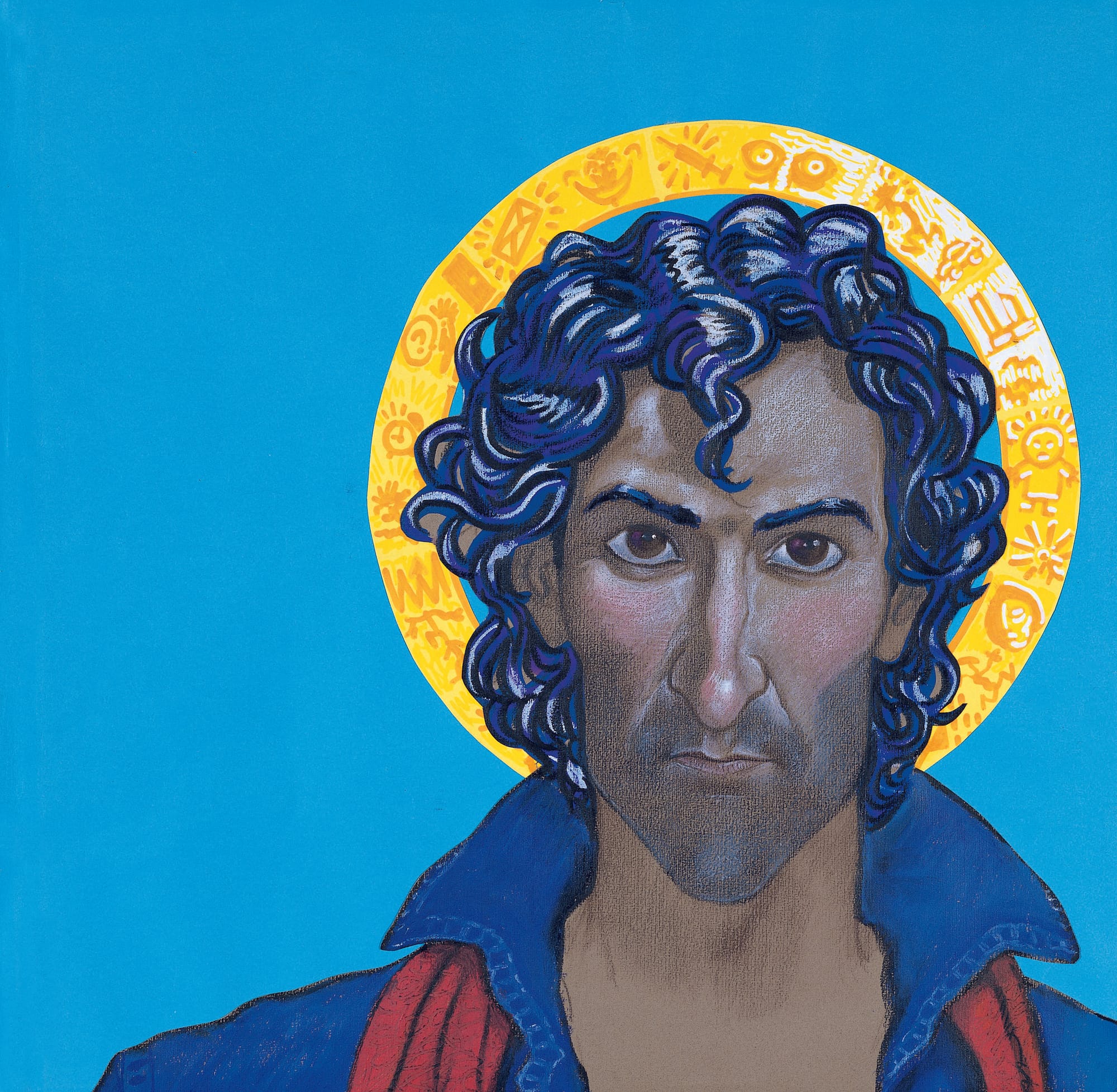
Andrea Pazienza, known as Paz, is one of the most beloved figures in Italian comics history, and his work still feels startlingly alive. The second chapter of MAXXI’s project devoted to him focuses on the relationship between words and images in his practice, presenting notebooks, drawings, comics, and graphic works including hundreds of panels featuring his characters Pentothal, Pertini, and Zanardi. Curated by Giulia Ferracci and Oscar Glioti, the exhibition brings together published work alongside previously unseen material, making clear why Pazienza’s sharp, ironic account of his own era continues to resonate so strongly today.
Cao Fei: Dash
9 April – 28 September 2026
Spending three years in the farmlands of southern and northwestern China and Southeast Asia, Cao Fei has built Dash from deep fieldwork into the rise of smart agriculture. The result, presented in the Podium at Fondazione Prada, is a large-scale multimedia environment that includes a grain warehouse, a temple-like structure, a farmer’s station, and a small banana plantation surrounded by agritech equipment and solar panels. Photography, video installation, documentary footage, virtual reality, and archival material combine to trace the contradictions of agricultural automation: how it promises efficiency while quietly reordering labour, perception, and humanity's relationship with land.
Peggy Guggenheim in London: The Making of a Collector
25 April – 19 October 2026
Before Peggy Guggenheim became the collector the world knows, she ran a gallery. Guggenheim Jeune, active in London between 1938 and 1939, hosted over twenty exhibitions in just eighteen months, including Kandinsky’s first London solo show and the UK’s first group exhibition dedicated to collage. This exhibition, curated by Gražina Subelytė and Simon Grant, reconstructs that brief but consequential chapter through key works and archival material, examining how her circle of friends including Marcel Duchamp, Samuel Beckett, and Mary Reynolds shaped her developing vision. After Venice, the show travels to the Royal Academy of Arts and then the Guggenheim New York.
Parthenope. The Siren and the city
3 April – 6 July 2026
Parthenope, the siren said to have founded Naples, has been woven into the city’s collective imagination for nearly three millennia. This exhibition at the MANN traces the figure’s remarkable journey across time, from the earliest Greek settlement on the promontory of Pizzofalcone in the 8th century BC through to contemporary street art, presenting over 250 works drawn from more than forty museums across Italy, Europe, and the United States. Along the way it charts the siren’s physical transformation from bird-headed creature to fish-tailed woman, and her shift from dangerous enchantress to benevolent protector of the city. Previously unseen archaeological material, some uncovered during Naples Metro excavations, is among the highlights.
🇱🇮 Exhibition in Liechtenstein
«Du mein liebster Schatz!» Love Letters Through the Ages
16 April – 18 October 2026
The love letter has always been an act of courage: committing feelings to paper and trusting them to someone else. This exhibition at the Liechtenstein PostMuseum traces the written expression of love from its early literary forms through the nineteenth century and on to the digital messages of today. A moving letter from 1844, tender postcard exchanges, elaborately crafted love notes, and literary examples show how the language and means of transmission have changed across the centuries while always serving the same purpose: the desire to create closeness across distance.
🇱🇺 Exhibitions in Luxembourg
De mémoire d’arbre
23 April – 13 September 2026
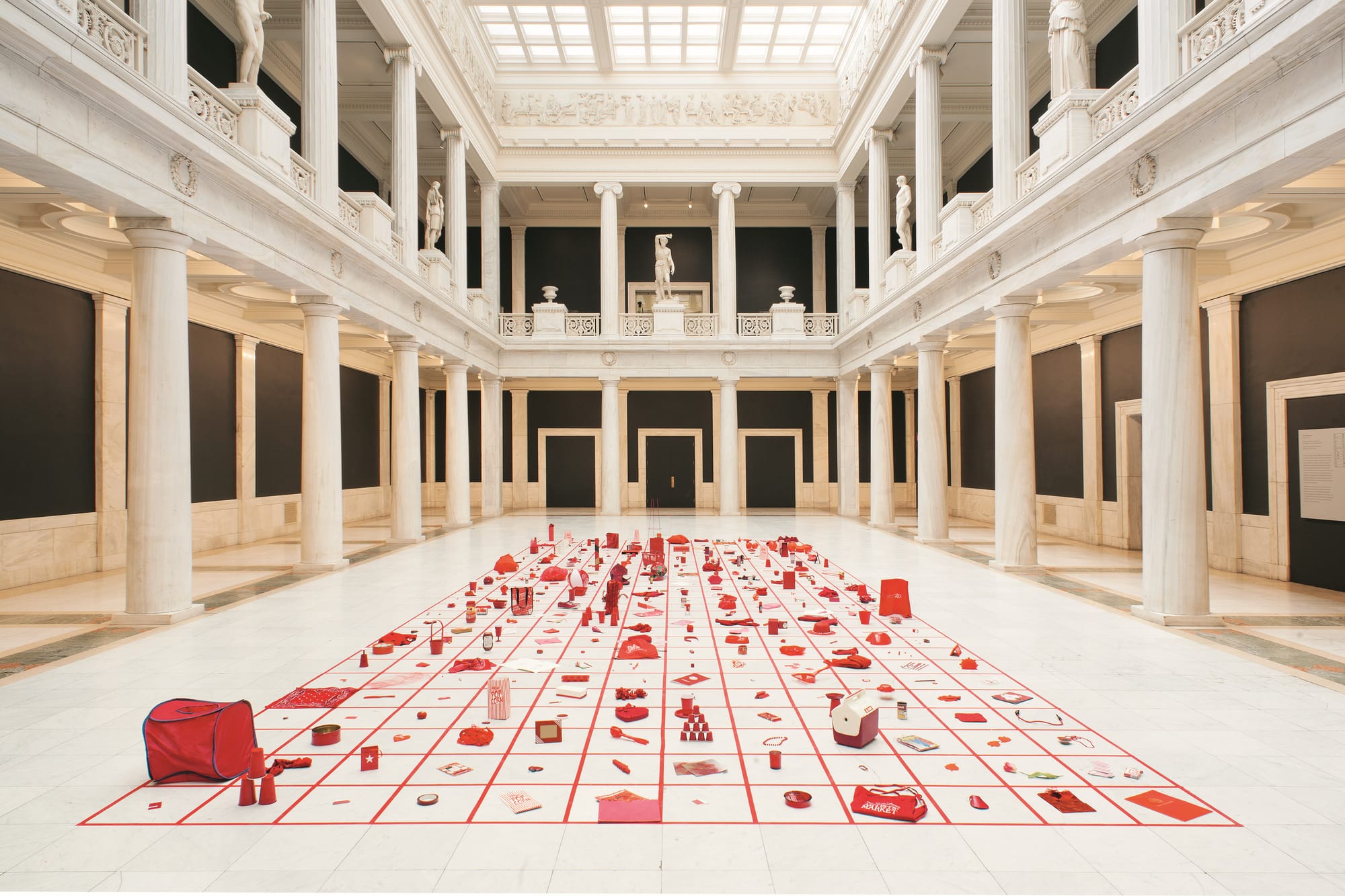
In March 2022, a purple beech tree that had stood in the inner courtyard of the Lëtzebuerg City Museum for nearly 300 years was felled due to a fungal infection. Rather than losing the wood, the museum gave it to eight sculptors to work with. Katarzina Kot-Bach, Wouter van der Vlugt, Laurent Turping, Nadine Zangarini, Jean-Paul Thiefels, Gérard Claude, Jhemp Bastin, Pitt Brandenburger, and Dany Prum each rose to the challenge. The resulting works, now part of the City of Luxembourg’s art collection, are brought together here alongside the centuries-old history of the tree itself.
Nuclear Paradise
18 April – 14 June 2026
Between 1966 and 1996, France tested 193 nuclear devices on the atolls of Moruroa and Fangataufa in the South Pacific, using the neighbouring Hao atoll as its main military support base. Since the French military withdrew in 2000, the roughly 1,200 inhabitants of Hao have lived amid the architectural remains of that era, many of them occupying the abandoned military buildings. Photographer Laurent Sturm and anthropologist Dr Lis Kayser visited the atoll in 2021 to document a community marked equally by nostalgia for the relative prosperity of the military years and discontent at being left behind. Their collaboration, which has since produced a book published in December 2024, will be presented at the Centre d’Art Nei Liicht: documentary photographs that hold nostalgia and hardship in the same frame.
🇳🇱 Exhibitions in the Netherlands
Manosphere: Masculinity Today
17 April – 2 August 2026
What does it mean to be a man today? That question sits at the centre of this group exhibition at the Stedelijk, curated by Melanie Bühler and developed in collaboration with Kunstmuseum St. Gallen. Taking the “manosphere” (the loose network of online spaces in which an aggressive, misogynistic masculinity has found a home) as its starting point, the exhibition reads masculinity against that grain, revealing it as something more complicated: a performance of power, but also a lived reality that can be tender, contradictory, and banal. Works from the Stedelijk Museum’s collection are shown alongside loans and new commissions by artists including Lucy McKenzie, Eduardo Paolozzi, Salman Toor, Sands Murray-Wassink, and Bruno Zhu.
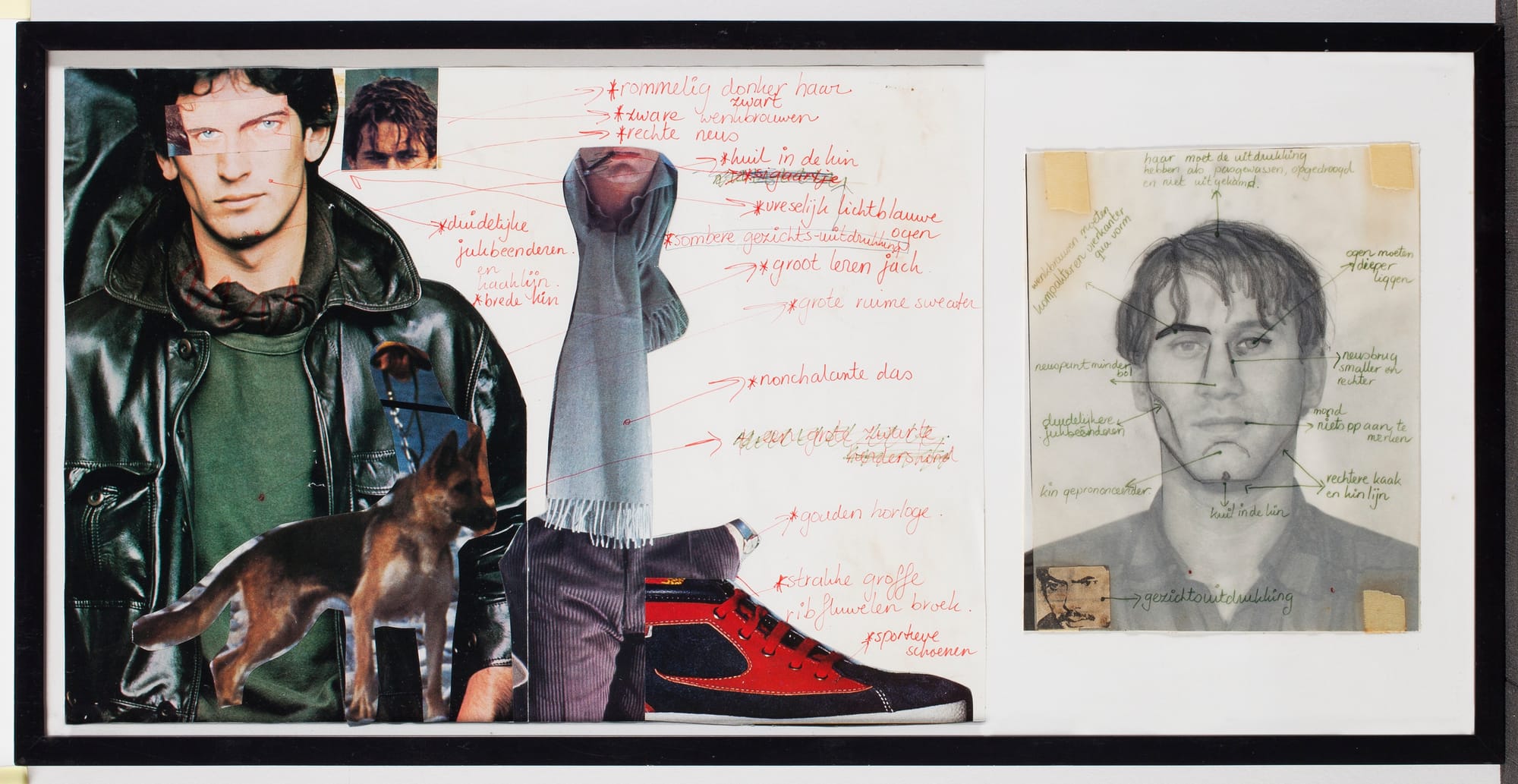
Martin Parr: Very Modern and Rather Ugly
3 April – 12 August 2026
Martin Parr, who died in December 2025, spent five decades documenting the quirks, contradictions, and pleasures of modern consumer society with a deadpan wit that was entirely his own. Foam presents this tribute to his work in the spring following his death, drawing on a broad selection from his extensive body of photography. Parr was a long-standing member of Magnum Photos and one of the most recognisable voices in documentary and colour photography, known equally for his sharp eye and his genuine affection for the people and places he photographed — from British seaside resorts to the global leisure class.
Pixel Pioneers
25 April – 13 September 2026
The first exhibition at Museum Boijmans Van Beuningen devoted entirely to digital art, Pixel Pioneers brings together international artists and early practitioners of the medium at the Depot, tracing a history that runs from algorithm-generated paintings to retro video games. At its centre is Horizons (2008) by Dutch artist Geert Mul, an interactive installation not shown since its commission nearly twenty years ago, in which over two hundred works from the museum's collection are assembled into a projected landscape that shifts in response to visitors’ movements. The exhibition also features work by Suzanne Treister, Claudia Hart, and Feng Mengbo, among others.
Pentimenti: Stephan Vanfleteren
23 April – 23 August 2026
Belgian photographer Stephan Vanfleteren has been commissioned by the Mauritshuis to create sixteen new photographs in direct response to the museum's seventeenth-century collection. Working room by room across all sixteen galleries, he takes individual paintings or thematic threads as his starting points, playing with reflection, contrast, and symbolism to set his contemporary images in dialogue with the Dutch Golden Age masters. The title borrows the Italian word for the visible corrections painters made during the creative process, asking which mistakes have become legible over time, on a personal and historical scale alike. An accompanying book brings together correspondence between Vanfleteren and Mauritshuis director Martine Gosselink written during the project.
Base Line: Music Meets Art
25 April 2026 – 14 February 2027
To mark the 200th anniversary of the Royal Conservatoire in The Hague, the Kunstmuseum Den Haag is bringing together its collections of art and musical instruments for the first time in years. The exhibition ranges widely: Japanese prints depicting musicians, forgotten women composers returned to view, musical notes rendered as smell and touch, and works by visual artists whose practice has been shaped by sound. Among the highlights is a crystal flute from the museum’s collection that will be played again after years of silence. A rich public programme involving musicians and communities from The Hague runs throughout.
Gerard van Honthorst: Different to Rembrandt
25 April – 13 September 2026
In his own lifetime, Gerard van Honthorst (1592–1656) was more successful than Rembrandt, Frans Hals, or Vermeer, securing prestigious commissions from royal and noble families across Europe. Today he is almost entirely overshadowed by those same contemporaries. The Centraal Museum in Utrecht, the city where Honthorst was born, married, and died, is addressing this imbalance with the first large-scale retrospective of his work, bringing together around sixty paintings and thirty drawings from collections including the Louvre, the British Royal Collection, and the Galleria Borghese. The exhibition traces his full career, from his celebrated candlelit night scenes in Rome to his later portraits and pastoral works.
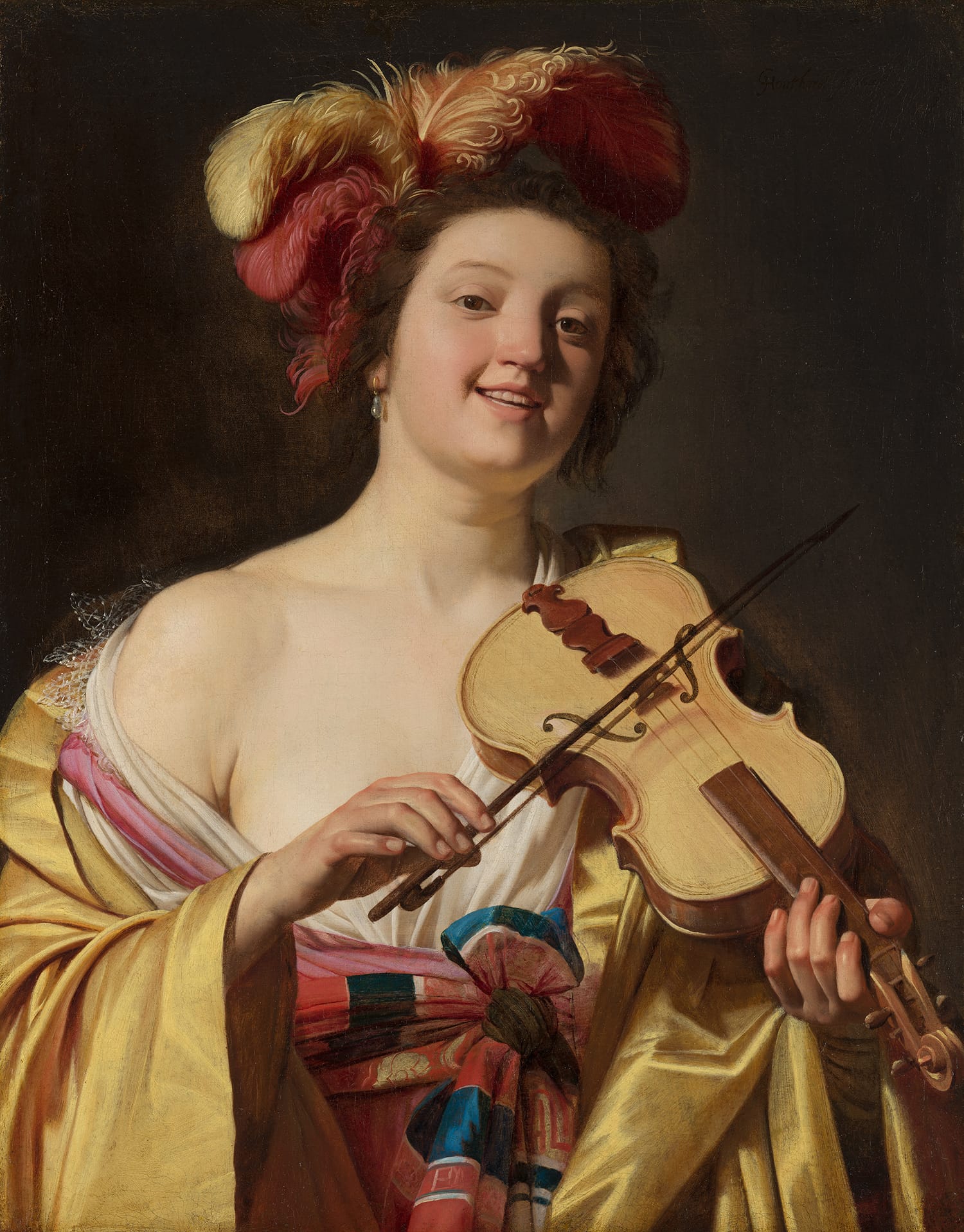
Isaac Israels’ Europe
24 April – 30 August 2026
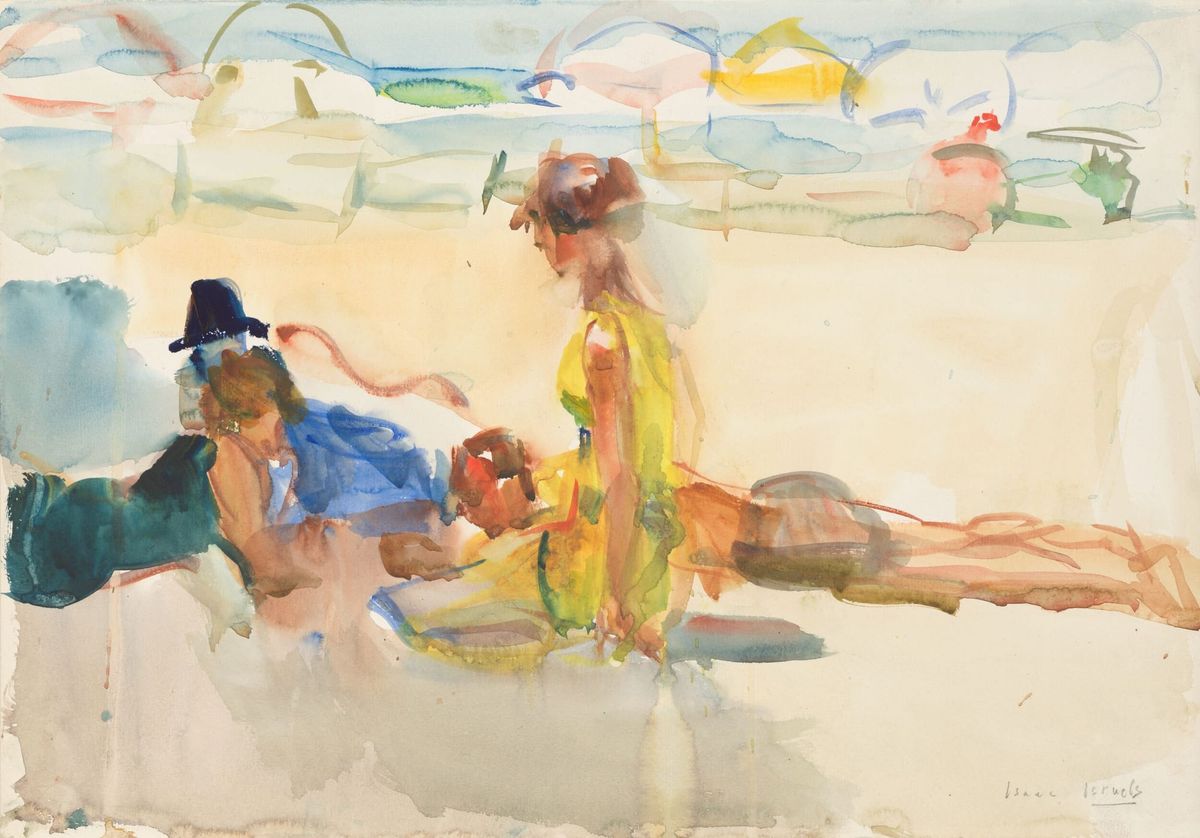
Travel was a compulsion for Isaac Israels (1865–1934). He made his first European tour by train at the age of thirteen, and the wanderlust never left him. He moved through Germany, Italy, Austria, Spain, Scandinavia, Paris, and London, filling sketchbooks with rapid, virtuosic observations that he later worked up into paintings of vivid immediacy. This exhibition draws on the Kröller-Müller’s exceptionally rich holdings of his work — 23 paintings and nearly 300 drawings — and supplements them with loans from other museums and private collections, tracing his journeys across the continent in the turbulent first half of the twentieth century.
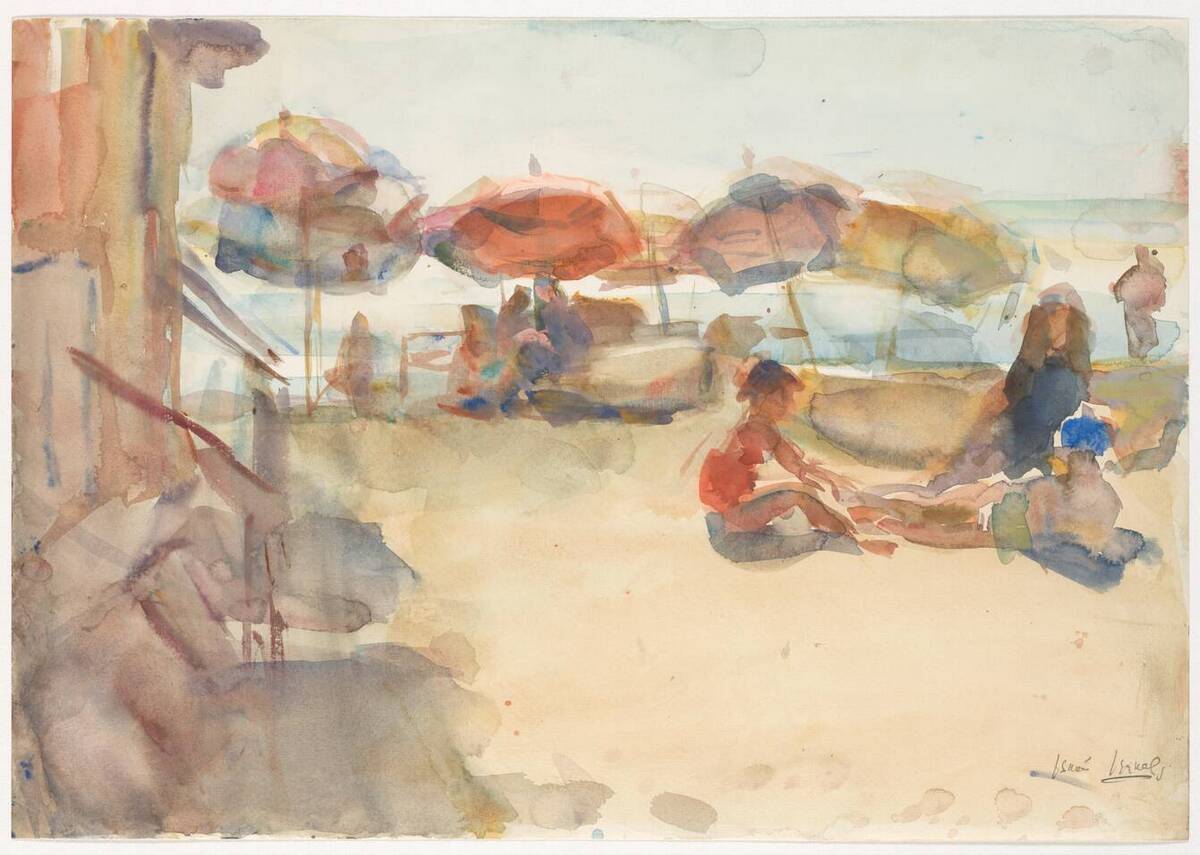
🇪🇸 Exhibitions in Spain
The Famine Painting
27 April – 13 September 2026
José Aparicio’s The Year of Famine in Madrid (1818) was once among the most celebrated and controversial paintings in Spain. Promoted by the official art world of Ferdinand VII’s reign, it crossed into literature, music, and theatre, acquiring what the Prado describes as a kind of “pop” status before the term existed. Then it fell — gradually excluded from the history of Spanish painting and eventually removed from the Prado’s own galleries, ending up in storage. This exhibition traces that rise and fall, using the painting's biography to examine how the earliest public museums formed their collections and how quality criteria shifted, often for political reasons, over the course of a century.
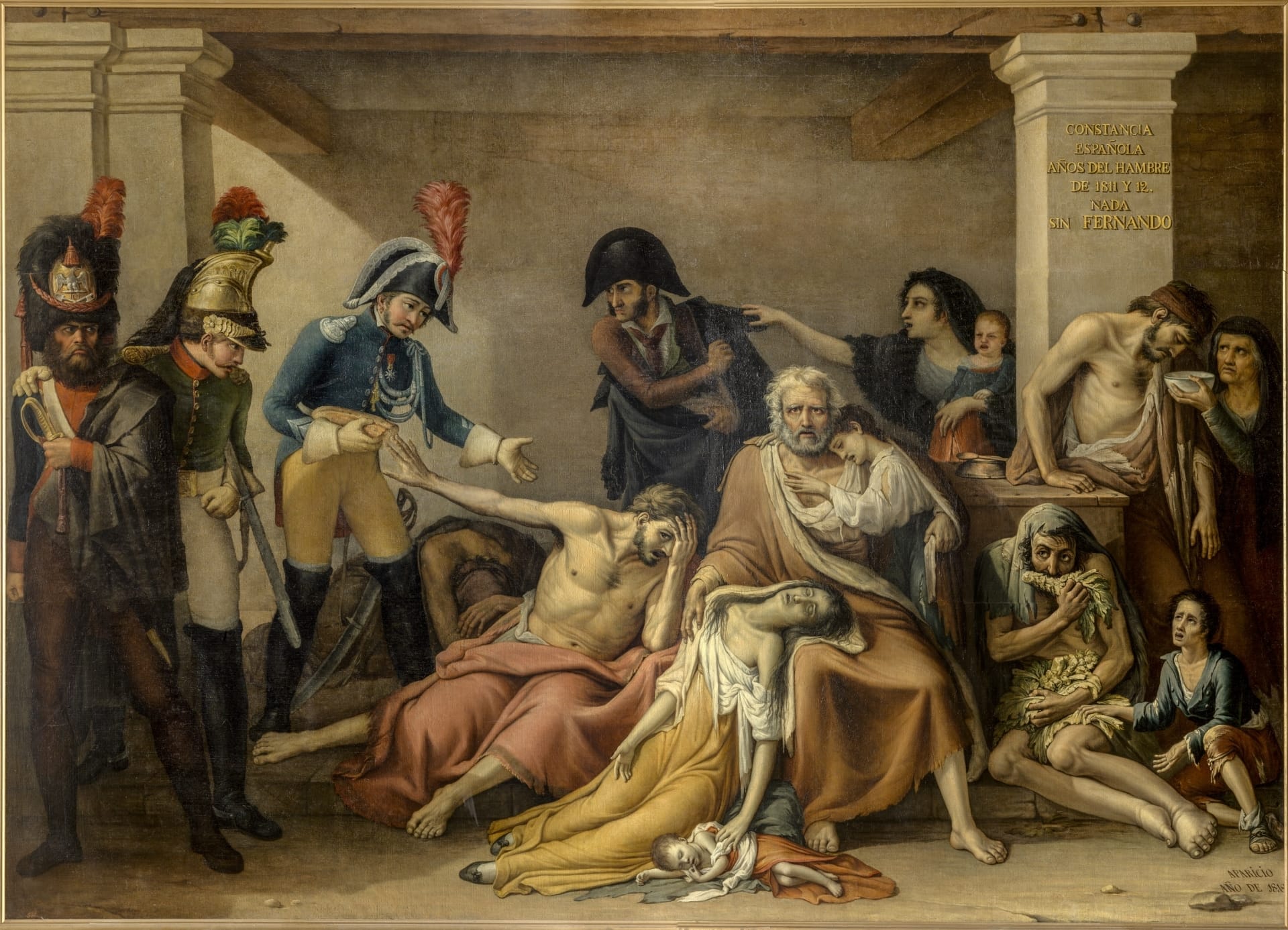
The artist’s world through the camera
15 April – 5 July 2026
Photography arrived in the nineteenth century as both a new artistic discipline and a remarkably effective tool for representing reality, and artists were quick to grasp its possibilities. This exhibition draws on the Prado’s own archives, including those of Luis and Federico de Madrazo and Dióscoro Puebla, to assemble a body of photographs by known professionals alongside anonymous and possibly amateur work. The images span the late nineteenth and early twentieth centuries and offer a visual map of artists in their domestic lives, studios, and spaces of social interaction, providing an intimate parallel history to the paintings for which these same figures are remembered.
Aurèlia Muñoz: Beings
29 April – 7 September 2026
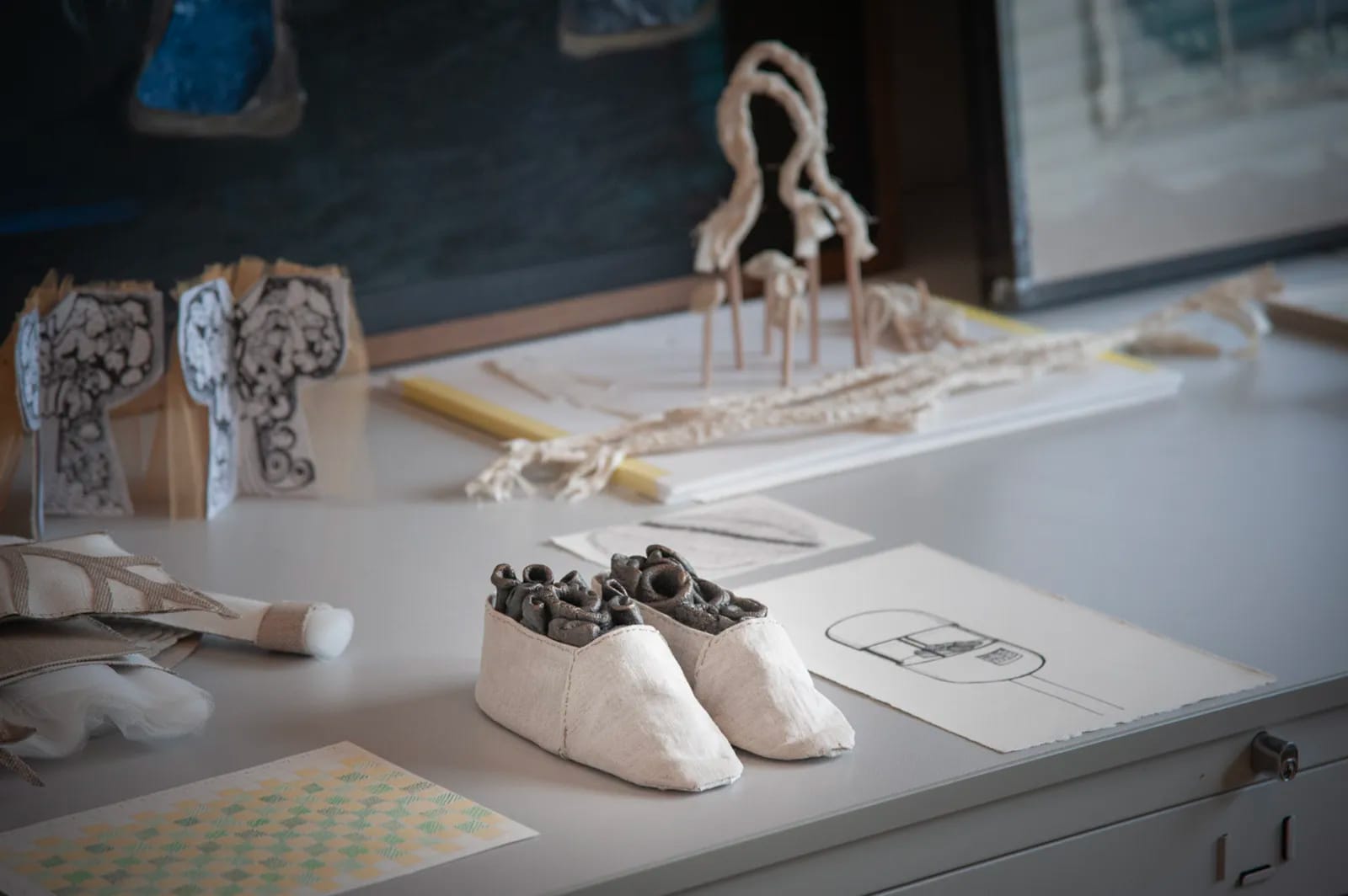
Barcelona-born artist Aurèlia Muñoz (1926–2011) spent over fifty years developing a practice rooted in textile and fibre art, yet one that consistently pushed those disciplines into unexpected territory. Working with macramé, embroidery, kite-sculptures, and handmade paper, she engaged with post-industrial crises affecting land, water, and aerial ecosystems, turning ancestral craft techniques towards urgent contemporary concerns. Organised jointly by the Reina Sofía and MACBA Barcelona, the exhibition brings together early collages, large-scale embroideries, and her emblematic kite-sculptures, including an ensemble of previously unseen macramé structures and maquettes and drawings shown in public for the first time. The show travels to MACBA in November 2026.
Valérie Belin
17 April – 6 September 2026
French photographer Valérie Belin has spent three decades building a practice that probes the line between reality and artifice, using frontal, serial compositions of striking formal precision. Her early black-and-white series examined bodybuilders, transsexual individuals, and mannequins to ask where identity ends and simulacrum begins. From 2006 onwards she introduced colour, developing what she calls “magical realism”: a visual language in which figures hover between flesh, icon, and illusion. The exhibition at the Museu Picasso, curated by Emmanuel Guigon, brings together work from across her career and coincides with a significant year for Belin, who was inducted into the Académie des beaux-arts in 2026.
Espai 13: Room 14 Crypt
22 April – 5 July 2026
For his installation in Espai 13, Berlin-based artist Michael Kleine has borrowed historical objects from the Museu Frederic Marès and incorporated them into a scenographic work where light intensity, acoustics, and movement through the space shape the visitor's experience of presence. Objects in Kleine’s practice are characteristically uprooted from their original contexts and placed within new frameworks of meaning, yet traces of their former existence remain legible within them. The exhibition is part of the Fundació Joan Miró's annual Espai 13 programme and is curated by Alejandro Alonso Díaz.
Parallels and meridians. Iberdrola Collection
29 April – 30 August 2026
The Iberdrola Collection has been assembled over more than three decades with a clear focus on Spanish and international contemporary art, and this exhibition at the Museo de Bellas Artes de Bilbao brings together a selection of works that reflects its breadth. Painting, sculpture, photography, and installation are all represented, with pieces by artists including Cristina Iglesias, Juan Muñoz, Miquel Barceló, and Gerhard Richter. The show takes place while the museum is undergoing a major expansion designed by Foster + Partners, scheduled to open later in 2026. During this period entry to the museum remains free.
Tania Candiani. Radix
29 April – 6 September 2026
What lies beneath the surface? Mexican artist Tania Candiani's installation at the IVAM proposes an answer through ecological fabulation, imagining a fictional biome that oscillates between scientific observation and speculative invention. The exhibition space has been architecturally transformed into a smooth, radial geometry inspired by a plant cross-section found in a book from Valencia’s Botanical Garden, and within it coexist living plants, blown-glass sculptures, suspended organisms, audiovisual projections, and an octophonic sound composition. A root-tron device allows visitors to observe root growth in real time. Curated by Blanca de la Torre, the work asks us to reconsider the invisible networks that sustain life both above and below ground.
🇨🇭 Exhibitions in Switzerland
Helen Frankenthaler
18 April – 23 August 2026
The largest exhibition of Helen Frankenthaler’s work ever mounted in Europe, this survey at the Kunstmuseum Basel brings together over fifty paintings and works on paper from six decades of practice, curated by Anita Haldemann. Frankenthaler (1928–2011) transformed abstract painting at twenty-three when she developed her soak-stain technique, pouring diluted paint onto unprimed canvas laid on the floor. The resulting works dissolved the boundary between fabric and colour, and directly catalysed the emergence of colour field painting in America. A distinctive feature of this exhibition is its decision to show Frankenthaler's canvases alongside works from the fifteenth to the twentieth century that she admired and that shaped her thinking.
Marisol
17 April – 23 August 2026
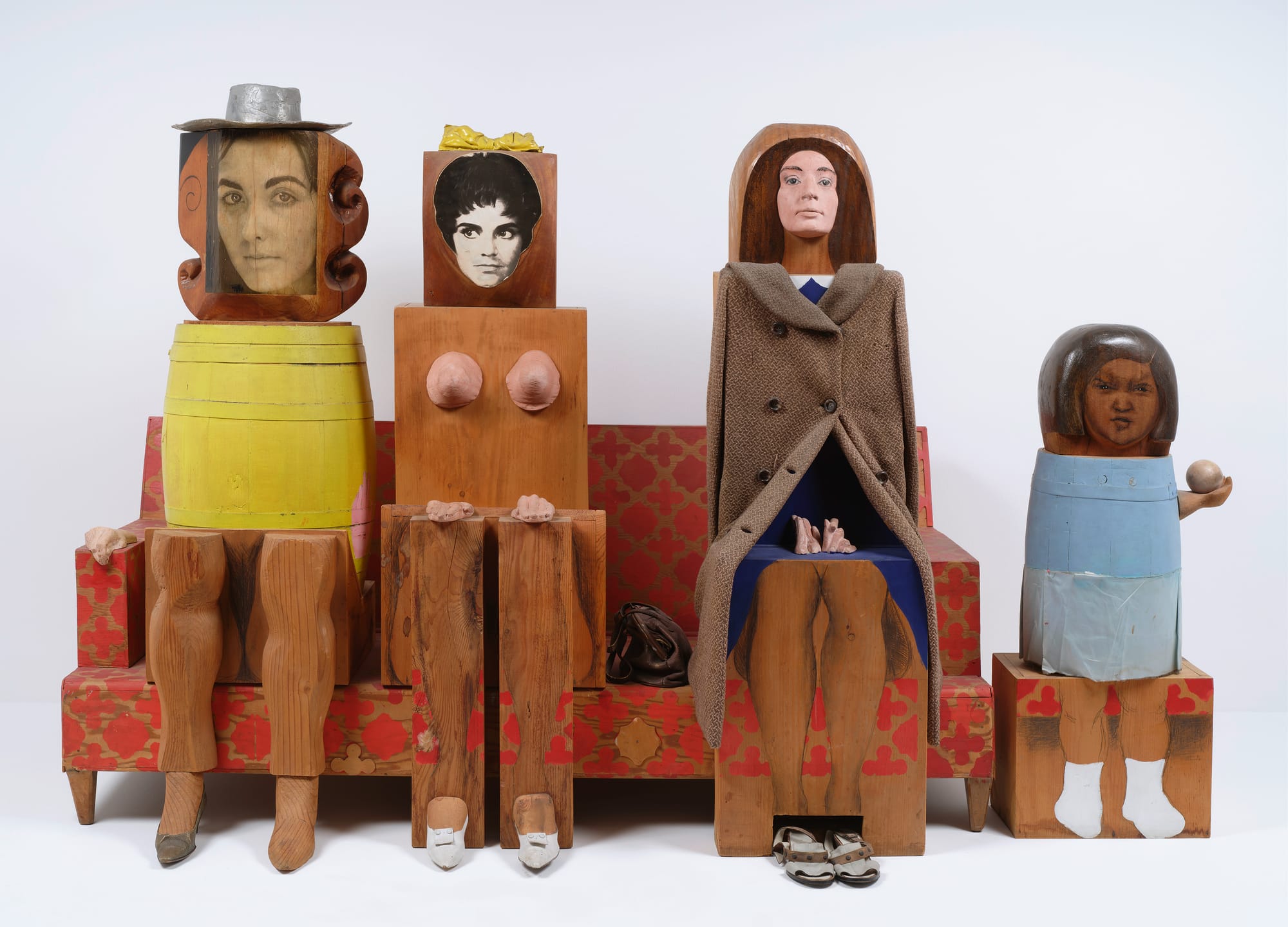
María Sol Escobar (1930–2016), known as Marisol, was one of the most distinctive voices in the New York art world of the 1960s, yet her reputation faded long before her death. Her often life-size painted wooden sculptures combined everyday objects with elements of popular culture, Dada, and folk art, resulting in a visual language that was sharply satirical and entirely her own. Hovering between American Pop Art and European nouveau réalisme without quite belonging to either, the work is finally getting the sustained institutional attention it deserves. The exhibition at Kunsthaus Zürich is part of an international touring collaboration with the Louisiana Museum in Humlebæk, Museum Boijmans Van Beuningen in Rotterdam, and the Museum der Moderne Salzburg.
Otobong Nkanga: I Dreamt of You in Colours
3 April – 23 August 2026
Mining, ecology, and the entangled relationship between bodies and land have been at the heart of Otobong Nkanga’s practice for nearly three decades. Working across drawing, installation, tapestry, ceramics, performance, and poetry, the Antwerp-based Nigerian artist traces the legacies of colonial extraction alongside the possibility of restoration and renewal. Organised jointly with the Musée d’Art Moderne de Paris, this exhibition offers the most comprehensive survey of her work to date, moving from early drawings shown publicly for the first time through to recent installations. For several works, Nkanga has introduced new elements created on site, weaving fresh connections between existing pieces.
Isao Takahata
24 April – 27 September 2026
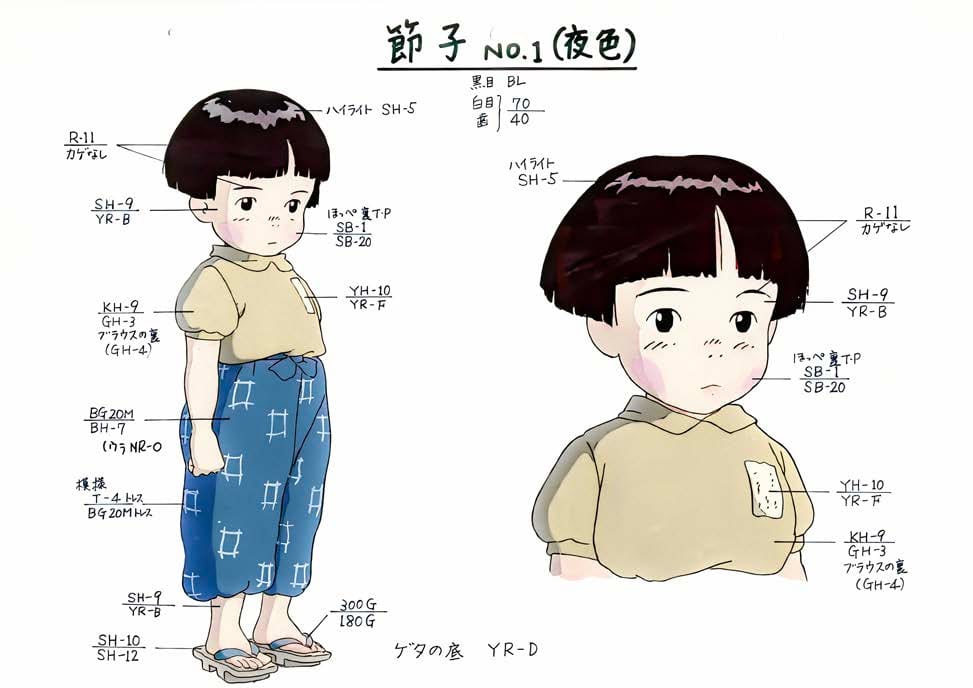
Heidi, Girl of the Alps, Grave of the Fireflies, The Tale of The Princess Kaguya: these are among the works that made Isao Takahata (1935–2018) one of the most revered figures in the history of animation. Co-founder of Studio Ghibli alongside Hayao Miyazaki, Takahata developed a practice defined by humanistic storytelling, documentary ambition, and formal daring. The exhibition at mudac retraces his career through notebooks, storyboards, original drawings, cels, and audiovisual material. A section developed exclusively for this venue examines the deep ties Takahata maintained with the French-speaking world and the remarkable ethnographic rigour of his European adaptations.
What about us?
24 April – 27 September 2026
Nearly 300 glass animals collected by Pierre Rosenberg, the distinguished art historian and Honorary Director of the Louvre, form the basis of this exhibition at mudac. The bestiary ranges widely in form, expression, and behaviour, and the sheer variety of the collection reflects centuries of human curiosity about the animal world alongside an equally persistent desire to represent, classify, and domesticate it. By placing these objects within a museum, the exhibition turns the display case itself into a subject, shifting attention from the animals observed to the humans who observe them. A specially produced film shows the collection in Rosenberg’s own Venetian palazzo.
🇬🇧 Exhibitions in the United Kingdom
Joan Eardley: The Nature of Painting
2 April – 28 June 2026
Often presented as a solitary figure, Joan Eardley (1921–1963) was in fact deeply engaged with the art of her time and the centuries before her. This free exhibition at Modern Two challenges that narrative by placing fourteen of her oil paintings alongside works from the Scottish national collection by Constable, Monet, Dubuffet, Tàpies, and fellow Scottish painters, tracing the connections and artistic affinities across generations. Among the highlights is Summer Fields (c. 1961), in which real blades of grass and wheat are embedded in the paint surface, a vivid reminder of just how close Eardley kept to the world she depicted. Never-before-seen objects from her Glasgow studio are also on display.
Michaela Yearwood-Dan
17 April – 18 October 2026
The Whitworth presents Michaela Yearwood-Dan’s first institutional show in the UK, built around a major new commission that extends well beyond painting to incorporate drawing, ceramics, furniture, and sound into a contemplative, multi-sensory environment. Her canvases are dense with swirling botanicals, gold leaf, beading, ceramic petals, and diaristic text, weaving art historical references together with pop culture in spaces that celebrate Blackness, queerness, femininity, and healing. The exhibition is developed in partnership with Towner Eastbourne and Arnolfini Bristol, where it will subsequently tour.