70 art exhibitions around Europe opening in June 2026
Two openings at the Albertina mark its 250th anniversary, and a few streets away the Secession opens summer shows by Katherine Hubbard, Onyeka Igwe and Mire Lee. Vienna leads the count in this issue, which lists seventy openings across eleven countries.

Two openings at the Albertina mark its 250th anniversary, and a few streets away the Secession opens summer shows by Katherine Hubbard, Onyeka Igwe and Mire Lee. Vienna leads the count in this issue, which lists seventy openings across eleven countries.
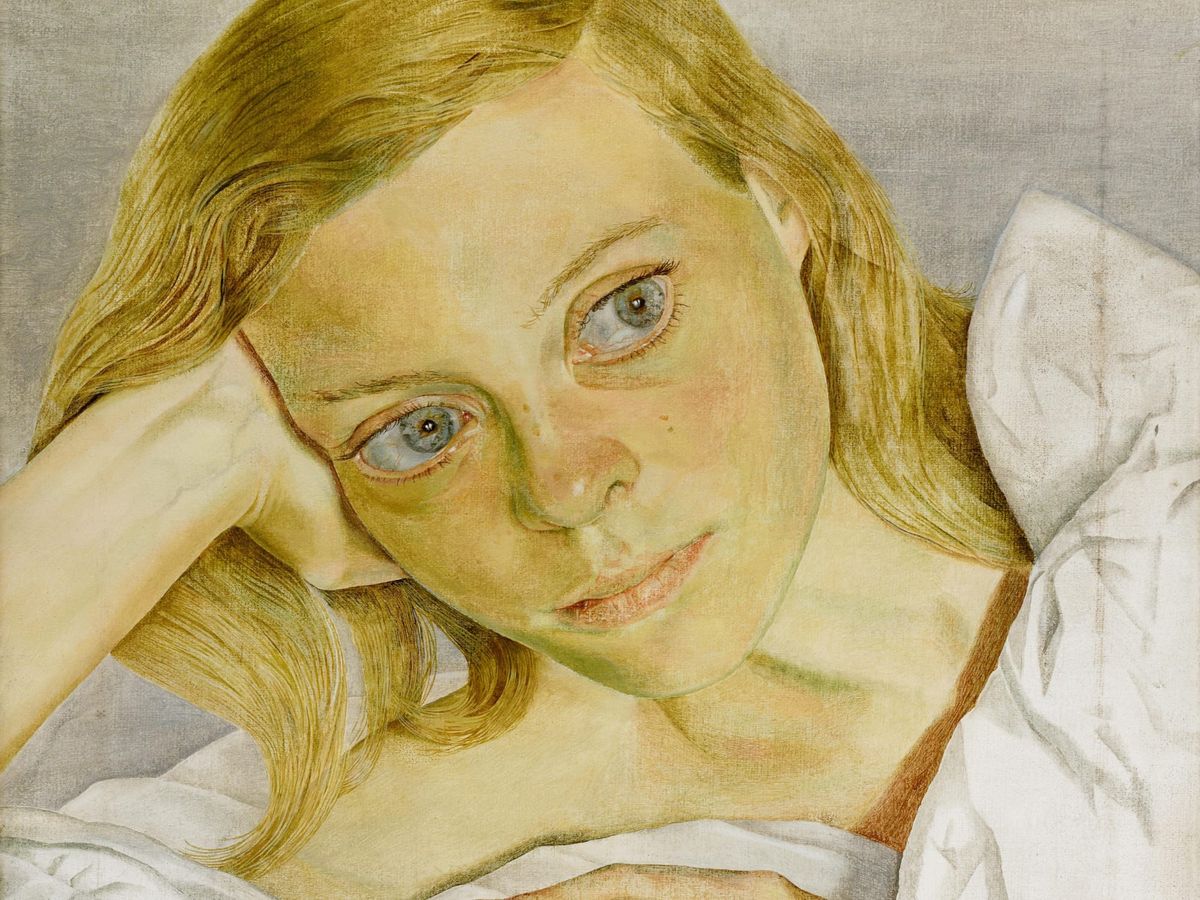
London opens three exhibitions at Tate Modern in quick succession: nora chipaumire takes the Tanks, Julio Le Parc moves into the main galleries through to May 2027, and a Frida Kahlo summer survey arrives in late June. The Royal Academy hangs its 258th Summer Exhibition, coordinated this year by Ryan Gander. At the Grand Palais Leandro Erlich brings his first French outing, and Laure Prouvost installs Nous, frissons d’étoiles under the Nef Nord. Berlin reinstalls the Hamburger Bahnhof for its thirtieth birthday and hands a floor of the Alte Nationalgalerie over to the National Museum in Warsaw. Elsewhere: Diego Rivera at the Capitoline, Lucian Freud at Louisiana, the Van Abbemuseum marking its ninetieth with a new permanent display of 250 works, and James Turrell’s hundredth Skyspace opening at ARoS in Aarhus.
Art Basel converges on the city in mid-June, and the openings line up accordingly. Kunsthalle Basel sets a Shuang Li solo for the days running up to the fair, and Mohamed Bourouissa arrives at the Migros Museum in Zurich for Zurich Art Weekend. Plenty to plan around.
🇦🇹 Exhibitions in Austria
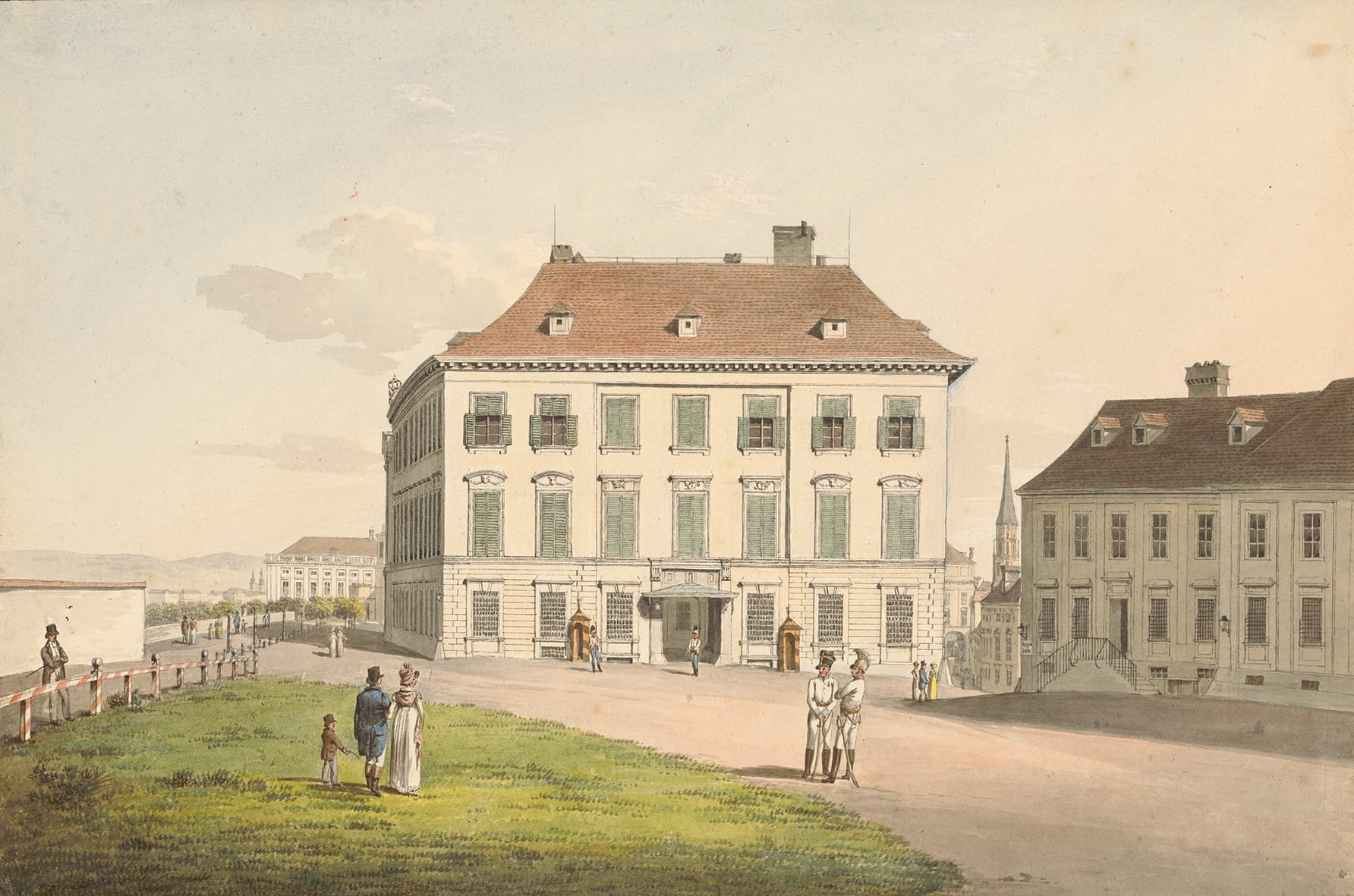
Collecting for the Future: 250 Years of the Albertina Museum
19 June – 11 October 2026
One million objects, a 250-year history and a who’s who of master draughtsmen: the Albertina marks its anniversary by looking back at how its graphic collection was actually assembled. The show opens with the founding couple, Duke Albert of Saxe-Teschen and Marie Christine, favourite daughter of Empress Maria Theresia, who collected systematically together from 1776. For the first time, the exhibition foregrounds Marie Christine’s role. It asks which artists were favoured, when major holdings of Dürer or Schiele arrived, and to what purpose the collecting was being done.
OTTO Meets Albertina
3 June 2026 – 10 January 2027
To mark its 250th anniversary, the Albertina has invited German comedian and painter Otto Waalkes into its Habsburg state rooms. Waalkes studied at the Hochschule für bildende Künste in Hamburg in the 1970s and has long led his cartoon elephant, the Ottifant, on tours through art history. Here he sets the figure loose among masterworks from the graphic collection: Egon Schiele’s sister-in-law Adele gains a new lap pet, the shimmering plumage of Dürer’s Blue Roller matches Otto’s winged cap, and an Ottifant pushes a lawnmower close to Dürer’s Large Piece of Turf.
Vasarely – Adrian: Moving Images
26 June – 11 November 2026
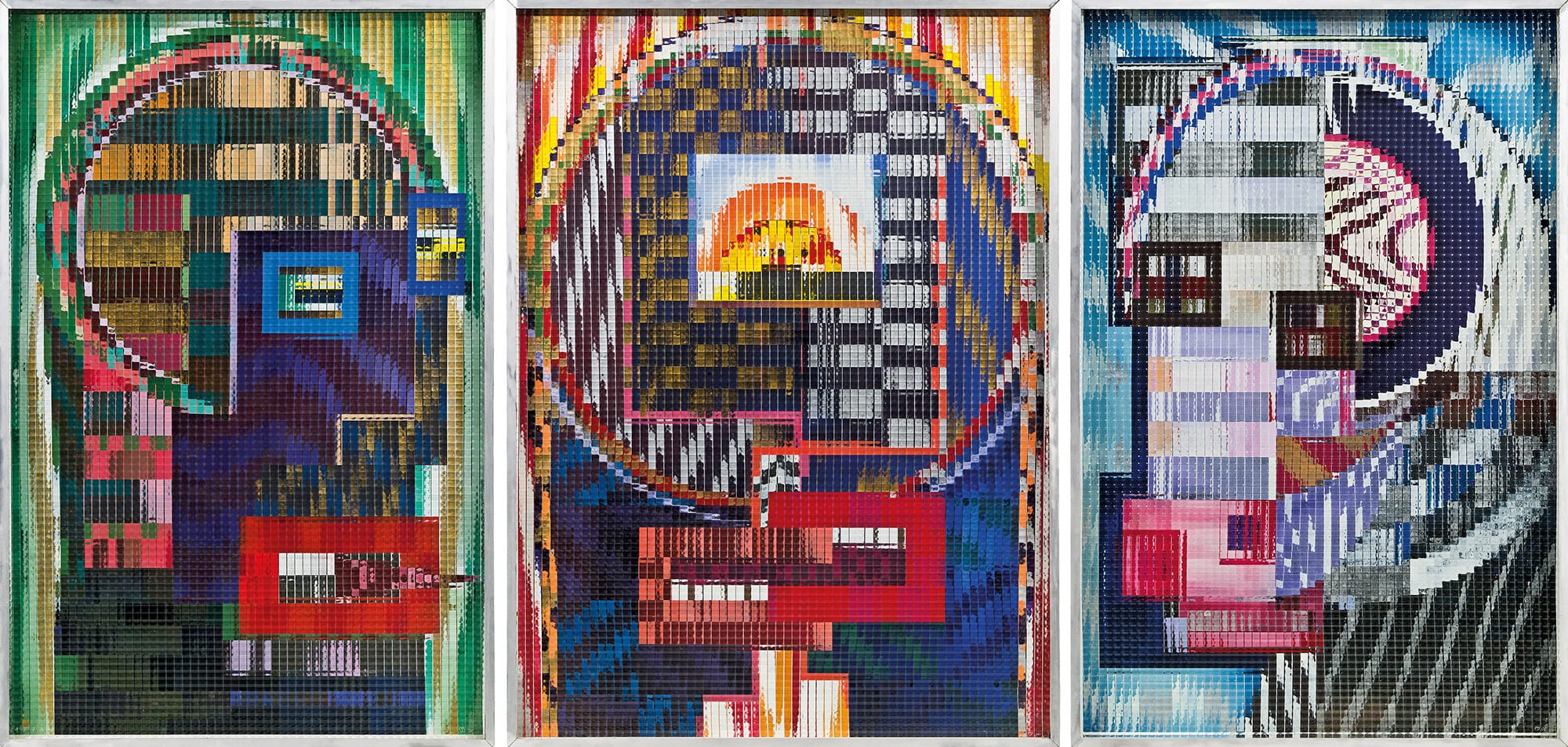
Op art meets the moving image at Albertina Modern, where Victor Vasarely is placed in dialogue with the Austrian artist Marc Adrian. Vasarely’s geometric patterns and high-contrast black-and-white painting prefigured the visual vocabulary now generated by computers. Adrian, whom Peter Weibel called the “father of media art”, made motion itself a central concern through experimental film and photographic abstraction. The exhibition pairs hypnotic canvases such as Kiu-Siu and Markab Neg with Adrian’s flickering compositions, tracing how two grand masters of optical illusion arrived at moving imagery from very different starting points.
Katherine Hubbard: The Great Room
12 June – 30 August 2026
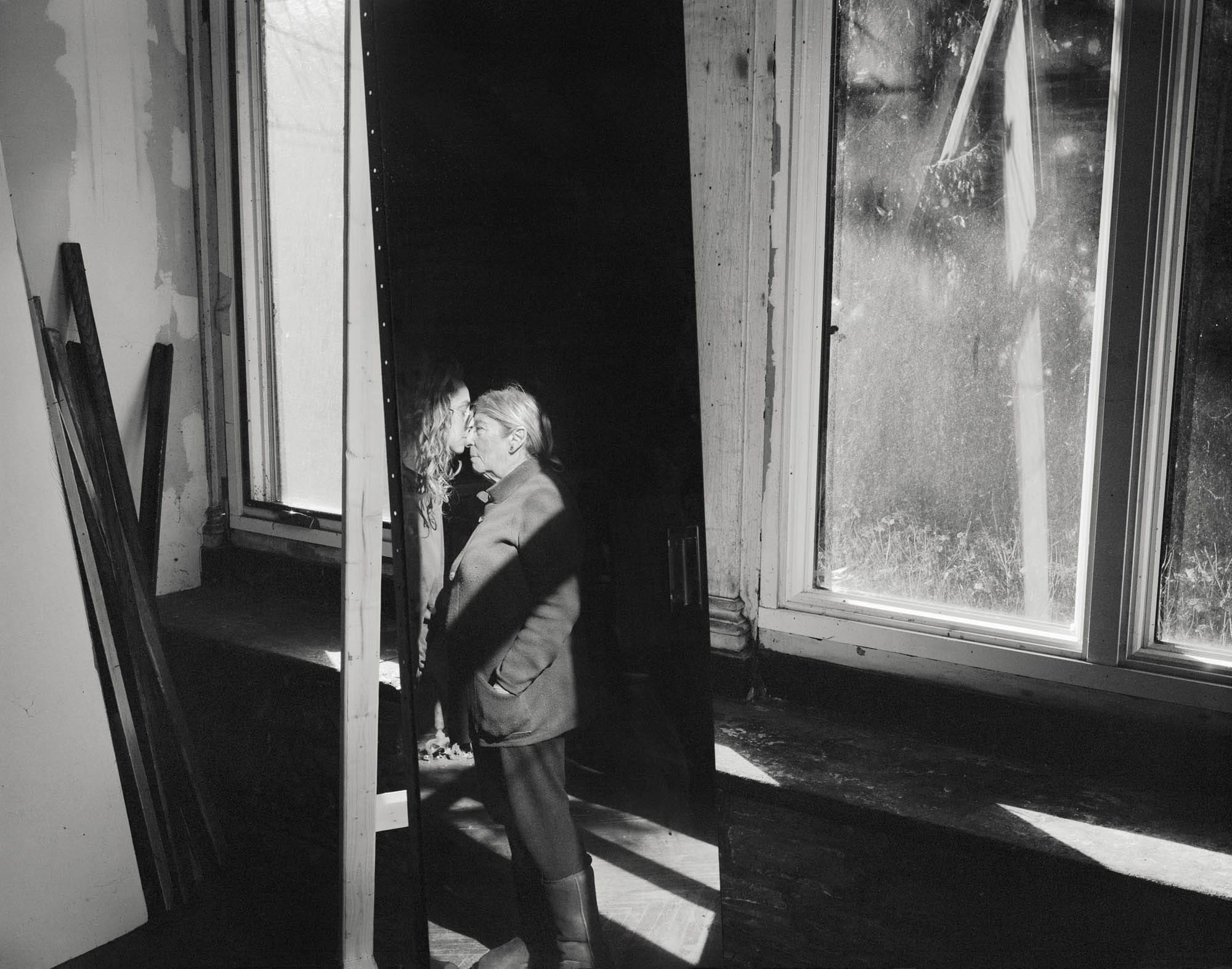
At the intersection of photography, performance and text, Katherine Hubbard (b. 1981, Philadelphia) treats the camera less as a recording device than as a site of encounter. Her body in dialogue with photographic equipment and the architecture around it puts the politics of the gaze under pressure. Galleries, fallow grounds and landscapes appear as charged terrain freighted with bodily memory and history. The work is choreographed slowness, an insistence on locatedness against the extractive logic of the snapshot. Hubbard is based between Stone Ridge and New York.
Onyeka Igwe: No Archive Can Restore this Chorus of (Diasporic) Shame
12 June – 30 August 2026
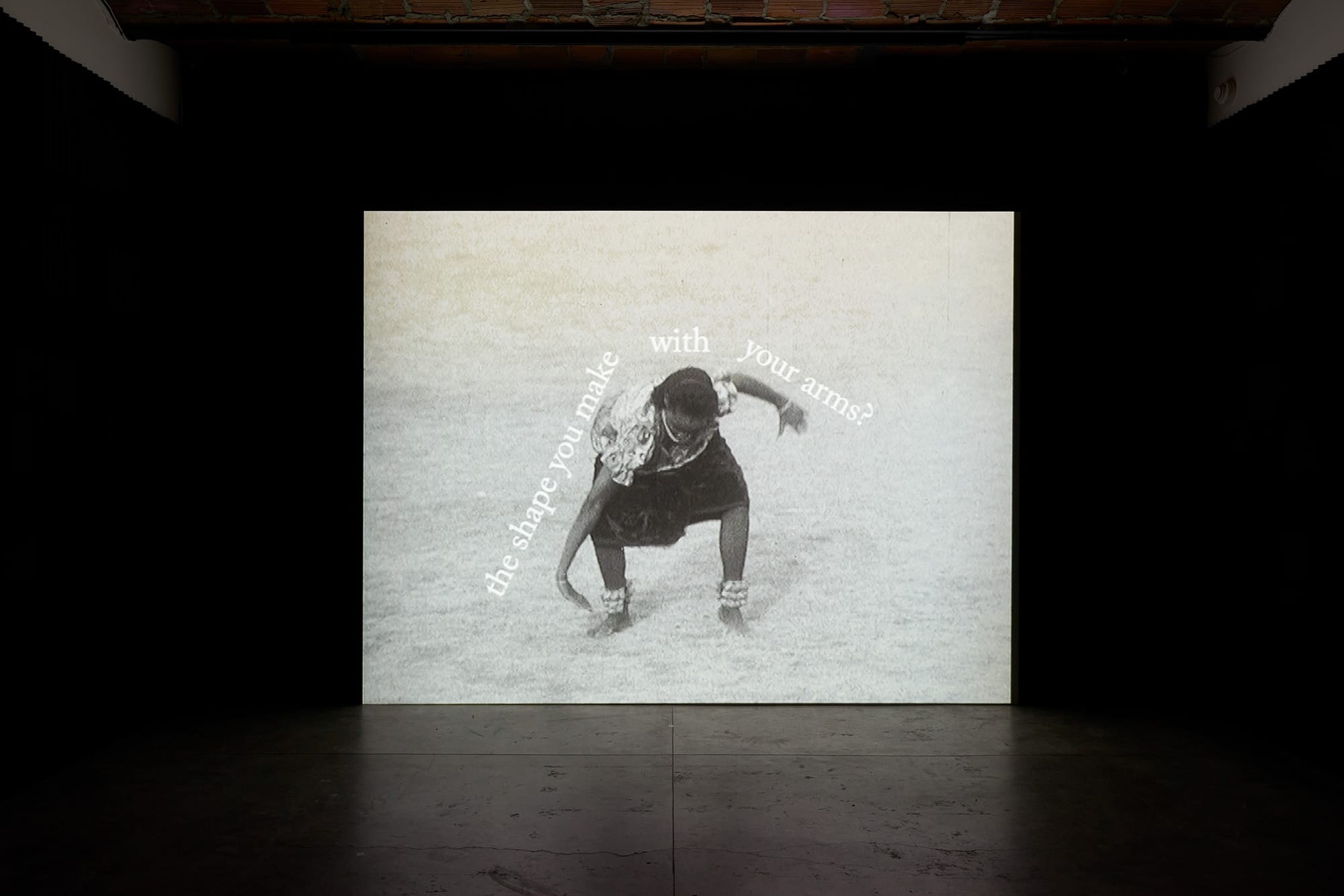
Colonial archives are the working ground of London-based artist Onyeka Igwe (b. 1986), who treats them not as a stockpile to mine but as terrain to be listened to and pressed for what they have been made to refuse. Her films and installations work with celluloid reels, bureaucratic footage and field recordings, while voice, sound and performance amplify the gaps. At the Secession, Igwe stages historiography as contested space where colonial violence does not recede into the past but shifts address. A separate selection of her films screens at the Austrian Film Museum on 29 May.
Mire Lee
26 June – 30 August 2026
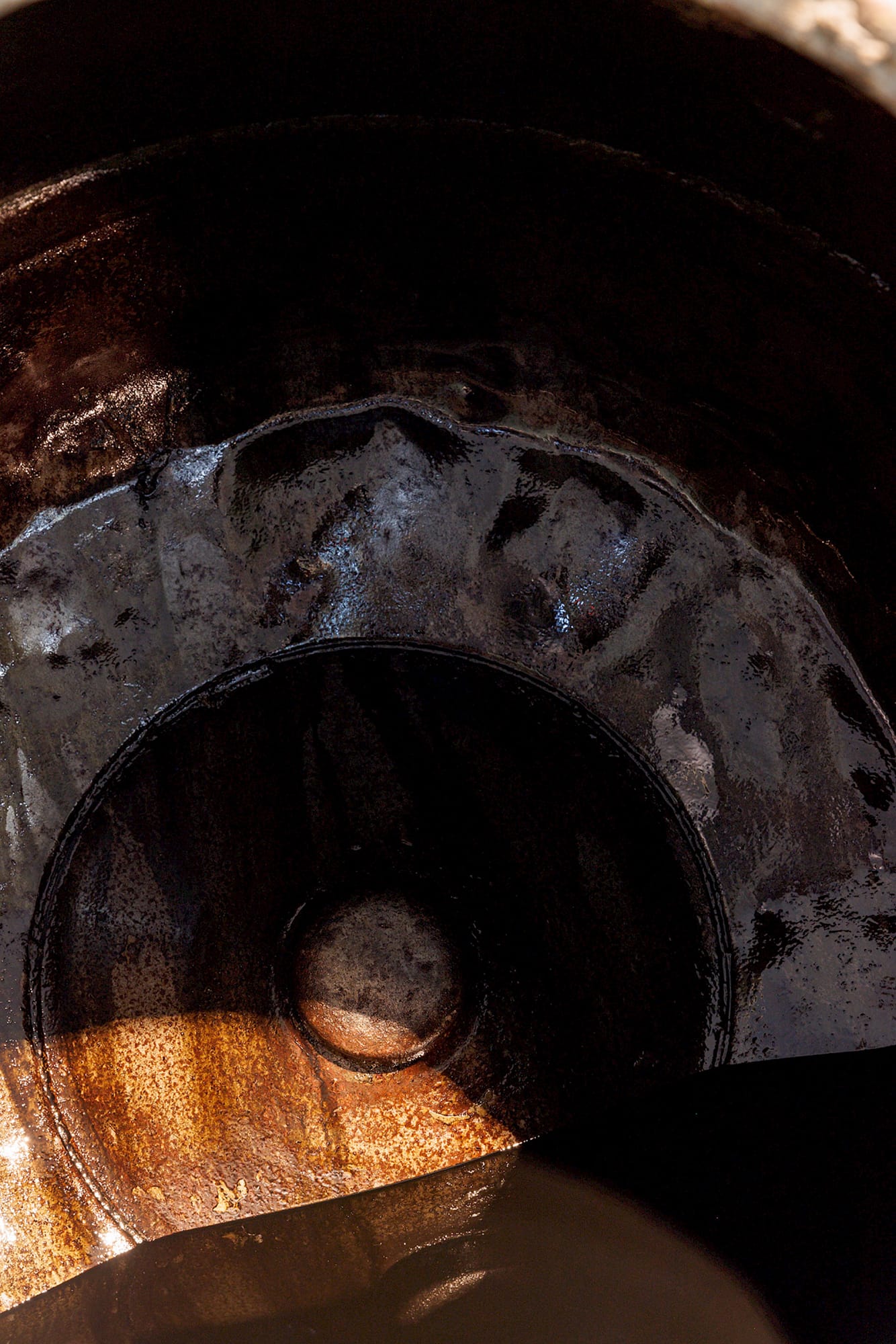
Motors, silicone, steel and lubricants combine in the sculptures of Mire Lee (b. 1988, Seoul), where the distinctions between machine, body and soul collapse. Her installations breathe and spasm at their own rhythms, at once tender and grotesque, animate and disconcertingly alien. The Korean artist, who works between Amsterdam and Seoul, treats the body as something to be exposed in its inner logic, its functions and its failures. The spaces she constructs at the Secession are damp and ruinous, where movement becomes a language of survival.
GLANZSTÜCKE: Van Cleef & Arpels High Jewelry × Masterpieces from the MAK Collection
10 June – 27 September 2026
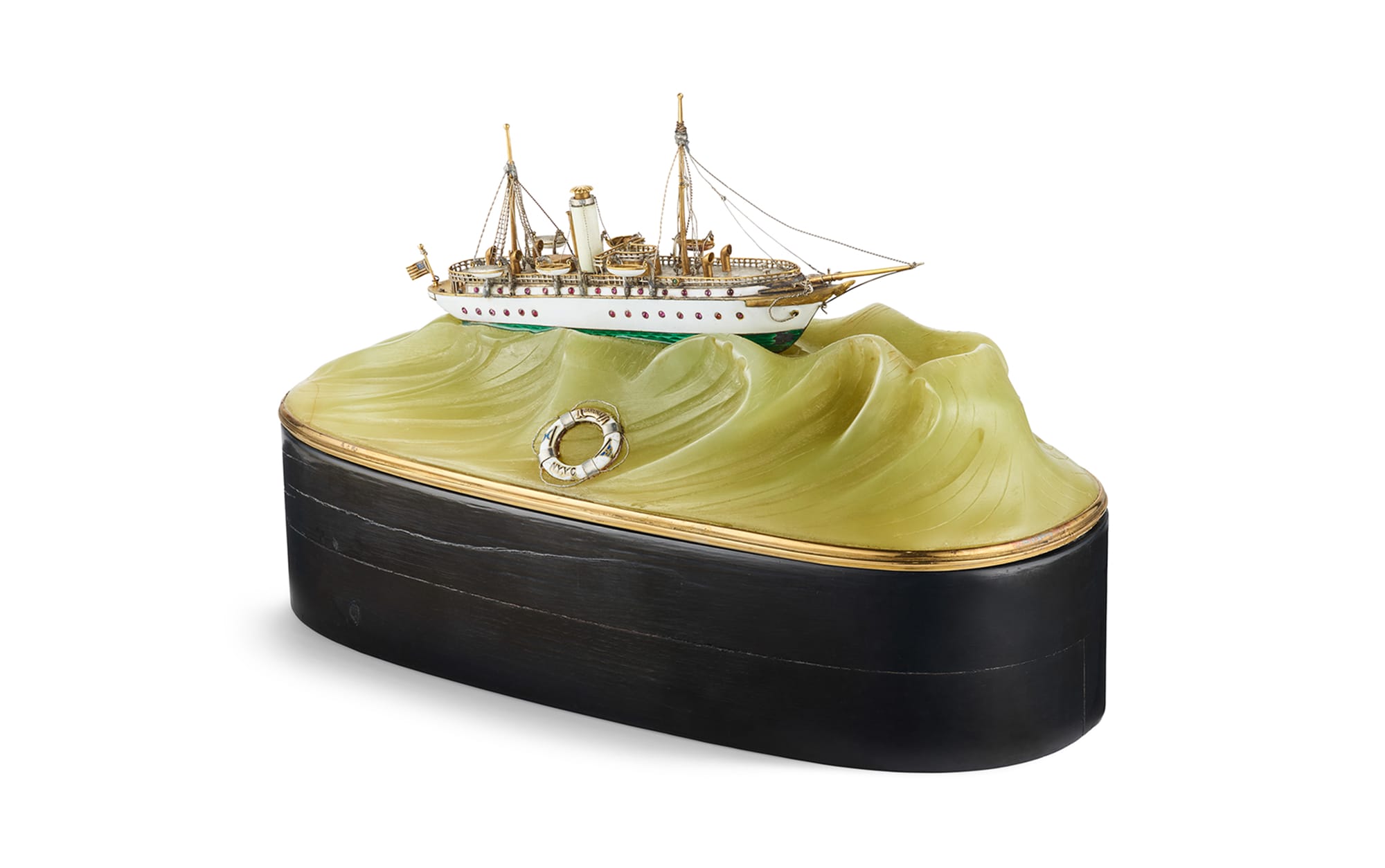
Place Vendôme jewellery enters into dialogue with one of Europe’s leading collections of decorative arts in this collaboration between the MAK and Van Cleef & Arpels, marking the 120-year history of the Paris Maison founded in 1906. Around 300 jewels, timepieces and precious objects from the Maison’s Patrimonial Collection are paired with 200 works from the MAK, from medieval textiles to Wiener Werkstätte designs by Koloman Moser and Josef Hoffmann. The pairings draw out shared sources of inspiration in form, colour and motif. Atelier Tsuyoshi Tane has arranged the route as a labyrinth in six thematic chapters.
Tracked down Objects, stories, secrets
12 June 2026 – 4 April 2027
How does an object end up in a museum, and who owned a particular work before it arrived there? The Tiroler Volkskunstmuseum turns its attention to provenance research, the slow process of reconstructing where collection objects came from and who held them along the way. Years of work at the Tiroler Landesmuseen are made visible here, alongside the practice itself: the searching, the tracking, the cross-referencing and the documenting. The exhibition is part of Ferdinandeum-unterwegs, staged off-site while the main Ferdinandeum building remains closed for renovation until 2028.
Pot Shop Boyz
19 June – 5 September 2026
Ceramics, long treated as the decorative arts’ poor relation, are presented here as a medium of critical artistic thinking rather than ornament. This summer group show at Kunstraum Innsbruck brings together historical pieces and contemporary works that pull at received ideas of craft, the body, representation and gender. Function, form and cultural meaning are kept in view throughout, and the pots refuse the role of pleasant accessory. The exhibition is part of Ferdinandeum-unterwegs, the off-site programme the Tiroler Landesmuseen is running while its main building in Innsbruck remains closed for renovation until 2028.
I am finished! Albin Egger-Lienz †1926
12 June – 11 October 2026
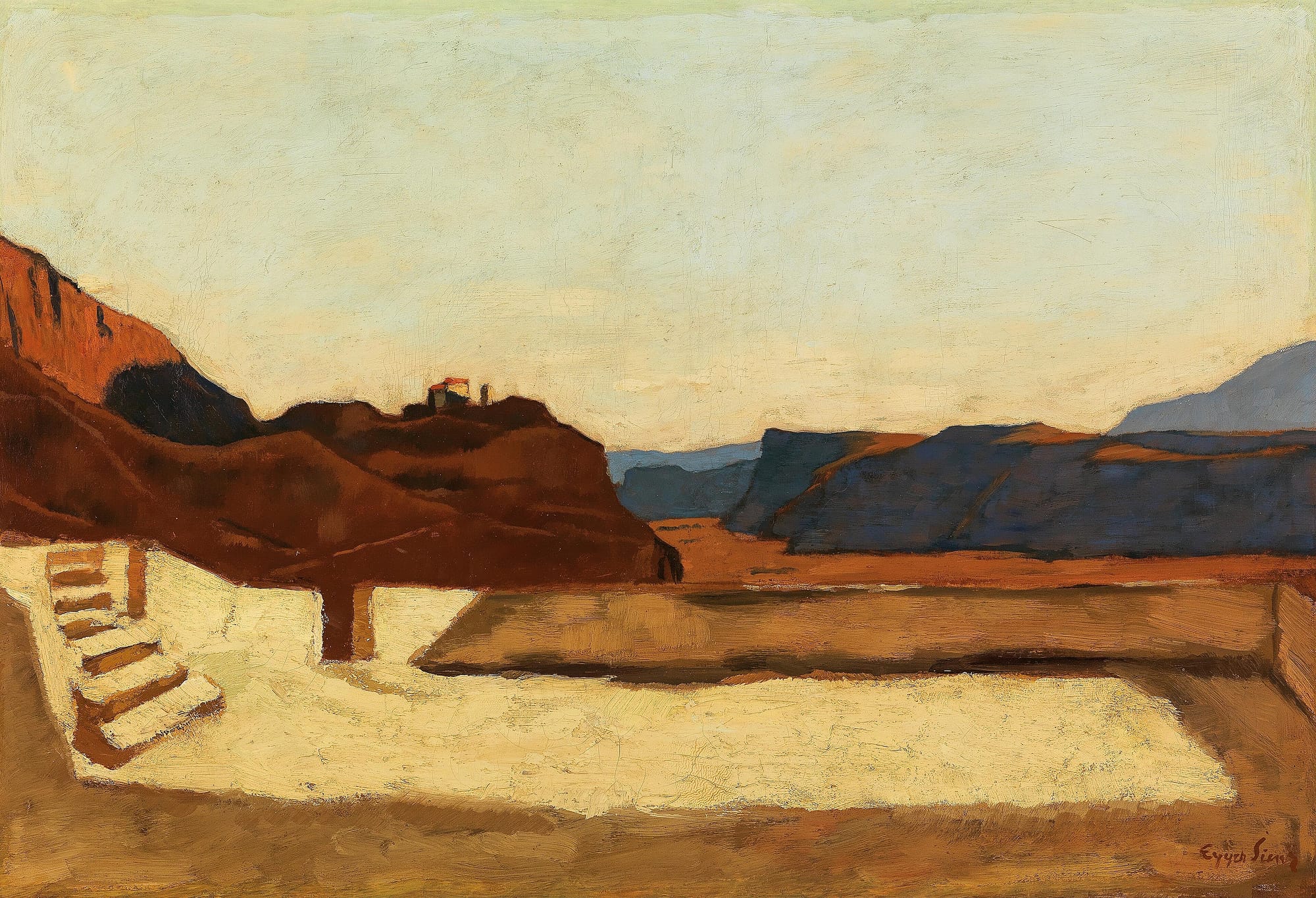
A century after Albin Egger-Lienz’s death, the inner courtyard of Bruck Castle in Lienz becomes the setting for a close study of his final years. The Tyrolean painter had moved to Bolzano in 1913, only to find his cultural footing destabilised by the First World War and the post-war fate of South Tyrol. Works on loan from international collections sit beside holdings from the Tyrolean State Museums to chart how that disruption fed into his late paintings. The show is mounted in co-operation with Bruck Castle’s own museum.
Terminal Piece
20 June – 7 February 2027
Fatima Hellberg’s first programme as director of mumok opens with this five-act group show, which unfolds across the museum’s five floors. The starting point is Kate Millett's 1972 installation Terminal Piece, recently acquired by the Vienna museum and the work that lends the exhibition its name. Around it Hellberg and co-curator Lukas Flygare arrange works from the collection alongside new commissions and loans, with stage designer Anna Viebrock shaping the entrance. Pieces by Lutz Bacher, Paul Thek and Rudolf Schwarzkogler, many unseen for years, reappear in fresh constellations that probe how viewers themselves complete a work.
Tolia Astakhishvili: Figure of the Child
20 June – 1 November 2026
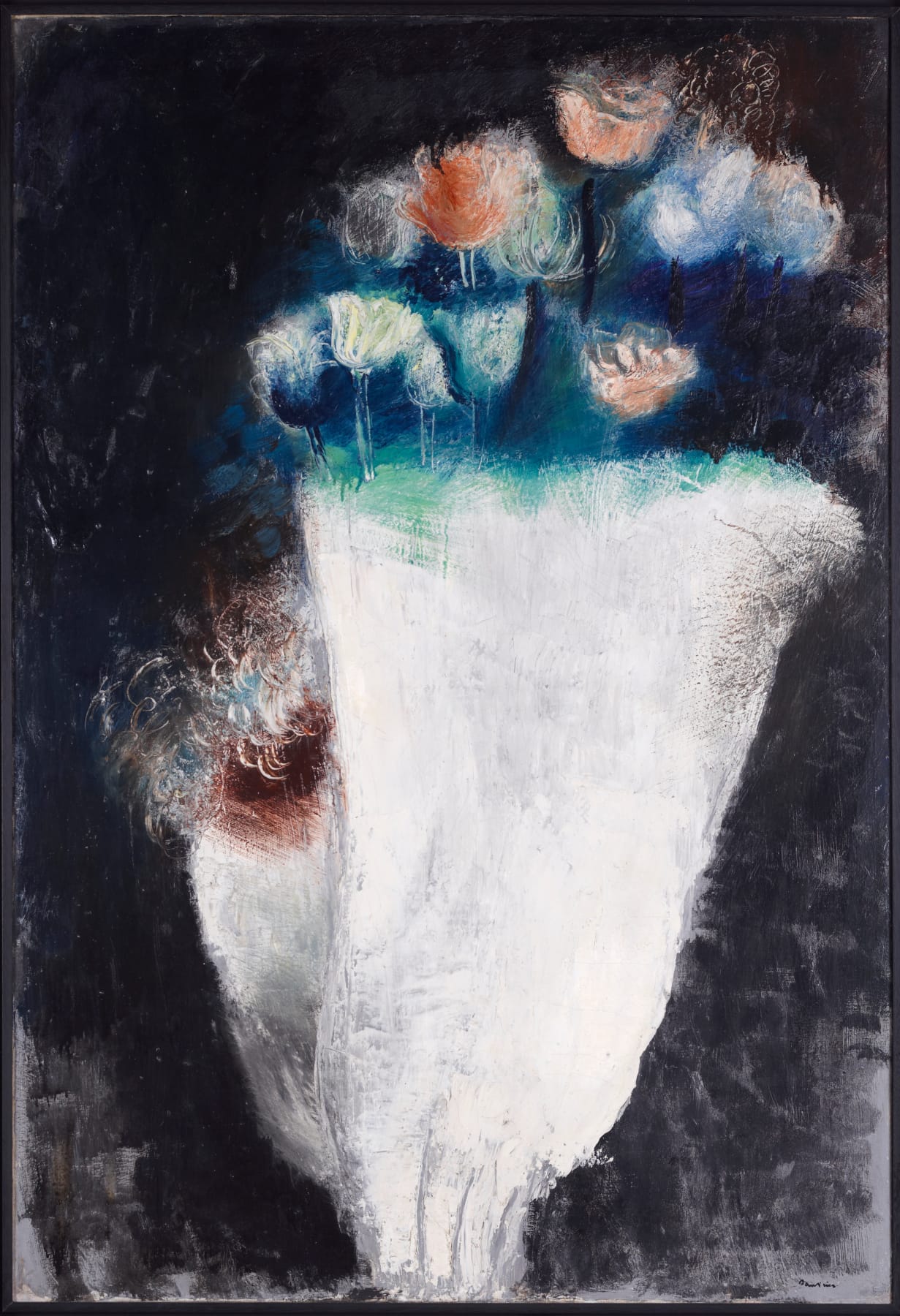
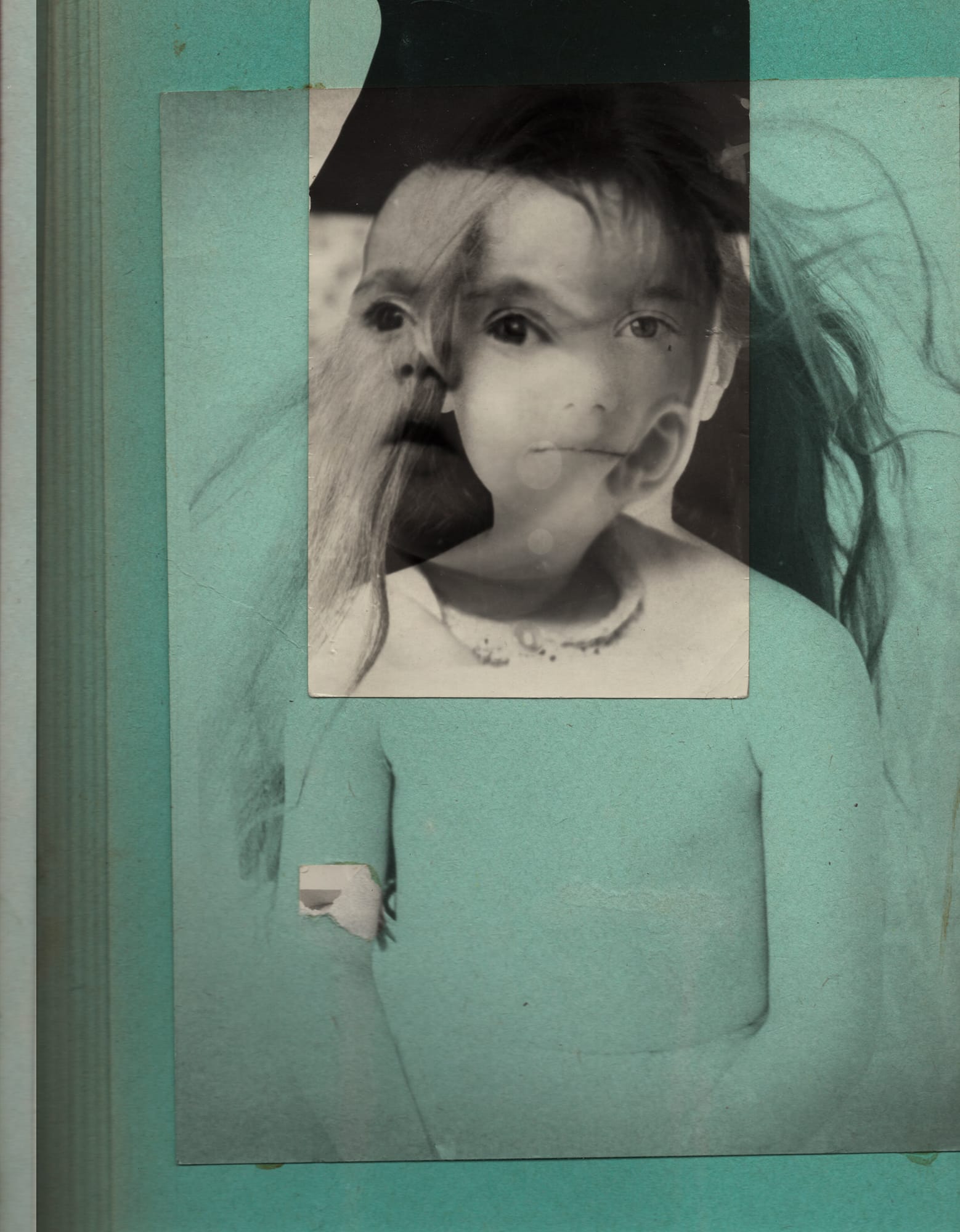
Across two floors of mumok, the museum stages the first solo institutional show by Georgian artist Tolia Astakhishvili, who divides her time between Berlin and Tbilisi. The titular “figure of the child” is a recurring motif in her work, holding together creative autonomy and intellectual independence on one hand and the vulnerability of dependence on the other. Astakhishvili builds the show in situ, weaving her installations, sculptures, drawings and paintings around works from mumok’s collection by Dieter Roth, Pablo Picasso, Louise Lawler and Hanne Darboven. One floor doubles as an open studio for workshops, readings and screenings.
🇧🇪 Exhibitions in Belgium
Call me gravity
12 June – 20 September 2026
Debt, broadly defined, is the through-line of Call me gravity, the WIELS summer group show that pulls the concept outside its economic register and into social, spatial and emotional terrain. Six artists respond through sculpture set against the post-industrial architecture of the former brewery: Dora Budor, Niloufar Emamifar, Annaïk Lou Pitteloud, Georgia Sagri, Gianna Surangkanjanajai and Sung Tieu. The works draw attention to forms of labour and care that go unaccounted for, and to a public sphere caught in the grip of capital, while raising questions about artistic production itself.
Shape of absence
18 June 2026 – 24 January 2027
Of the eight thousand objects that once filled the Raqqa Museum in Syria, only eight hundred and eighty are known to remain. Shape of absence takes that loss as its subject, building around Hrair Sarkissian’s installation Stolen Past: forty-eight lithophanes arranged like funerary stelae that reveal black-and-white images of looted artefacts when illuminated. Sarkissian, who trained as a young man in his father’s Damascus studio, adapts a mid-nineteenth-century technique to 3D-printed translucent plaques. Iconem’s 3D digital reconstructions of Palmyra accompany the installation. Together the works ask what forms of memory survive in communities reshaped by war.
KMSKA × Young Fashion Designers
4 June – 8 November 2026
Forty years after the Antwerp Six broke onto the international scene, the KMSKA invites a fresh generation of Antwerp Fashion Academy graduates into its galleries to respond to the collection. Each design takes a single work in the museum as its starting point, drawing out a story, a material, a technique or a mood and pushing it into contemporary terms. The garments are dispersed among the permanent display rather than gathered in a separate room, treating the academy’s silhouettes as the latest chapter in a long line of Antwerp craft.
Bert De Leeuw. What appears, disappears
11 June – 20 September 2026
Born in Antwerp Zuid a hundred years ago, the self-taught artist Bert De Leeuw (1926–2007) returns to the city in a print-room show that traces his shifting practice through matter paintings, monumental sculptures and spatial installations. The exhibition culminates in his late work Similaun 3000, while in the museum garden bronze modules carry his lifelong play with numbers and structures into the open air. Scenography is by his son Hendrik De Leeuw. Wonderment, mortality and the place of the body within a cosmic whole are the abiding concerns, traced with the obsessive consistency typical of artists working outside the academy.
Jean Katambayi Mukendi: RATIO
6 June – 27 September 2026
Resource extraction, military robotics and electrical circuitry meet in the work of Congolese artist Jean Katambayi Mukendi, whose new drawings and large-scale sculptures arrive in Antwerp after a first run at KW Berlin. RATIO gathers composite contraptions that fold agricultural, industrial and military hardware into one another, recycled and repurposed for an ecological line of questioning. Mukendi is best known for his Afrolampe drawings, which marry the century-old shape of the lightbulb with geometric and astronomical iconography. His first monograph, Circuits, is co-published by Leuven University Press, KW Berlin and M HKA to accompany the show.
Nicola L.: When the Earth Turned the Other Way
25 June – 11 October 2026
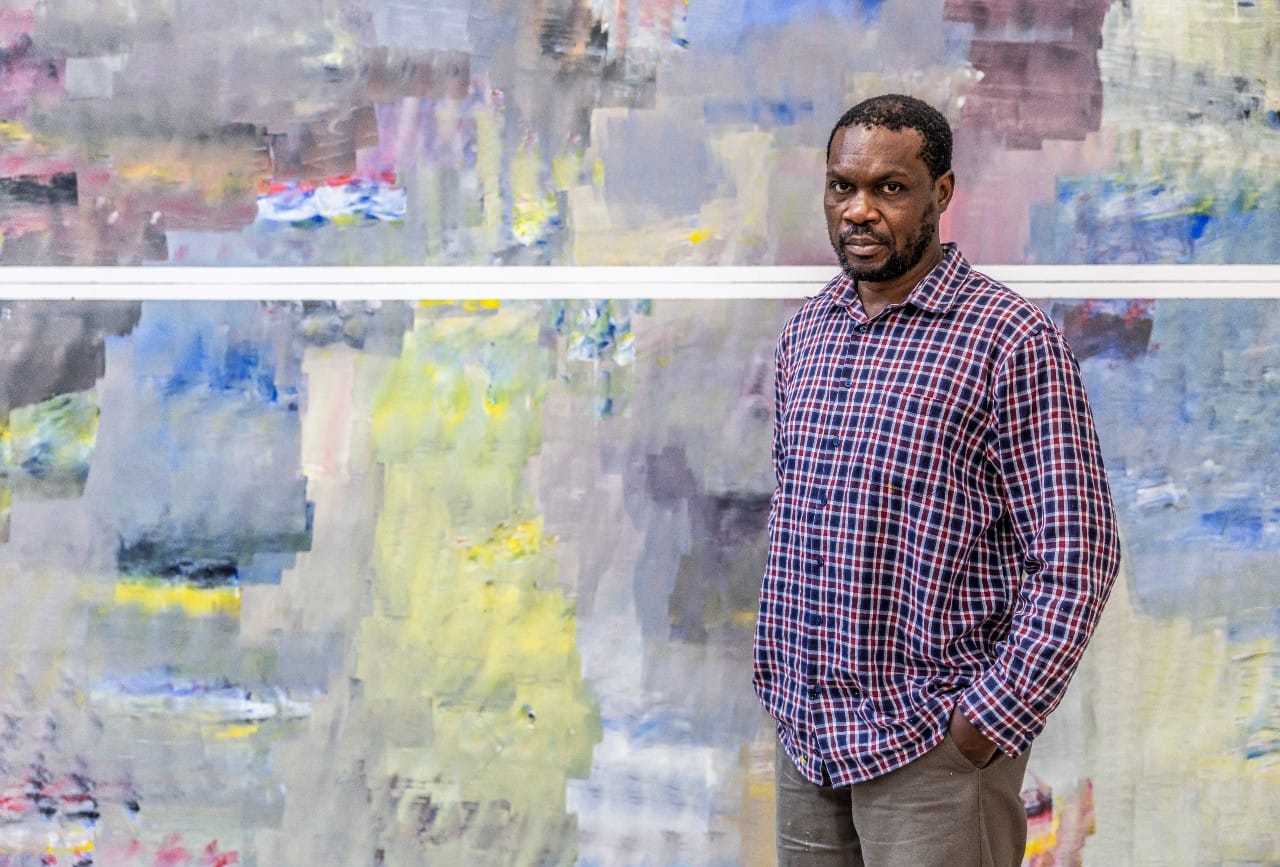
Five decades and ninety works: the M HKA mounts Belgium’s first full retrospective of Nicola L., moving across sculpture, installation, collage, performance and film. The exhibition centres her Penetrables, the wearable soft sculptures that turned the body into a shared, collective form, and pulls the female body into focus less as a fixed identity than as a site of transformation and political agency. Connections with Fluxus, Marcel Broodthaers and other avant-garde figures situate her within an international context that English-language art history has been slow to map.
Joseph Beuys: Wirtschaftswerte: a conservation history
27 June – 13 September 2026
Metal shelving lined with East German food products, three 19th-century paintings and a block of plaster: that is Wirtschaftswerte, Joseph Beuys’s 1980 meditation on the divide between communist East and capitalist West Germany, and the centrepiece of a summer exhibition at S.M.A.K. devoted to the conservation puzzle the piece has set generations of restorers. What does the museum do with original foodstuffs, discoloured packaging, or the butter that Beuys pressed into the corners of his plaster block? Past and present treatments are laid out side by side. The display coincides with the 31st IIC conference, hosted in Ghent in September.
Art nouveau versus Art Déco ? 1850–1950 : un siècle en 32 sièges
25 June 2026 – 11 January 2027
Thirty-two chairs anchor a century of Western design at Victor Horta's house in Brussels. By focusing on a single furniture type, the museum redraws connections between Art Nouveau and Art Déco, two styles usually held in opposition. The selection traces the journey from 1850 to 1950 and opens onto themes that ran across both periods: the stylisation of nature, non-European influences, and the principle that an object's structure and manufacturing constraints should be visible in its form. Students from La Cambre will present new designs in Horta's workshop, one chosen by public vote.
🇩🇰 Exhibitions in Denmark
Laboratorium: Kontrapunkt
12 June – 18 October 2026
Four decades of typography and visual identity for Danish banks, ministries and museums have shaped Kontrapunkt’s reputation, and the agency’s working method now takes its turn under the LABORATORIUM microscope at Designmuseum Denmark. The rotating series sets out the design process from earliest idea to finished result. Projects are stripped back to sketches, prototypes and the iterative thinking behind them, with attention to the balance between heritage and renewal in the studio’s work. The display continues LABORATORIUM’s wider effort to open the engine room of contemporary design to the public.
Ann Linn Palm Hansen: Moving Motif
19 June – 9 August 2026
Working between visual art and writing, the Danish artist Ann Linn Palm Hansen (b. 1984) brings ninety-four works to Ordrupgaard’s Zaha Hadid wing, where raw concrete galleries take the colour-driven exhibition’s load. Moving motif tracks Palm Hansen’s slow movement between figuration and abstraction, with the human body and the horse offered as constant points of departure. A systematic, near-mathematical approach yields canvases that read as sensuous and poetic rather than diagrammatic. The artist describes her method as one of asking questions rather than answering them, allowing each viewer to find their own scale within the work.
As Seen Below: The Dome, a Skyspace by James Turrell
From 19 June 2026
More than ten years in development, James Turrell’s As Seen Below opens at ARoS as his hundredth Skyspace and, the artist insists, his most ambitious to date. The architectural chamber measures sixteen metres high and forty metres across, reached through an underground corridor before visitors enter the vast domed interior. Three viewing modes structure the experience: Open Sky, with the aperture left open; Colour Shift, with the aperture sealed and the walls dissolving into hue; and Twilight, when the dome’s interior light is tuned against the changing colours of the dusk sky.
Unruly: The Body in Punk
27 June – 13 December 2026
Pain, wildness and defiance run through Unruly, ARoS’s summer survey of punk’s bodily politics, which assembles around 130 works tracing the movement from its 1970s London origins through the East and West Berlin subcultures that picked it up. Featured artists include Derek Jarman, Linder, Cornelia Schleime, Die Tödliche Doris and Ajamu X, most shown in Scandinavia for the first time. The exhibition emerges from a three-year research project shared between ARoS and Aarhus University, supported by Ny Carlsbergfondet, and treats the body as a contested site for political action.
Lucian Freud
11 June – 27 September 2026
For Lucian Freud (1922–2011), drawing was inseparable from painting and never decorative. Louisiana’s summer exhibition leans into that proposition, gathering pencil, pen, ink, charcoal and etching alongside a tight selection of canvases to set the two practices in dialogue. The Berlin-born painter’s lifelong fascination with face and figure runs from teenage sheets made in the 1930s through to work from the early 2000s, including Self Portrait with Hyacinth Pot and Reflection (Self Portrait). Organised with the National Portrait Gallery in London, the show borrows its tagline from Freud himself: everything is autobiographical and everything is a portrait.
Arthur Jafa: APEX
23 June – 27 September 2026
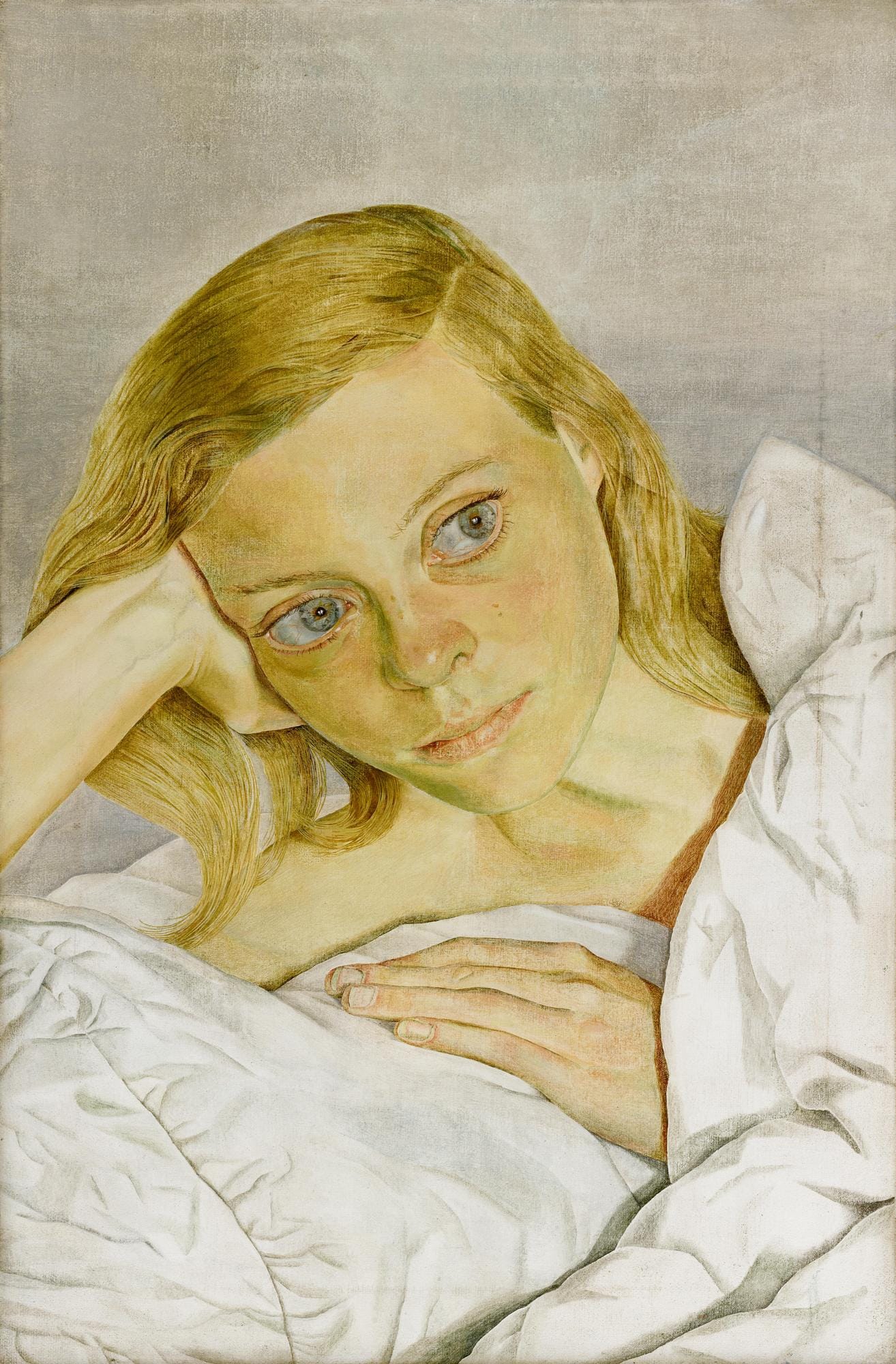
Hundreds of still images cut to the beat of Robert Hood’s 1994 techno track Minus: this is APEX, the single video work by American artist Arthur Jafa (b. 1960) that takes the Hall Gallery at Louisiana this summer. Miles Davis sits next to the Alien creature, Felix the Cat alongside ethnographic portraits, Mickey Mouse beside footage of lynchings, microscopic organisms beside spaceships. The work refuses time to settle on any one frame; what emerges between the images is the close adjacency of beauty and terror in Black American culture.
Ibrahim Mahama
12 June – 31 December 2026
Five thousand schoolchildren in the Danish town of Køge are gathering materials for this commission by Ghanaian artist Ibrahim Mahama, the opening project in MAPS Museum’s new programme Tomorrow's Public Art. Mahama is known for monumental installations stitched from jute sacks, tarpaulins and school blackboards, materials carrying traces of global trade, craftsmanship and labour. Working with his Red Clay Studio in Tamale, he treats discarded everyday objects as raw material for new narratives about place and community. A hundred local children will later join Mahama's team in workshops to help realise the work.
🇫🇷 Exhibitions in France
Leandro Erlich
2 June – 6 September 2026
Argentine artist Leandro Erlich (b. 1973) brings his first French exhibition to the Grand Palais, gathering fourteen monumental installations after the show’s runs in Tokyo, Miami and Milan. Floating boats, suspended clouds and a Haussmann-style apartment block tipped onto its side and climbable: each work uses trompe-l’œil, mirrors and games of scale to dislodge a familiar sense of architecture. Visitors activate the pieces by walking, leaning, looking; perception itself is the medium. Erlich works between Paris, Buenos Aires and Montevideo, and his pieces sit in the collections of the Pompidou, Tate Modern and the Israel Museum.
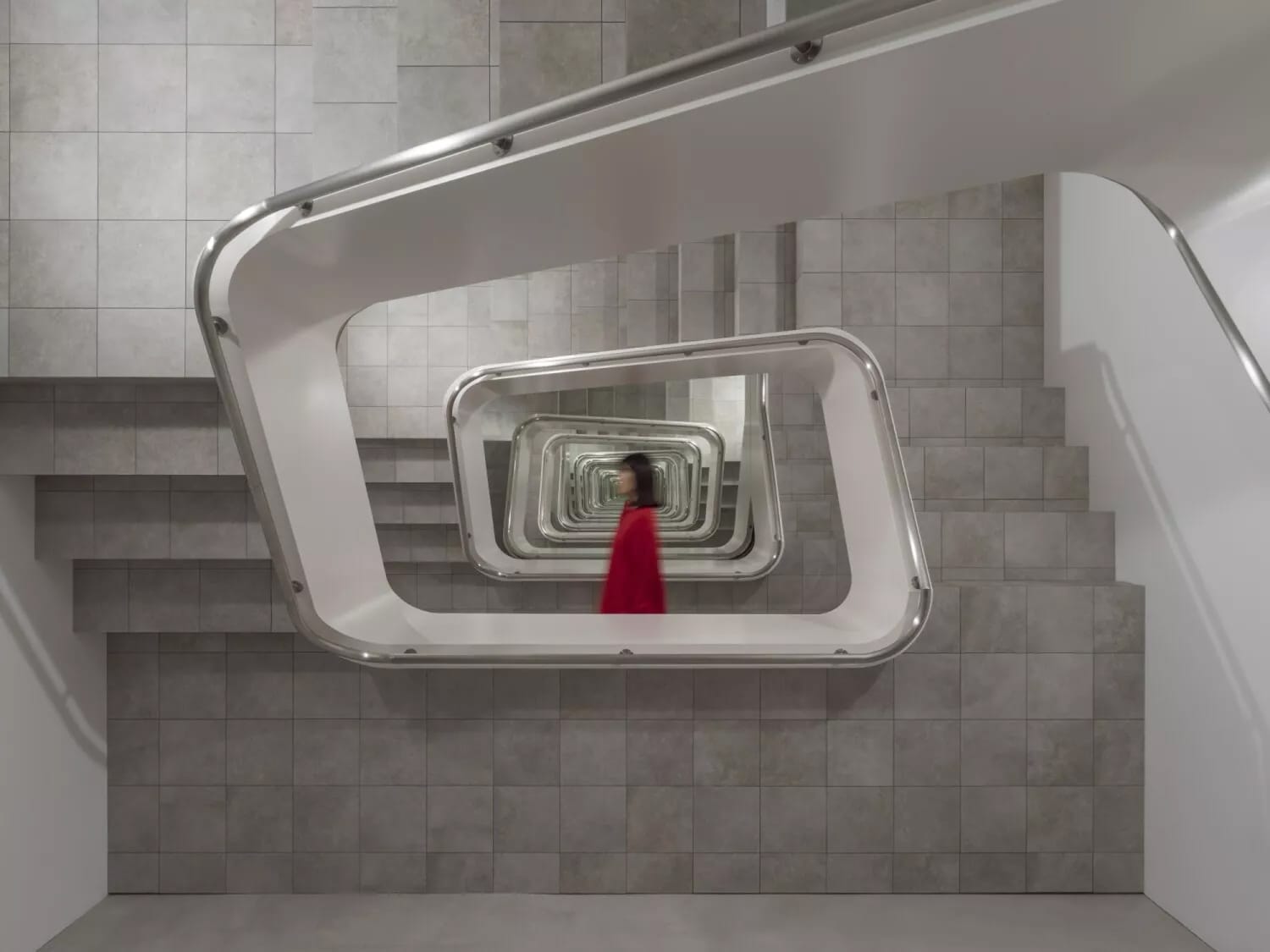
Laure Prouvost: Nous, frissons d’étoiles
10 June – 26 July 2026
Two years of research with philosopher Tobias Rees and scientist Hartmut Neven, plus access to a powerful quantum computer, feed Laure Prouvost’s new installation under the Nef Nord glass roof of the Grand Palais. Nous, frissons d’étoiles combines video, sculpture, sound, light and even scent. Suspended from the roof, the artist’s Cute Bits take the form of meteor-like objects that illustrate quantum entanglement, the correlation by which two particles vary in step regardless of the distance between them. The work asks what physics on this scale might suggest about perception, structure and feeling.
Fujiko Nakaya: Cloud #07156
From 4 June 2026
Fog is the medium for Fujiko Nakaya (b. 1933, Sapporo), who fills the Bourse de Commerce’s Tadao Ando Rotunda with Cloud #07156 from 4 June. Banks of high-pressure pumps and rows of nozzles release droplets identical to those of natural fog, producing an atmospheric sculpture that visitors walk through, vanish into and reappear out of. Nakaya gave up painting in the mid-1960s after a stretch with the New York collective Experiments in Art and Technology, and built her first fog work for the Pepsi Pavilion at Osaka’s Expo ’70. The installation sits within the museum’s wider Clair-obscur season.
La mer est ton miroir
20 June – 1 November 2026
Borrowing its title from Charles Baudelaire’s poem L’Homme et la Mer, this show at Auxerre’s medieval abbey draws on modern and contemporary works from the Centre Pompidou’s collection to consider the sea as a boundless source of artistic reverie. Some artists conjure fantastical marine creatures or summon sirens; others picture life beneath the surface or warn against the harm inflicted on it. By turns mysterious, calm and overwhelming, the water becomes a mirror in which to meditate on the power of nature and the place of human existence within it.
🇩🇪 Exhibitions in Germany
InterNationalgalerie#1: National Museum in Warsaw
18 June 2026 – 17 January 2027
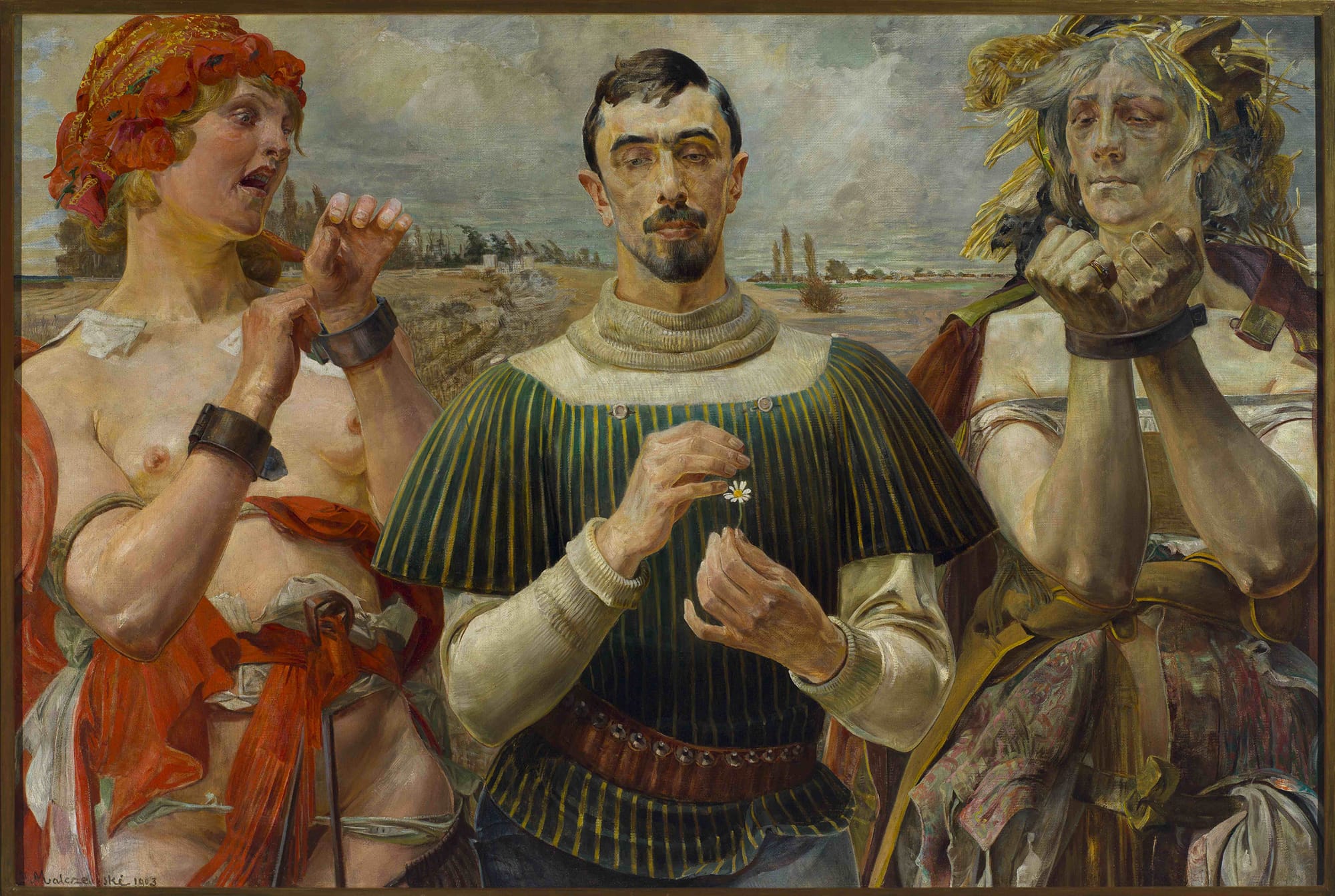
To launch its new InterNationalgalerie series, the Alte Nationalgalerie hands over a floor to the National Museum in Warsaw, which presents a selection under the heading Inventing Myths. The series, which will continue for several years, invites national galleries from around the world to show their collections on Museum Island. The choice of Warsaw acknowledges that the Berlin gallery, despite the To German Art inscription on its 1876 pediment, has been international from the start, with one of Germany’s most significant holdings of French avant-garde painting.
A Thousand Times Berlin: Nationalgalerie Collection at Hamburger Bahnhof
From 12 June 2026 until further notice
Hamburger Bahnhof turns thirty by reinstalling its west wing around Berlin since 1989: more than seventy works by over fifty artists, drawn from the Nationalgalerie collection and the museum’s long-standing exchange with the German Federal Government’s holdings. Cemile Sahin, Katharina Grosse, Mona Hatoum, Rirkrit Tiravanija, Katharina Sieverding, Thomas Struth and Danh Vo are among those whose work tracks Berlin as a place of artistic, political and migratory crossing rather than a single scene. New acquisitions and rarely shown pieces sit alongside familiar major works. The reinstallation runs on an open-ended schedule.
The World Through AI
11 June – 20 September 2026
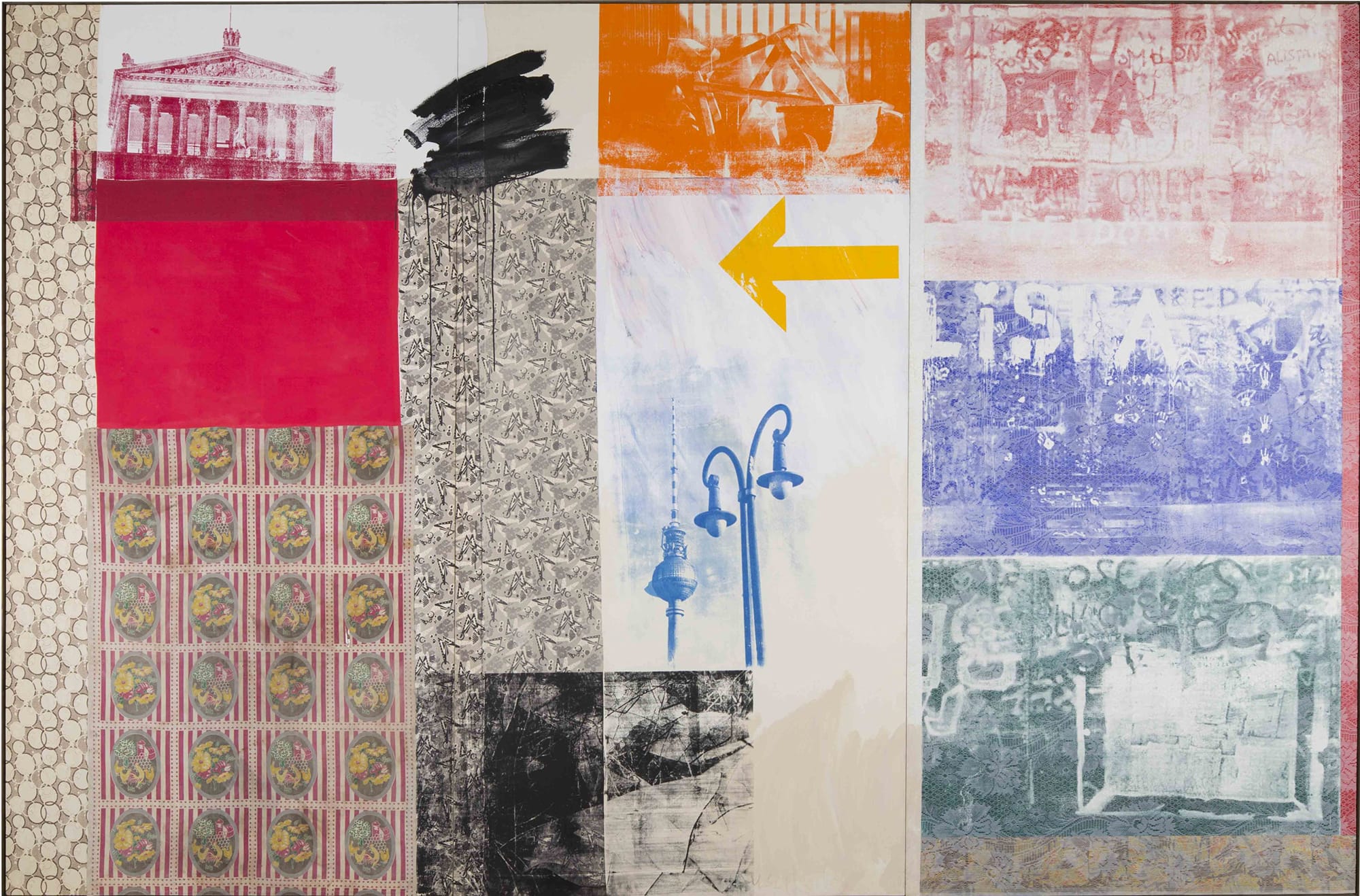
Ten years of artistic engagement with artificial intelligence are gathered in The World Through AI, the Schirn Kunsthalle’s major summer show for its fortieth anniversary year. Holly Herndon and Mat Dryhurst’s collaborative AI personas, Trevor Paglen’s machine-vision portraits, Kate Crawford and Vladan Joler’s Anatomy of an AI System and works by Gregory Chatonsky, Inès Sieulle, Nouf Aljowaysir and others trace how the field’s tools, biases and aesthetic possibilities have been worked over by contemporary artists. The show is held in the Dondorf printing works in Frankfurt’s Bockenheim, where the Schirn has decamped during its building renovation.
Helmut Newton’s One-off Album
5 June – 15 November 2026
An album compiled in 1999 by Helmut Newton for the collector Gert Elfering surfaces in Berlin for the first time. The 112 small-format prints, now in the Nicola Erni Collection, were mounted by hand on card stock and annotated with titles or anecdotes. The selection mixes signature fashion images with previously unseen working shots from the sidelines of shoots, Polaroids and advertising photographs. Presented as the third chapter of the foundation's summer programme, it runs alongside Rooms / Stages, a group show shifting attention from the photographed body to the photographed space.
Rooms / Stages
5 June – 15 November 2026
Space becomes the subject rather than a backdrop in this group exhibition. Investigating how photographers transform rooms into narrative stages, the show gathers contemporary artists who deliberately foreground abandoned studios, emptied museums and subway tunnels as primary subjects. Long exposures allow figures to dissolve into their environments; staged portraits find drama within walls themselves. Helmut Newton's contributions demonstrate this through his fashion work: luxury hotel lobbies and raw exteriors from Paris, Milan and New York become characters in their own right. Wall-sized murals, Polaroid studies and spatial interventions created for specific photographs complete the presentation.
100 Best Posters 25. Germany, Austria, Switzerland
12 June – 5 July 2026
Drawing on submissions from over one thousand designers, an international panel has selected the year's strongest posters for this annual showcase at the Kulturforum. Across graphic design disciplines, entries reveal contemporary approaches to formal communication, with cultural posters particularly prominent. Jurors Enrico Bravi, Malte Martin, Sascia Reibel, Sven Tillack and Annik Troxler identified work that speaks to current visual conversations in German-speaking Europe. The selected one hundred posters will be displayed free of charge before embarking on an extended tour across Germany, Austria, Switzerland and beyond. The exhibition's own identity comes from designers Ira Ivanova and Lou Hillereau.
Door to History
From 18 June 2026 until further notice
For its 150th anniversary, the Alte Nationalgalerie has redesigned a historic room that functions as an architectural chronology of the museum itself. Originally part of a vast sculpture hall, the space preserves evidence of 150 years of building history: from the institution's founding through the installation of the Justi Cabinets to the scars of World War II. A new cabinet within the redesigned room explores the collection through three major works, whilst a participatory element invites visitors to suggest topics for the museum's future. The presentation allows visitors to inhabit the physical layers of institutional memory, where architecture becomes document.
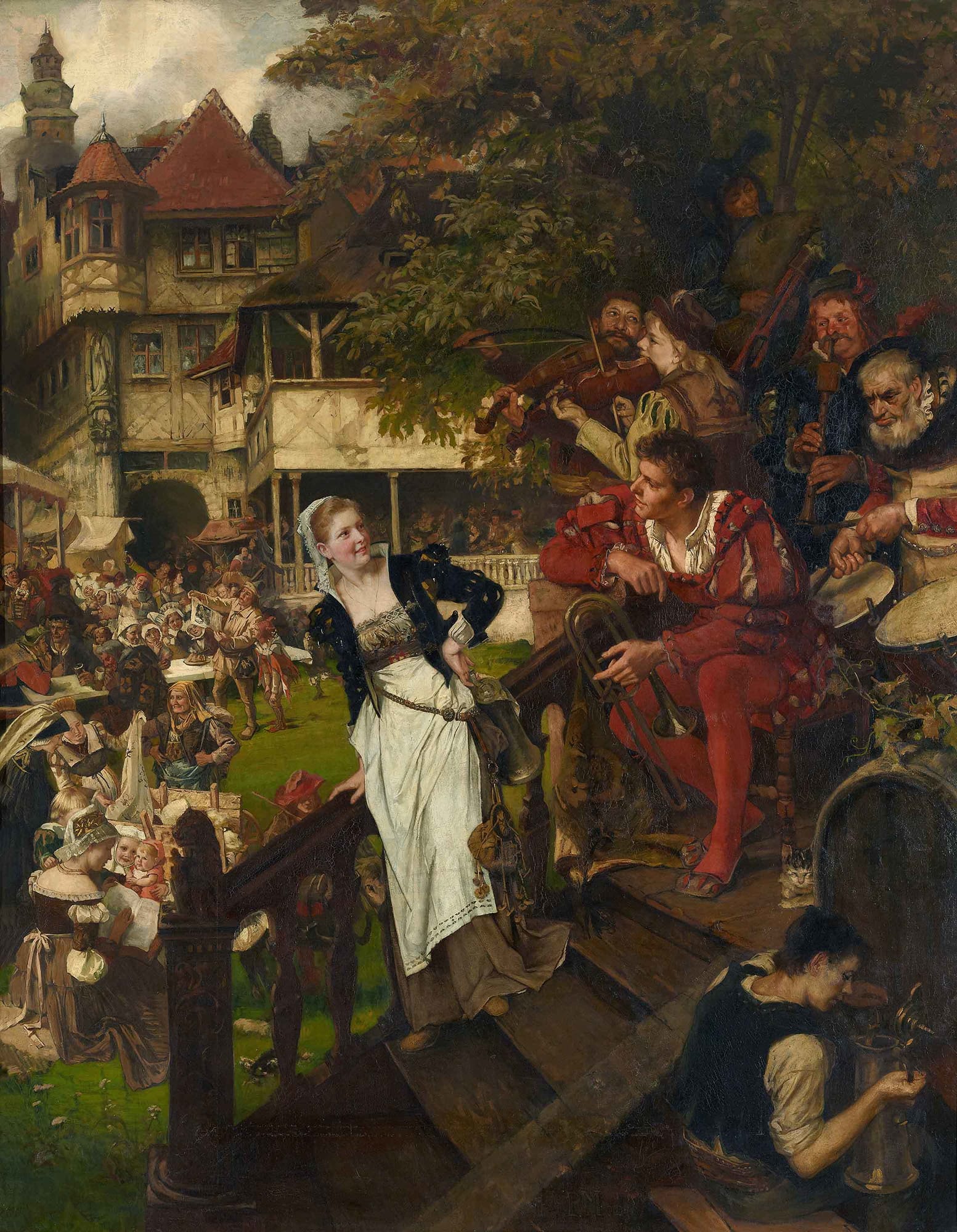
🇮🇹 Exhibitions in Italy
Metamorfosi. Ovidio e le arti
23 June – 20 September 2026
Ovid’s Metamorphoses provides the spine for a collaboration with the Rijksmuseum, travelling to Rome after its Amsterdam run. Over eighty works trace the poem’s hold on Western art from the Renaissance to the early twentieth century: Correggio, Titian, Rubens and Poussin alongside later responses by Gérôme, Rodin and Brancusi. Bernini’s Apollo and Daphne and Pluto and Proserpina, already at the heart of the gallery’s holdings, anchor the show. Curators Francesca Cappelletti and Frits Scholten also turn to the Ovide moralisé, the medieval rewriting that shaped how Renaissance painters read these myths.
Diego Rivera e la costruzione dell’arte moderna in Messico nel XX secolo
9 June – 13 December 2026
Billed as the first dedicated Italian survey of Diego Rivera, this collaboration with the Museo Kaluz in Mexico City gathers more than 160 works at the Capitoline. The 9 June opening puts Rivera in the company of contemporaries who shared his project of forging a national art language: Frida Kahlo, José Clemente Orozco, David Alfaro Siqueiros and María Izquierdo among them. Earlier figures such as José María Velasco and Saturnino Herrán supply the antecedents. Tina Modotti’s photographs of Rivera at work close the loop, and digital reconstructions extend the route through paintings, drawings and preparatory sketches.
🇱🇺 Exhibitions in Luxembourg
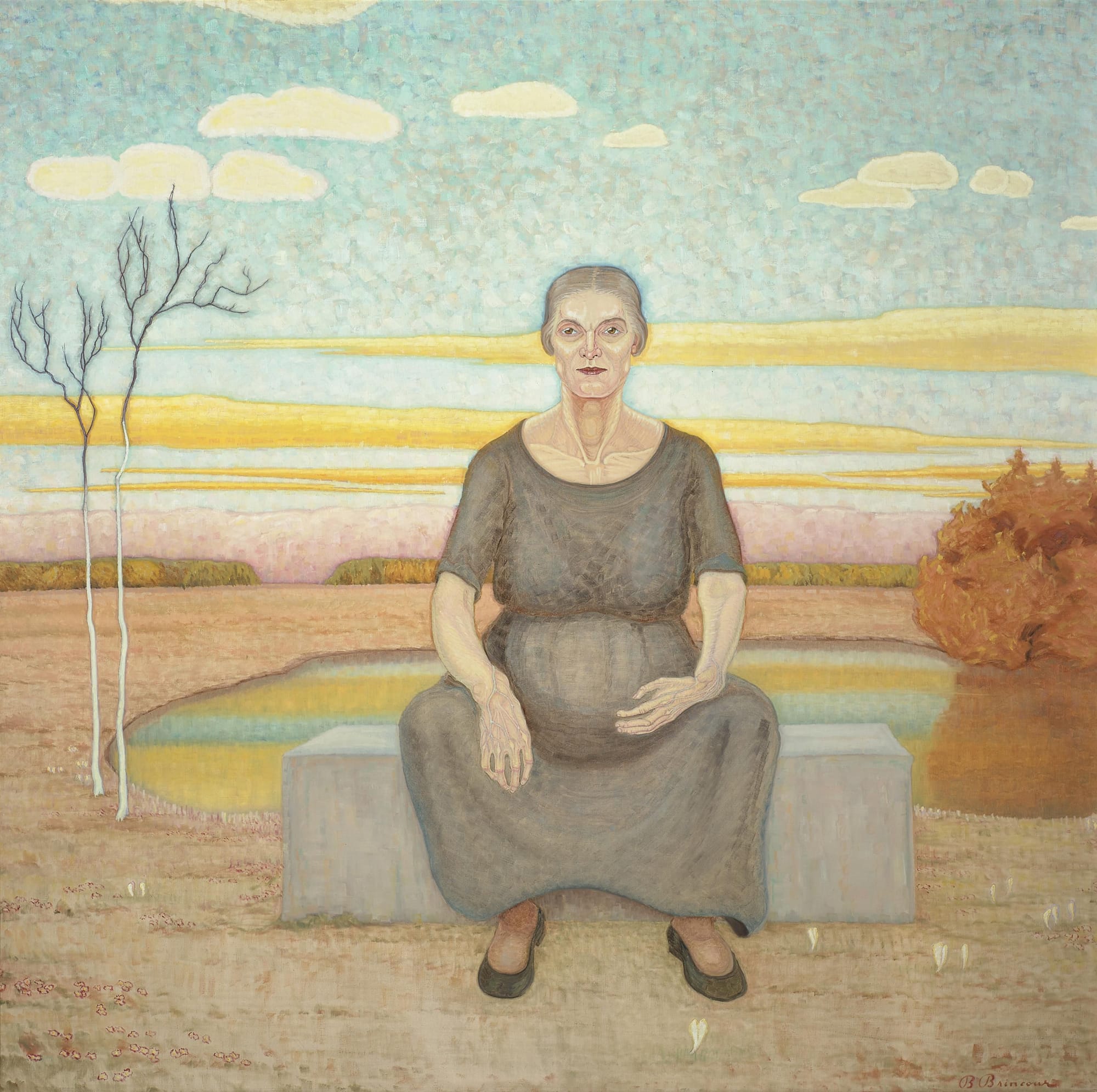
Berthe Brincour (1879–1947). Une artiste hors normes et hors temps
5 June 2026 – 10 January 2027
Nearly eighty years after Berthe Brincour bequeathed her entire output to the Luxembourg state, the Nationalmusée brings the painter back into view in her first dedicated retrospective. Brincour (1879–1947) was an early modernist whose expressive work has been little exhibited, with most of the bequest left unexamined in the museum’s stores until recent research and restoration. The exhibition presents the body of work in full for the first time and is conceived as a corrective to her omission from the country’s art history. A companion site, brincour.lu, accompanies the show.
Shadow of Water
22 June – 19 July 2026
Casino Luxembourg’s summer slot goes to Tetsuya Umeda, whose practice treats the architecture and ambient circumstances of a given space as the raw material of the installation. The Japanese sound and installation artist arrives in Luxembourg with works that grow out of what is already there: plumbing, residual light, the building’s own acoustics. Three performance evenings on 25 June, 2 July and 9 July anchor the four-week run as part of the museum’s FORA / Performance//s programme. Umeda has shown at the Nam June Paik Art Center and the Kunstenfestivaldesarts in Brussels; admission is free.
Julia Beliaeva — White Shadows
13 June – 20 September 2026
Porcelain, 3D printing and virtual reality come together in the Konschthal’s summer show, which gives its main floor to Kyiv-based Julia Beliaeva. Working between traditional ceramics and digital fabrication, the artist reflects on the once-flourishing Ukrainian porcelain industry and on the cultural know-how that has been lost. Mythological figures reappear in her sculptures as carriers of suffering and resistance, with folklore put to work as commentary on the present. Beliaeva was born in 1988 in the Vinnytsia region, studied decorative arts in Kyiv, and is represented by König Gallery in Berlin.
Video Killed the Radio Star: The 1980s and their Cultural Echoes
12 June – 11 October 2026
Paradox defined the 1980s: MTV’s ascendancy alongside Chornobyl’s shadow, new technologies emerging as old ideologies collapsed, image superseding voice. This collection presentation traces the decade’s cultural and political transformations and their lingering effects on contemporary life. Drawing from the Mudam Collection, the exhibition explores how aesthetics began to function as a form of power, how access displaced ownership and how Western sensibilities shifted into a hyper-mediated landscape. From the Cold War’s denouement to neoliberalism’s consolidation, the 1980s marked a fundamental reorientation whose echoes continue to structure our cultural perception and understanding of the present.
🇳🇱 Exhibitions in the Netherlands
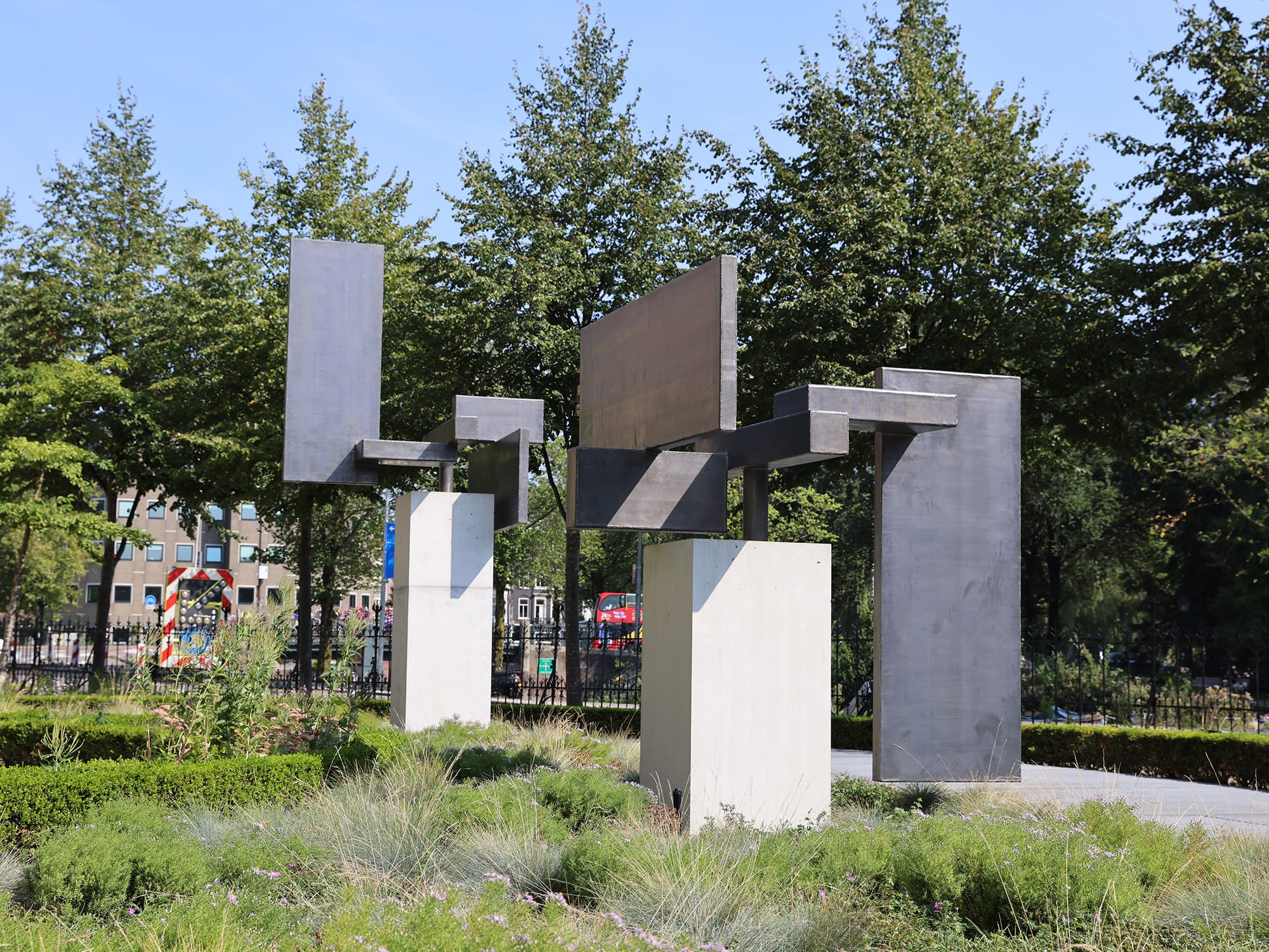
Carel Visser in the Rijksmuseum Gardens
5 June – 25 October 2026
The Rijksmuseum Gardens devote their 2026 outdoor sculpture programme to Carel Visser (1928–2015), the first Dutch artist chosen for the annual slot. Over fifteen works arrive from Dutch museums, private collections and public sites, sketching out a career that began with the influence of Brancusi and Giacometti before settling into a leaner, more abstract idiom of beams and stacked forms. Three sculptures made for public space appear together for the first time: Jacob’s Ladder, Lake and Big Four. The eight-metre Jacob’s Ladder (1954) anchors the display.
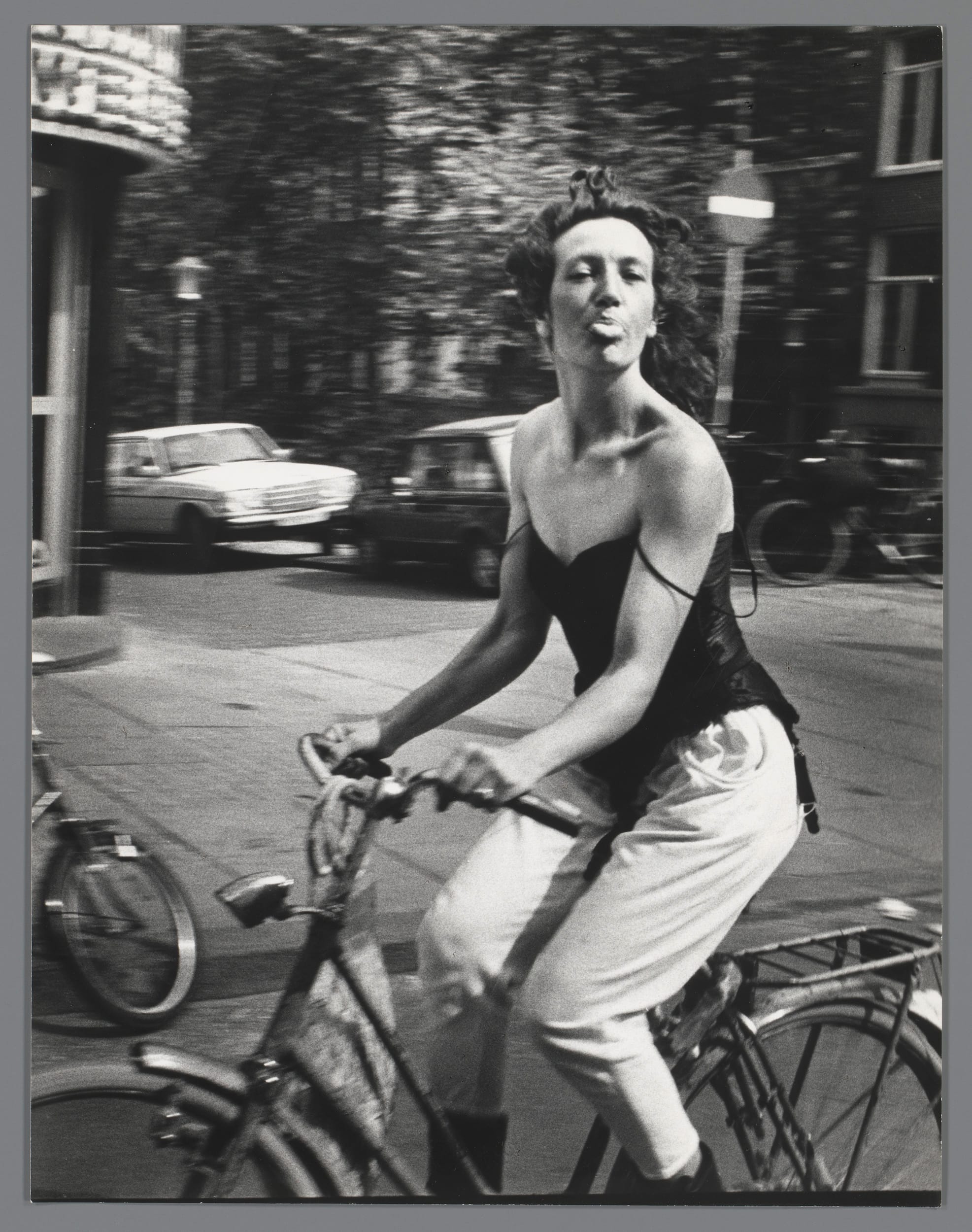
Ed van der Elsken
19 June – 13 September 2026
Drawing on his own preserved archive, the Rijksmuseum’s summer Ed van der Elsken show works through the photographs, contact sheets, letters, notes, book designs and film clips left behind by the foremost Dutch photographer of the twentieth century. The display offers a perspective on both his life and the postwar decades he documented, mixing well-known images with material that has rarely or never been shown. Van der Elsken (1925–1990) made his name with reportage in Paris and Asia and with restless autobiographical films in his last years. The show stays at the museum until mid-September.
Fiep Westendorp
19 June – 13 September 2026
Around 150 original drawings by Fiep Westendorp move into the Rijksmuseum for the summer, gathering the work of the illustrator who shaped how generations of Dutch children pictured the characters of Annie M.G. Schmidt. Jip en Janneke, Pluk van de Petteflet, Otje and Pim & Pom were Westendorp’s collaborations with the writer; here they appear alongside her sketches, notes and book designs. The style was built on clean lines, sparse detail and a warmth that has carried across more than seven decades of Dutch children’s publishing. The show closes in mid-September.
Rembrandt & Life
12 June – 30 August 2026
Each summer the Rembrandt House Museum gathers a thematic selection of prints from its near-complete collection of Rembrandt’s etchings; in 2026 the theme is the human life cycle. More than fifty sheets are organised around the stages Rembrandt repeatedly returned to: mothers with newborns, young lovers in close-up, the grain of deeply lined faces and grey beards. Across the rooms, the small format of the print emerges as the medium that gave Rembrandt his most intimate observational range. Rembrandt & Life hangs at his former workshop on the Jodenbreestraat through to the end of August.
Foam Talent 2026
6 June – 26 August 2026
Thirty image-makers chosen from 2,892 submissions in 107 countries occupy Foam for the institution’s annual Talent showcase, a record entry that has prompted a new two-tier structure separating early-career photographers from runners-up. The selection deliberately ignores age limits for the first time, so debut work by people in their twenties hangs alongside that of older first-timers. The brief is broad: photography that pushes against the conventions of the medium and that reflects the present moment. A festive opening on 5 June brings the cohort to the canal.
Good Food
11 June – 1 November 2026
A nine-year project by photographer Ruud Sies and producer Hanneke van Hintum lands at the Nederlands Fotomuseum, distilling visits to 120 farmers, scientists and food thinkers in 22 countries into a 40-portrait selection. Good Food arrives at the museum’s new Santos Warehouse home as part of the international Resilience Food Stories programme, with each subject photographed and filmed in their own working environment. Curator Frits Gierstberg threads the contributions into an argument for resilience in food systems. The accompanying nai010 book extends the reach of the project well beyond the exhibition walls.
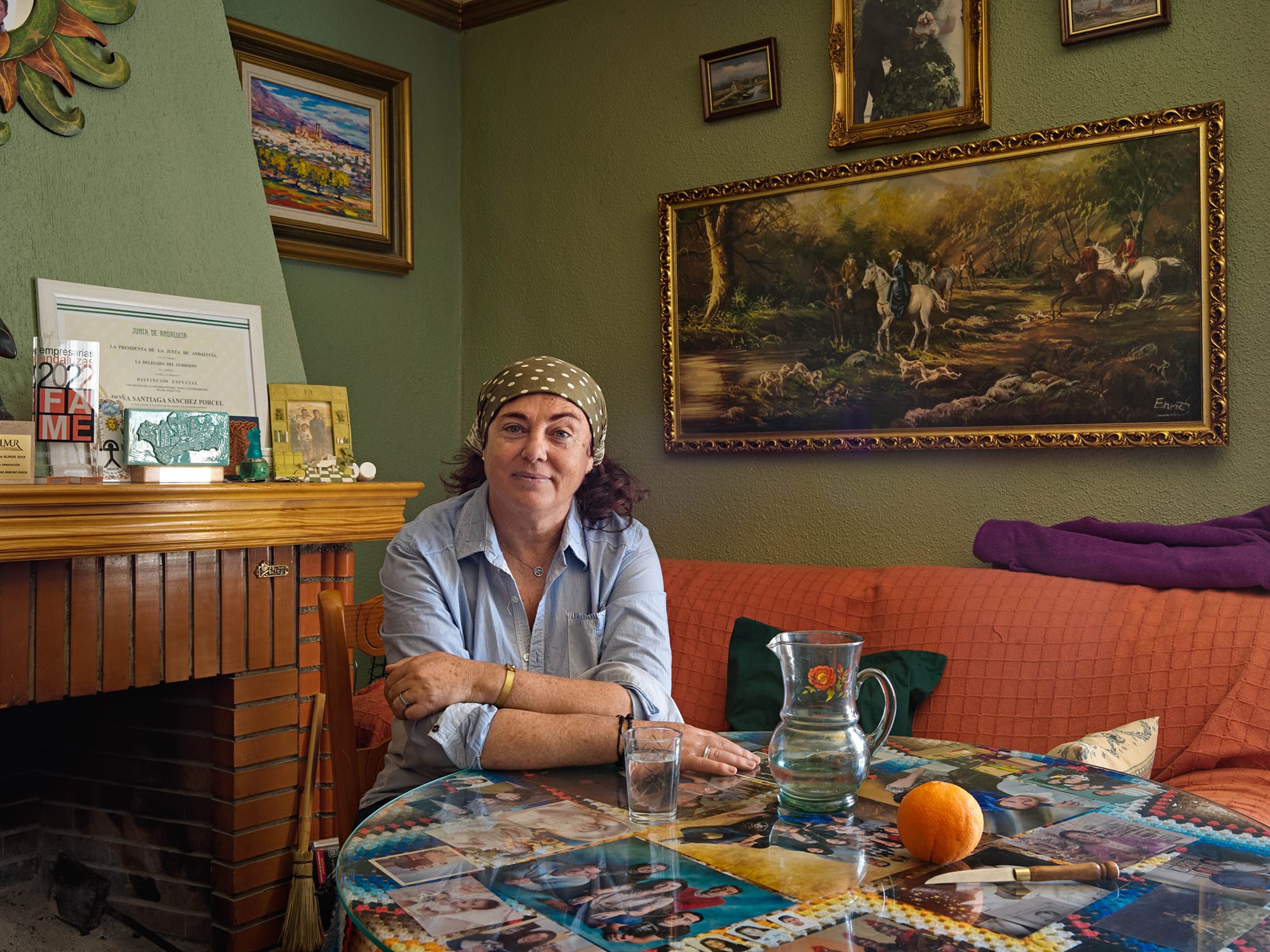
Collection as Cosmos
6 June 2026 – 2 May 2030
For its ninetieth birthday the Van Abbemuseum closes its doors for ten weeks of refit and reopens on 6 June with Collection as Cosmos, a new permanent display of 250 works across eleven galleries. The framing rejects a single art-historical timeline in favour of constellations that group pieces by affinity rather than chronology. Karel Appel’s Between Banner and Flag (1987) returns to view after forty years, beside Rebecca Horn’s The Moon, the Child and the River of Anarchy (1992) and Guercino’s Andromeda of around 1660, the museum’s oldest work. The new Dommelplein ground floor opens with the rehang.
🇪🇸 Exhibitions in Spain
Prado. 21st Century
9 June – 27 September 2026
A retrospective look at the Prado’s own past quarter-century gathers a representative selection of the works acquired since 2001, arranged chronologically and thematically across two galleries in the Jerónimos Building. The exhibition extends well beyond the collection: each section pairs paintings and drawings with objects from the museum’s own apparatus, including elements drawn from conservation, accessibility, museography and visitor services. Co-curators Javier Arnaldo and Javier Barón frame the show as an account of how a national gallery has changed in the time it has been adding to its holdings rather than as a survey of art history.
We Are Nature
3 June 2026 – 7 March 2027
CaixaForum Madrid hands its main gallery over to We Are Nature, a seventy-minute walk-through experience devised by the Montreal studio OASIS with National Geographic. The route opens with a film by Katerine Giguère and Johnny Ranger that animates the magazine’s photo library, then crosses into an Alex Le Guillou environment mapping the flows between cells and organisms in motion. Émile Roy’s living mosaic closes the show around the theme of ecological resilience. The presentation runs into March 2027, well beyond the typical temporary slot at the Caixa group’s flagship venue.
Picasso Cyprus: Encounters with the Ceramics of the Mediterranean
6 June – 27 September 2026
Picasso’s ceramic obsession finds a fresh setting in Barcelona, where the Museu Picasso pairs work from its own holdings with ancient Mediterranean ceramics, the Cypriot tradition first among them. The painter took up clay in earnest at Vallauris in 1946, when he was already in his sixties, and the medium absorbed him for the rest of his working life. The exhibition uses that late chapter to read ancient Cypriot vessels back into the painter’s modernist vocabulary. The museum’s own Pop (1948), from Jacqueline Picasso’s 1982 donation, anchors the dialogue at the Montcada complex.
Learning Through Art 2026
15 June – 20 September 2026
A collaborative programme between the Guggenheim and participating schools, Learning Through Art pairs educators with professional artists to explore how art can illuminate science, language and mathematics. This year's exhibition gathers work by over one hundred children aged six to twelve, each engaged with topics including communication, identity and landscape through painting, sculpture, photography and performance. The young artists’ investigations of maps, flags and symbols reveal subjective ways of perceiving the world, whilst projects exploring “other worlds” and women artists demonstrate how artistic practice develops critical thinking. The exhibition celebrates art as a vehicle for understanding and expression within education.
Carmen Laffón. Variations
23 June – 27 September 2026
Throughout a sixty-year career divided among Madrid, Seville and Sanlúcar de Barrameda, Carmen Laffón developed a deeply personal figurative language rooted in repeated motifs. Within the classical genres of figure, still life and landscape, her work reveals a fascination with domestic and agricultural imagery: baskets, cupboards, vines, salt mines and the marks left by time. The Thyssen-Bornemisza presents roughly eighty works in oil, pastel, charcoal and sculpture, organised thematically to trace how certain subjects evolved throughout her practice. Laffón's approach treats variation not as mere repetition but as a sustained investigation into the possibilities of vision and representation.
🇨🇭 Exhibitions in Switzerland
Labouring Bodies
10 June – 8 November 2026
Museum Tinguely’s Labouring Bodies is a feminist group show on the body as a site shaped by machines, asking how labour and reproduction have been mechanised since the dawn of the modern age and how women have responded as workers, makers and subjects of technology. The argument runs both ways: the bodies on view are shaped by industrial pressures and shaped against them, with artists casting working conditions, automation and care work as material for image and sculpture. Ernestyna Orlowska’s Make Your Body Your Machine (2021) typifies the approach. The exhibition is on through to November.
Shuang Li
12 June – 13 September 2026
Kunsthalle Basel turns over its main floor to Chinese artist Shuang Li for her first institutional solo show in Europe, opening days before Art Basel converges on the city. Her installations weave footage and reportage of tornadoes, hurricanes and the storm chasers who pursue them into a meditation on the way information itself moves through global networks. The work treats those chasers as figures for our collective relationship to attention, the spectacle of catastrophe and the platforms that mediate it. The show runs through to mid-September.
Mohamed Bourouissa: Pour Noubia
13 June – 6 September 2026
The Algerian-French artist Mohamed Bourouissa arrives at the Migros Museum für Gegenwartskunst for his first institutional solo show in Switzerland, timed to coincide with Zurich Art Weekend. Pour Noubia extends a project that opened at the Marta Herford last autumn, centred on the artist’s mother, Noubia. Drawing on archive material, photography and sculptural staging, Bourouissa traces a personal history that runs from Algeria to the Parisian banlieue and back, in works that have circulated internationally over the past decade. The show is part of an Art Weekend evening programme that continues late at the Schiffbau.
Sylvia Sleigh / Refaire Collection
5 June – 25 October 2026
MAMCO takes its summer slot off-site to the Musée Rath, where a Sylvia Sleigh retrospective shares the building with Refaire Collection, a feminist counter-canon assembled from the museum’s own holdings and Swiss public collections. Sleigh (1916–2010) reversed the historic male gaze in her own work, painting nude men with the seriousness that Western painting had reserved for women, and her show provides the historical anchor. Downstairs, Louise Bourgeois, Meret Oppenheim, Pipilotti Rist, Joan Semmel and the Guerrilla Girls extend the argument. The pairing runs through to late October at the Rath.
Alfredo Jaar: Inferno & Paradiso
26 June – 1 November 2026
Twenty press photographers were asked by Alfredo Jaar to choose their two most extreme images, one of hell and one of heaven, with Lynsey Addario, Donna Ferrato, Brent Stirton and Anastasia Taylor-Lind among the contributors. Photo Elysée installs the resulting forty images as a slide-projection environment, hell and heaven each given a twenty-minute cycle in a darkened room. Inferno & Paradiso originated at the Cortona On The Move festival in 2025 and was curated there by Paolo Woods and Kublaiklan. Jaar, born in Chile in 1956, frames the work as a defence of photography’s continuing weight in an image-saturated world.
Hannah Darabi: Why Don’t You Dance?
26 June – 1 November 2026
The 2025 Prix Elysée commission travels through three generations of Iranian dancers as Iranian-born, Paris-based Hannah Darabi turns photography, film and archive material into a study of how popular performance has been used as resistance under the Iranian state. Three sections each centre on a single figure: Mahvash, the 1950s cabaret star whose fictional autobiography Darabi reworks in collage; the belly dancer Jamileh, whose Jaheli style returns through new videos made with a Berlin-based collective; and Mohammad Khordadjan, who has kept the diaspora’s Cabaret Tehran going in Los Angeles.
One Another – Nhu Xuan Hua and the Collection of Fotomuseum Winterthur
27 June – 11 October 2026
Fotomuseum Winterthur returns to its One Another format, which pairs a contemporary photographer with works from the museum’s own collection. This second edition lands on Nhu Xuan Hua (b. 1989), a French-Vietnamese photographer based in Paris whose editorial work for Dior, Vogue and others sits alongside research into memory, diaspora and uprootedness. Hua’s images are set against a selection drawn from the holdings, including Richard Avedon, Nan Goldin, Andreas Gursky, Rinko Kawauchi and Duane Michals. The show is on through to the start of October.
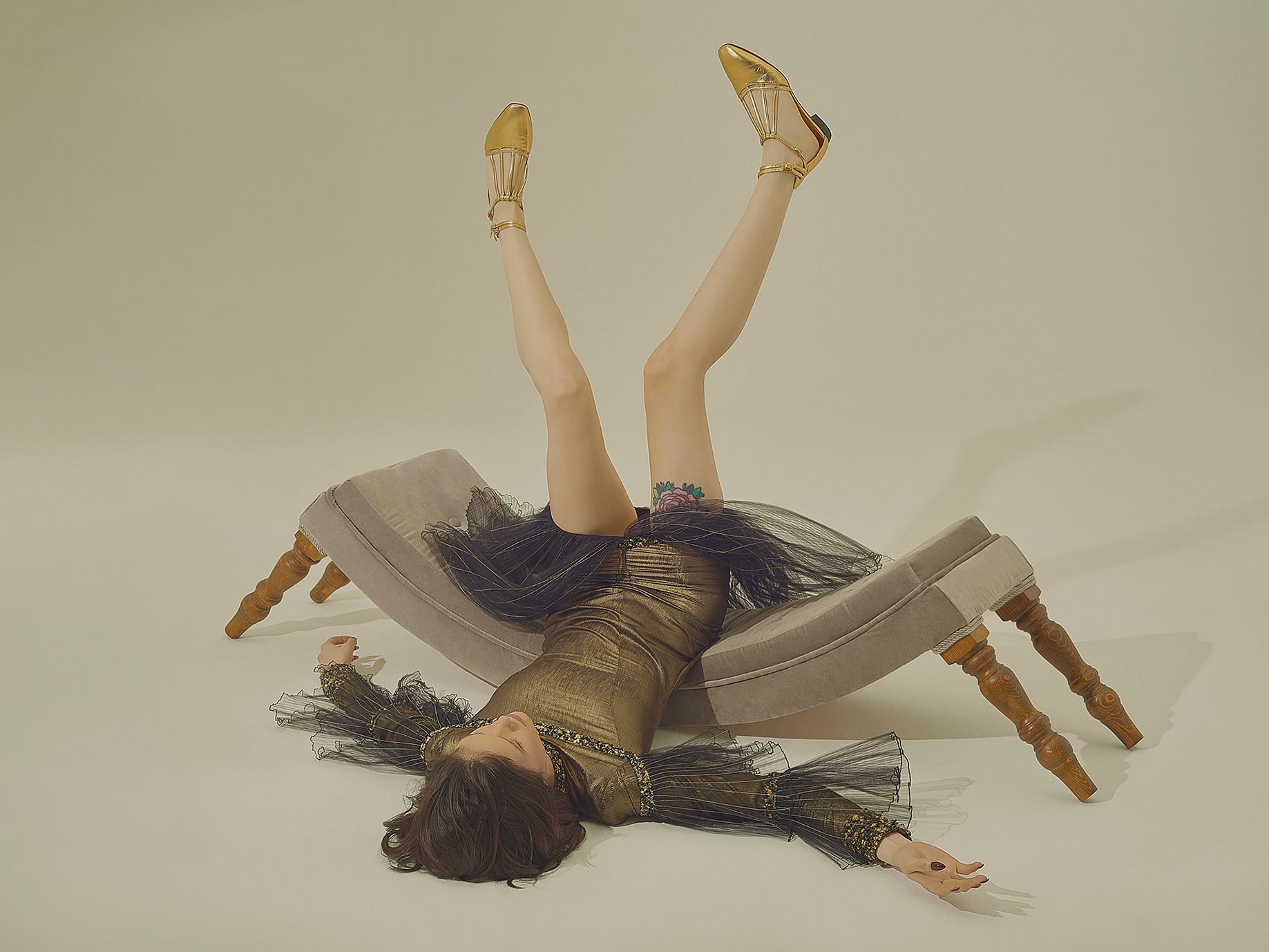
Shadow Creatures – From Spirit Photography to the Ghosts of the Algorithm
27 June – 11 October 2026
Fotomuseum Winterthur returns to its One Another format, which pairs a contemporary photographer with works from the museum’s own collection. This second edition lands on Nhu Xuan Hua (b. 1989), a French-Vietnamese photographer based in Paris whose editorial work for Dior, Vogue and others sits alongside research into memory, diaspora and uprootedness. Hua’s images are set against a selection drawn from the holdings, including Richard Avedon, Nan Goldin, Andreas Gursky, Rinko Kawauchi and Duane Michals. The show is on through to the start of October.
Heidi Bucher – Liesl Raff: Closer
13 June – 8 November 2026
A centenary brings the Swiss artist Heidi Bucher (1926–1993) back into focus at Kunst Museum Winterthur, where Beim Stadthaus pairs her with the Vienna-based sculptor Liesl Raff. Bucher’s Häutungen form the starting point: the latex skinnings she peeled from rooms in her Winterthur boathouse studio in the 1970s and 1980s. Raff’s own work shares an interest in textile, casting and skin, and the exhibition stages the two practices as close encounters that move between architecture and the body. Closer runs at Beim Stadthaus through to early November.
🇬🇧 Exhibitions in the United Kingdom
nora chipaumire: Gadzi
3 June – 26 August 2026
Tate Modern’s second Infinities Commission goes to Zimbabwean choreographer and artist nora chipaumire, who takes over the underground Tanks for the summer. The annual commission, secured by funding through to 2035, gives the spaces dedicated to performance and time-based media to one international artist a year. Chipaumire’s contribution, Gadzi, combines dance, theatre, music, film and sculpture, drawing on influences from punk to Shona spirituality. Christelle Oyiri opened the series in 2025; chipaumire follows with a project that extends her long-standing inquiry into identity and the politics of the African body.
Frida: The Making of an Icon
25 June 2026 – 3 January 2027
More than thirty Kahlo paintings, including rarely seen self-portraits, anchor a Tate Modern summer survey that traces the painter’s rise from obscure Mexican modernist to global cultural figure. Organised by the Museum of Fine Arts, Houston with Tate Modern, the show sets her work alongside more than two hundred items by her contemporaries and the artists she later inspired, plus the garments, jewellery and photographs from her own life. A closing “Fridamania” section confronts the commercial afterlife of her image, from T-shirts and pocket mirrors to museum-shop merchandise that has piled up since her death.
Summer Exhibition 2026
16 June – 23 August 2026
For its 258th edition, the Royal Academy’s open-submission Summer Exhibition is coordinated by Ryan Gander RA, who has chosen ‘Interconnectedness’ as the year’s theme. Gander’s approach abandons the usual room-by-room separation of media, so paintings, sculptures, prints and architectural models will sit in conversation across the entire enfilade. The Summer Exhibition remains the world’s largest open-submission show and the central social event of the London art year. The new run begins on 16 June, with a preview party on the evening of 10 June, and continues through to late August.
Barbie: The Exhibition
13 June – 18 October 2026
Mattel sends Barbie: The Exhibition to Kelvingrove for the show’s Scottish debut, tracing the design history of the doll across nearly seven decades of changing silhouettes, careers and material trends. The presentation moves through 1960s plastics and the doll’s reinventions, taking in collaborations with designers including Andy Warhol and Vera Wang. The run is produced by Glasgow Life and timed to the school summer holidays, extending a Kelvingrove tradition of populist temporary shows running alongside the building’s permanent collection. The exhibition stays through to mid-October.
Julio Le Parc Light. Colour. Action.
11 June 2026 – 3 May 2027
Kinetic sculptures, geometric paintings and light installations reveal Julio Le Parc's commitment to art as participatory experience. Born in Argentina and based in France from 1958, Le Parc emerged alongside the visionary artists of 1960s Paris whilst maintaining ties to Latin America. His practice prioritises movement and reflection, using mirrored surfaces and dynamic effects to involve viewers in completing each work. Rather than passive observers, spectators bring artworks to life through their acts of looking and moving through space. The Tate Modern exhibition traces this seven-decade trajectory from the late 1950s to present, celebrating an artist who remains restlessly inventive.