37 art exhibitions around Europe closing in July 2026
Four centuries separate Michelangelo and Rodin, yet the Louvre has put the two sculptors in the same rooms for the first time, both of them treating the human body as the vessel of an inner life.

Four centuries separate Michelangelo and Rodin, yet the Louvre has put the two sculptors in the same rooms for the first time, both of them treating the human body as the vessel of an inner life. Theirs is one of several encounters across time in this issue, as living artists answer the dead and older work is set out to be seen afresh. Thirty-seven exhibitions are coming down across twelve countries next month, from Copenhagen to Naples, and the strongest reward a detour.
The richest pickings are in Paris. The Musée d’Orsay has mounted two Renoir shows at once, one on his pictures of love and modern city life, the other on the drawings he largely kept to himself. The Grand Palais gives more than 300 works to Matisse’s final decade and the paper cut-outs that crowned it, while the Louvre, beyond the sculptors, shows Martin Schongauer as the painter few knew he was. Switzerland comes a close second; in Basel, Vera Molnár was making images by algorithm long before the personal computer arrived. Frankfurt’s Städel follows Monet to the chalk cliffs of Étretat.
The conversation with the past turns playful elsewhere. At the Kunst Museum Winterthur, Simon Starling has rebuilt a small 1847 Menzel painting as a room you can walk into; at Capodimonte in Naples, a Carlo Maria Mariani canvas drops Duchamp’s Bottle Rack into a setting borrowed from Raphael. For quieter pleasures, Zurich’s Museum Rietberg lays out more than a hundred surimono, the luxury prints made in Edo Japan to mark a celebration and given as gifts. Read the dates with care before you set off: a few of these runs are very short, and several close in the opening days of July.
🇦🇹 Exhibition in Austria
Felix Lenz: Soft Image, Brittle Grounds
Until 26 July 2026
Salt deserts, server farms and subatomic particles all feature in Soft Image, Brittle Grounds, the MAK’s contribution to this year’s Klima Biennale Wien. The research-led artist and filmmaker Felix Lenz uses two works to weigh the environmental cost of how images and data are produced. The essay film Brute Force follows imaging infrastructure from the laboratory to the Utah salt flats, reading salt as a record of vanished water. The three-channel installation Valley of the Heart’s Delight turns to Silicon Valley, where corporate headquarters now sit above the burial grounds of the Ohlone people.
![Felix Lenz, Brute Force [Exhibition Cut], 2025.](https://storage.ghost.io/c/8b/8a/8b8aced3-3e39-4a0f-8609-5432c9e814b4/content/images/2026/05/1-felix-lenz.jpg)
🇩🇰 Exhibitions in Denmark
Alison Knowles: Retrospective 1960–2022
Until 26 July 2026
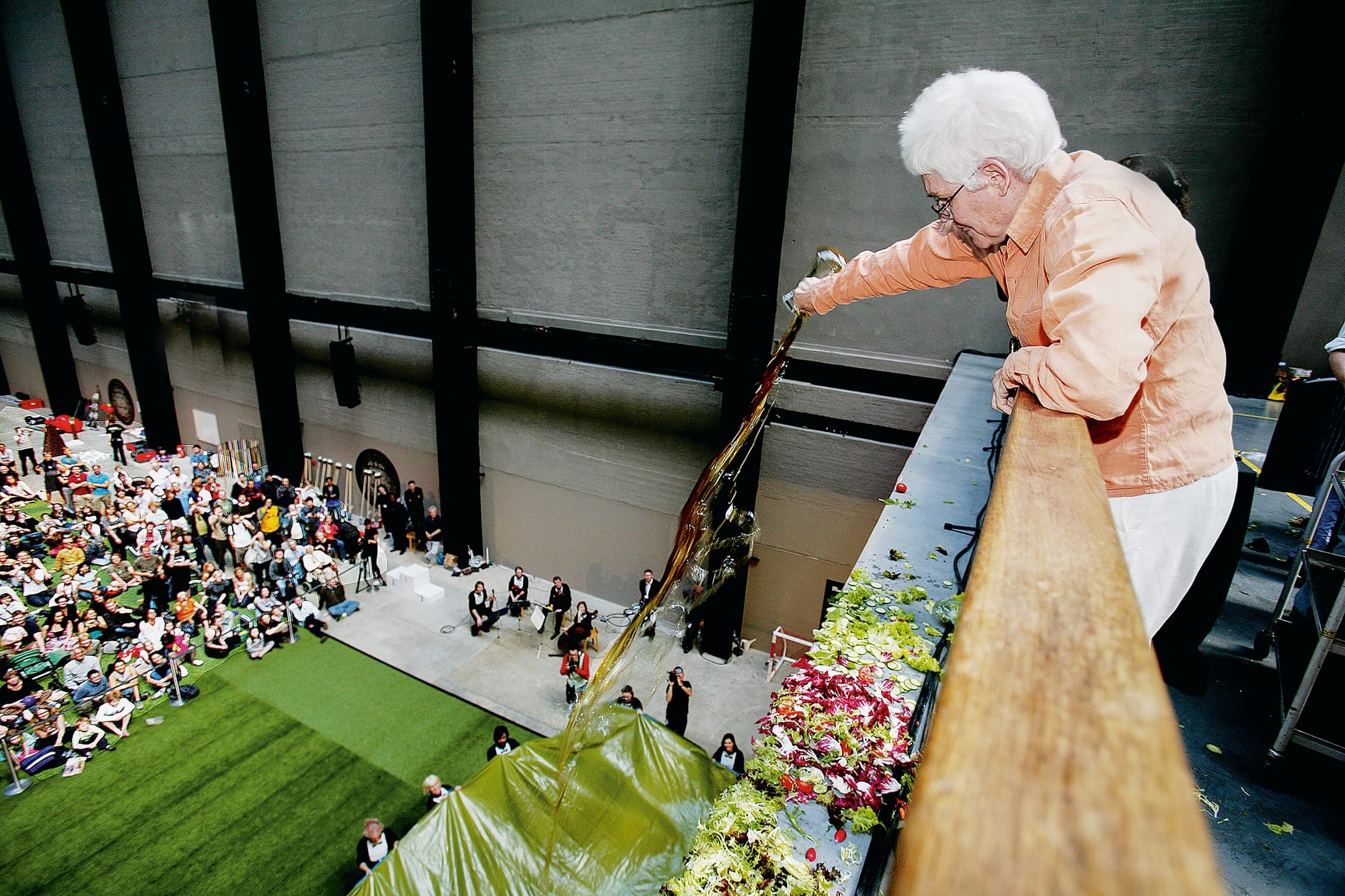
Chopped salads, identical lunches and a poem generated by a 1960s computer all belong to the world of Alison Knowles, the only woman among the founders of Fluxus. Once an international hub for the movement, Nikolaj Kunsthal now gives the American artist (1933–2025) her first full retrospective, tracing six decades of scores, performances and tactile installations built from everyday materials. Visitors encounter early works such as Make a Salad and The House of Dust, one of the first computer-generated poems. Several of her performances are restaged in the hall where Fluxus first reached Denmark.
Naja Zethner: Clocks
Until 26 July 2026
Nikolaj Kunsthal’s Platform space turns over to Naja Zethner for Clocks, a display of eight large coloured-pencil drawings in which spiral-shaped millipedes double as clock faces. Each sheet is as wide as the artist’s outstretched arms, so her own body sets the measure, and the coiled creatures seem to turn, adjust and point. Zethner draws on microscopy, ecology and choreography to treat the image as something living rather than fixed. The project space’s third presentation of the year is curated by the artist collective Jennifee-See Alternate.
🇫🇷 Exhibitions in France
Michelangelo and Rodin: Living bodies
Until 20 July 2026
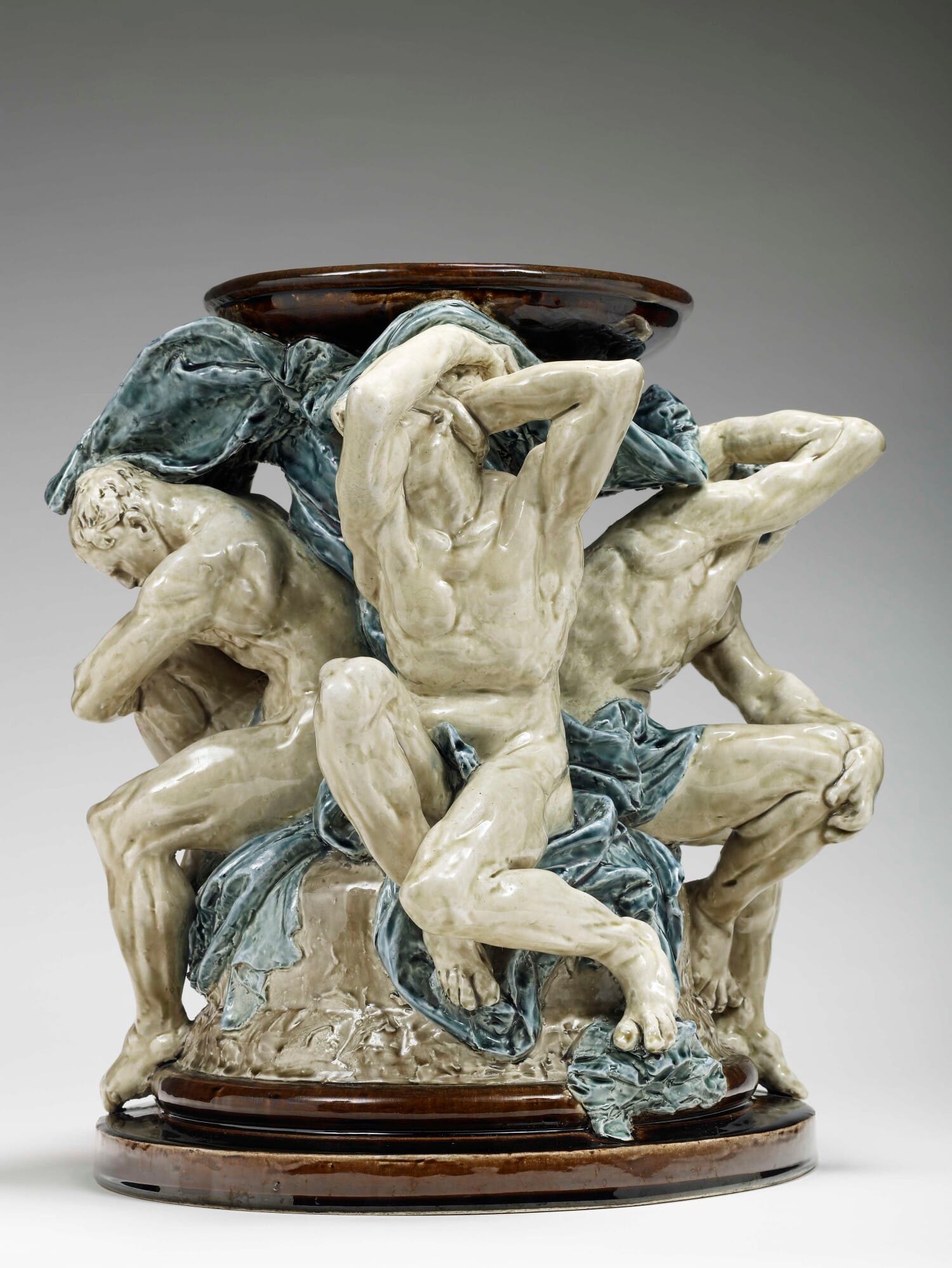
Four centuries separate Michelangelo and Rodin, yet the Louvre sets the two sculptors side by side for the first time, arguing that both treated the human body as a vessel for an intense inner life. Marble, bronze, plaster and terracotta are gathered with paintings across five sections, from the unfinished non finito to questions of energy and movement. Organised with the Musée Rodin, the exhibition reads sculpture less as the shaping of forms than as a testing ground, tracing the borrowings that link a Renaissance Florentine to a restless modern Frenchman.
Martin Schongauer: The beautiful immortal
Until 20 July 2026
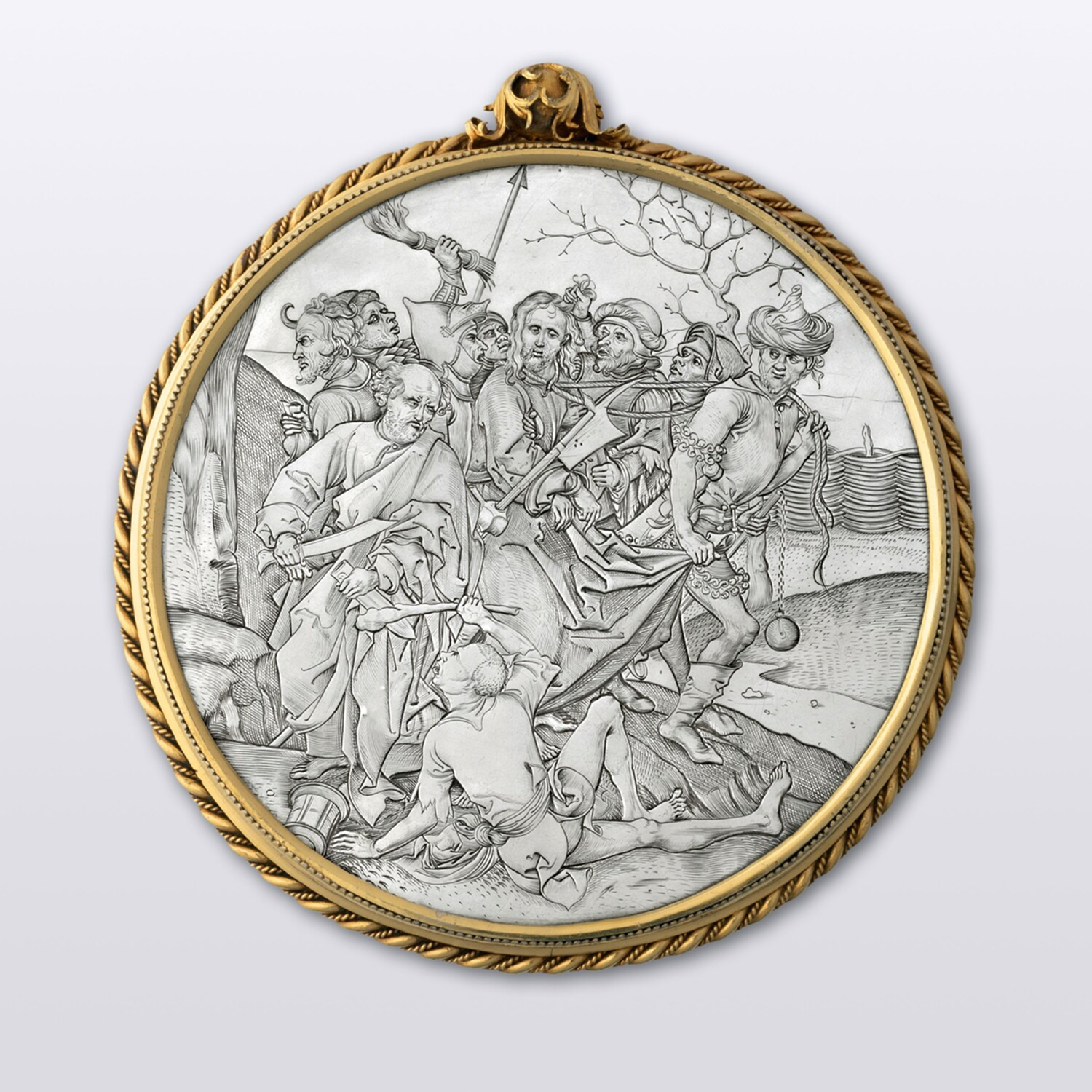
Best known in his own lifetime for engravings cut with a burin of rare precision, Martin Schongauer has seldom been shown as a painter. This Louvre exhibition gathers his drawings and prints alongside a near-complete set of his panels, among them the 1473 Madonna of the Rose Bower, the only one he dated. Born in Colmar around 1445, he had a gift for fine, inventive storytelling and a sharp eye for nature. A closing section follows his designs as they travelled across Europe, copied by other hands well into the seventeenth century.
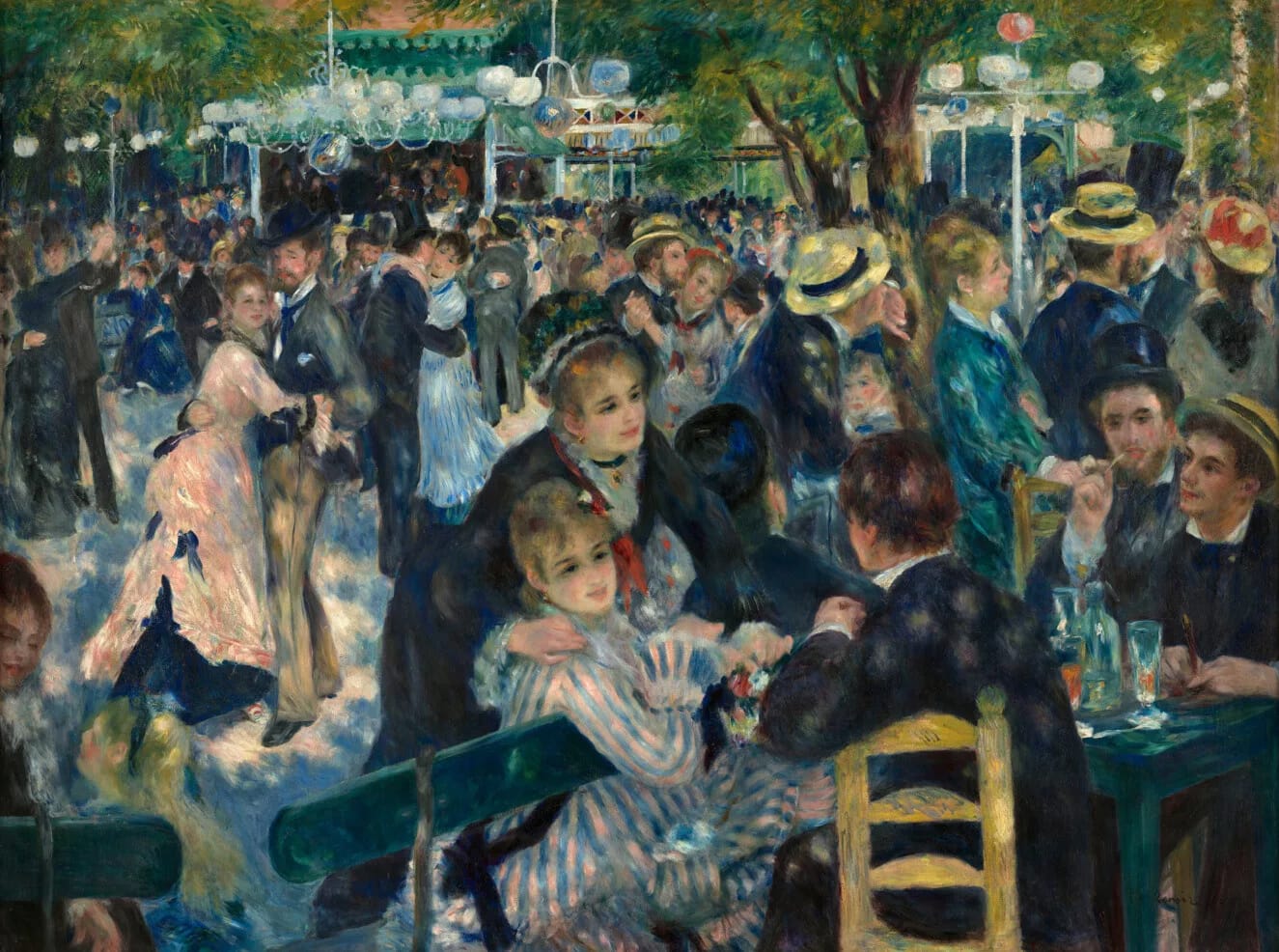
Renoir and Love: A Joyful Modernity (1865–1885)
Until 19 July 2026
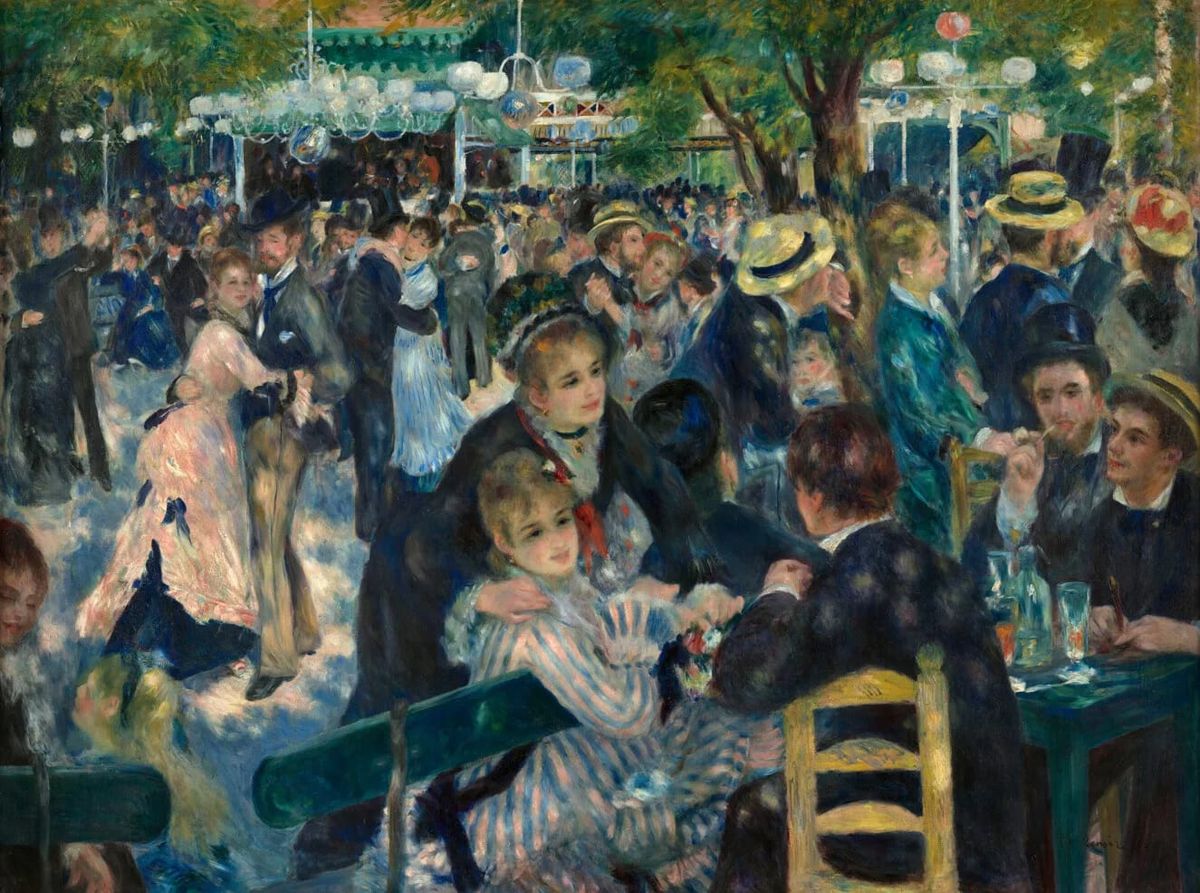
Love supplies both the title and the organising idea of Renoir and Love, the Musée d’Orsay’s reappraisal of the painter’s first two decades. Co-organised with London’s National Gallery and Boston’s Museum of Fine Arts, it reassembles canvases such as Dance at the Moulin de la Galette and Luncheon of the Boating Party, not shown together in France since 1985. Renoir reworked the eighteenth-century courtship party for a modern, mixed-class Paris, picturing flirtation and companionship without sentimentality, and the museum argues these sunlit scenes are more radical than they appear.
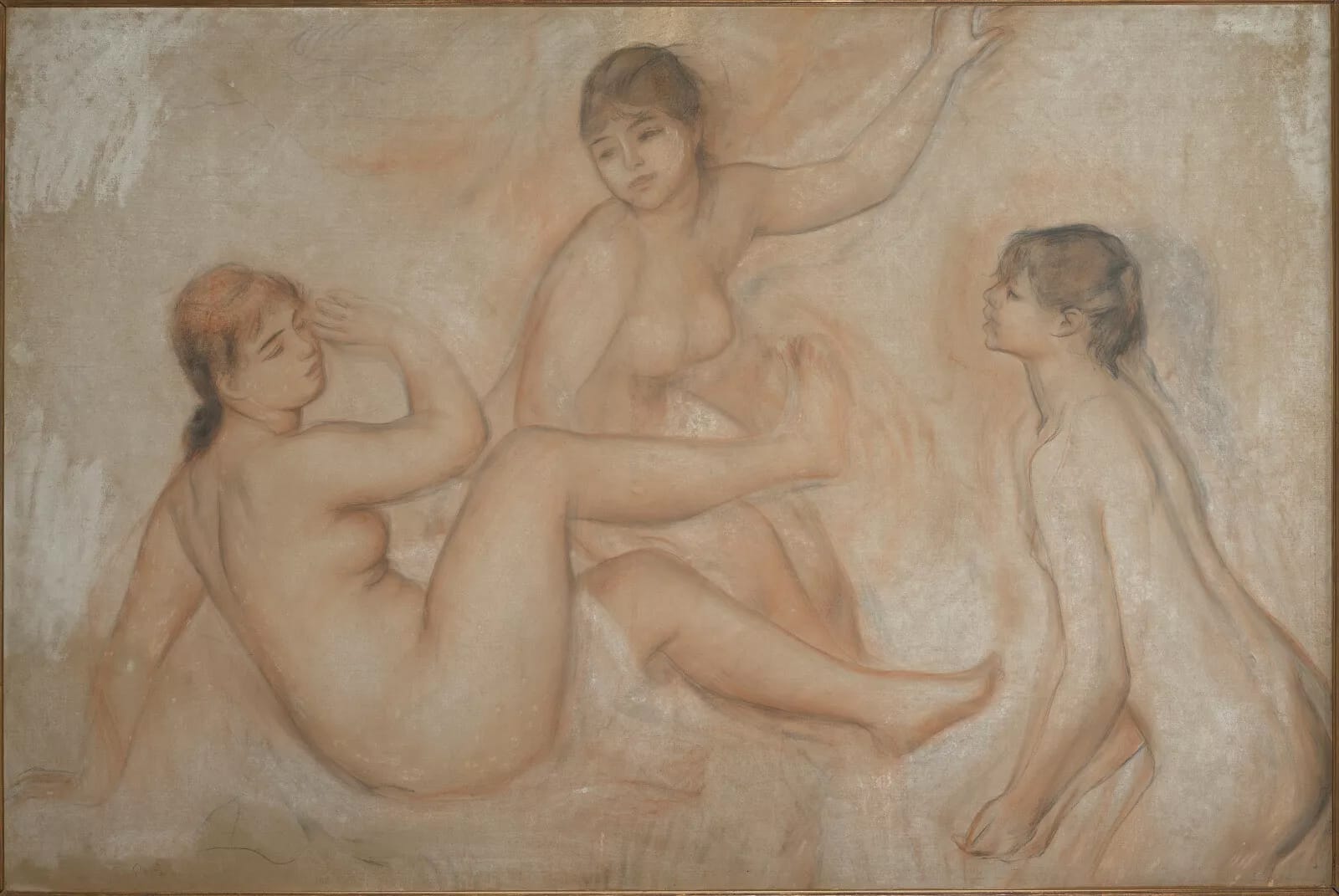
Renoir Drawings
Until 5 July 2026
For all his fame as a colourist, Renoir left only a small and scattered body of works on paper, brought together for the first time at the Musée d’Orsay. Around 100 sheets, several never exhibited, follow his line from student exercises to the loose experiments of his last years, with particular weight on sanguine, the red chalk he favoured from the 1880s. Co-organised with New York’s Morgan Library, the show sets these studies beside finished paintings to reveal a methodical hand, and recalls that Bonnard and Picasso were among his admirers.
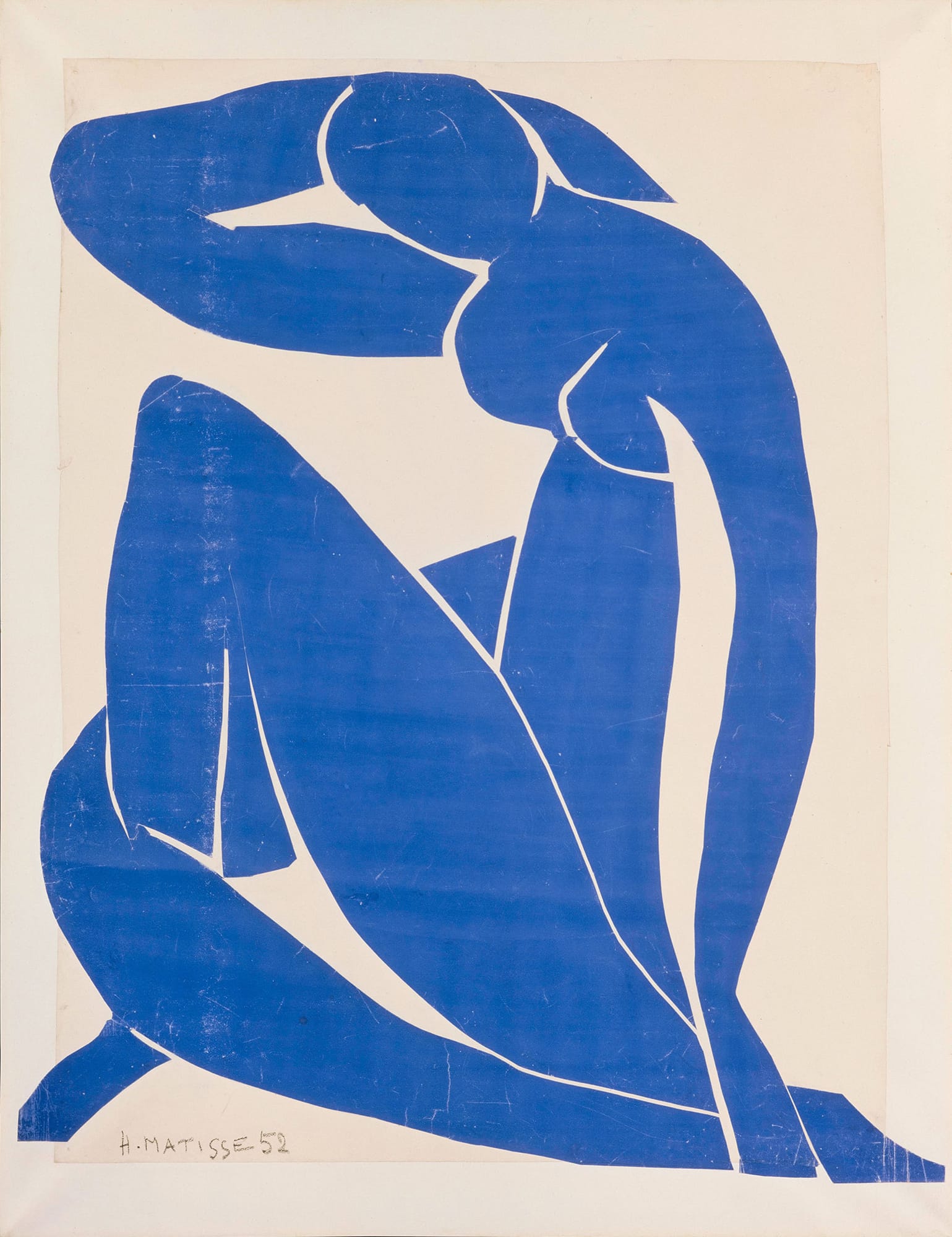
Matisse 1941–1954
Until 26 July 2026
Cut-out gouache became a language in its own right for the elderly Matisse, and the Grand Palais devotes more than 300 works to that final surge. Paintings, drawings, the album Jazz and the great cut-out figures show an artist who, at nearly eighty, reached for a stripped-down expression he believed could touch the universal. The technique served both intimate pages and monumental commissions, from the Vence interiors to the chapel he designed there. Staged with the Centre Pompidou while its own building is rebuilt, the show covers his last and, arguably, freest years.
Laure Prouvost: We Felt A Star Dying
10 June – 26 July 2026
Under the glass roof of the Grand Palais, Laure Prouvost fills the north nave with an immersive environment of video, sculpture, sound, scent and light. We Felt A Star Dying grew out of two years she spent with a philosopher and a physicist exploring quantum theory, and it wears that research lightly. A six-limbed kinetic sculpture, half machine and half creature, anchors the space, while meteorite-like forms hang overhead in a nod to the strange behaviour of subatomic particles. The commission brings the museum’s summer programme to a close.
Artists’ faces
Until 19 July 2026
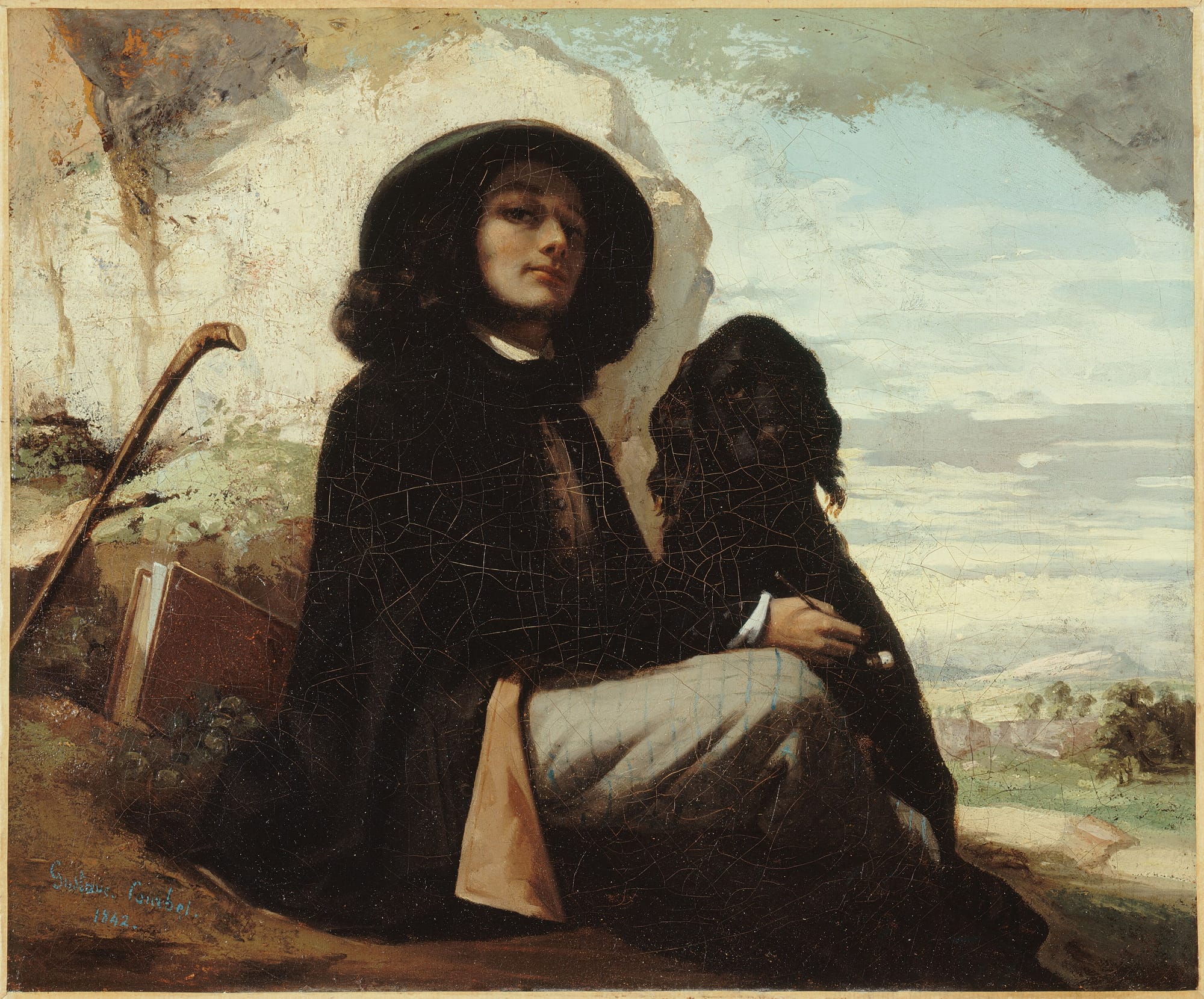
A hundred portraits and self-portraits make up Artists’ faces, drawn largely from the Petit Palais’s own holdings and ranging across painting, sculpture, photography and the decorative arts. Gustave Courbet’s Self-Portrait with a Black Dog hangs near busts of Impressionist painters by Paul Paulin. Scattered through the permanent galleries, works by Sophie Calle, Nan Goldin, Cindy Sherman, Annette Messager and Claire Tabouret answer this largely male tradition with the self-image of the woman artist. The show opens a year that the museum is devoting to women.
Beyond the Arabian Nights: Orientalist Retellings
Until 20 July 2026
With around 300 works, Beyond the Arabian Nights sets out to show how Europe’s images and stories of the East have circulated, mutated and been retold across the centuries. Rather than fix a single idea of Orientalism, the Louvre-Lens follows objects through their many lives, from the moment of making to later journeys and reinterpretations. The display asks how cultural narratives take shape, harden and pass from hand to hand, and what is invented or lost along the way. It is the museum’s main temporary exhibition of the season.
🇩🇪 Exhibitions in Germany
Museum in Motion: A Collection for the 21st Century
Until 26 July 2026
The reopening of the Rieckhallen gives Hamburger Bahnhof room for ten large-scale works drawn from the past quarter-century. Several are recent acquisitions shown publicly for the first time. Anne Imhof, Elmgreen & Dragset and Cevdet Erek feature, along with Jeremy Shaw’s video installation Phase Shifting Index. Installations, sculptures and photo series from the museum’s own holdings sit beside loans from Germany’s federal contemporary collection. The selection asks how a museum of present-day art should respond to technological and social change. It runs as one of four collection displays now filling the museum.
How Pictures Tell Stories: From Albrecht Altdorfer to Peter Paul Rubens
Until 5 July 2026
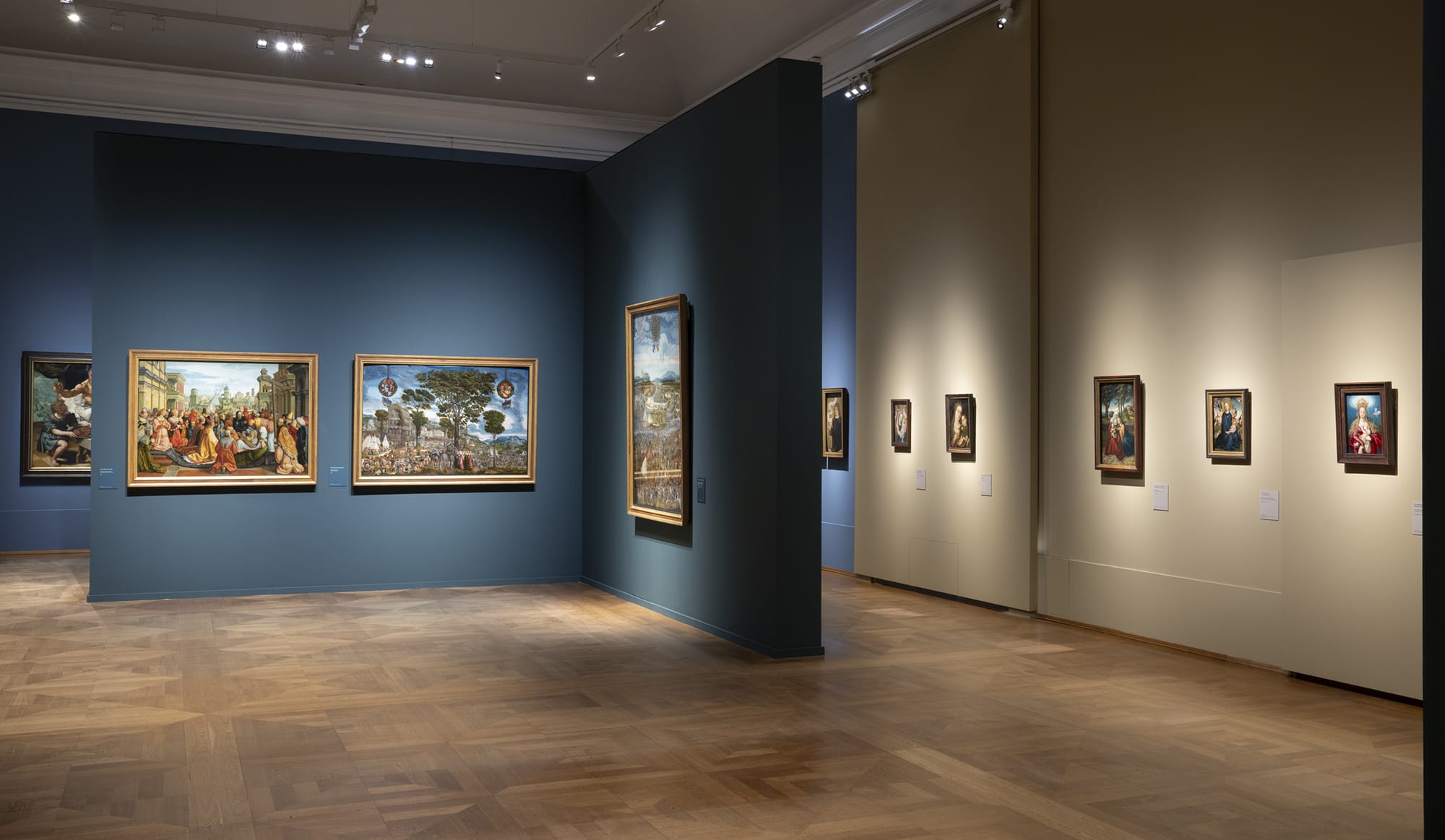
Narrative is the thread running through this gathering of Old Master paintings from the Alte Pinakothek’s own collection. The display shows how artists staged biblical episodes, classical battles and scenes of daily life, then teases out the hidden cues that steered their first viewers. Albrecht Altdorfer’s The Battle of Alexander at Issus and Pieter Bruegel the Elder’s The Land of Cockaigne mark the route through German and Netherlandish painting. Hans Baldung Grien’s Virgin as Queen of Heaven enters as a recent acquisition shown for the first time. The rooms occupy the ground floor’s west wing.
Monet on the Normandy Coast: The Discovery of Étretat
Until 5 July 2026
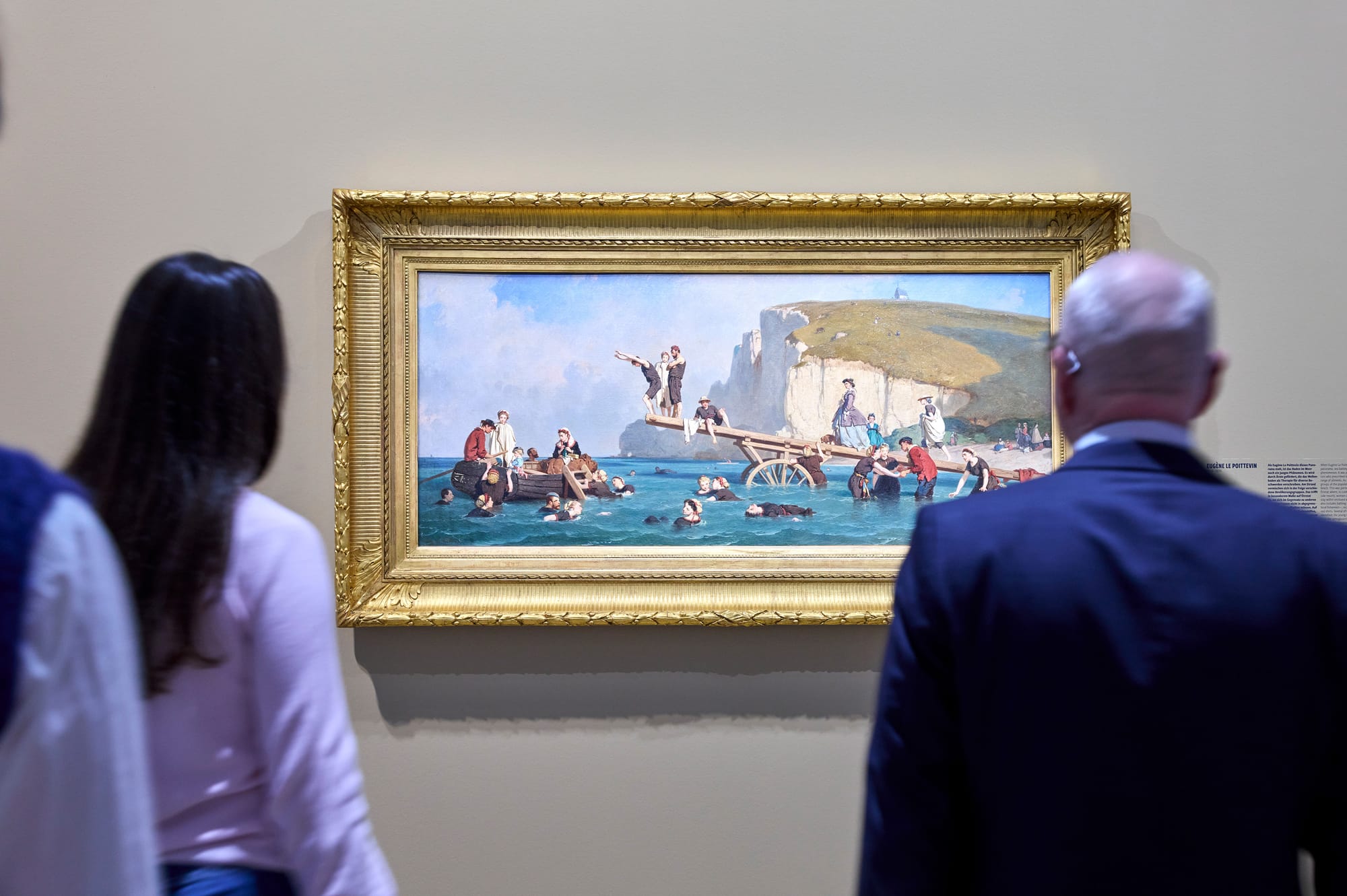
Étretat and its chalk cliffs drew nineteenth-century painters to the Normandy coast, where three natural rock arches and shifting light proved hard to resist. The Städel brings together around 170 paintings, drawings, photographs and documents to chart how this fishing village shaped modern art. Twenty-four works by Claude Monet sit at the heart of the show, tracing the serial method he first tried among the cliffs. Courbet’s The Wave and Félix Vallotton’s 14 July in Étretat extend the company, with Corot, Boudin and Matisse close by. A closing section weighs tourism and erosion against the myth the artists built.
A–Z. Mapping the Future II
Until 26 July 2026
In the Stirling Hall, this year’s graduates of the State Academy of Fine Arts Stuttgart present their final projects. More than forty take part. Now in its second edition, the series gives young artists a platform in the city and links the school with the museum. Works hang in alphabetical order by surname, a neutral arrangement that lets the range of practices speak. Painting, performance and art education figure among the degree programmes represented. The display opens on 15 July and closes eleven days later.
🇭🇺 Exhibitions in Hungary
Outside and Inside. The Art of László Iványi 1958–1975
Until 26 July 2026
Hungarian audiences have had few chances to see the work of László Iványi, a painter who left Budapest for Paris in 1956 and stayed until the mid-1970s. This small show in the graphic cabinet follows his progress from assured student drawings to a confident, colour-driven abstraction. Its centrepiece is No Bedroom for Miss Doude of 1967, a canvas almost three metres tall that once hung at the Paris Biennale. Works on paper trace his debt to Dubuffet, Reigl and Fautrier. It belongs to the gallery’s run of shows on émigré artists.
Back to Nature
Until 4 July 2026
Nature serves as both subject and method in this pairing of recent work by franyo aatoth and Motoko Tachikawa. The title reaches in two directions at once, towards a return to the natural world and towards the slow transformation of matter. aatoth, who reached Paris in 1978 with Victor Vasarely’s backing, now paints on canvases inherited from Vasarely in his Letters to VV series. Tachikawa builds her surfaces from layered pigment, drawing on the wild gardens she saw in Scandinavia. Bold, high-keyed colour runs through both.
🇮🇹 Exhibitions in Italy
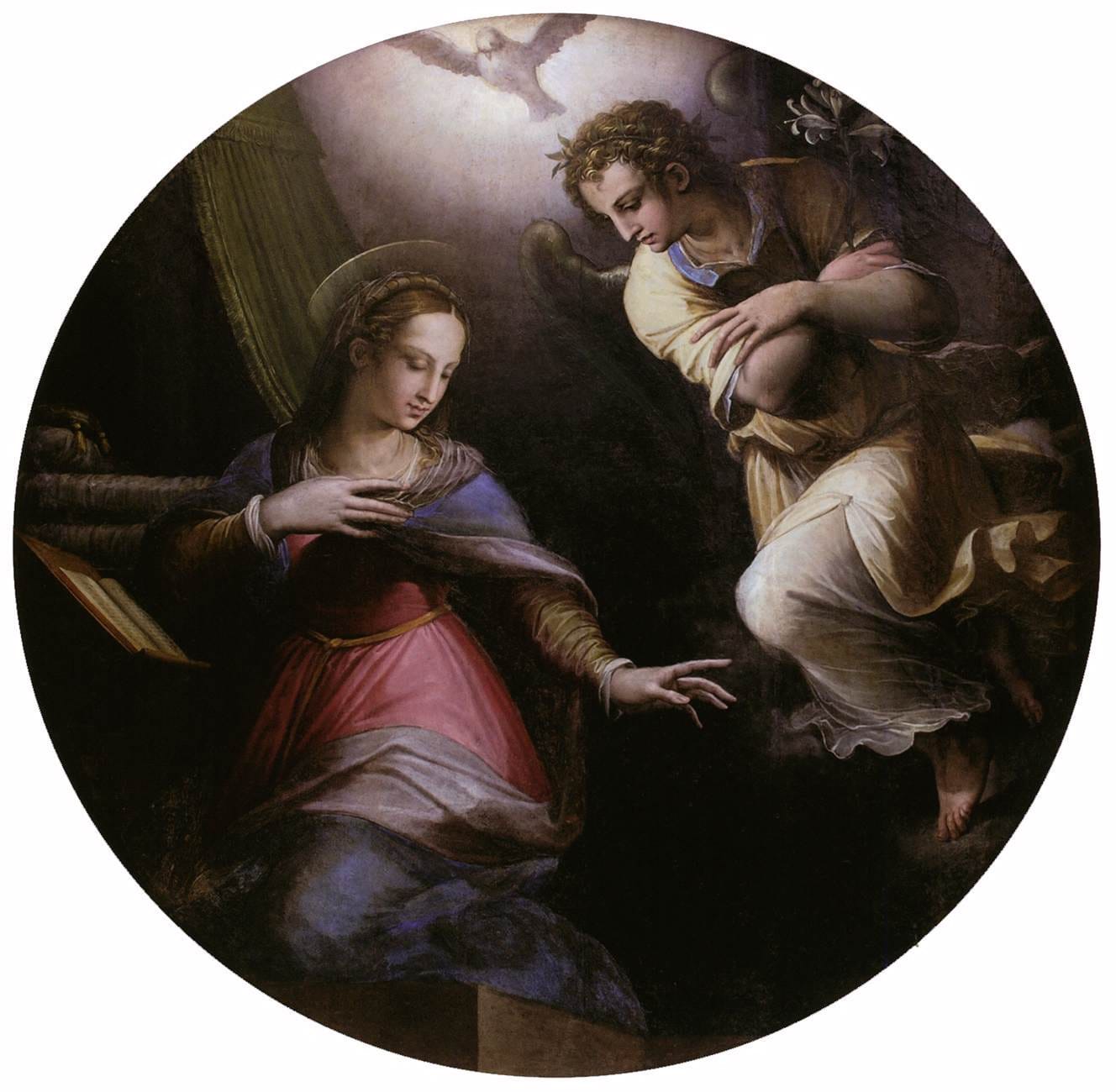
Vasari e Roma
Until 19 July 2026
Rome shaped Giorgio Vasari as painter, architect and writer, and Palazzo Caffarelli now repays the debt. The show marks 450 years since his death and follows the stays that built his career in the papal capital. More than seventy works appear, including sixteen autograph paintings and seven drawings. Vasari measured himself against the antique and against Raphael and Michelangelo, the figures who shaped both his brush and his celebrated Lives. Loans come from the Uffizi, Palazzo Barberini and Capodimonte. The Nativity known as the Notte di Camaldoli is among the highlights.
Parthenope. The Siren and the City
Until 6 July 2026
In Neapolitan myth, the siren Parthenope founded the city and gave it her name. She has haunted the city’s imagination ever since, and this exhibition follows her across nearly three thousand years. More than 250 works run from the eighth century BC to the present, drawn from over forty museums. The displays track how sirens changed shape across the centuries, from birds with human heads to the fish-tailed women of later legend. A new entrance-hall piece by Francisco Bosoletti reimagines Parthenope’s fatal dive into the sea.
I Segni dei Tempi. Carlo Maria Mariani a Capodimonte
Until 14 July 2026
A single gift sets this small show in motion. The Carlo Maria Mariani Foundation in New York has given Capodimonte the painter’s I Segni dei Tempi of 2019, and the museum responds with a tribute in a first-floor room. Seven further canvases on loan from private collections join it, reaching back to the 1970s. Mariani, who died in 2021, was called the last of the ancients and the first of the contemporaries, fusing the classical past with conceptual art. The title work itself sets Duchamp’s Bottle Rack inside a space borrowed from Raphael’s Villa Farnesina loggia.
🇱🇺 Exhibition in Luxembourg
Das Einen
Until 26 July 2026
This group show by Visarte Liechtenstein and its guests puts collaboration ahead of the finished object. Six small teams of artists spend the opening fortnight working side by side in the gallery, which becomes an open studio the public can walk through. The room then changes character, and for the remaining weeks it shows the results, whether finished or still in progress. On Friday evenings the space hosts informal gatherings around a purpose-built bar. The emphasis throughout falls on what connects people rather than what separates them.
🇱🇺 Exhibitions in Luxembourg
Shadow of Water
Until 19 July 2026
Found materials and the building’s own fabric are the raw stuff of Tetsuya Umeda’s work at Casino Luxembourg. The Japanese artist assembles installations from objects and conditions he encounters on site, letting the architecture itself shape what emerges. Sound runs through the practice, and Umeda is widely regarded for his work in that field. Three Thursday evenings in late June and July add live performances to the show. Entry is free. The result reacts to its immediate surroundings rather than arriving as a fixed, finished object.
Et leeft
Until 19 July 2026
Menstruation affects roughly half the world’s population at some point, yet it remains a subject hedged by silence. This exhibition sets out to break that silence through museum objects, interviews, music, film and art. It traces how menstrual products have changed since the late nineteenth century and gathers the testimony of people who menstruate. The Luxembourg chapter takes in the 2021 petition for menstrual leave and the free sanitary products now distributed in the city’s public toilets. Conceived by Berlin’s Museum Europäischer Kulturen, the show has been reworked for a local audience.
🇳🇱 Exhibitions in the Netherlands
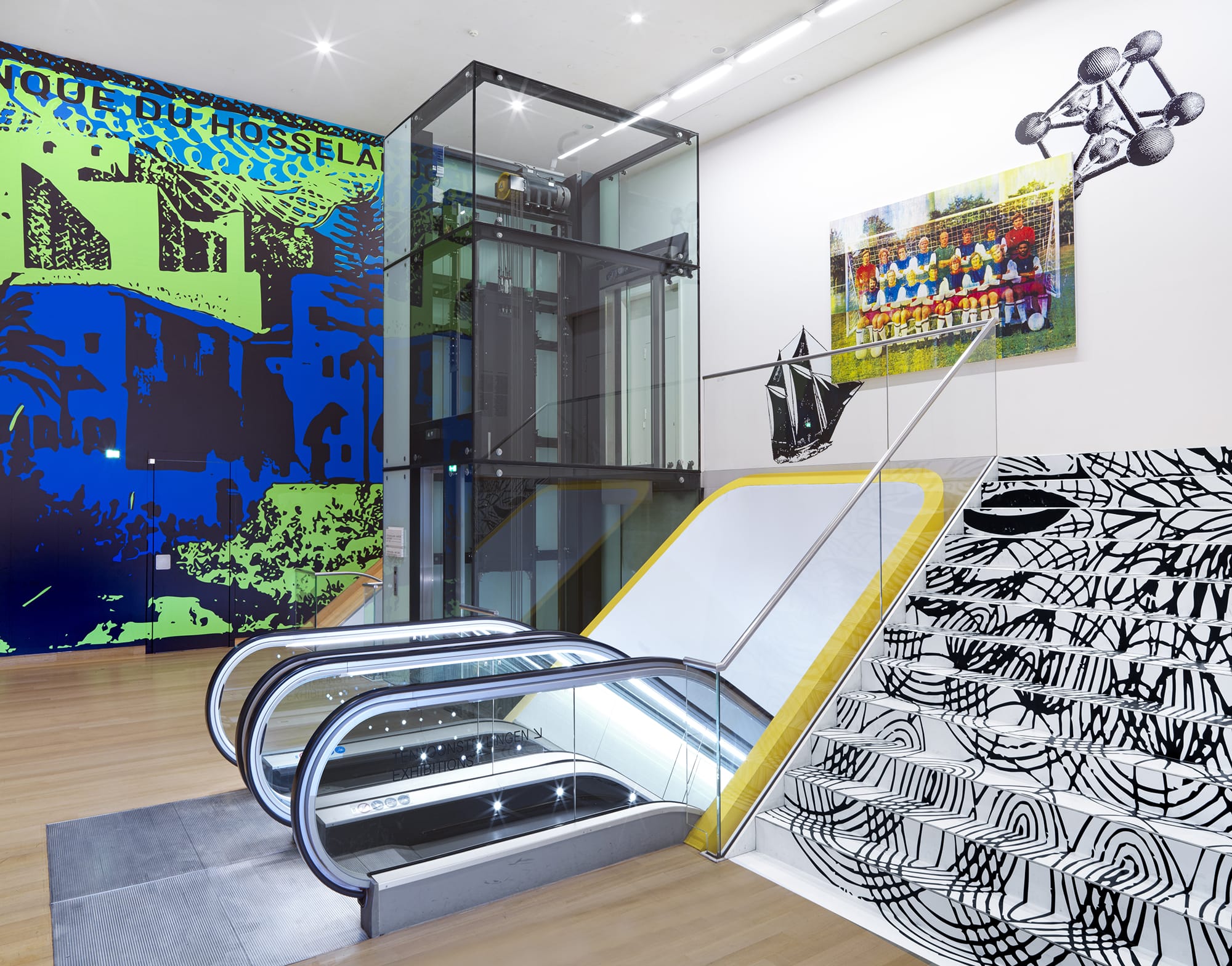
In Situ #2: Farida Sedoc — Social Capital
Until 2 July 2026
For the second edition of its In Situ series, the Stedelijk has handed the mezzanine of its new building to Farida Sedoc. The Dutch artist fills the space with a large site-specific work rooted in graphic design and textile. Questions of heritage, intersectionality and the reach of the money economy run through the installation. Printed banners and fabric pieces carry slogans, among them No Justice No Peace. The two-part Lobi e Meki Yu Yeye Gro anchors the display, which takes its title from a 2025 collage.
Mix & Match: Barbara Visser
Until 5 July 2026
A new series at Kunstmuseum Den Haag invites contemporary makers to respond to the collection, and Barbara Visser opens it. At its core is her film Alreadymade, which reconstructs the life of the Dada artist Elsa von Freytag-Loringhoven. This German artist and poet has long been overshadowed in histories of the period, and the film asks why. Around it hang works that circle the same questions of women as artists and as models. They include Charley Toorop’s Damesportret and Man Ray’s Cadeau. A bedroom suite designed by Piet Zwart in 1917 completes the conversation.
🇪🇸 Exhibitions in Spain
The artist’s world through the camera
Until 5 July 2026
Long before it became an art form in its own right, photography served nineteenth-century painters and sculptors as a working tool. Drawn entirely from the museum’s own archives, this Prado show gathers the images they made of themselves, their studios and their work in progress. Photographs from the Madrazo family sit beside those of Cecilio Pla, the sculptor Agustín Querol and the painter Fernanda Francés. Together they show artists testing a new way of recording reality. The display marks the point at which a fresh discipline began to take shape.
Gomis Transatlantic
Until 12 July 2026
In 1922 the young Catalan Joaquim Gomis crossed the Atlantic to study the American cotton trade for his family’s Barcelona firm. He travelled with a camera, and the pictures he brought home fill this small foyer display. They record cotton fields, bales and the workers who handled them, with glimpses of a society shaped by the car and by segregation. One image shows men loading a cart with bales in Brownwood, Texas. Gomis was barely twenty at the time, and would later chair the Fundació Joan Miró.
Michael Kleine: Sala 14 Cripta
Until 5 July 2026
Down in the Espai 13 gallery, the Berlin-based artist Michael Kleine has built something closer to a stage set than a conventional show. He borrows historical objects from the Museu Frederic Marès and arranges them so that shifting light, sound and movement govern how visitors feel in the room. Stripped of their original settings, the pieces take on fresh meaning, and Kleine treats energy as a current running through history with a spiritual charge. The project belongs to a season-long Espai 13 cycle and is co-produced with two other Barcelona institutions.
🇨🇭 Exhibitions in Switzerland
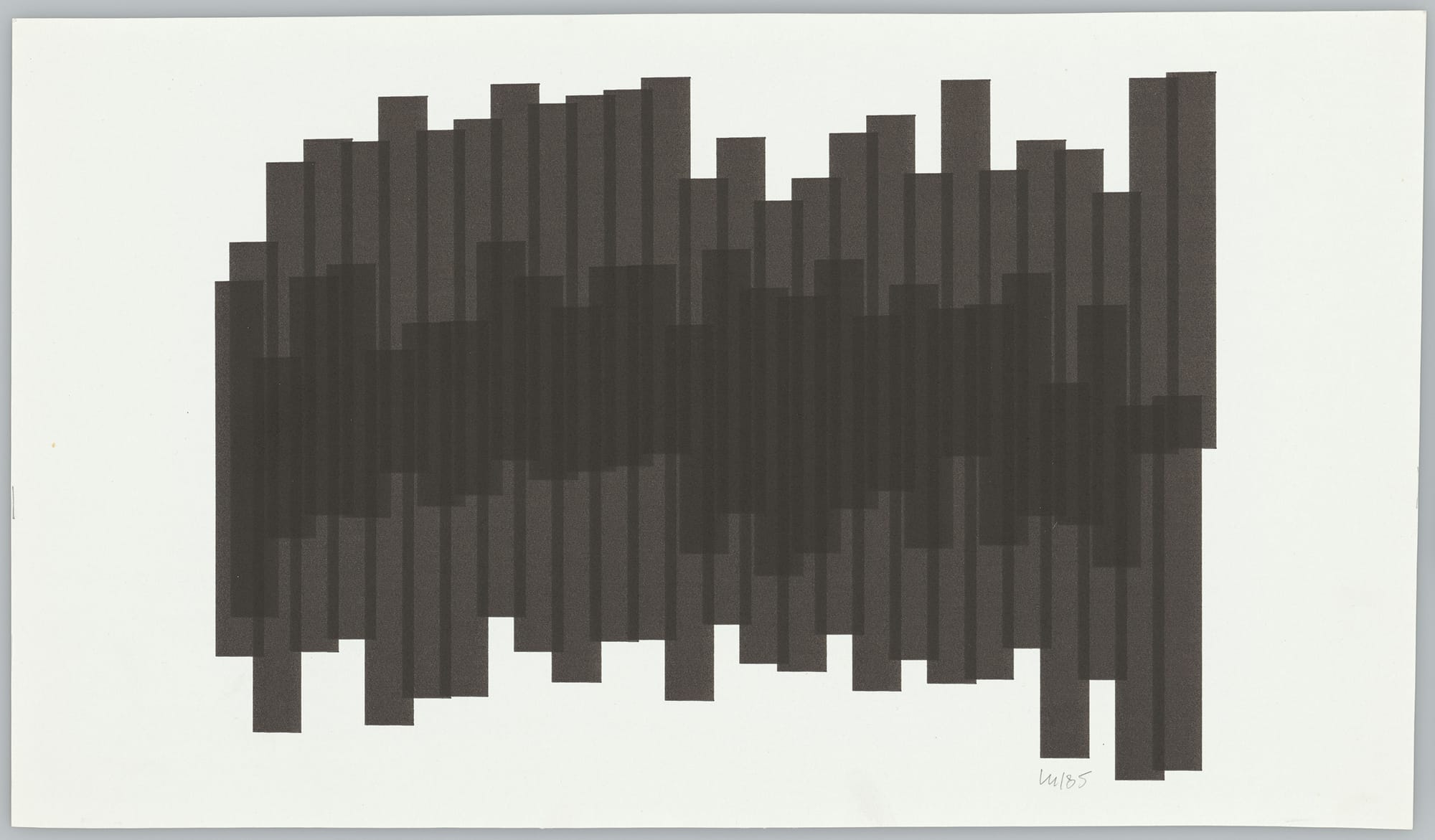
Vera Molnár. Possibilities
Until 26 July 2026
Decades before personal computers, Vera Molnár was generating images by algorithm, working first in her head and later with a plotter. This show in the graphic cabinets gathers twenty-eight print editions she made between 1991 and 2023 at the Basel studio Éditions FANAL. The square is her recurring motif, set up and then knocked gently off balance. The screen-print series Triangles was her last, sparked by light falling through a door at her care home. When FANAL closed in 2025 it gave its Molnár holdings to the Kupferstichkabinett.
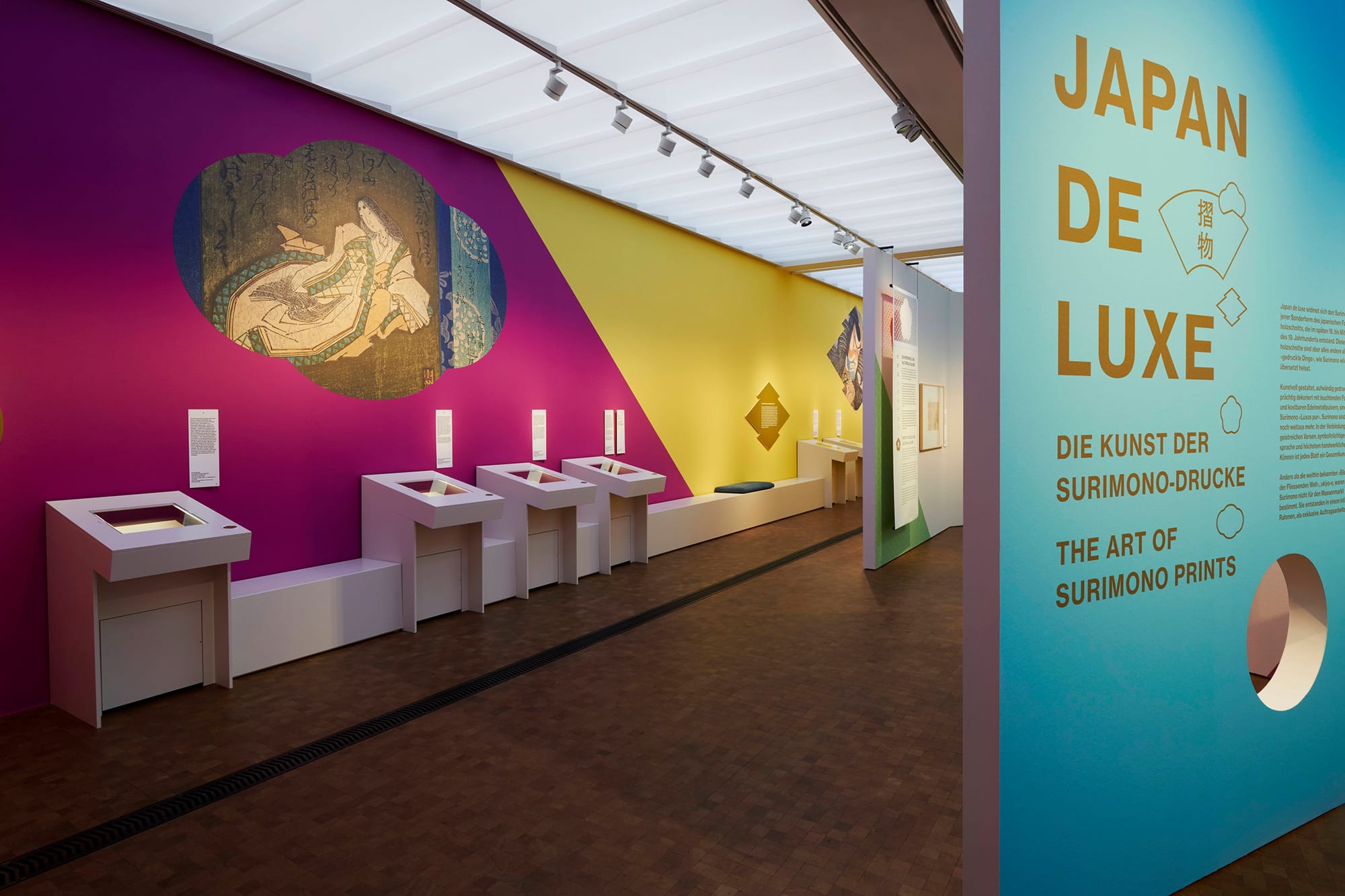
Japan de luxe. The Art of the Surimono Prints
Until 12 July 2026
Surimono were the luxury prints of Edo Japan, commissioned in small runs on thick paper to mark a festival or milestone and given as gifts. Museum Rietberg shows more than a hundred of them, most donated by Gisela Müller and Erich Gross. Hokusai, Utamaro and Kunisada appear among the masters represented, alongside specialists such as Totoya Hokkei and Yashima Gakutei. Many pair a finely printed image with a few lines of poetry. Because the sheets are so light-sensitive, the museum swapped the entire selection in February. It is a quiet, exacting corner of woodblock printmaking.
Panorama Switzerland. From Caspar Wolf to Ferdinand Hodler
Until 5 July 2026
Drawn from the museum’s own holdings, this survey follows Swiss painting from the late eighteenth century to the early twentieth century. It is arranged by theme rather than date, moving between alpine landscapes, rural genre scenes, Symbolist figures and the leisure of the comfortable classes. Caspar Wolf’s mountains hang at one end of the story and Ferdinand Hodler’s at the other, with Anker, Vallotton and Giovanni Giacometti in between. The hang doubles as a tour of the collection’s Swiss strengths, from Romantic alpine peaks to the threshold of modernism.
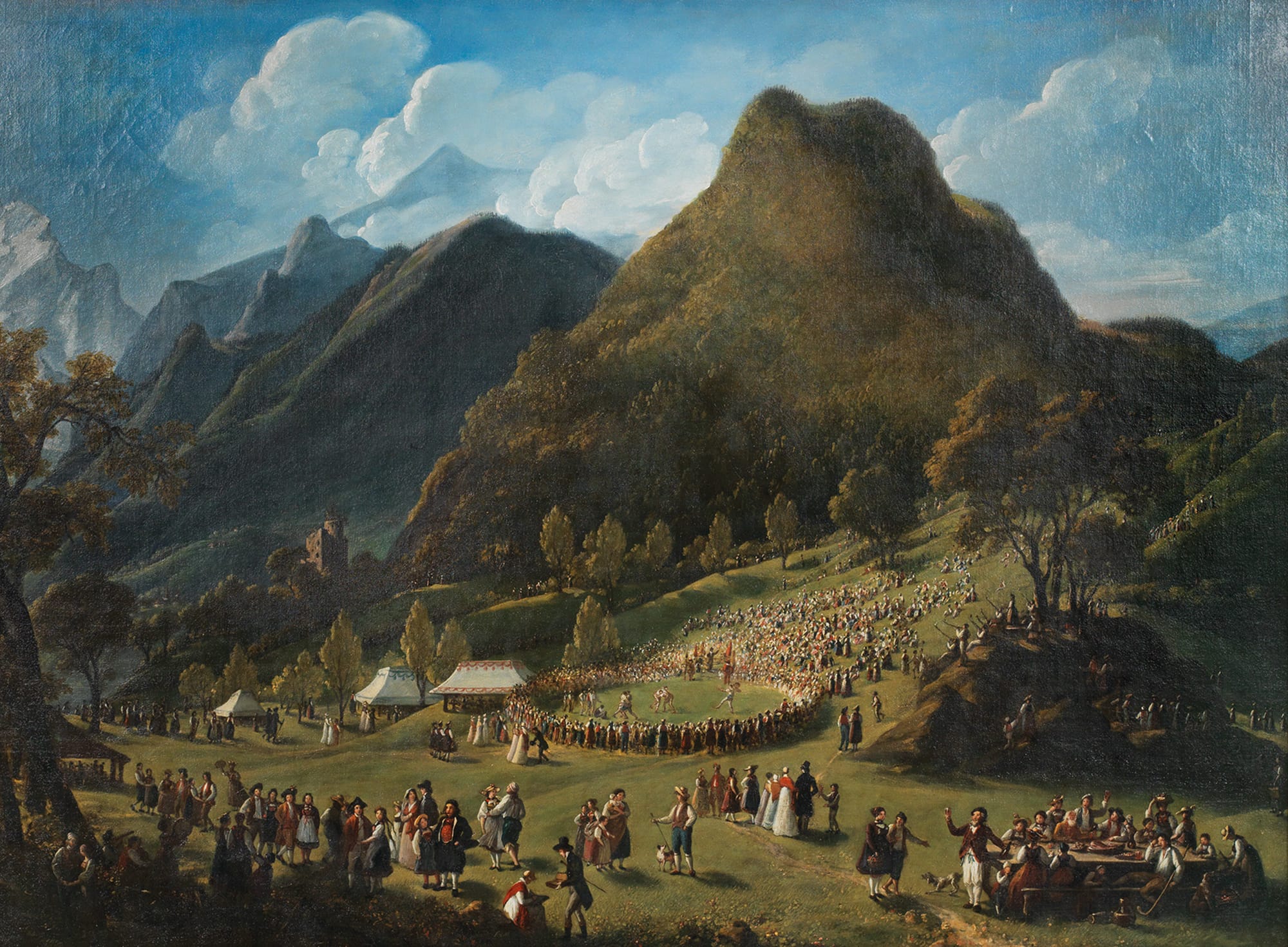
Expressionism Foundation. From Gabriele Münter to Sam Francis
Until 5 July 2026
A private collection comes into public view here for the first time as a whole. Built by Hans Rudolf and Silvia Tschumi, the Expressionism Foundation holds twenty-five works, and all of them hang together at the Kunstmuseum Bern. German Expressionism leads the way, with Emil Nolde, Max Pechstein, Gabriele Münter and Marianne von Werefkin. The Basel group Rot-Blau follows, and the trail runs on into post-war painting by Karel Appel, Sam Francis and Teruko Yokoi. The show honours Hans Rudolf Tschumi, who died in 2025.
![Karel Appel, Le coq furieux [The furious rooster], 1952.](https://storage.ghost.io/c/8b/8a/8b8aced3-3e39-4a0f-8609-5432c9e814b4/content/images/2026/05/18-karel-appel.jpg)
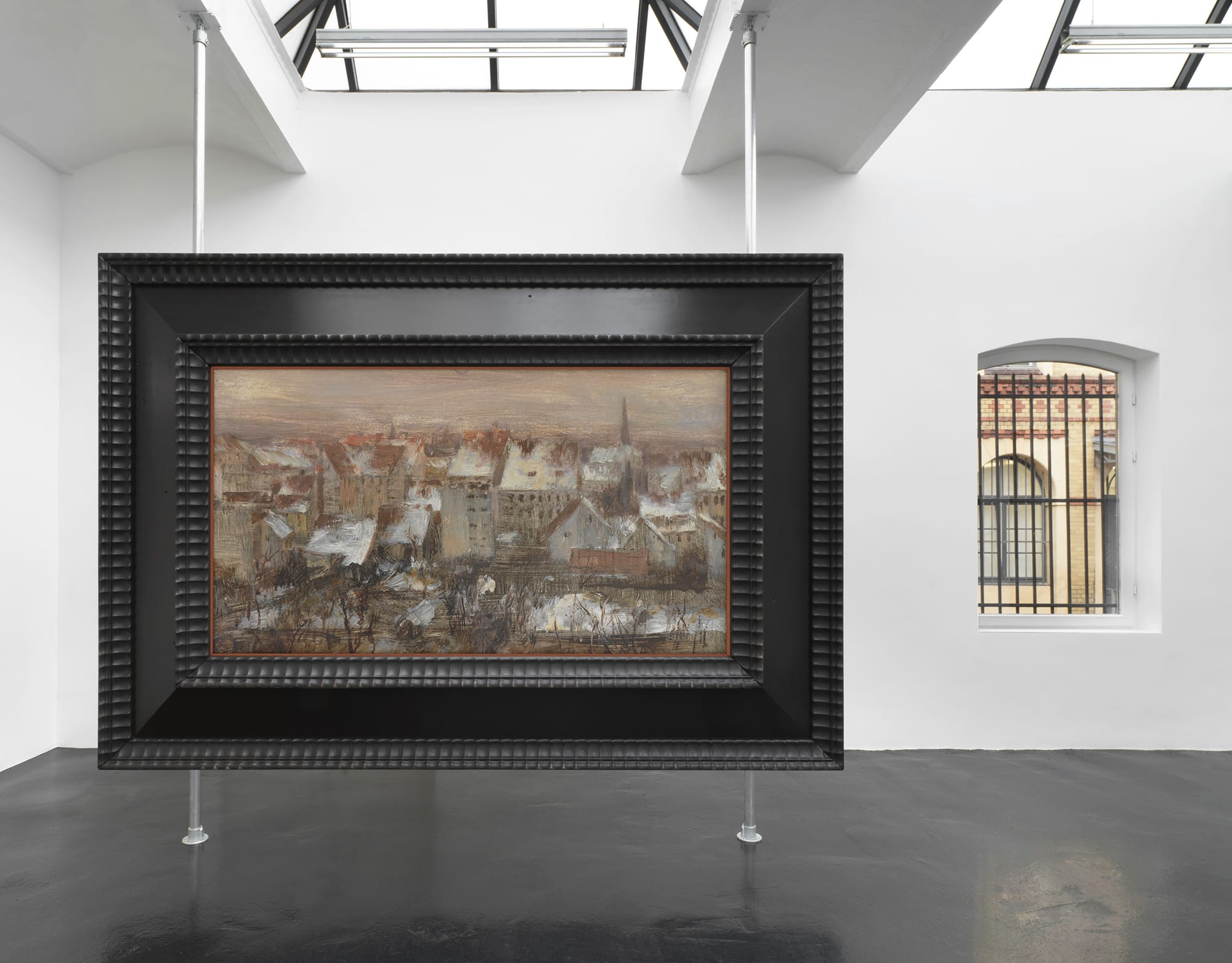
Simon Starling
Until 5 July 2026
Behind this exhibition lies a single small winter scene by Adolph Menzel. The British artist Simon Starling used an elaborate 3D-printing process to rebuild the painter’s 1847 view of Berlin back yards as a room-sized installation, frame and all. Beside it sits a photograph of the same courtyard as it looks today. Known for work on ecology and economics, Starling reads the old picture as a starting point rather than a relic. The piece hangs among paintings from the Oscar Reinhart Foundation at the Reinhart am Stadtgarten.
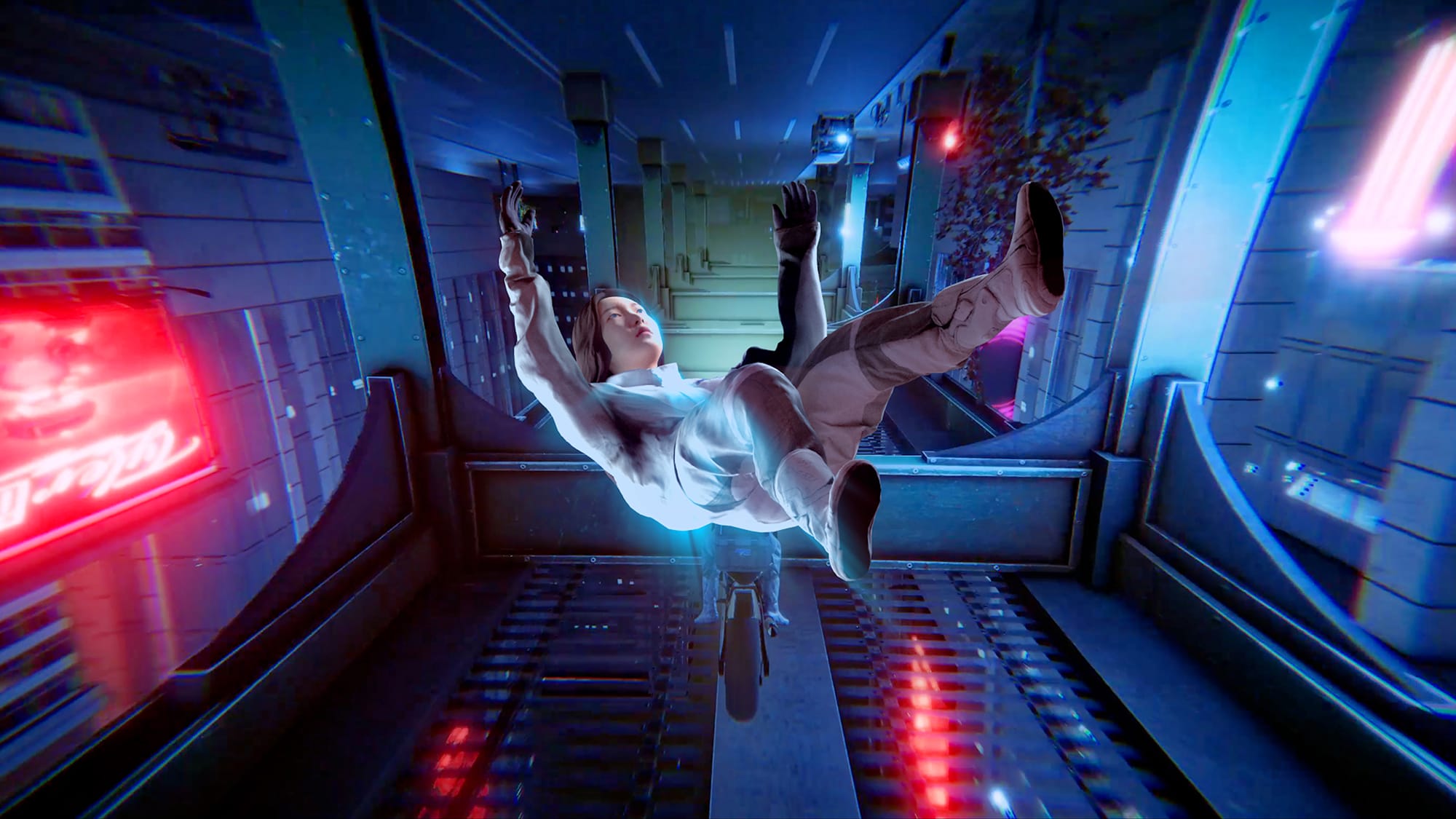
K-NOW! Korean Video Art Today
Until 19 July 2026
Eight artists and collectives map the current state of Korean video art at the LAC. Their films run to roughly a hundred minutes in total and circle a shared set of concerns: technology and the body, memory and tradition, migration and the changing shape of work. Ayoung Kim’s Delivery Dancer’s Sphere, Chan-kyong Park’s Citizen’s Forest and Onejoon Che’s Made in Korea are among the works on view. The selection deliberately favours a younger generation over established names. Video here is treated as Korea’s restless contemporary medium.
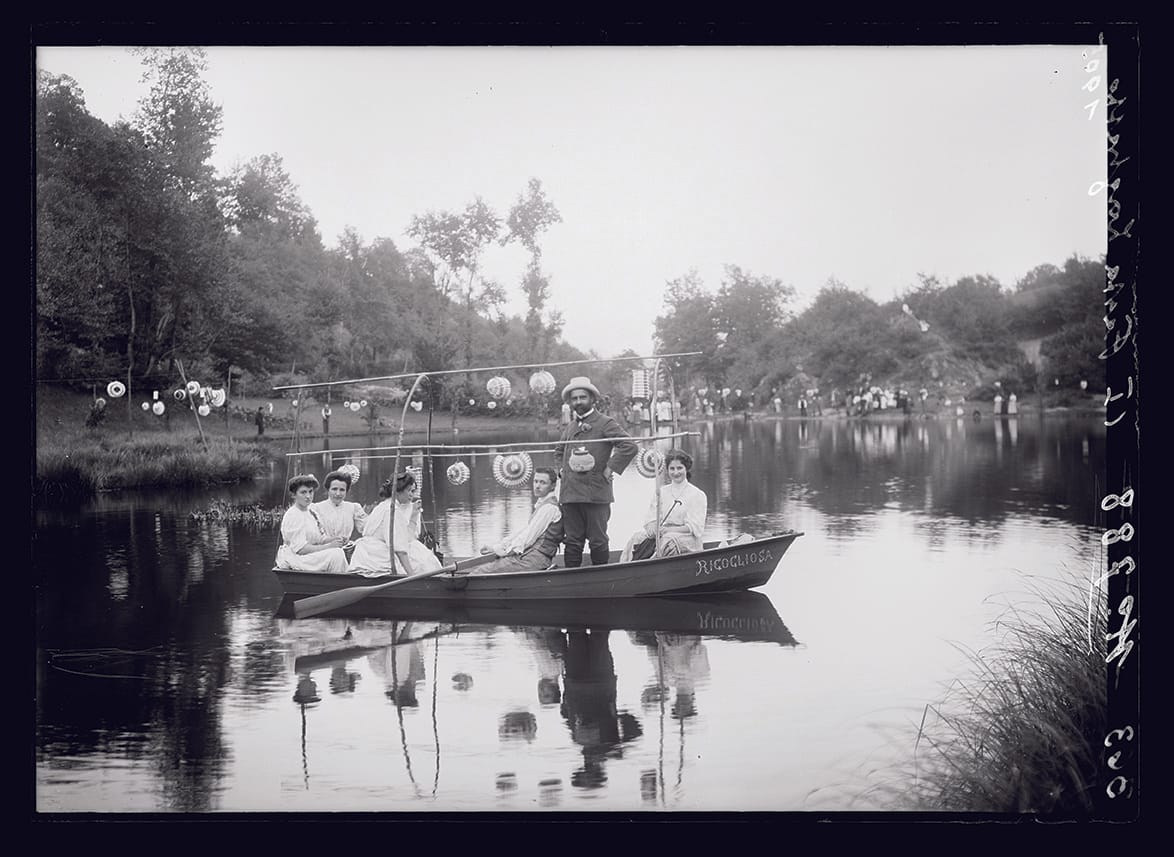
Sentiment and observation. Art in Ticino 1850–1950
Until 26 July 2026
Italian in culture but Swiss by statehood, Ticino occupies a border of its own. This collection display traces what that meant for the region’s artists across the century from 1850 to 1950. They absorbed currents from both south and north, producing a regional school with its own character. Loans from collections in Winterthur and Tenero round out the museum’s holdings. Richard Seewald’s Schildkröte mit Kerbel of 1923 supplies the poster image. The hang reaches from the young federal state to the end of the Second World War.
🇬🇧 Exhibitions in the United Kingdom
Sufi life and art
Until 26 July 2026
Sufism is the mystical strand of Islam, and this free display traces it from its eighth-century beginnings. It follows the tradition across the Middle East, Africa and northern India, drawing out themes of divine love, poverty and self-denial. The objects all come from the British Museum’s own holdings: a brass begging bowl, a reed flute, calligraphy, miniatures and glazed wall tiles. A painting of the Haft awrang of the poet Jami is among the highlights. It hangs in Room 43a and asks nothing at the door.
Recoverist Curators: Re-imagining the World We Live In
Until 5 July 2026
At the Whitworth, the curators are people in recovery from addiction, invited to read the collection through their own experience. Working with the Manchester charity Portraits of Recovery, they have picked and reframed works under what the project calls a Recoverist Lens. Their selections treat recovery not as a finish line but as an ongoing, day-to-day practice. The displays gather stories of fear, hope and desire, and make the case for art as a tool for change. It forms part of Chaordic, a three-year programme run with two other Manchester galleries.