117 art exhibitions around Europe closing in August 2026
At the British Museum, a Chinese scroll painted more than a thousand years ago is on view for six weeks. The show closes on 24 August. It is one of 117 across thirteen countries in this issue, the rest ending on their own dates through the month. Some fill a whole museum; others, a single room.

At the British Museum, a Chinese scroll painted more than a thousand years ago is on view for six weeks, the most daylight its conservators allow it in a year. The show closes on 24 August. It is one of 117 across thirteen countries in this issue, the rest ending on their own dates through the month. Some fill a whole museum; others, a single room.
In Paris, the Grand Palais shows the spiral paintings Hilma af Klint kept private in her own lifetime, while the Fondation Louis Vuitton gives its galleries, and for once its lawn, to Alexander Calder. Cologne has Yayoi Kusama’s mirrored rooms; Vienna has Richard Prince’s reworked advertisements at the Albertina; London has Tracey Emin at Tate Modern. In Amsterdam, Foam marks Martin Parr, the chronicler of the British seaside, who died last year.
A few of these shows reach much further back in time. At the National Gallery, London gives Francisco de Zurbarán his first showing in Britain; Rome has three gilded bronzes hauled from the Tiber in 1878 and left in storage for most of the time since. And in Turin, two pieces from the tomb of Kha and Merit — a pyramidion and a Book of the Dead, both lent from Paris — have rejoined the rest of the find for a few months before they go back.
🇦🇹 Exhibitions in Austria
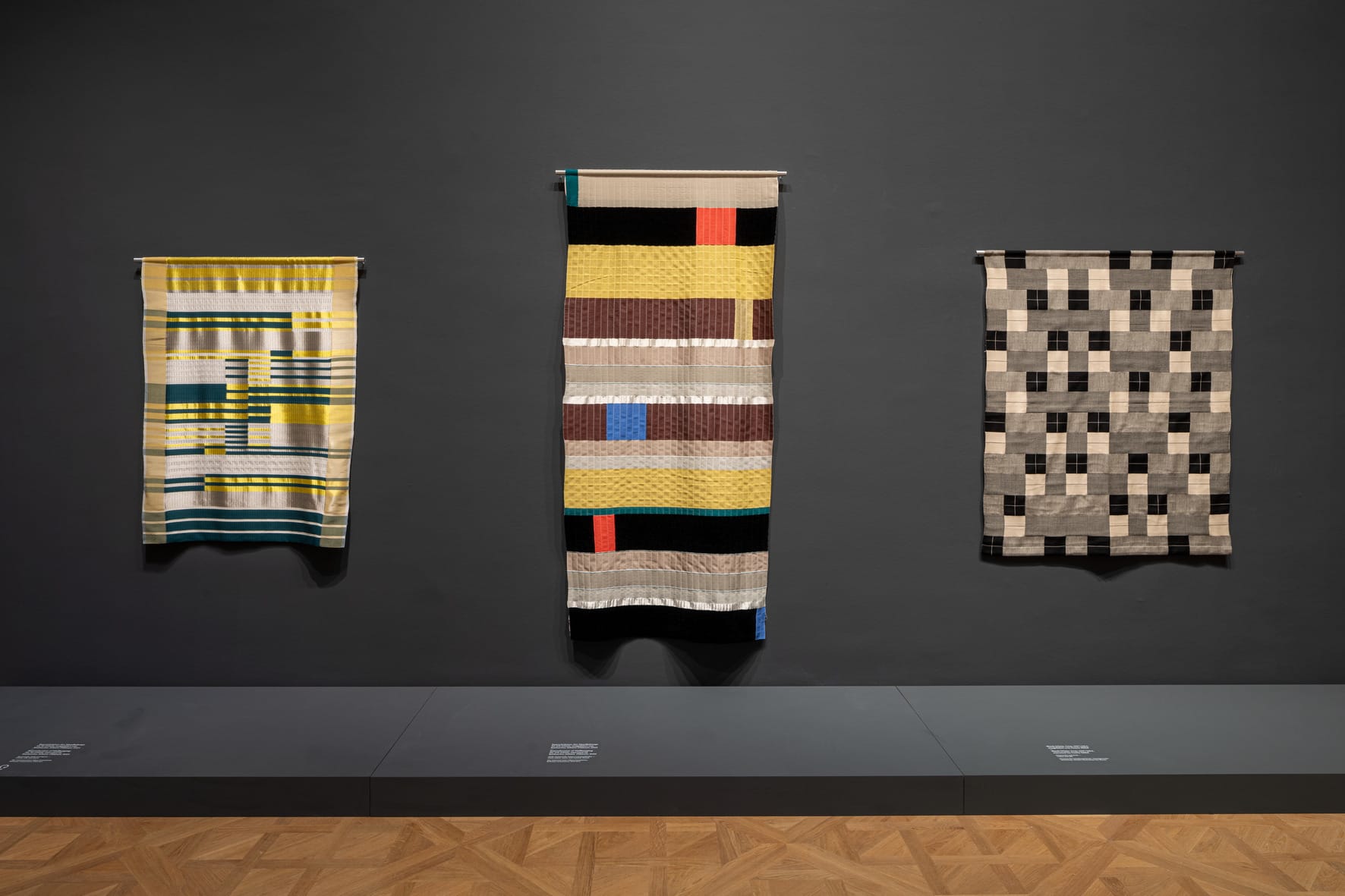
Anni Albers: Constructing Textiles
Until 16 August 2026
Weaving, Albers argued, was the most advanced form of architectural thinking, and this survey at the Lower Belvedere makes the case across her full career. The first Austrian solo show devoted to the German-American artist and designer (1899–1994) follows her from the Bauhaus workshop, where she trained in the 1920s, through her years at Black Mountain College and on to the 1980s. Material studies, textile patterns, pictorial weavings, large-scale room dividers, rugs, curtain fabrics and theoretical writings are gathered together, charting a practice that treated thread and structure as serious intellectual ground.
Richard Prince
Until 16 August 2026
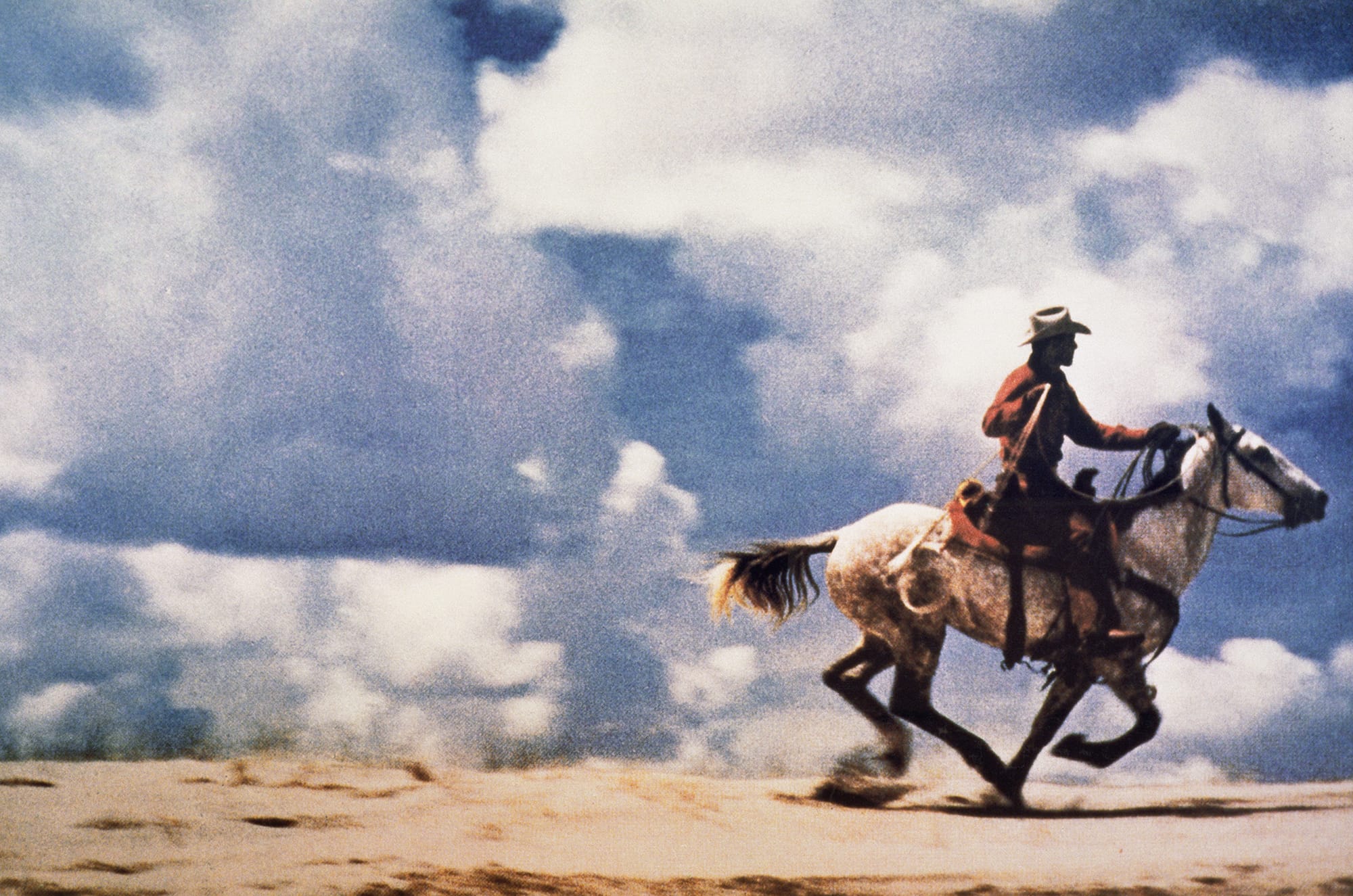
A cowboy gallops across an empty plain, lifted wholesale from a Marlboro advertisement and re-shot until the brand drops away. Such borrowings define Richard Prince (b. 1949), whose Albertina survey gathers some 150 works from the 1970s to the present. The American artist made his name with the Cowboys, rephotographing cigarette ads to question authorship, masculinity and media myth. The show leans on his photography, his central medium, while taking in the Fashion, Gangs and Entertainers series, autobiographical pictures of upstate New York, and dense collages of found material.
Katherine Hubbard: The Great Room
Until 30 August 2026
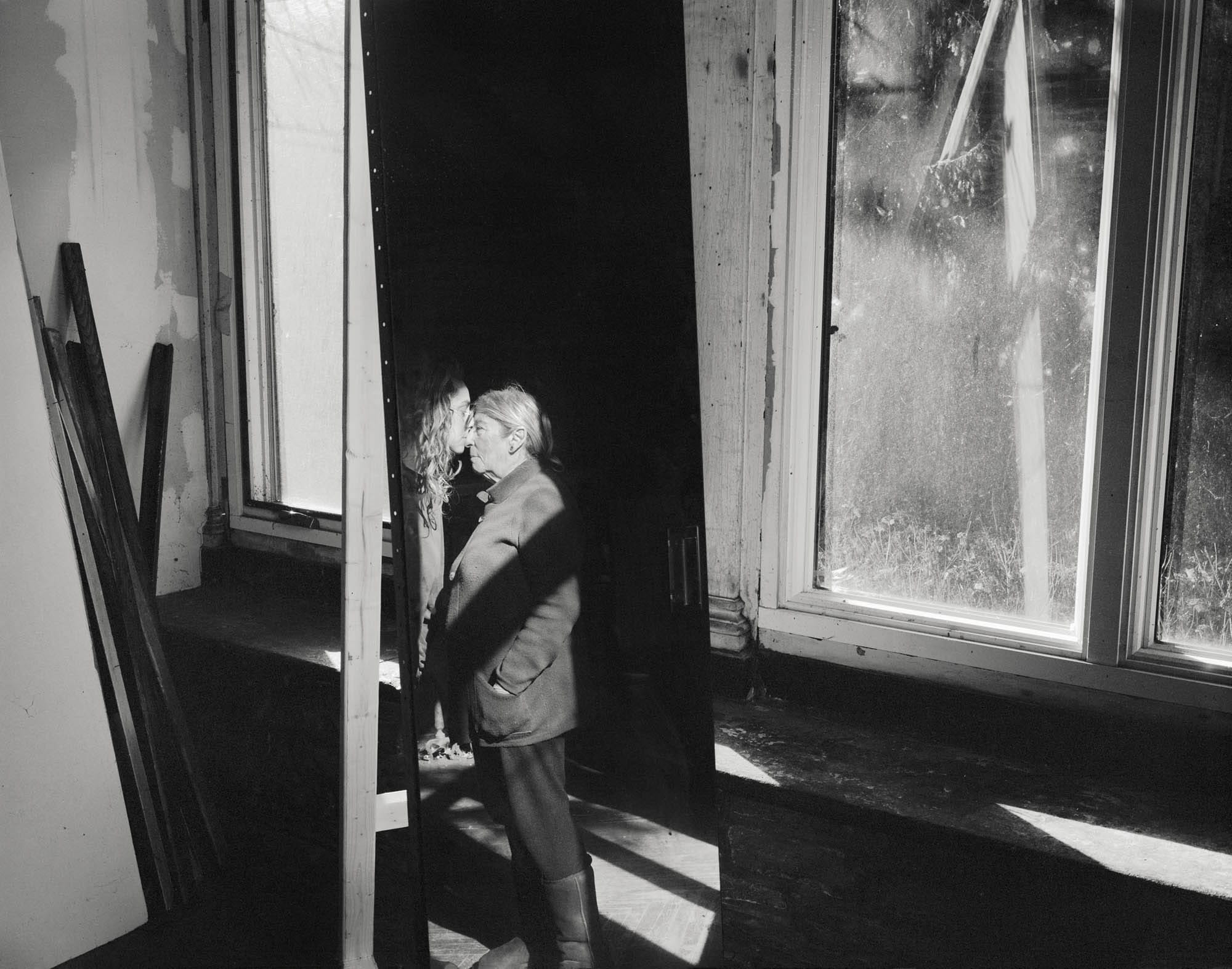
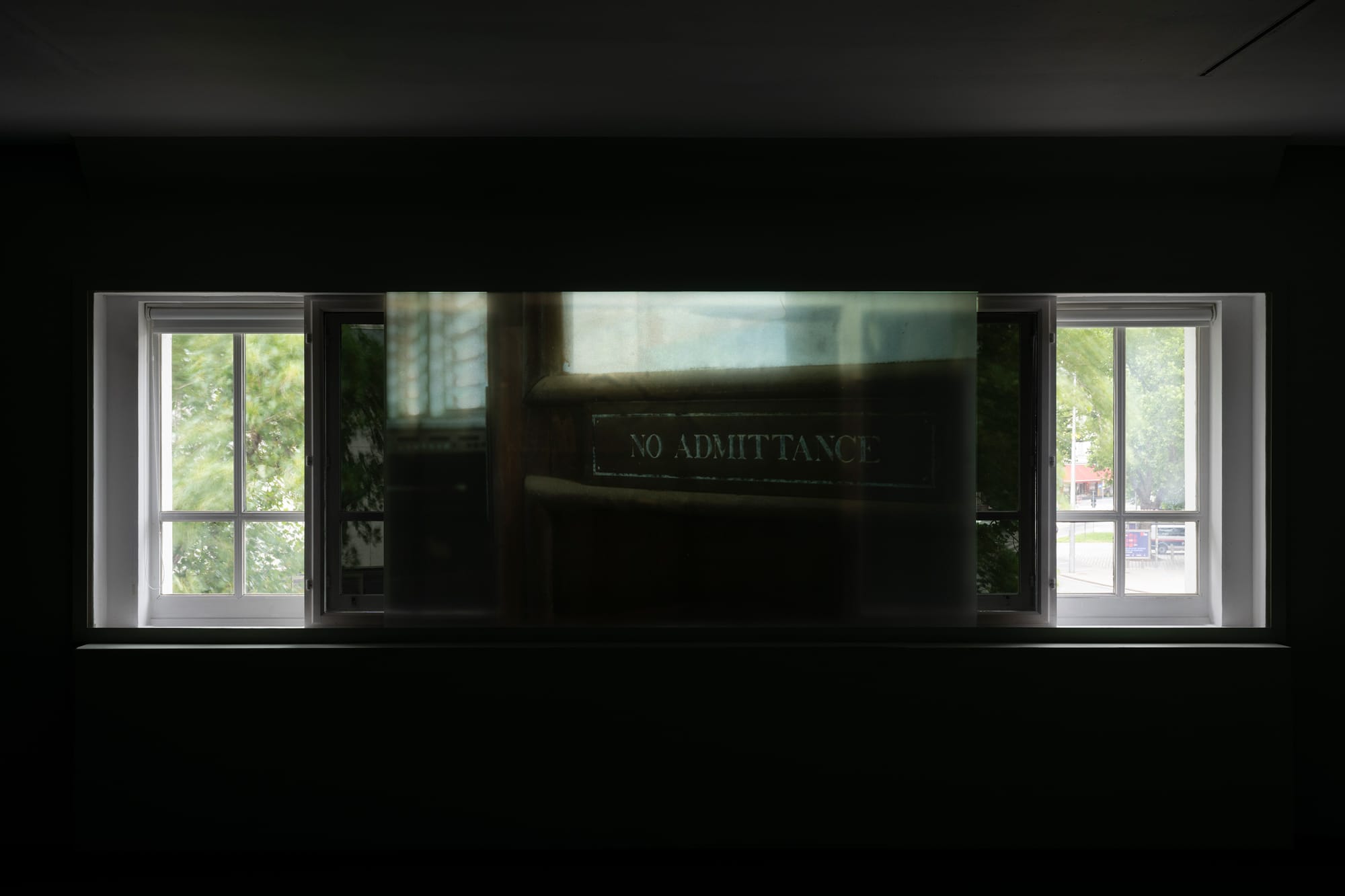
Caring for a parent with dementia turned the camera into something more than a recording device. Across five years, begun in 2020 as her mother Antonette Berger’s condition declined, the American artist Katherine Hubbard (b. 1981) photographed their encounters inside Berger’s first-floor Victorian flat. Mirrors fracture the views, Hubbard keeps herself visible beside the tripod, and at times Berger releases the shutter, redistributing authorship. Camera-less contact prints, made by pressing their bodies onto photographic paper, translate touch into image. The title names the flat’s largest room, its grandeur now faded.
Onyeka Igwe: No Archive Can Restore this Chorus of (Diasporic) Shame
Until 30 August 2026
Listen first, then look. The soundtrack of Onyeka Igwe’s installation arrives before its image, built from witness statements, field recordings and archival fragments gathered in Nigeria and Britain. The London-born artist (b. 1986) treats the colonial archive as unstable ground, circling the abandoned Lagos premises of the former Nigerian Film Unit, once part of a propaganda apparatus. A new choral composition reworks songs tied to the 1947 Egba women’s tax revolt, sung by a thirteen-voice ensemble. Two related video works, shown upstairs, refuse restoration in favour of dissonance and speculative remembering.
Mire Lee: The Heart of My Machine is Golden Lead
Until 30 August 2026
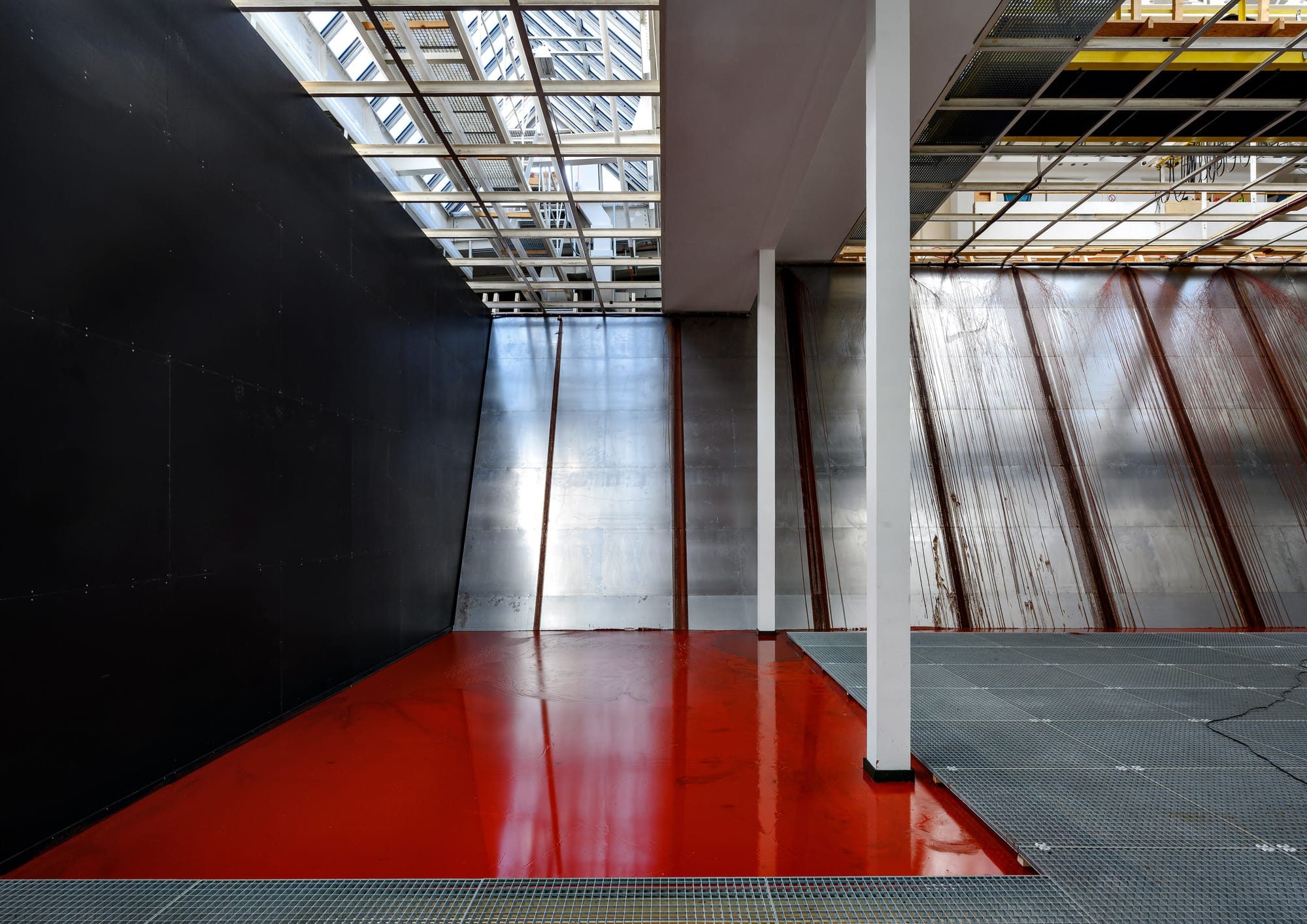
Motors twitch, silicone glistens and steel armatures heave as though breathing. In Mire Lee’s hands the line between machine, body and soul dissolves into organisms at once tender and grotesque. The Korean artist (b. 1988), based between Amsterdam and Seoul, builds damp, ruinous spaces where movement reads less as kinetics than as a language of survival and unfinished repair. Vulnerability becomes a form of relation, with endurance and proximity pushed to the fore. Her solo show runs concurrently at the Korean Cultural Centre Vienna, where a selection of her films is on view.
Barbara Pflaum: Showcases of Everyday Life
Until 16 August 2026
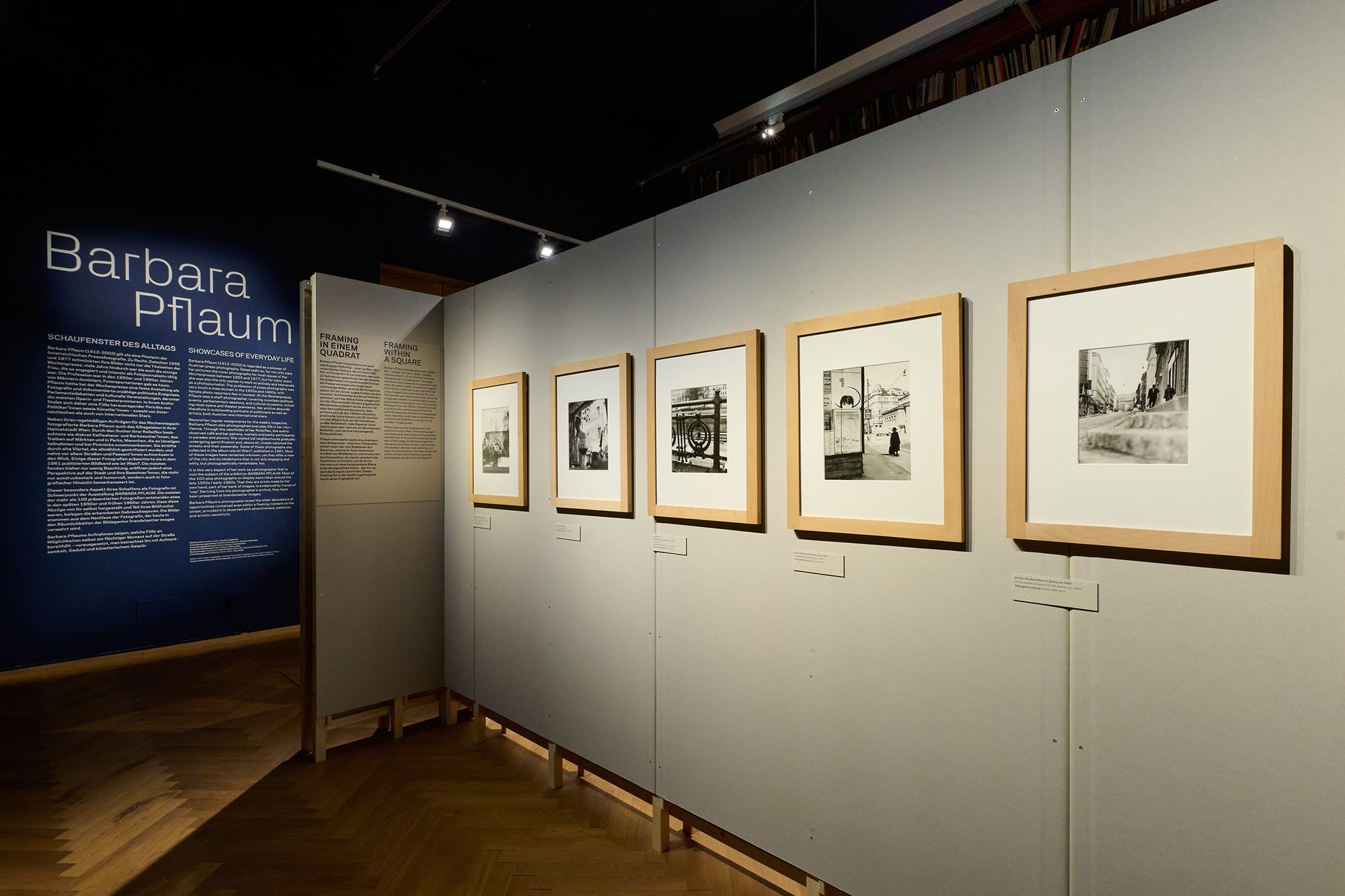
The street, not the gala, is where this photographer comes into her own. Barbara Pflaum (1912–2002) was among the few women working as photojournalists for Vienna’s illustrated magazines in the 1950s, having taken up the camera at forty as a divorced mother of three. For over twenty years she shot premieres and statesmen for the Wochenpresse with a Rolleiflex. This MAK display turns instead to her private, situational pictures of everyday Vienna: shop windows, markets, condemned neighbourhoods and street protests. Many were never published, and they reveal a sharp eye, dry wit and broad social feeling.
Animalia. Of Animals and Humans
Until 30 August 2026
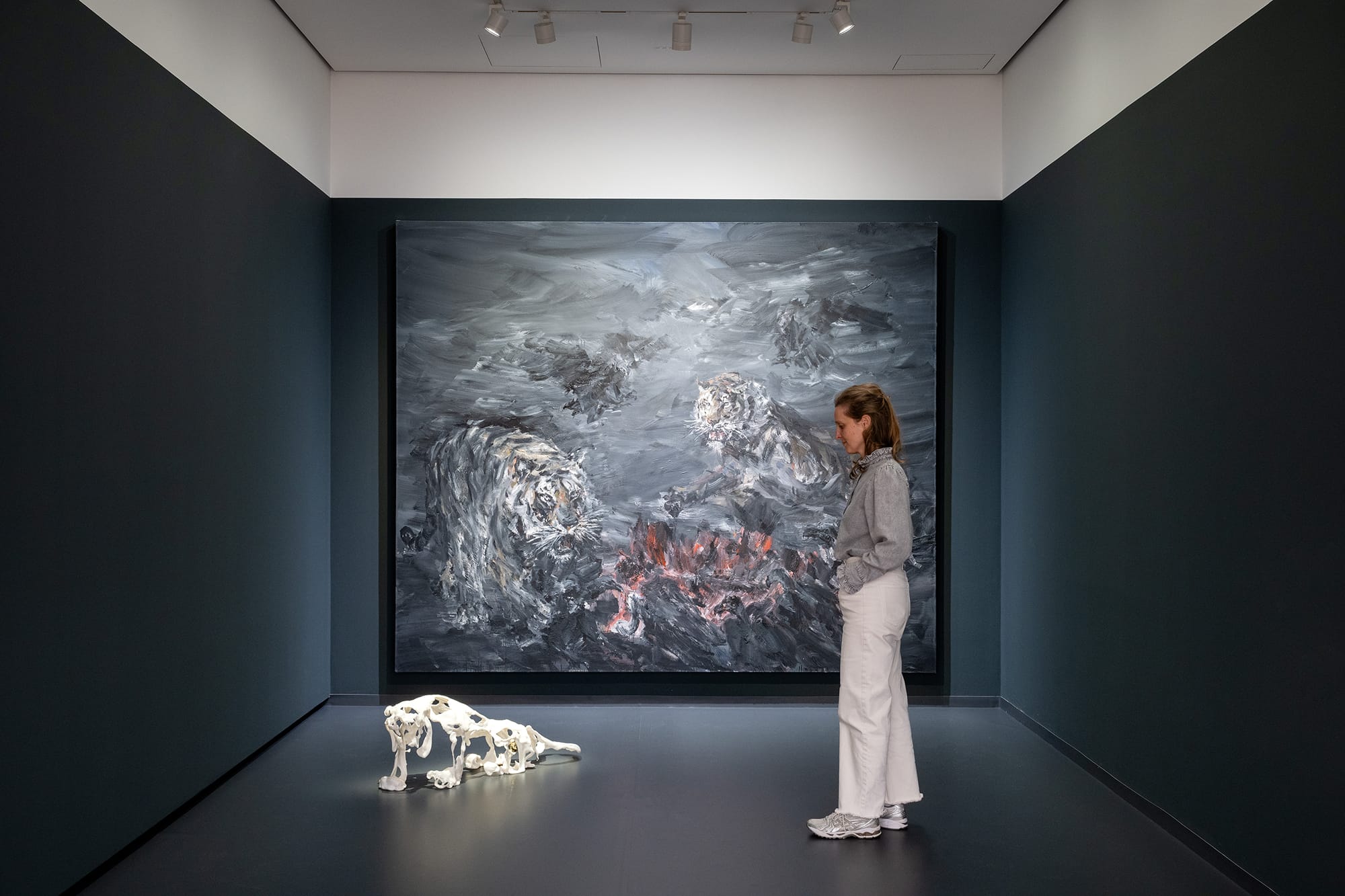
A gorilla’s torso, cast by François-Xavier Lalanne, fixes the visitor with a steady stare at the entrance to this group show. Around 90 works from the 20th and 21st centuries make up Animalia. Of Animals and Humans, the Heidi Horten Collection’s enquiry into how people regard the creatures they live among. The title comes from Linné’s biological kingdom, rooted in anima, Latin for breath or soul, a category that holds humans and animals together even as humans impose a hierarchy. Devotion, humanisation, objectification and exploitation all surface, with works by Marc, Picasso, Lassnig and Warhol.
The Institute of Queer Ecology: I Wish We Had More Time
Until 9 August 2026
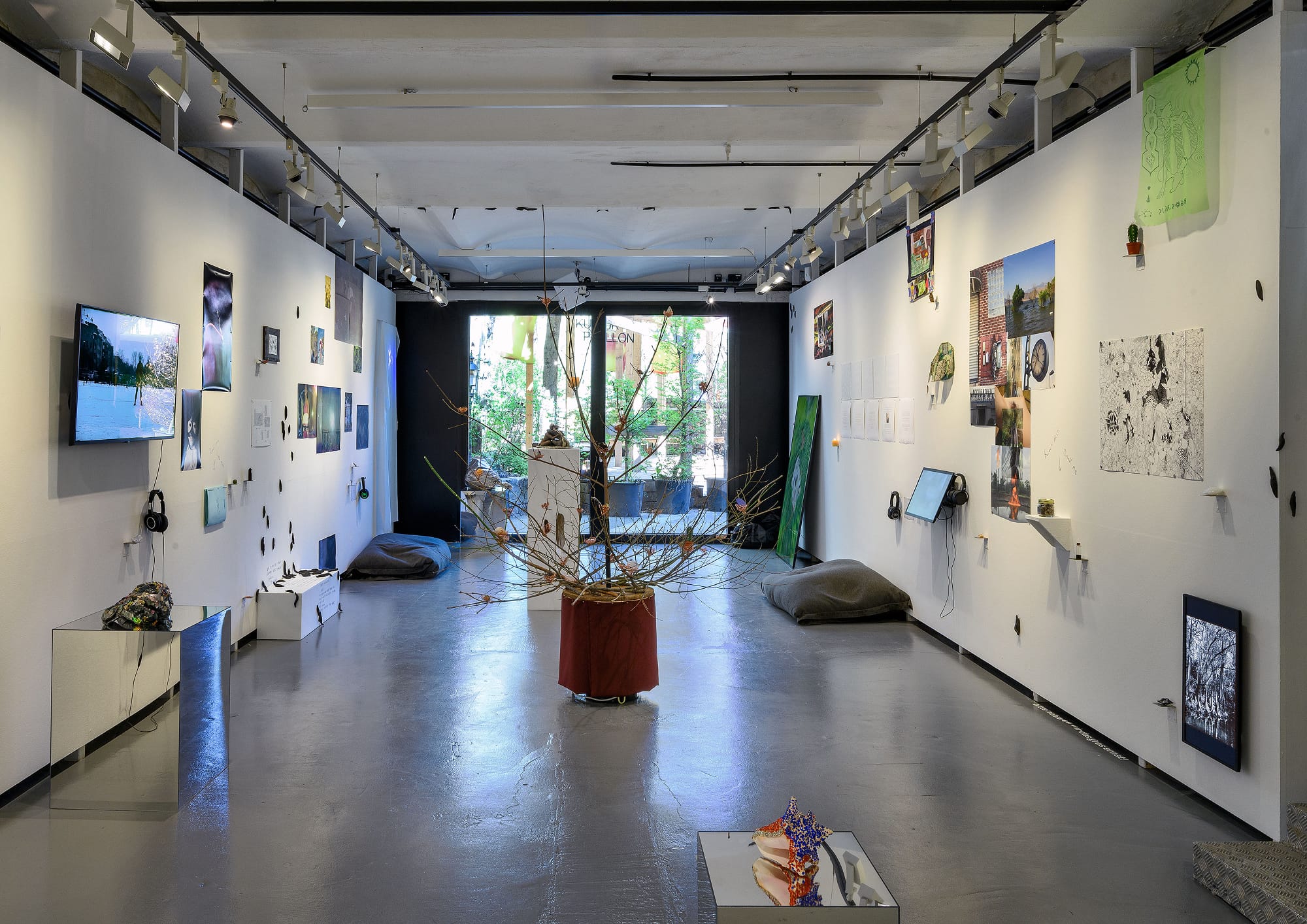
Loss runs through everything here, ecological, social and personal at once. The Institute of Queer Ecology, a collective co-directed by Lee Pivnik and Nicolas Baird, has gathered 34 contributors from art, science, literature and performance for I Wish We Had More Time at the KunstHausWien. Drawings, prints, photographs, video, audio, objects and texts trace disrupted natural symbioses, the ruptures of queer history after the AIDS epidemic, and the ache of missed encounters. A central sculpture, the Orrery of Interconnected Loss, binds the works into a single cosmology. The show forms part of the Klima Biennale Wien.
Max Pechstein. An Adventure into Expressionism
Until 30 August 2026
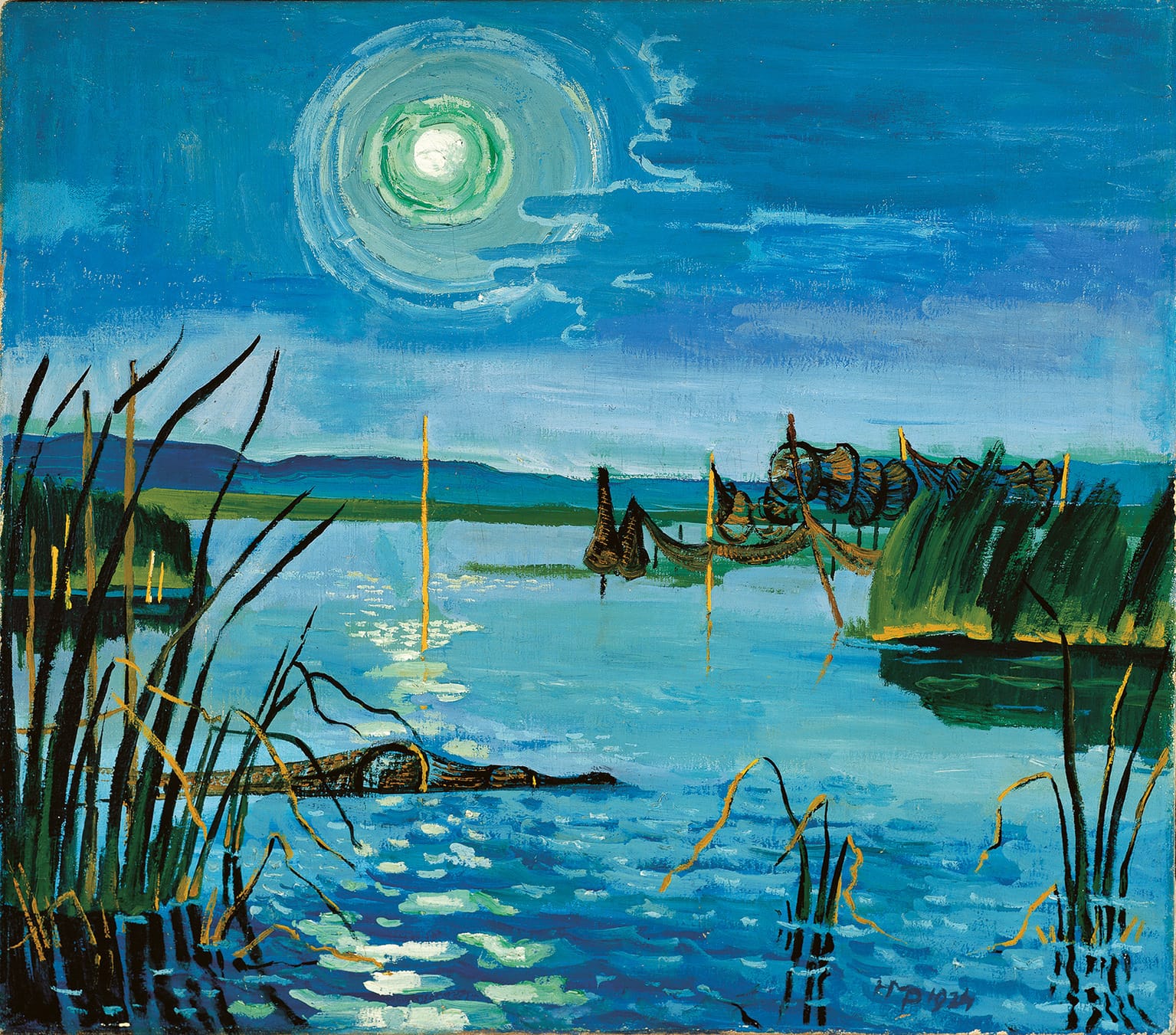
A voyage to the Palau Islands in 1914, undertaken in search of a life close to nature, ended abruptly with the First World War. That episode runs through this Lentos retrospective of Max Pechstein (1881–1955), a leading figure of the Brücke group and German Expressionism. Over 100 works, many of them seascapes of the Baltic and the South Seas, are shown in Austria for the first time. His friendship with Wolfgang Gurlitt, founder of the museum’s precursor, forms a central thread. In 1937 more than 500 of his works were seized as “degenerate art”.
Traces of Reality. 200 Years of Photography from the Collections of the Museums of the City of Linz
Until 16 August 2026
Two centuries on from Niépce’s first fixed image, photography gets examined as a medium in its own right. Traces of Reality draws on the collections of the Museums of the City of Linz, setting works from different eras in dialogue across five themes that ask what actually makes a photograph. Technique matters as much as subject. The route runs from early 19th-century processes and the darkroom experiments of classical modernism to contemporary digital practice, with names including Herbert Bayer, Inge Morath, Madame d’Ora and Shirin Neshat. Curated by Sarah Jonas.
🇧🇪 Exhibitions in Belgium
Collection Meets Spanish Artists
Until 16 August 2026
Raw materials, spontaneous gestures and a good deal of bold experimentation define the second chapter of the museum’s “Collection Meets” series, which sets Spanish abstraction of the postwar decades against works from the Brussels holdings. Pieces by Manolo Millares, Manuel Mompó, Manuel Rivera and Antoni Tàpies, mostly abstract and drawn from the international avant-garde of the 1950s to the 1970s, trace the informal tendencies that emerged in the aftermath of the Civil War. Mounted with the Spanish Embassy in Belgium, the room reads as an encounter between artists reaching, in their different ways, for freedom and openness.
Burning the Days
Until 9 August 2026
Nothing about Lutz Bacher’s work settles into a single category, and that refusal is the point. WIELS gives the late conceptual artist an expansive survey built from found materials, photographs, sound and installation gathered across decades. The selection moves between humour and affect, pop-cultural references and unflinching looks at sexuality, violence, political paranoia and cosmic metaphysics. Bacher, who guarded her identity throughout a long career, treated borrowed images and objects as raw matter to be reshuffled and made strange. The result is a portrait of a practice that kept its viewers permanently off balance.
A Red that Sings. Masterpieces by Ensor, Wouters and Schmalzigaug
Until 30 August 2026
Vermilion reds, intense blues and bright yellows set the pace here, arranged so that colour rather than subject leads the eye through the galleries. The KMSKA draws on its own holdings, the largest anywhere of James Ensor, Rik Wouters and Jules Schmalzigaug, to show how each painter pushed past the muted Impressionist palette towards something louder. Schmalzigaug spoke of a “singing red” borrowed from Rubens, which he felt only Ensor had fully voiced. Targeted loans round out a presentation that treats post-Impressionist painting as a kind of optical music, all rhythm, tension and rich pigment.
ArtFactFinders. Making the Invisible Visible
Until 30 August 2026
Pick up a UV lamp, a microscope or a scanner and start looking past the surface. This interactive show hands the museum’s research tools to younger visitors, turning them into sleuths who study paintings and objects layer by layer for hidden cracks, damage and the traces of how a work was made. Adapted from a Rijksmuseum concept, it was shaped with around a hundred schoolchildren and gives every gallery extra challenges pitched at different ages. The KMSKA is the only Flemish museum recognised as a scientific institution, and this is a playful way in.
Denys Shantar — On Saints and Monuments
Until 23 August 2026
A colonial monument in Antwerp’s Stadspark, still standing without comment under the banner of preserving history, is the provocation behind this INBOX presentation. Ukrainian-Swiss artist Denys Shantar, who works in textile collage and describes himself as a queer theologist, sets two Congolese martyrs recognised by the Vatican against that memorial: Isidore Bakanja, killed by a Belgian plantation agent, and Marie Clémentine Anuarite Nengapeta, killed in 1964. Their stories, stitched from recycled and gifted fabrics, draw out the human cost behind the rhetoric of a “civilising mission”. Admission is free.
Plantin’s Plants
Until 23 August 2026
Five centuries of looking closely at nature are gathered for the 500th birthday of Carolus Clusius (1526–1609), the doctor and botanist who, with Rembert Dodoens and Matthias Lobelius, helped lay the foundations of the discipline. The Plantin–Moretus Museum draws on its own collections to show botanical images from the 16th to the 20th century: wild plants, trees, fungi, decorative flowers, fruit and vegetables, illustrated in old books and the woodblocks that printed them, alongside later prints and drawings. Antwerp’s parks service, Natuurpunt and city poet Esohe Weyden have all contributed.
Kelvin Haizel: Material Revolts: Ecosystem against Empire
Until 23 August 2026
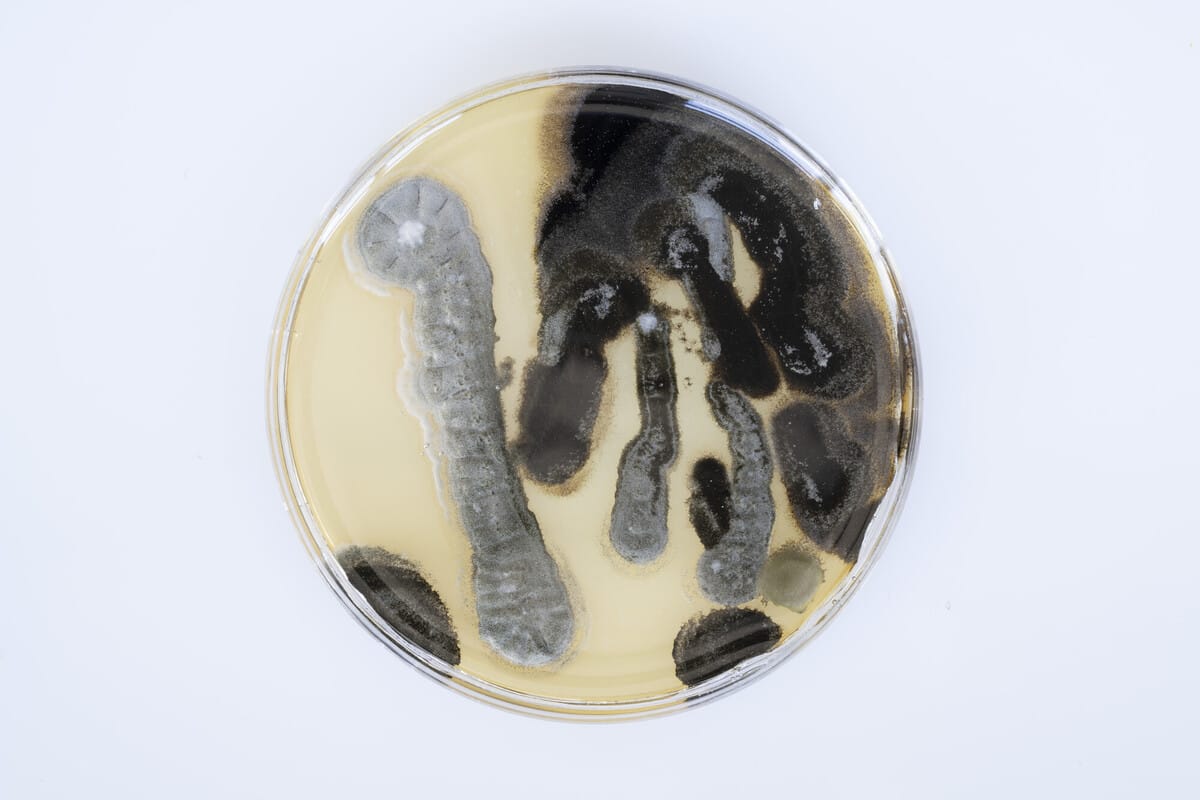
Bacteria, fungi and slow chemical processes are growing across the surfaces of century-old albumen prints, and that decay is the subject rather than a problem to be conserved. Ghanaian artist Kelvin Haizel takes a 19th-century photo album from the FOMU collection, ten portraits of Congolese people displayed in the human zoo at the 1885 Antwerp World’s Fair, and treats each image as living material. By making the hidden organic activity visible, he reactivates the static pictures and lets the photographed figures speak in a different register. The work grew from a residency with the KASKA research group Thinking Tools.
Carrie Mae Weems: The Heart of the Matter
Until 23 August 2026
Belgium has not seen a full survey of Carrie Mae Weems until now. The American artist, born in 1953, often steps into her own photographs as subject, guide and muse, drawing on her experience as a Black woman to recover histories left out of the frame. More than a hundred photographs and videos gather here, among them the Kitchen Table Series (1990) and Museums (2006), alongside Preach (2024), a new series in which the architecture of worship becomes a form of resistance. Across the rooms, race, gender, power and memory keep returning as her abiding concerns.
.tiff 2026: Emerging Belgian Photography
Until 23 August 2026
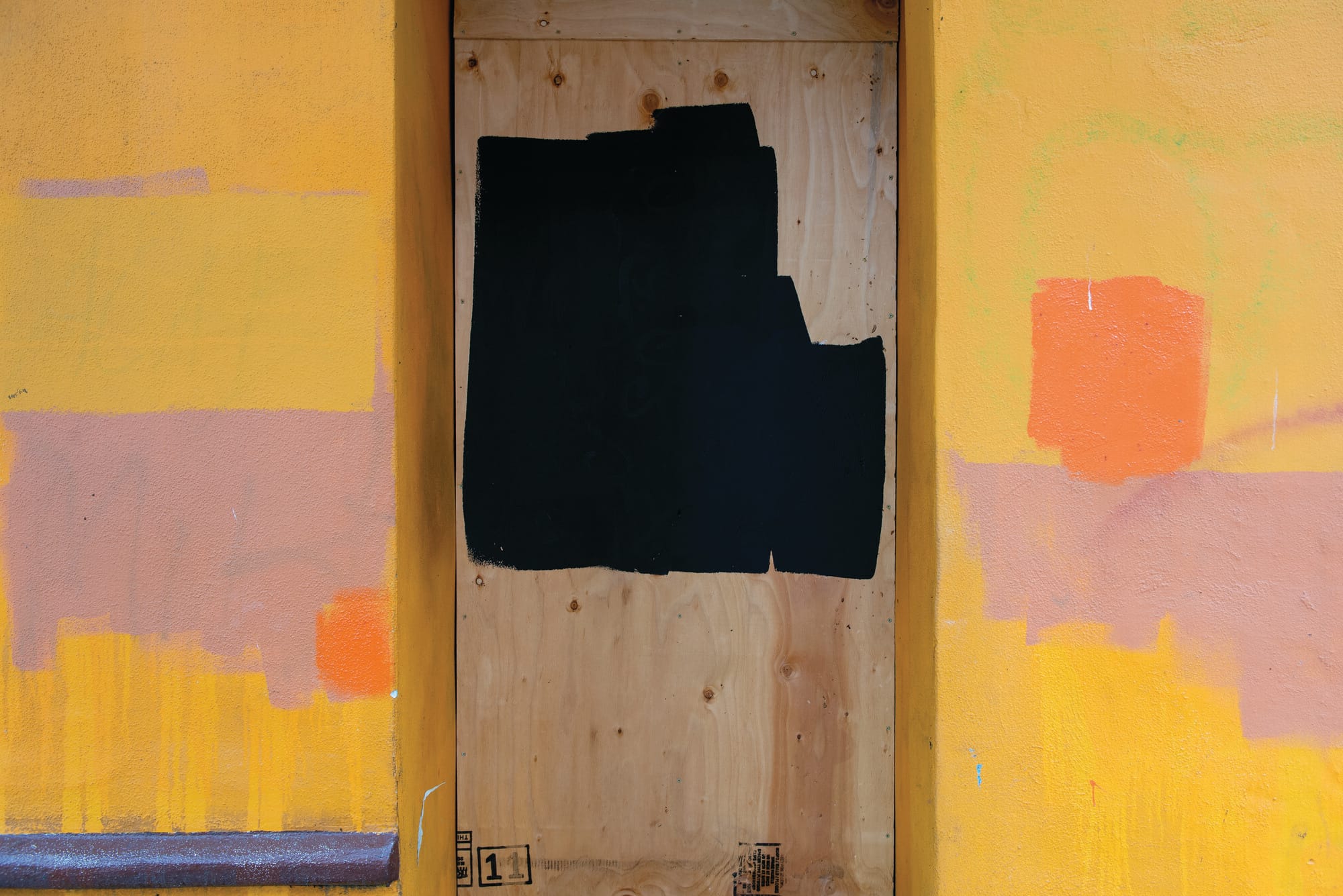
Ten names to watch, chosen each year by FOMU as a snapshot of where Belgian photography is heading. The 2026 selection gathers Chloé Azzopardi, Téo Becher, Aliki Christoforou, Yaqine Hamzaoui, Tatjana Huong Henderieckx, Simen K. Lambrecht, Tom Lyon, Natalie Malisse, Anthony Ngoya and Darwin Taday Cabrera, whose work appears in both an exhibition and a magazine. An independent panel, this year Magali Elali, Cale Garrido and Youqine Lefèvre, made the choices. The programme offers coaching and international networking, and forms the Belgian strand of the European platform Futures.
Museumplein 05 | Veronika Bezdenejnykh: Images from Home
Until 31 August 2026
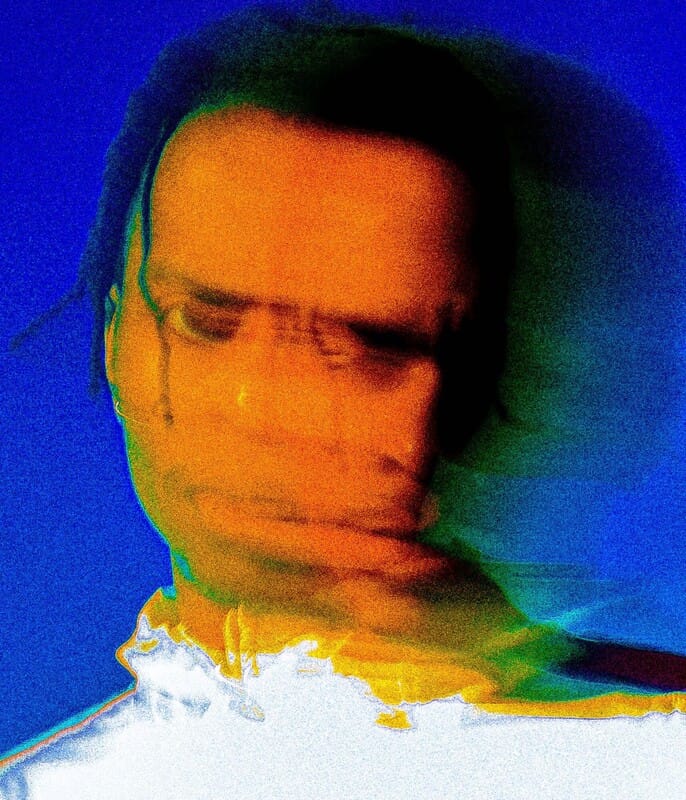
Five flags in the flowerbed outside the museum carry the latest commission for Museumplein, the rotating S.M.A.K. and artlead project on Jan Hoetplein. Veronika Bezdenejnykh (b. 1990, Almaty) drew on years of walks through Wondelgemstraat in Ghent’s Rabot district, an arrival neighbourhood where an Afghan baker, Romanian delicatessen, Asian dumpling house and Turkish décor shop sit side by side. She photographed menus, interiors and cake batter, splicing them with her digital archive and decorative patterns from the nearby Museum of Fine Arts. A rarely noticed quarter is brought into the museum square.
Anniversary exhibition: Behind the scenes of a collection
Until 23 August 2026
Follow a route that runs from the storerooms into the light of the gallery walls. La Boverie marks ten years since its 2016 reopening with three hundred works drawn from the City of Liège’s collection, many rarely shown or never seen in public, hung across the entire upper floor. The sections trace how a museum actually works: restoration, physical and chemical analysis, conservation in storage, acquisitions, research, partnerships and public outreach. A walk through the glass-roofed sculpture garden closes the tour, and a catalogue records everything added to the holdings between 2016 and 2026.
Valérie Mannaerts: Antennae
Until 30 August 2026
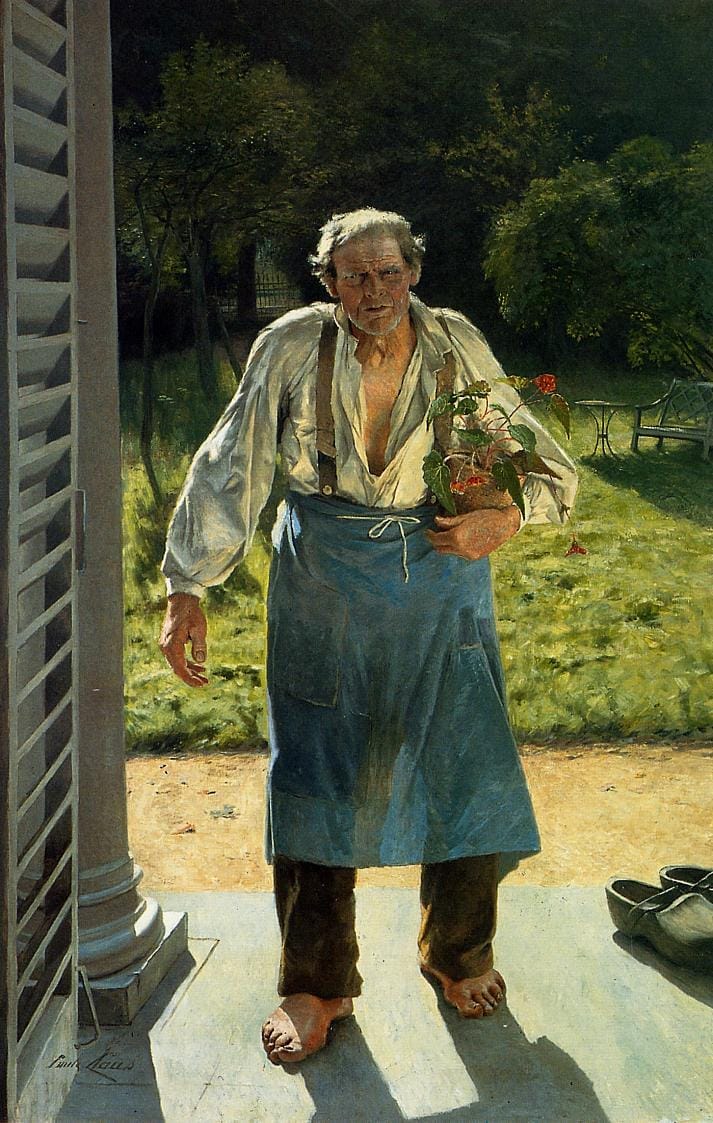
Objects that refuse to settle into a single reading are the territory of Brussels-based artist Valérie Mannaerts (b. 1974), whose work for M draws on intuition, materials and sensory experience. Antennae gathers hybrid pieces that hover between the organic and the inorganic, representation and abstraction, asking what autonomy an object might hold and what story it can tell. Drawing on feminist theory, she treats form as something layered, amorphous and constantly shifting. The result stays deliberately open, resisting fixed boundaries and keeping its subjects in a state of slow transformation.
Judith Van Oeckel presentation
Until 30 August 2026
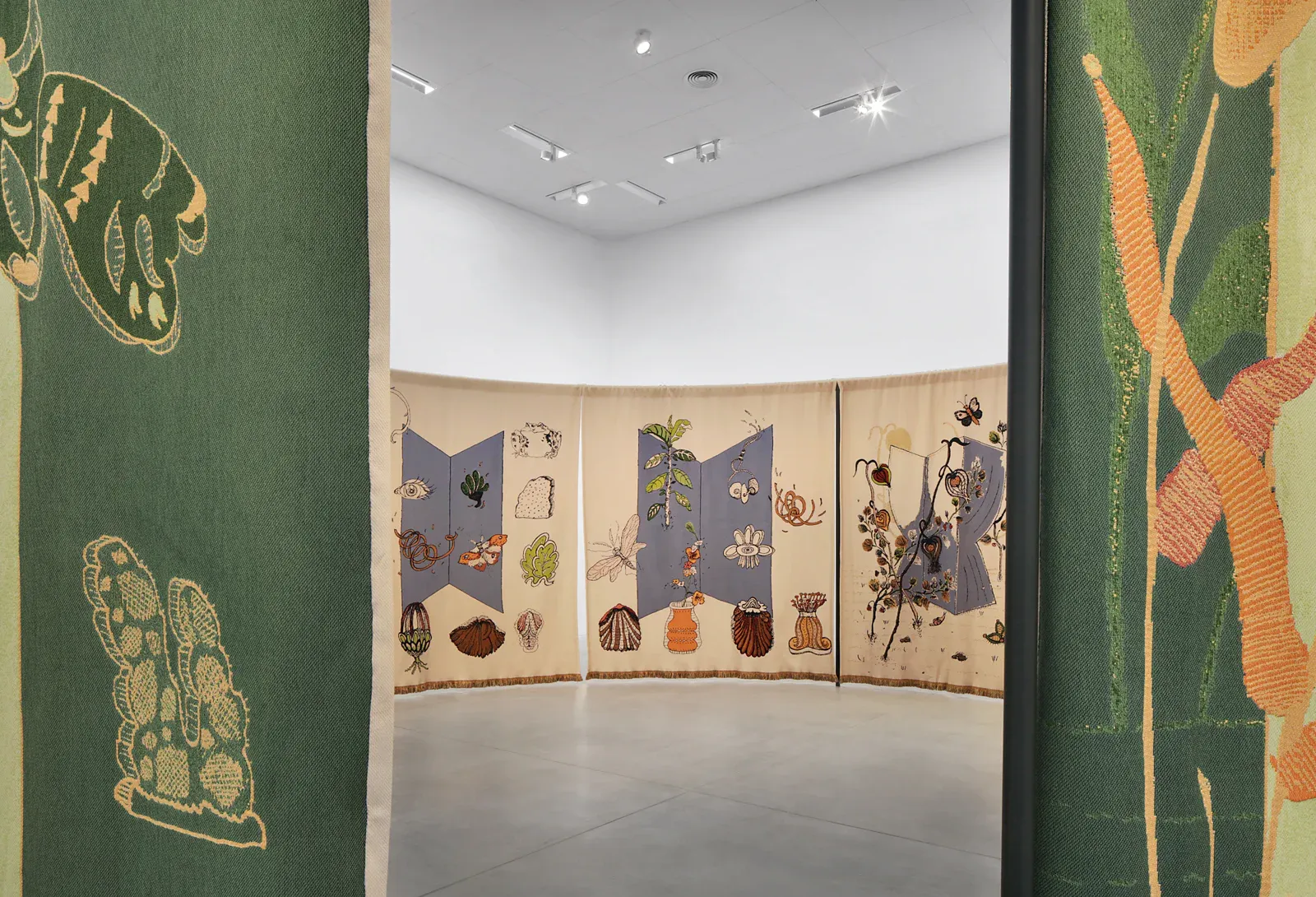
How do you keep a dance once the body has gone? That question shapes the outcome of Judith Van Oeckel’s five-month residency at M, on view in the galleries through the summer. A dancer and artist based in Leuven, Van Oeckel turned to this problem after chronic migraines forced her to rethink her relationship with movement. She translates choreographic gestures into sculptural and material forms, where tension and resistance become tangible again. The works stand as quiet witnesses to a body that moves, vanishes and goes on resonating.
🇩🇰 Exhibitions in Denmark
Anna Thommesen – Weavings
Until 16 August 2026
Loom and landscape shaped a single career here. Anna Thommesen (1908–2004) abandoned a conventional bourgeois life and turned to weaving after marrying the sculptor Erik Thommesen, with whom she joined the resistance during the Nazi occupation. From a Finn Juhl house in North Zealand she produced tapestries for schools, Christiansborg Palace and Roskilde Cathedral, drawing colour and rhythm from the garden around her. SMK gathers her textiles to argue for a body of work long held at the margins of Danish art history, where painting usually claimed the attention.
Hanna Hirsch Pauli – The Art of Being Free
Until 16 August 2026
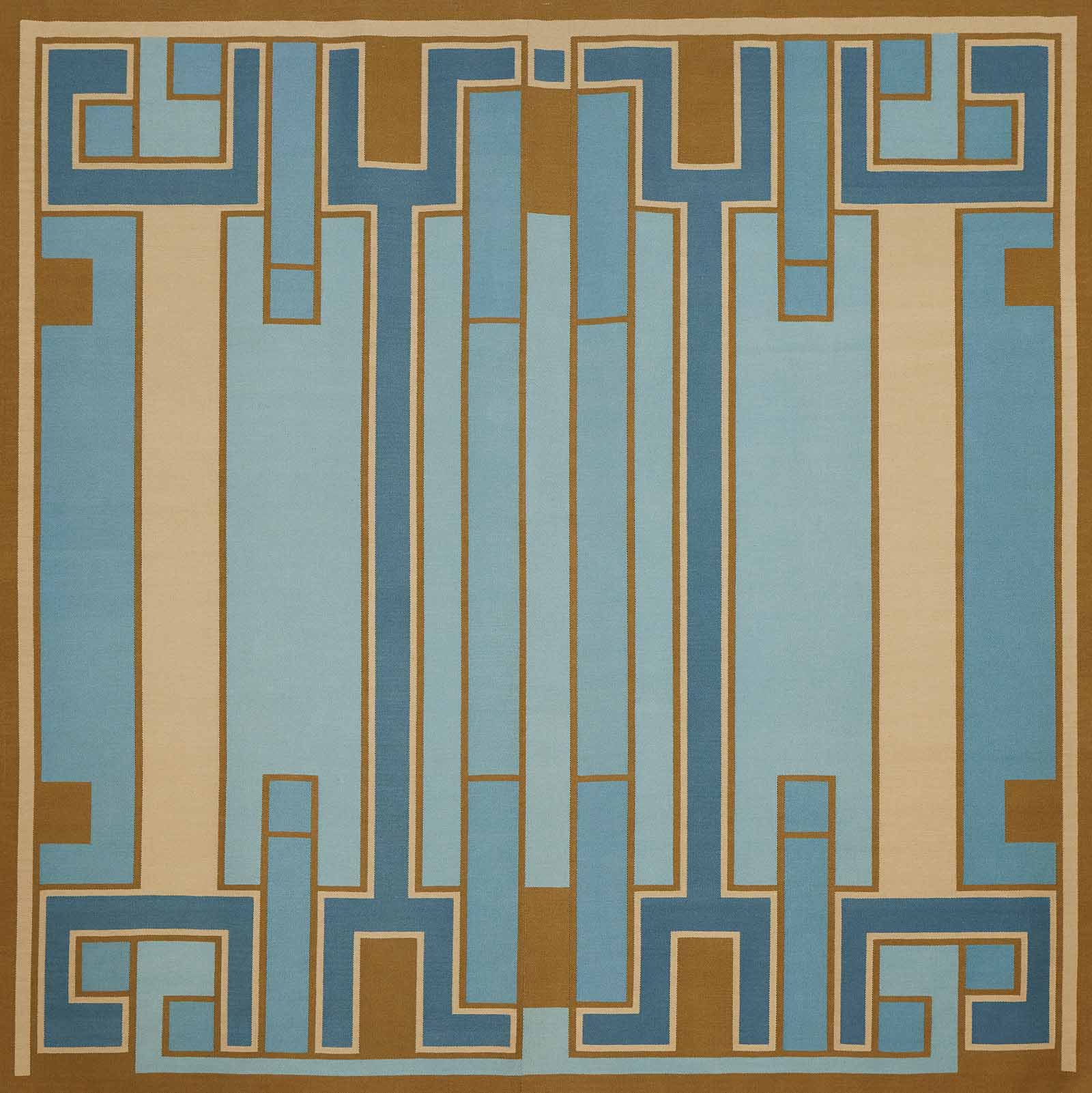
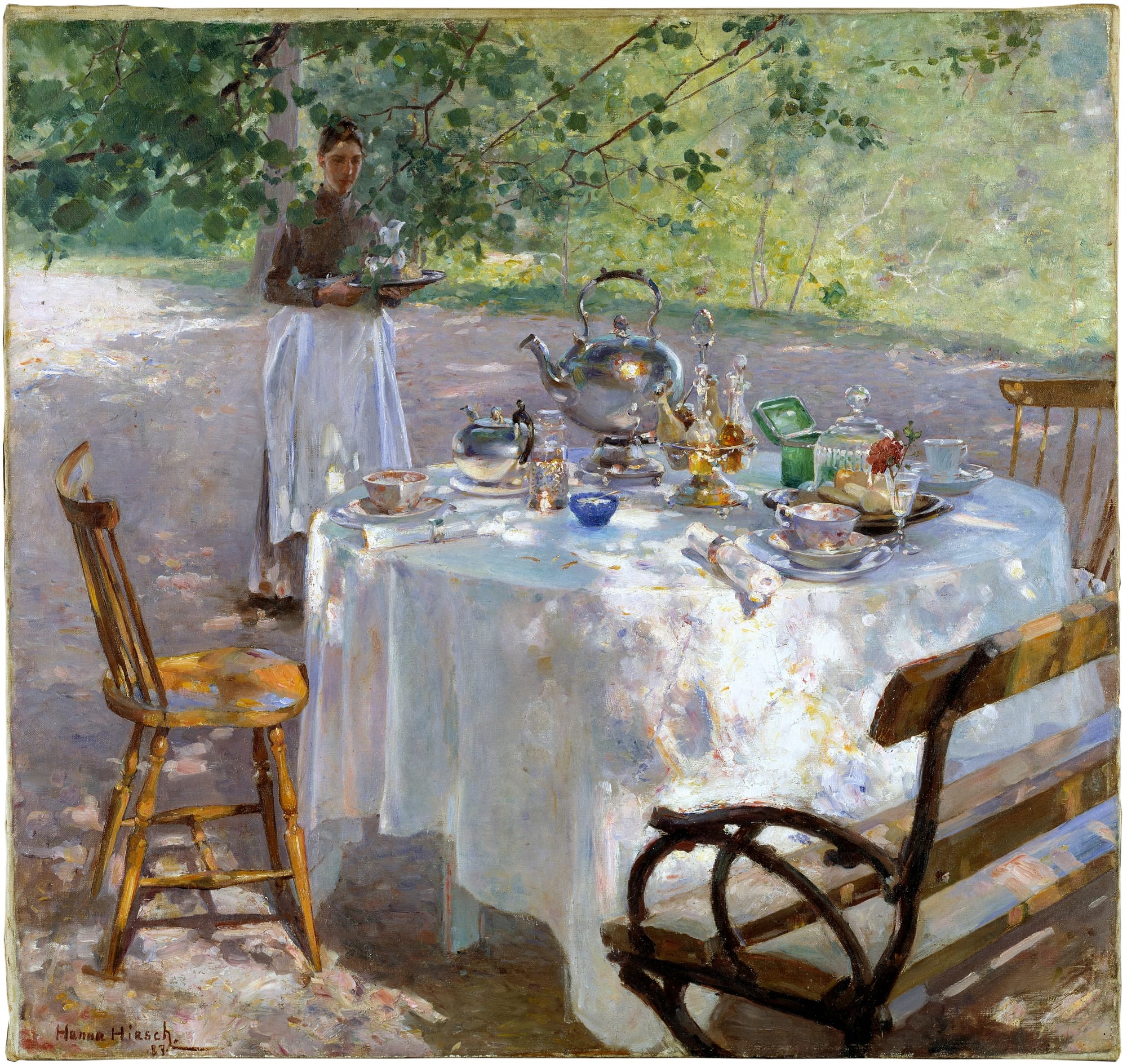
Six decades of work receive their first dedicated survey at the Hirschsprung Collection. Swedish painter Hanna Hirsch Pauli (1864–1940) trained at Stockholm’s academy before finding her freedom as a student in Paris, going on to build a reputation as a portraitist while raising three children. The display follows her from upper-middle-class Jewish childhood to the unsettling self-portraits of the 1930s, setting her beside Danish contemporaries such as Bertha Wegmann and P. S. Krøyer. Organised with the Nationalmuseum in Stockholm, which carried out the underlying research.
Japan Modern Poster
Until 9 August 2026
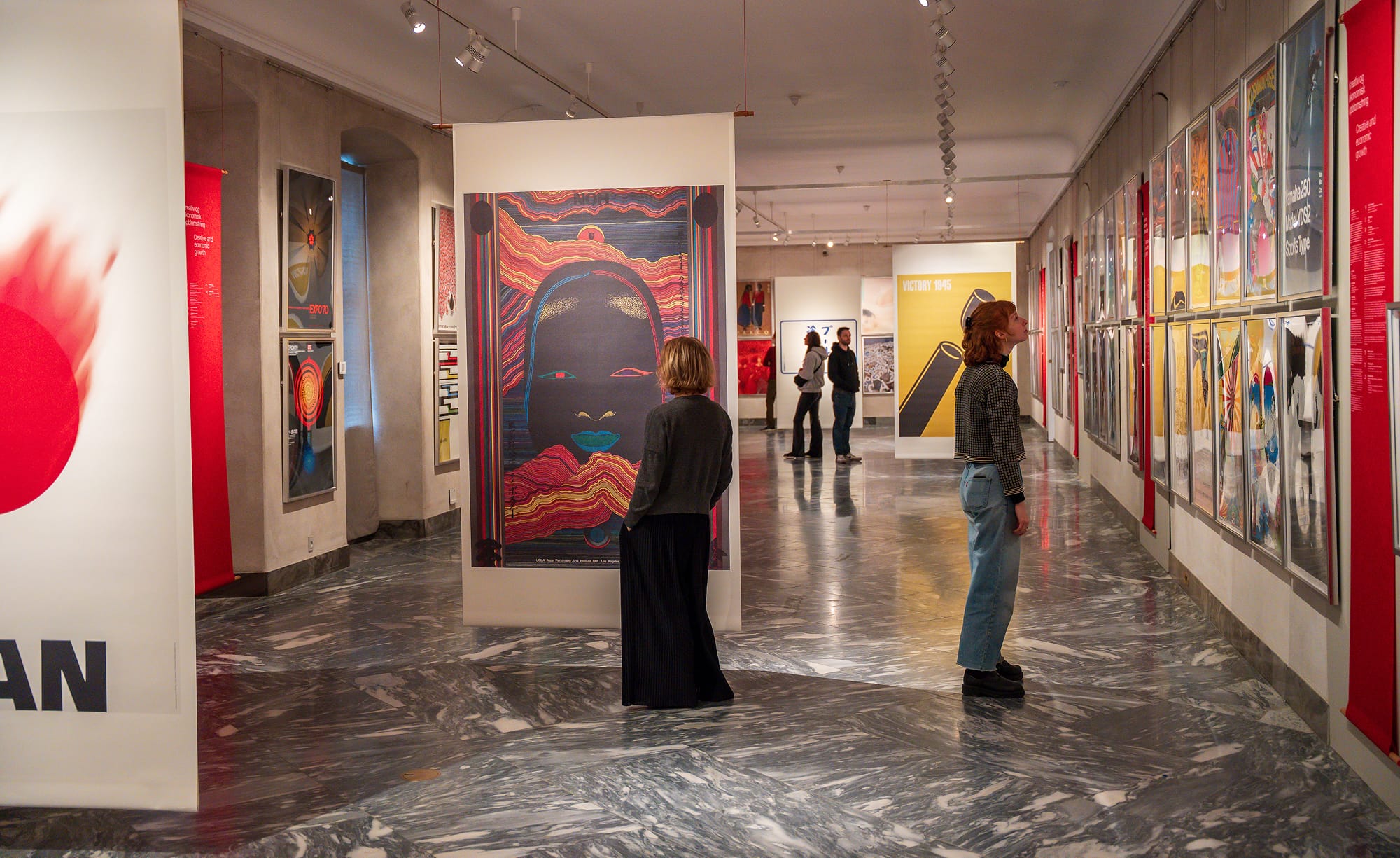
Bold colour, wit and the occasional jolt of unease run through 110 Japanese posters at Designmuseum Denmark, lent by the DNP Foundation for Cultural Promotion. The display opens with the pioneer generation who absorbed Western design after the Second World War and quickly forged a language of their own, then follows the designers who rose to prominence during Japan’s rapid economic growth. Themes of peace, social criticism and the meeting of modernism with traditional aesthetics recur. Shin Matsunaga has made a new poster for the occasion, playing on the kinship between the Danish and Japanese flags.
Japanese Woodblock Prints: Hokusai
Until 9 August 2026
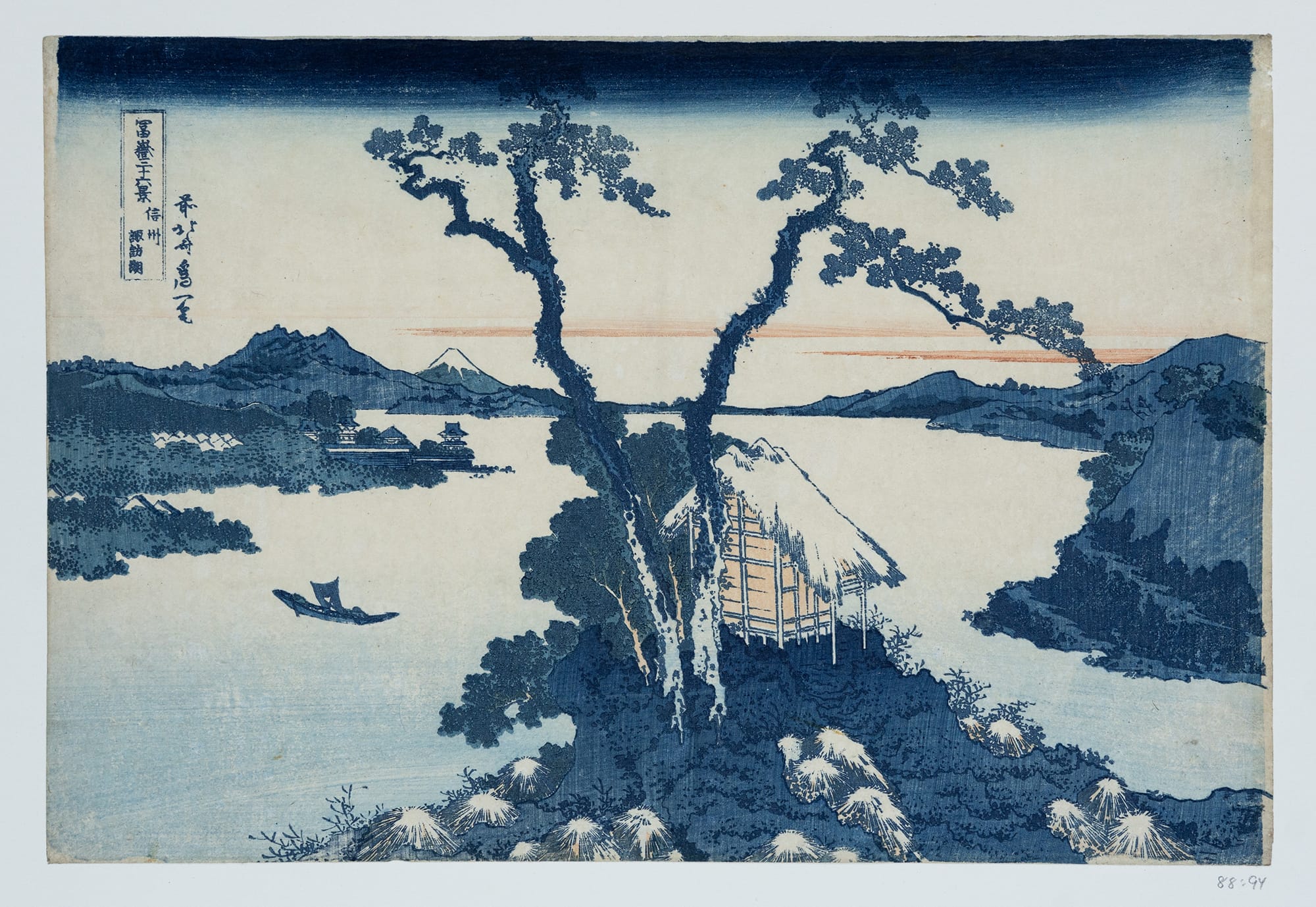
Forty woodblock prints from the museum’s own holdings turn to Katsushika Hokusai (1760–1849), working at the close of Japan’s Edo period. The selection sets his celebrated landscapes against the broader story of a craft that moved, across a century, from single-colour impressions to sheets carrying as many as ten. The Great Wave off Kanagawa, from the Thirty-six Views of Mount Fuji, anchors a group made in the 1830s, often counted the golden age of the medium. A compact companion to the museum’s larger poster show.
Rørbye & Bindesbøll. The Journey to Constantinople
Until 23 August 2026
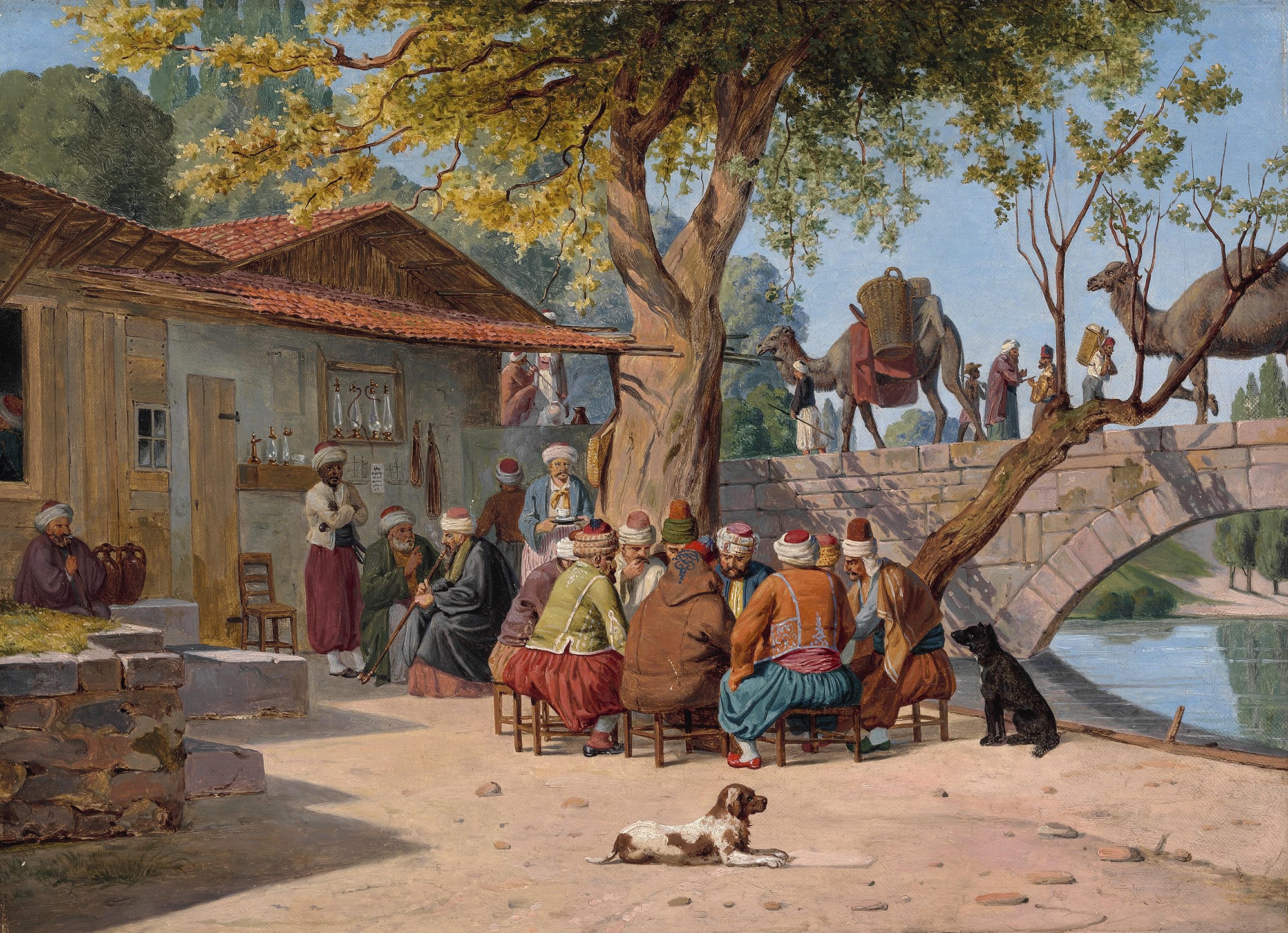
Two young Danes met in Italy in 1835 and decided to keep travelling together: the painter Martinus Rørbye and the architect Gottlieb Bindesbøll. The David Collection follows their route on to the Greek islands, Athens and finally Constantinople, where both filled sketchbooks with everyday scenes and architecture. Rørbye was the first Danish painter to reach Greece and Turkey in the nineteenth century, while Bindesbøll carried his studies of Byzantine building into his later masterwork, Thorvaldsen’s Museum. The drawings trace how a single shared journey fed two very different careers.
Małgorzata Mirga-Tas: Pani, so tradeł / Water that Wanders
Until 16 August 2026
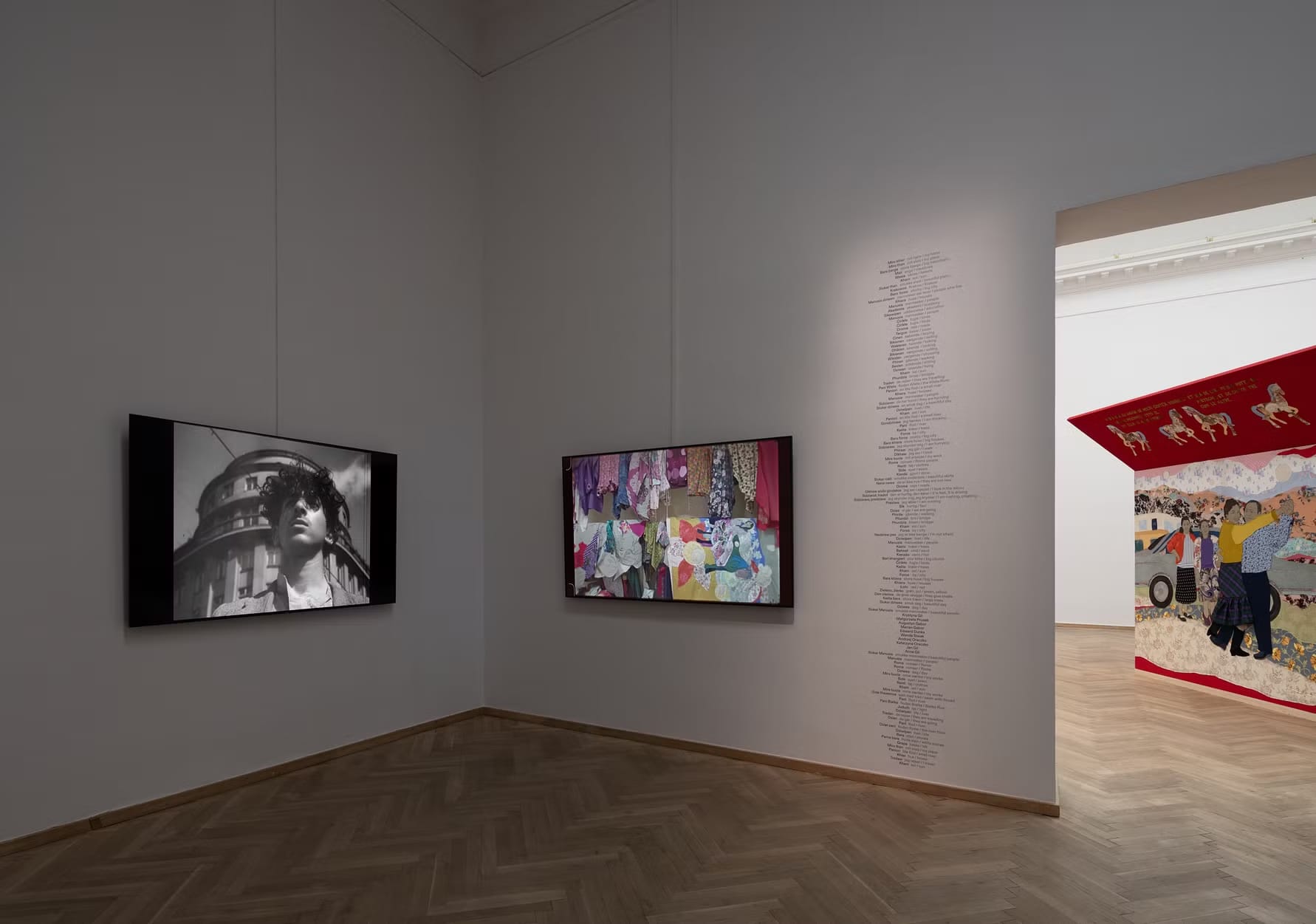
Fabric, embroidery and recycled materials carry the argument in the monumental collages of Małgorzata Mirga-Tas (b. 1978), whose first Danish solo show fills Kunsthal Charlottenborg. The Polish artist, herself part of the Roma community, builds scenes of migration, heritage and women’s lives that place Roma people as active bearers of culture rather than its subjects. In 2022 she became the first Roma artist to represent any country at the Venice Biennale. The display mixes existing pieces with works made for Copenhagen, forming part of the HUMAN:RIGHTS programme.
Afgang 2026, MFA Degree Show
Until 9 August 2026
Twenty-seven graduates of the Royal Danish Academy of Fine Arts’ Schools of Visual Art take over the galleries with painting, sculpture, photography, video, sound and performance. Less a themed proposition than a snapshot of where a generation has arrived, the annual degree show offers an early sight of names likely to surface in Danish art over the coming years, before they scatter into careers of their own. Elisa R. Linn and Lennart Wolff curate this edition, with Martin Hasfeldt, Ava Samii and Agnes Karl Åxman among those taking part.
Ann Linn Palm Hansen. Moving Motif
Until 9 August 2026
Colour and form become a way of testing how we read the world in the work of Ann Linn Palm Hansen (b. 1984), whose summer show fills Zaha Hadid’s concrete-walled extension at Ordrupgaard. The Danish artist works between visual art and writing, and the 94 pieces gathered here move along the line where figuration meets abstraction. The human body and the horse give her a sense of scale and an entry point for the viewer. A near-mathematical method yields results that are, in the end, sensuous and open to interpretation.
Svend Wiig Hansen. Walking, falling, standing
Until 30 August 2026
Fragile, solitary figures marked by post-war anxiety fill Level 5 at ARoS in this survey of the Danish artist Svend Wiig Hansen (1922–1997). Across painting, sculpture, drawing and film, he kept returning to the human body and what holds it upright. The selection runs from the scandal that greeted his Mother Earth sculpture in Aarhus to the towering seafront figure Man at Sea in Esbjerg, asking why the work still unsettles. Jannie Haagemann curates. It frames vulnerability and endurance as questions that outlast the decade that produced them.
Step Inside
Until 9 August 2026
Scent, sound, light and movement do the work in four installations at ARoS, made by Anicka Yi, Philippe Parreno, Laure Prouvost and Pamela Rosenkranz. Yi shows the first part of Emptiness, a video asking whether an artist’s practice might continue through AI after death. Parreno fills a room with an algorithm-driven piano and floating helium fish. Prouvost weaves textile, video and found objects around ecofeminism and care, while Rosenkranz bathes visitors in blue light and a synthetic feline scent. Climate, migration and the human–machine bond run beneath.
House Beautiful – works from the collection
Until 23 August 2026
Borrowed from Martha Rosler’s photomontage series House Beautiful: Bringing the War Home, the title sets the tone for Louisiana’s summer hang in the South Wing. Painting, video, sculpture and photography drawn from almost seven decades of collecting are reshuffled into fresh dialogues, with Francis Bacon, Roy Lichtenstein, Ana Mendieta, Nan Goldin and Ed Ruscha among the names. Peter Doig’s Music of the Future anchors one room; recent acquisitions, including the newly added Rosler series, fill the upper floor. The arrangement treats the collection as something restless rather than fixed.
55.6° North. ARKEN’s Collection
Until 30 August 2026
55.6° north is the latitude on which ARKEN stands, and the museum uses that fixed point to look outward at a Nordic region in flux. Drawn entirely from the collection, the exhibition gathers more than twenty artists and groups connected to the area, among them Inuuteq Storch, Olafur Eliasson, Elmgreen & Dragset, Apolonia Sokol and SUPERFLEX. Identity and power, welfare and consumption, nature and climate surface across the rooms. Storch photographs daily life in Greenland; Emilia Bergmark watches fighter jets and fishing boats share the North Sea sky.
Cooking Sections: the House that Pigs built
Until 2 August 2026
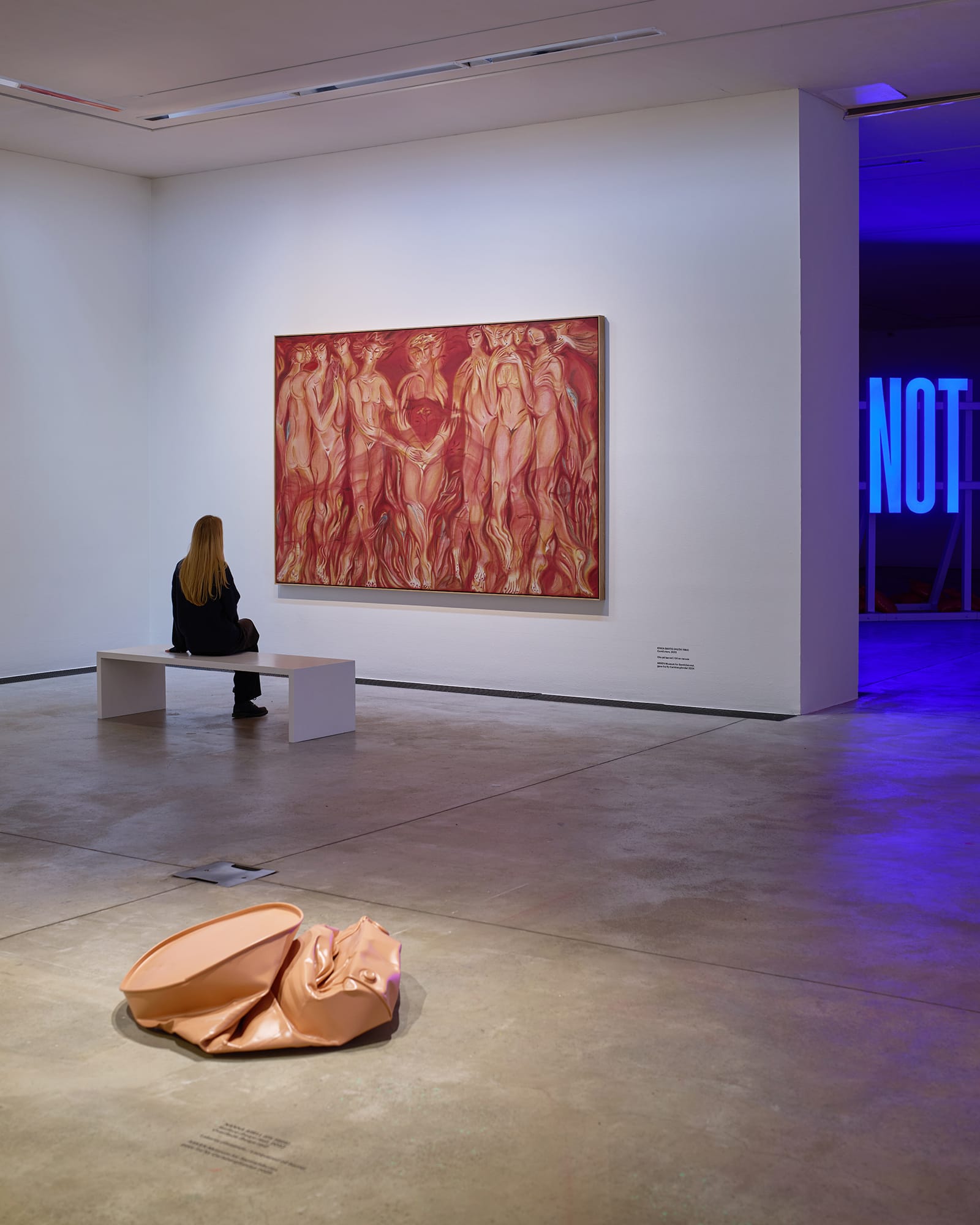
In Denmark, pigs outnumber people by more than five to one, and that imbalance is the starting point for the artist duo Cooking Sections at MAPS. Three years in the making with the museum, the project widens the idea of public space to take in the land itself. Developed with historian Hannah Landecker, it unfolds as a sound work in which voices describe how pigs become food, medicine and building material, while buildings in turn reshape animal bodies. Visitors follow industrial farming through landscapes, homes and human flesh. Irene Campolmi curates.
Berit Heggenhougen-Jensen – From 80’s Punk to Schlager Music
Until 9 August 2026
Raw, defiant and bursting with primary colour, the paintings of Berit Heggenhougen-Jensen marked the arrival of De Unge Vilde at the 1982 show Kniven på hovedet. Kunsten marks the artist’s seventieth birthday with the largest museum presentation of her work so far, drawing on its own holding of 64 pieces from chiefly the 1980s and 1990s. Landscape recurs throughout, later joined by collaged pin-ups, vinyl records and condoms as she turned to gender and sexuality. Wit and ironic distance run through titles such as Schlager.
P.K. Echo. 12 Dialogues from the Collection
Until 30 August 2026
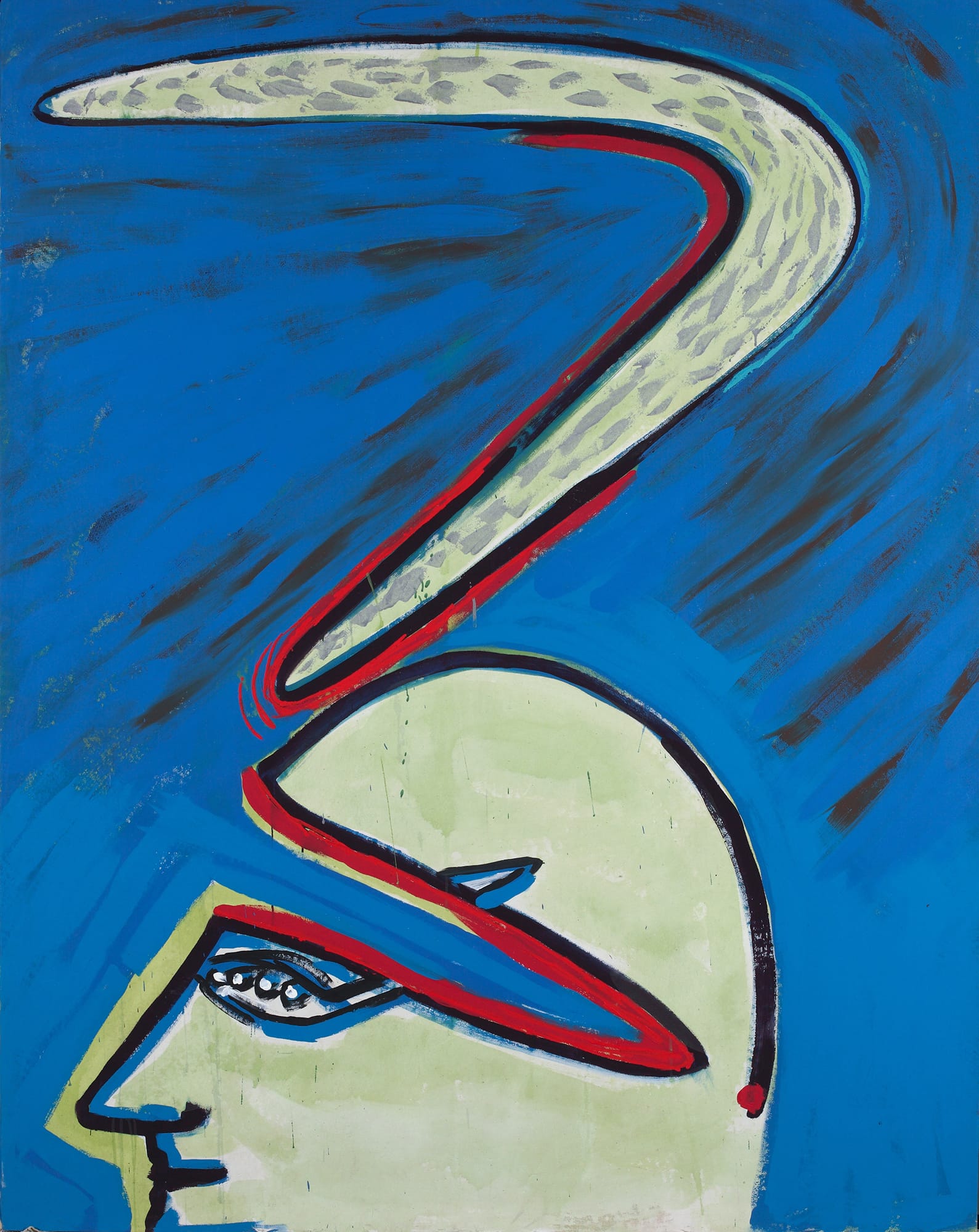
Not a single work by Per Kirkeby hangs in this exhibition, yet the whole thing turns on him. Museum Jorn maps the late artist’s network through twelve paired dialogues between 24 Danish and international figures from its collection, among them Georg Baselitz with Jens Birkemose and Annette Messager with Hans Bellmer. Each pairing departs from a theme that shaped Kirkeby’s own practice, treating his influence as something that travels through other hands. Alongside Asger Jorn, Kirkeby remains the museum’s central artist, present here as an absence felt across the rooms.
🇫🇷 Exhibitions in France
“100 Works that Tell the Story of Work” itinerary
Until 2 August 2026
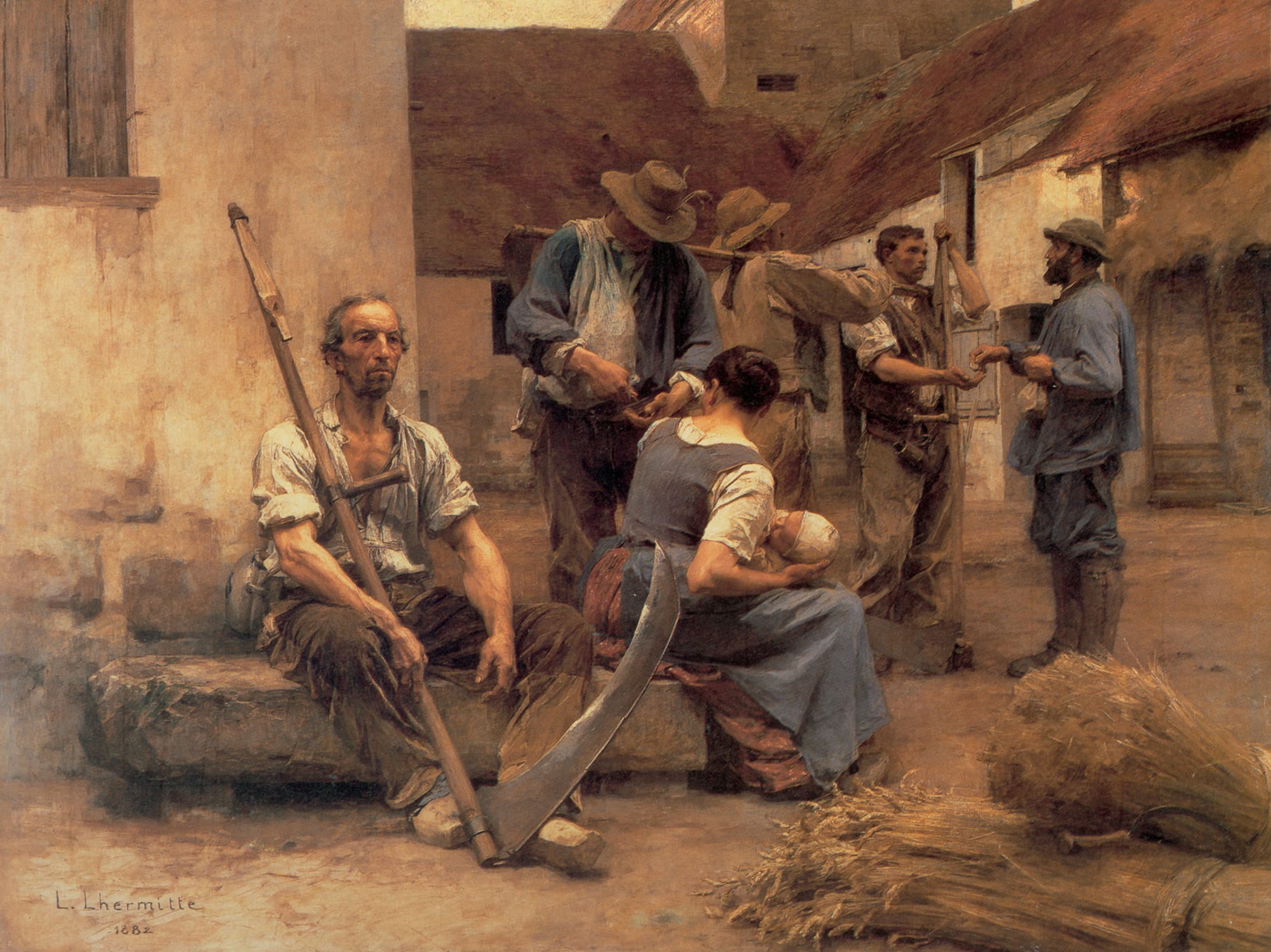
Demolition workers, factory rhythms and women labouring at home recur through this thematic trail at the Musée d’Orsay, where roughly one hundred 19th-century works are read against a single subject. Starting in Room 69 and threading out across the permanent collection, the route follows how the industrial revolution reshaped the bond between people and their work, from mechanisation and the rise of the working class to the spread of women’s and children’s labour. Painters between 1848 and 1914 recorded the upheaval, sometimes with documentary precision, sometimes through stereotype, sometimes as outright utopia. Clémence Raynaud curates.
Hilma af Klint, Paintings for the Temple (1906–1915)
Until 30 August 2026
Kept sealed for two decades after her death, the most radical paintings of the early 20th century waited until 1986 to reach a public. The Grand Palais and the Centre Pompidou now show the cycle at their centre: Hilma af Klint’s Paintings for the Temple (1906–1915), produced in secret while she maintained a conventional figurative career in Stockholm. Spirals, circles and beams of colour carry her search for cosmic harmony, drawn from theosophy, folk art and contemporary science. The monumental series The Ten Largest anchors the display. Pascal Rousseau curates.
Calder. Rêver en équilibre
Until 16 August 2026
Mobiles drift on the slightest current beneath Frank Gehry’s glass sails, turning the Fondation Louis Vuitton over to Alexander Calder for the centenary of his 1926 move to Paris. Close to 300 works fill every gallery and, for the first time, the adjoining lawn: stabiles, mobiles, wire portraits, carved figures, paintings and jewellery. The Whitney’s Cirque Calder, unlent for fifteen years, returns to the city where it was made. Pieces by Arp, Hepworth, Mondrian and Picasso set his invention among the avant-garde, while photographs by Cartier-Bresson and Man Ray track a life lived between art and play.
Open Space #18 Armineh Negahdari
Until 30 August 2026
Drawing here is less a language than a way of life, made under pressure and without a plan. Iranian artist Armineh Negahdari (b. 1994), now based in Bordeaux, fills Gallery 8 at the Fondation Louis Vuitton with new work on paper, cardboard and canvas in her first solo show at a French institution. Charcoal, oil pastel and graphite register the hand’s hesitation as much as the finished image. Human figures surface and dissolve, sometimes dislocated, sometimes shrunk to a corner of a blank sheet. Claudia Buizza and Ludovic Delalande curate the Open Space presentation.
Clair-obscur
Until 24 August 2026
Step into a building dimmed to dusk, where rays of light pick out figures from deep shadow. The Bourse de Commerce turns its galleries over to chiaroscuro, the technique sharpened by Caravaggio and pushed further by Goya, tracing its pull on artists working now. Around a hundred works from the Pinault Collection, joined for the first time by several modernist pieces, set the visible against the unseen. Victor Man’s melancholy canvases fill Gallery 3, while Bill Viola’s figures rise slowly out of the dark. Emma Lavigne curates, taking her cue from the philosopher Giorgio Agamben.
Giovanni Segantini (1858–1899): I Want to See My Mountains
Until 16 August 2026
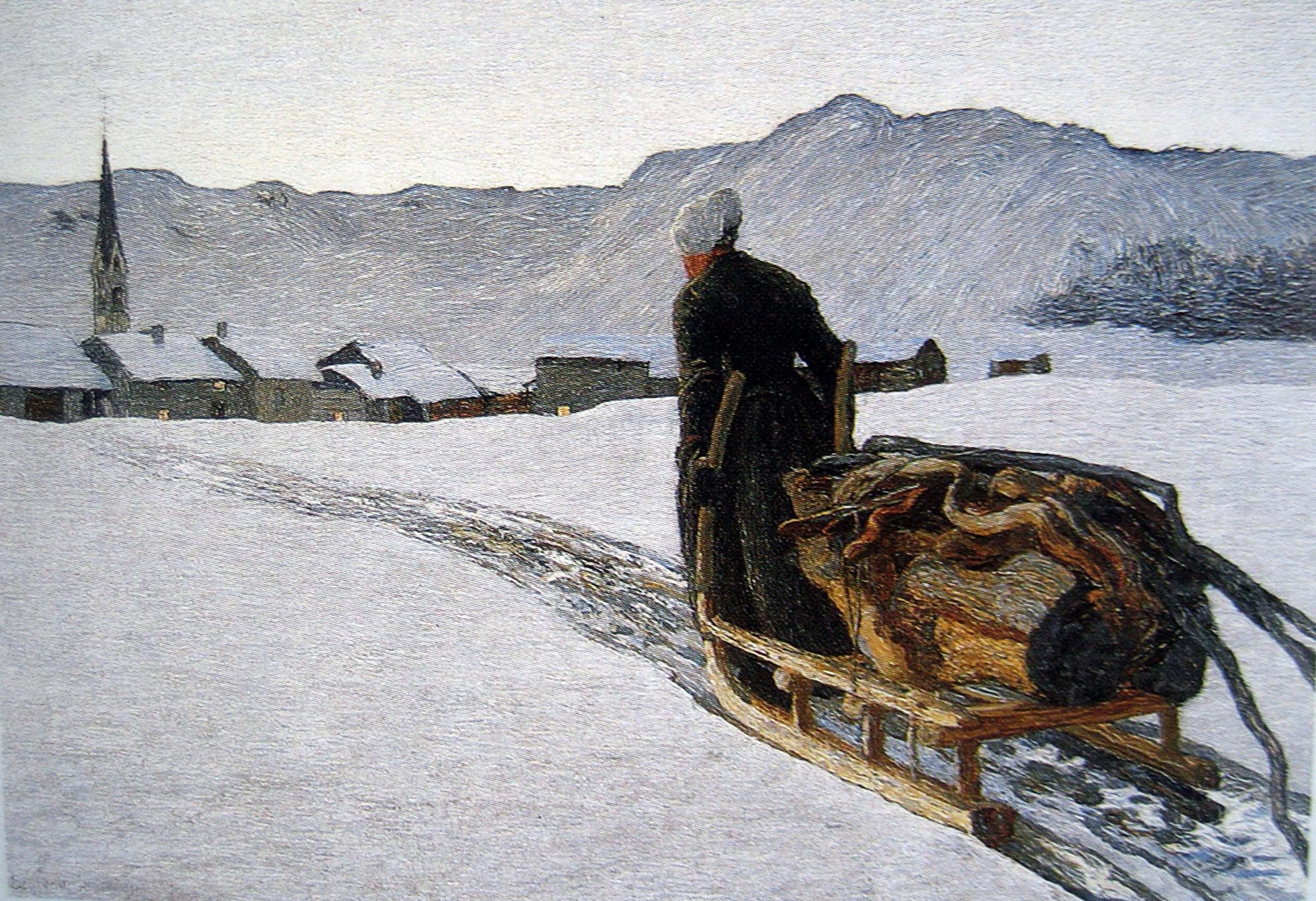
Not the Alps as scenery, but the Alps as a spiritual proving ground. That distinction runs through the work of Giovanni Segantini, whose first Paris monographic show opens at the Musée Marmottan Monet. Around sixty paintings, pastels and drawings follow his path from Lombardy to the Engadine valley in Switzerland, a leading figure of Symbolism and European Divisionism who died in 1899 before he could exhibit at the 1900 World’s Fair. Anselm Kiefer’s homage Voglio vedere le mie montagne hangs alongside. Gabriella Belli and Diana Segantini curate.
Louise Nevelson. Mrs. N’s Palace
Until 31 August 2026
Walls of stacked wooden boxes, painted a uniform black, gather found fragments into monumental reliefs. Galerie 2 at the Centre Pompidou-Metz is given to Louise Nevelson, fifty years on from her last show in France, in a presentation built around dance and performance. One of the foremost sculptors of the 20th century, she drew on Cubism, Constructivism, Schwitters and the Dadaist habit of collage, yet pushed past all of them into a language of her own. The display, titled Mrs. N’s Palace after one of her room-sized environments, traces how that legacy still carries. Anne Horvath curates.
Bonnes mères
Until 31 August 2026
Four thousand years of stories, rites and images, and motherhood sits near the centre of nearly all of them. The Mucem takes it up as intimate experience, social construct and political question together. Bonnes mères moves in three parts: the familiar maternal figures of myth and tradition, then the often invisible realities of mothering, then the bonds passed between mother and child. Works range from an ancient mother goddess and a Botticelli workshop Virgin to Marseille’s Bonne Mère and contemporary pieces by Pierre et Gilles and Fatima Mazmouz.
🇩🇪 Exhibitions in Germany
MIX & MATCH
Until 30 August 2026
Rehanging an entire collection is rarely cause for celebration, yet the Pinakothek der Moderne has made it one. MIX & MATCH, the display marking the museum’s 20th anniversary, sees curators of the Sammlung Moderne Kunst reorganise around 350 works across 25 galleries, mixing epochs, styles and media. Painting, sculpture, photography, video and printmaking feed into themes such as migration, work and the environment, alongside older tropes like the nude, the self-portrait and the forest. The result reads the past 120 years as a series of snapshots, each angled towards present debates.
Maria Lassnig and Edvard Munch
Until 30 August 2026
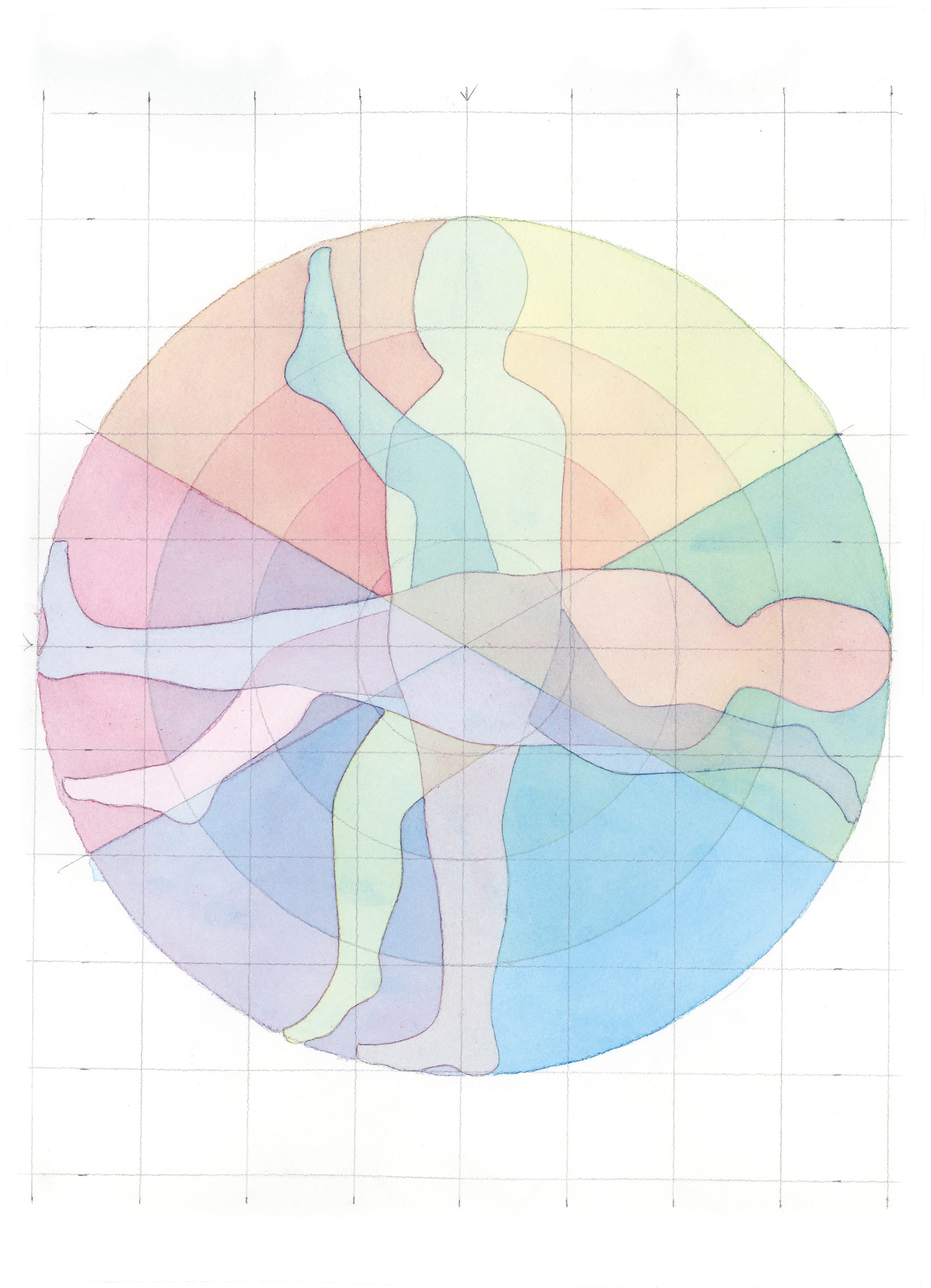
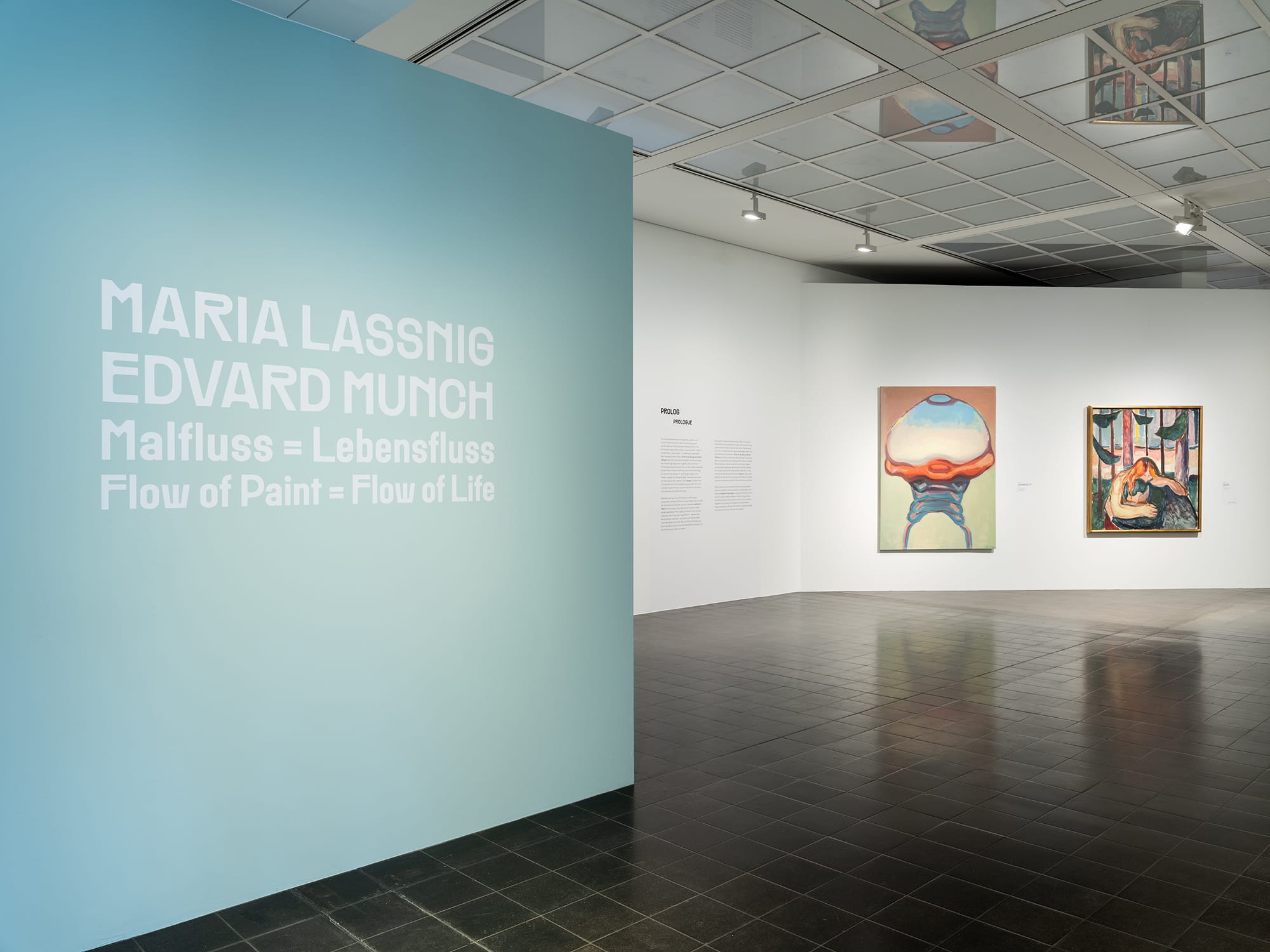
A Madonna of the 1890s now hangs within reach of a chain of painted female heads from 1983. The Hamburger Kunsthalle pairs Edvard Munch (1863–1944) with Austrian painter Maria Lassnig (1919–2014) for the first time, tracing his hold on her practice across nearly 200 paintings, drawings, sculptures and films. Both treated colour as raw feeling, by very different routes. Munch reached for grief, anger and joy; Lassnig turned inward to the body’s own sensations. Arranged in thirteen chapters and developed with the Kunsthaus Zürich, the tour moves from early self-portraits out toward the dimension of outer space.
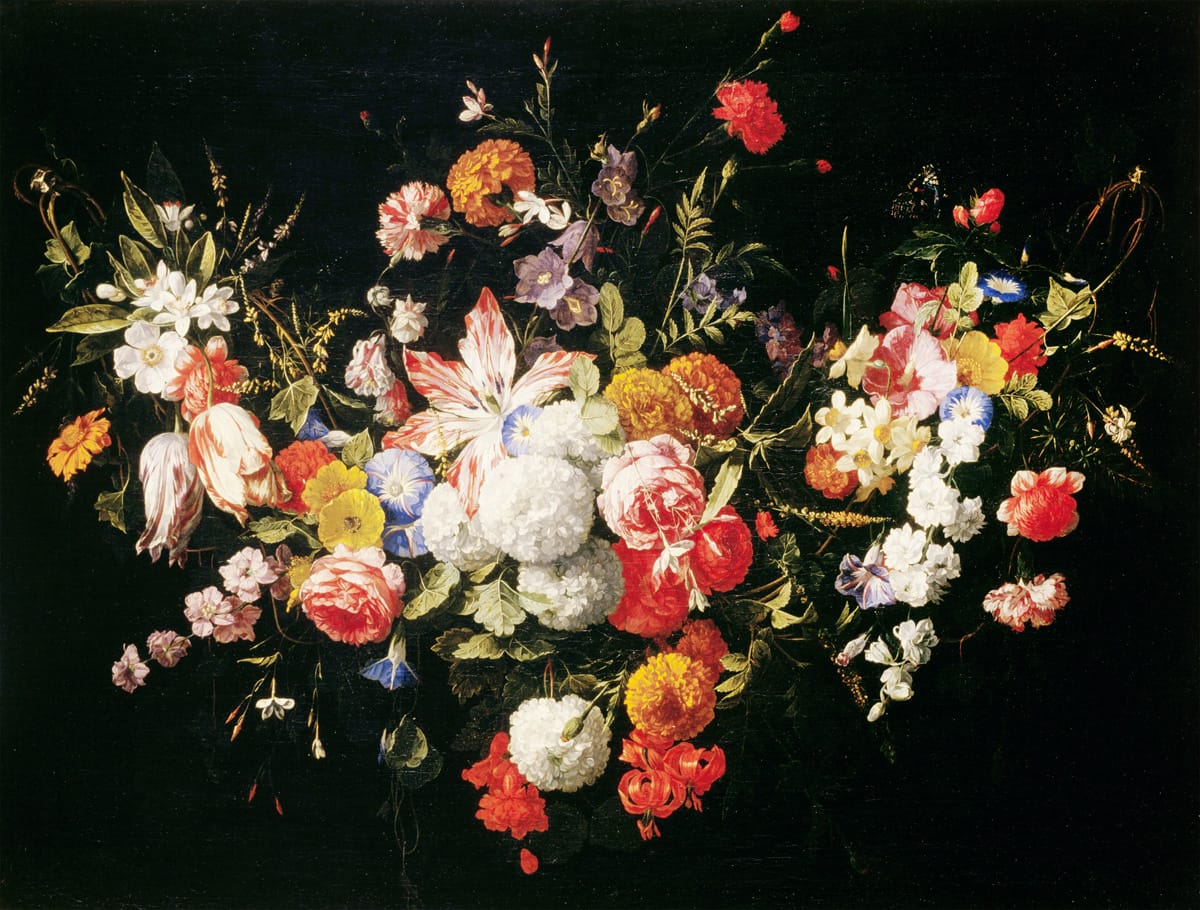
B{L}OOMING – Baroque Flower Splendour
Until 2 August 2026
Roses, tulips, lilies, daffodils, painted to outlast the season that produced them. The Wallraf-Richartz-Museum devotes its annual exhibition to the Baroque vogue for flowers, gathering still lifes, portraits and allegories from its own holdings and private collections, several newly researched and restored. Flower painting took hold around 1600 in Flanders before sweeping across Europe, and the names on the walls map that spread: the Flemings Daniel Seghers and Jan Brueghel the Elder, the Dutch Adriaen Coorte and Roelandt Savery, the Italian Giovanni Stanchi, the German Peter Binoit. Four centuries on, the blooms keep their colour.
Yayoi Kusama
Until 2 August 2026
In the museum’s largest hall, the walls fall away into mirrored infinity, dots multiplying without end. This is the centrepiece of the Museum Ludwig’s fiftieth-anniversary exhibition, devoted to Yayoi Kusama (b. 1929) and gathering more than 300 works from a first drawing of around 1934 to a fresh commission. Painting, sculpture, fashion, performance and writing all feature, and the display spills onto a rooftop terrace. Early pieces return too, among them the 1963 environment Aggregation: One Thousand Boats Show. The project is shared with the Fondation Beyeler and the Stedelijk Museum Amsterdam.
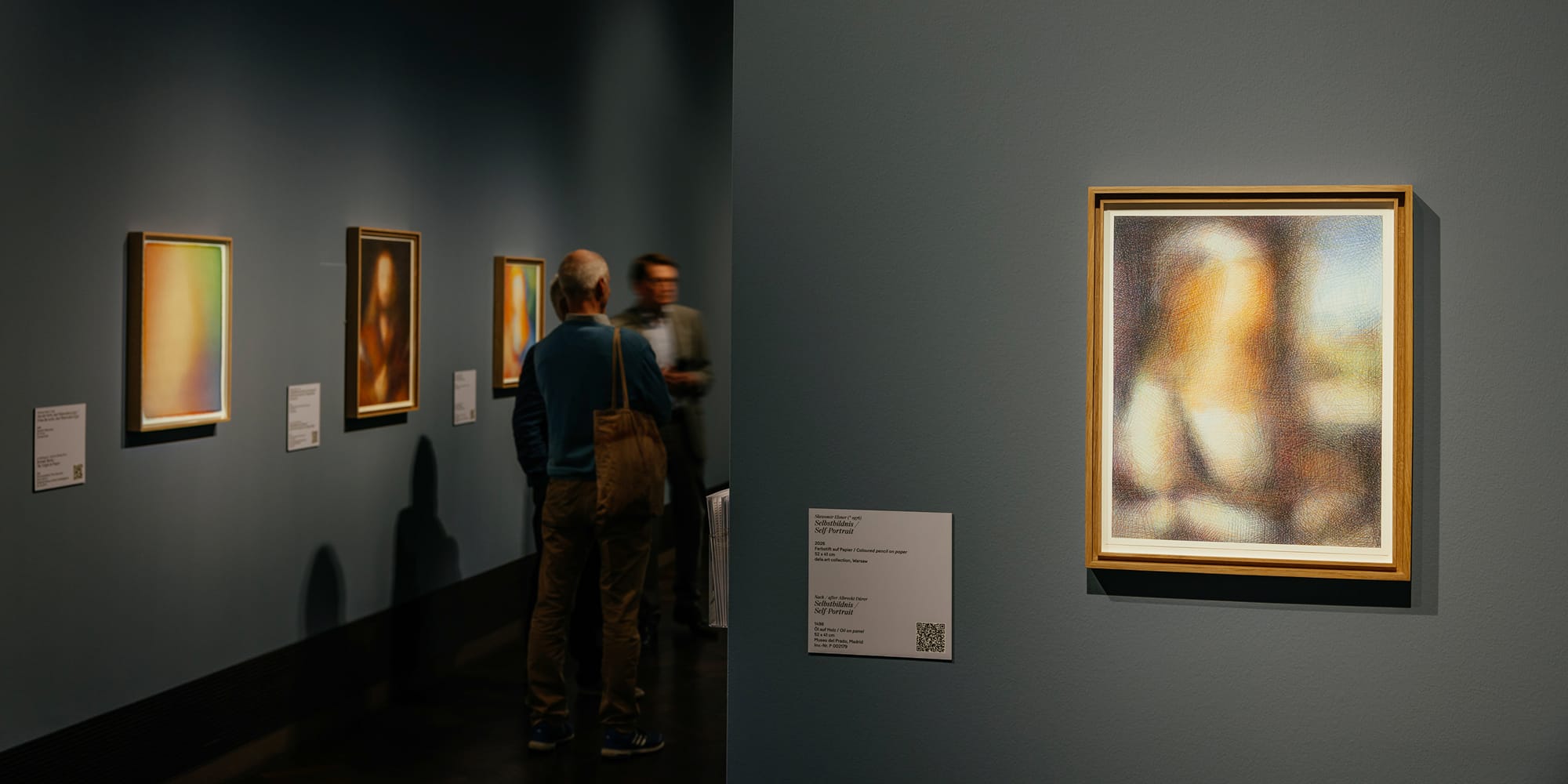
In the Face of Humanity – Sławomir Elsner / Albrecht Dürer
Until 30 August 2026
Stand close, and the surface dissolves into shimmering threads of colour; step back, and a face resolves. Such is the trick of Sławomir Elsner (b. 1976), whose coloured-pencil drawings restage Old Master paintings line by patient line. This cabinet show at the Gemäldegalerie Alte Meister sets his work beside Albrecht Dürer’s The Seven Sorrows of the Virgin (1495/96), seven panels that once framed a now-missing central Virgin. Elsner has supplied that absence with a new drawing of his own, her radiant figure floating clear of Dürer’s earthbound grief.
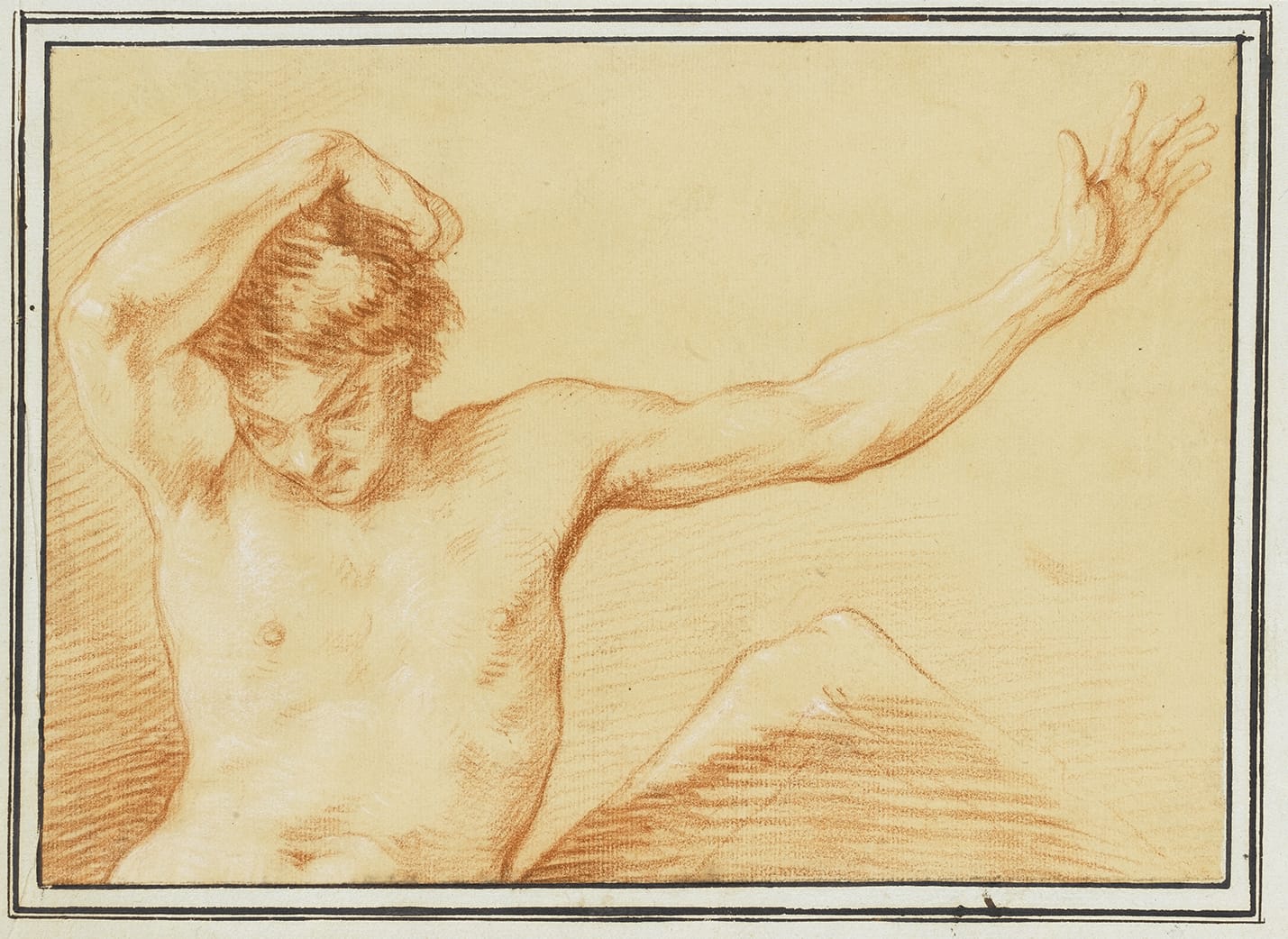
Generation 1700
Until 30 August 2026
Anatomy, posture, the play of light across a torso: such were the lessons drilled into students at Paris’s Académie royale de peinture et de sculpture in the eighteenth century. The Staatsgalerie’s Graphic Cabinet gathers around 70 drawings and prints, most shown for the first time, around Michel-François Dandré-Bardon (1700–1783), who staged the body in dramatic studies from head to toe. Works by contemporaries such as Carle van Loo and Charles Joseph Natoire fill out the picture. Under the Enlightenment, the show argues, drawing from life became its own form of liberation.
Anne Truitt. Pioneer of Minimal Art
Until 2 August 2026
Minimalism is usually told as a story of men and metal boxes. The Kunstsammlung Nordrhein-Westfalen complicates that account with the first comprehensive European show of Anne Truitt (1921–2004), the American artist and writer who built tall wooden columns and painted them in subtle, saturated colour. More than 100 works trace four decades, from her sculptures of the early 1960s to the pale Arundel Paintings of the 1970s and numerous works on paper. Truitt wanted, in her words, to take the image off the wall so that colour could unfold freely in space. Organised with Grenoble and the Reina Sofía.
Tadáskía. Winner K21 Global Art Award 2025
Until 30 August 2026
A wall of pastel, spray and charcoal unfurls into half-abstract forms, and reed sculptures ripple across the floor below. This is the work of Tadáskía (b. 1993, Rio de Janeiro), the third winner of the K21 Global Art Award, whose site-specific installation the Kunstsammlung Nordrhein-Westfalen has acquired. Made from taboa, a plant long worked by Afro-Indigenous communities of Latin America, her twisting sculptures extend a freely painted drawing into the room. The Brazilian artist draws on Afro-Transgender cosmologies, weaving together transformation, secrecy and self-perception, and inviting visitors to question inherited norms of gender and visibility.
100 Best Posters 25
Until 2 August 2026
One hundred posters, sifted from thousands of entries, make up the German-speaking world’s largest annual competition for the form. Museum Folkwang shows the winning selection at the Zollverein’s SANAA building, a collaboration with 100 Beste Plakate e. V., the museum’s own German Poster Museum, the Zollverein Foundation and the Folkwang University of the Arts. Submissions come from Germany, Austria and Switzerland, and admission is free. For anyone curious about where graphic design is heading, the result offers a brisk, up-to-date reading of the whole field.
🇭🇺 Exhibitions in Hungary
Kinetic Visions. Nicolas Schöffer and Victor Vasarely in Dialogue
Until 23 August 2026
Two careers that ran along the same lines without quite touching are placed side by side in this chamber display in the FOCUS room of the gallery’s international collection. Nicolas Schöffer (1912–1992) worked with movement, light and the machinery of cybernetics, while Victor Vasarely (1906–1997) built worlds from optical illusion and the trickery of perception. Both left Hungary, settled in France within a few years of each other and pushed geometric abstraction towards something that asked the viewer to take part. Curated by Mónika Zombori and Vera Pócs, it is free with the gallery’s annual ticket.
Dolce Vita. Impressions of Italy in Two Centuries of Hungarian Art
Until 23 August 2026
Flavours, scents, light and melody: Italy has worked on the Hungarian imagination for two hundred years, and around 150 works by 75 artists chart what the country gave them. Nineteenth-century painters made costly pilgrimages south to study Raphael, Titian and Caravaggio, while later figures such as Aba-Novák and Vaszary caught the everyday bustle of beaches and city streets. The southern light even followed them home, settling over Lake Balaton in canvases by Egry and Medveczky. Part of the Bartók Spring festival, the show is curated by Adrienn Prágai.
The Desired Masterpiece. The Art of Béla Gruber (1936–1963)
Until 23 August 2026
Dead at twenty-seven, Béla Gruber still left more than a thousand works, and his teacher Aurél Bernáth called him a “little genius”. This third-floor show gathers still lifes, barge scenes, portraits and self-portraits from public and private collections, organised into five thematic rooms. At its centre sits the six-square-metre Painter’s Studio (1962), his unfinished diploma piece, in which models, relatives and friends stand among a clutter of books, tools and furniture like figures on a stage. A short film featuring geneticist Endre Czeizel rounds it out. Curated by Marianna Kolozsváry and Zsolt Petrányi.
The Theatre of Painters. András Böröcz and László László Révész Performances from the 1980s
Until 23 August 2026
Spheres, watermelons, vinyl records, eggs sunny side up and the occasional coffin: the props alone signal that András Böröcz (b. 1956) and László László Révész (1957–2021) were after something stranger than theatre. Trained as painters, the duo built performances between 1977 and 1990 that folded Shakespeare, Mozart and the Hungarian neo-avant-garde into ironic, playful events, touring as far as documenta 7 in Kassel. The display reconstructs them through collage portfolios, documentary photographs, sculptures and rarely seen video, alongside a new site-specific installation by Böröcz. Curated by Dávid Fehér.
Vasarely 120
Until 16 August 2026
Op art owes much of its existence to the man this retrospective honours on the 120th anniversary of his birth. The work of Victor Vasarely shaped the rise of geometrical abstraction after the Second World War, and the show follows him in sequence from early figurative studies through pure systems to the precise structuring of optical effect. More than 140 works fill five sections, drawing on the Budapest holdings, the world’s largest, plus loans never seen here from the Fondation Vasarely in Aix-en-Provence and the Vasarely Museum in Pécs. The last survey on this scale was in 1969.
András Berecz: Bells Marked by Time
Until 30 August 2026
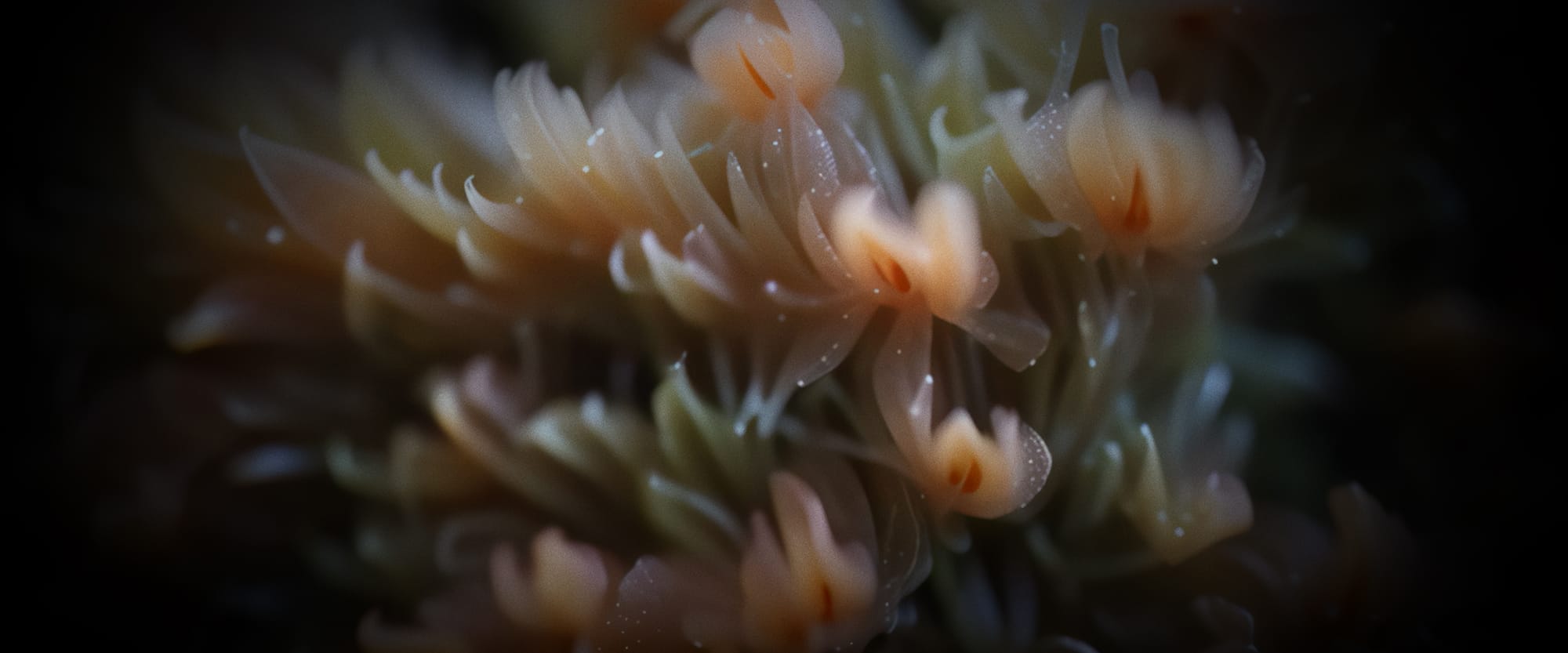
Look closely at the mantle of a cast bell and the clapper’s marks read almost as brushstrokes. András Berecz photographs those surfaces in macro, where centuries of friction and the oxidation of bronze, copper and tin resolve into greens, blues, reds and yellows that suggest plants, animals and half-remembered objects. The pictures double as a record of bell-founding and of the ringers themselves, custodians of a craft slipping away as electronic systems take over. Some bells here have fallen silent altogether, their portraits a note on a voice now lost. Text by Réka Fazakas.
Created Order – Lajos Dargay’s Universe
Until 23 August 2026
Order, Lajos Dargay was convinced, is the hidden grammar of the cosmos, and geometry the way to make it visible. His constructions, built from lines, light, shadow and reflection, set out to train the eye towards a harmony he traces back to the classical ideal of the beautiful and the good. The result asks for a slow, receptive kind of looking rather than a quick read. At its heart is the relief Time Relief I, a distillation of his search for a perfect, recognisable structure beneath the visible world. Curated by Zoltán Rockenbauer.
🇮🇹 Exhibitions in Italy
Memorie sommerse. Roman bronzes from the Ponte di Valentiniano
Until 31 August 2026
Hauled from the Tiber in 1878 and then left for well over a century in the museum’s storerooms, three gilded bronzes have returned to a single room at Palazzo Massimo. A diademed male head, a togate figure and the right wing of a Victory once decorated the fourth-century bridge built under Valentinian, later swept away and replaced by today’s Ponte Sisto. Restoration and fresh study underpin the display, and a narrated video reconstructs the monumental dedicatory inscriptions, including the travertine text carved to be read by boatmen passing below on the river.
From Paris for Kha and Merit
Until 10 August 2026
Two objects have come home, if only briefly. To mark 120 years since the intact tomb of Kha and Merit was uncovered in 1906, the Museo Egizio has borrowed the pyramidion inscribed with Kha’s name from the Louvre and Merit’s Book of the Dead from the Bibliothèque nationale de France. Both are reunited in Room 7 with the funerary goods found alongside them, the most complete such assemblage to survive from ancient Egypt. The loans are on view for these months only before returning north to Paris.
🇱🇮 Exhibitions in Liechtenstein
RELAX (chiarenza & hauser & co): What is wealth?
Until 16 August 2026
Thinking alone, the artist duo RELAX maintain, is criminal. Marie-Antoinette Chiarenza and Daniel Hauser have worked together since 1983, and their installation What is wealth? (2010–17), drawn from the Kunstmuseum’s own holdings, anchors this solo presentation built around a single deceptively plain question. Value, property, responsibility, memory and happiness are all turned over with dry humour and a researcher’s patience. New pieces made for the occasion join the collection works, and the pair invite visitors into the communal reflection they have long argued art exists to provoke.
Naturjuwel Haberfeld
Until 23 August 2026
Kingfishers, grass snakes and dragonflies share a few hectares on the edge of Vaduz. Laid out in 1973 as a nature and recreation ground, the Haberfeld has since become a dense patchwork of habitats, and the Liechtenstein National Museum turns it into an exhibition. Its richness comes from proximity: where flowing and standing water meet dry land, valuable ecological niches form within a remarkably small area. Photographs by Georg Jäger record the creatures that pass through, from night herons to pond snails, and a companion book carries the story beyond the gallery walls.
🇱🇺 Exhibitions in Luxembourg
Between Then and Now
Until 16 August 2026
Swatches of fabric hang within reach, inviting touch, at the entrance to this survey of the Cape Town artist Igshaan Adams. Trained partly in deliberate not-knowing, he built his practice from weaving, sculpture and performance, working overlooked household materials into reflections on identity and belonging. He grew up in Bonteheuwel, a suburb segregated under apartheid, and that divided ground runs through the work. Mudam arranges the show as a woven timeline, with tapestries and ‘cloud’ sculptures set beside dance prints shown for the first time as a single large environment, movement reading almost as choreography.
A Whole New World
Until 23 August 2026
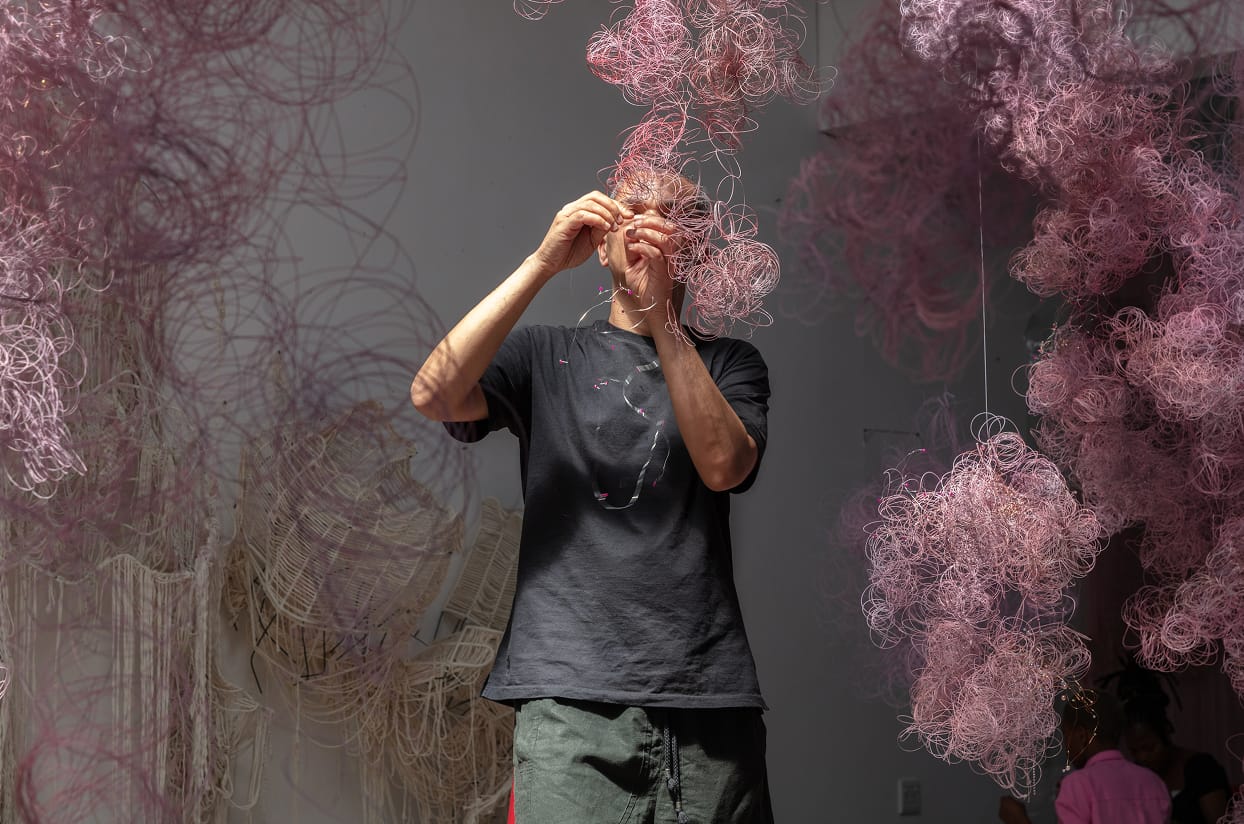
Theme parks, cartoons and mass tourist sites are the raw material here, treated as evidence of how a society pictures itself. The British Japanese artist Simon Fujiwara holds a mirror to a fast, image-saturated age, building scenes that are playful, surreal and now and then unsettling. His subjects range across history, mythology, sexuality and architecture, yet stay tethered to his own life. Beneath the seductive surfaces sits one question: why crave authenticity while building ever more artificial worlds? Drawing on nearly twenty years of painting, film, performance and animation, the show assembles his shifting portrait of the twenty-first century.
Seven Paintings – Seven Encounters
Until 23 August 2026
Expect to find the gallery nearly empty. For this cycle, Mudam shows seven works from its collection one at a time, each given a few weeks alone in the room. Most have rarely or never hung at the museum before, and the rotation runs from Berthe Lutgen through Edi Hila, Anne Imhof, Masaya Chiba, Monique Becker and Ambera Wellmann to Bernard Frize, who closes the sequence from late July. Surrealism, Abstract Expressionism, social engagement and formal experiment each get their turn before the work changes again.
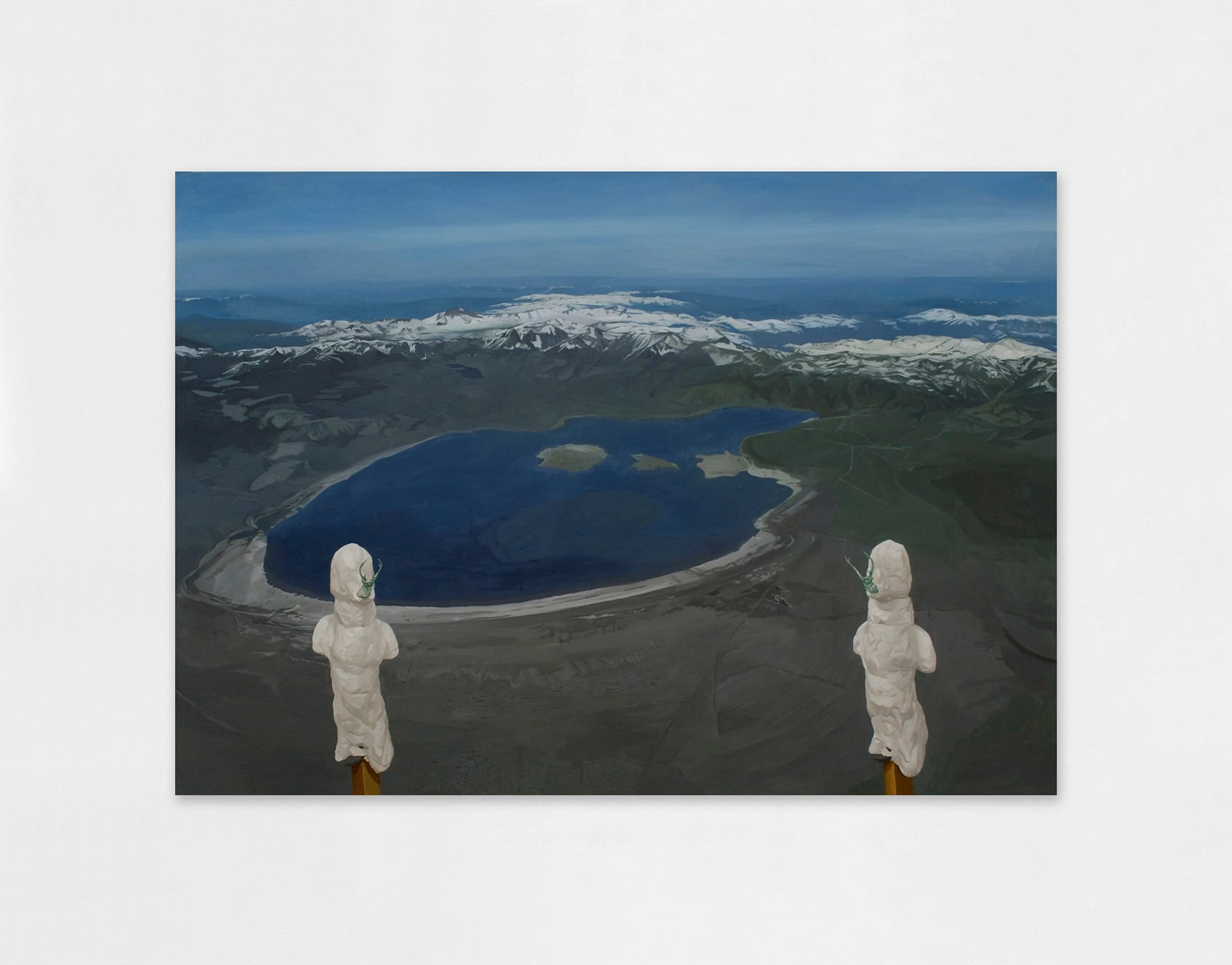
🇳🇱 Exhibitions in the Netherlands
Experimental Jetset: Circuits
Until 2 August 2026
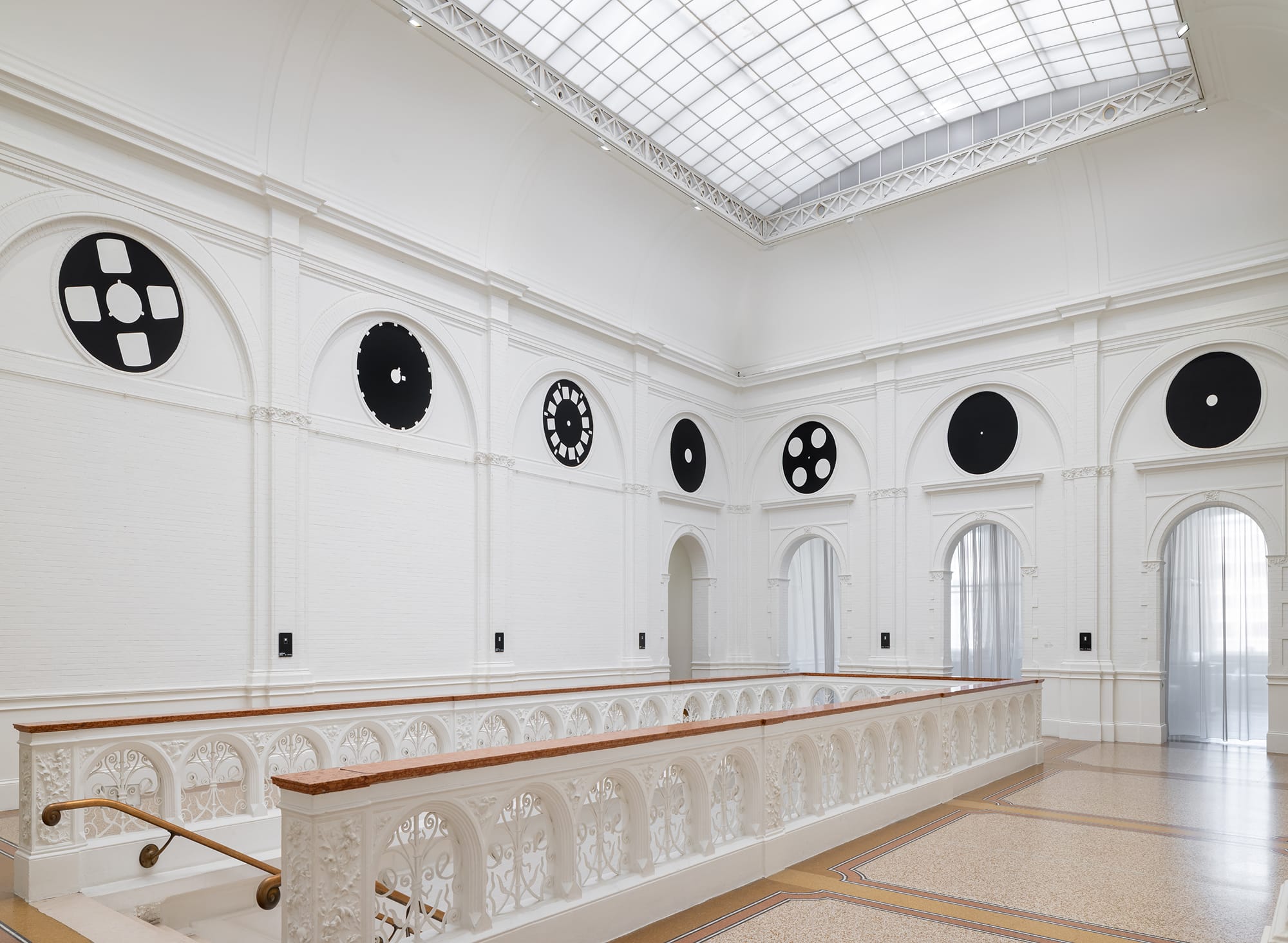
Sixteen black, near-emblematic shapes ring the rosettes above the museum’s monumental staircase, each standing in for a format that has all but vanished: the 35mm film reel, the LaserDisc, the cassette, the CD. The Amsterdam graphic design collective Experimental Jetset built the wall paintings for this exact spot, turning the landing into a quiet archive of how sound and image once needed something to live on. Part of their long-running Lost Formats Preservation Society, begun in 1999, the installation also asks a sharper question about the cloud era, when information loses its body and, perhaps, some of its stability.
Danh Vo: πνεῦμα (Ἔλισσα)
Until 2 August 2026
Wood, marble and copper carry their own histories here, and Danh Vo arranges them so those histories start to speak to one another. Classical remnants, religious relics and monumental fragments sit alongside his own sculptures and works by other artists, forming a shifting constellation rather than a fixed display. The Vietnamese-Danish artist returns to the Stedelijk for the first time since 2008, building an installation around displacement and intimacy, and the ways power shapes people through pleasure and pain. Moving among the objects, looking becomes a kind of remembering, which in Vo’s hands is never quite neutral.
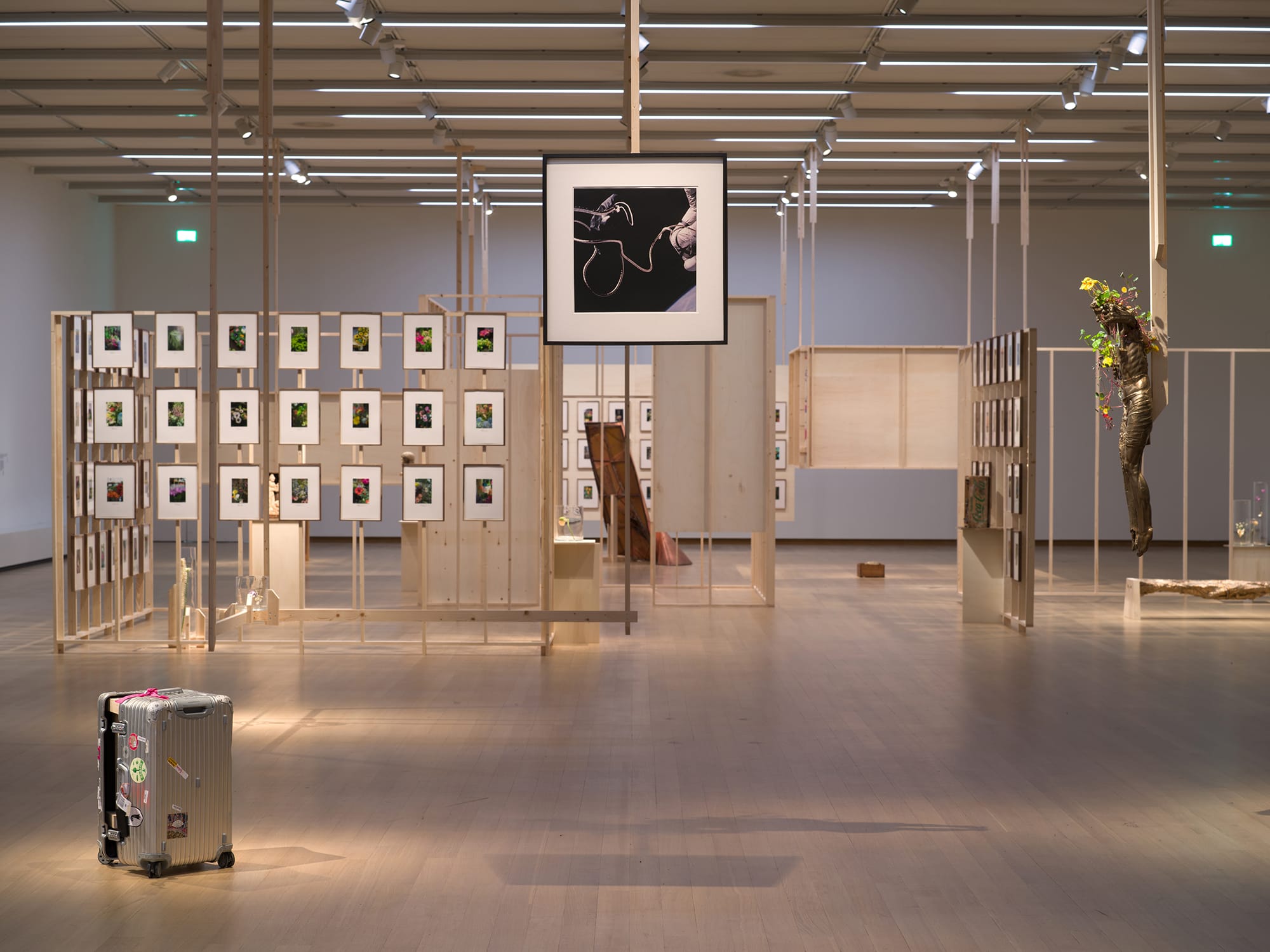
Beyond the Manosphere: Masculinities Today
Until 2 August 2026
What does it mean to be a man now? The question has sharpened with the rise of the online “manosphere”, and 35 artists here treat masculinity as something far broader than its loudest clichés. Works from the 1960s to the 1990s by Eduardo Paolozzi, Tetsumi Kudo and Sophie Calle set the subject against postwar consumerism and psychoanalysis. Newer pieces by Salman Toor, Reba Maybury, Hamishi Farah and others approach it through intimacy, labour, race and vulnerability. Dominance sits beside fragility, control beside exposure. A publication and a performance series by Zhana Ivanova extend the argument.
Martin Parr: Very Modern and Rather Ugly
Until 12 August 2026
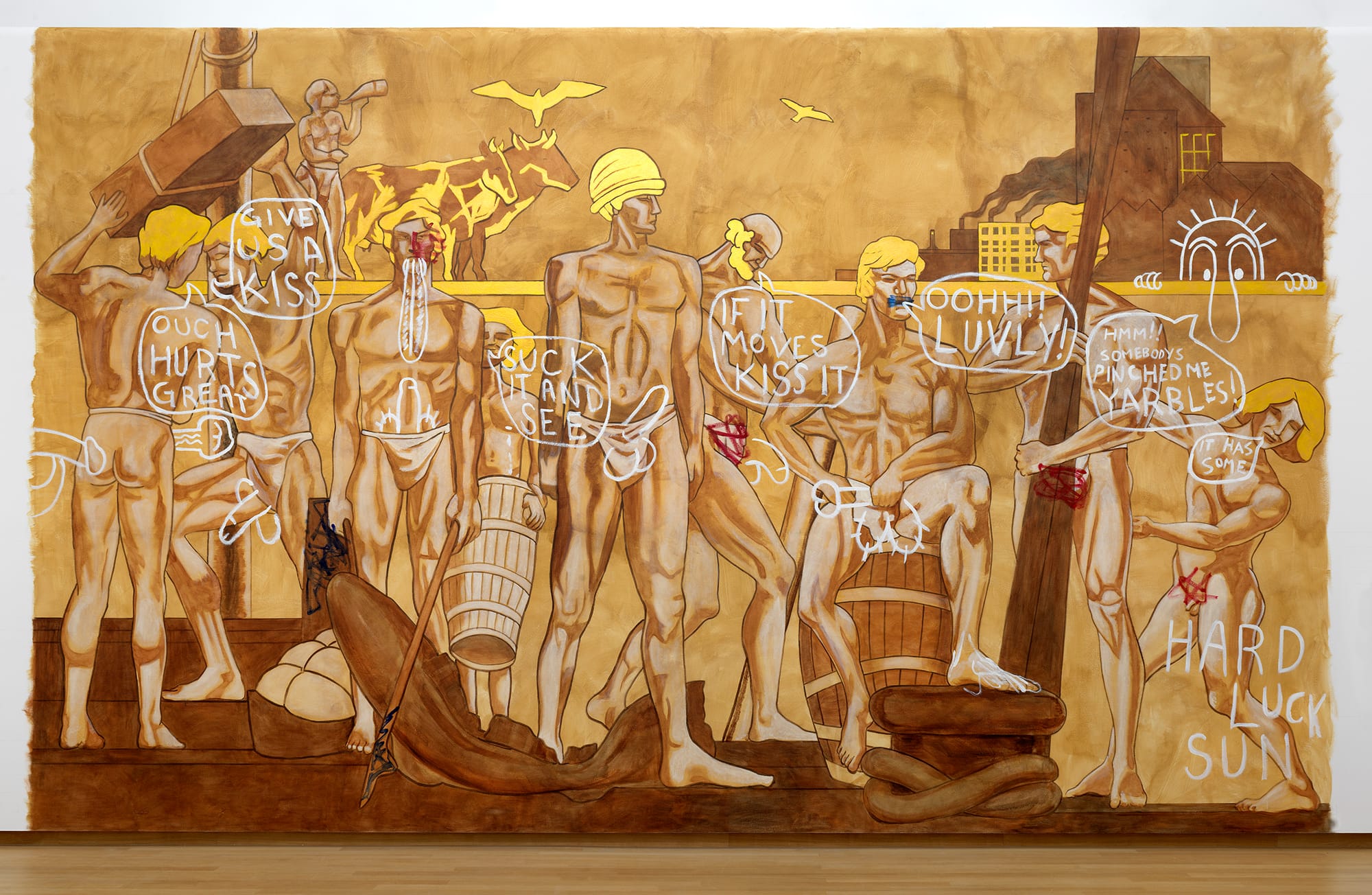
Make the familiar look strange and the dull worth a second glance: that was Martin Parr’s gift, and Foam gathers the work that built it. At the centre sits Common Sense from 1999, an installation of 270 saturated close-ups of global consumer life, from fast food to tourist trinkets. Autoportrait collects three decades of the photographer posed by street and studio operators worldwide, while early series The Non-Conformists and The Last Resort trace his move into colour and the British seaside. A reading room holds his photobooks. Parr, a Magnum member, died in 2025.
Foam Talent 2026
Until 12 August 2026
Belonging is the thread running through this year’s Foam Talent, the museum’s annual look at photographers near the start of their careers. Fifteen artists were chosen from nearly 3,000 submissions across 107 countries, and their work circles the search for a safe place, whether in a home, a family, a community or simply a sense of where one stands. The range stretches from close, quiet portraits to wide visual narratives. Beyond Amsterdam, the selection travels to the Deutsche Börse Photography Foundation in Frankfurt and fills a dedicated issue of Foam Magazine.
Salty Tears, a Bare Wall, and a Playful Emergency Button
Until 29 August 2026
How do we stay human in complicated times, full of small and large questions? That loose prompt holds together this presentation of the Rabo Art Collection inside the Rotterdam depot. Visitors are pulled between the romance of solitude in Mark Manders, the vulnerability of Guido Geelen’s bare wall, the salt of Ai Ozaki’s tears, and the defiance of Matthew Monahan. Pieter Laurens Mol murmurs that it is all right; Amalia Pica reaches for a megaphone. Koos Buster offers the lightest exit with his “World Peace button”. Eighteen artists share compartment A4.04, among them René Daniëls and Henk Visch.
Mr. Goodman: The Kiteman
Until 30 August 2026
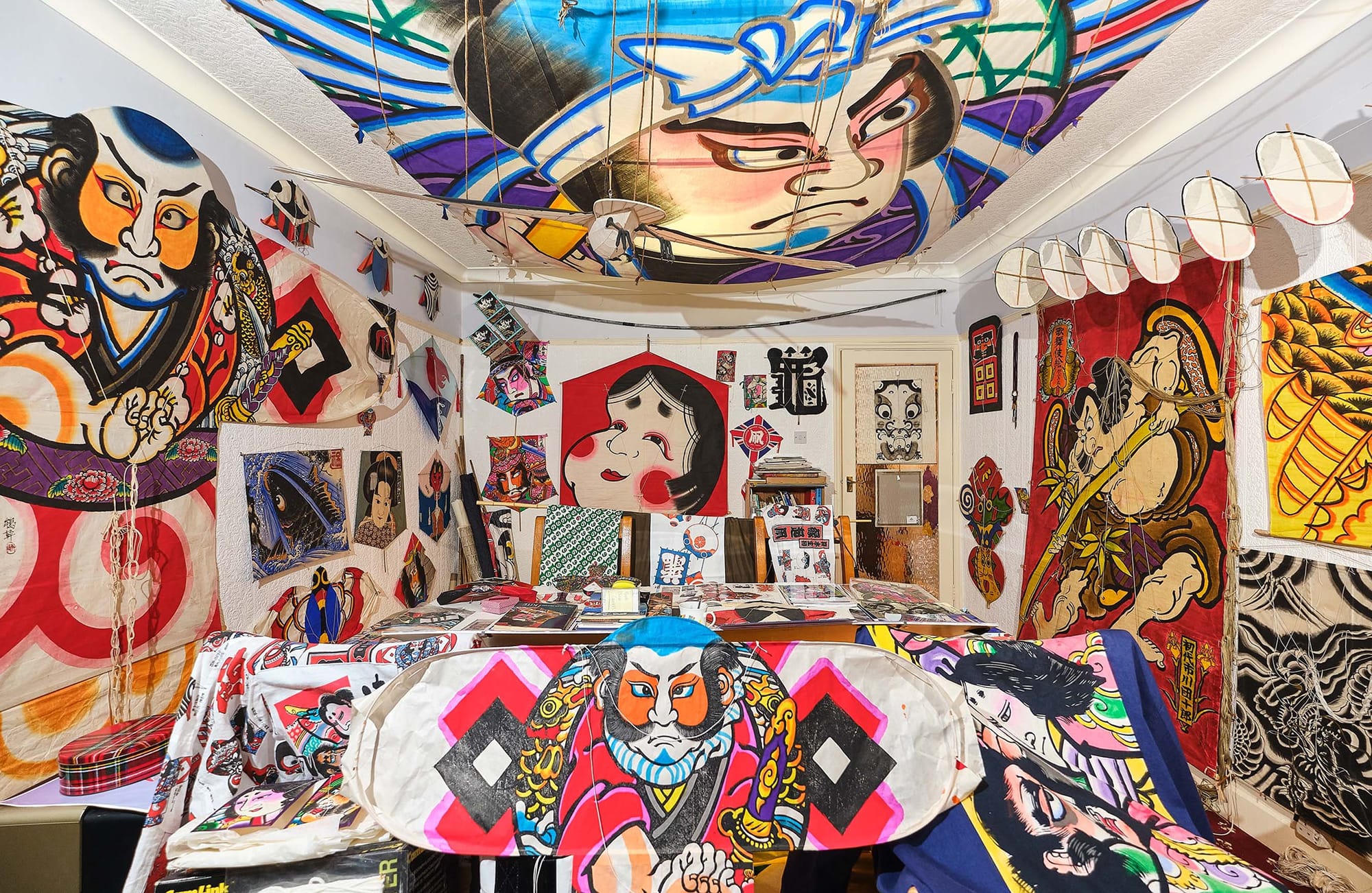
A kite hung above a sick person’s bed for three days, then cut loose to carry the illness off on the wind: that is one story among many in this display of more than 300 kites. They come from the 500-strong collection of British enthusiast Malcolm Goodman, gathered across some fifty countries from the mid-1970s onward. Visitors meet humming kites fitted with bamboo flutes, hand-painted Japanese examples by craftsmen ranked as Living National Treasures, and fighting kites built to slice a rival’s line. The Kite Club, a group of Dutch makers, documented the collection and shaped the touring show.
Flowers Forever
Until 30 August 2026
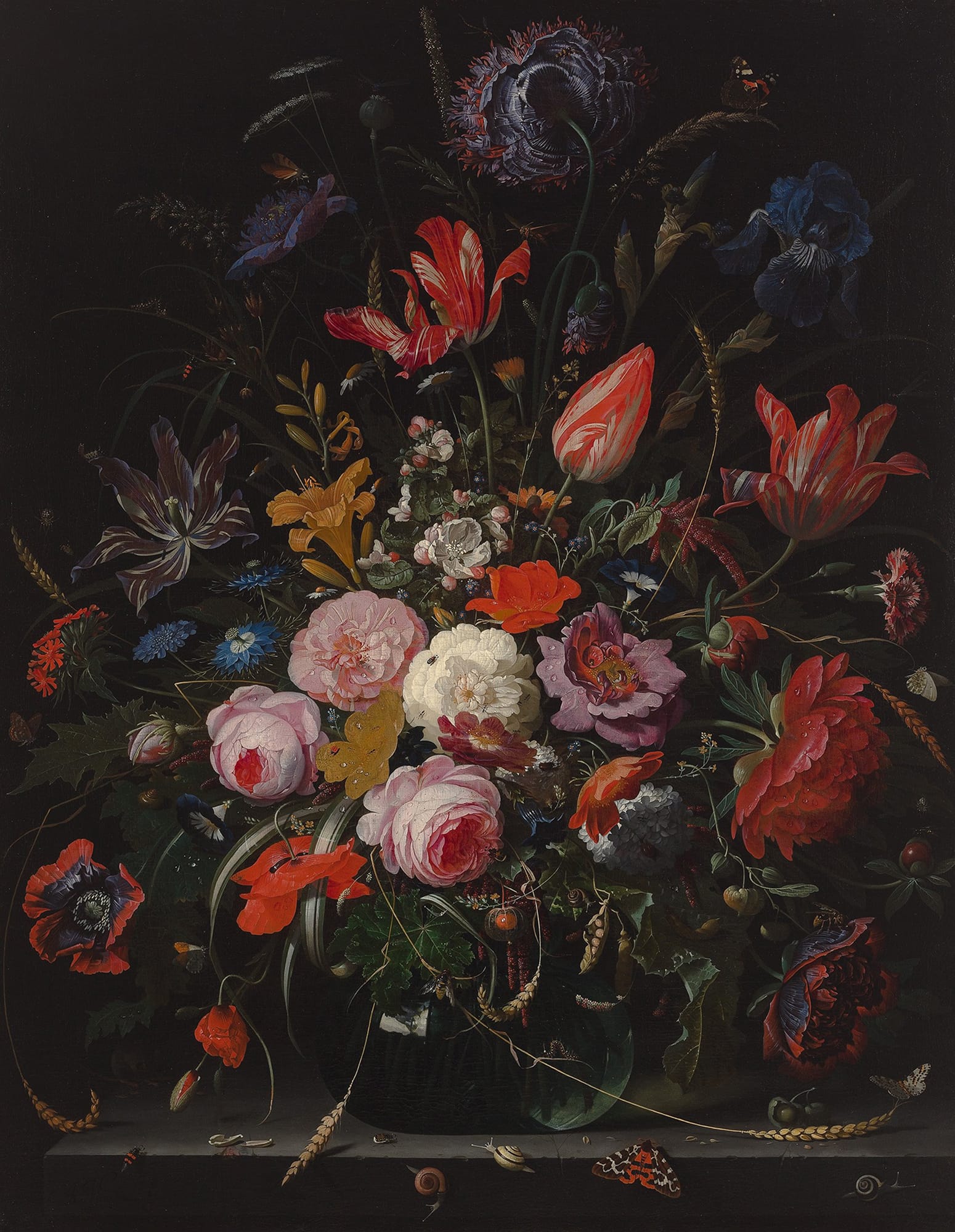
Over two hundred objects from art, design, fashion and science trace how the flower travelled from sacred symbol to status object to fragile ecological link. The route opens inside Rebecca Louise Law’s Calyx, a hush of a hundred thousand dried blooms strung overhead. Seven chapters follow. Maria Sibylla Merian’s Metamorphosis insectorum surinamensium shares space with patricia kaersenhout’s tapestries on hidden histories of knowledge; Anna Ridler ties tulip mania to Bitcoin fluctuations; Studio DRIFT’s mechanical Meadow opens and closes overhead. The Dutch tulip trade, once the first speculative flower market, runs through the whole as a recurring thread.
The Grand Summer Hut: Teuntje Fleur
Until 30 August 2026
A forest of colourful sculptures spreads up the Auditorium stairs, free to wander. Rotterdam graphic artist Teuntje Fleur has filled the steps with viewing boxes and felt shapes that visitors can rearrange into their own creatures for the fantasy wood. At the heart sits a large hut to enter, read in, and quietly slow down. Fleur traces it back to the dens she built as a child, places where time loosened and she could draw for hours. Working in primary colours and simple geometry, she shapes a summer space aimed squarely at the inner child.
Holiday Passport 2026: Drawing as Doing
Until 30 August 2026
Pick a card, follow a trail, build a story, and watch how a small choice opens a new one. Melly hands its summer over to children aged four to twelve and their families, free of charge, with drawing treated as a way of thinking rather than a line on paper. The programme draws on the exhibition Draw Withdraw Redraw and unfolds inside the Space for Education and Participation, where a giant tent goes up and drawers, cupboards and hidden corners each hold a task or surprise. There is no set route and no wrong answer. Art mediators help visitors begin.
Pentimenti: Stephan Vanfleteren Among the Masters
Until 23 August 2026
Sixteen photographs hang, stand and lie among the centuries-old paintings that prompted them, one response for each room of the museum. The Belgian photographer Stephan Vanfleteren, known for raw black-and-white portraits, roamed the collection with director Martine Gosselink and took his cue sometimes from a single work, sometimes from a whole gallery. The title points to pentimenti, the corrections an artist leaves under the paint, and to the larger mistakes traced through history and a life. Vermeer and Rembrandt reappear at a slant. Like the old masters, Vanfleteren does not look away from death; some images may unsettle.
Zin in...
Until 30 August 2026
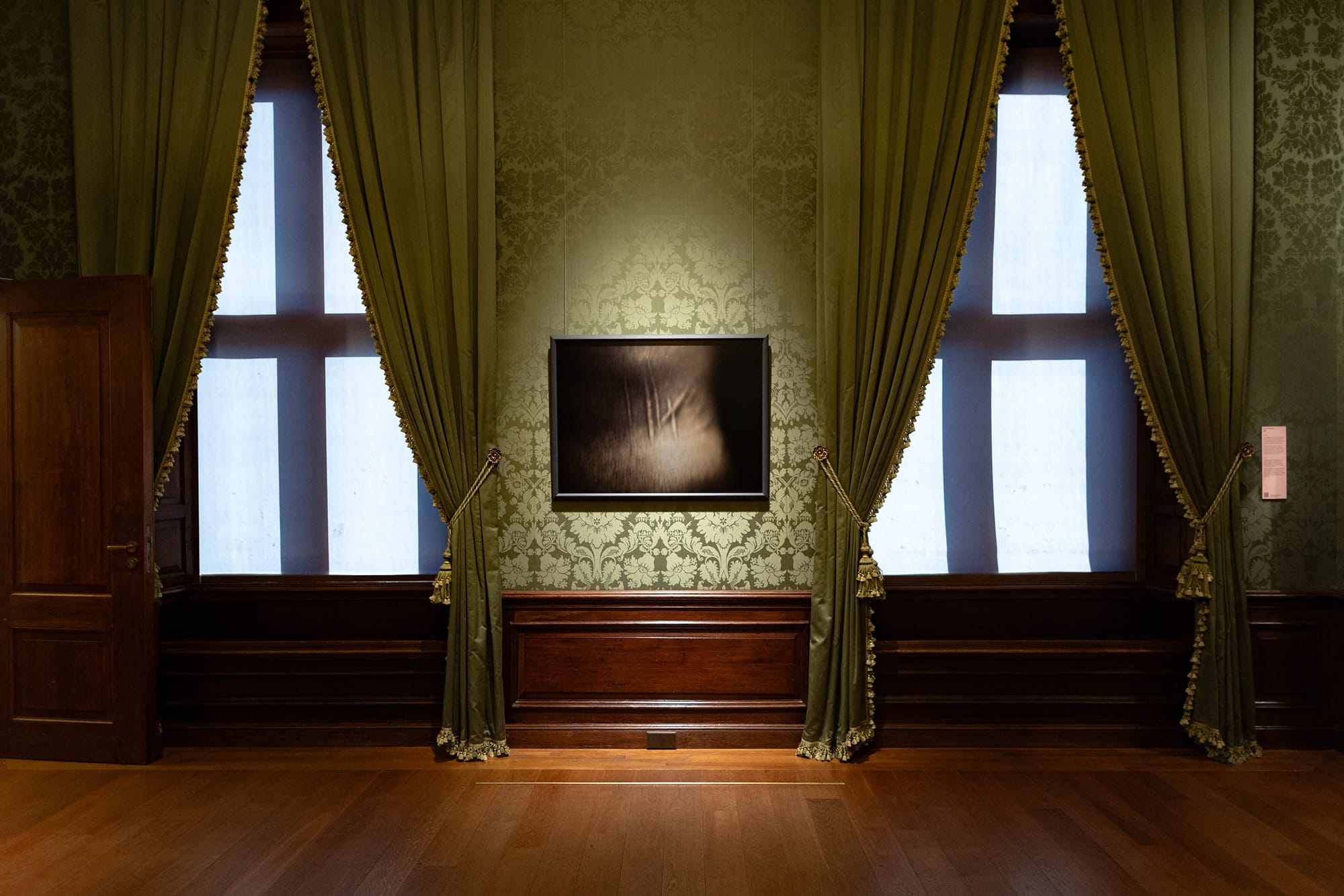
What links a paediatrician, an MMA champion and a drag queen? Each, it turns out, keeps asking the same question: what gives a life real meaning? Eight notable residents of Utrecht acted as guest curators here, choosing centuries-old masterpieces and contemporary pieces that mirror their own experiences, struggles and turning points. Works by Abraham Bloemaert, Jan Toorop and Ossip Zadkine sit beside contributions from living artists, with the selections growing out of personal stories rather than art history. One guest curator, the writer Jade Kops, died during the run, and the museum marks her contribution.
Isaac Israels’ Europe
Until 30 August 2026
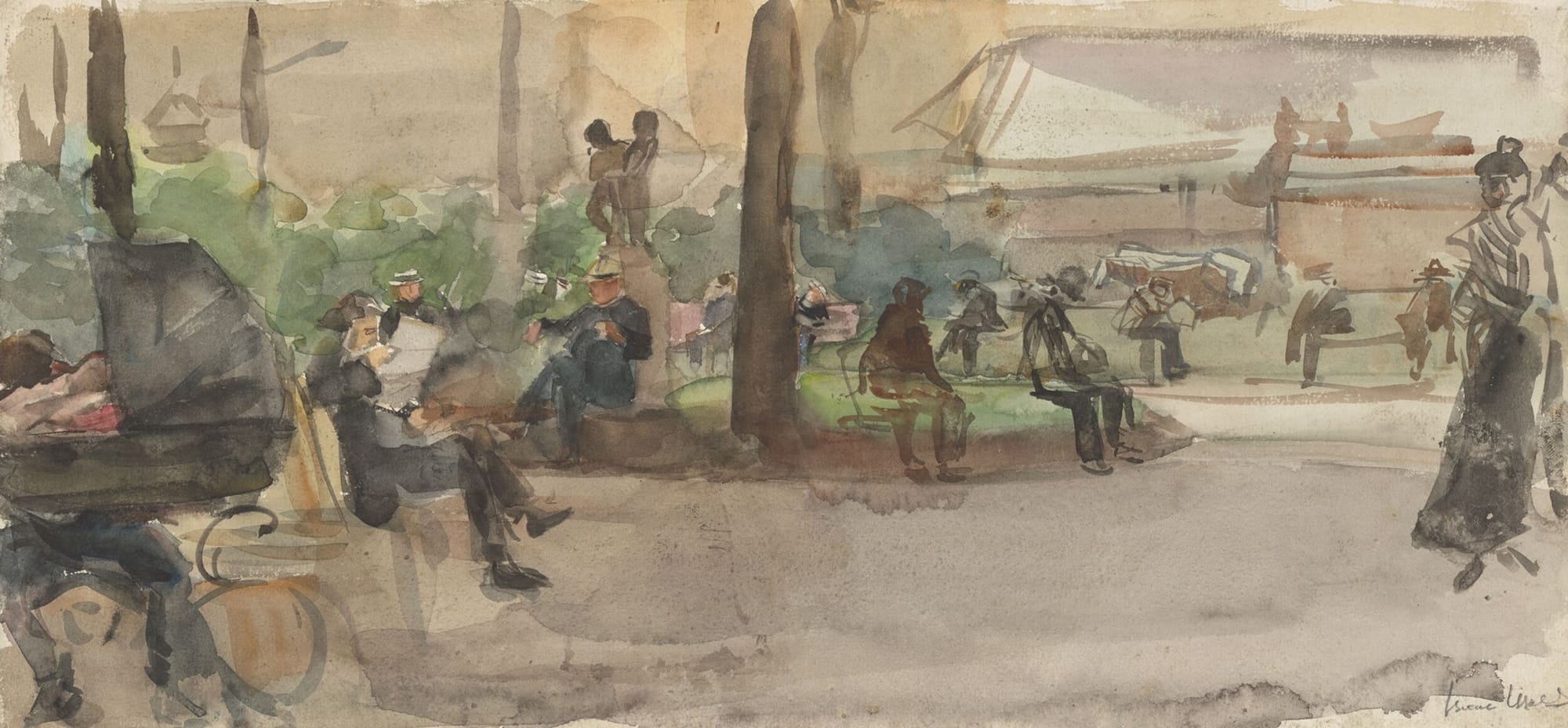
At thirteen, Isaac Israels (1865–1934) made his first train tour across Europe with his family, and the restlessness never left him. This exhibition follows the Dutch painter through Germany, Italy, Spain, Paris and London, even into the First World War, when he kept moving on a temporary travel pass while friends wondered whether he knew a war was on. He worked fast, catching impressions in sketchbooks and turning them into vivid canvases. The Kröller-Müller holds 23 paintings and almost 300 drawings by him, shown here with loans, and frames travel and migration as his lifelong subject.
Sex, drugs and earthenware pottery
Until 8 August 2026
A raised middle finger rendered in traditional Delft blue sets the tone for Chris Rijk’s ceramics. He hand-paints earthenware in the old manner, then loads it with queer and pop culture: McDonald’s fries, pylons crossing a Dutch landscape, apothecary jars labelled “TikTok”, “fast fashion” and “Bitcoin”. The result is a wry, sometimes sharp jab at commerce and capitalism, dressed in a medium most read as harmless. Rijk treats his pots as time capsules, since fired clay does not decay. No one, he notes, expects ceramics to shock, and that is exactly where their freedom lies.
Sin Wai Kin: Still Life
Until 30 August 2026
Seventeenth-century symbolism, the glamour of drag and a dose of science fiction fold into one another in this Dutch solo presentation by Sin Wai Kin. The Toronto-born artist, a Turner Prize nominee in 2022, builds moving portraits that nod to Mona Lisa, Caravaggio’s Narcissus, Guernica and Man Ray, then sets them talking to paintings by Frans Hals, Judith Leyster and Leo Gestel. A new commission, the video Still Life (2026), gives the leading roles to the artist’s parents, who share a Cantonese meal ringed by vanitas pieces from the collection. Portraiture, Sin asks, shapes who we get to be.
Doorzetters
Until 30 August 2026
Run through the gallery, or look at a painting while rowing: sport and art, this show argues, both run on perseverance. The Dutch title means roughly “those who keep going”, and the museum turns itself into a gym for the brain, pairing works about a marathon runner’s effort or a swimmer’s discipline with the chance to get moving yourself. It also presses on harder ground, asking what sport says about gender, identity and a colonial past, with works by Jeroen Jongeleen, Yves Klein and Jan Sluijters. A strong season earned it an extension into the summer.
🇪🇸 Exhibitions in Spain
Parallels and meridians
Until 30 August 2026
A corporate collection is rarely the obvious place to find modern and contemporary art worth a detour, yet the Iberdrola holdings prove an exception. Assembled to mark 125 years since the company’s founding in Bilbao, this selection of 138 works fills the museum across eight sections named after the collection’s recurring themes, among them nature, work, light and the city. Pieces from different periods and places are set against one another, and several site-specific works carry the route into the lobby of the neighbouring Torre Iberdrola.
Denise Scott Brown. City. Street. House
Until 16 August 2026
Step into the show and the strip comes first: neon, signage and the everyday clutter of the American roadside, all treated as serious material. This is the first retrospective devoted solely to Denise Scott Brown, the architect long overshadowed by her partner Robert Venturi, with whom she wrote Learning from Las Vegas in 1972. Arranged as city, street and house, it gathers around a hundred drawings, photographs, posters and models, plus twenty works and furnishings from her own collection by Ed Ruscha, Roy Lichtenstein and Andy Warhol. A thirty-minute film visits her Philadelphia home.
🇨🇭 Exhibitions in Switzerland
The First Homosexuals: The Birth of New Identities 1869–1939
Until 2 August 2026
Start with a single word and the year it entered print. “Homosexual” first appeared in 1869, and around eighty paintings, drawings, sculptures and photographs at the Kunstmuseum Basel trace what new ideas of sexuality, gender and identity made visible over the seventy years that followed. Organised in six sections, the show frames coded desires, intimate portraits, bold life choices and colonial entanglements, looking beyond Europe to Japan and Peru. First curated for Chicago’s Wrightwood 659, it has been adapted for Basel, reconstructing the early creative history of what we now call the LGBTQIA+ community.
Helen Frankenthaler
Until 23 August 2026
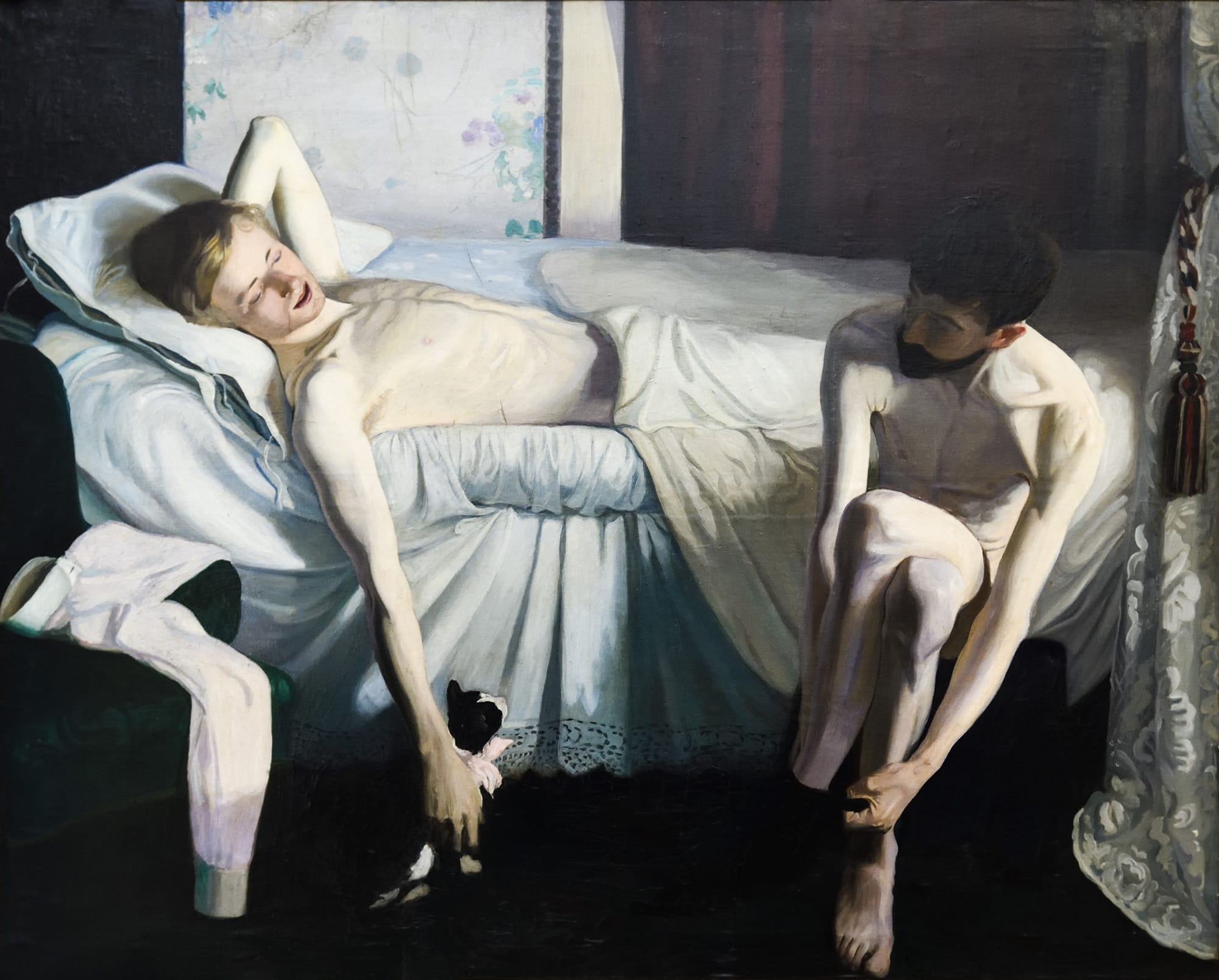
Diluted paint poured onto raw canvas laid flat on the floor: at twenty-three, Helen Frankenthaler (1928–2011) found a soak-stain method that let fabric and colour become one thing. Over fifty works from six decades fill the Kunstmuseum Basel, the largest gathering of her painting in Europe so far and her first solo show in Switzerland. The hang pairs her luminous abstractions with art she admired, from the fifteenth to the twentieth century, drawing out how Titian, Courbet and Japanese woodcuts fed a practice she kept refining. The 1963 painting Riverhead, given to the museum in 2024, prompted the project.
Various Signs
Until 31 August 2026
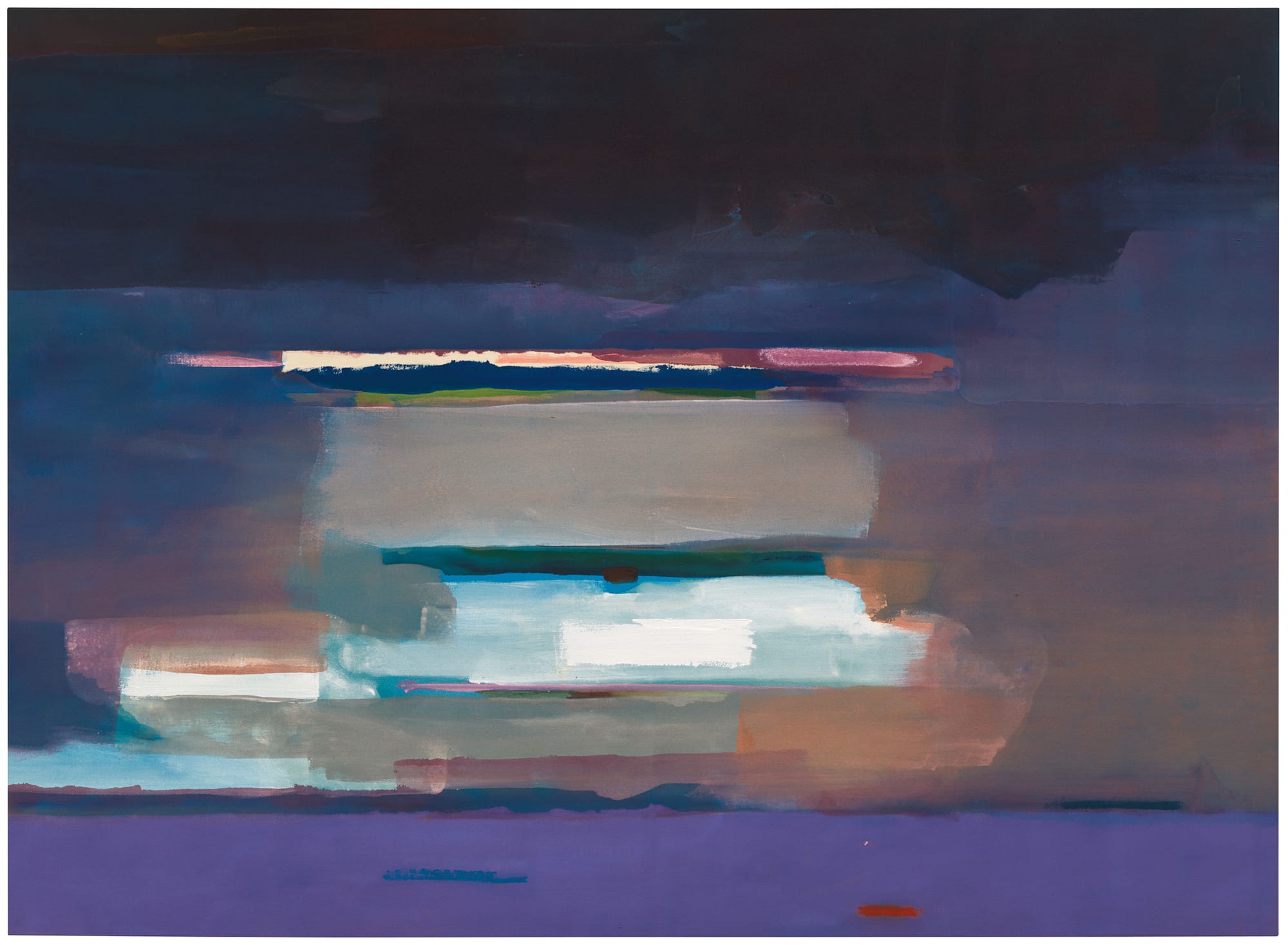
Running alongside the Pierre Huyghe exhibition, this collection presentation gathers works that each handle signs and meaning in their own way. The title comes from a Georg Baselitz painting, and a room is given over to him; elsewhere, pieces by Francis Bacon, Louise Bourgeois, Marc Chagall, Marlene Dumas, Max Ernst, Felix Gonzalez-Torres, Ellsworth Kelly, Susan Philipsz, Pablo Picasso, Rudolf Stingel and Andy Warhol fill the rooms. It is a chance to read the Fondation Beyeler’s holdings through a single question, set against the more unpredictable ecosystem Huyghe has built next door. A quiet counterweight to the headline show.
Angelica Mesiti: Reverb
Until 30 August 2026
Sound, movement and gesture do the talking in the work of Angelica Mesiti, an Australian artist based in Paris who treats them as forms of communication beyond words. Five video installations fill the Museum Tinguely, among them The Rites of When (2024), a seven-channel piece built around the winter and summer solstices, and Relay League (2017), which begins with the French Navy’s final message in Morse code. A Hundred Years follows the Somme battlefields through the seasons. The title points to acoustic reverberation and to the way ideas keep echoing across time. Curated by Tabea Panizzi.
Coumba Samba: Wild Wild Wall
Until 23 August 2026
What looks like a row of black and grey stripes turns out to be a border. For Kunsthalle Basel’s back wall, Coumba Samba (b. 2000) has installed 176 square steel posts, each set four inches apart, the spacing used in the Mexico–United States border fence. The desaturated tones trace the colours of the US Border Patrol’s Badge of Honor. Samba treats borders not as neutral lines but as instruments of sorting and exclusion, drawing out the state violence folded into formal arrangements. Four inches, in her words, is “just enough to touch the air on the other side.”
Janiva Ellis: Geneva
Until 9 August 2026
Meaning keeps slipping away in the work of New York painter Janiva Ellis (b. 1987), and that is rather the point. Drawing on cartoon imagery and art-historical motifs, her canvases assemble scenes that resist a single reading, pulling at the cultural myths built around race and visibility while refusing to settle them. Figuration shifts between tight control and raw gesture within the same surface. This is her first institutional solo show in Europe, presenting a new body of paintings made for the occasion. The galleries reward slow, patient looking over quick conclusions.
John Giorno: Dial-A-Poem
Until 30 August 2026
Pick up a telephone and a poem answers. American poet John Giorno (1936–2019) launched Dial-A-Poem in New York in 1969, letting callers ring a number and hear recorded readings, an early experiment in delivering poetry through everyday technology. Kunsthalle Basel brings a new edition of the project to the city with MAMCO in Geneva and the Giorno Poetry Systems Institute. The setup turns the gallery into a place for listening rather than looking, where voices from across the decades arrive one call at a time. It shows how widely Giorno cast his net for an audience.
Kerry James Marshall: The Histories
Until 16 August 2026
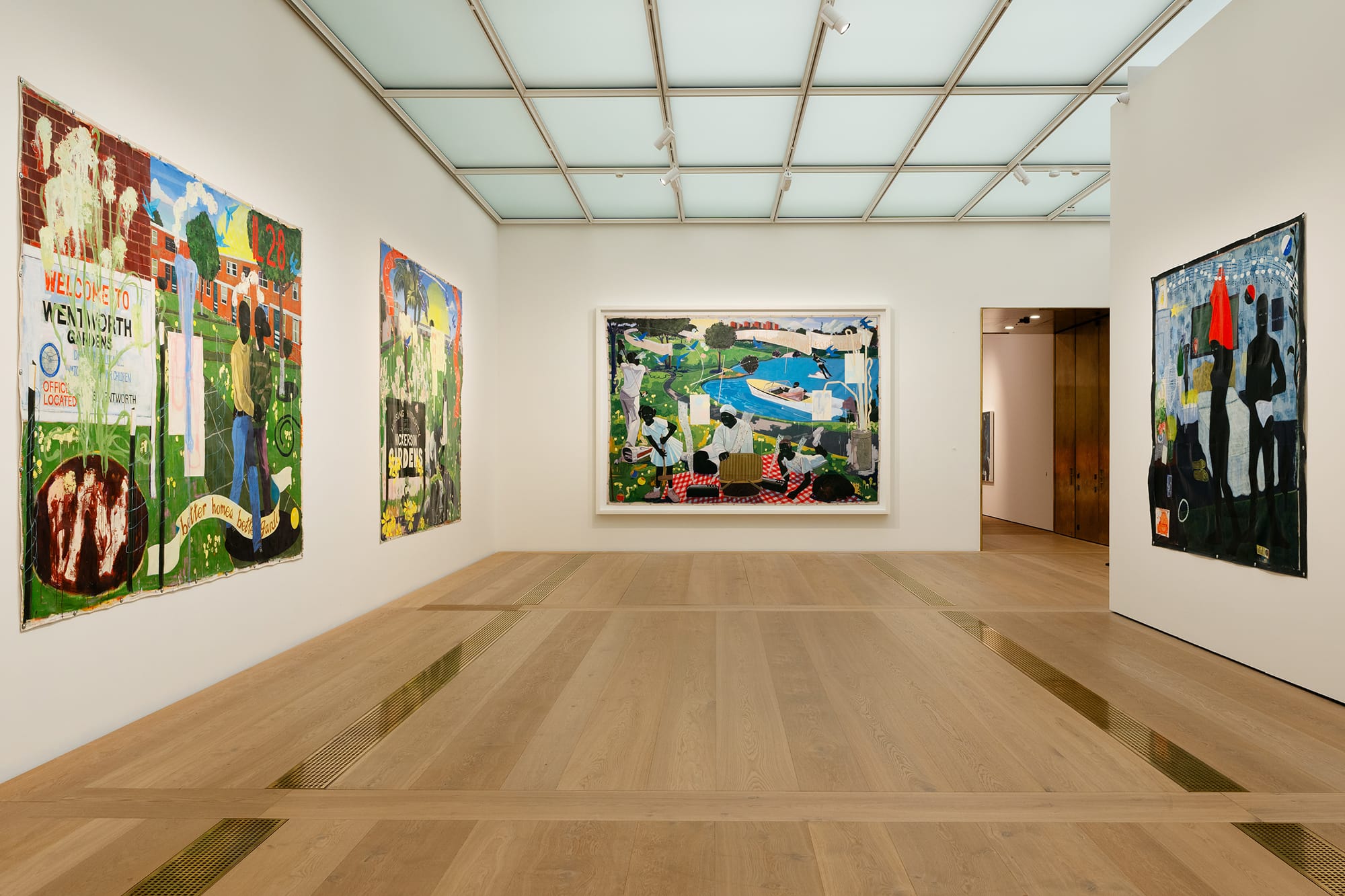
Black figures hold the centre of every canvas, and that placement carries the argument. Kerry James Marshall (b. 1955, Birmingham, Alabama) has spent four decades testing the Western tradition of history painting against its own omissions, folding art-historical reference into African American daily life, political memory and popular culture. The Kunsthaus Zürich gathers key works from across his career alongside new paintings, the first large survey in the German-speaking world. Marked by deep colour and exact composition, the paintings weigh representation and belonging while holding on to joy. Organised with the Royal Academy and the Musée d’Art Moderne de Paris.
Marisol
Until 23 August 2026
Life-size figures carved from painted wood, half portrait and half puzzle: this is the territory of María Sol Escobar (1930–2016), known simply as Marisol. A defining presence in 1960s New York, she built a satirical visual language that drew on Pop Art, Dada and folk art without committing fully to any of them, lacing self-portraiture through staged social roles. The Kunsthaus Zürich presents the first comprehensive European retrospective of her work, developed with the Louisiana Museum, Museum Boijmans Van Beuningen and Museum der Moderne Salzburg. Long overlooked, she reads now as sharp and oddly current.
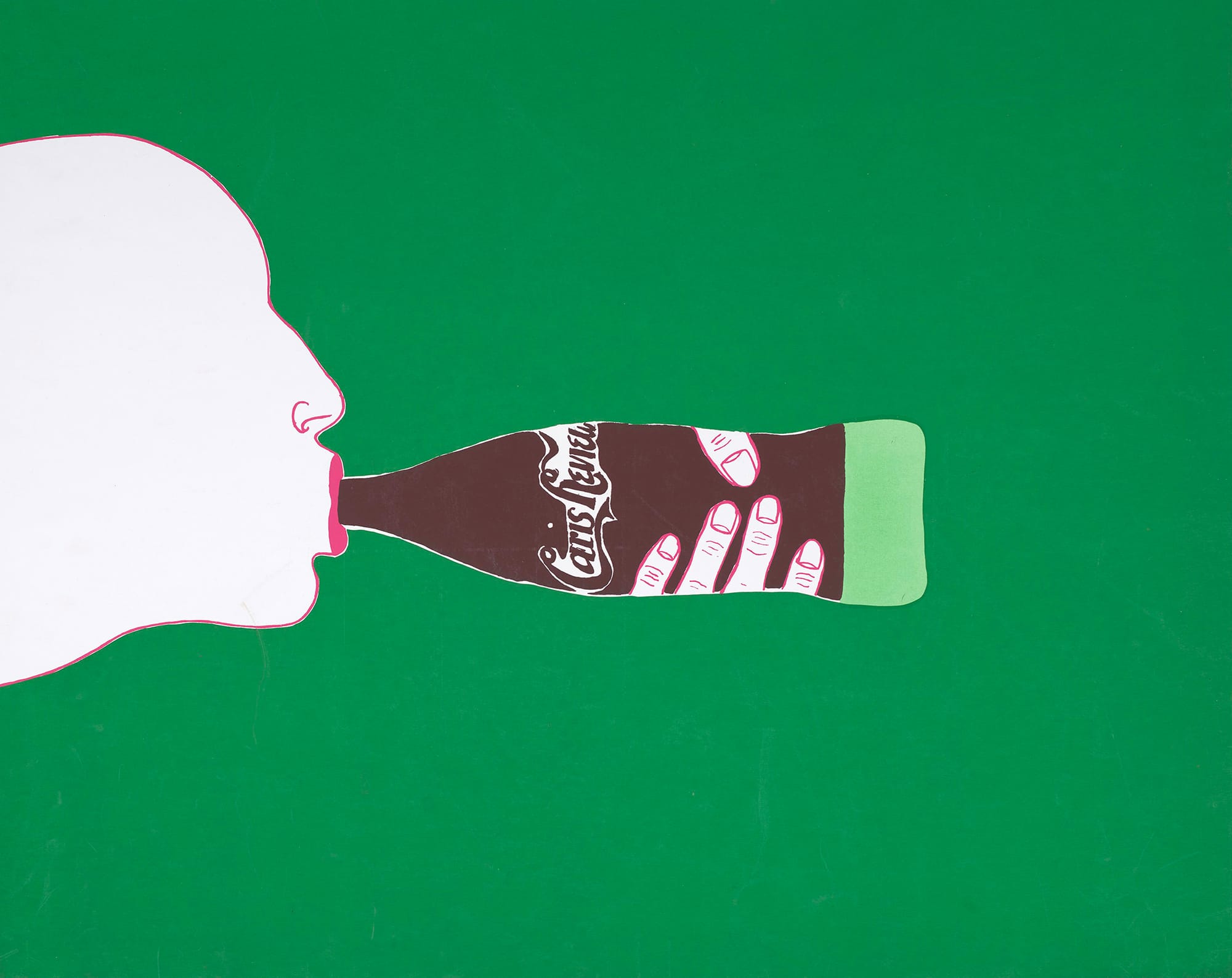
Farbe
Until 31 August 2026
Hand-tinted photographs and early colour film anchor this presentation in the Park-Villa, drawn from Museum Rietberg’s photographic holdings made between 1880 and 1980. The selection traces what colour did to viewers: how it stirred the imagination, but also how early colour processes carried their own exclusions and distortions. Setting images from different decades and regions side by side produces unexpected comparisons, with Africa and Asia placed at the centre of a global history of photography rather than its margins. Quietly, the show asks who got to be pictured in colour, and on whose terms.
Rosa Barba: Zurich Art Prize 2026
Until 30 August 2026
Celluloid is sculptural material in the hands of Rosa Barba, who works where film, sculpture and installation overlap and keeps the mechanics of projection in plain view. As winner of the Zurich Art Prize 2026, awarded each year by Museum Haus Konstruktiv with Zurich Insurance, the German-Italian artist takes over the galleries with work that treats the moving image as a physical, present-tense thing rather than a window onto somewhere else. Projectors, reels and light become objects in their own right. Curated by Sabine Schaschl and Evelyne Bucher, the show makes the apparatus of cinema part of the subject.
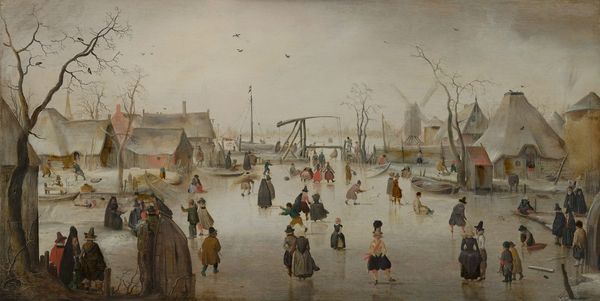
It’s so cold!
Until 30 August 2026
Skaters on the frozen marshes of Meinier, Lake Geneva under a February sky, swimmers lowering themselves into icy water: winter is the single subject of this exhibition at the Maison Tavel. Paintings from the seventeenth century to the present hang alongside historical and contemporary photographs, mostly from public collections, tracing how artists rendered cold weather and the pastimes it allowed. Ferdinand Hodler’s Léman et Mont-Blanc en février and Wolfgang Adam Töpffer’s rural scenes appear among them. The title comes from a Luigi-Tony Laforêt canvas whose reverse bears the scrawled exclamation and a recorded temperature of minus twenty.
Carlos Schwabe
Until 16 August 2026
A hundred years after his death, Carlos Schwabe (1866–1926) returns to the city where he trained. Born near Hamburg and settled in Geneva from the 1880s, he made his name illustrating Zola, Baudelaire, Mallarmé and Maeterlinck before building a Symbolist body of painting steeped in the mysticism of Joséphin Péladan’s Rose-Croix circle. The MAH, which holds the largest public collection of his work, has shaped this retrospective as a journey through music, drawing in private loans from Switzerland and France. At its centre hangs The Wave, a pyramid of anguished women rising into a cataclysmic sky.
Fokus. Klee’s versos
Until 23 August 2026
Turn a Klee over and you may find another work. The artist habitually used both sides of his paper, cardboard and canvas, and roughly 600 of his 9,600 pieces carry a drawing, watercolour or painting on the reverse. This room-sized display within the Kosmos Klee collection presentation gathers those hidden faces, making the case that the versos were rarely afterthoughts. Klee tied front and back together in form, content and pictorial logic, so that the back of a sheet belonged to the same continuing process. Curated by Marie Kakinuma, the show closes before its successor on Florence Henri opens.
![Paul Klee, Untitled [Verso of Glass Façade], 1940](https://storage.ghost.io/c/8b/8a/8b8aced3-3e39-4a0f-8609-5432c9e814b4/content/images/2026/06/45-fokus.jpg)
Otobong Nkanga: I dreamt of you in colours
Until 23 August 2026
Land, minerals and the long reach of extraction run through the work of Otobong Nkanga, born in Kano, Nigeria, in 1974 and based in Antwerp. Across drawing, installation, performance and woven tapestry, she has spent close to three decades tracing how raw materials are dug up, traded and turned into the stuff of daily life, and what that does to the people and places involved. The MCBA gathers a substantial body of that work under a title borrowed from the language of dreams. The accompanying publication is co-edited by Odile Burluraux and Nicole Schweizer.
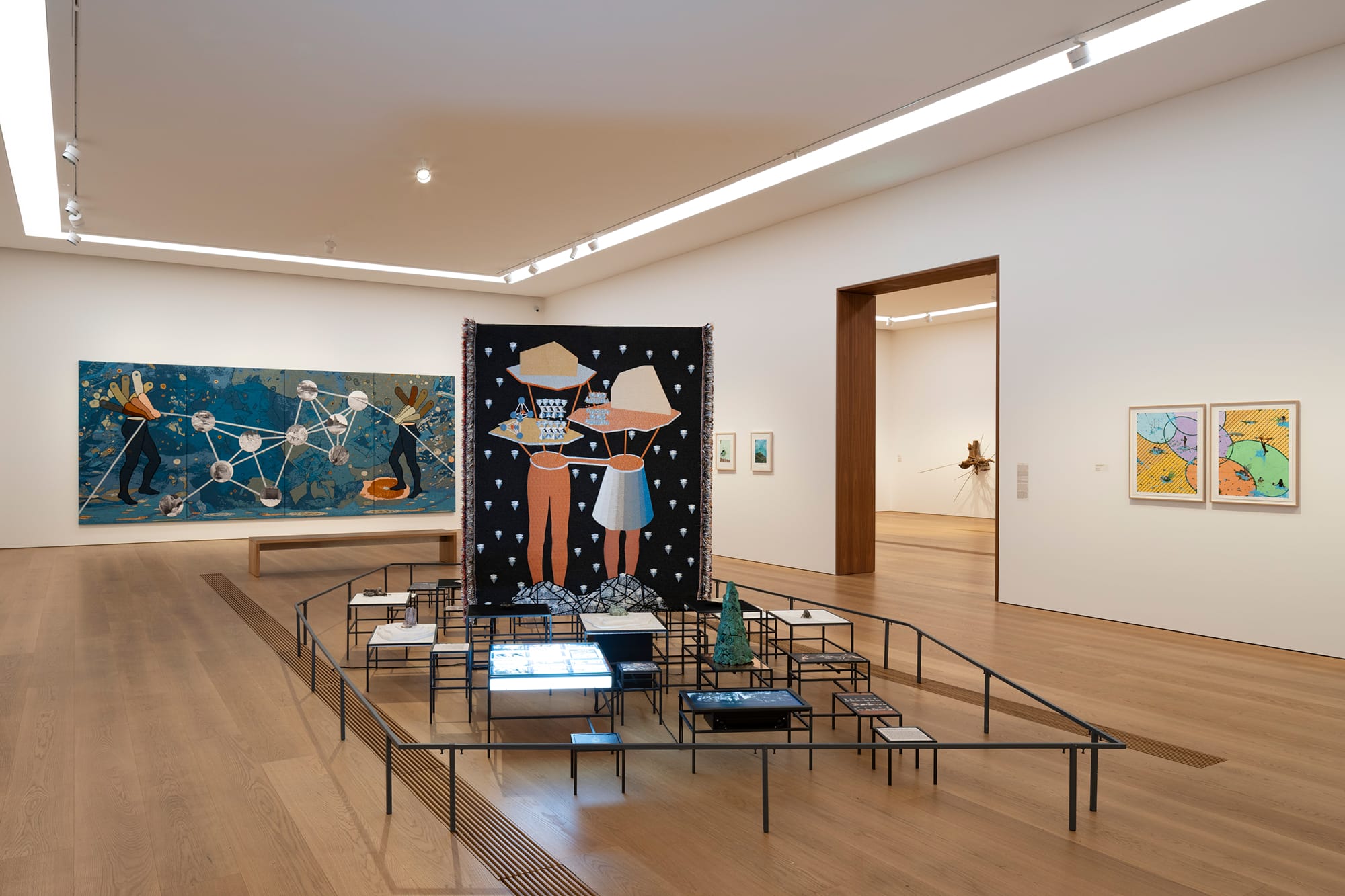
French Painting 1800–1945: Anatomy of a Collection
Until 16 August 2026
Free to enter, this display in the MCBA’s Espace Focus and the permanent collection galleries pulls the museum’s French holdings into the light. Corot, Courbet, Degas, Cezanne, Matisse and Bonnard all feature, alongside canvases that rarely leave storage. Rather than a loan show, it is an act of stocktaking: an honest look at what a regional Swiss museum has quietly accumulated over two centuries and why those choices were made. The hang rewards visitors willing to track the shifts from Romantic landscape through Impressionism to the early twentieth century, one room building on the last.
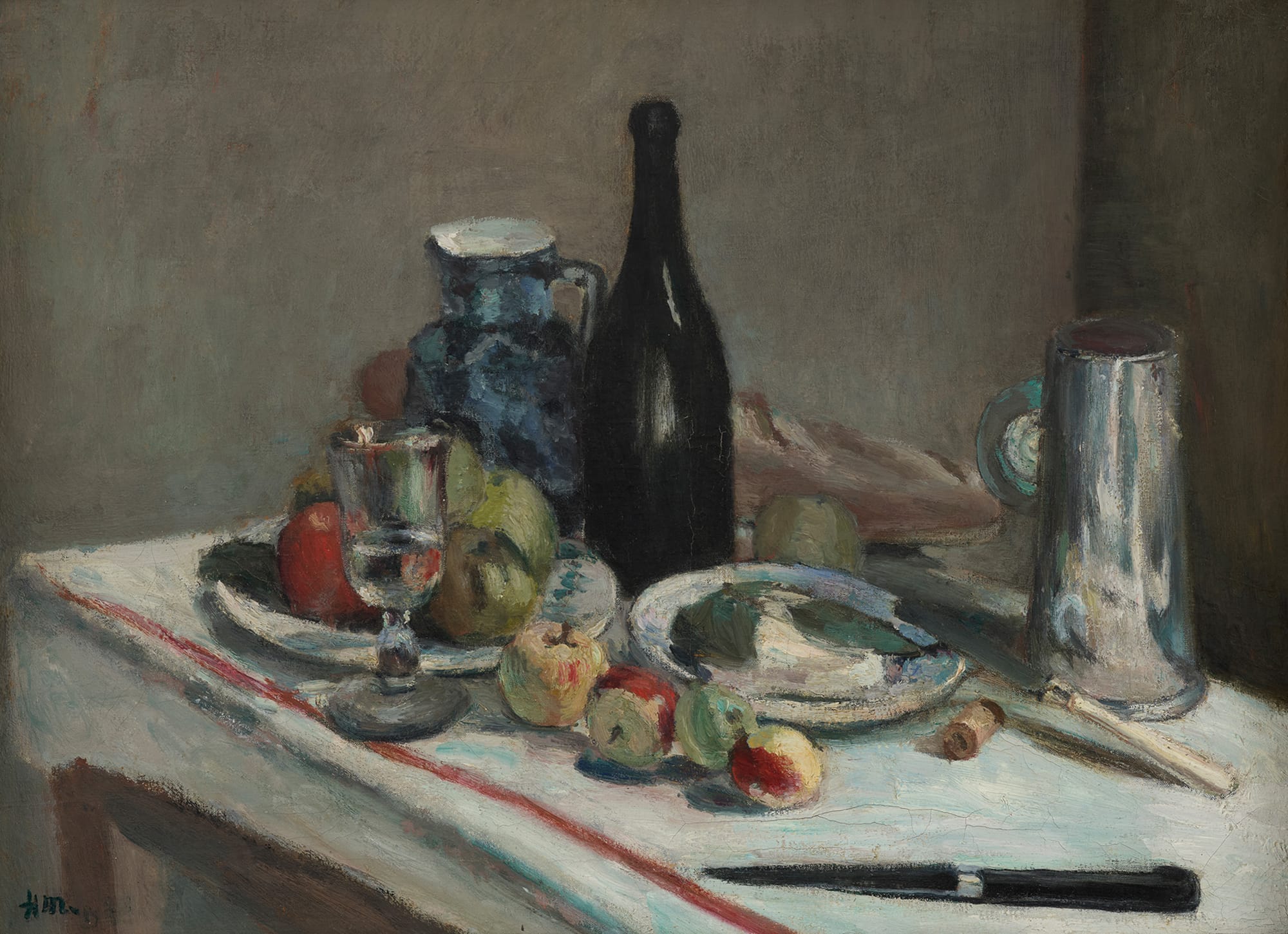
Marina Xenofontos: Play Life
Until 2 August 2026
Sculptures, found objects, writing and films make up the toolkit Marina Xenofontos brings to Play Life, her exhibition at the MCBA. The Cypriot artist treats materiality as something charged with memory, picking up cast-off things and giving them a second, stranger life. Ideology, labour and the residue of collective history surface across the works, which keep one foot in the personal and another in shared experience. Light and salvaged components recur as a kind of vocabulary. The result resists tidy reading, asking instead to be moved through slowly, object by object.
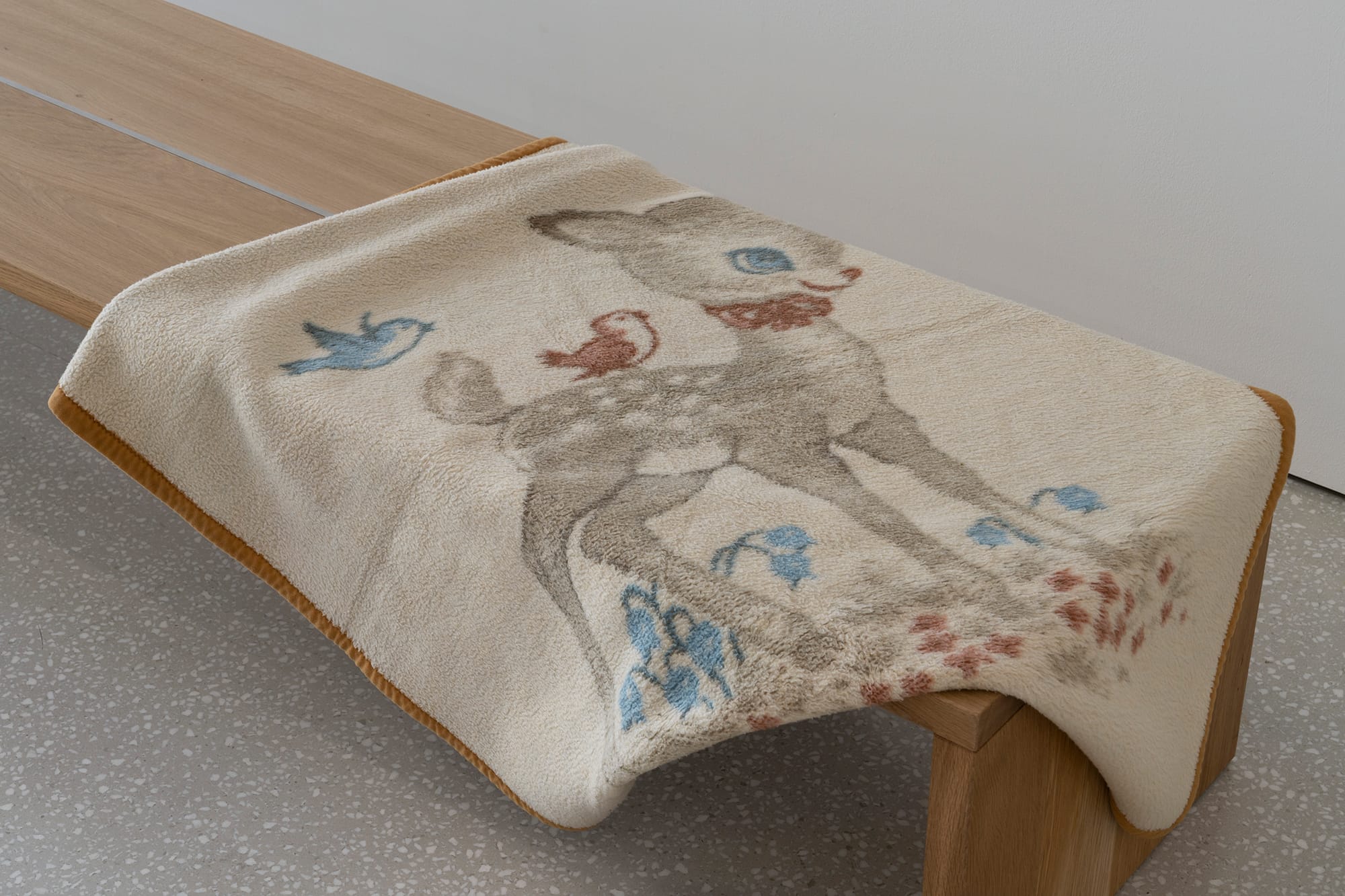
Moments in Time
Until 2 August 2026
A portrait freezes a single instant, and that is exactly where its melancholy lives. At the Reinhart am Stadtgarten, Kunst Museum Winterthur reads a group of miniature portraits through the lens of vanitas, the old idea of transience. Jewels, flowers, musical instruments and books appear in sitters’ hands as reminders that beauty fades and sound dies away. Karin Sander’s two-part Sigrid (1930/2009), pairing the same woman as child and as elder, both at play with a ball, links these small painted faces to the modern readymade. Curated by Sonja Remensberger.
Tout est lumière
Until 30 August 2026
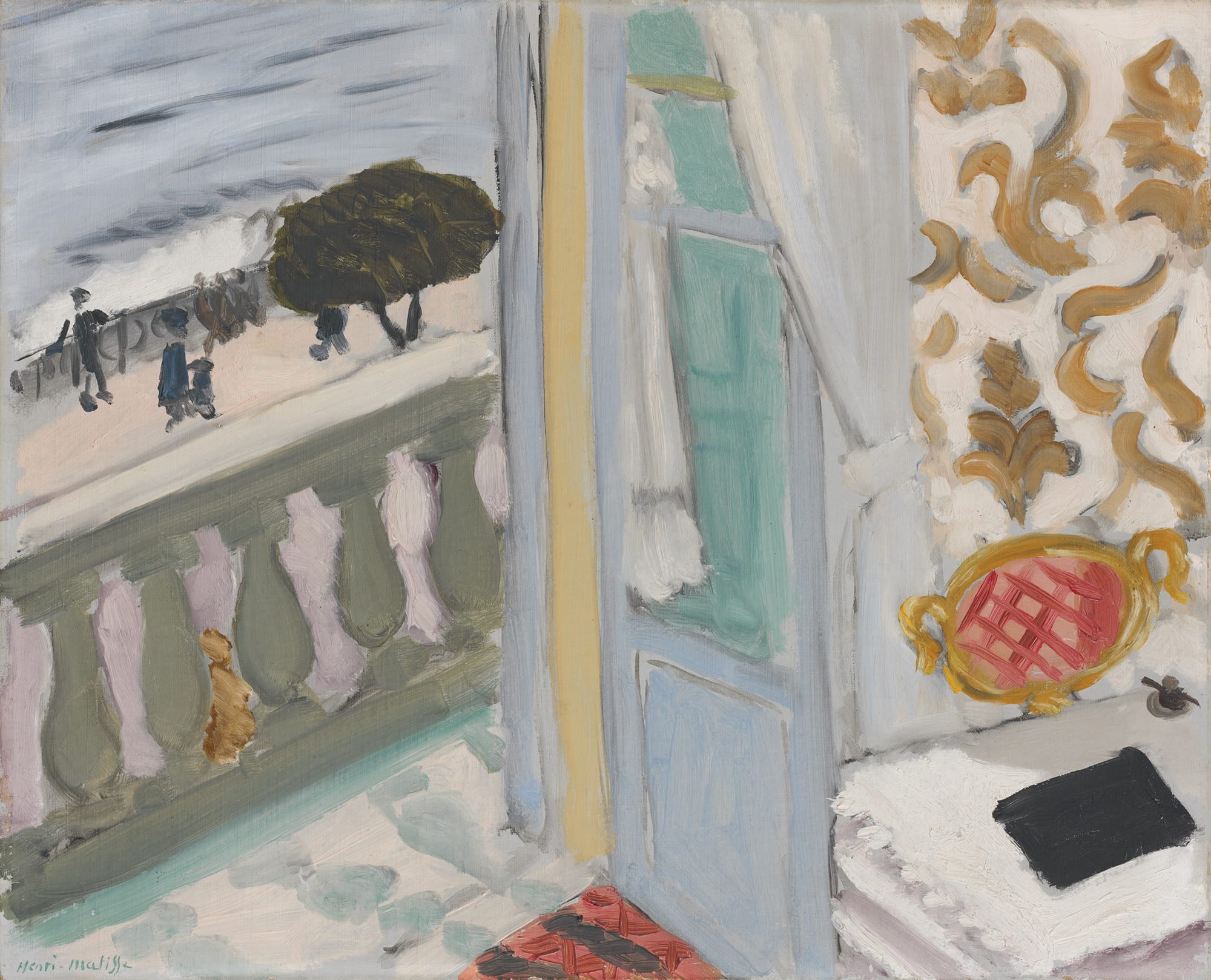
“In the south, the senses are elated,” wrote Van Gogh, and this exhibition at the Villa Flora takes him at his word. It gathers sun-soaked paintings and drawings by the artists who chased the light of the French Riviera and Provence, among them Cezanne, who returned to Aix to paint the southern landscape, Van Gogh in Arles, and Matisse, who settled in Nice. Drawing on the Hahnloser/Jaeggli collection, whose owners wintered in the south and counted Matisse and Bonnard as friends, the show traces how a region’s climate reshaped European painting. Curated by Konrad Bitterli, Andrea Lutz and David Schmidhauser.
Jean-Frédéric Schnyder: La pittura 2024/25
Until 9 August 2026
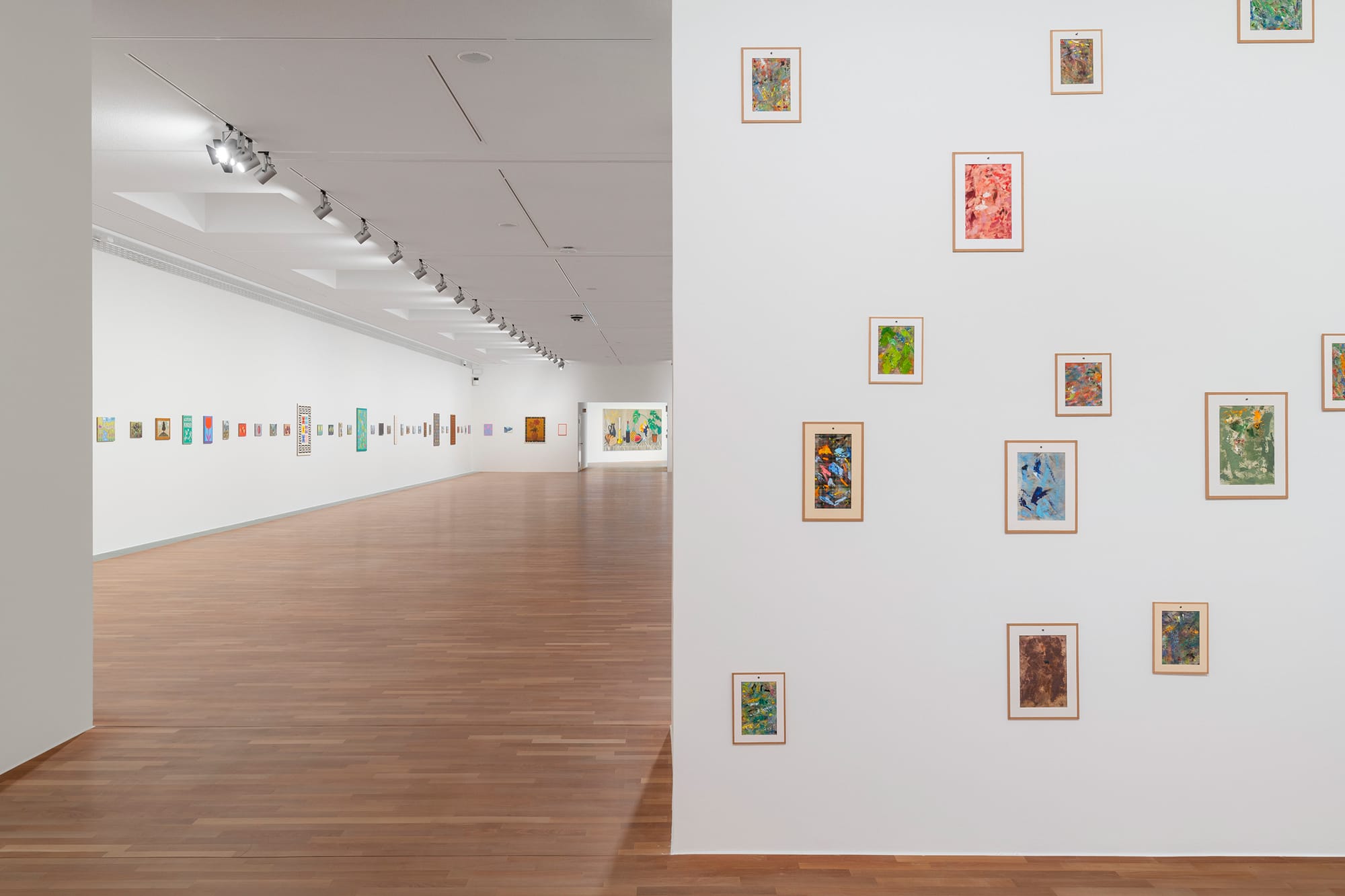
Treat painting as a daily discipline and this is roughly what six decades of it look like. Jean-Frédéric Schnyder (b. Basel, 1945, lives in Zug) has moved through photography, sculpture and performance, but here MASI Lugano shows more than a hundred previously unseen oil paintings made in 2024 and 2025. Studio works on a wide range of subjects sit beside plein-air landscapes painted across Switzerland, loose visual notebooks of the country’s terrain. Two earlier pieces anchor the display: the monumental Stilleben (1970) and the long series Billige Bilder (2000–2019). Curated by Tobia Bezzola and Ludovica Introini.
🇬🇧 Exhibitions in the United Kingdom
Zurbarán
Until 23 August 2026
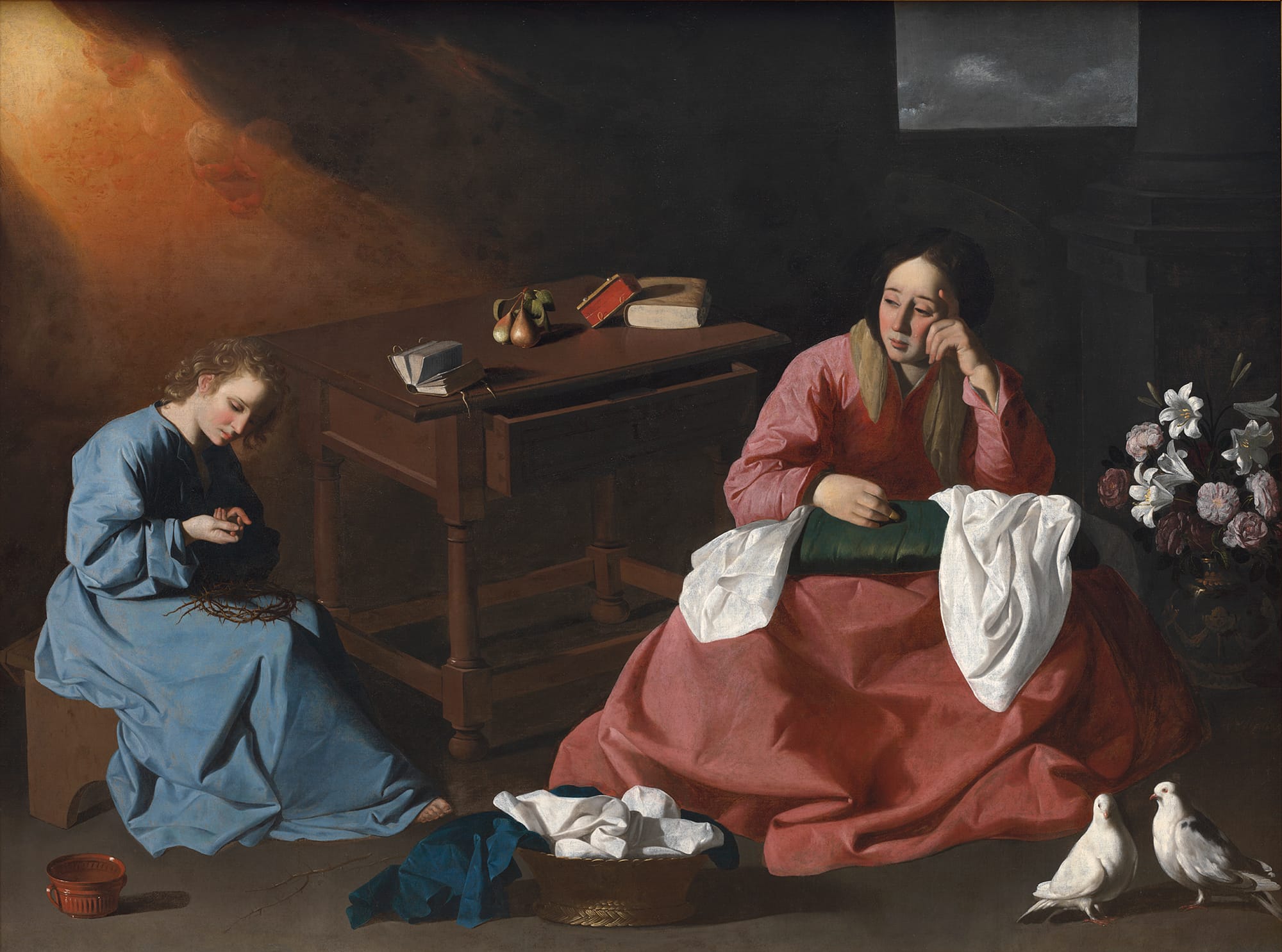
Saints rendered as plainly as the man next door, fruit set down with the gravity of relics: Francisco de Zurbarán found the sacred in the ordinary and painted it without fuss. This is the first show in Britain devoted to the Seville master, gathering close to fifty works from the Louvre, the Art Institute of Chicago and beyond. Altarpieces sit alongside small canvases made for private devotion, all built from deep shadow and steady light. A peer of Murillo and Velázquez, he kept his attention on the texture of cloth, the rind of a lemon, the steadiness of a gaze.
Tracey Emin: A Second Life
Until 31 August 2026
Forty years of work, and the same refusal to keep anything private. This survey follows Emin from the confessional pieces that made her name in the 1990s, My Bed among them, through to the large paintings of recent years. Neon, textile, video, sculpture and writing all appear, but the throughline is the body, used as a means to reckon with love, loss and recovery. The exhibition makes the case that her late return to painting is the destination her whole practice was heading towards, channelling a life directly into the work without apology.
Infinities Commission: nora chipaumire: Gadzi
Until 23 August 2026
Built by hand from wood, wire and cardboard, chipaumire’s installation in the East Tank conjures gadzi, the oldest female being in Shona legend and, in the artist’s telling, the mother who gave birth to Zimbabwe’s Balancing Rocks. Rather than copy those stones, she shows the labour of making them. Speakers hidden in wooden boxes carry the sounds of chimurenga, the country’s revolutionary music, while an mbira sits inside a gourd to amplify its notes. Visitors are asked to sit on the speakers, feel the bass and move. It is offered, she says, as a gesture to protect a landscape’s energy.
Hurvin Anderson
Until 23 August 2026
Memory rarely keeps a single address, and Anderson’s paintings move between two: the Birmingham of his childhood and the Jamaica his parents left in the 1960s. More than eighty canvases trace his whole career, from student efforts to work shown for the first time. Barbershops, gardens and Caribbean shorelines surface in saturated colour, sometimes laid one over another so that places blur. The youngest of eight children, and the first born in Britain, he treats belonging as a question rather than a fact. His handling of the British landscape tradition runs quietly underneath it all.
Admonitions of the Instructress to the Court Ladies
Until 24 August 2026
Conservation rules allow this scroll only six weeks of daylight a year, which makes the window a narrow one. Traditionally given to Gu Kaizhi but more likely painted between 400 and 700 AD, it is held to be a milestone of Chinese painting, illustrating a text written to correct the conduct of an empress. Later collectors left their marks across it, the Qianlong emperor among them, and the museum acquired it from a British officer present in Beijing during the Boxer Rebellion. Shown beside it is Ode to the Goddess of the Luo River, a handscroll in the same style.
Summer Exhibition 2026
Until 23 August 2026
Anyone can submit, and thousands do, which is why the walls run floor to ceiling with paint, print, photography, sculpture, architecture and film by amateurs, established names and the odd Academician. Now in its 258th year, the open-submission show remains the largest of its kind, hung salon-style so that a household name might sit beside a complete unknown. Most of the work is for sale, and much of it is affordable, giving the galleries the buzz of a market as much as a museum. The point, as ever, is less about expertise than about turning up.
Gender Stories
Until 31 August 2026
What is gender, and how have ideas about it shifted across time and place? A touring show co-created with museums in Bristol and Brighton puts that question to fine and decorative art, personal objects and first-hand testimony, tracing the full spectrum of gender and its expression. Works by David Hockney, Catherine Opie, Grayson Perry, Rene Matić and Zanele Muholi sit alongside contributions from people in all three host cities. Liverpool is the tour’s final stop. The result is less a lecture than an invitation to look at how art has both fixed and unsettled the roles we inherit.
John Akomfrah: Listening All Night To The Rain
Until 31 August 2026
Water moves in waves, and so, Akomfrah suggests, do the people scattered by empire. His multi-channel installation, made for the British Pavilion at the 2024 Venice Biennale, takes its title from the exiled Song-dynasty poet Su Dongpo and layers new footage with archive film, political speeches, popular music and the sound of the natural world. Across the screens, diasporic histories of migration, racial injustice and climate change surface and recede. A founder of the Black Audio Film Collective, the artist treats listening as its own kind of activism, asking visitors to attend to what slips past unheard.
Foundation Press: Starting Lines
Until 30 August 2026
Bring a pencil. The first major show by Adam Phillips and Deborah Bower, the North-East duo behind Foundation Press, turns the ground-floor gallery into a working studio rather than a finished display. Eight creative briefs, drawn from a decade of their social practice, propose that making is open to everyone and worth doing for its own sake. Schools and community groups feed a changing wall of drawings, prints and publications across the run, and a risograph press anchors a programme of workshops. Visitors are expected to contribute, not just look, leaving the room a little different than they found it.
Milly Thompson: My Body Temperature is Feeling Good
Until 30 August 2026
Sunburn, lobster, cellulite and sorbet: the late Milly Thompson painted the holiday in all its indulgent glory, and meant every word of it. A founder member of the artist group BANK, she built a solo practice that lampooned luxury’s hold on women while celebrating the middle-aged female body and its appetites. This survey gathers work from 2010 on, where romantic novels and sun-bleached afternoons become room for escape and reinvention. Picabia, Jean Rhys, Japanese woodcuts and emojis all feed a loose, knowing style. Thompson died in 2022; the show insists on the wit and nerve she never mislaid.