32 art exhibitions around Europe opening in July 2026
In Salzburg this festival summer, the sculptor Stephan Balkenhol fills the Residenzplatz with a crowd of wooden figures in their opera best. They open an issue in which the art keeps stepping outside. Most of the exhibitions opening in July run well into the autumn, so there is no need to rush.

In Salzburg this festival summer, the sculptor Stephan Balkenhol fills the Residenzplatz with a crowd of wooden figures in their opera best. They open an issue in which the art keeps stepping outside. Geneva sets pink and red marble in a museum courtyard, free to anyone passing; Barcelona sends Dora García’s performances onto La Rambla and into the Liceu opera house. The plein-air painters left their studios two centuries ago for much the same reason, a story the Kunst Museum Winterthur picks up this summer. The art, it seems, would rather be outdoors.
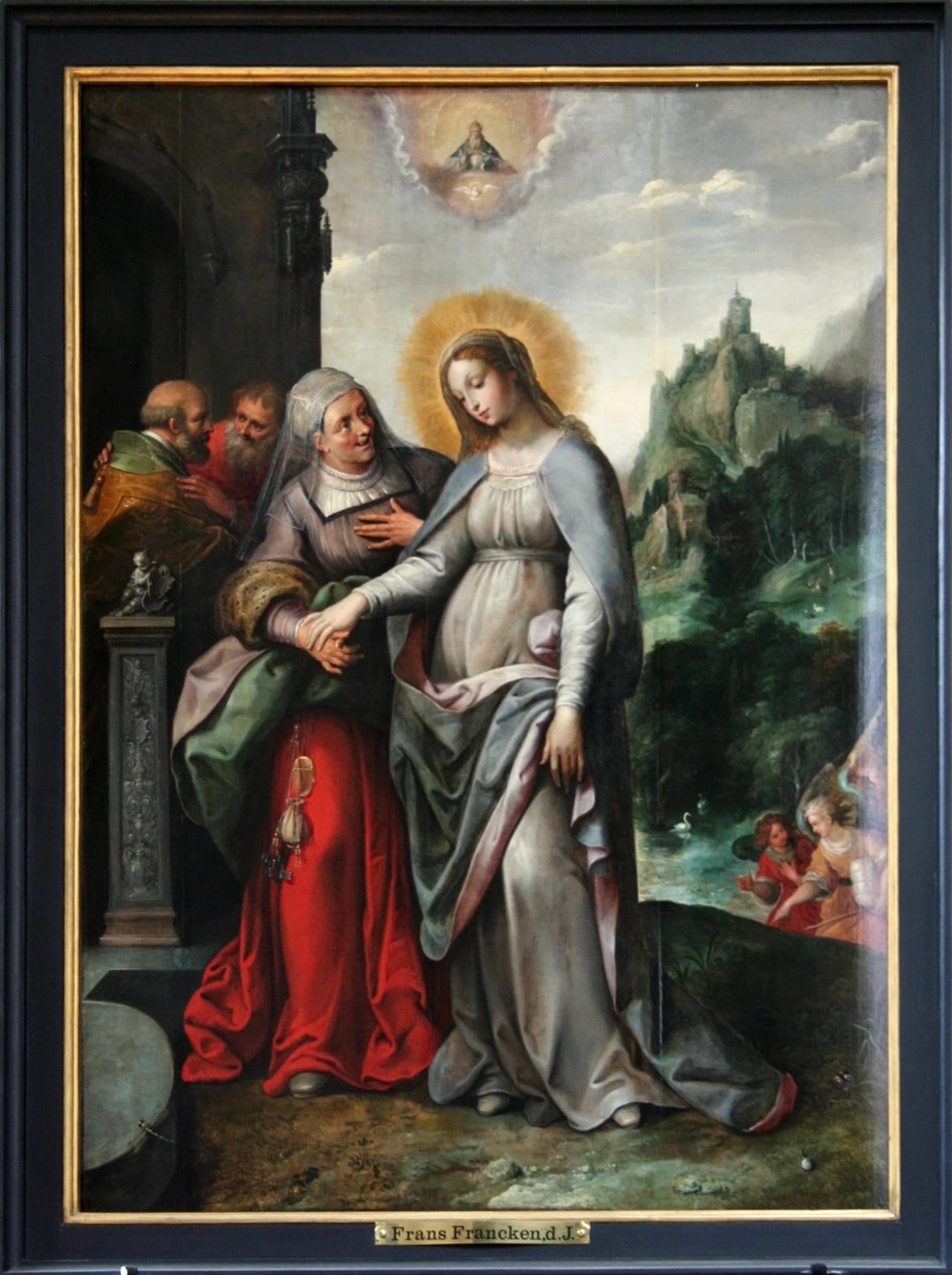
The season’s bigger draws are spread across the map. Kunsthaus Zürich shows Vilhelm Hammershøi in Switzerland for the first time, the grey rooms and shut doors made for a slow afternoon. Tate Modern brings Ana Mendieta back to London after more than a decade away, her remastered films of a body pressed into the earth. The fifteen Baroque canvases of Antwerp’s Rosary Cycle, by Rubens, Jordaens, Van Dyck and Teniers, make the journey to ’s-Hertogenbosch and go on show in the Netherlands for the first time. In Monaco, Villa Paloma fills with the Surrealist Victor Brauner and the private cosmos he assembled from alchemy and myth.
Elsewhere the museum turns its attention on itself. Kunstmuseum Den Haag throws open seventy-five years of its dress collection and lets visitors watch the conservators at work. Belvedere 21 in Vienna stages a decade of acquisitions as a theatrical rehearsal, and uses the occasion to bring in more women artists. Women, as it happens, account for much of this issue: the eight Leipzig sculptors who fill Hamburger Bahnhof, and solo rooms for Erna Rosenstein, Miao Ying and Anne Loch, among others. Thirty-two openings across seven countries, then, several of them free. Most run well into the autumn, so there is no need to rush.
🇦🇹 Exhibition in Austria
Erna Rosenstein: On the Other Side of Silence
3 July 2026 – 10 January 2027
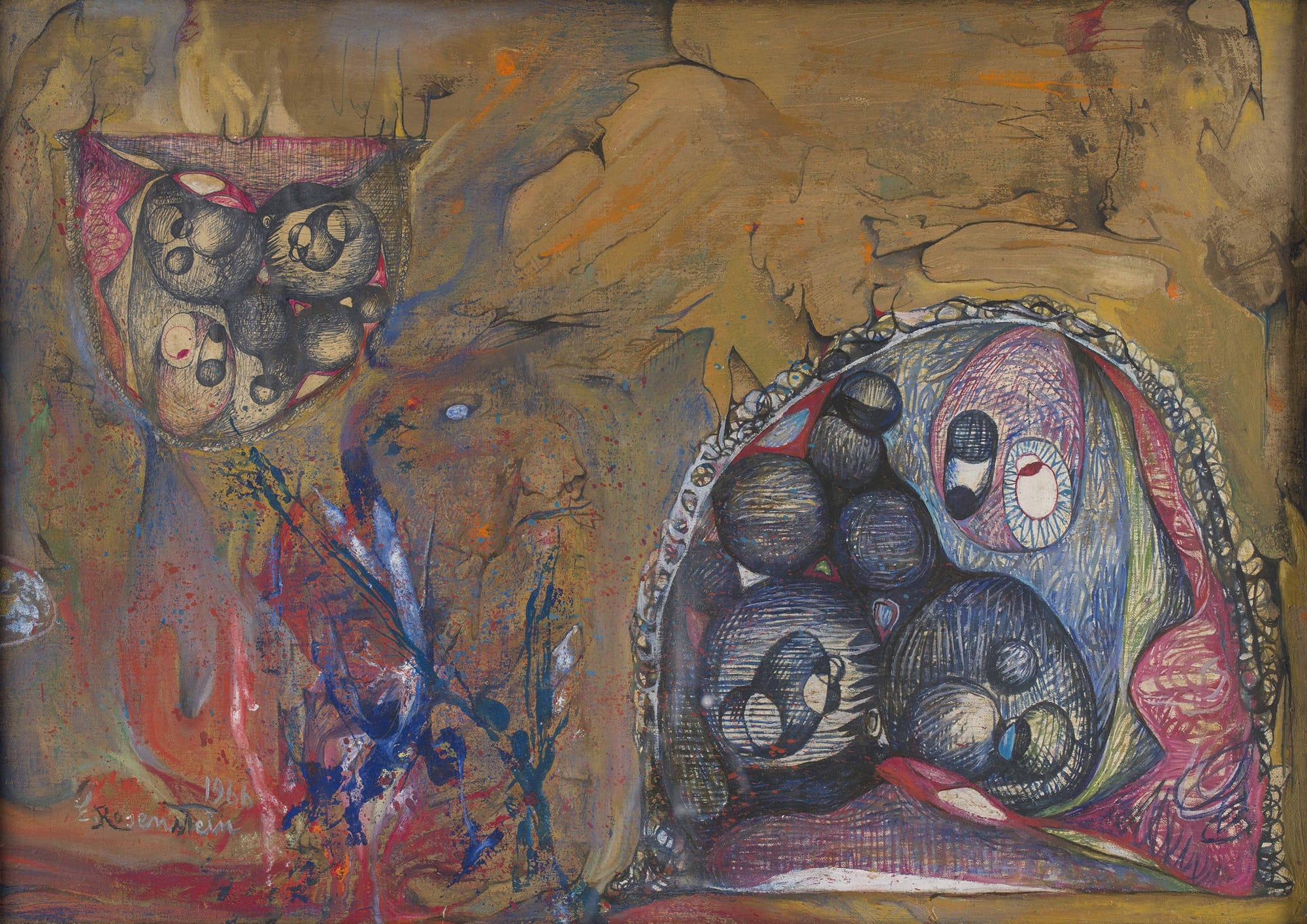
Witches burn, hell sprouts flowers, and silence keeps turning up its other side. Erna Rosenstein (1913–2004) gave her work the titles of a poet, and this first Austrian retrospective treats her as one, gathering around eighty paintings, drawings, assemblages and poems by a central figure of the postwar Polish avant-garde. She studied briefly in Vienna in the early 1930s and lost her parents to Nazi-occupied Poland, a wound she returned to for decades. Surrealism guided her towards biomorphic abstraction, and the human figure stayed with her to the end.
Miao Ying: Come, Sit, Stay
10 July – 4 October 2026
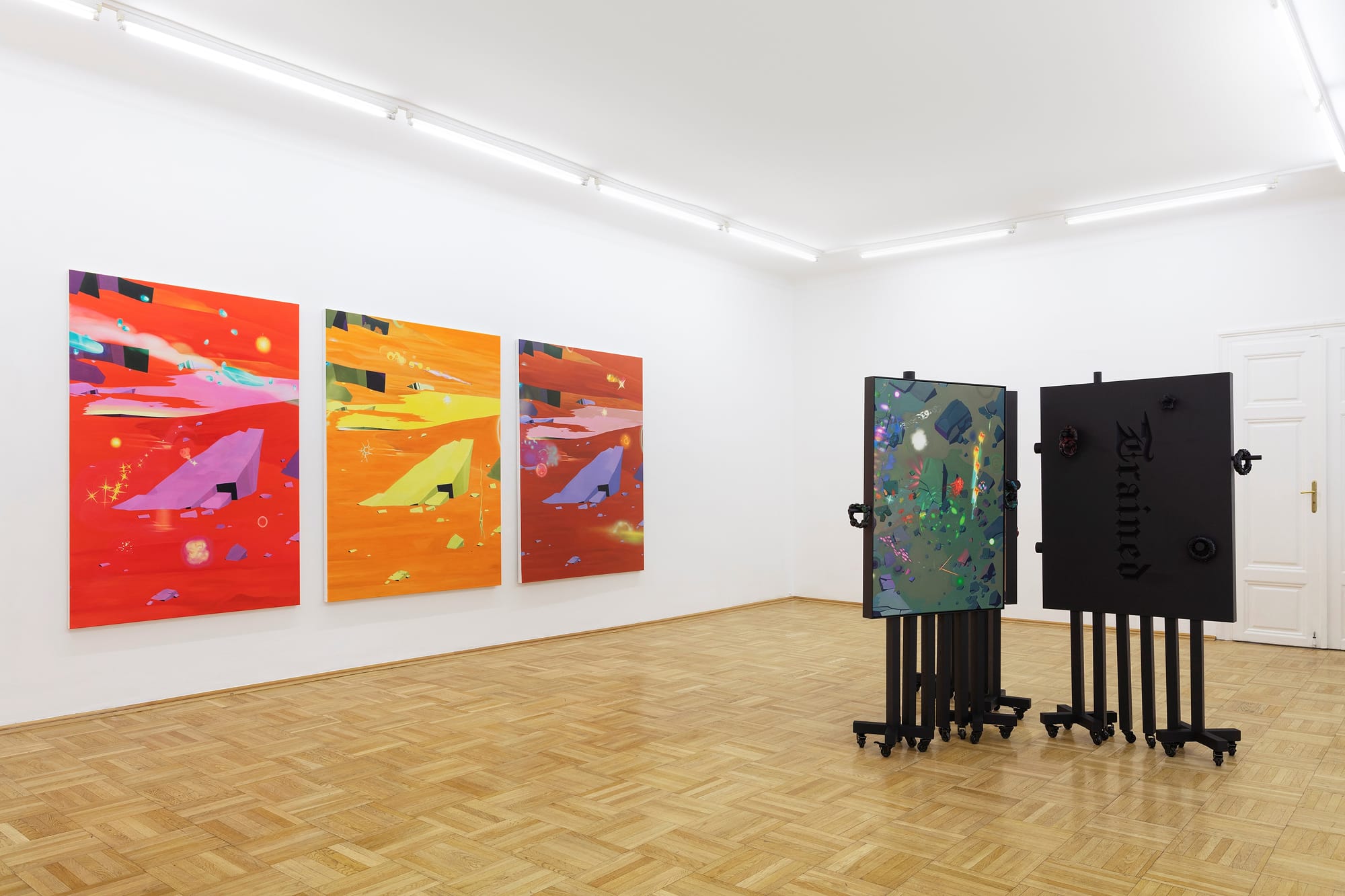
Sit, stay, come: the same clipped commands that discipline a dog also, Miao Ying suggests, school a machine. Her first solo show in Europe runs the analogy through Belvedere 21, where the Shanghai-born artist feeds parameters to neural networks, harvests the images they generate, then paints them by hand so the churn of data settles into something the eye can hold. Allusions to medieval magic and alchemy drift through the galleries, a reminder that new technologies have always arrived trailing equal measures of hope and dread.
Stellprobe: Collection Acquisitions from the Last Decade
10 July – 4 October 2026
Borrowed from the stage, a Stellprobe is the rehearsal at which sets and props are tried out before opening night. Belvedere 21 adopts the term for everything it has acquired over the past decade, handing the artist Heimo Zobernig its ground and upper floors to arrange medieval panels and very recent work into a single provisional scene. The staging serves a clear ambition: to widen the collection and, above all, to bring in more women artists. Helene Funke, Nancy Spero, Renate Bertlmann and Toni Schmale all feature.
The World in Focus
15 July – 26 October 2026
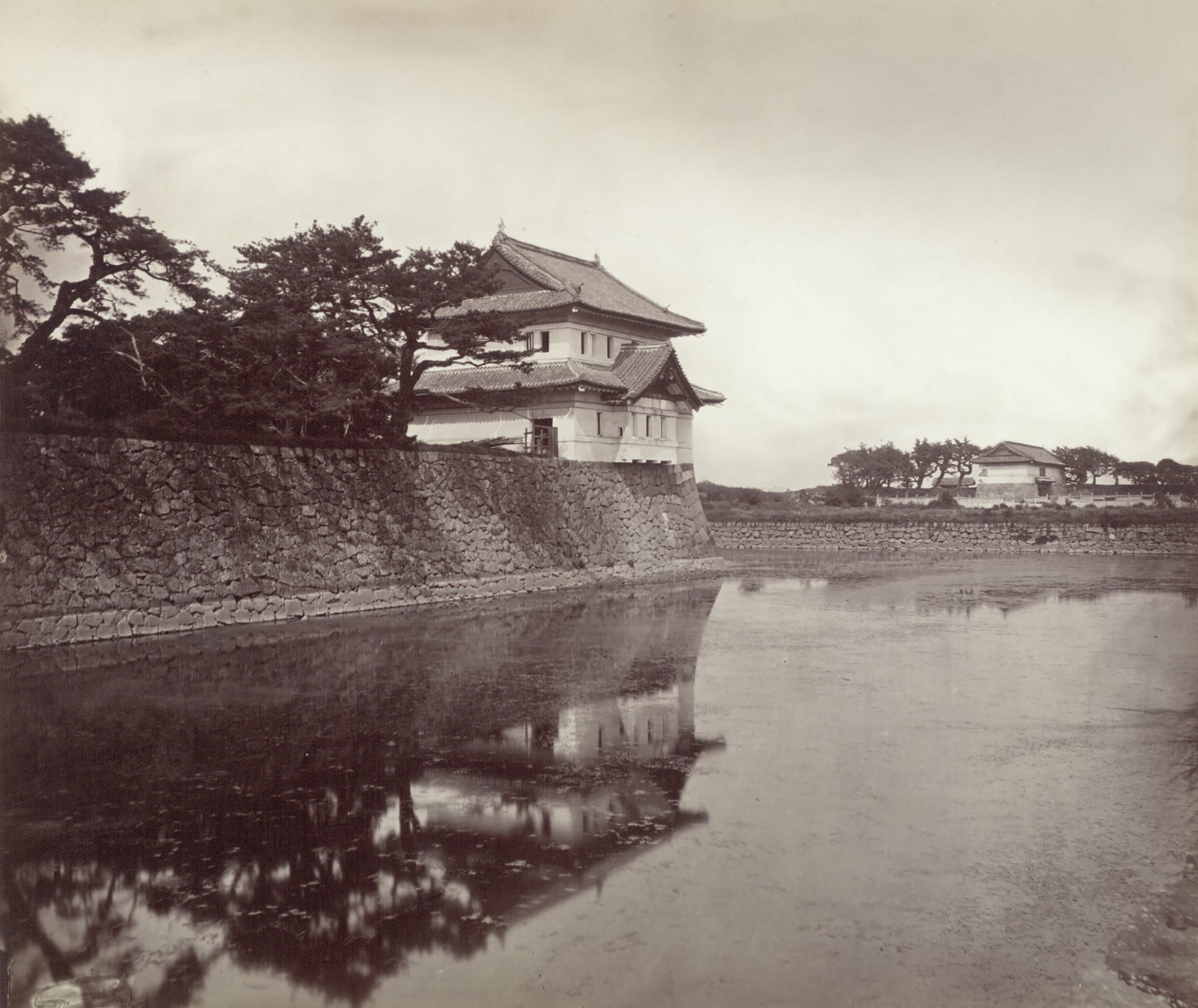
Strap the nineteenth century to a tripod and it travels surprisingly far. Drawn wholly from the Albertina’s own collection, this show follows expedition and travel photographers as their still-young medium chased industry, empire and tourism across the globe. The pictures climb to Alpine glaciers, linger at the ancient sites of the Middle East, reach the far edges of the Habsburg Empire and sail as far as Japan. Gustav Jägermayer’s The Crystal Water Glacier from North-West and a Tokyo watchtower by Raimund Stillfried von Rathenitz are among the prints on view.
Herbert Boeckl – Hans Josephsohn: Figural Archetypes
24 July 2026 – 10 January 2027
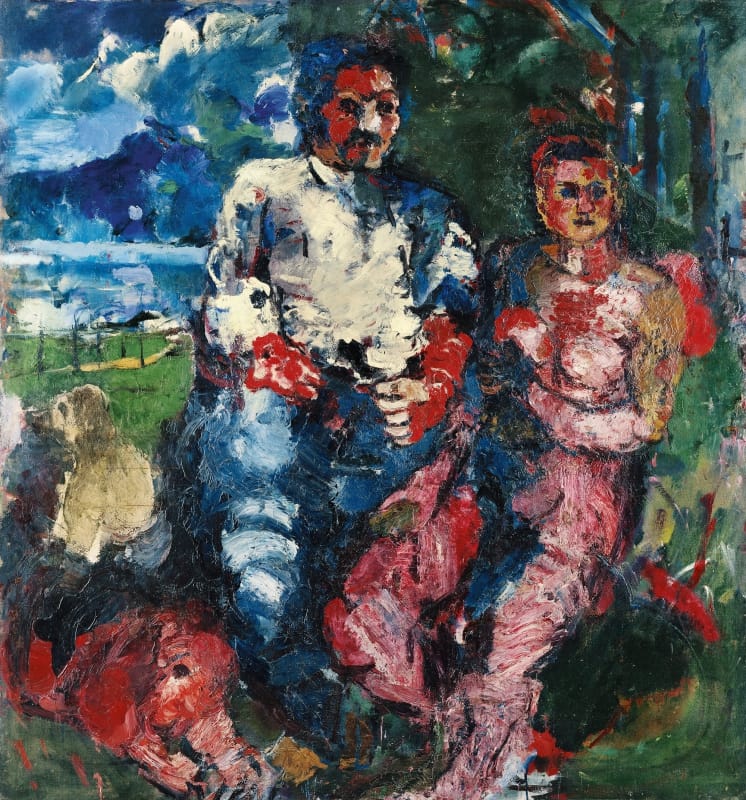
Troweled pigment, thick enough to throw shadows, and plaster scraped up by hand and then cast: the Leopold sets the painter Herbert Boeckl (1894–1966) across from the sculptor Hans Josephsohn (1920–2012), two men who never met. Both kept faith with the human body as abstraction surged around them, stripping away detail until a head became a universal, almost archaic form. Their kinship shows in the worked, scarred surface, in every passage where the act of making stays visible. Out of paint and plaster, an unlikely dialogue takes shape.
Baselitz Manifestos
3 July – 4 October 2026
Choosing the figure in the early 1960s, when serious painting meant abstraction, was a deliberate provocation, and Georg Baselitz made it loudly. The Rupertinum mounts the first of two exhibitions the museum is devoting to the painter, who has long lived in Salzburg, this one built around his early graphic art. Drawings and prints from the decade grapple with German history, personal identity and the swagger of the artistic ego in marks frequently called raw. Four manifestos the young artist wrote in those years order the rooms, with loans from the Ludwig Forum in Aachen.
Ernst Caramelle: Figures of Thought
3 July 2026 – 30 May 2027
Open one of Ernst Caramelle’s artist’s books and you enter a space built for thinking, where original and reproduction, image and text keep changing places. The Austrian conceptualist (b. Hall in Tirol, 1952) has worked the printed page this way since 1973, and the Rupertinum gathers that long pursuit. Beside it hangs Video Landscapes (1974), an early photographic series in which video pictures melt into the rooms around them until media and reality blur. A reading and media lounge, stocked from two libraries, rewards anyone willing to slow down.
Generator #5: Georgia Gardner Gray
3 July – 4 October 2026
Prehistoric stone circles make an unlikely setting for a meditation on inheritance, which is exactly where Georgia Gardner Gray (b. New York, 1988) plants her new paintings. The fifth artist in the Museum der Moderne’s Generator series, she stages the everyday as something keenly observed and faintly off-kilter, splicing pop culture into art history with deadpan wit. Symbols from the ancient to the digital crowd her canvases, exposing how widely our readings of history and authenticity can diverge. The absurdity is calculated, the detail exact.
Stephan Balkenhol: Là ci darem la mano …
27 July – 5 October 2026
Cross Residenzplatz this summer and you may find yourself among carved strangers dressed for the opera. They are the work of the German sculptor Stephan Balkenhol, who scatters his wooden figures across the square from 25 July to 5 September and shows a companion group inside the state-rooms of the Residenz from 27 July to 5 October. Treated as temporary citizens of Salzburg, they take on the old operatic themes of freedom, power, guilt, jealousy and love. The title lifts a line from the seductive duet in Mozart’s Don Giovanni.
🇩🇪 Exhibitions in Germany
[ materialistin ]
3 July 2026 – 28 February 2027
Steel, stone, wax and concrete pass between hands that would rather share them than hoard them. Eight women sculptors from Leipzig, among them Laura Eckert, Agnes Lammert and Sophie Uchman, fill Hamburger Bahnhof with objects and installations built for these rooms. By pooling tools, contacts and experience across generations, they meet the physical and economic demands of sculpture with solidarity instead of competition. Their feminist, non-hierarchical way of working becomes the subject in its own right. The show opens the museum’s thirtieth-anniversary programme, curated by its director Sam Bardaouil.
![[ materialistin ], KV Leipzig, Leipzig, 2023](https://storage.ghost.io/c/8b/8a/8b8aced3-3e39-4a0f-8609-5432c9e814b4/content/images/2026/06/6---materialistin--.jpg)
Between and Beyond: Art and Space since 1960
3 July 2026 – 29 August 2027
What happens in the gaps, the thresholds, the moments just before something tips? The Pinakothek der Moderne gives six rooms of its Modern Art Collection to that question, gathering work made since 1960 around states of limbo and transition. Minimalist restraint from Donald Judd and Fred Sandback meets the charged surfaces of Lucio Fontana, Günther Uecker and Rosemarie Trockel, with Joseph Beuys and Richard Serra never far away. The hang invites a slower, stranger kind of looking, turned towards the repressed, the overlooked and the unspeakable in art and space.
UNORDNUNG – Fotosommer Stuttgart 2026
18 July – 13 September 2026
Disorder, the organisers wager, might be felt as loss or as release, and rarely just one. For the Stuttgart Photo Summer, the Staatsgalerie’s photography space THE GÄLLERY gathers some twenty photographers chosen from an international open call on that single word. Their images run from the unravelling of ecological balance under climate change to anarchism, and on to the small, playful chaos of ordinary days. An expert jury made the selection, drawing on submissions from established photographers and art students alike. The result tests how much disarray a picture can hold.
100 Best Posters 25: Germany Austria Switzerland
3 July – 2 August 2026
Picture a hundred posters that beat several thousand others to the wall. Each year the German-speaking world’s largest poster competition sifts entries from Germany, Austria and Switzerland down to its hundred best, and Museum Folkwang shows the winning crop. The display goes up in the SANAA building on the Zollverein colliery, the World Heritage site that now houses the museum’s German Poster Museum, a co-organiser alongside the 100 Beste Plakate association and the Zollverein Foundation. Commercial commissions, cultural campaigns and student experiments share the same judgement. Graphic design rarely gets so concentrated a showing.
I, Gustave Courbet: Painter and Rebel
17 July – 8 November 2026
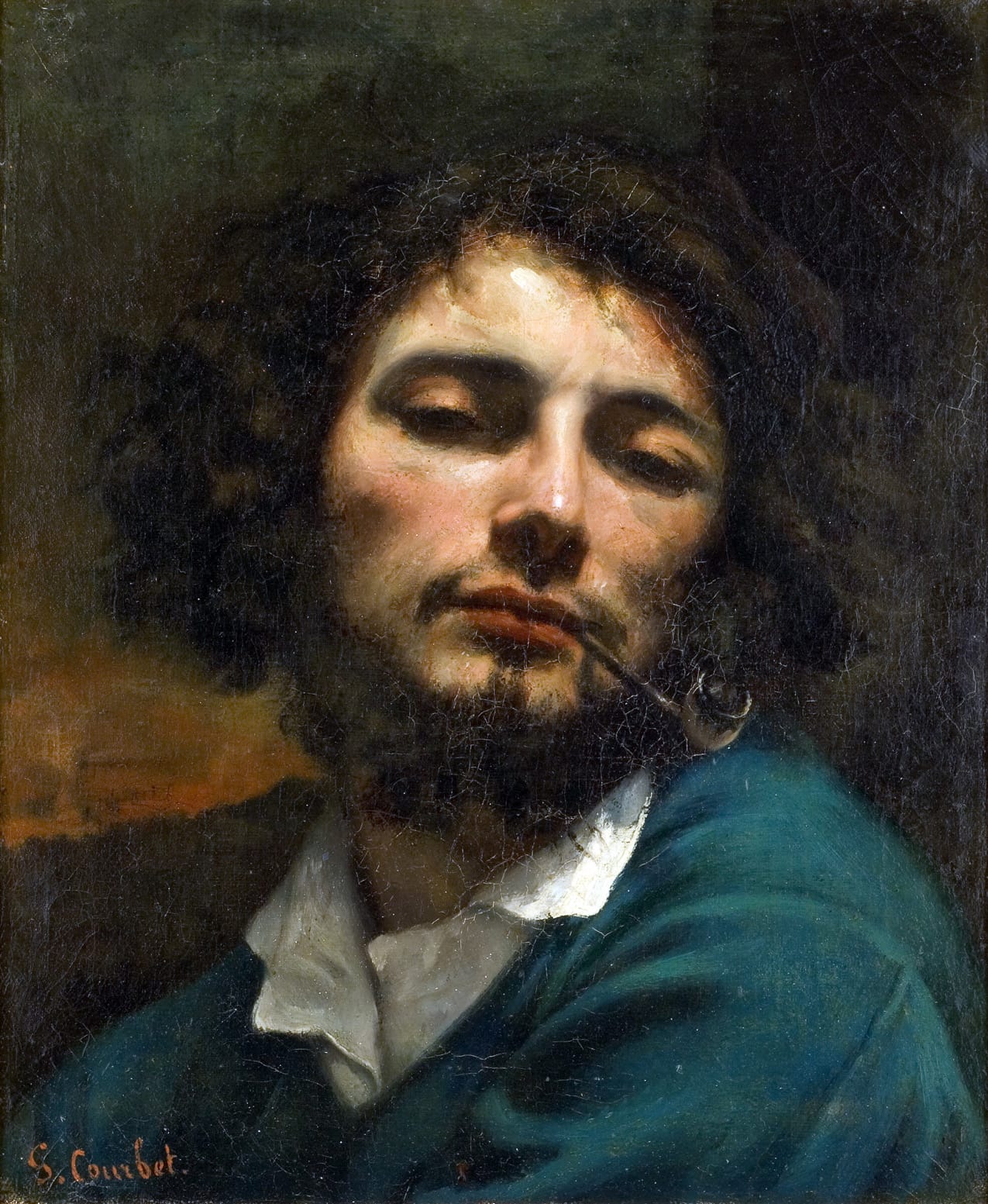
A self-portrait of a man wild with fear, painted around 1844, sets the tone for Gustave Courbet’s lifelong refusal of polite taste. Museum Folkwang traces his career through five threads: self-image and public image, social reality, the erotic, landscape, and exile. Turning from the polished ideals of classicism and romanticism, he painted ordinary lives and let his politics run openly through the work, a stance that drove him out of France into Swiss exile in 1873. Developed with the Leopold Museum in Vienna, the show frames him as an instigator of modern painting.
🇲🇨 Exhibition in Monaco
Victor Brauner, the Magical Adventure
3 July 2026 – 3 January 2027
“Every painting will be an adventure,” Victor Brauner wrote in 1941, and the Nouveau Musée National de Monaco takes him at his word. For six months at Villa Paloma, a private Monaco collection is shown in full for the first time, more than 160 paintings, drawings and sculptures tracing the Romanian-French Surrealist from the 1920s to the 1960s. Ten non-Western objects he himself collected appear alongside, on loan from Saint-Étienne. Drawn to esotericism, alchemy and ancient myth, Brauner built a private cosmogony of metamorphosis, where wonder and irony hold off the barbarity of his century.
🇳🇱 Exhibitions in the Netherlands
The Grand Summer Hut
4 July – 30 August 2026
Build a den, crawl inside, lose track of time: that childhood instinct shapes Teuntje Fleur’s summer takeover of the Kunsthal’s Auditorium stairs. The Rotterdam graphic artist turns the steps into a fantasy forest of colourful sculptures, dotted with viewing boxes and loose felt shapes that visitors can arrange into creatures of their own. At its centre stands a large hut to climb into, read in and slow down. Working in primary colours and simple circles, triangles and squares, Fleur aims her playful world squarely at the inner child. Admission is free with a ticket.
Fashion Galore
4 July 2026 – 3 January 2027
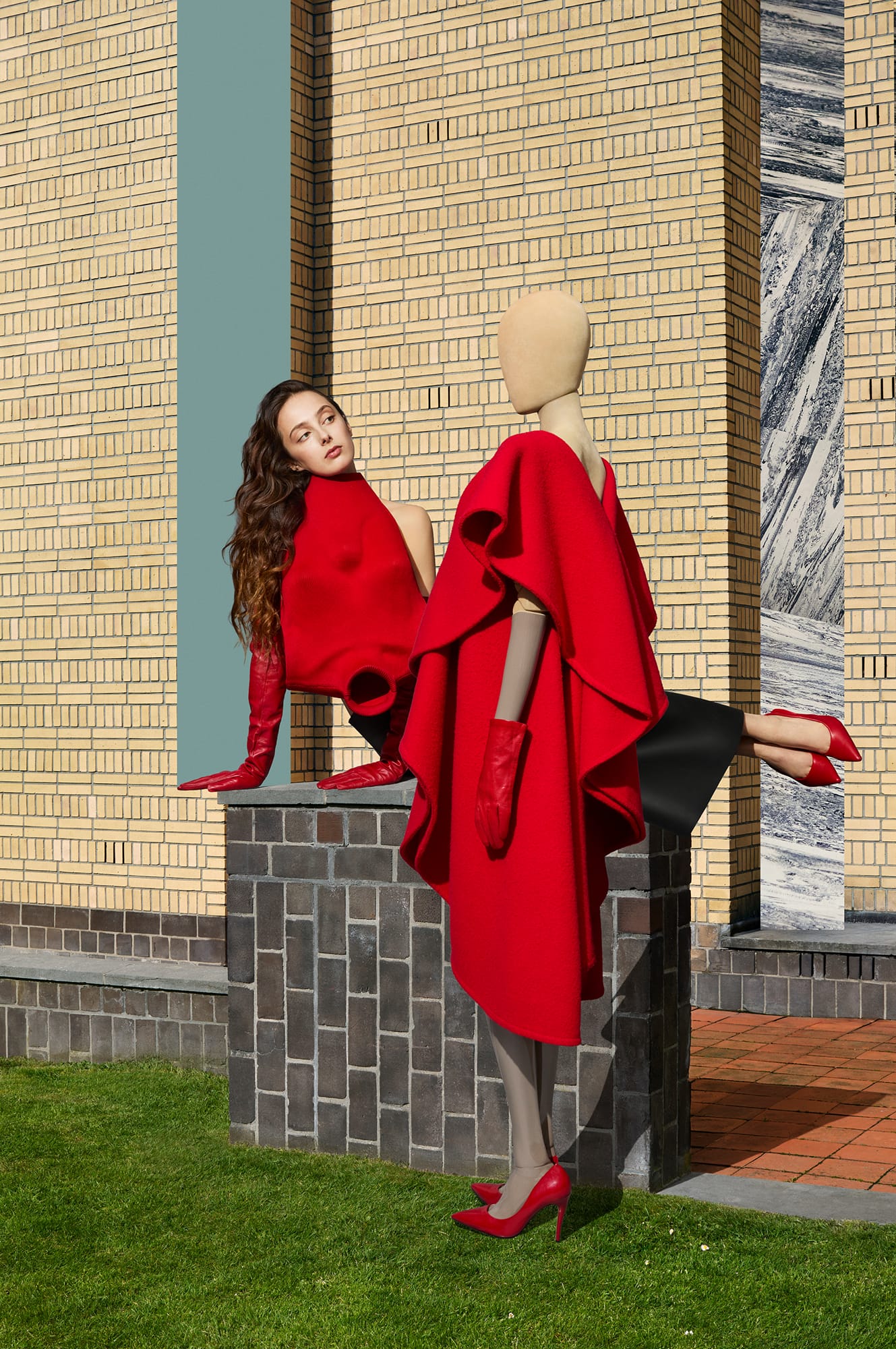
Fifty thousand garments, and a museum turning seventy-five: Kunstmuseum Den Haag marks the anniversary of its fashion collection by throwing the wardrobe open. What began as the Dutch Costume Museum is now the country’s largest holding of dress, running from seventeenth-century showpieces to pieces fresh off the catwalk. The display doubles as a look behind the scenes, with an open depot on the gallery floor and conservators at work in view. Chanel, Alexander McQueen, Vivienne Westwood, Jan Taminiau, Fong-Leng and Kenneth Ize feature, alongside garments once dismissed as worthless and since reconsidered.
Twilight of the Gods: Frans Franciscus
10 July – 22 November 2026
Just as abstraction loosened its grip around 1980, figurative painters stepped back into the light, and Frans Franciscus was among them. The Centraal Museum gathers four decades of the Utrecht-born painter’s provocative figuration, which borrows the grand manner of the old masters to talk about diversity, injustice and love. Rubens and the Utrecht Caravaggist Hendrick ter Brugghen jostle in his pictures with Max Beckmann and the rhythms of comic strips. His new triptych No Masters or Kings When the Ritual Begins goes on show for the first time.
15 Mysteries of the Rosary
11 July – 25 October 2026
Fifteen Baroque paintings have hung for four centuries in a side aisle of St Paul’s Church in Antwerp, rarely seen together as the cycle they form. This summer the whole Rosary Cycle travels to ’s-Hertogenbosch, the first time these canvases by Rubens, Jordaens, Van Dyck and Teniers have been shown in the Netherlands, and the first in a museum. Het Noordbrabants Museum uses the loan to trace the long ties between Antwerp and Brabant, and to read the rosary’s fifteen mysteries as a rhythm for living well. Contemporary works carry the thread to now.
🇪🇸 Exhibitions in the Spain
Valeriano D. Bécquer (1834–1870): Los cuadros de costumbres
13 July – 4 October 2026
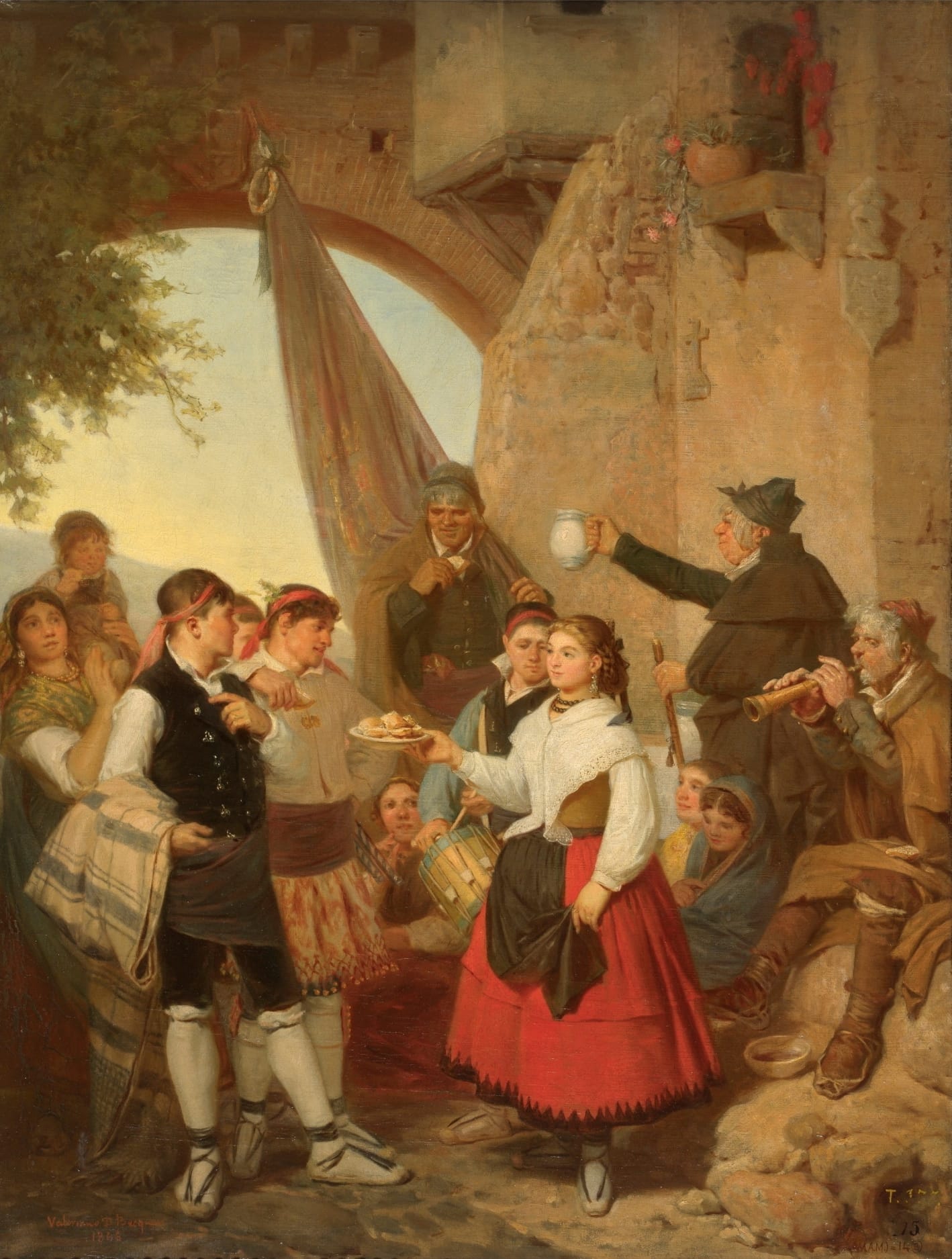
Only three of Spain’s provinces were ever finished. Commissioned by the government in 1866 for the short-lived Museo de la Trinidad, Valeriano D. Bécquer documented Zaragoza, Soria and Ávila, setting down regional dress and local types with unusual precision before the wider project halted. The Prado now reunites the eight surviving canvases for the first time, gathered from its own holdings. Brother of the poet Gustavo Adolfo Bécquer, the painter left in them one of the finest records of nineteenth-century Spanish costumbrismo, a genre devoted to the manners and dress of ordinary life. Pedro J. Martínez Plaza curates.
Forced to Hope
1 – 15 July 2026
Pairing virtual reality with painting and song, the Thyssen and Médecins Sans Frontières turn the museum’s lower level over to Sudan for a fortnight. The free display sets the country’s traditions and music against the conditions millions have faced since war broke out more than three years ago. At its centre is a 360° film built around Mohammed Dafallah, who fled Darfur and now works as an anaesthesia technician in a refugee camp in Chad. The Sudanese painter Rashid Diab and the Sudanese-American singer Alsarah contribute work, lending the project an intimate, first-person register.
Divided
14 July 2026 – 17 January 2027
Books can be a kind of artwork, and their distribution a kind of authorship. Camilla Wills, co-founder of the London imprint Divided Publishing, brings that conviction to the foyer of the Fundació Joan Miró, where her intervention draws on the movement of texts through art and academia. The piece threads through the whole of Espai 13’s current season, curated by Alejandro Alonso Díaz, and surfaces again in its closing publication. Sited where visitors enter and leave, it casts the museum as one stop in a wider circuit linking writers, readers and the city.
Maintenance
17 July – 18 October 2026
What keeps an institution running, and who notices? Ghislaine Leung builds her shows from written scores, brief sets of instructions that bend to the conditions of whatever space hosts them. For Espai 13 she takes the Fundació Joan Miró’s own operating rules as her material, turning the museum’s routines, staffing and upkeep into the substance of the work. The result examines mutual dependence and the quiet labour that holds a building together, usually unseen. Leung, based in London, has shown at Kunsthalle Basel, the Renaissance Society in Chicago and WIELS in Brussels. Alejandro Alonso Díaz curates.
Extramural project. Dora García
1 July – 13 December 2026
Out on La Rambla and inside the Liceu opera house, the Museu Tàpies pushes its third Extramural project beyond the museum walls. Staged to coincide with the opening of Barcelona’s Grec festival, the edition hands the city to Dora García, whose work runs on performance, narrative and the psychology of crowds. Treating streets and institutions as places to think aloud, the programme unfolds in scattered episodes, opening with performances by García and Mari Lyn Diniz. Imma Prieto and Judith Barnès curate, with the art school Eina as partner.
The Albufera
8 July – 18 October 2026
The wetlands south of Valencia turned forty as a protected park this year, and the IVAM goes back to them. The show grows from L’Albufera. Visió tangencial, a 1985 commission in which twelve photographers, among them Joan Fontcuberta and Gabriel Cualladó, were sent to the lagoon with one instruction: photograph the place. Around that core the museum layers paintings, documents and fresh commissions, setting Sorolla and Gustave Doré beside Bleda y Rosa, Lucía Loren and Jorge Ribalta. Together they read the Albufera as terrain shaped by history, politics and labour rather than scenery. Sandra Moros curates.
Territories in Transit / Solo Duo: Irene Grau & Marco Giordano
16 July – 25 October 2026
Treat a salvaged power cable as a body, or a rust-stained canvas, and this pairing coheres. The latest of the IVAM’s Solo Duo encounters sets Irene Grau against Marco Giordano under the title Te llamo cuerpo, I Call You Body. Grau works outdoors, dragging fabric across the ground and staining it with rust and water until the landscape seems to paint itself; a new piece uses dust swept from Castellón’s tile factories. Giordano assembles Gridlocks from aluminium, copper and plastic stripped out of Glasgow’s old wiring, a study of energy’s hidden infrastructure. Alicia Ventura and Bernardo Follini curate.
🇨🇭 Exhibitions in Switzerland
Vilhelm Hammershøi. The Eye That Listens
3 July – 25 October 2026
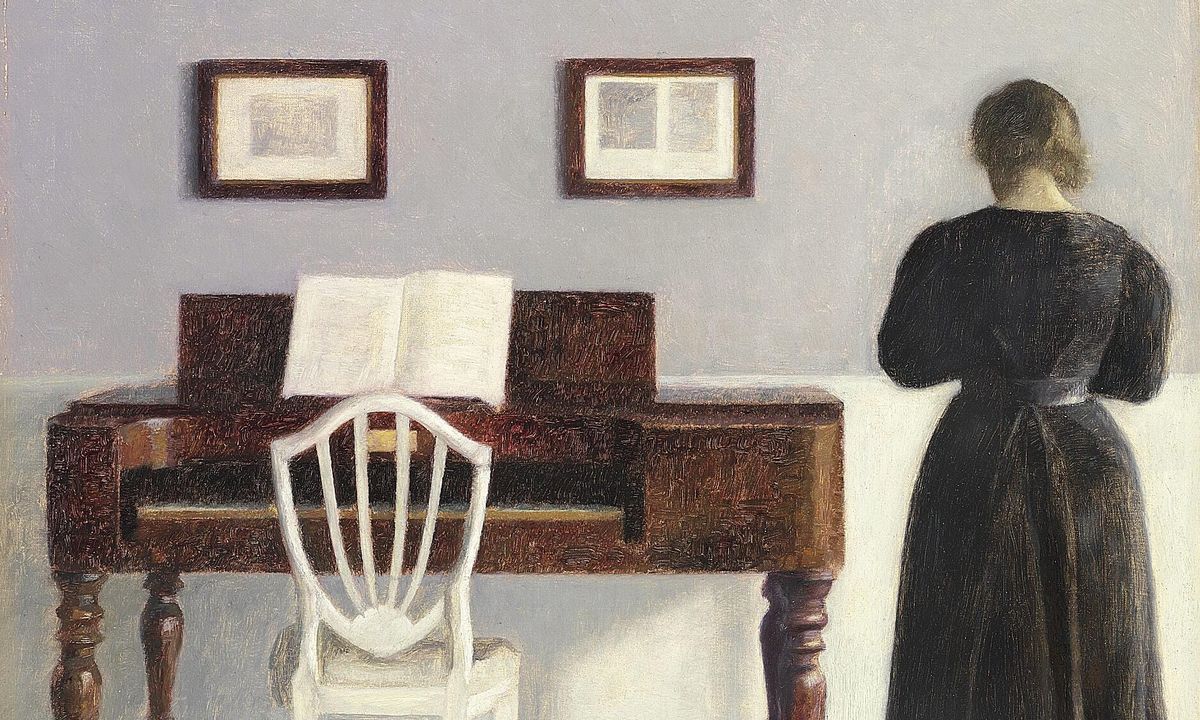
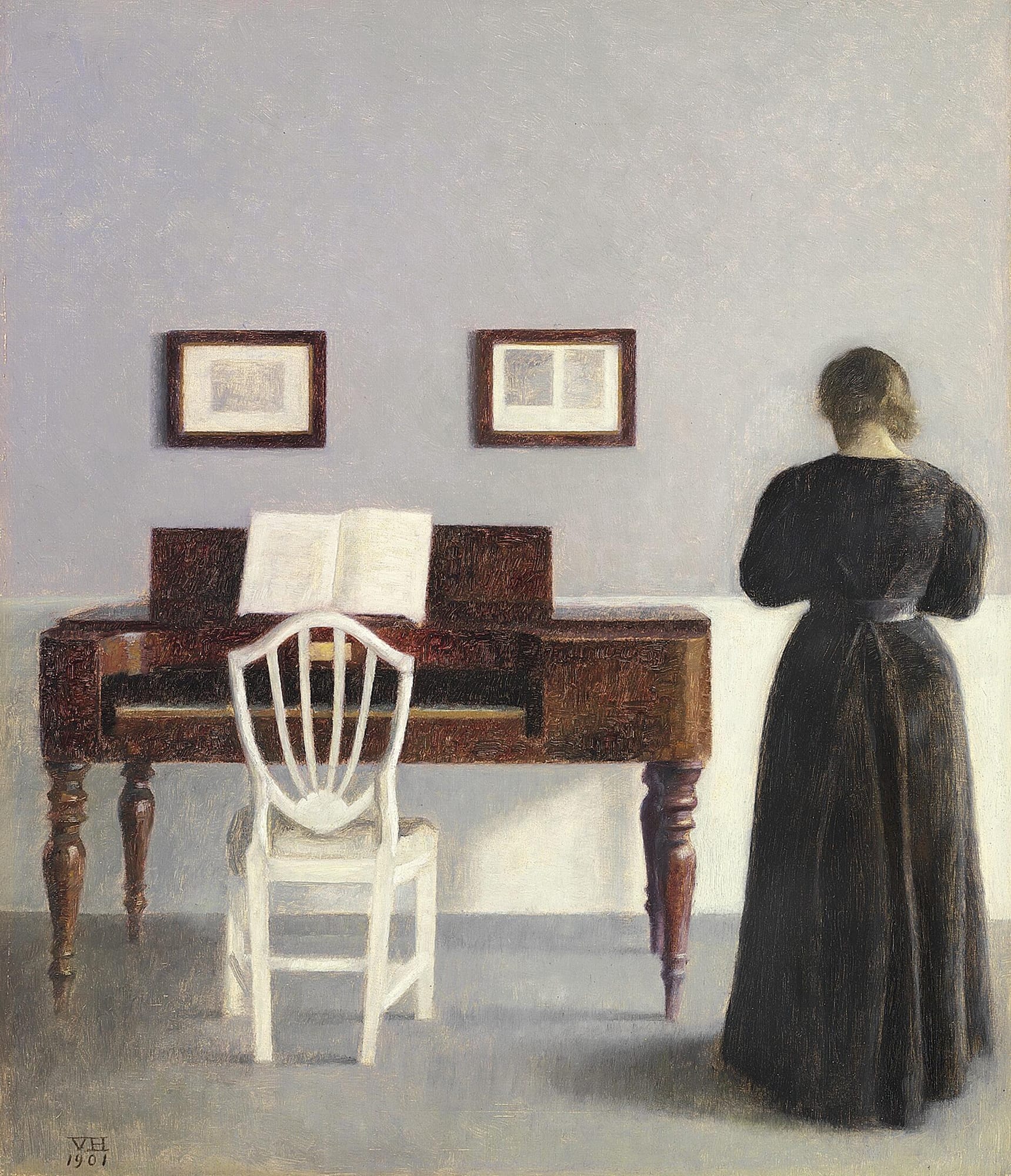
Empty rooms, closed doors, a woman seen from behind: the Danish painter Vilhelm Hammershøi turned domestic quiet into his whole subject. Kunsthaus Zürich gives him his first full showing in a Swiss museum, setting the grey interiors alongside portraits, cityscapes and landscapes. The muted tones shift by tiny degrees, and a piano or cello often waits in a corner, holding the tense calm of the moment before music begins. His pared-down compositions recall Whistler, while their stillness looks ahead to Morandi. The show is organised with the Museo Nacional Thyssen-Bornemisza in Madrid.
PlasMAH: Flesh and the Siphon
From 16 July 2026
When does manufactured matter stop being distinct from flesh? Daniel Dewar and Grégory Gicquel press the question across seven marble sculptures set in the MAH’s courtyard, two of them carved for the site. Working in pink and red marble, in blocks weighing up to seven tonnes, the pair fuse taps, shoes and bathroom fittings with bodily fragments and molluscs. The veined, flesh-toned stone hovers between skin and rock, the living and the inert. Part of the museum’s PlasMAH series, the courtyard display is free on a pay-what-you-like basis.
Anne Loch. Painting: So what?
18 July – 20 September 2026
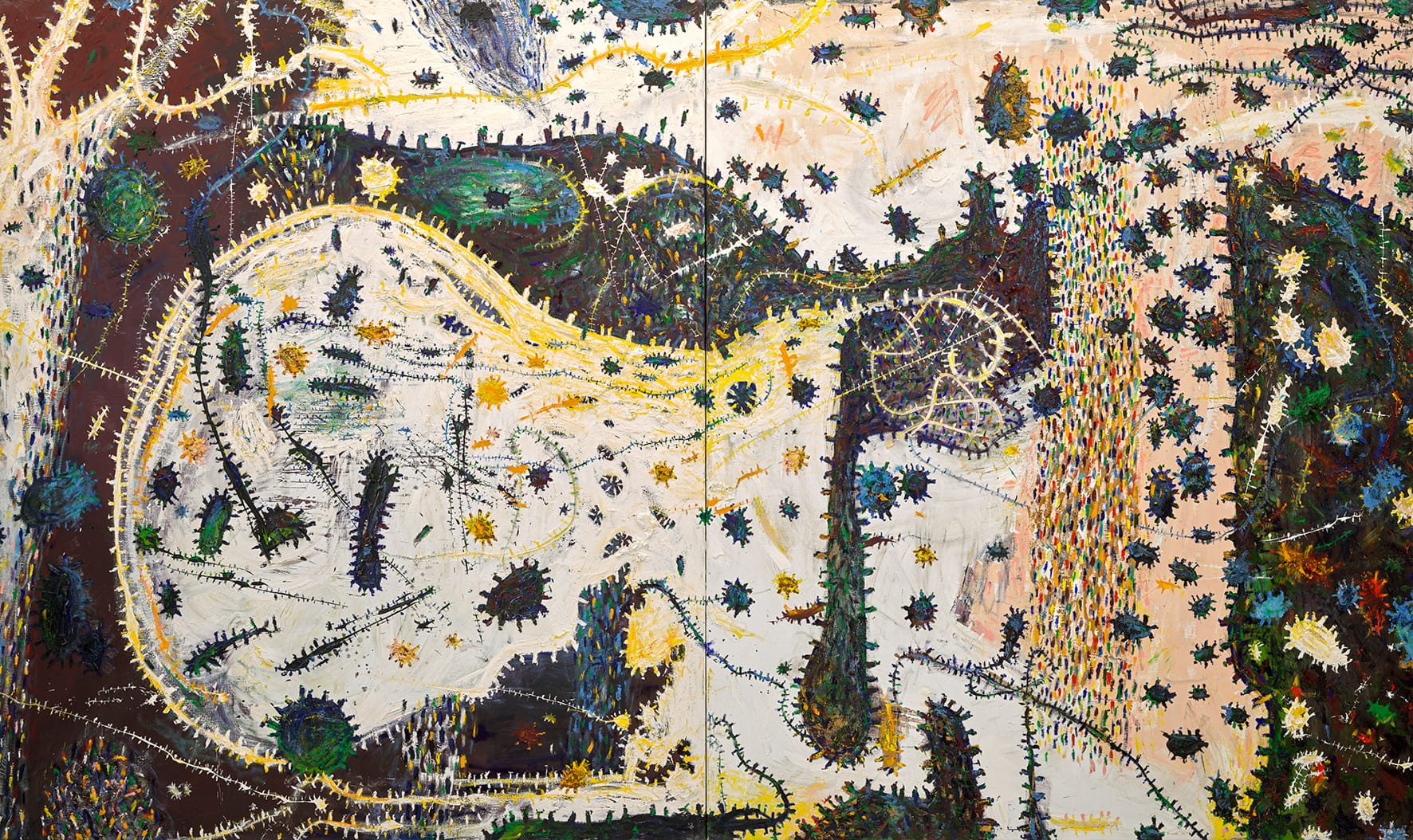
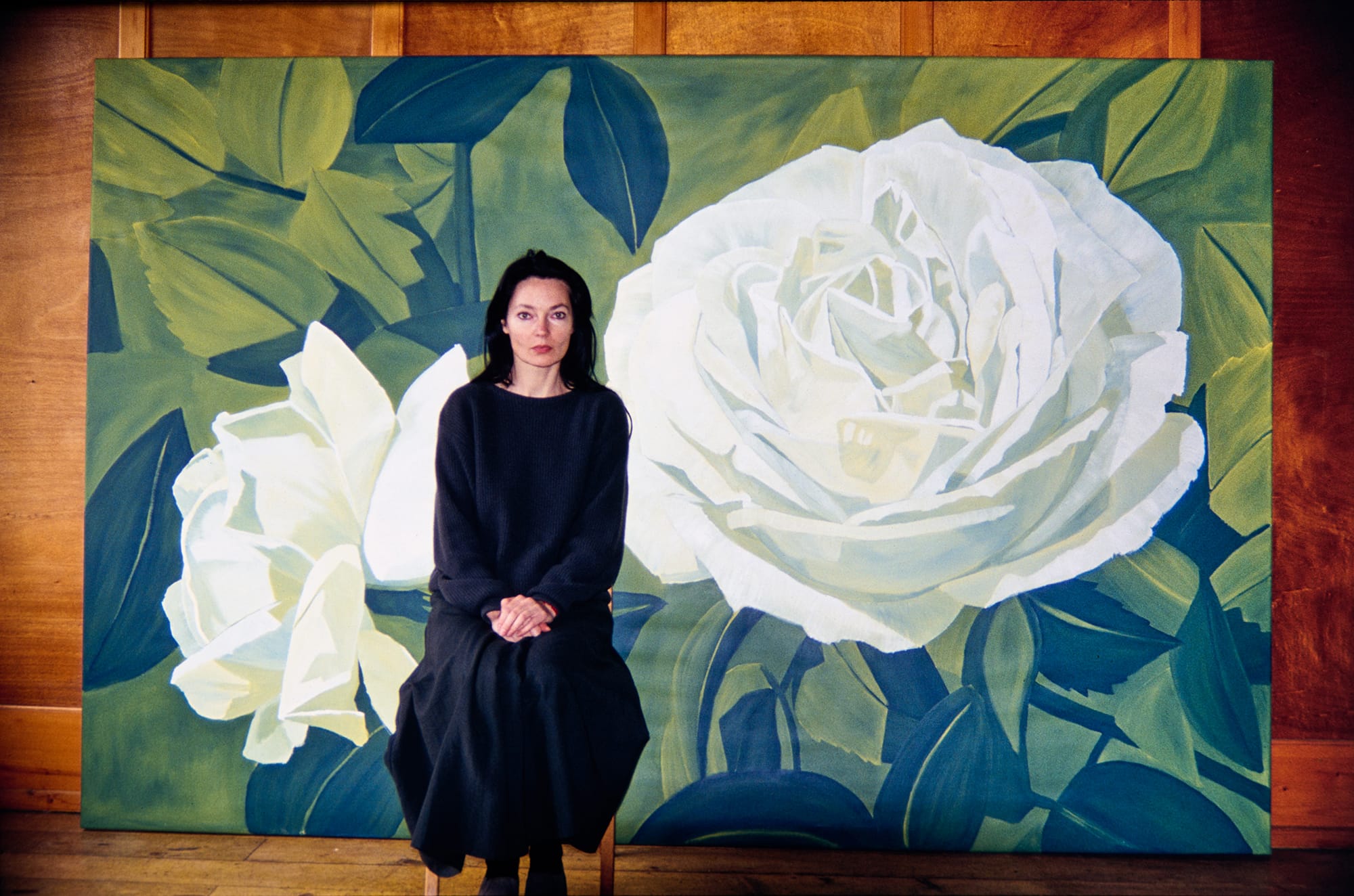
Trained in Germany and later living partly in Switzerland, Anne Loch (1946–2014) spent her career testing how far painting could be pushed. Her monumental canvases of mountains, flowers, animals and insects pair a serene surface with a quiet underlying tension. Figuration slides toward abstraction, painting toward drawing, the real toward the dreamed, until line, colour and plane are what remain. Around seventy works at the Zentrum Paul Klee trace her steady loosening of these familiar motifs, hung as a single survey. Amélie Joller curates the show.
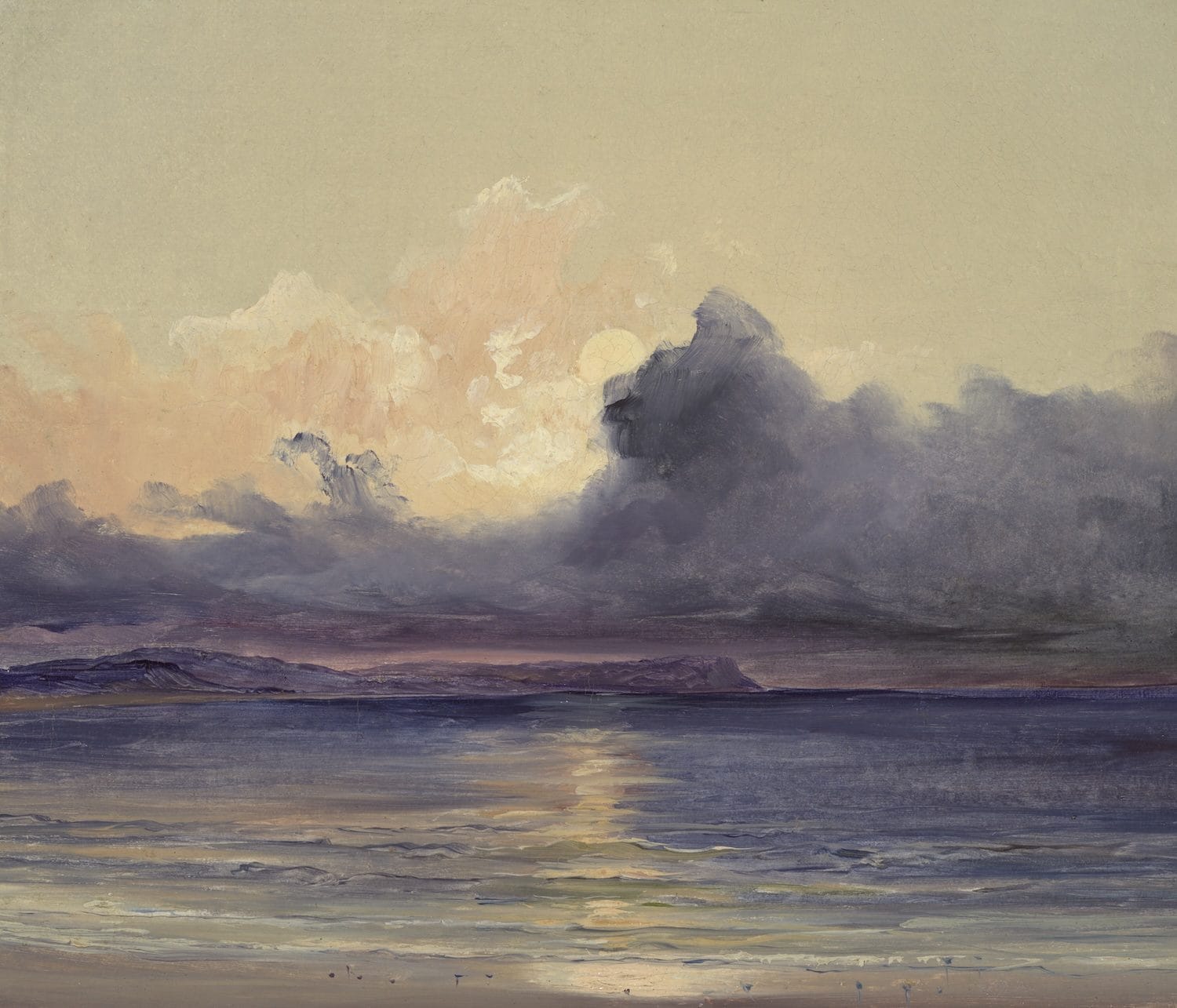
To the Sun! To Freedom! Paths of Plein-Air Painting Around 1800
4 July – 25 October 2026
Out of the studio and into the Italian sun: around 1800, painters began setting up easels outdoors to catch the light in oil. The Kunst Museum Winterthur gives its summer show to that shift, moving from Pierre-Henri de Valenciennes and Simon Denis through Carl Blechen to Camille Corot. It also tells, for the first time, the Swiss chapter of the story, led by Caspar Wolf’s early Alpine studies. Drawn largely from Oskar Reinhart’s collection and lenders abroad, the display gathers more than thirty works never previously published. David Schmidhauser and Florian Illies co-curate.
🇬🇧 Exhibitions in the United Kingdom
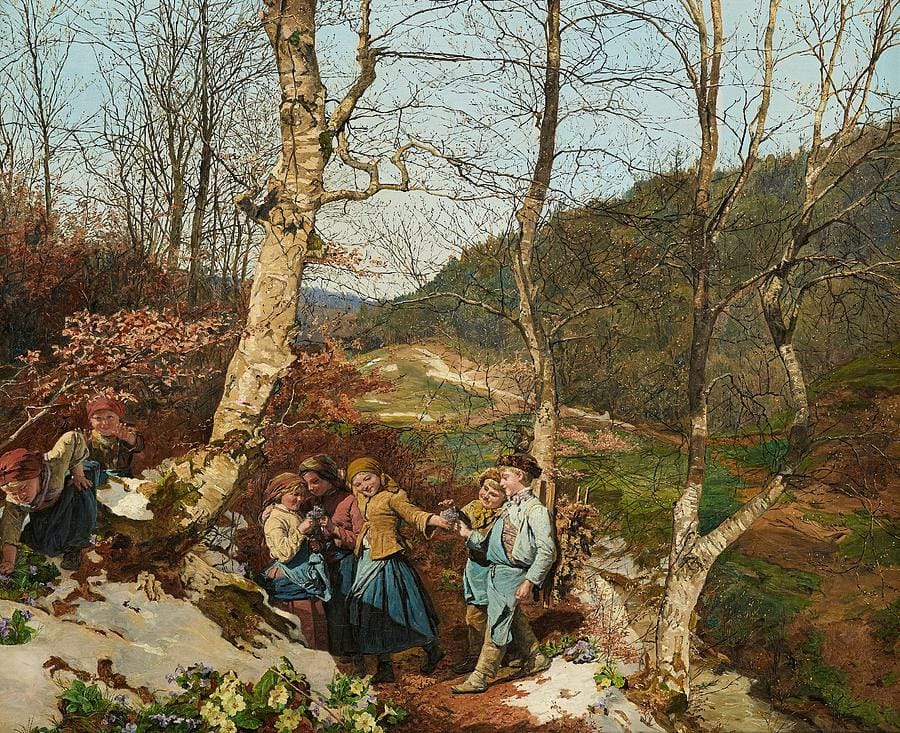
Waldmüller: Landscapes
2 July – 20 September 2026
Forests, rugged peaks and wide Alpine skies fill the National Gallery’s first exhibition given over to the landscapes of Ferdinand Georg Waldmüller. One of nineteenth-century Austria’s finest painters, he worked outdoors across his home country and Sicily, from the great trees of Vienna’s Prater to the lakes of the Salzkammergut and the sun-bleached ruins of the south. Each leaf and bare branch is set down with a precision that has drawn comparison with the Pre-Raphaelites, finding beauty in aged trunks as readily as in blossom. Organised with the Belvedere in Vienna, the free display fills Room 1.
Ana Mendieta
15 July 2026 – 17 January 2027
Few artists tied their work to the earth as closely as Ana Mendieta. Tate Modern gathers her first in-depth UK show in over a decade, ranging from early paintings to late sculptures and including newly remastered films, several never shown in Britain. At its heart is the Silueta Series, in which the Cuban-born American pressed her body into earth, sand and grass, then marked the hollow with fire, water or flowers and filmed the trace. Made in the 1970s and early 80s, the work gives displacement and belonging a bodily form. Valentine Umanski curates.