33 art exhibitions around Europe closing in December 2026
Titian’s Annunciation has left Treviso Cathedral for the Galleria Borghese in Rome. Also closing in December: the Centre Pompidou’s history of its own colours, Philippe Parreno’s balloon fish in Basel and the studio in Ghent where the Van Eyck altarpiece is being restored.

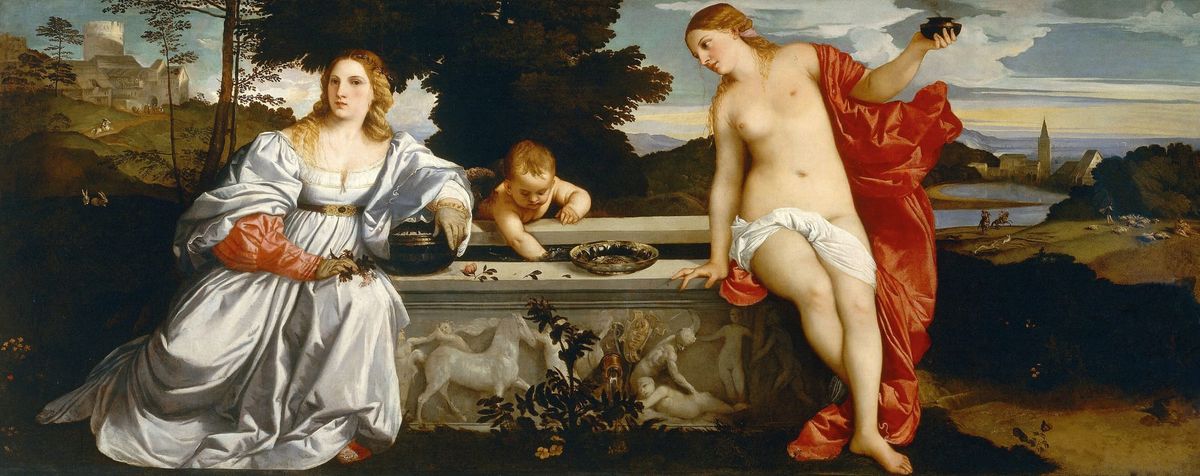
Titian’s Annunciation has left Treviso Cathedral for Rome while Pordenone’s frescoes in the cathedral’s Malchiostro Chapel are restored. The Galleria Borghese has hung the altarpiece beside its own Titians for the first time. Conservation before the journey uncovered an inscription with the painter’s signature and a date. The display closes on 8 December.
In Paris, the Centre Pompidou tells how its building almost came out gold and blue before the colour code of red, blue, green and yellow was settled. The Louvre has returned around fifty objects from its closed Islamic Arts department to the Richelieu wing, where such pieces were displayed among European decorative arts for more than a century. In Ghent, the glass-fronted studio where restorers are working on the Van Eyck brothers’ altarpiece closes on 31 December. The panels return to St Bavo’s Cathedral once the work is finished.
Visitors to the Fondation Beyeler in Basel may touch the balloon fish that Philippe Parreno has set drifting through its lower gallery for four weeks. In Køge, Ibrahim Mahama has built Labyrinths from bricks given up by Fredensborg Castle, Vestre Prison and Our Lady’s Abbey. Skagens Museum recounts the pineapple served at Anna and Michael Ancher’s table and the stuffed haddock heads eaten by the town’s fishing families. Berlin’s Neues Museum marks the centenary of an Egyptian dictionary compiled from more than a million paper slips.
Several of these exhibitions stay open until the last days of the year. Museum hours change around Christmas and New Year, so check the venue’s page before you travel.
🇦🇹 Exhibitions in Austria
Dance of chance
22 October – 10 December 2026
Zebra stripes, giraffe patches and leopard spots all follow the same mathematics. Alan Turing described the mechanism as reaction-diffusion. Random processes then make each animal’s pattern unique. Eva Schlegel builds Dance of chance on that principle for the BIX media façade of Kunsthaus Graz. Inside, an LED band follows the building’s S-curve through Space01. From nightfall, a modified version of the video plays across the façade itself. Schlegel realised the project with Valerie Messini and Damjan Minovski. It accompanies her exhibition Falling up, which continues until 29 March 2027.
🇧🇪 Exhibitions in Belgium
Restoration of the Ghent Altarpiece
2 May 2023 – 31 December 2026
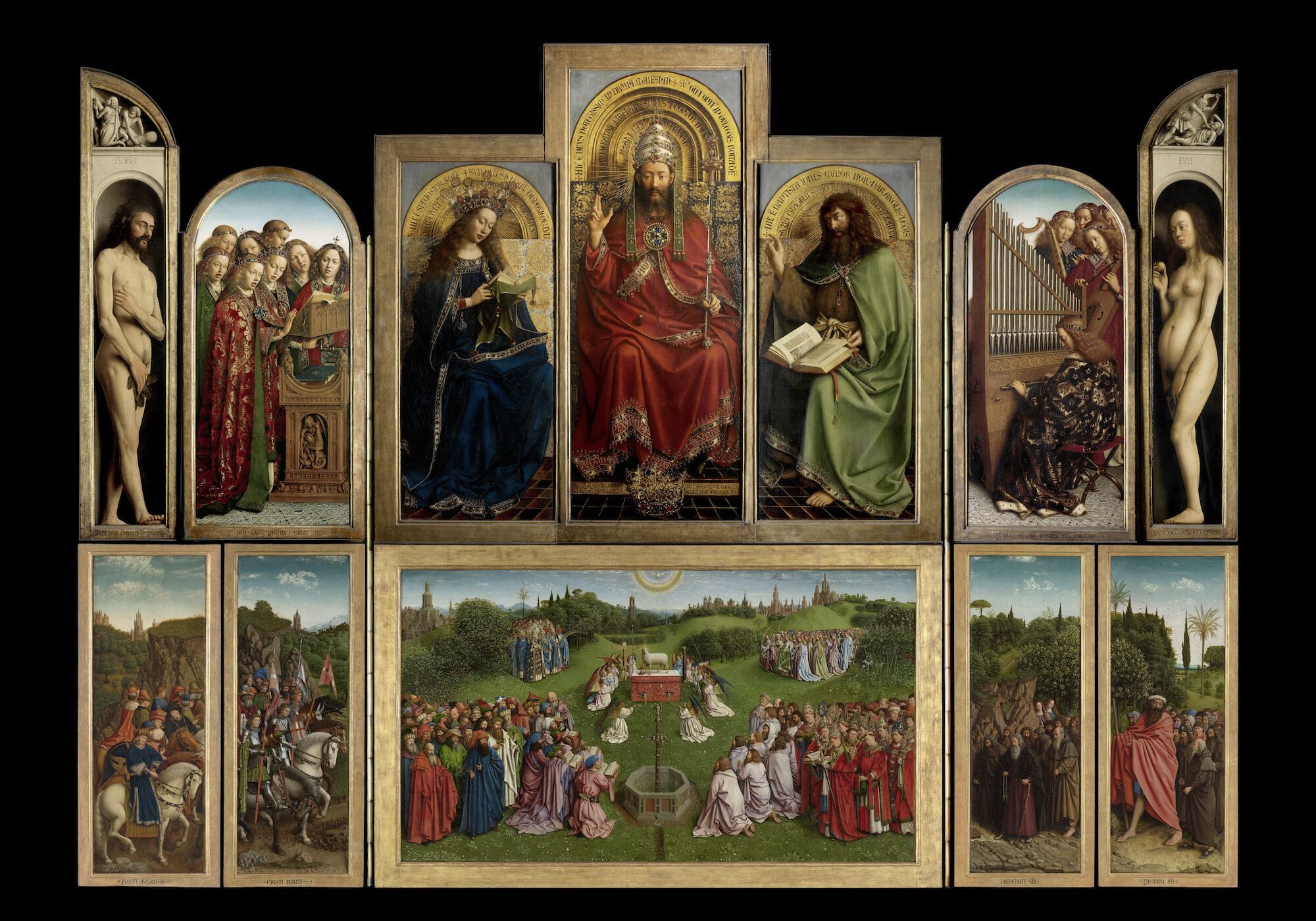
Watch the Ghent Altarpiece being restored through a pane of glass before its panels go home. The studio at MSK Gent hosts the final phase of work that began in 2012. The upper register of the Van Eyck brothers’ polyptych is now on the easels. It shows the enthroned Virgin Mary, God and John the Baptist, flanked by Adam, Eve and the singing and music-making angels. Fragile tin-relief brocade on the thrones is among the new challenges for the KIK-IRPA team. Restorers work from Tuesday to Friday. Once finished, the altarpiece returns to St Bavo’s Cathedral.
🇩🇰 Exhibitions in Denmark
Sara Krøgholt Trier: THE SURFACE OF EVERYTHING
26 September – 13 December 2026
An amphitheatre, half drawn and half photographed, that may or may not exist. A series of these stepped spaces opens Sara Krøgholt Trier’s exhibition at Møstings, one of the Frederiksberg Museums. The artist trained at the Royal Danish Academy of Fine Arts and often works with digital tools and 3D software. Her central piece is an animated film. In it, an amphitheatre becomes the stage for a chamber drama whose characters try to understand themselves and each other. Shared truths seem fragile in their world. The setting also raises questions about democracy and public life.
The Cabinetmakers’ Autumn Exhibition: Light & Form
24 October – 13 December 2026
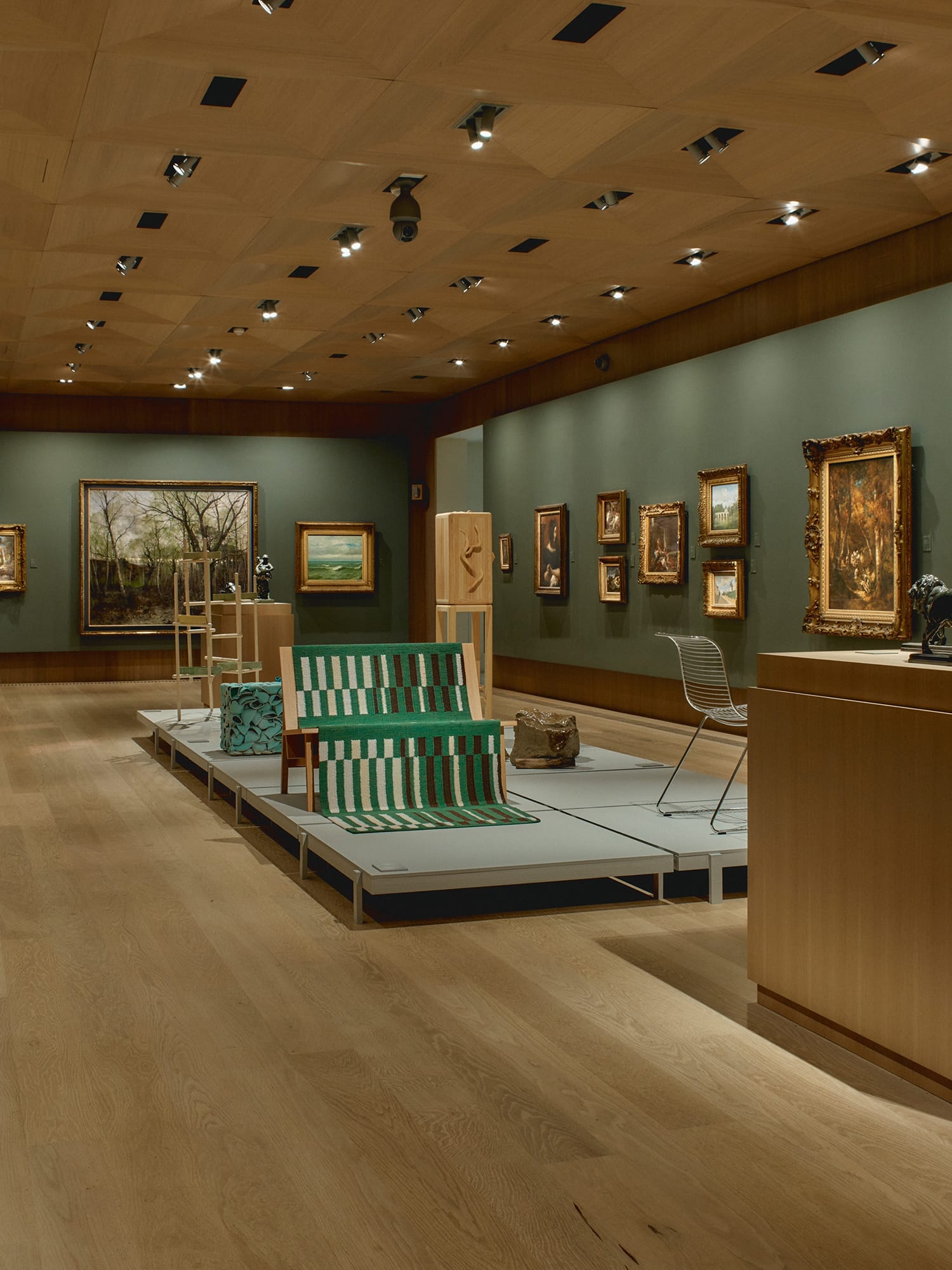
Watch how the daylight falls before judging the furniture. Light & Form is this year’s theme for the Cabinetmakers’ Autumn Exhibition, an association of designers, architects and manufacturers that describes itself as a laboratory for new furniture types. Forty participants take part. Their work ranges from the classic and traditional to the experimental and conceptual. The theme takes its cue from Ordrupgaard’s Impressionists, for whom the changeability of light was a central motif. Each piece explores how materials respond to light and how forms emerge from it. The same interest runs through Finn Juhl’s House and the museum’s Art Park.
Unruly – The Body in Punk
27 June – 13 December 2026
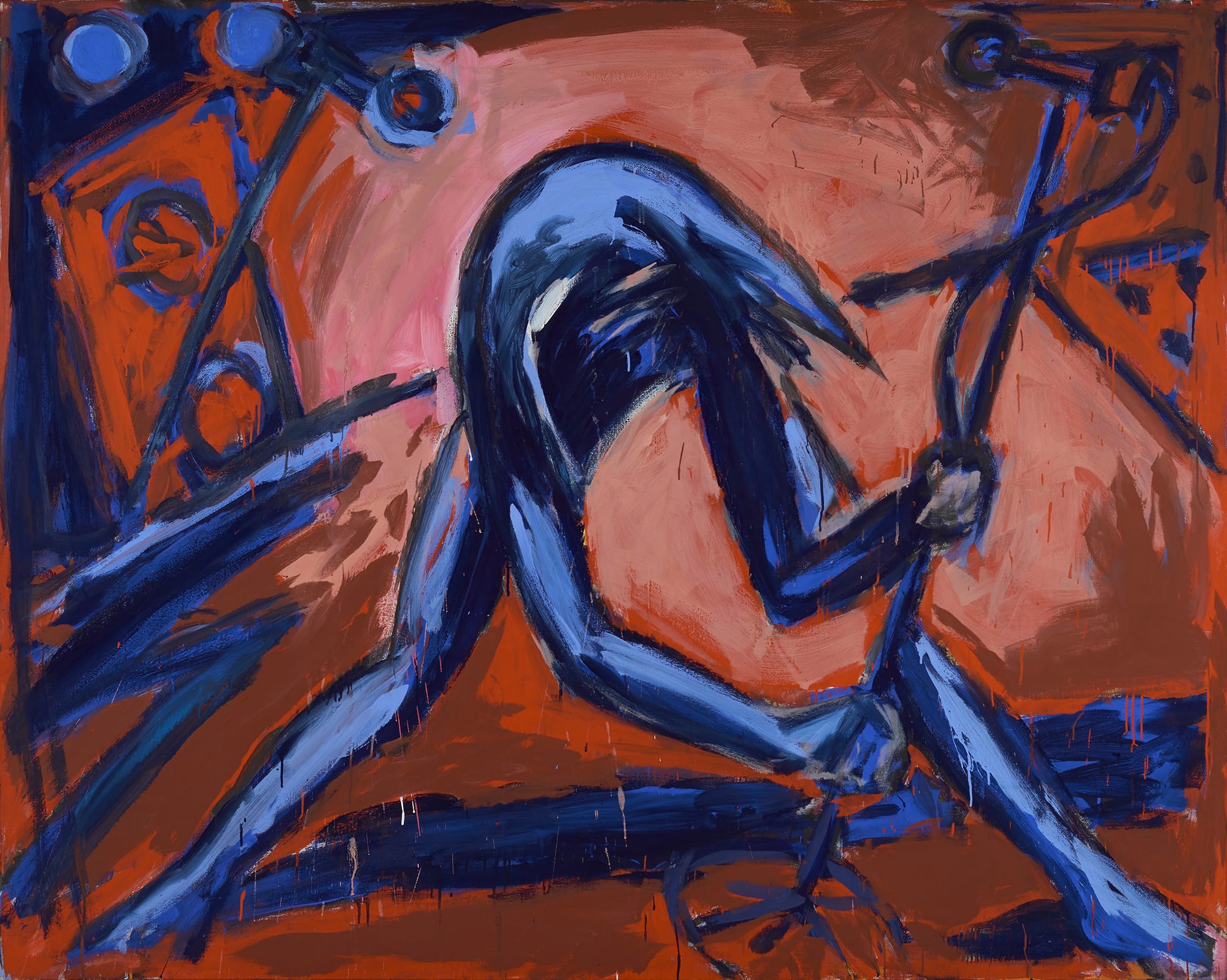
Pain, wildness, boldness and defiance, all carried by the body. ARoS traces punk from its beginnings in 1970s London to the subcultures of Berlin, and treats the body as the movement’s main tool of resistance. Around 130 works show how punks used it to push back against discipline and social norms. Derek Jarman, Linder, Nina Sten-Knudsen and Cornelia Schleime are among the artists. So are the Berlin group Die Tödliche Doris and the photographer Ajamu X. Most of the works have never been shown in Scandinavia. Some contain explicit content.
Ibrahim Mahama: Labyrinths
12 June – 31 December 2026
Fredensborg Castle, Vestre Prison and Our Lady’s Abbey have each given up some of their bricks. Ibrahim Mahama has built them into Labyrinths, a monumental work on the forecourt of MAPS. Bricks from the Natural History Museum of Denmark and from the museum’s own building, a former school, are part of it too. More than 1,000 children and young people from Køge left marks on the bricks during workshops. In October, three children from Red Clay, the centre Mahama founded in Tamale, Ghana, added theirs. The Ghanaian artist currently tops ArtReview’s Power 100.
Aksel Jørgensen: The Late Work
22 October – 31 December 2026
Set the prints aside for once. Aksel Jørgensen (1883–1957) was a prolific painter as well as a printmaker. He taught at the Royal Danish Academy of Fine Arts’ School of Painting from 1920 to 1953. He also helped revive its printmaking courses, which benefited the young Asger Jorn in the late 1930s. Museum Jorn now shows the paintings he made from the mid-1940s onwards. Most are intimate studio scenes of models and interiors. Their colour is handled analytically, in a freely experimental modernist manner, and the canvases seem to glow from within. Many were recently donated by his family.
Norman McLaren: Loops
22 October – 31 December 2026
Red shapes slide across a blue ground, some abstract, some close to living creatures. Loops (1940) was made without a camera. Norman McLaren drew directly onto the filmstrip, so that the images merge into movement when projected. The soundtrack, too, was drawn by hand onto the strip. The Scottish-Canadian animator received more than 200 international film awards, among them a Palme d’Or at Cannes and a BAFTA. In 2009 his collected films were inscribed on UNESCO’s Memory of the World Register. Museum Jorn shows it until the last day of the year.
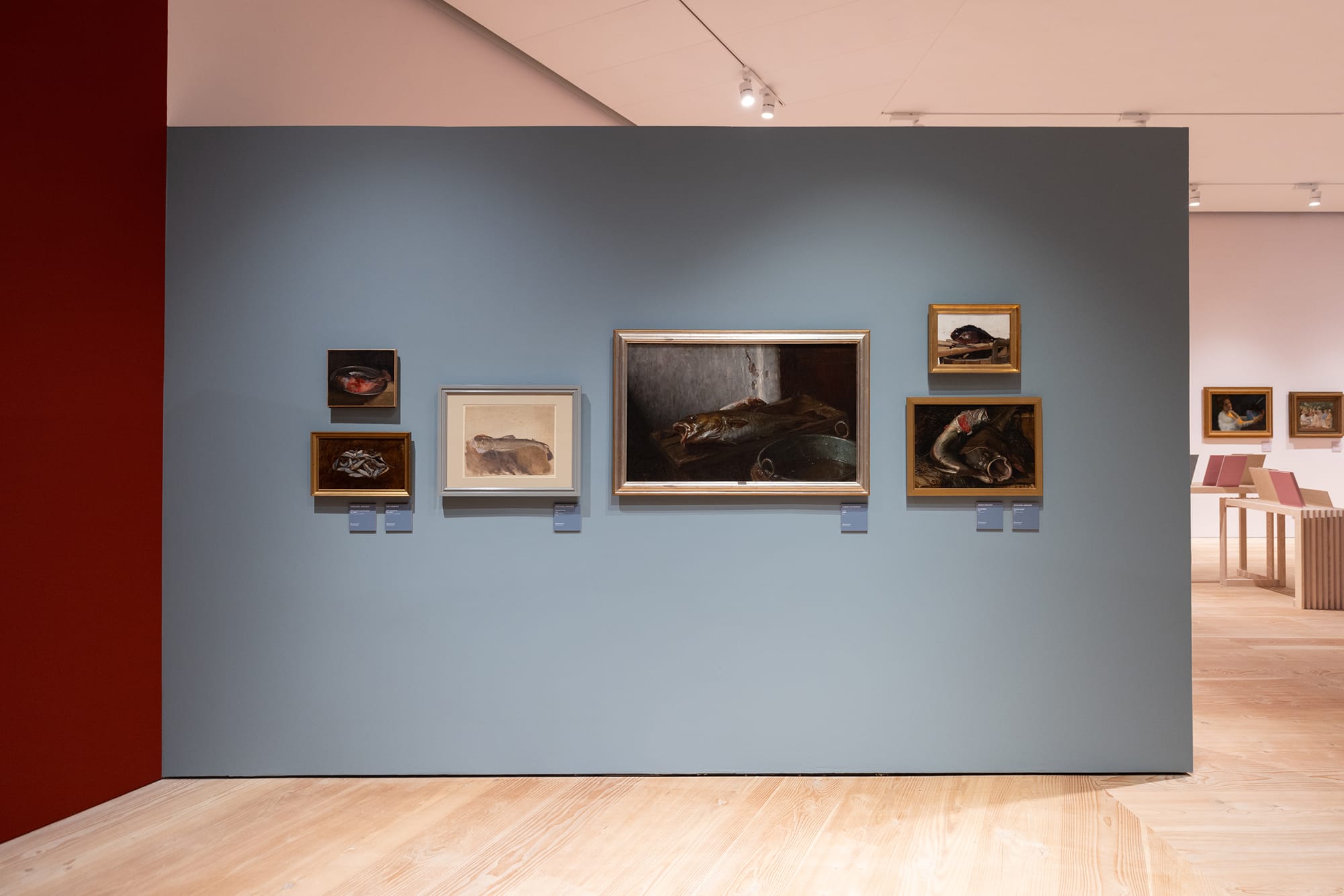
Tak for mad – Skagensmalernes spisekammer
9 May – 30 December 2026
The painters who came to Skagen left their mark on its kitchens as well as its canvases. Skagens Museum looks at how food in the town changed between 1870 and 1930, as a harbour, a railway and industry arrived alongside the artists. In the 1880s fishing families ate frugally, stuffing haddock heads with a porridge of milk, fish liver and spices. At Anna and Michael Ancher’s long table, pineapple was served as an exotic dessert. At Brøndums Hotel, Anna’s sister Hulda read French cookbooks and served oysters. Paintings, drawings and photographs come from the collection, some rarely or never shown.
🇫🇷 Exhibitions in France
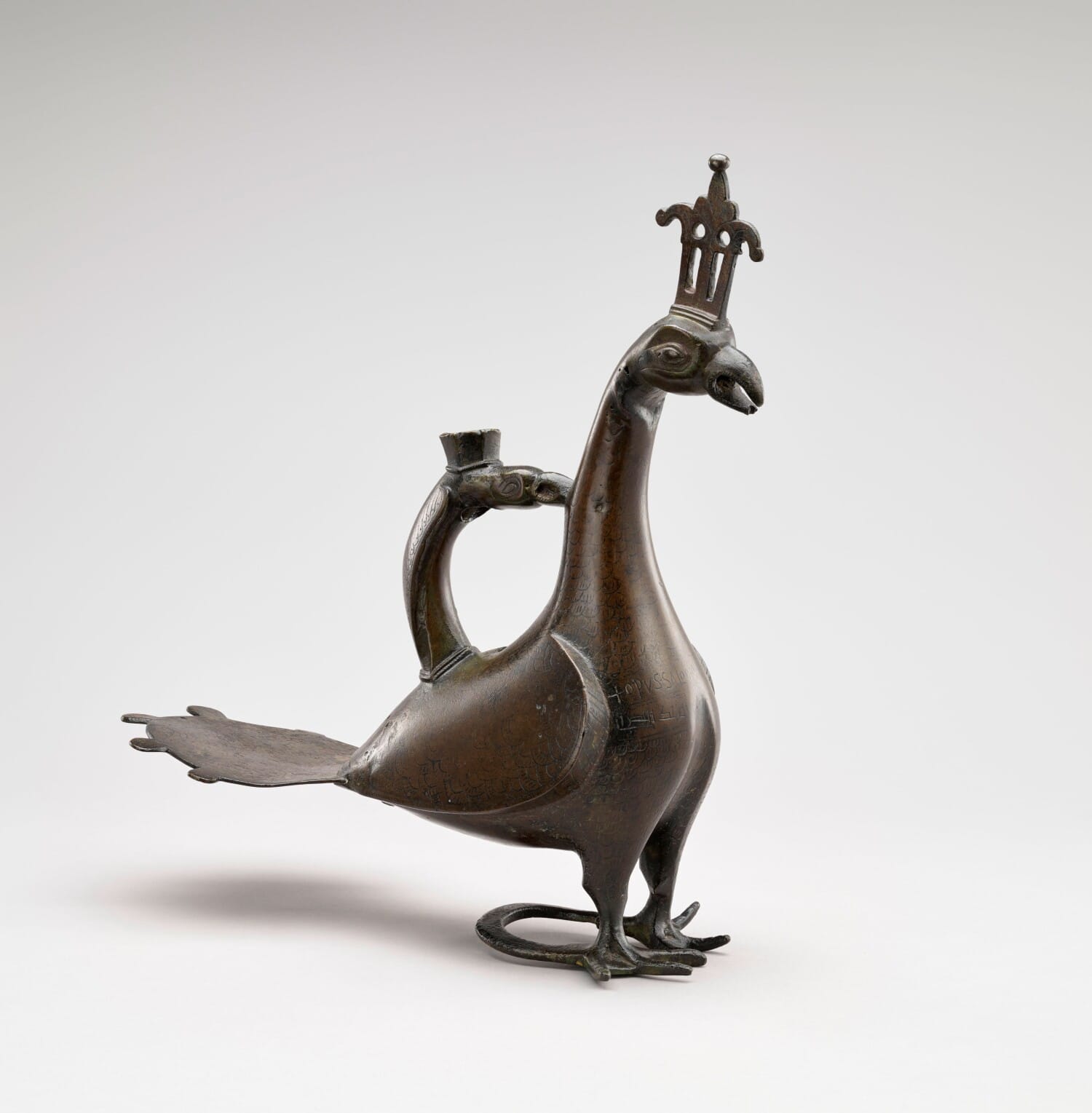
Affinities: Islamic Art Wonders in the Department of Decorative Arts
24 June – 6 December 2026
Lustre ceramics, carved ivories and inlaid metalwork from Islamic lands, set among European decorative arts. For more than a century the Louvre displayed Islamic art inside its Objets d’art department. With the Islamic Arts department now closed for renovation, around fifty of its objects return to those rooms in the Richelieu wing. They date from the 9th to the 17th century. The display follows three themes: light, colour and sculpture. It shows how techniques and ornament travelled west from the Middle Ages onwards and shaped European craft. The title draws on the Arabic ʿajaʾib, meaning marvels.
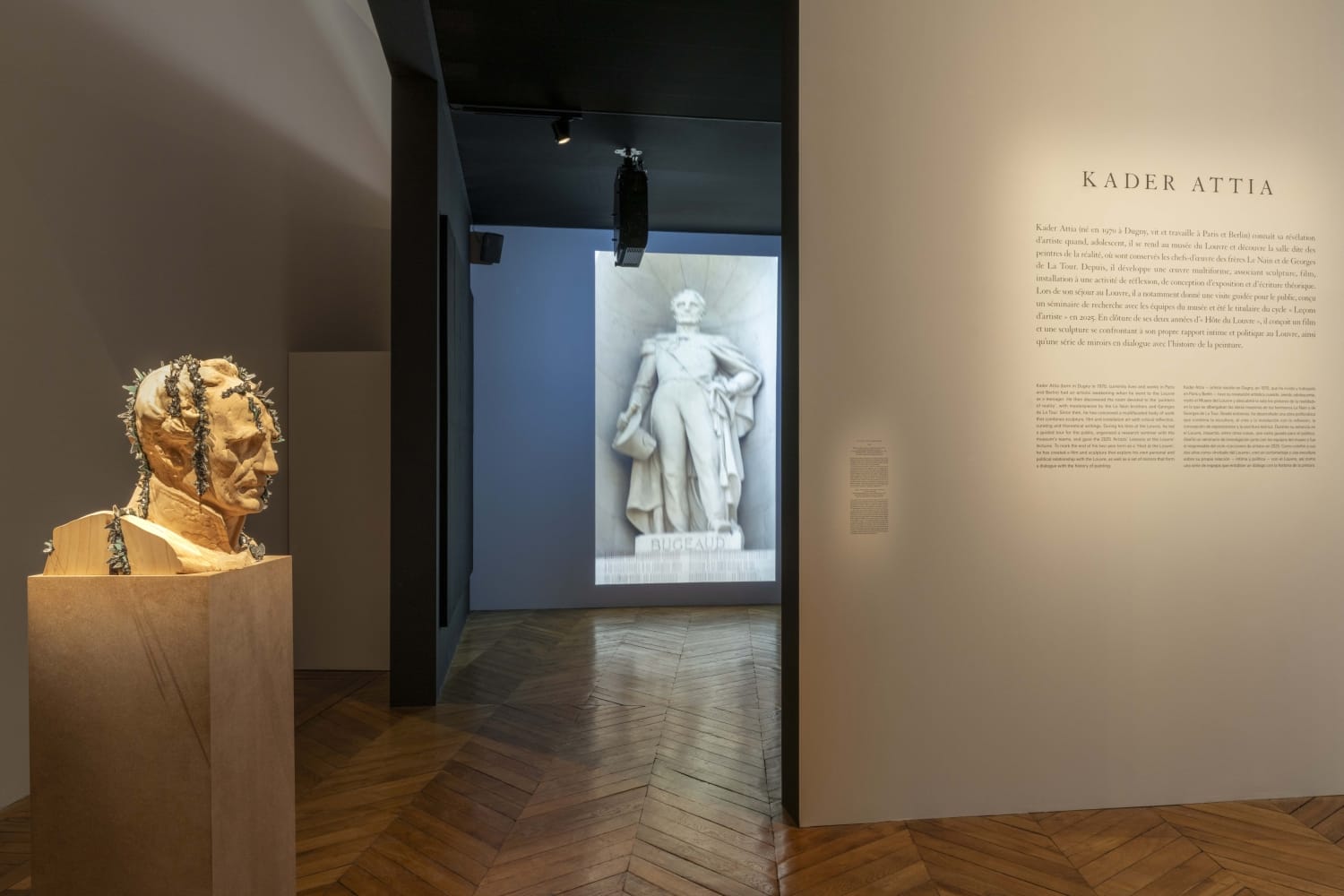
Hosts at the Louvre: Kader Attia and Elizabeth Peyton
24 September – 14 December 2026
Picture two years with a studio inside the Louvre. From 2024 to summer 2026, Kader Attia and Elizabeth Peyton were the museum’s invited artists, its “Hosts”. They made work in the palace and took part in its public programmes. The results fill the Salle de la Chapelle in the Sully wing. Attia, born in Dugny in 1970, contributes a film and an installation drawn from his own experience of the institution. Peyton, a portraitist born in Connecticut in 1965, shows paintings and drawings that reinterpret Louvre works she has studied since her youth.
Marie Bracquemond
22 September – 6 December 2026
A large earthenware panel, painted in slip, made for the 1878 Universal Exposition in Paris. The Muses of the Arts shows Marie Bracquemond at work in the decorative arts. A series of studies for the panel now hangs in Room 33, on the fifth level of the Musée d’Orsay. Bracquemond was one of the few women to exhibit with the Impressionists. The studies belong to the major gifts of drawings and paintings by Marie and Félix Bracquemond that the couple’s descendants made to the museum in 2024.
La Bataille des couleurs
13 February – 24 December 2026
The Centre Pompidou very nearly came out gold and blue. Brown and an all-over yellow were considered too. Between 1971 and 1977, President Georges Pompidou, the architects Renzo Piano and Richard Rogers, the curators and several artists chose and revised the palette again and again. The result colour-codes the building’s systems: red for circulation, blue for air conditioning, green for water and yellow for electricity. At the Maison Pompidou on rue Rambuteau, a first room tells the story through drawings, photographs, testimonies and unpublished documents. A second shows how the palette spread to tables, lamps, buckets and cables.
Sarcophage aux Amours ivres
25 March – 7 December 2026
Visitors move through the National Museum of Beirut by the light of their phones. Power cuts are frequent, but the museum stays open. Joana Hadjithomas and Khalil Joreige filmed these tours for Sarcophage aux Amours ivres (2024), an eight-minute video that ends on the sarcophagus of its title. The Lebanese artists often start from historical events in Lebanon and elsewhere, and their work blurs reality and fiction. Here the torchlit visit looks both documentary and like science fiction. Louvre-Lens screens the film in its glass pavilion. It presents access to culture as a basic need, even in hard times.
La Comédie-Française au Louvre-Lens
14 February – 7 December 2026
Founded in 1680 under Louis XIV, the Comédie-Française is the oldest theatre company still performing. While its Paris home is under renovation, around twenty paintings and sculptures from its collection have moved to the Louvre-Lens mezzanine. Many were scattered across the building and are shown together for the first time. They portray troupes, playwrights and the actors and actresses who shaped the “Maison de Molière”. Nicolas Mignard’s Molière dans le rôle de César (1658) shows the playwright in costume. Edmond Geffroy’s Les Sociétaires en 1840 is among the other works. A theatre-inspired design frames the display.
🇩🇪 Exhibitions in Germany
100 Years of the Dictionary of the Egyptian Language
6 June – 31 December 2026
More than a million paper slips went into a single dictionary. In 1897 Adolf Erman and his team began copying ancient Egyptian texts onto slips at the Neues Museum. Duplicated and filed alphabetically, the slips became the basis of the Dictionary of the Egyptian Language. The First World War and hyperinflation stalled printing. In 1924 a grant from J. D. Rockefeller Jr. made it possible. Erman prepared the print template with his students Kurt Sethe and Hermann Grapow. Wolja Erichsen wrote it out. Objects from the dictionary’s archive are on show in the mythological hall, marking the first volume’s centenary.
🇭🇺 Exhibitions in Hungary
From the Danube to the Andes: Hungarian Artists Emigrated to Chile
11 November – 6 December 2026
Mountains on one side, the Pacific on the other. The Hungarian National Gallery’s Graphic Cabinet looks at how the Chilean landscape reshaped three Hungarian painters after they emigrated. Pablo Vidor, born Pál Vidor in Budapest, reached Chile in 1924. He taught at the Santiago Academy of Arts and directed the city’s National Museum of Fine Arts from 1930 to 1933. Ladislao Cheney and Rudolf Pintye followed a few years later. More than thirty paintings and graphic works trace their early years there. Most come from Chilean collections and have never been shown in Hungary.
Endre Rozsda: Nature morte sur table étrange
8 October – 19 December 2026
Take your time in front of these pictures, which is what Endre Rozsda asked of his viewers. The Mohács-born painter spent much of his life in Paris. He belonged to the European School and was later associated with the Parisian Surrealists. Várfok Gallery, whose relationship with the artist goes back to 1999, gives him his thirteenth solo show there, focused on the 1940s. His early work had already won recognition, yet he was still looking for his own voice. Surrealist ideas opened new directions in his painting during that decade. Paintings, drawings and prints trace the change.
🇮🇹 Exhibitions in Italy
Ferdinando Sarmi New York – A Journey in Fashion from Florence to Fifth Avenue
18 June – 31 December 2026
Marlene Dietrich, Audrey Hepburn and Marilyn Monroe all wore his gowns. Ravenna-born Ferdinando Sarmi had his work shown by Maison Fabiani at Giovanni Battista Giorgini’s 1951 runway show in Florence, the event credited with launching “Made in Italy” abroad. Elizabeth Arden then invited him to New York to run her fashion line. In 1958 he founded his own label, Sarmi New York. The Museum of Costume and Fashion at Palazzo Pitti, which received the Fondo Sarmi archive from his heirs, shows his gowns in its ballroom. Period accessories recreate the New York of the 1950s and 1960s.
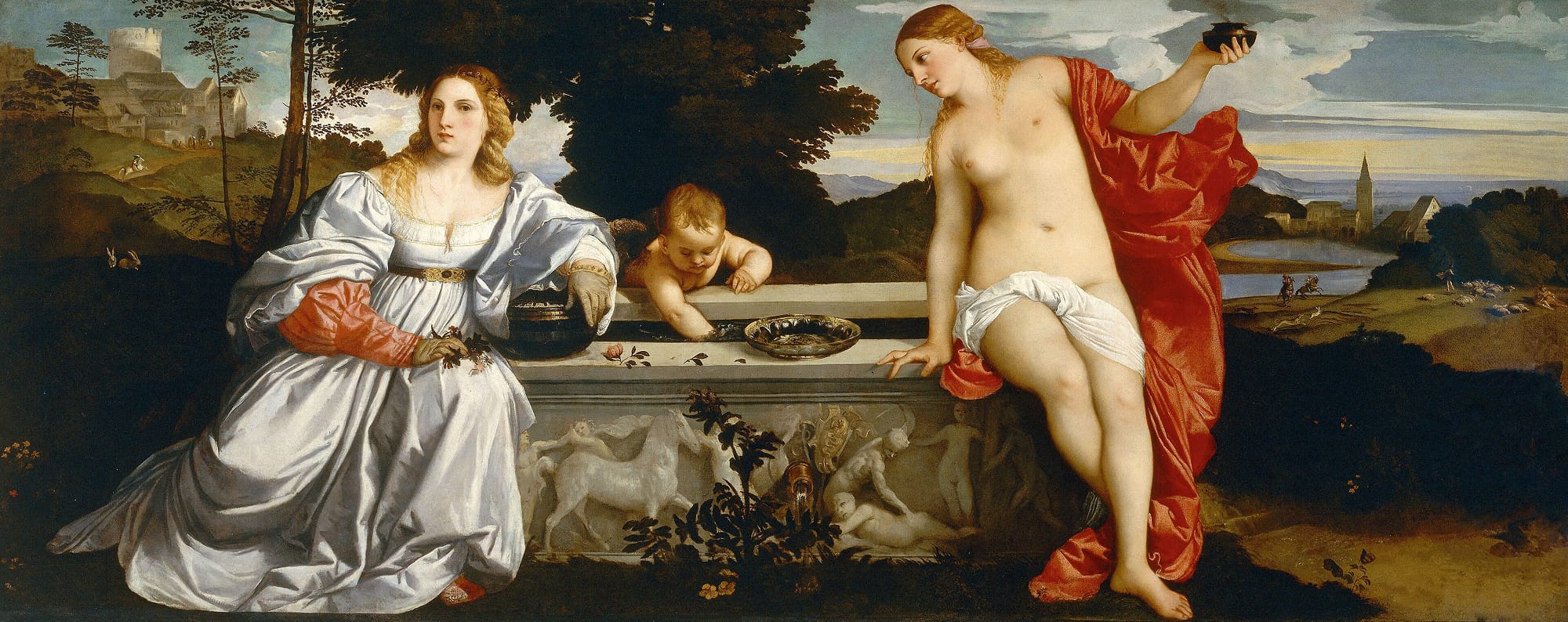
Titian. Dialogues between the Sacred and the Profane
20 October – 8 December 2026
Set a Titian from Treviso Cathedral beside the Titians of the Galleria Borghese. The Annunciation has come to Rome while the Pordenone frescoes in the cathedral’s Malchiostro Chapel are restored. Before travelling, the panel underwent major conservation, which revealed an inscription with a date, Titian’s signature and a reference to the patron. This is the first direct comparison between the altarpiece and the Borghese’s own paintings by the artist. The dossier exhibition marks the 450th anniversary of Titian’s death. It continues a format the museum began in 2022 with a loan from Vienna’s Kunsthistorisches Museum.
Memorie sommerse. The Bronzes of the Bridge of Valentinian
5 December 2025 – 31 December 2026
The Tiber gave these bronzes back in 1878, during work on the river embankments. They had decorated the bridge of Valentinian, today’s Ponte Sisto. A diademed male head, a gilded statue of a figure in a toga and the right wing of a Victory spent decades in storage. Restoration and research allow Palazzo Massimo to show them in context. A video by the Sapienza epigraphist Silvia Orlandi explains two inscriptions. One, in marble, names Valentinian and his brother Valens. The other, in travertine, faced travellers on the river and now stands in Michelangelo’s Cloister at the Baths of Diocletian.
🇱🇮 Exhibitions in Liechtenstein
Paulo Wirz: Sistema Mestre
27 October – 13 December 2026
Try counting the reflections. Mirrored structures multiply the fruit, shrubs, handmade wooden constructions and glass-cast forms of Paulo Wirz’s site-specific installation at the Kunstraum Engländerbau, his first solo show in Vaduz. Beds, flower beds and compost beds are its starting points. Born in 1990 in Pindamonhangaba, Brazil, Wirz works across sculpture, installation, video and photography. He looks at the symbolic systems through which societies remember and preserve themselves. Rest, growth, reproduction and decay run through the room. Shelter can also confine, and decay can feed what has yet to emerge.
🇳🇱 Exhibitions in Netherlands
Starry Night
Until 13 December 2026
Saint Francis and Brother Leo, deep in meditation, as the Flemish master Adam de Coster painted them around 1626. The picture is one of the recent acquisitions gathered in Starry Night, a small and intimate display at the Depot in memory of Ina Klaassen. The museum’s former director had a special connection to each of these works and played a key role in bringing them into the collection. The title comes from a work by Co Westerik that she admired. Jan van Munster’s IK, another recent purchase, has stood on the Depot’s roof since 5 November.
Ruud Kuijer
23 May – 6 December 2026
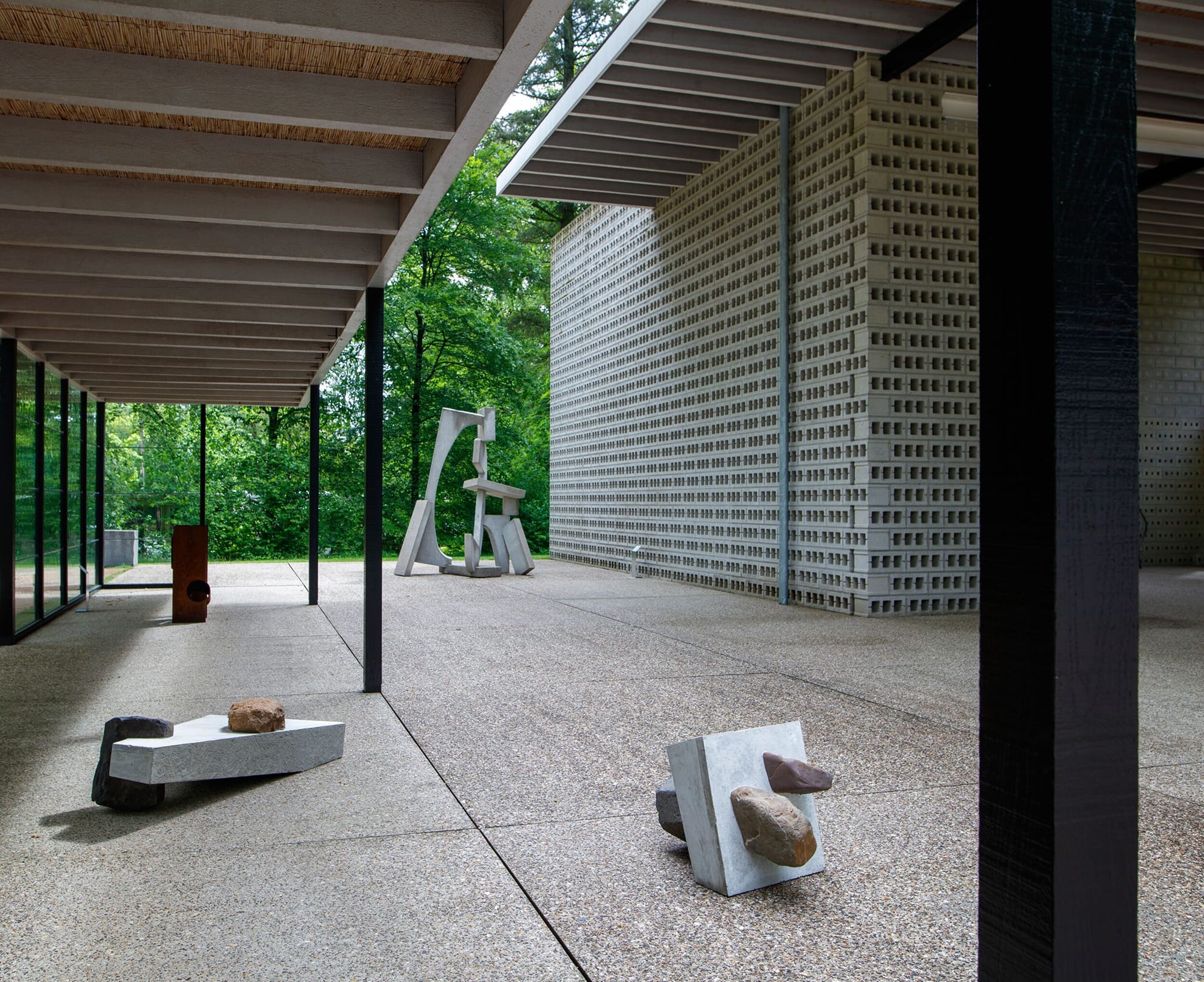
How a piece of concrete or steel stands, lies, hangs or leans is the question Ruud Kuijer keeps returning to. The Utrecht-based sculptor, born in Schalkwijk in 1959, works with raw materials. He plays with familiar forms such as H-beams, concrete mesh and springs. Sixteen of his works are installed in Gerrit Rietveld’s pavilion in the Kröller-Müller sculpture garden. Large H-beam Piece 8 (no. 435) (2019) is in rust-brown steel. In Untitled (no. 393) (2016), rope is threaded through light grey concrete. Rietveld designed the pavilion for Sonsbeek 55 in Arnhem. It has been an outdoor gallery here since 1964.
🇪🇸 Exhibitions in Spain
Wounded Militiaman: The Recovery of an Irredeemable Painting
7 May – 31 December 2026
Flaking paint, an irreversible decline and a canvas displayed at an angle under constant watch. Francisco Mateos made Wounded Militiaman in a hurry, with limited means and reused materials, for the Spanish Republic’s pavilion at the 1937 International Exposition in Paris. Guernica was shown in the same pavilion. Mateos joined two of his paintings to make a larger canvas, and the poor materials have reacted ever since. Back from Paris in 1938, it was silenced under Franco and later grew too damaged to show. The picture denounces the brutality of the Civil War and celebrates solidarity among soldiers.
Rebrot
9 December 2025 – 30 December 2026
Classrooms, corridors and common rooms at the University of Valencia have become galleries for eleven works that nearly drowned. All were in the IVAM warehouse at Riba-roja de Túria when the 2024 flood swept through it. The flood damaged 128 works from the collection, and the museum’s restorers repaired 70 of them during 2025. Rebrot places eight restored sculptures and three paintings across the Blasco Ibáñez, Tarongers and Burjassot campuses. Miquel Navarro’s Tótem de luna (1995) and Andreu Alfaro’s Las afinidades electivas (1986) are among them. Juan Sanleón has three works at the engineering school.
🇨🇭 Exhibitions in Switzerland
New Constellations: Artworks from the Collection
13 June – 6 December 2026
Start with the Two Skulls in a Window Niche that Hans Holbein the Younger painted around 1520. This collection room in the Neubau gathers works from the 16th century to the present that look at the darker sides of existence: war, violence, destruction and transience. They come from the Kunstmuseum Basel and the Emanuel Hoffmann Foundation and are arranged around a central installation. Lotti Krauss and Niklaus Stoecklin answer the First World War with scarred landscapes. Bruce Nauman, Marianna Simnett, Thomas Struth and Kaari Upson turn to bodies and the forces that act on them.
Philippe Parreno: My Room is Another Fish Bowl
15 November – 13 December 2026
Colourful balloon fish drift between floor and ceiling, and visitors may touch them. Philippe Parreno has turned the large lower-level gallery of the Fondation Beyeler into a walk-in aquarium filled with air. The French artist’s installation invites visitors of all ages to move freely through the floating shoal and interact with it. The aim is to blur the line between nature and art, and between reality and wonder. The room opened with the museum’s Young Celebration on 15 November and stays for four weeks only. Entry works on a timeslot system.
Wu Tsang: La montaña invertida
Until 31 December 2026
A mountain, turned upside down and heard rather than seen. Wu Tsang has filled the Kunsthaus dome hall with a sound installation made with the curator Enrique Fuenteblanca. It mixes flamenco, noise and contemporary composition, and was developed during a residency at Klanghaus Toggenburg. Collection works join the sound, among them Francis Bacon’s Figure in Mountain (1956) and Ernst Ludwig Kirchner’s Schneeschmelze (1922). Since spring the project has spread into the print room, taking in identity, memory and the myth of Carmen. It belongs to ReCollect!, the Kunsthaus series of artist interventions.
Modernism Reloaded: Monet to Mondrian – Bailly to Baer
19 September – 31 December 2026
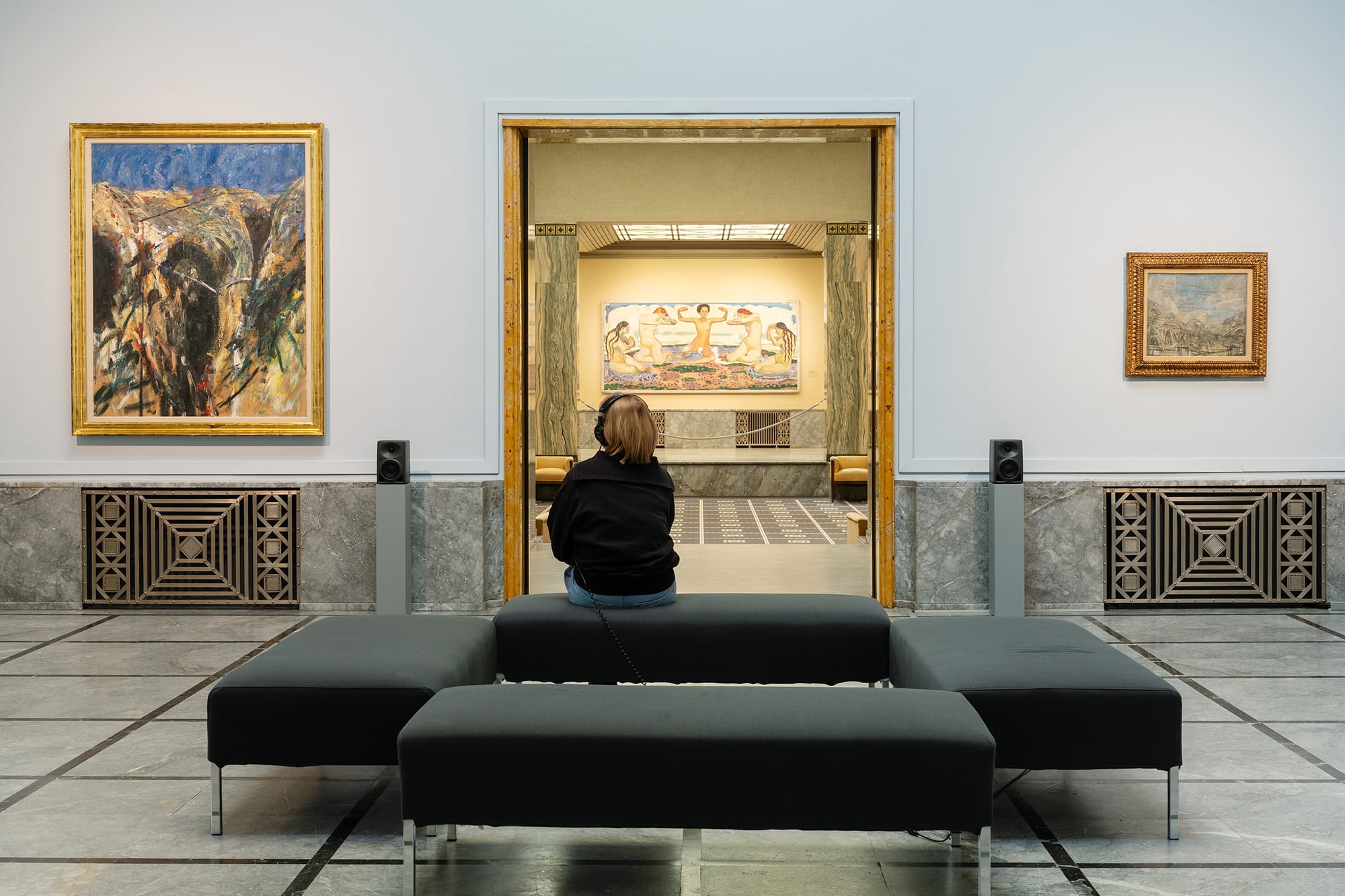
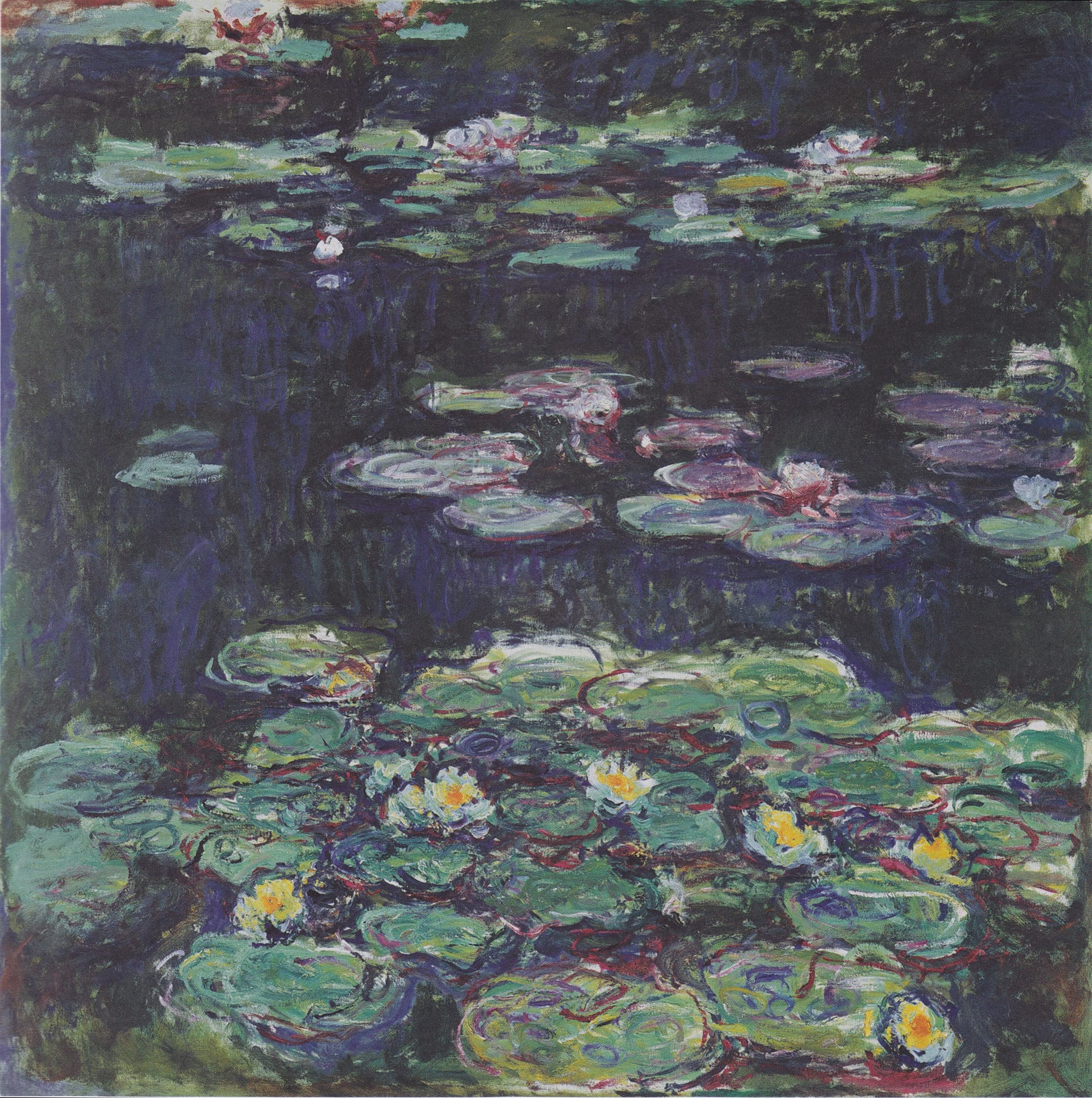
A renovation closure is the occasion for a concentrated new hang of the collection at Kunst Museum Winterthur’s Beim Stadthaus building. The route runs from Impressionism and Post-Impressionism through Cubism, Surrealism and Constructivism to postwar modernism. Monet’s water lilies, Van Gogh’s The Postman, Mondrian’s grids and Paul Klee’s Blooming are among the stops. Alice Bailly, Sophie Taeuber-Arp, Meret Oppenheim, Verena Loewensberg and Maria Lassnig are represented by key works. Groups by Alberto Giacometti and Giorgio Morandi follow. The hang also honours the collectors who built the holdings, among them Hedy and Arthur Hahnloser and Richard Bühler.
🇬🇧 Exhibitions in United Kingdom
Stanley Cursiter: Artist & Curator
27 June – 6 December 2026
Miniature copies of the National Gallery’s own paintings, made by the last artist to run it. Stanley Cursiter left Orkney for Edinburgh in 1904 and was elected to the Society of Scottish Artists while still a student. For its 1913 exhibition he secured loans of radical Post-Impressionist paintings. He became Keeper in 1925, then Director from 1930 to 1948, and was appointed King’s Painter and Limner in Scotland. Fifty years after his death, art and archival objects trace his career, with loans from the City Art Centre and the Royal Scottish Academy.
Anne Redpath: Landscapes on Paper
27 June – 6 December 2026
Start with the medium. Gouache is watercolour mixed with a white filler such as chalk, so it dries denser and more intense than transparent washes. Anne Redpath used it on paper for the landscapes in this small display, made in the Scottish Borders and on the Isle of Skye. In 1920 she had moved to France with her husband, James Beattie Michie, and painted little while raising their three sons. In 1934 she returned without him to Hawick, the Borders town where she grew up. By the early 1940s she was painting seriously again.
John Kay: Edinburgh Observer
Until 6 December 2026
A barber’s shop in Edinburgh’s Old Town made a good observation post. John Kay settled in the city at 19 and watched everyone from leading intellectuals to street vendors. He often caught a likeness from a passing glance rather than a formal sitting. His quirky portrait prints sold so well that in 1785 he became a full-time artist, and until 1820 he recorded all walks of Edinburgh life. Two hundred years after his death, a small selection of his etchings gives a humorous view of the city’s society.