71 art exhibitions around Europe opening in November 2026
All nine van Eyck portraits together in London, Hals beside Rembrandt in Haarlem, Franz West and Arnulf Rainer at the Albertina, Sophie Calle back in Berlin. Plus 67 more exhibitions opening across Europe in November 2026.

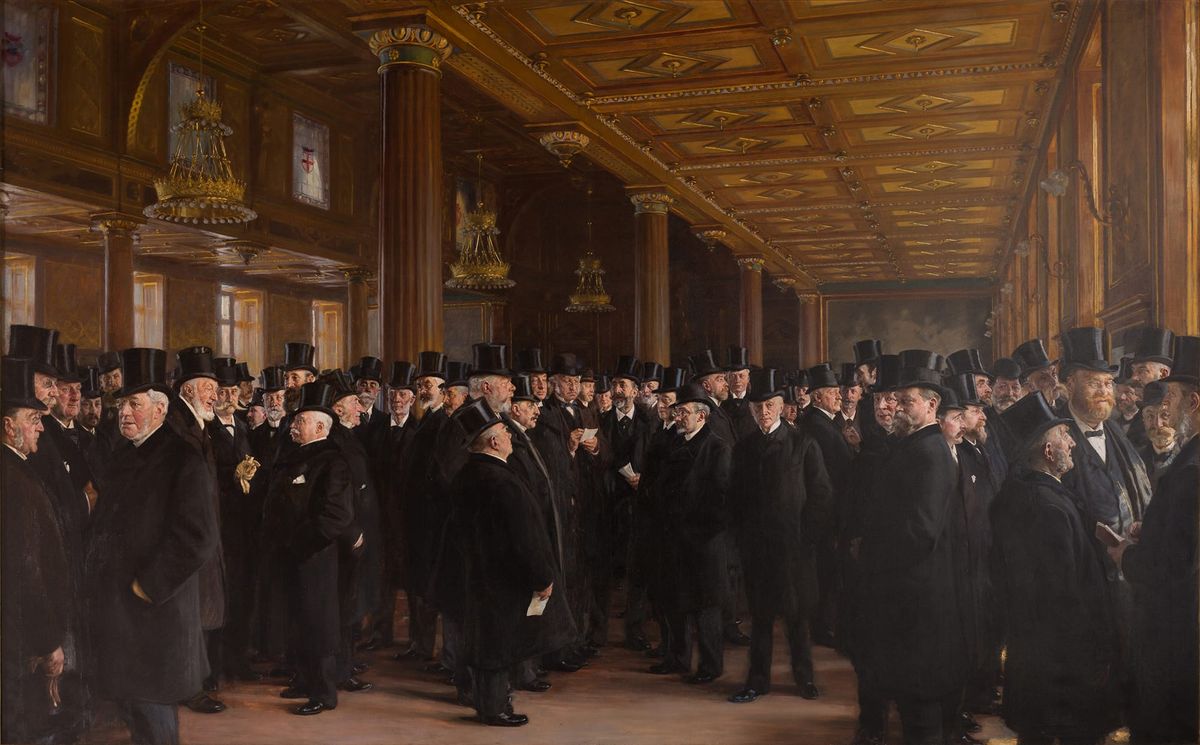
Nine painted portraits by Jan van Eyck survive, about half of everything he left. From 21 November the National Gallery in London hangs all nine together for the first time, a reunion it considers unlikely to be repeated. The sitters are merchants, craftsmen and members of his family. One of them may be the painter himself. In Haarlem, the Frans Hals Museum gives Hals and Rembrandt their first joint exhibition, setting Rembrandt’s The Laughing Man beside Hals’s Laughing Boy with a Flute.
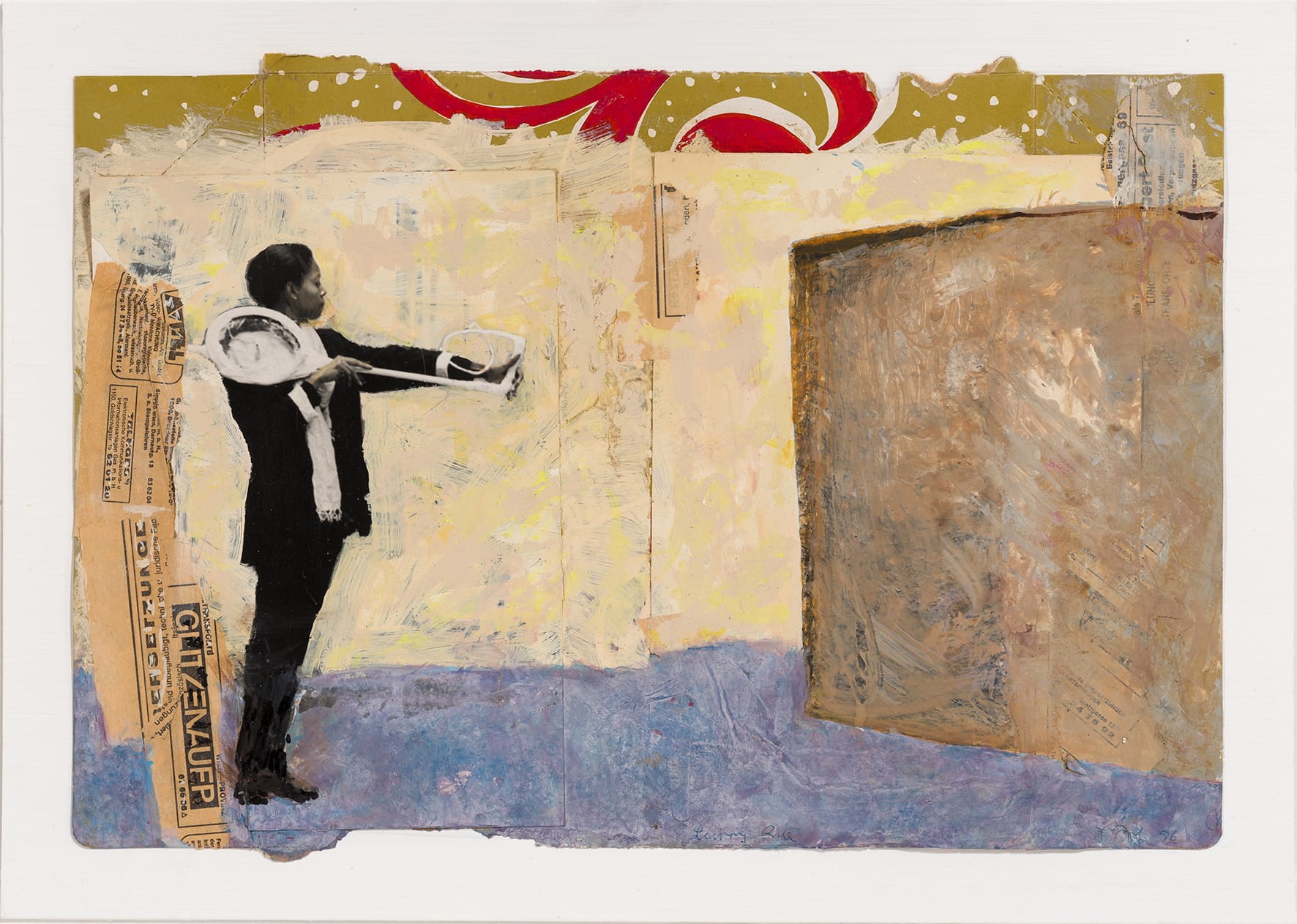
In Vienna the Albertina devotes both its buildings to Austrian artists. Albertina Modern marks what would have been Franz West’s 80th birthday, and the main building shows around 70 works by Arnulf Rainer, who died late in 2025. Sophie Calle returns to Berlin for her first solo show there in more than 20 years. It opens with her 1996 photographs of the blank patches left on façades where GDR emblems were removed. In Madrid, the Prado marks a century since Rilke’s death by tracing what Spanish painting, El Greco above all, gave to his poetry.
In Copenhagen, the David Collection shows all 85 pictures from an illustrated Ottoman sex manual of 1817 before the book is conserved and rebound. Rome’s Capitoline Museums use a 3D scan and an AI-generated portrait to put Geta back on a bronze plaque from which his name was struck out. In Lausanne, the Collection de l’Art Brut gathers what survives of Armand Schulthess’s 18,000-square-metre plot in Ticino, hung with engraved metal plates and destroyed by his heirs after his death in 1972. In Margate, Turner Contemporary sets Nicole Eisenman’s bronze figure against the North Sea, straining forward with one foot stuck in chewing gum.
London and Haarlem are a Eurostar ride apart, so Van Eyck, Hals and Rembrandt fit into one trip. Book Haarlem first, since the Frans Hals Museum admits visitors to Hals–Rembrandt by timed slot.
🇦🇹 Exhibitions in Austria
Feminist Futures Forever
5 November 2026 – 8 March 2027
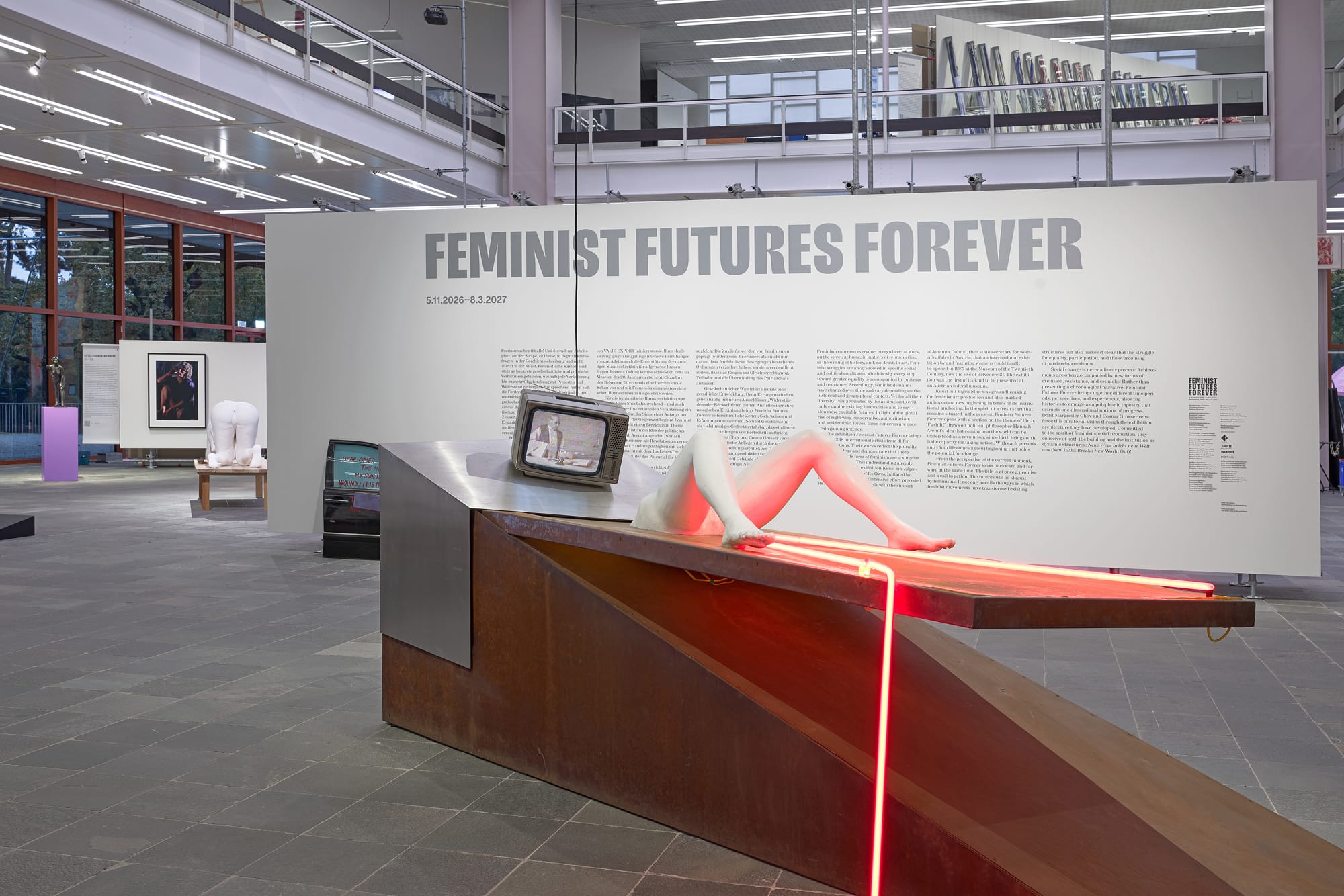
Four decades are long enough for an exhibition to become a source. Belvedere 21 returns to Kunst mit Eigen-Sinn (Art with a Mind of Its Own), the 1985 Vienna show of women artists, and sets it against international and younger positions. Rooms designed by Dorit Margreiter Choy and Cosma Grosser take their cue from everyday life. Works include Maria Lassnig’s The Tethered Woman, Cindy Sherman’s Untitled #113 and Marina Abramović’s Role Exchange. Ulrike Müller’s Herstory Inventory gathers 100 feminist drawings by 100 artists. An oral history project records interviews with 18 artists who took part in 1985.
Civa 2026: postacceleration
13 November 2026 – 8 March 2027
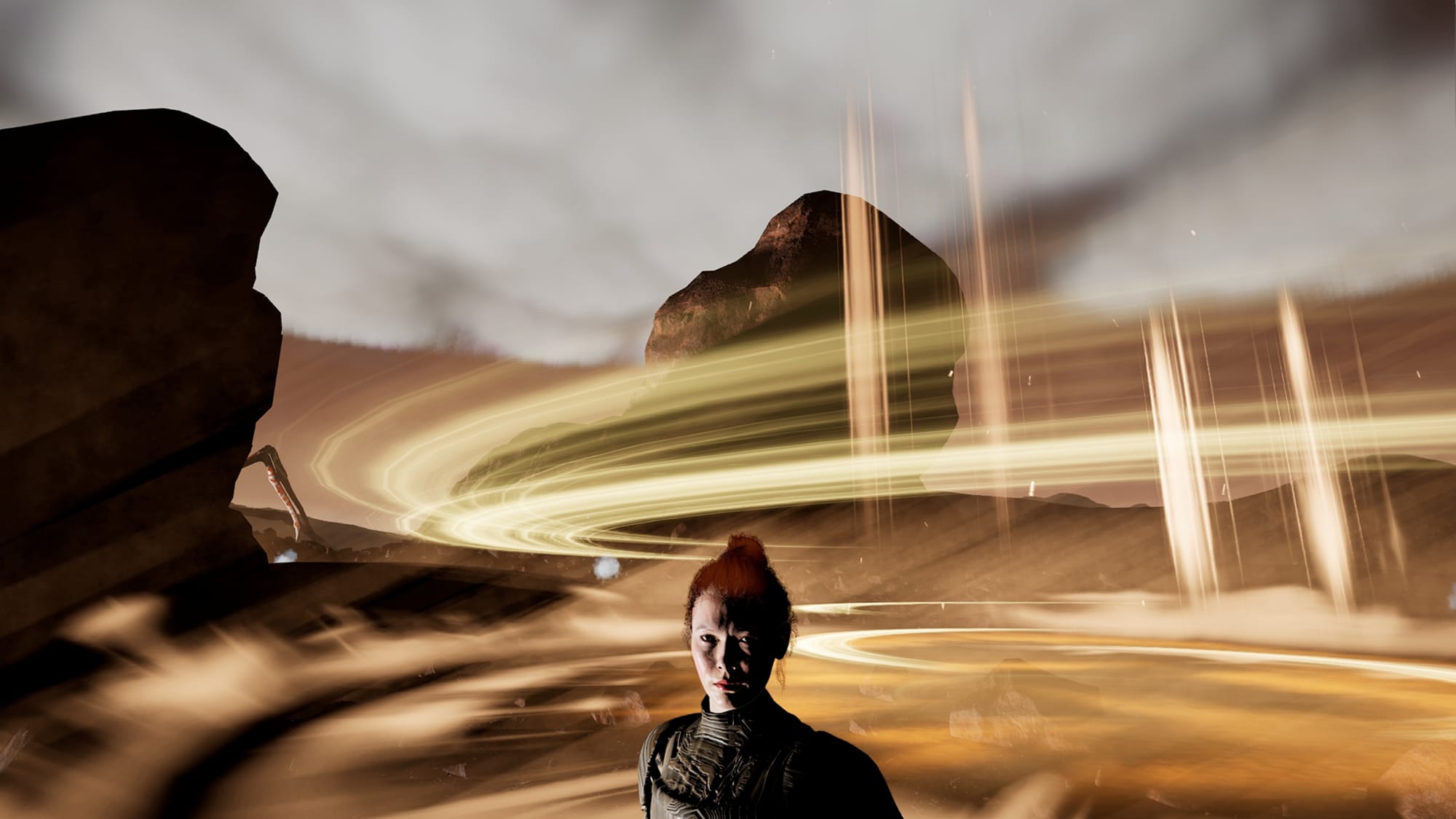
Put the phone down for a moment. The sixth edition of Civa, Belvedere 21’s festival of contemporary technology, takes “postacceleration” as its theme. The word describes a condition in which speed has become the default setting. Five international artists propose ways to resist the logic of constant optimisation. Eyez Li presents TamagotchU, Kyriaki Goni shows The distance between our eyes, and Silke Grabinger brings QUANTWIN, a new work developed with creative robotics. Nolan Oswald Dennis and Letta Shtohryn complete the line-up. Talks, film screenings and live performances accompany the exhibition through the winter.
Franz West: The Revolution of Sculpture
6 November 2026 – 29 March 2027
Prosthesis-like forms, made to be held, worn or leaned against. From the 1970s Franz West called them Passstücke, or fitting pieces, and with them he made the viewer’s body part of the sculpture. Albertina Modern marks what would have been his 80th birthday with a retrospective. West came out of Viennese Actionism and received the Golden Lion in Venice in 2011. Later works include the painted, stone-like Sisyphos and the aluminium Sexualitätssymbol. A joint piece with Heimo Zobernig, Herbert Brandl and Otto Zitko also features. A companion show, Franz West and Vienna, opens at the Wien Museum.
Arnulf Rainer
12 November 2026 – 25 April 2027
Covering a picture can be a way of making one. Arnulf Rainer, born in Baden near Vienna in 1929, who died late in 2025, built a career on that idea. His overpaintings of the 1950s, such as Overpainting: Black on Fir Green, gave way in the late 1960s to camera soliloquies that became the Face Farces. Crosses and the late Veil Pictures followed. The Albertina holds about 600 of his works. Around 70 of them, including holdings from the Essl Collection, make up the show in the main building. It closes with his final works, made in 2017.
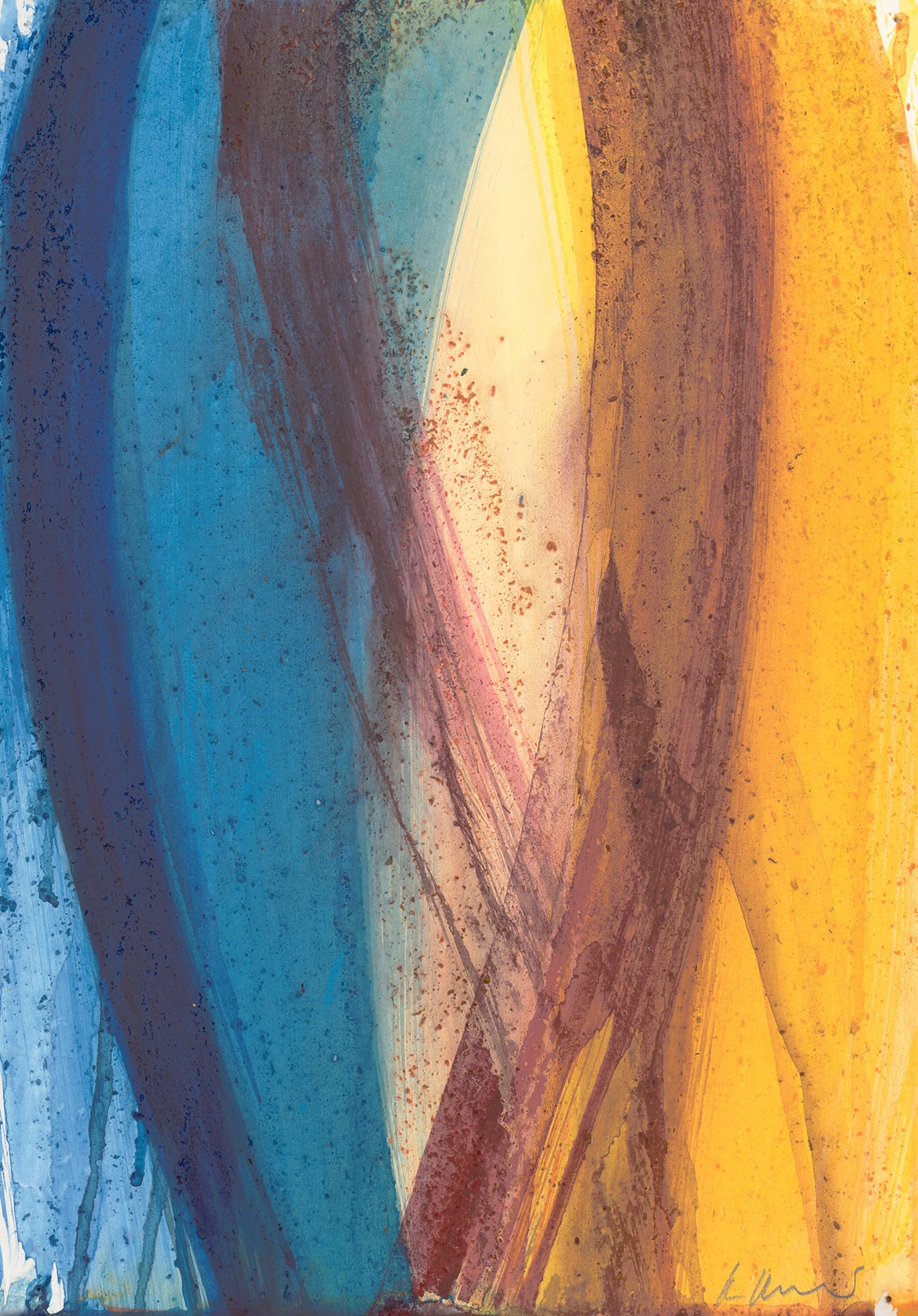
New. Objective. Photography of the 1920’s and 30’s
13 November 2026 – 28 February 2027
A secretary at a Cologne radio station, photographed by August Sander in 1931, looks straight into the lens. Her portrait leads the Leopold Museum’s survey of Neue Sachlichkeit photography, the sober and direct style that replaced the romantic “art photography” practised until 1914. More than a hundred artistic positions are grouped by motif and theme. Ellen Auerbach, Aenne Biermann, Karl Blossfeldt and Albert Renger-Patzsch are among the Germans represented. The Vienna stop of the 1929 Werkbund exhibition Film und Foto shows how the style reached Trude Fleischmann and Rudolf Koppitz. Private loans include works never displayed before.
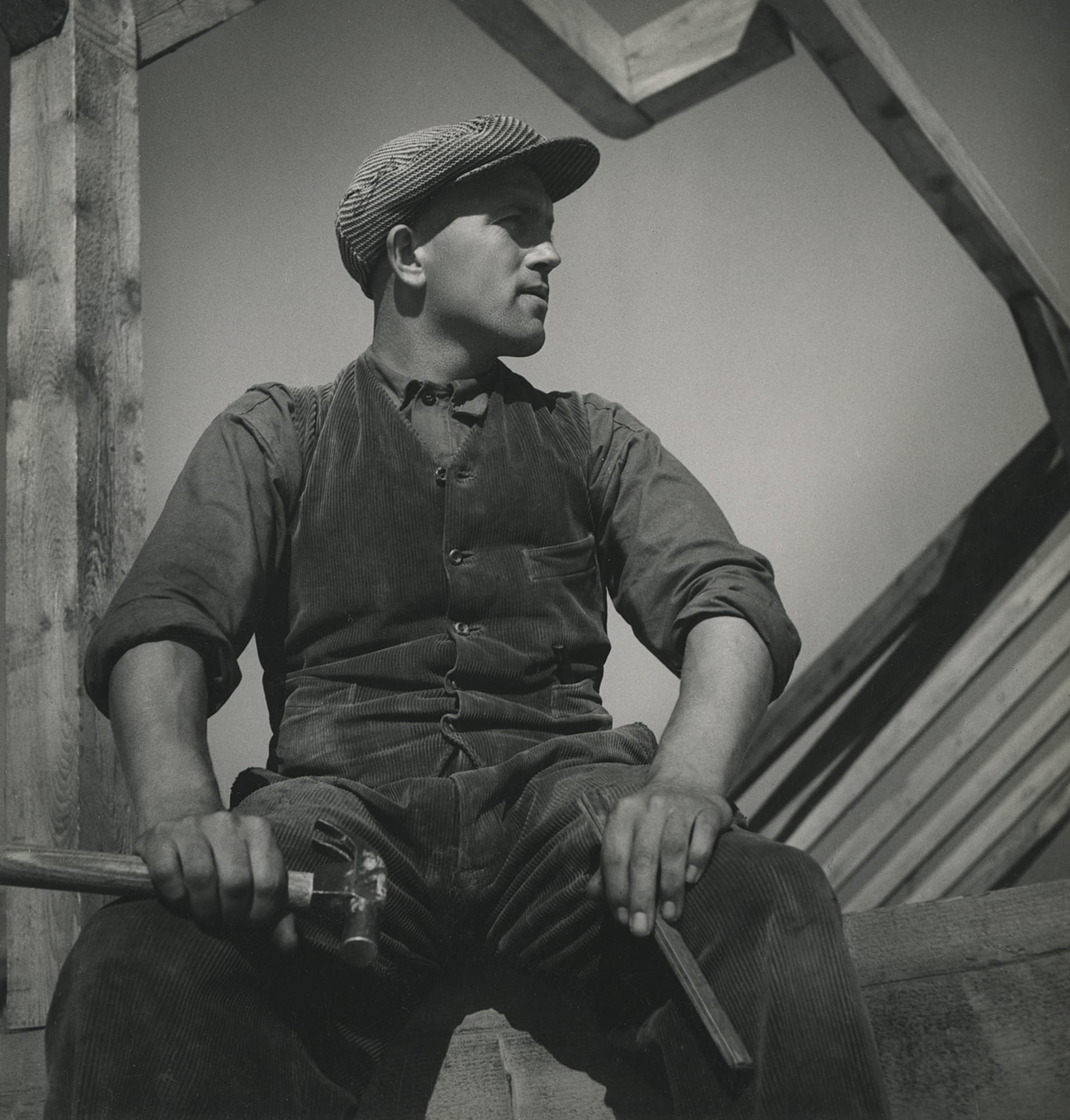
Push and Pull: A Furniture Comedy
14 November 2026 – 4 April 2027
Move the chair, then move the table. In 1963 Allan Kaprow made Push and Pull: A Furniture Comedy for Hans Hofmann, a work completed by visitors who rearrange the furniture and objects. Mumok restages it on Level −2 at the heart of a collection display, where every staging reinvents the piece. Around it are works from the 1960s, when artists in Europe and North America questioned the museum as a place of preservation. Their works ask whether something is art or an everyday object, and whether it should be looked at or used.
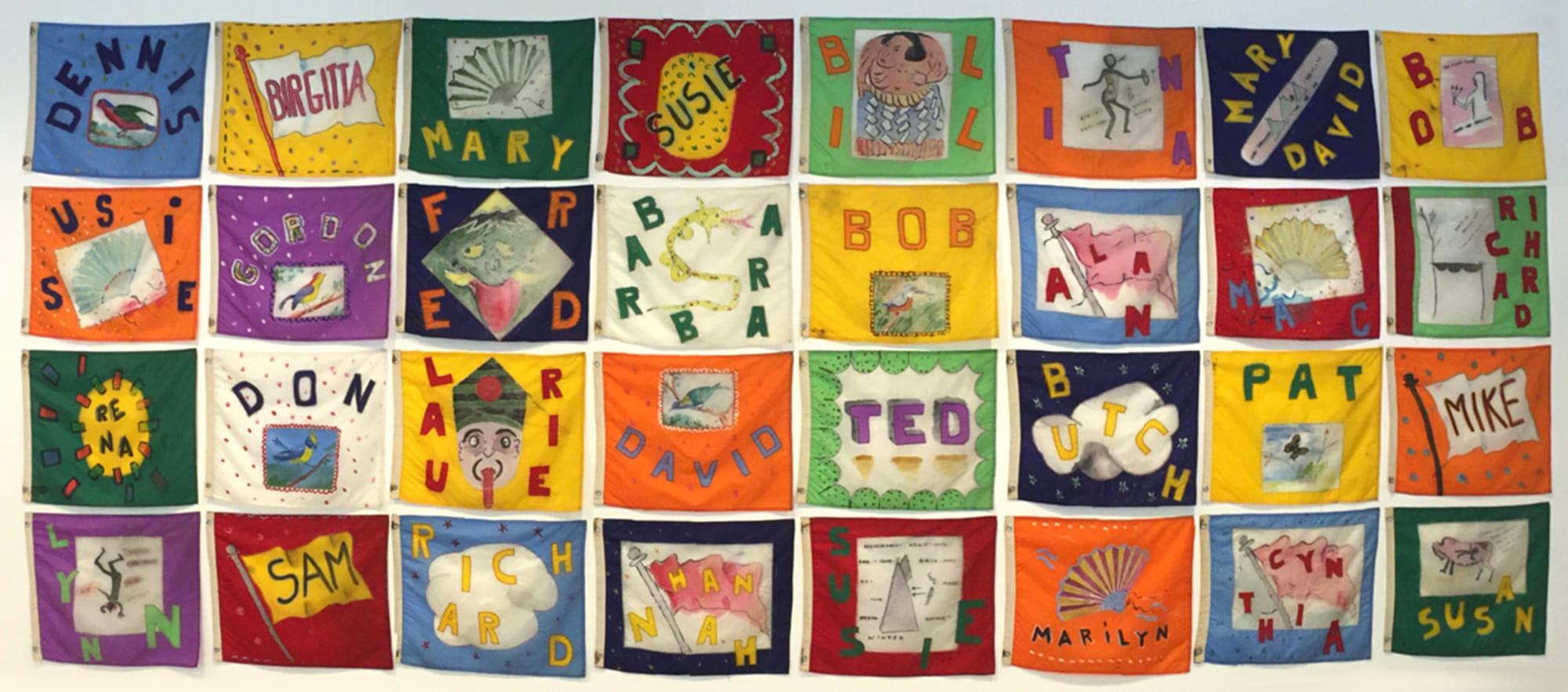
Renata Poljak: More
12 November 2026 – 14 March 2027
In Croatian, more means the sea and also a burden, while in English it simply asks for more. The triple meaning drives more, more, more, the neon sculpture at the centre of Renata Poljak’s show in the Project Room Garage. The Zagreb-based artist’s great-grandfather left the island of Brač for Chile during a drought and never returned. Three films follow such departures. Partenza links early twentieth-century emigration from the Croatian islands with today’s sea crossings, and Porvenir visits a Tierra del Fuego settlement founded by Croatians. The show opens KunstHausWien’s new Aqua – Water in Motion cycle.
The Day Is Gone: 100 Years of the New Objectivity
6 November 2026 – 28 February 2027
Studio, street, theatre, night. The route through the Mönchsberg galleries follows the 1920s and 1930s from the artist’s workplace out into the city after dark. Paintings, works on paper, photographs and sculptures show fast cars, Hollywood films and cabarets, and also poverty, political violence and the long aftermath of the First World War. Clear contours and almost merciless detail turn individual figures into types. Most of the works come from the Jan E. Fischer Private Collection. Otto Dix, George Grosz, Christian Schad and Lotte Laserstein appear alongside less familiar names such as Albert Birkle and Elde Steeg.
🇧🇪 Exhibitions in Belgium
Lee Bul: From 1998 to Now
13 November 2026 – 7 March 2027
Iconoclastic early performances at one end, multi-sensory installations at the other. M HKA gives both floors to more than 150 works by Lee Bul, the South Korean artist whose career began in the late 1980s. Sculpture, installation, performance and two-dimensional pieces trace her interest in utopian thought, modernist architecture and the historical avant-garde. Among them are Cyborg W6 (2001) and Monster: Black (2011), a reconstruction of a 1998 work. The survey was organised by the Leeum Museum of Art in Seoul and M+ in Hong Kong. From Antwerp it travels to the National Gallery of Canada in Ottawa.
S & W & … 2
27 November 2026 – 10 January 2027
Dig out the Suske & Wiske albums before visiting. Willy Vandersteen’s comic strip, known in English as Spike and Suzy, is back at M HKA for a second round, after last year’s S & W & … showed how strongly it shapes Belgian artists. Seven emerging artists, among them Aline Bouvy, Kasper Bosmans and Shirley Villavicencio Pizango, answer it with homage, critique and humour. Their works surround Vandersteen’s original cover drawing for the 1953 album De Tartaarse Helm, shown beside the real helmet that inspired the story. The display fills INBOX, the museum’s space on the fifth floor. Admission is free.
🇩🇰 Exhibitions in Denmark
The Art of Desire – An Ottoman Sex Manual and Its Context
6 November 2026 – 2 May 2027
Eighty-five painted scenes, many sexually explicit and often humorous, fill a single Ottoman manuscript completed in 1817 after at least 18 years of work. The Gift of the Kings is a manual of human sexuality compiled from older Turkish, Persian and Arabic texts. Its roots go back to a 13th-century Arabic source, and some of its stories also appear in One Thousand and One Nights. The David Collection bought it in 2018. Only four copies are known. The book is about to be conserved and rebound, which makes this a rare chance to see all its pictures together.
Platform Logistique × ursuppe
20 November 2026 – 10 January 2027
Tap in, tap out, and ask who holds the data. Logistique, which presents itself as a consultancy agency, was founded in 2021 by the artist Sally Dalgaard. Here it turns to Rejsekort, the national ticketing system for Denmark’s buses, trains and light rail. Working with an urban planner, a hacker and a group of test participants, the agency has drafted an optimisation strategy for the company. The proposal is shown through prototypes, photography and text. The open-source art cooperative ursuppe is a partner. Admission to the last Platform show of the year is free.
ARoS Collection: Brand-new collection exhibitions
From 28 November 2026
A collection of more than 8,300 works can only be shown in part. ARoS rehangs its holdings across two levels. Level 8 covers 1770 to 1930, starting with Jens Juel’s Portrait of Sophie Charlotte de Cederfeld (1771), and Level 6 runs from 1930 to the present. Andy Warhol’s Marilyn (1967) and Vilhelm Lundstrøm’s Still Life with Wine Glass, Book and Orange (1931) join recent acquisitions by Anna Ancher, Sophie Calle and Philippe Parreno. P.S. Krøyer’s Fra Københavns Børs (1895) is on loan. Two pop-up displays address Ovartaci and colonialism in Danish art history.
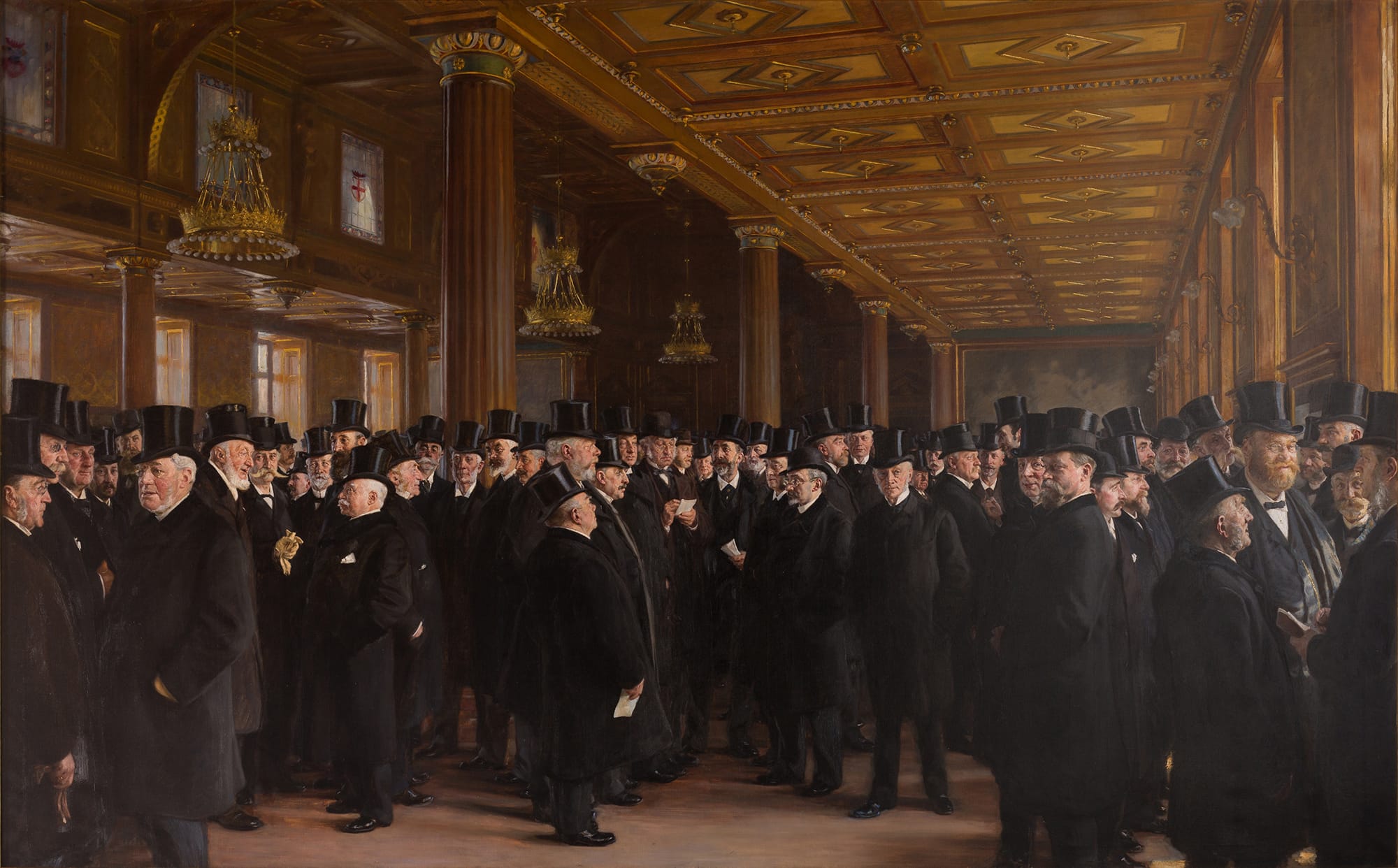
Becoming modern – Danish art and design 1900–1960
From 19 November 2026
Paintings on the walls, chairs and lamps in front of them. Kunsten’s new collection display follows Danish art from around 1900 through modernism’s colour and form, Surrealism’s interest in the unconscious and the expressive brushwork of CoBrA. Works by Vilhelm Lundstrøm, Asger Jorn and Wilhelm Freddie share the rooms with designs by Hans J. Wegner, Poul Henningsen, Finn Juhl and Nanna Ditzel. Women artists are a main focus. Named works include Harald Slott-Møller’s Primavera (1901), Olivia Holm-Møller’s Fransk skuespiller (1954) and Egill Jacobsen’s Græshoppedans (1941). The display also asks how the canon was formed and whose work was recognised.
🇫🇷 Exhibitions in France
Louvre Photo
4 November 2026 – 3 May 2027
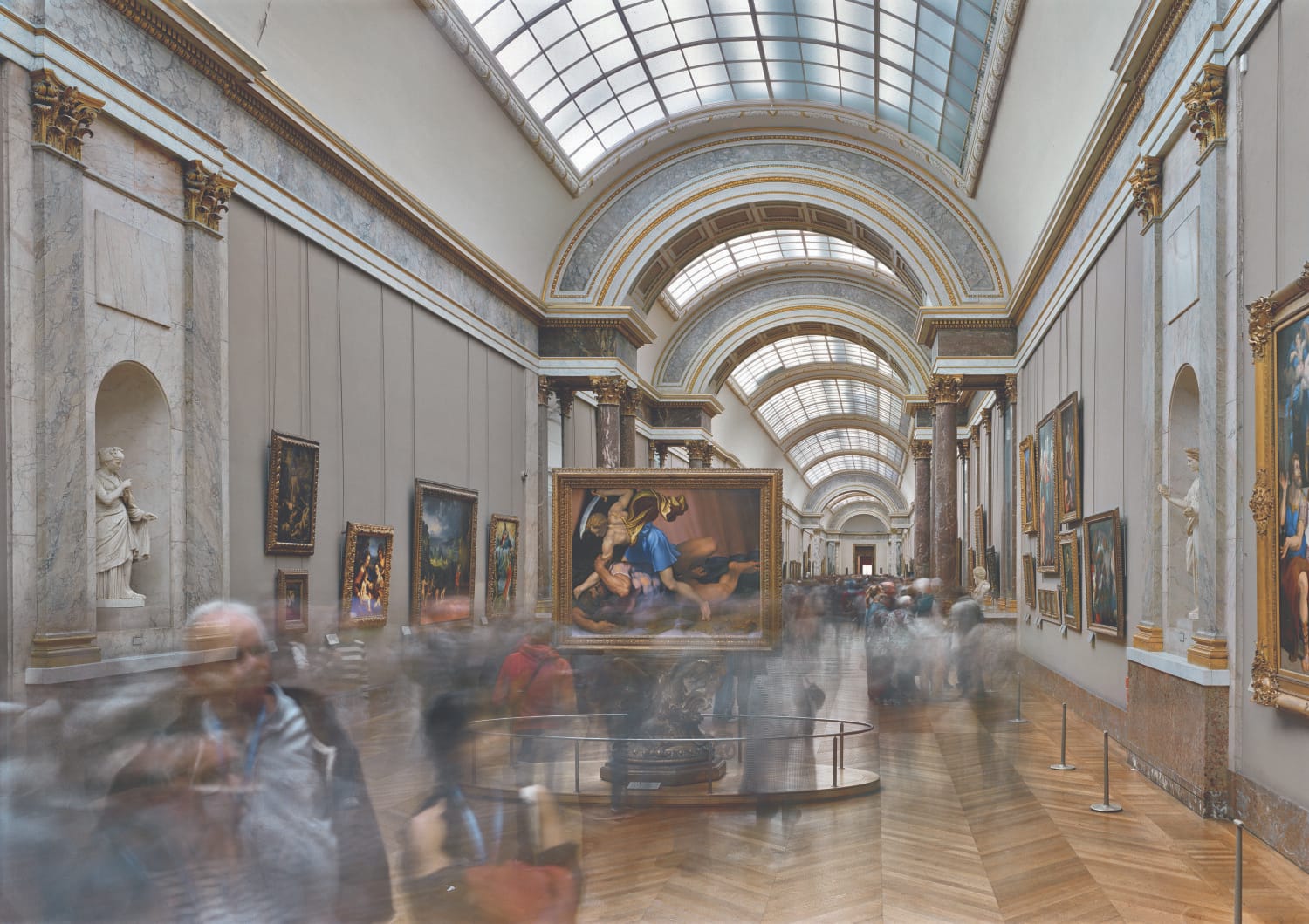
Guards, visitors, empty galleries and crates leaving in wartime. More than 300 photographs in the Mezzanine Napoléon turn the camera on the Louvre itself, since the invention of the medium. The museum opened a few decades before photography was born, and the pictures follow its life within the palace walls and the gates of the Tuileries. They record the building works of the Second Empire, the Paris Commune, the removal and return of art during both World Wars, and the Grand Louvre project of the 1980s. Loans come from the BnF, the Musée d’Orsay and the Musée Carnavalet.
Bruxelles 1900
10 November 2026 – 25 April 2027
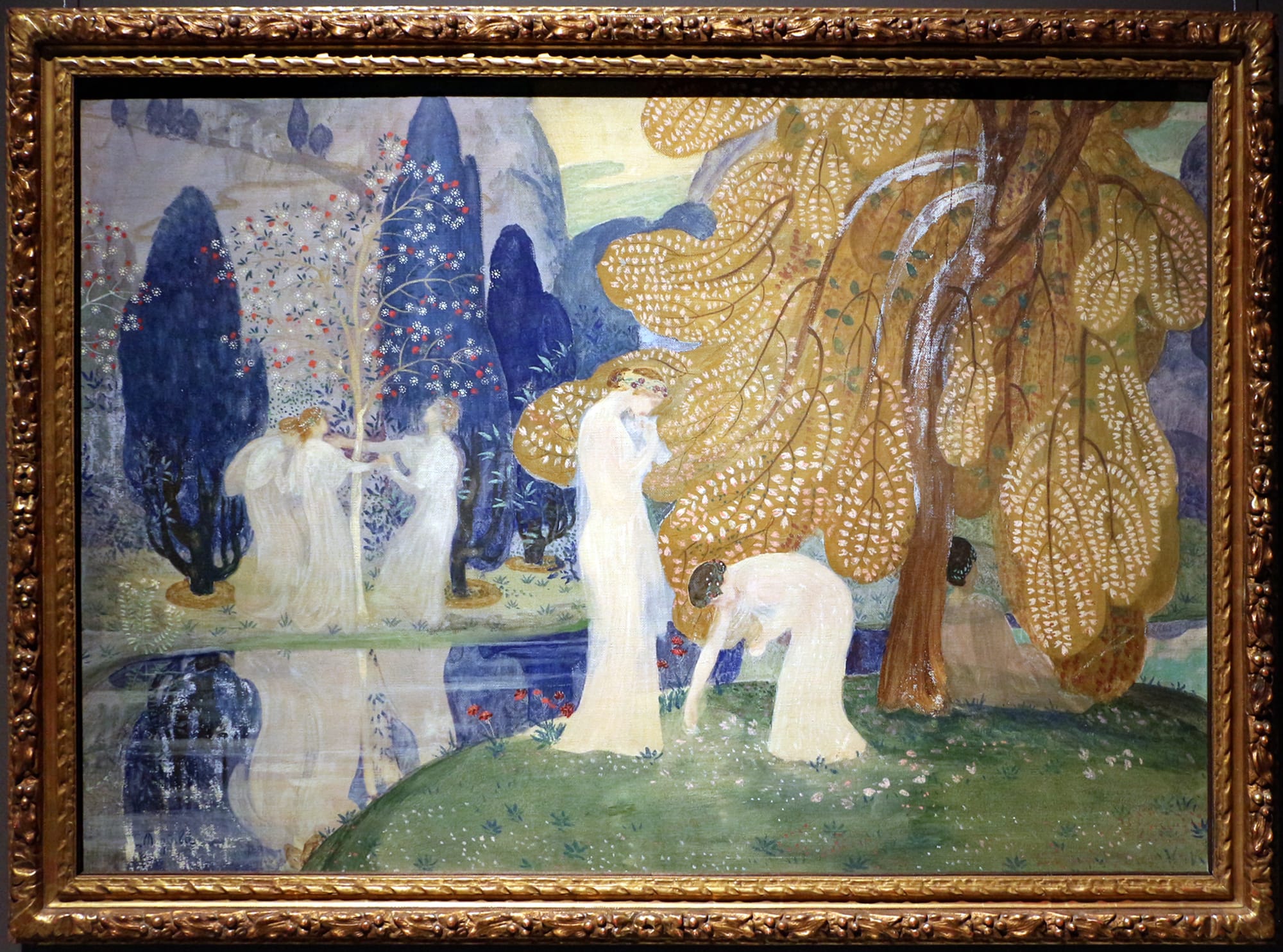
Brussels earned its reputation as an art capital in Paris. At the Exposition universelle of 1900, a Belgian section of nearly 150 paintings and sculptures in the newly opened Grand Palais drew enthusiastic visitors. Across the road at the Petit Palais, more than 250 works now return to that moment. Painting and sculpture are shown with jewellery, posters, photography, architecture and the decorative arts. Fernand Khnopff’s Des Caresses (1896) is among the loans. The show is organised with the Royal Museums of Fine Arts of Belgium, the Royal Museums of Art and History and the Royal Library of Belgium.
Grand tourists to Turner: British artists in Europe
20 November 2026 – 22 March 2027
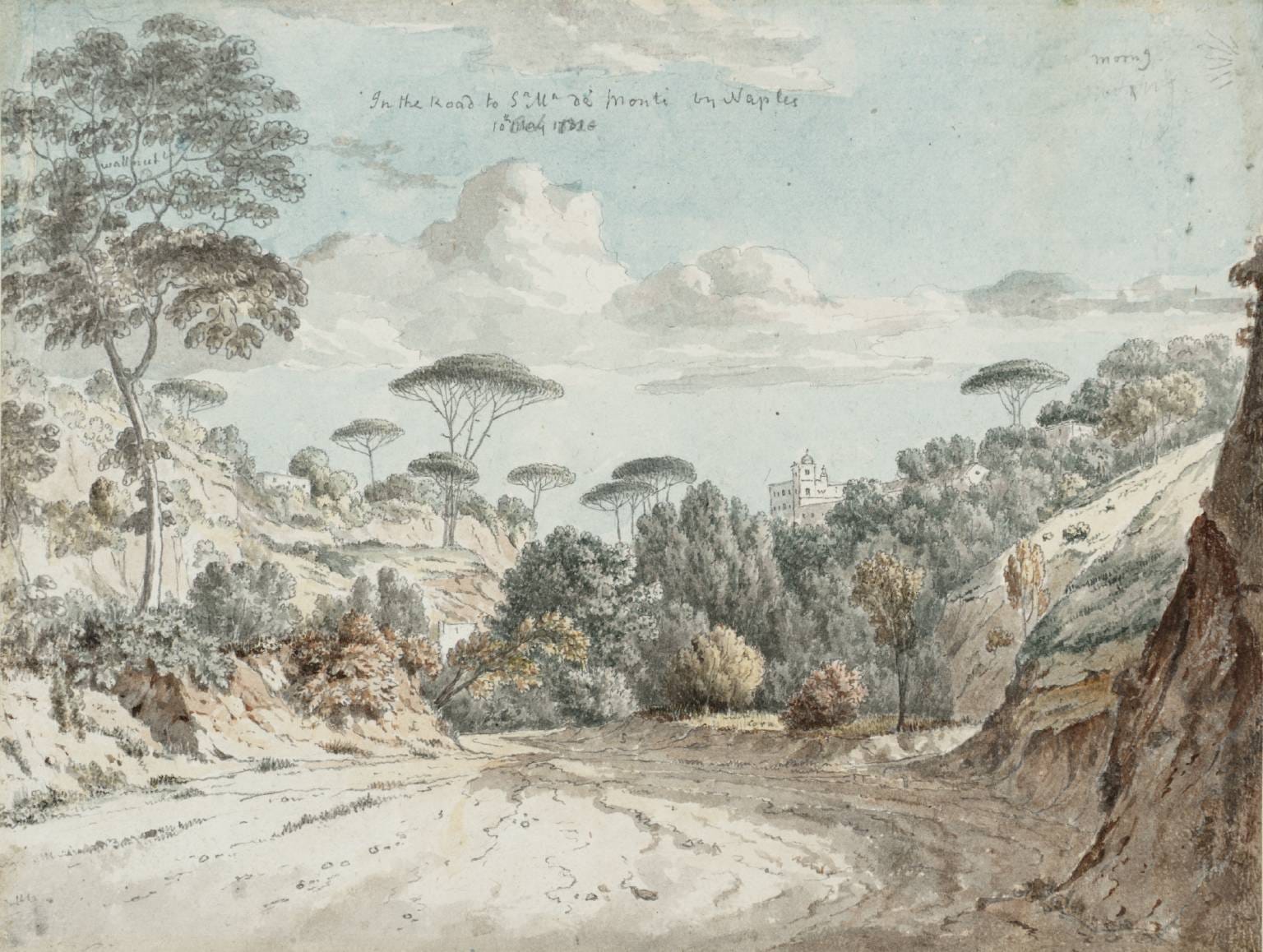
Pack for several months, preferably at a wealthy patron’s expense. The Grand Tour took British landscape painters through France, Germany and especially Italy in the 18th and 19th centuries. Those journeys shaped British landscape painting. Lille puts William Turner at the centre, with 18 works by his hand and 16 from his studio. He is rarely shown outside English museums. Works by John Robert Cozens, Francis Towne, Thomas Jones, Joseph Wright of Derby and Richard Wilson introduce a generation little known in France. The show is a partnership with Tate Britain. A film traces his route across Europe.
🇩🇪 Exhibitions in Germany
Sophie Calle. Is It Better?
13 November 2026 – 4 April 2027
Empty patches on Berlin façades, where the emblems of the GDR were removed after reunification. Sophie Calle photographed them in 1996 for The Detachment, pairing each image with descriptions by passers-by. The series belongs to Hamburger Bahnhof, founded that same year. It opens her first solo show in Berlin for more than 20 years. Six bodies of work follow. Les fantômes d’Orsay (2022) returns to Room 501 of an abandoned hotel in the former Gare d’Orsay, which Calle visited almost daily from 1978 to 1981. A new work made for its 30th anniversary will enter its collection.
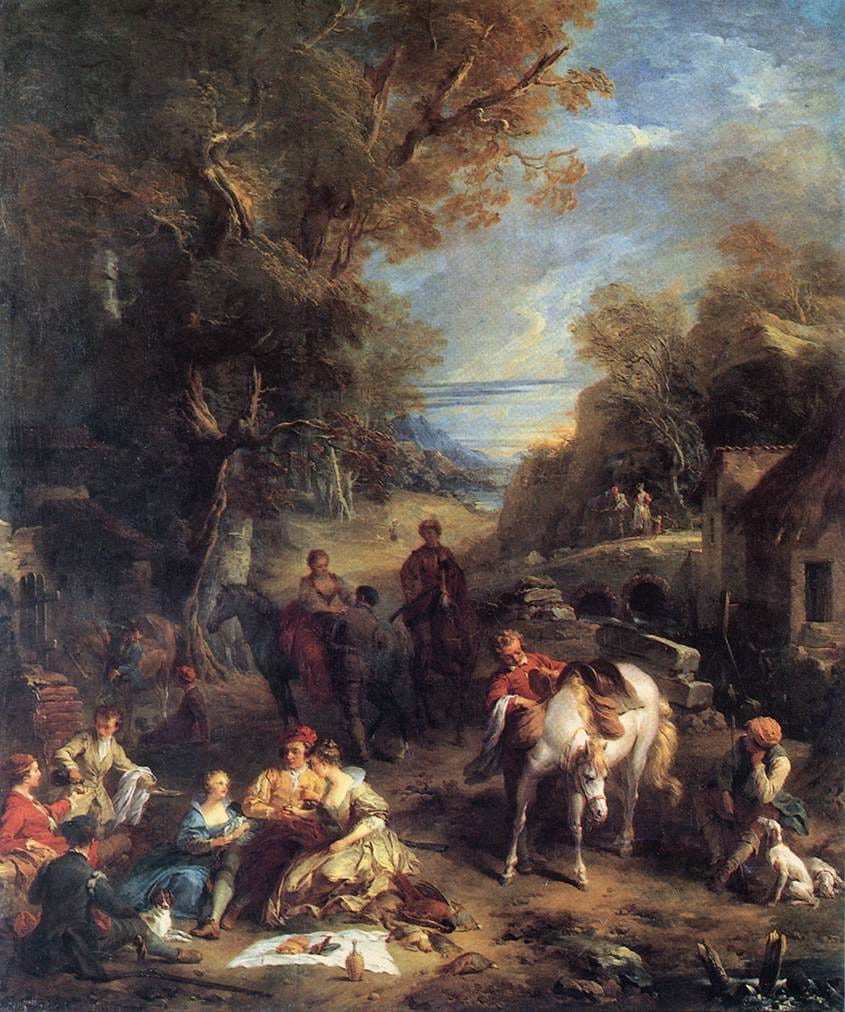
Liaisons françaises. French Art in Bavaria from Claude Lorrain to François Boucher
26 November 2026 – 4 April 2027
French painting reached Munich early. Claude Lorrain’s landscapes were in Bavaria by the 17th century, and in 1698 Elector Max Emanuel bought Poussin’s Midas and Bacchus. Around 1800 a dynastic succession merged the Wittelsbach galleries of Munich, Mannheim, Düsseldorf and Zweibrücken. This brought more French works to the city, including François Lemoyne’s A Hunting Party. The Alte Pinakothek gives these holdings their first major exhibition. Works by about fifty artists are joined by loans from Germany and abroad. They include Claude’s A Harbour at Sunrise, Valentin de Boulogne’s Erminia among the Shepherds and François Boucher’s Madame de Pompadour.
Air Conditioned. Architecture Between Comfort and Climate Change
19 November 2026 – 23 May 2027
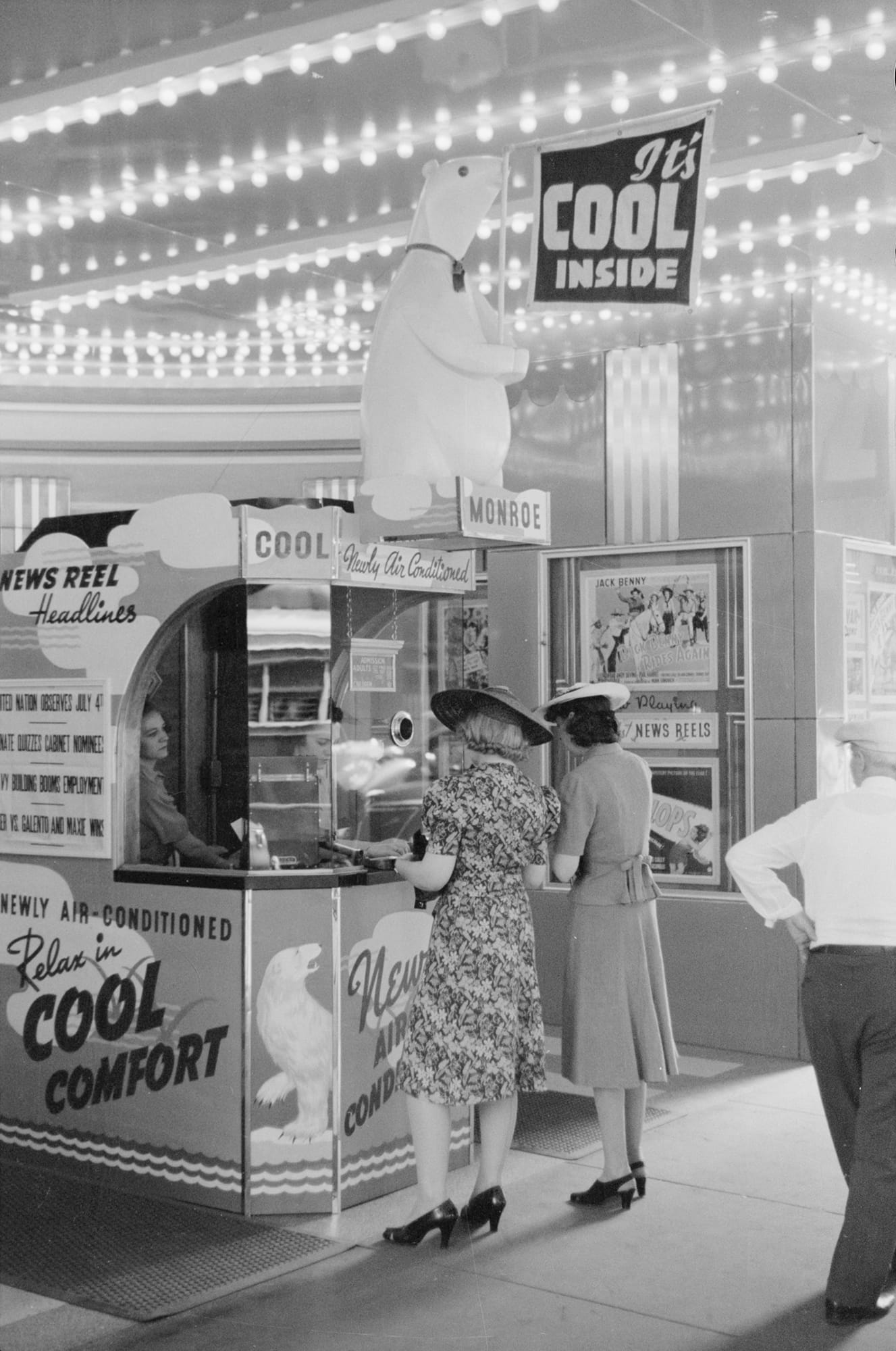
Check the thermostat before reading on. Heating and cooling account for almost 40 per cent of global energy-related emissions, and demand for cooling is expected to triple by 2050. The Architekturmuseum der TUM looks at how thermal comfort is measured, produced and distributed around the world. Large glass façades with little external shading have left many buildings dependent on climate control all year round. Comfort standards are based mostly on European and North American climates. Cinemas were among the first buildings to be air-conditioned. A 1940 photograph by John Vachon shows a Chicago ticket booth advertising the cool air inside.
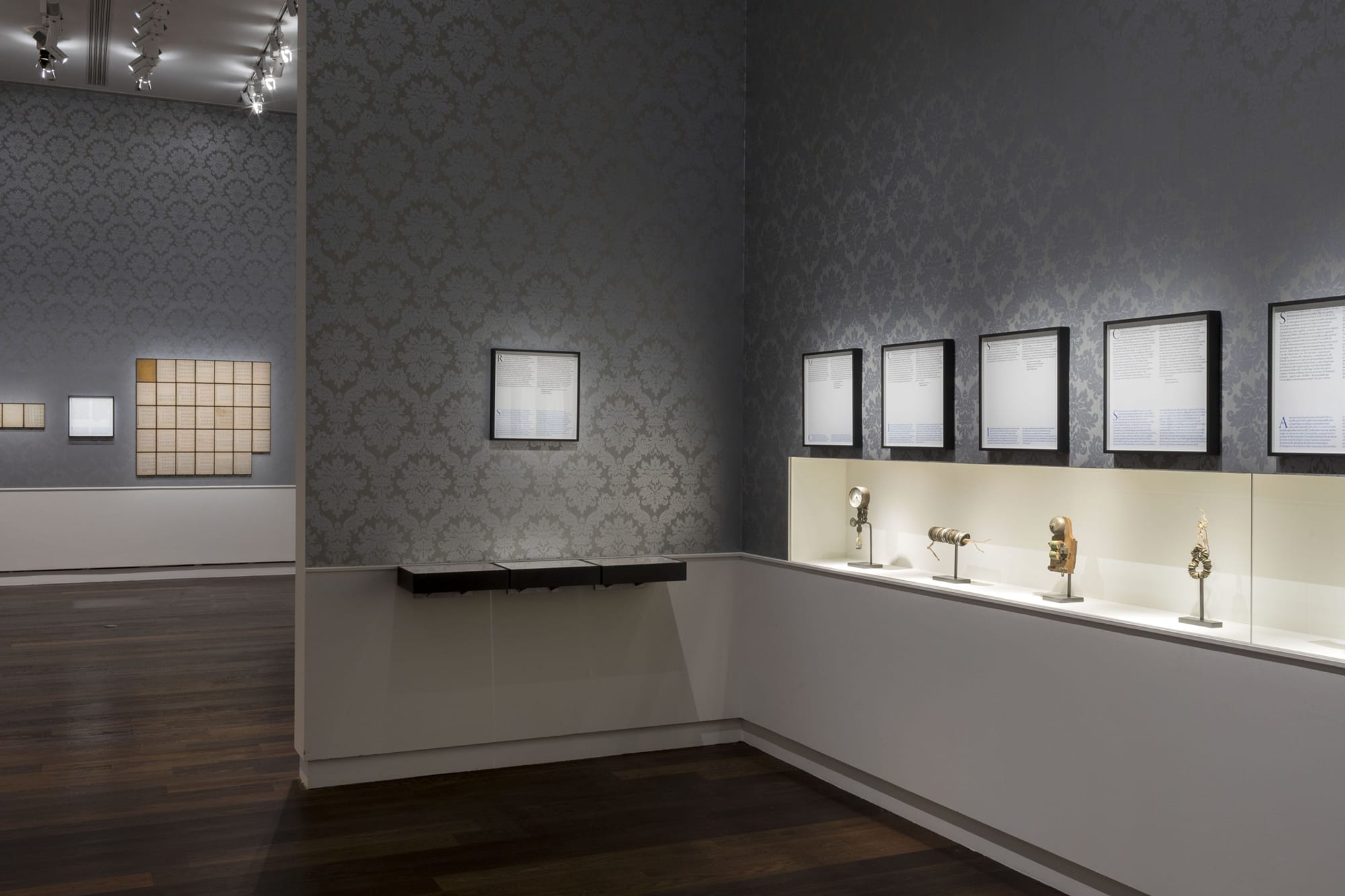
Unstable Media in the 21st Century. Highlights from the Centre Pompidou New Media Collection
20 November 2026 – 2 May 2027
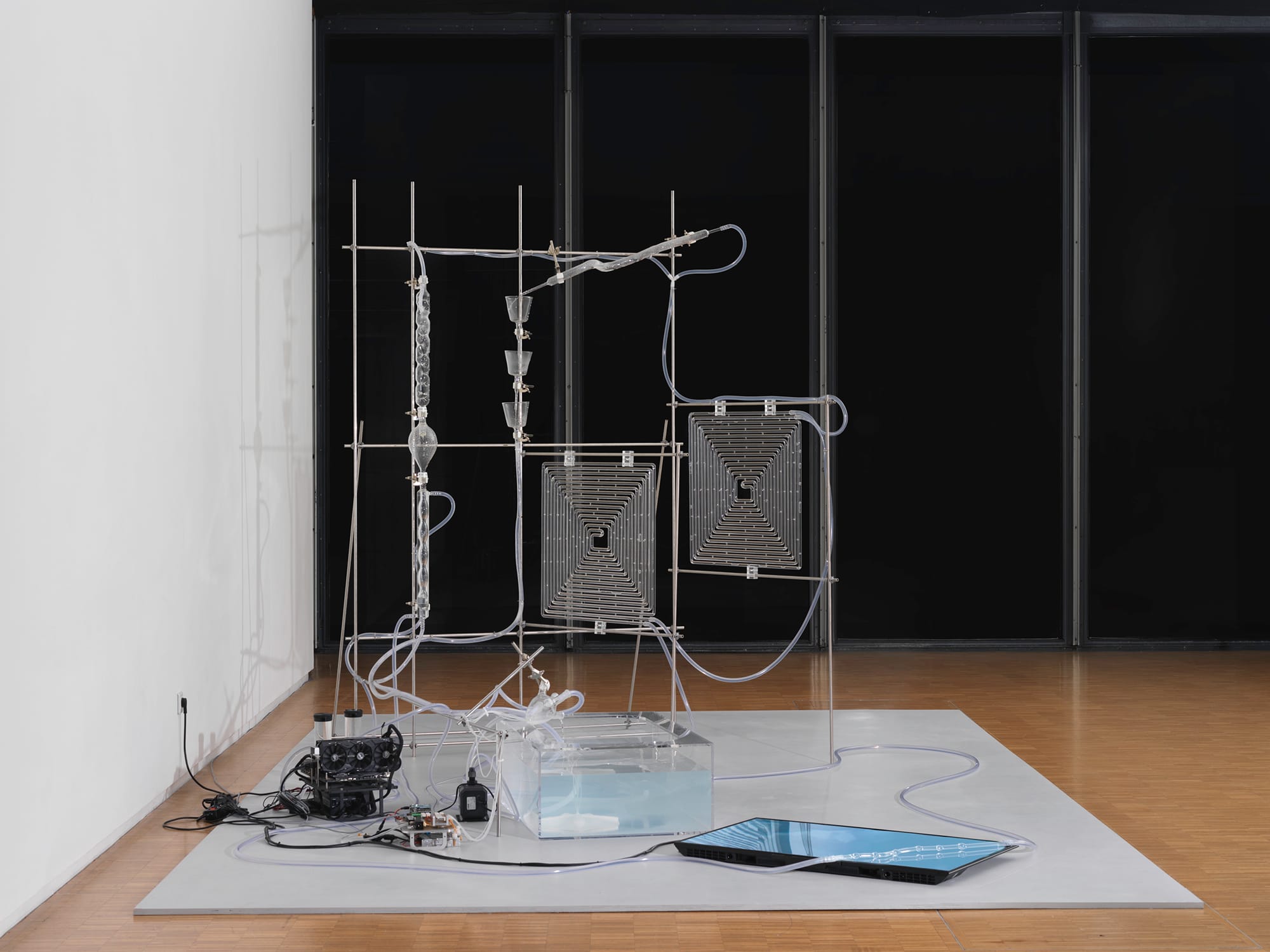
Twelve palm trees made of painted wooden flowers and ostrich feathers surround a video in Pauline Boudry and Renate Lorenz’s Salomania (2009). It is one of some 40 works lent by the Centre Pompidou’s New Media Collection while the Paris museum is closed for renovation until 2030. Eight chapters follow some of the most radical voices in media art today. Christian Marclay’s Subtitled (2019) is a silent video almost 11 hours long. Fiona Tan’s Ascent (2016) edits 150 archive photographs into a 77-minute film. Harun Farocki, Hito Steyerl, Pierre Huyghe and Apichatpong Weerasethakul are also included.
Lee Ufan – 2026 Wolfgang Hahn Prize
7 November 2026 – 7 April 2027
Five canvases, one room, a few broad brushstrokes on each. The paintings come from Lee Ufan’s Response series (2023–2026), all in acrylic and about 228 by 182 centimetres, in tones from white to dark grey. Since around 2015 the artist has layered multicoloured strokes over four or five days to give the canvas depth. Born in South Korea in 1936, he co-founded the Mono-ha movement in 1968. He is the 32nd winner of the Wolfgang Hahn Prize. Up to €100,000 goes towards buying his work for Museum Ludwig, whose collection has so far held none.
Thomas Schütte
14 November 2026 – 11 April 2027
Power rarely looks comfortable in Thomas Schütte’s hands. The Düsseldorf-based artist, born in 1954, has built a career on a critical and often ironic examination of people, society and authority. K21 has made the exhibition in close collaboration with him. It moves through sculpture, watercolour, painting, ceramics, installations and models. The large figures Vater Staat (Father State) and Mutter Erde (Mother Earth, 2024) are joined by works never seen before, some of them straight from the foundry. The show also offers the first comprehensive overview of his architectural models.
FOLLOWING DAMASCUS … Karl Ernst Osthaus and the Arts of the Islamicate World
6 November 2026 – 21 February 2027
Forget the Van Goghs for a moment. Before Museum Folkwang owned one, its founder Karl Ernst Osthaus was buying art from the Islamicate world on journeys to the Maghreb and the Ottoman Empire around 1900. Some 340 objects from that rarely shown collection, made between the 4th and 19th centuries in today’s Iran, Syria, Turkey, Egypt and Spain, have now been researched, restored and catalogued. They include a 12th- or 13th-century earthenware vase fragment from Seville and an enamelled glass beaker from Syria or Egypt. Loans include a 1605 Shāhnāma from Berlin and a beam from Dresden’s Damascus Room.
6 ½ Wochen – Bahia Shehab
20 November 2026 – 10 January 2027
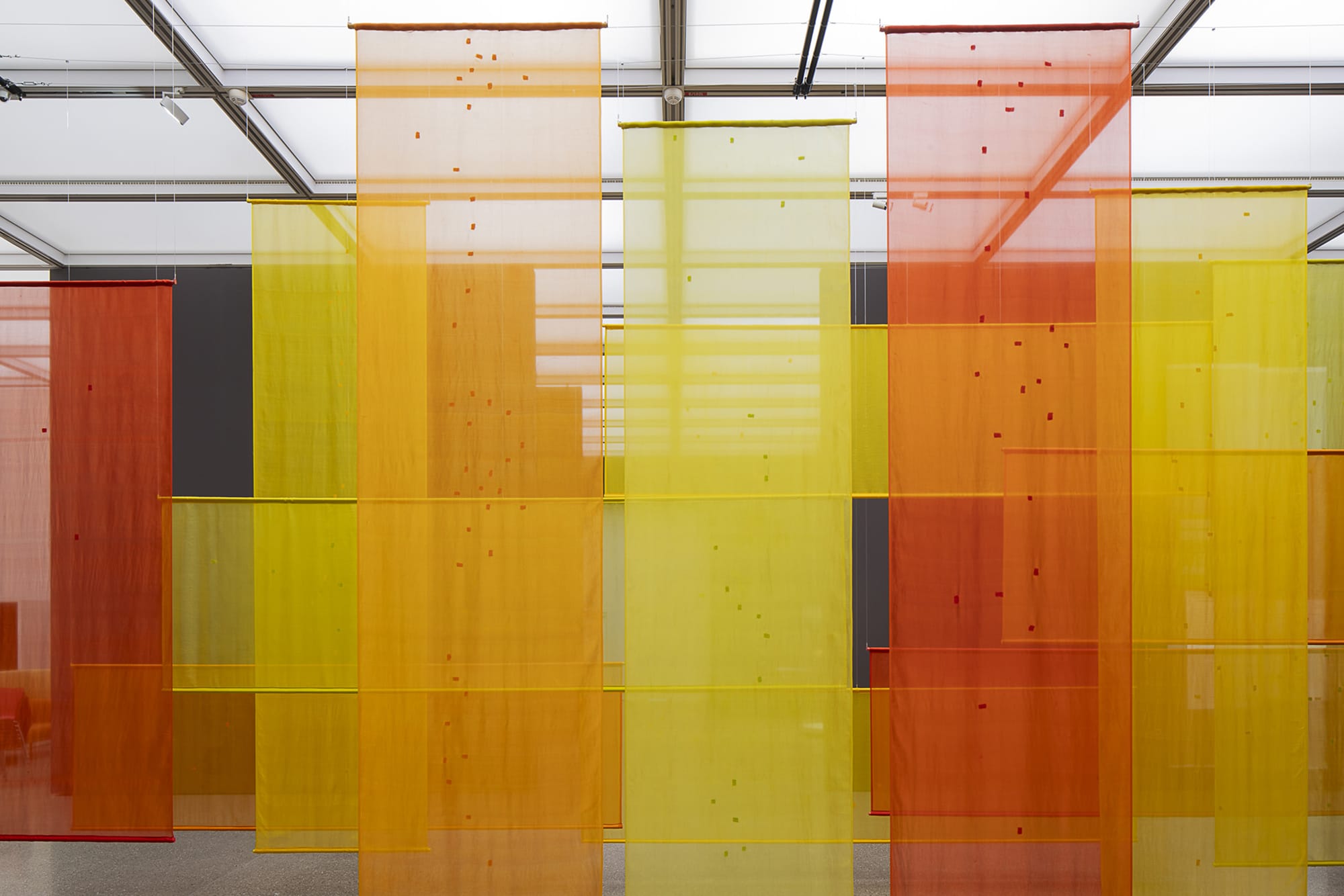
Two Arabic letters, lām and alif, joined into a single shape that reads “no”. Bahia Shehab began collecting historical examples of the pair in 2010, from many centuries and regions. Lifted out of their original settings, the forms show both shared structures and cultural differences. The installation A Thousand Times No (Essen) takes its title from the phrase lā wa-alf lā, or “No, and a thousand times no”. Shehab’s street art based on the project began in Cairo in 2011. The museum’s short-format series presents the work alongside its larger exhibition on the arts of the Islamicate world.
🇭🇺 Exhibitions in Hungary
Műcsarnok 130
7 November 2026 – 17 January 2027
On 16 June 1989, the steps of this hall on Heroes’ Square served for the public farewell to Imre Nagy and the martyrs of 1956. The painters Mihály Munkácsy, Károly Lotz and Mihály Zichy had earlier lain in state in its ceremonial hall. The Műcsarnok, opened by Emperor Franz Joseph I in 1896, marks 130 years with three halls on its own history. The first runs a timeline from the opening to today, with Albert Schickedanz’s original plans and watercolour façade designs. Selected works recall notable past exhibitions. The other two halls focus on the last six years.
Painters Paint Themselves: Fresh 2026
13 November 2026 – 17 January 2027
Every painter paints himself, or so the saying has gone since the 15th century. The seventh edition of the Műcsarnok’s “one artist, one room, one curator” series borrows the idea from Daniel Arasse’s book The Artist in the Work. Six Hungarian painters each receive a room for recent work brought straight from the studio. Ákos Bánki hangs nine life-size canvases in the building’s semicircular apse. Kata Könyv paints touchable pictures in oil on microplush over sponge. Tamás “Menyus” Menyhárt, a figure of Budapest’s punk subculture, paints over framed pictures from flea markets.
🇮🇹 Exhibitions in Italy
Dedica dei Vigili ai Severi. Dalla riscoperta al restauro virtuale
4 November 2026 – 31 March 2027
Erasing an emperor took a chisel. Bringing him back took a 3D scanner. Rome’s urban watch, the Vigili, dedicated a bronze plaque to the Severan emperors, decorated with busts of Septimius Severus, Caracalla and Geta. After Geta’s damnatio memoriae, his name was struck out. In the Sala degli Imperatori, the original is shown beside two resin prints. One restores it as it was in 203 AD, with an AI-generated Geta. The other follows a drawing published by Cassiano Dal Pozzo in 1650. The scan also proved that a bust in the British Museum belongs to the plaque.
MAXXI Bvlgari Prize 2026
6 November 2026 – 7 March 2027
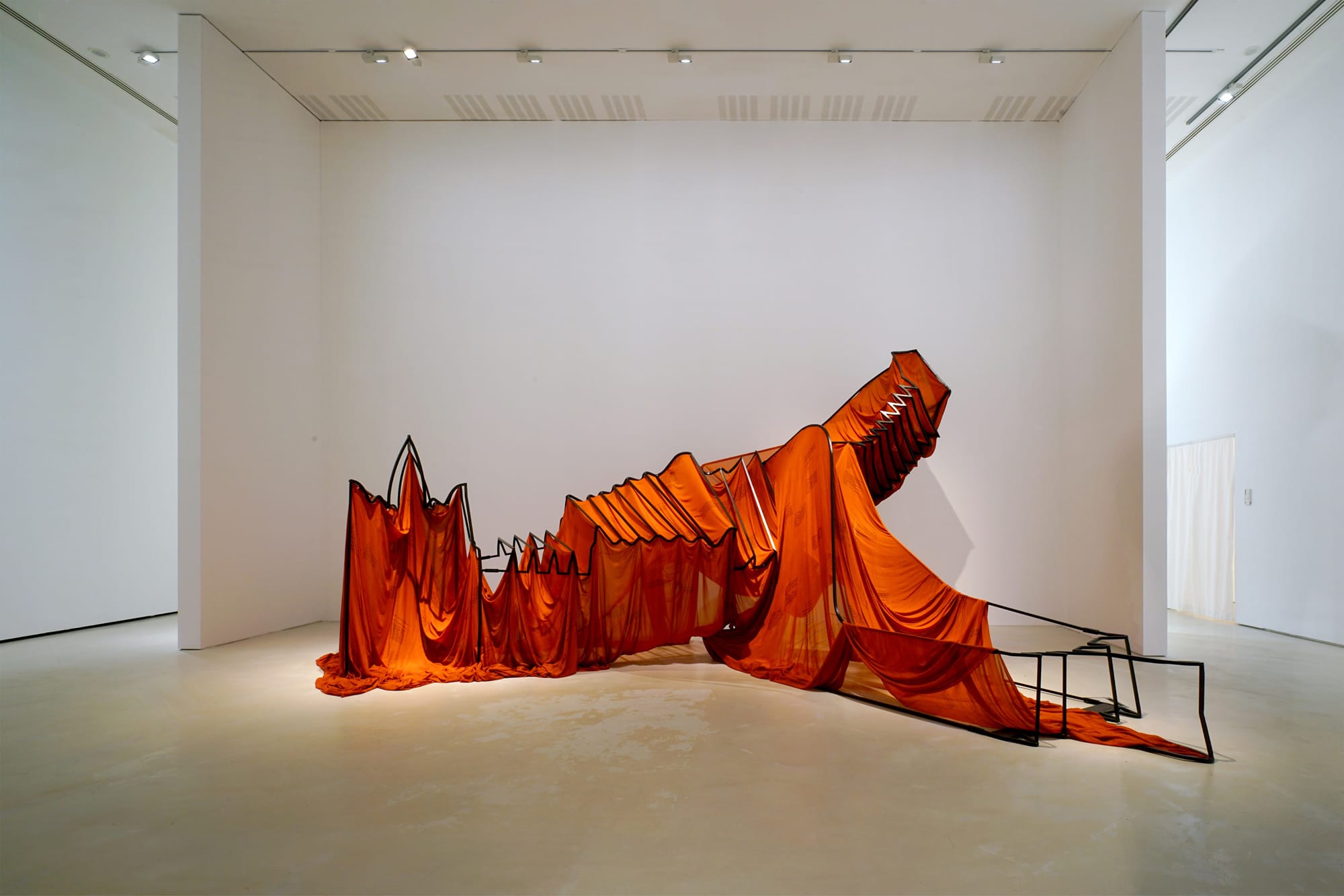
Look down at the pavement of Via Guido Reni on the way in. Margherita Moscardini has cast a section of it in bronze. If she wins, the cast is meant to replace the original. She is one of three finalists for the fifth MAXXI Bvlgari Prize, the first all-female shortlist. Adji Dieye rebuilds, upside down, the tower of the French West Africa pavilion from the 1931 Paris Colonial Exhibition in iron tubing and sheer rayon. Chiara Bersani starts from an Egyptian mummy with signs of osteogenesis imperfecta, the condition she lives with. The winning work enters the collection.
Gordon Matta-Clark: Not the Work... The Worker
13 November 2026 – 28 February 2027
A section of floor sawn out of a building in the Bronx. Gordon Matta-Clark made Bronx Floors in 1972, and his building “cuttings” became his best-known work. MAXXI follows the architect by training in four stages. The first is 112 Greene Street, the self-managed space in New York where he experimented. Trips to Genoa and Milan mark a central Italian phase that shaped what followed. His first interventions in the urban fabric come next, then the cuttings themselves. The exhibition presents a practice that was collective and participatory, and that turned the city into an aesthetic and social experience.
Ordinare il mondo: L’Archivio di Nanda Lanfranco
13 November 2026 – 28 February 2027
Behind the camera at many of the art world’s defining events. Nanda Lanfranco began photographing in Genoa in the 1970s and entered art circles after meeting Germano Celant. She went on documenting international research and events into the 2000s. Her archive combines that professional record with her own artistic work, in which the body and performance were central. Her heirs lent the whole archive to MAXXI in 2024. A focus display in the Carlo Scarpa foyer arranges it by theme and chronology. A 1976 self-portrait taken in Genoa is among the images.
Shirin Neshat: Do U Dare!
13 November 2026 – 10 January 2027
Few news stories are as uncomfortable to revisit as the 2018 shooting at YouTube’s headquarters in San Bruno, California. Shirin Neshat builds a trilogy of films around Nasim Aghdam, the Iranian-American activist and YouTuber who opened fire there and then took her own life. The films move between an immigrant neighbourhood in Brooklyn, Wall Street and the suburban home where Aghdam recorded her online performances. Together they form a fragmented portrait of the American Dream. Photographs complete the installation. The project also addresses America’s wars and the power of media, and draws on Neshat’s own experience of exile.
Sensing the Future
25 November 2026 – 31 January 2027
Try standing still in front of Tullio Crali’s Le forze della curva (1930). The painting belongs to a movement obsessed with speed and simultaneity, two ideas the exhibition considers part of daily life today. Works by Giacomo Balla, Umberto Boccioni, Fortunato Depero, Gerardo Dottori, Filippo Tommaso Marinetti and Růžena Zátková represent historical Futurism. Three contemporary artists, Fabio Giampietro, Donato Piccolo and Quayola, respond with new works that use Futurist theory to imagine the near future. In 1914 Boccioni wrote that the Futurists were at least a hundred years ahead of Italian taste. It has a separate ticket.
Global Antiquity
5 November 2026 – 1 March 2027
An Indian ivory statuette reached Pompeii before the eruption of AD 79. It is among more than 150 objects that trace exchange between the Mediterranean and Asia from about 700 BC to AD 1000. The exhibition argues that where an object was found matters as much as where it was made. Luxury goods from the Begram hoard came from Rome, Han China and India. A Sassanid cameo shows Shapur I defeating the Roman emperor Valerian. A final section traces how the Buddha became the Christian saint Josaphat. Rem Koolhaas and AMO designed the display.
Fucina degli Angeli: Peggy Guggenheim and 20th-Century Artistic Glass
14 November 2026 – 29 March 2027
Jean Cocteau’s Billy Goat (1962), blown in amethyst glass. In 1955 Egidio Costantini founded the Fucina degli Angeli in Venice, a name Cocteau suggested, and had artists’ ideas made in the Murano furnaces. More than a hundred works follow the results. They include Max Ernst’s King and Queen (1964), Jean Arp’s Column (1964) and Arman’s Procession (1966). Lucio Fontana, Oskar Kokoschka and Mark Tobey took part, as did Japanese artists working in Venice in the 1960s and 1970s. Peggy Guggenheim bought works and backed Costantini at critical moments. Drawings, paintings and archive material complete the show.
🇱🇺 Exhibitions in Luxembourg
Ana Vaz: A câmera é o corpo (The Camera is the Body)
13 November 2026 – 2 May 2027
Cinema, for Ana Vaz, is made above all by a body that looks, vibrates and confronts. The Brasília-born filmmaker, who lives in Paris, studies the scars that colonial modernity has left on land and communities, and the alliances that can grow from them. Her first major institutional exhibition is a modular environment designed for Mudam. It holds the three-channel installation É Noite na América (2022), the final chapter of her Meteoro series (2023–25) and a new film shot in the Amazon. Events and workshops will take place inside the installation. The performance Sinfonia do Fogo follows on 21 November.
Simone Decker. Lëtzebuerger Konschtpräis 2026
13 November 2026 – 21 March 2027
A tower of museum transport crates, with room for visitors inside. Simone Decker built it from Mudam’s crates for Second Life (2010), one of many works in which she intervenes in architecture and institutions. Active since the 1990s in installation, photography and sculpture, she was among the first Luxembourg artists to work extensively in public space. She is the 2026 laureate of the Lëtzebuerger Konschtpräis, a biennial prize created by the Ministry of Culture in 2022 and worth €10,000. In 1994 she installed Épinglage at the MNHA for the exhibition Rendez-vous provoqué.
In Patagonia: The other side of Wil Lofy (1937–2021)
28 November 2026 – 23 May 2027
Driftwood worn by water, wind and time, shaped so that each form comes out of the wood itself. A voyage round Cape Horn in 1986 drew the Luxembourgish artist Wil Lofy to Chilean Patagonia. He returned to that remote coast for long stretches until 2018, and around 1998 bought the islands of Toro and Mutri as a retreat. Living with the region’s scale, silence and weather slowly moved him away from narrative figures towards a pared-back, minimalist language. Villa Vauban shows more than 80 watercolours made in direct contact with the places they depict, alongside the driftwood sculptures.
🇳🇱 Exhibitions in Netherlands
Common Practice – Collaborations in Art and Design
28 November 2026 – 4 April 2027
Count the names on the labels. Fifteen collectives make up the latest Proposals for the Museum Collection, the Stedelijk’s biennial group show from which the museum makes acquisitions. This edition looks at collective practice in the Netherlands and the Caribbean part of the Kingdom, chosen through an open call earlier this year. Contributions take in publications, technology, graphic design, painting, performance, video and activism. A piece might be an object, a method, a network or a workshop. Participants include Hackers & Designers, Tirzo Martha of Instituto Buena Bista and the sixteen-member LFMC. Workshops, lectures and screenings run alongside.
Rembrandt Open Studio
13 November 2026 – 10 January 2027
Earth pigments mixed by hand, a stretch of jute and a painter at work in Rembrandt’s house. For the fifth edition of its Open Studio, the museum invites two contemporary artists to set up and work live where Rembrandt lived and worked almost 400 years ago. Visitors can watch new pieces emerge and talk with the artists. Marije Gertenbach, born in 1990, makes paintings and prints that look abstract but contain a recognisable body, often on jute. Shani Leseman, born in Curaçao in 1996, mixes earth pigments into her own paint and applies it to cotton or glass.
On Thin Ice
27 November 2026 – 25 April 2027
Ice has an exceptional memory, Robert Macfarlane wrote, but it also suffers from memory loss. Thirty-eight artists working in every medium treat it as matter, material and metaphor. Some work with real ice in extreme conditions, others approach it from the studio, and a few are scientists as well. The title points both to a risky step and to polar ice melting under climate change. The Moveo Art Collection organised the show in its space on the Depot’s third floor. The museum calls it a work in progress, so the presentation may change between its two parts.
Manual Labour
3 November 2026 – 7 February 2027
Nineteen minutes of video in the entrance hall, built from a family of metalworkers and a pregnancy. Hannah Perry’s work explores how labour, physical endurance, class and gender relate to one another. Much of the material is personal. It draws on the trades of her relatives and on her own pregnancy, combining images from her archive with sound, speech and text. The video refuses the idealised image of motherhood and evokes violence and danger instead. It questions Freud’s Madonna–whore complex. A VHS look and other visual effects expose the male gaze on the female body.
Violette Cornelius Rediscovered
20 November 2026 – 28 February 2027
Open the travelling cases her son gave the museum in 2003, and the five that followed in June. Inside is the archive of Violette Cornelius (1919–1998), from the first generation of women to make photography a profession. She trained at the Nieuwe Kunstschool in Amsterdam, where she met Bauhaus ideas. During the war she worked with the artists’ resistance, and her photographs of that work are on UNESCO’s Memory of the World register for the Netherlands. From 1964 she travelled to Mali, Iraq, India, Yemen and Peru to record rapid urbanisation. More than 200 works are on show.
Blue Loves You – The Magic of Delftware
From 28 November 2026
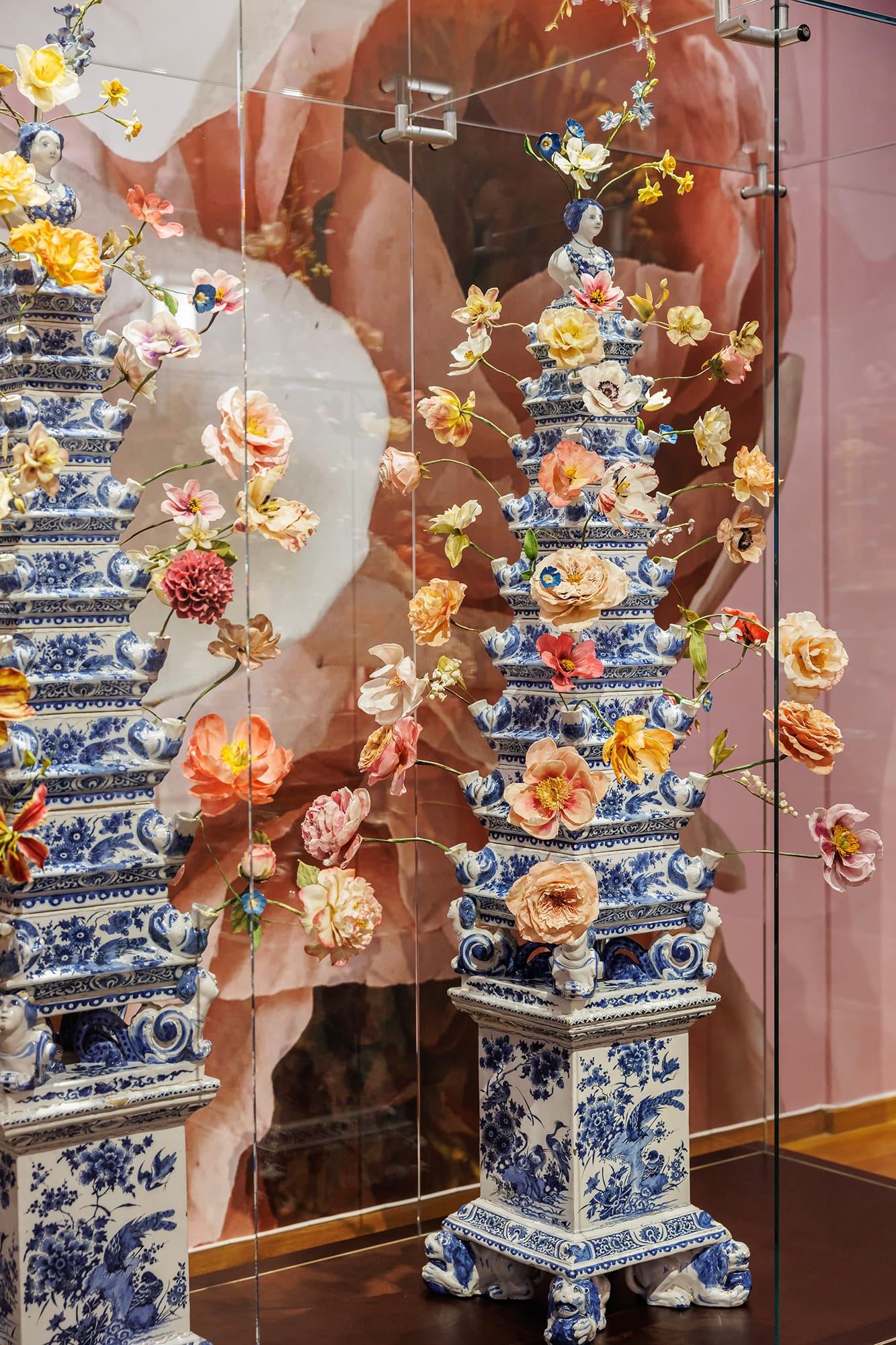
A pair of flower holders marked “LVE”, made around 1700 at the Delft factory De Metaale Pot for its owner Lambertus van Eenhoorn. One comes from the De Lavino Collection, and the museum bought the other in 2024. They lead a multi-year display of some 1,000 objects tracing four centuries of Delft Blue, from household crockery to the costliest tulip vases. The Kunstmuseum holds one of the world’s largest Delftware collections. Contemporary makers give the motifs a new twist in embroidery, felt, tuftwork and on social media. The show places Delftware within a global blue-and-white tradition.
Hals–Rembrandt
6 November 2026 – 28 February 2027
Nobody knows whether Frans Hals and Rembrandt influenced each other. The Frans Hals Museum gives the two their first joint exhibition, with 11 paintings by Hals and 8 by Rembrandt that have never been shown together. A loan of five works from the Rijksmuseum made it possible. The pictures are paired by subject. Rembrandt’s The Laughing Man (c. 1629–1630) meets Hals’s Laughing Boy with a Flute (c. 1630), and Titus at a Lectern (1655) meets Fisher Boy (c. 1638). Rembrandt built up his paint in layers, while Hals worked fast. Time slots must be booked in advance.
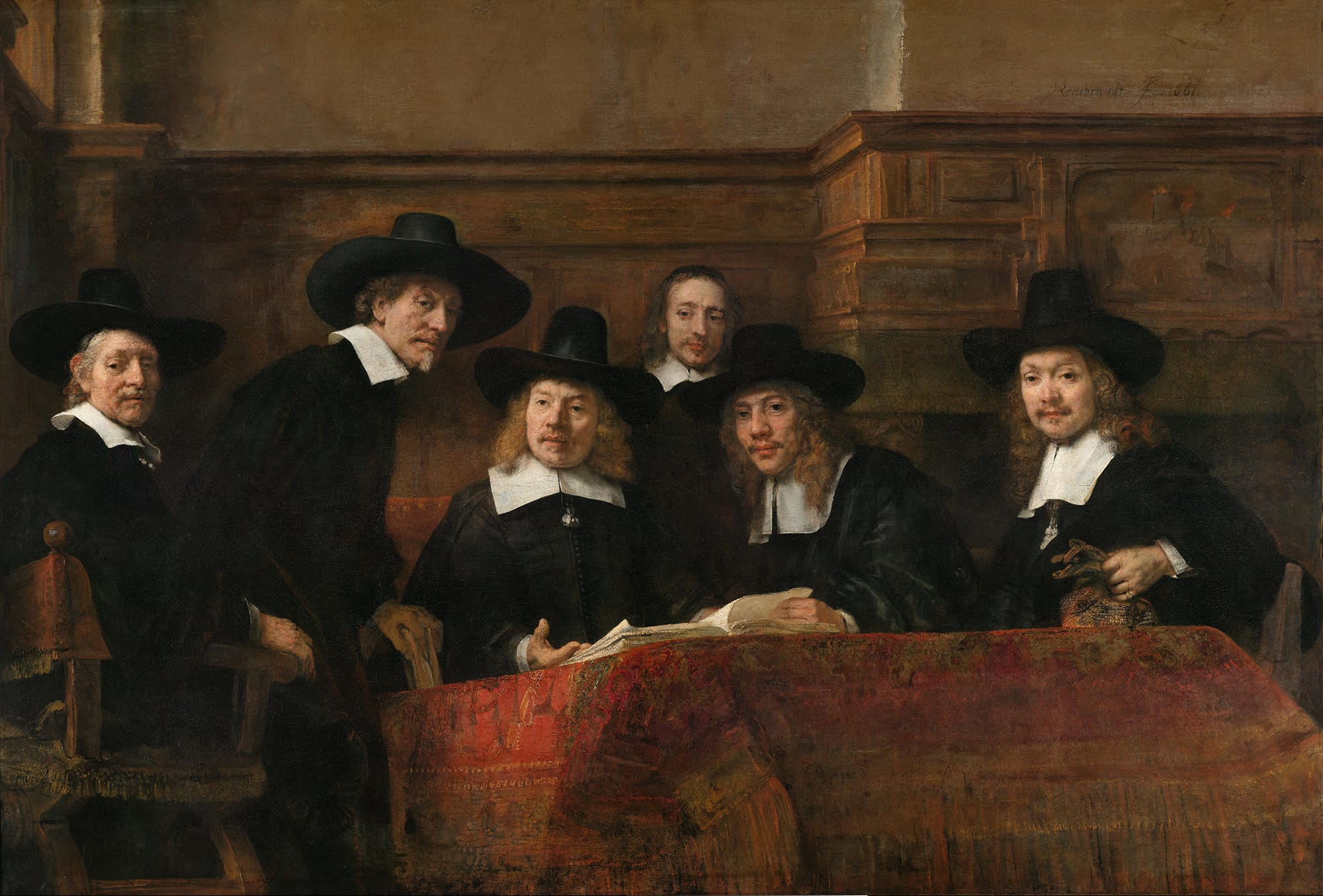
eleven – Cult & Carnival
14 November 2026 – 21 March 2027
A carnival float, a confetti cannon and eleven stereo sets playing at once. The Noordbrabants Museum has handed its carnival exhibition to Erik Kessels, the Roermond-born artist and a former Prince Carnival. Working with dozens of Brabant carnival-goers, he searched archives and collections and let them decide what goes in the rooms. Works by Herman Moerkerk, Leo Gestel and Antoon Derkinderen come from the collection. Kessels adds papier-mâché heads and a choreography of party blowers driven by air pressure. The director, Jacqueline Grandjean, warns that visitors will be pulled into the polonaise.
🇪🇸 Exhibitions in Spain
Rilke and Spanish Art
17 November 2026 – 7 March 2027
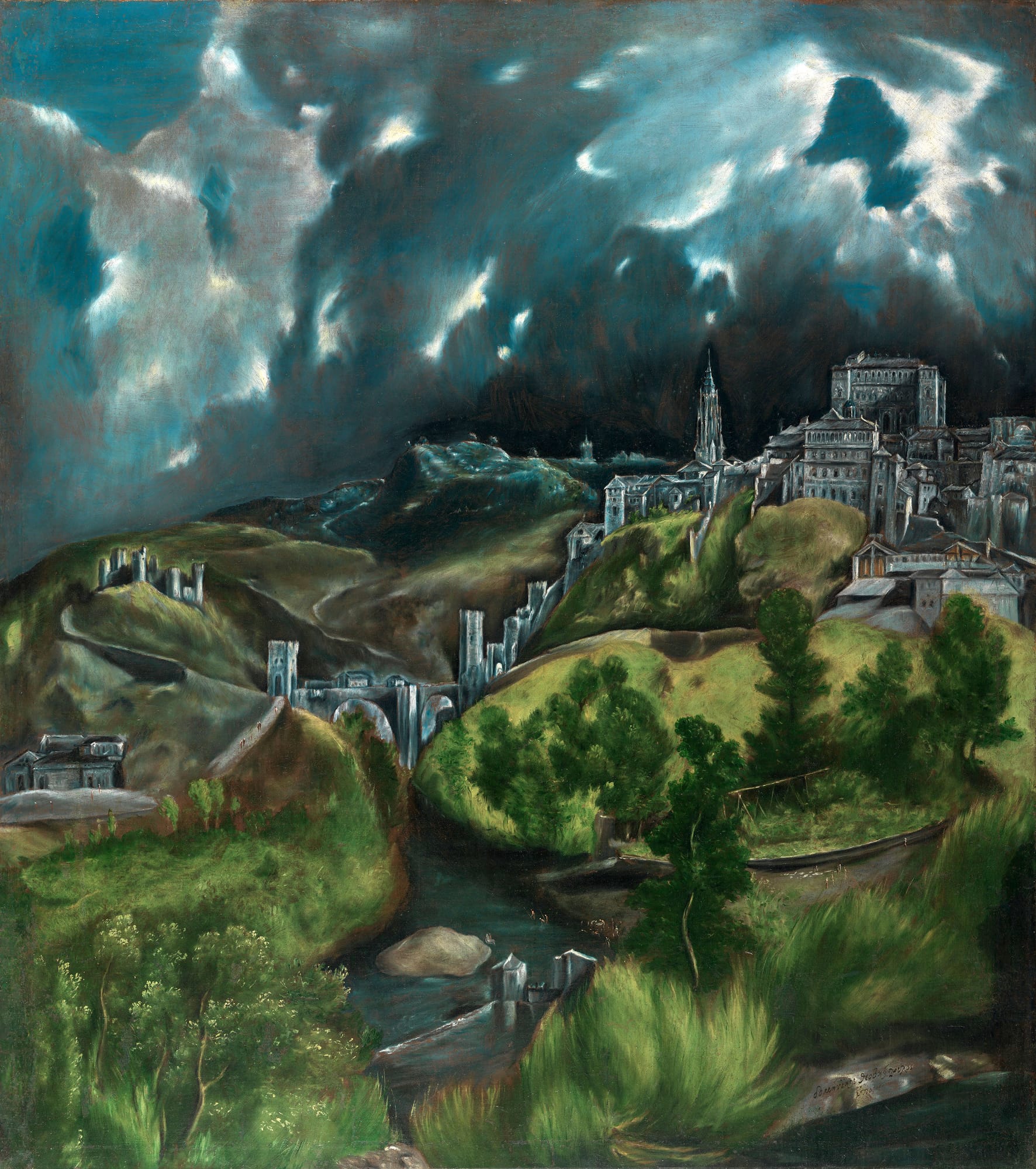
El Greco’s View of Toledo on a wall of the 1908 Salon d’Automne in Paris, with Rainer Maria Rilke before it. The painting left a deep mark on the Austrian poet, who died 100 years ago. The Prado follows how Spanish art shaped his writing. He wrote early on Velázquez and Murillo and was drawn to Goya, though El Greco mattered most. A central section covers his journey to Toledo, Ronda and Madrid from November 1912 to February 1913. Letters trace his friendship with the painter Ignacio Zuloaga, who owned several El Grecos himself.
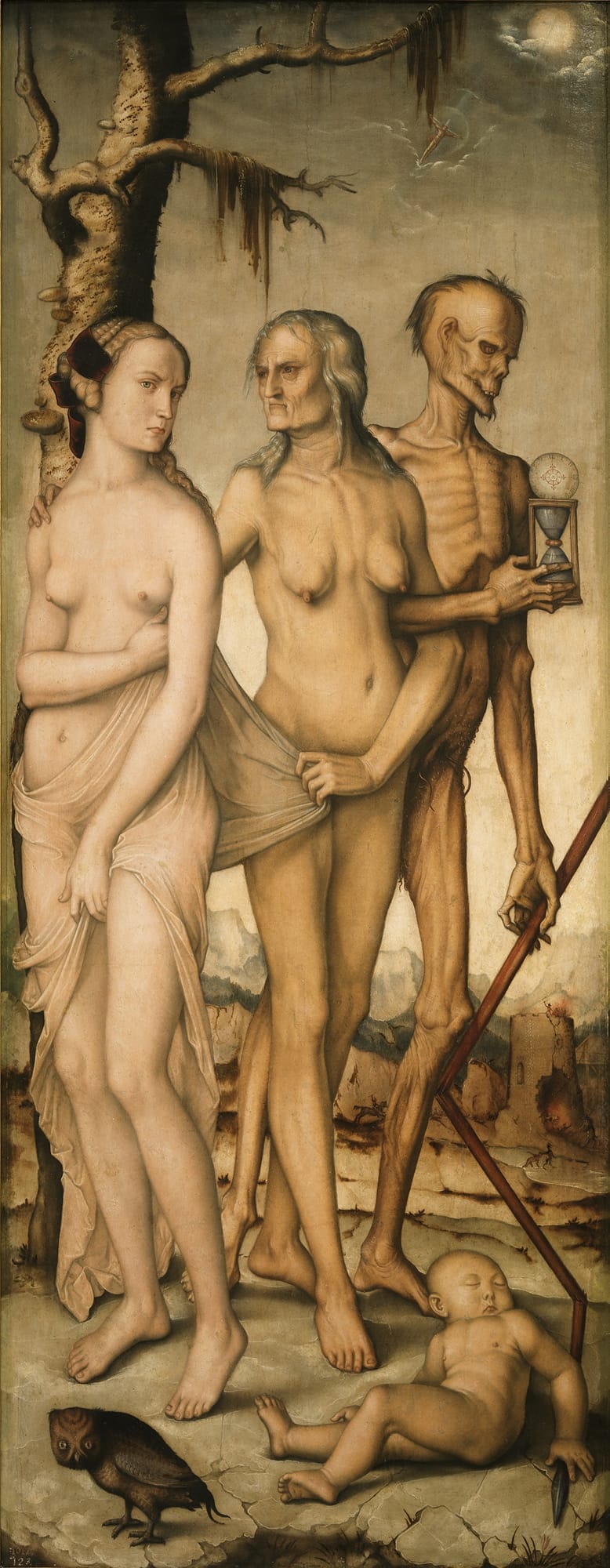
Hans Baldung Grien
24 November 2026 – 7 March 2027
Beauty and death were old companions by the time Hans Baldung Grien painted them around 1541–44. The Prado’s two panels, Harmony (The Three Graces?) and The Ages and Death, are thought to be among his last works. Recorded as a diptych in Philip II’s collection, they set an idealised image of beauty against the cycle of life. A recent cleaning revealed botanical details and a strong tonal contrast between them. A separate section explains what it revealed. Baldung trained in Dürer’s Nuremberg workshop before settling in Strasbourg. The exhibition places him among the German Renaissance painters.
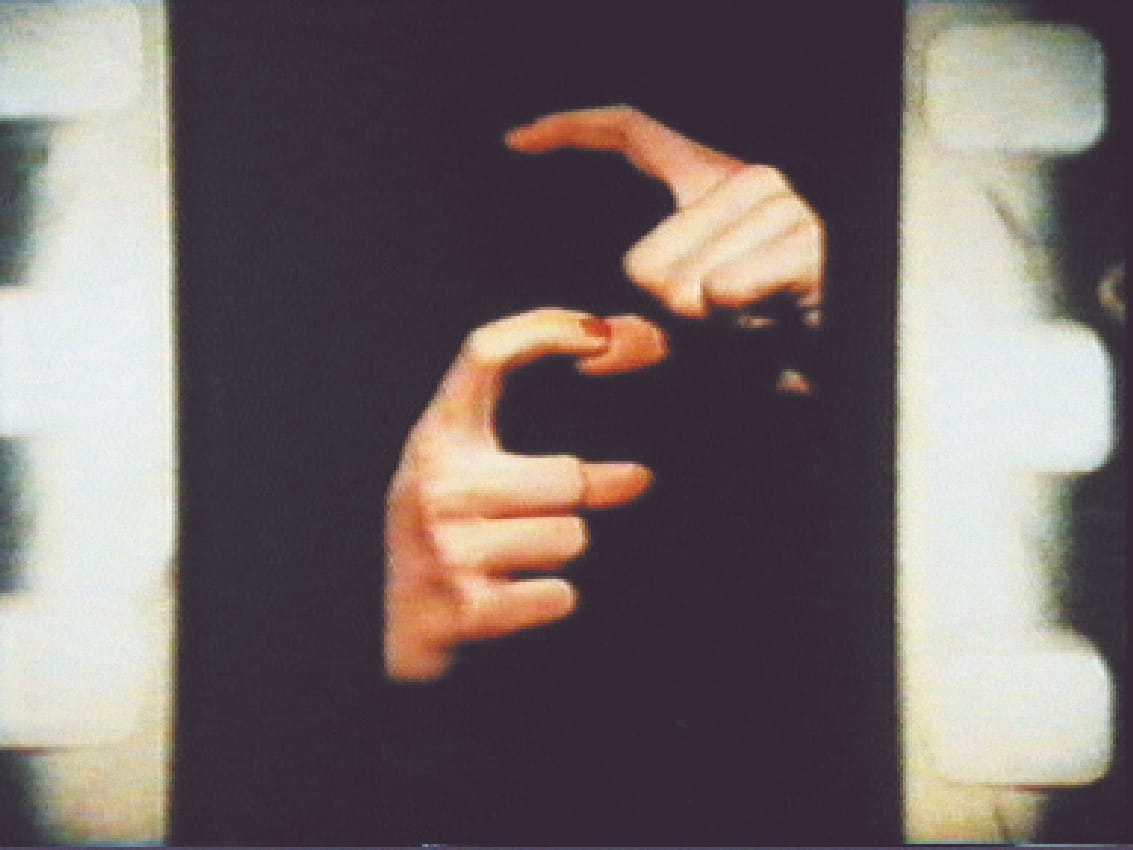
Miguel Ángel Rojas. The Night
11 November 2026 – 15 March 2027
Step first into the darkness of a projection room. From there the survey of Miguel Ángel Rojas, the Colombian conceptual artist born in Bogotá in 1946, moves to charcoal maps of eroded land. His themes are power, exclusion and identity, from drug trafficking and violence to migration and his own mixed-race and Indigenous heritage. For Grano (1980) he brought earth from his family’s rural roots in Tolima into a gallery to recreate the floor of his grandparents’ home. El camino corto (2012) uses coca leaves. David (2004) began with a soldier maimed by a landmine.
La Menesunda According to Marta Minujín
18 November 2026 – 8 March 2027
Buenos Aires slang for a confusing jumble of mismatched things. La Menesunda was made in 1965 by Marta Minujín and Rubén Santantonín for the Instituto Torcuato Di Tella. It was a walk-through environment that replaced looking with an experience for all the senses. The version at the Reina Sofía is a reconstruction, researched since 2015 and developed with the artist. After Buenos Aires, New York and Copenhagen, this is its first showing in Spain. A documentary section covers her happenings from 1963 to 1985, including El pago de la deuda externa con choclos, made with Andy Warhol.
Picasso and Architecture
20 November 2026 – 7 March 2027
Twentieth-century architects learned a good deal from a painter who never built anything. Picasso explored how to show space, volume and the city, and his Cubist experiments influenced the profession for decades. Museu Picasso marks Barcelona’s year as World Capital of Architecture with six sections. They move from his treatment of architectural space and his early views of Barcelona to the studios, rooms and terraces he painted. The open sculptures of the late 1920s, which make empty space part of the work, come next. The last sections cover his links with Le Corbusier.
Ona Balló. The Reverse Journey. A Sound Fresco through Romanesque Art
12 November 2026 – 30 April 2027
Present-day sounds from six Pyrenean churches and their valleys, played back to the murals that were once removed from their walls. Ona Balló’s sound work for the Romanesque galleries returns an atmosphere to paintings that the transfer preserved but cut off from their setting. It plays among the apses of Santa Maria de Taüll, Sant Pere del Burgal, Santa Eulàlia d’Estaon and three other churches. Among the murals are Wolf pursuing a gazelle by the Master of the Last Judgement, from Taüll, and the Seraphim from Estaon. The piece plays only at set times, and not on free-entry days.
Dan Flavin: Some Light
11 November 2026 – 4 April 2027
Pick up a fluorescent tube in any hardware shop and you hold Dan Flavin’s material. From 1963 he used plain, shop-bought fittings as art objects, calling electric light “just another instrument”. His vocabulary of “corners”, “monuments”, “barriers” and “corridors” made him a key figure of Minimalism. Seven galleries show works from the 1960s to the 1980s, with special attention to early pieces. All come from the Solomon R. Guggenheim Museum in New York. Among them is greens crossing greens (to Piet Mondrian who lacked green) (1966), two long sections of green fluorescent light.
in situ: Zadie Xa. Seed Pattern
19 November 2026 – 11 April 2027
Korean mythology, shamanic ritual, science fiction and the artist’s own life. Zadie Xa, born in Vancouver in 1983 and based in London, draws on all four to explore identity, folklore and how diaspora heritage passes between generations. Her commission for the museum’s in situ series fills galleries 204 and 208. She works across painting, textile, sculpture, sound and performance, often with Benito Mayor Vallejo on costumes and masks. Their Scorpion (2021) was shown at the National Gallery in London. In 2025 she was a Turner Prize finalist for a joint installation at the 16th Sharjah Biennial.
🇨🇭 Exhibitions in Switzerland
When I’m Here
28 November 2026 – 21 March 2027
“And were the world to look at me when I’m here.” The line, painted by Rémy Zaugg in 1995/98, speaks to the viewer and gives the Gegenwart building its reopening title. More than fifty artists fill the galleries with work made between 1970 and 2026. Everything comes from three local collections: the Öffentliche Kunstsammlung Basel, the Emanuel Hoffmann Foundation and the Kunstkredit Basel-Stadt. The works are grouped around five themes, from bodies and portraits to landscape and everyday objects. VALIE EXPORT’s Syntagma (1983) is among them. The show asks what it means to be from, or in, a place.
Ralph Lemon and Kevin Beasley. Residuum (Tell it anyway)
20 November 2026 – 3 January 2027
Walk the four floors of the Müller building, cleared of the movable walls that have divided it for years. The 1976 extension returns to its open plan for a sound, film and performance project by Ralph Lemon and Kevin Beasley, in dialogue for about fifteen years. Lemon, born in Cincinnati in 1952, treats the body as an archive of history and memory. Beasley, born in 1985, uses sound as a physical material and works with worn clothing, sneakers and durags. The sound installation draws on their album Tell it anyway (2026). New performances follow in December.
Draw me a story! – Perspectives on illustrated children’s books
18 November 2026 – 20 June 2027
A forest taken from Joanna Concejo’s illustrations for Le Petit Chaperon rouge, with a sculptural tree by Corentin Meige at its centre. Visitors enter the Fondation Martin Bodmer’s first exhibition about childhood through it. The books come from the Enfantina holdings, including those owned by the Bodmer children since the early 19th century, and many have rarely or never been shown. Sixteen themes explore how child readers relate to the world. For each theme a recent book can be read in full outside the cases. The title borrows a line from Saint-Exupéry’s Le Petit Prince.
The World of Armand Schulthess
27 November 2026 – 25 April 2027
Most of what Armand Schulthess made no longer exists. At fifty the former federal clerk moved to a house in Ticino and turned a plot of nearly 18,000 square metres into an open-air environment of paths, bridges and objects hung from the trees. He engraved notes on science and philosophy onto salvaged metal plates. His heirs destroyed the site after his death in 1972. The Collection de l’Art Brut shows pieces from the close to 300 rescued, including a group acquired in 2024. Hans-Ulrich Schlumpf, who curated the museum’s first Schulthess show in 1976, adds his photographs and films.
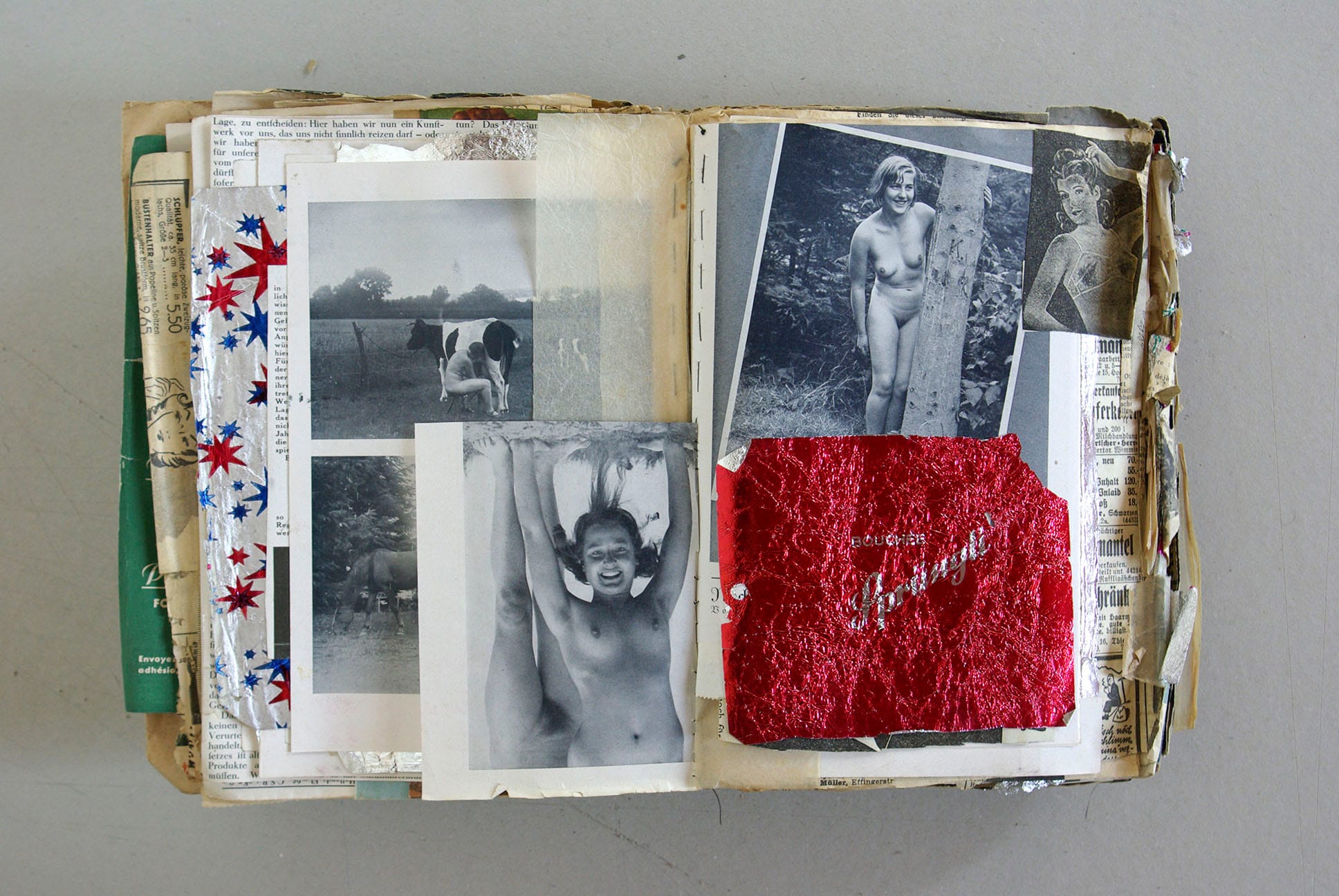
Magic and Design
6 November 2026 – 11 April 2027
Stage illusion, spiritualism and the design studio. Two linked exhibitions at mudac argue that designers, like magicians, use innovation, staging and illusion to create wonder. Hocus Pocus. Design of the Invisible runs from the late 19th century to today through famous illusionists, technical inventions and popular entertainment. Lenders include MoMA, the Vitra Design Museum and the Institut Métapsychique in Paris. Encounterology. Design for Magical Worlds treats present-day magical practice as a relational technology. Its 41 names range from Magdalena Abakanowicz and Dunne & Raby to Le Corbusier, Rudolf Steiner and Charles Darwin.
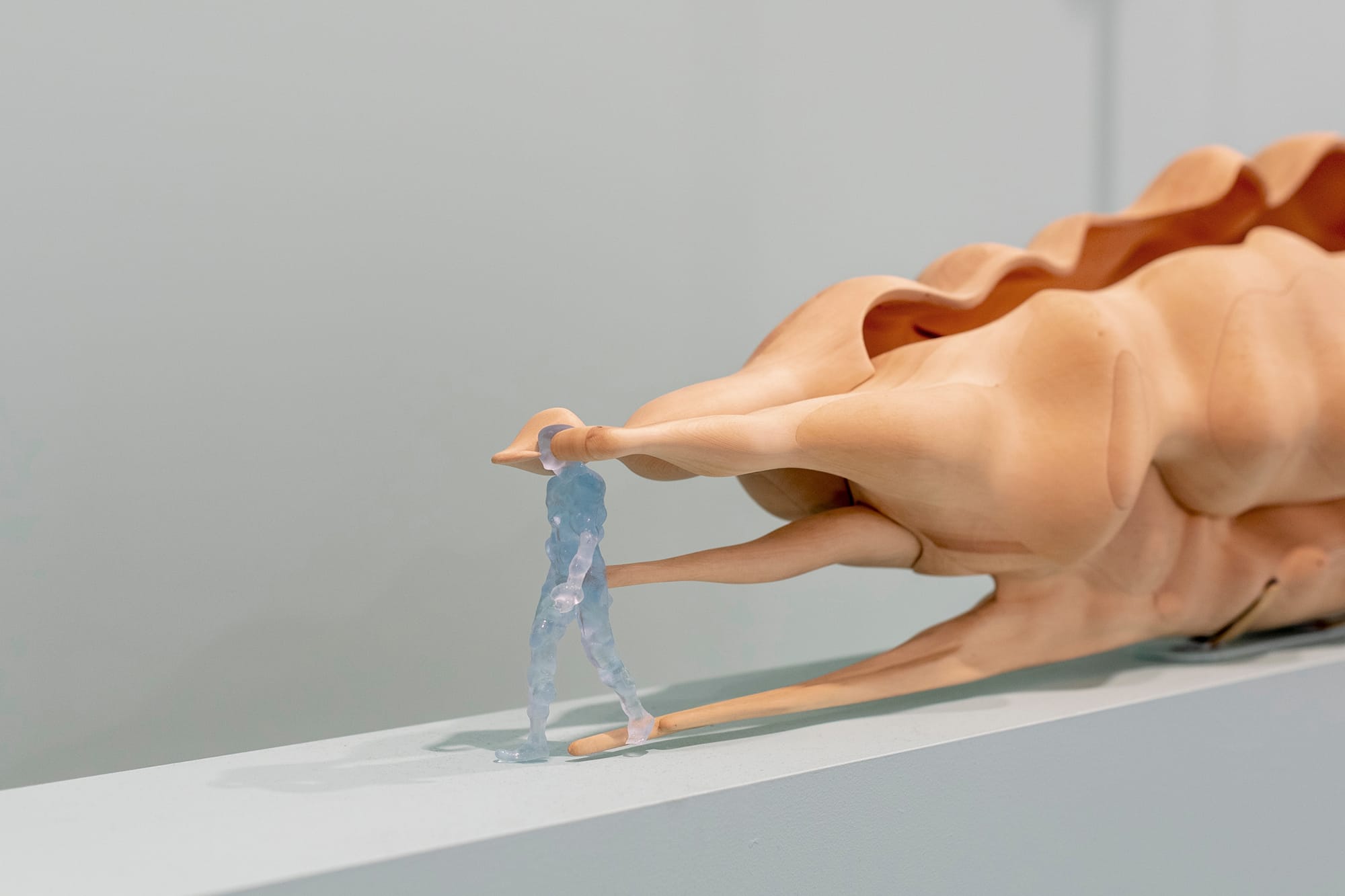
Dining with Pieter Claesz. Focus on Still Life
14 November 2026 – 14 March 2027
Resist the urge to touch the lemon. Pieter Claesz painted food, fabrics and surfaces so convincingly that they still tempt viewers to reach out. Born in Flanders and active in Haarlem, he was the most inventive painter of the monochrome banketje, the banquet still life in muted tones. His pictures record how the rising middle class of the Dutch Golden Age ate and lived. Their vanitas details warn how short food and life can be. One room at Reinhart am Stadtgarten holds the paintings, three high-resolution digital scans and a multimedia table. Short films introduce the genre and the artist.
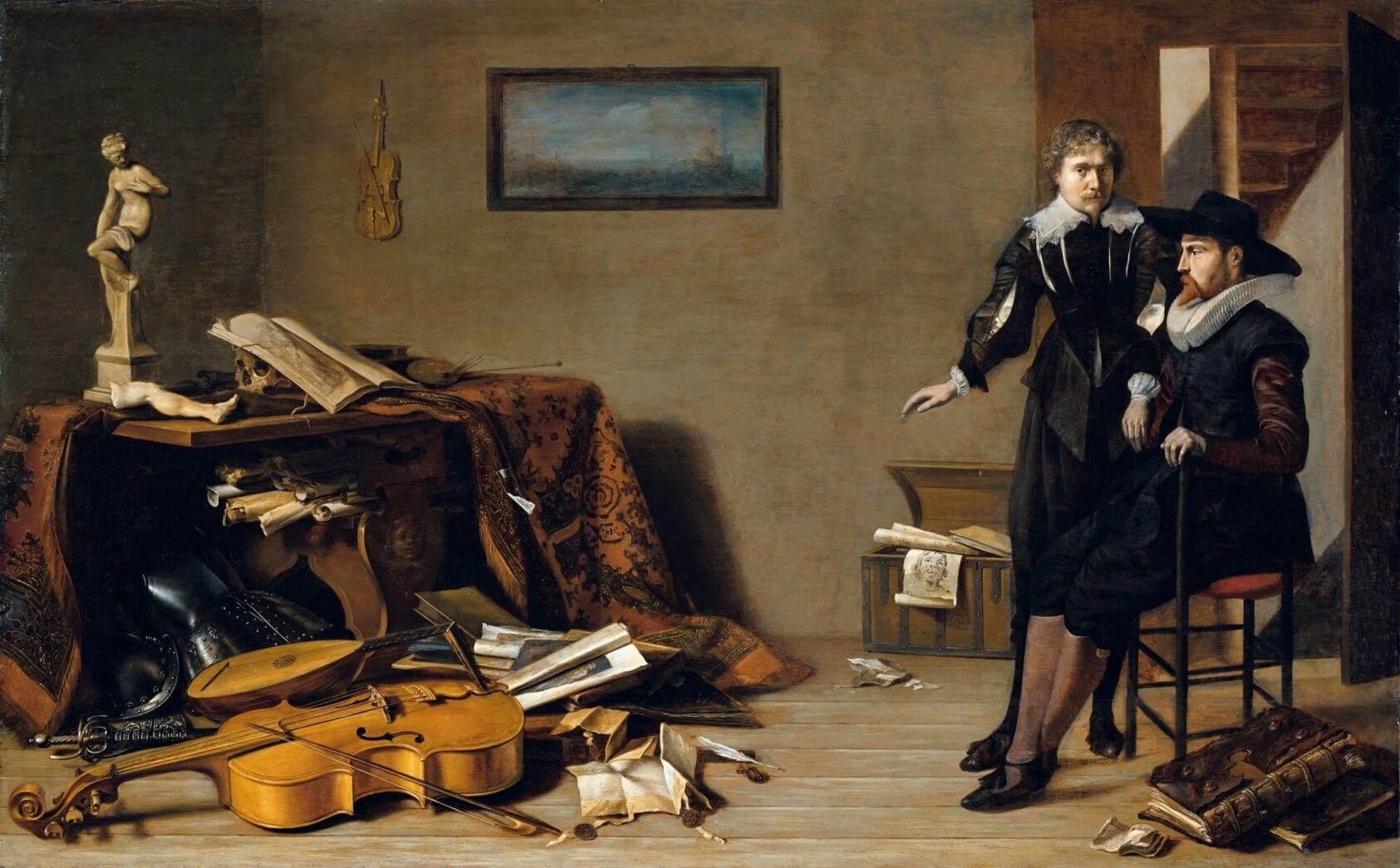
RE-IMAGININGS. Mai-Thu Perret and Una Szeemann
15 November 2026 – 16 May 2027
Two life-size sirens in ceramic and bronze, modelled on Taranto terracottas of the fourth century BC. Mai-Thu Perret made them in 2024. They appear in one of two linked solo shows at MASI’s LAC site. Perret and Una Szeemann each chose more than twenty works from the museum’s collection of over 14,000 and set them beside new pieces. Both picked Leonor Fini’s Le radeau (1940–43), which opens the route. Szeemann shows branch sculptures from Monte Verità, black cowhides and Divine Anomalies (2026), four marble silhouettes. The director, Letizia Ragaglia, curates her first exhibition at MASI.
🇬🇧 Exhibitions in United Kingdom
Van Eyck: The Portraits
21 November 2026 – 11 April 2027
Portraiture as we know it begins with Jan van Eyck, or so the National Gallery argues. All nine of his known painted portraits come together in the Ground Floor Galleries. They make up about half of his surviving works. The sitters are craftsmen, merchants and members of his own family, painted with watchful eyes, stubble, wrinkles and flushed cheeks. Among them is Portrait of a Man (Self Portrait?) (1433). This is the first time all of them have been shown together, and probably the only time they can be. A new catalogue presents research on his technique.
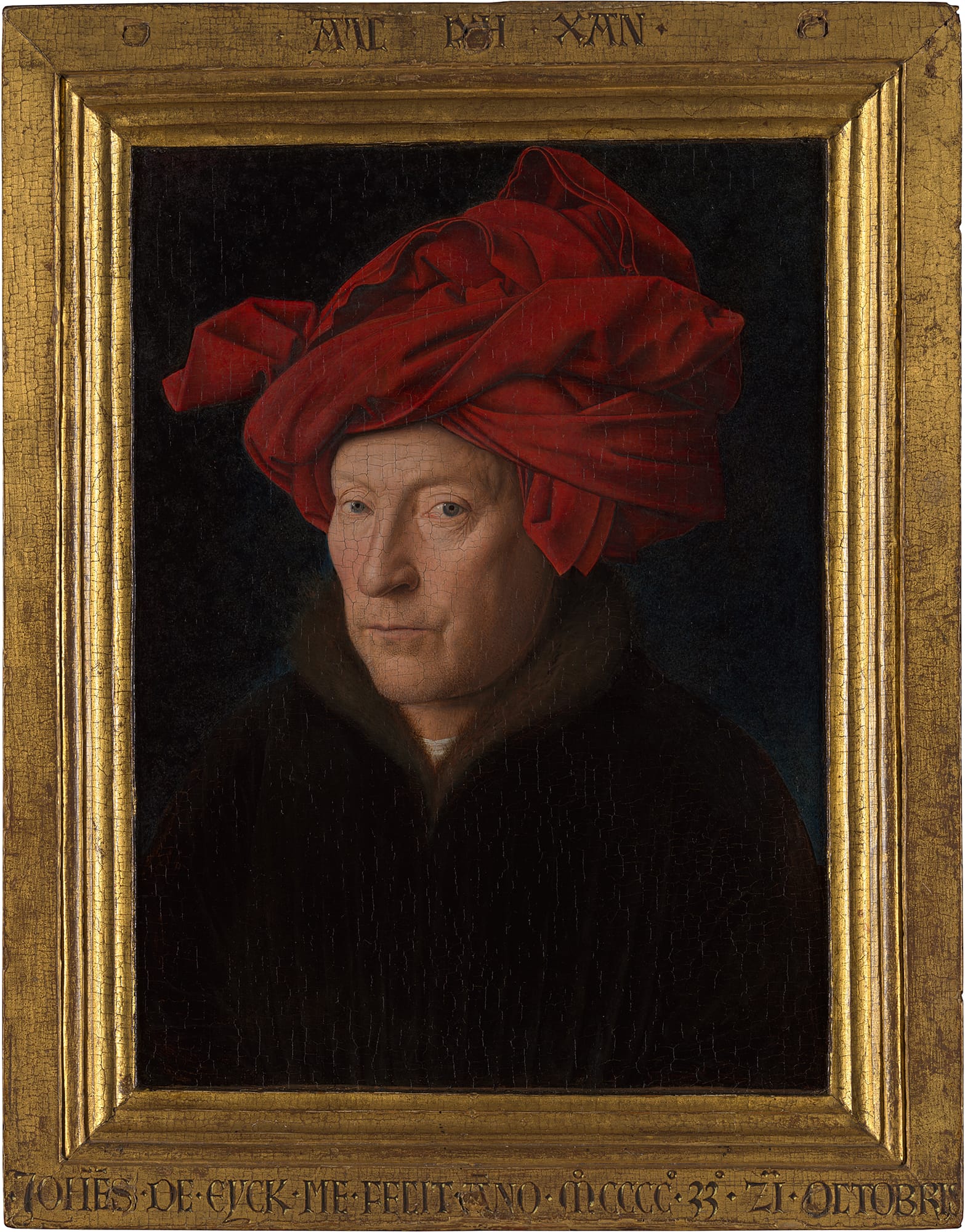
Vanessa Bell & Duncan Grant: Inside Bloomsbury
12 November 2026 – 11 April 2027
Step into the Charleston studio without going to Sussex. Tate Britain restages the room where Vanessa Bell and Duncan Grant worked, moved from their country house for a survey of a partnership that lasted more than 50 years. Over 300 works follow two core members of the Bloomsbury Group. Portraits, still lifes and landscapes are shown with decorated furniture, ceramics and textiles. Bell’s Self-Portrait (c. 1915) and Grant’s Self-Portrait (c. 1920) show how each artist also went their own way. The exhibition is organised with Charleston. One room contains sexually explicit material.
Peggy Guggenheim in London: The Making of a Collector
21 November 2026 – 14 March 2027
Cork Street, January 1938. Peggy Guggenheim opened Guggenheim Jeune in Mayfair and staged more than 20 exhibitions in about 18 months. They included Kandinsky’s first solo show in the UK and the first exhibition of collage in Britain. A show of contemporary sculpture caused a national scandal. The Royal Academy, working with the Peggy Guggenheim Collection in Venice, reunites key pieces from those shows with similar works of the period. Artists include Eileen Agar, Salvador Dalí, Barbara Hepworth, Henry Moore, Piet Mondrian and Sophie Taeuber-Arp. The gallery set Guggenheim on the path to collecting.
Scottish Portrait Awards 2026
28 November 2026 – 11 April 2027
This year’s sitters range from newborn babies to centenarians. For the first time the Portrait in Edinburgh hosts the Scottish Portrait Awards, run by the Scottish Arts Trust since 2017. About 120 works of fine art and photography are on show, with 60 more in the Scotland Now! Phone Portrait Award. Entry was open to artists over 16 who were born, live or study in Scotland. The judges are Kirsty Wark, Albert Watson and Calum Stevenson. Prizes total £17,500. The fine art and photography winners each receive a portrait commission for the national collection. Admission is free.
Ally Fallon: The Shape of a Room
14 November 2026 – 16 May 2027
Tiled floors copied from doorsteps and pubs in Manchester and Italy, with a few borrowed from Renaissance paintings. Each of Ally Fallon’s new canvases contains one, based on a real place. The London-born painter, a former teacher who works in Salford, became the youngest-ever winner of the John Moores Painting Prize at 27. The award brings £25,000 and this solo show in Room 13. Fallon paints in oil and paints over pictures that are not working, so earlier layers show through. Titles such as Unto the Different Dawn! and Silence in the Floor of My House come from his reading.
Bagri Commission: Gulnur Mukazhanova, The Manifold of Memory
20 November 2026 – 16 May 2027
One small textile fragment from the Whitworth’s collection, expanded into a large felt environment. Gulnur Mukazhanova takes the nomadic cultures of the Central Asian steppe as her inspiration for the first Bagri Commission, made with the Bagri Foundation. It is also her first museum exhibition in the UK. In her work, felt carries memory and stands for home, nature and cosmology. Visitors are invited to move slowly through the installation. Textures ripple, colours shift and forms seem to grow from the past into the future. Everything grows from that single fragment.
Ida Ekblad: WORLD’S LARGEST METAPHOR
21 November 2026 – 3 May 2027
Paint, laid on thickly enough, starts to behave like sculpture. Ida Ekblad’s new oil paintings for Wakefield take months each, built up in heavy layers to an enamel-like finish. They are shown with large sculptures in glass, cast iron and hand-painted bronze, some of which grow out of the paintings. The Oslo-based artist, born in 1980, recycles materials and motifs from pop culture, folklore and Expressionist painting. This is her first major solo exhibition in the UK. GRIME VIGILANCE (2024), oil on linen in an artist’s frame, is among the works. The show travels to Kunsten in Aalborg next summer.
Marc Chagall: The Circus
21 November 2026 – 25 April 2027
Take a ringside seat for a circus that “appears and disappears like a world”, in Marc Chagall’s words. Le Cirque (1967), his suite of colour lithographs published with his own essay on the subject, is rarely seen in full. The Hepworth Wakefield shows the complete set with paintings, writings and archival material. The exhibition looks at how his background, his experience as an immigrant and his lifelong love of theatre shaped this imagery. Goats and lovers recur, motifs linked to the life he lost in his native Vitebsk. One impression of Cirque comes from the Kunstmuseum Pablo Picasso Münster.
Rebecca Moss: Shapeshifter
29 November 2026 – 10 January 2027
A popular movement game, reworked and played out in a curved gallery above the Atlantic. Rebecca Moss, known for absurdist interventions that explore feminist and embodied relationships with the world, takes over Gallery 8 for six weeks. Her starting point is the modernist abstract painting of Wilhelmina Barns-Graham (1912–2004), whose own exhibition continues elsewhere in the building until May. Visitors are invited to join the game. Moss launches it at the Winter Festival on 29 November and hosts it in person that day, when admission to the gallery costs £1. The work runs into the new year.
Nicole Eisenman: Perpetual Motion Machine with Museum Piece con Gas
14 November 2026 – 11 April 2027
Empty tuna cans, rattling from a painter’s pole. They hang from the fists of Perpetual Motion Machine (2019), Nicole Eisenman’s larger-than-life bronze of a slumped, straining figure whose back foot is stuck in chewing gum. Straps tie it to a cart with square wheels. On the cart rides Museum Piece con Gas (2019), a figure in brown wax and shaggy wool that periodically puffs “smoke” from its rear. Both come from Procession, first shown at the 2019 Whitney Biennial, and are on view in the UK for the first time. The Sunley Gallery sets them against the North Sea.